

A Michelin Plate-recognised French restaurant in Shirokanedai, REQUINQUER sits in the quieter, neighbourhood-facing tier of Tokyo's French dining scene, distinct from the grand-room flagships of Ginza and Marunouchi. Set menus focus on Japanese-French fusion, with foie gras terrine as a recurring anchor and a sourcing approach that draws from undersized, JA-rejected vegetables to support smaller farms.
Pearl is the En Primeur Club membership app — saves, bookings, and concierge access live there. Same editors, same standards.
- Address
- Japan, 〒108-0071 Tokyo, Minato City, Shirokanedai, 5 Chome−17−11 白金台山田ビル 1F
- Phone
- +81 3-5422-8099
- Website
- requinquer.jp
- Directions
- Get directions
 Saves & bookings on Pearl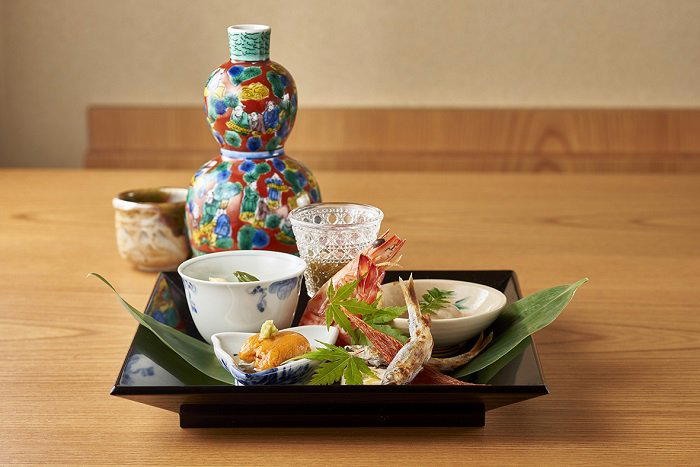
Shirokanedai and the Case for Neighbourhood French
Tokyo's French restaurant scene divides along a fairly clear axis. At one end sit the grand-room flagships: Château Restaurant Joël Robuchon in its Ebisu mansion, L'Effervescence pulling three Michelin stars in Nishiazabu, Sézanne commanding the Four Seasons in Marunouchi. At the other end, and this is where things get interesting for the informed diner, sit the neighbourhood restaurants: smaller rooms, lower price points, cooking driven by a specific point of view rather than the weight of a celebrity name. Shirokanedai, the residential pocket of Minato that runs south from Meguro, has long had the density and disposable income to support precisely this kind of restaurant. REQUINQUER, operating out of a ground-floor space on 5-chome, is a clear example of what that neighbourhood tier looks like when it functions well.
Shirokanedai is not a dining destination in the way that Ginza or Azabu-Juban are. It does not draw tourists on the strength of its restaurant cluster. What it has instead is a stable, local audience with high expectations and the habit of return visits, the kind of diner base that rewards consistency and punishes complacency. For a French restaurant of REQUINQUER's size and positioning, that environment shapes the menu as much as any kitchen philosophy does.
Where REQUINQUER Sits in the French Dining Tier
The Michelin Plate, awarded to REQUINQUER in both 2024 and 2025, places it in a recognised but clearly delineated bracket. The Plate signals quality cooking that did not reach star level in the Guide's assessment, a distinction that matters for how the restaurant sits relative to its peers. Compared with the ¥¥¥¥ tier occupied by L'Effervescence, ESqUISSE, and Florilège, REQUINQUER prices at ¥¥¥, making it part of a cohort where the trade-off between formal ambition and accessible cost is explicit. That cohort is not a consolation bracket. In a city where the ¥¥¥¥ French room can run past ¥30,000 per person without wine, a well-executed ¥¥¥ set menu represents a deliberate choice on the part of the kitchen, not a limitation.
The set menu format, built around the specific character of Japanese-French fusion, follows a model now well established in Tokyo's mid-tier French scene. What distinguishes REQUINQUER's version is the sourcing layer: vegetables that fail to meet Japan Agricultural Cooperative size standards are purchased directly, supporting smaller producers who would otherwise struggle to place their crop. This is not incidental. In Japan, where JA grading has historically locked out irregularly sized produce regardless of quality, the practice connects the kitchen to a supply chain that most comparable restaurants do not use. The soups and crepes that result from this sourcing are positioned as vehicles for those ingredients, which shifts the logic of the menu away from prestige produce toward something more ecologically considered.
The Role of Foie Gras Terrine in a Japanese-French Context
Foie gras terrine as a restaurant's defining return-visit dish says something specific about both the kitchen and its audience. In the French tradition, terrine de foie gras is a technically demanding preparation that rewards precision in seasoning, temperature, and fat distribution, there is nowhere to hide a mistake. Its presence as a speciality at REQUINQUER points to a kitchen that has committed to classical French technique as a foundation, rather than treating French cuisine as a loose framework for ingredient-forward experimentation.
That commitment sits in interesting tension with the Japanese-French fusion emphasis of the set menus. Tokyo has produced particularly rigorous French cooking outside France itself, HAJIME in Osaka and Gion Sasaki in Kyoto operate at the upper end of that tradition, and the city's French chefs have generally moved away from fusion as a selling point toward either classical rigour or a more transparent dialogue between the two cuisines. REQUINQUER's framing as a Japanese-French restaurant that also anchors its menu in a classical French terrine suggests it is working within both registers simultaneously, rather than choosing between them. For international context on how French cooking travels across cultures, the comparison extends to Les Amis in Singapore and Hotel de Ville Crissier in Switzerland, each representing a distinct national relationship with the French canon.
Getting to Shirokanedai
The address on Shirokanedai 5-chome puts REQUINQUER within walking distance of Shirokanedai Station on the Toei Mita Line, which also connects directly to Meguro and Mita. The area is residential and quiet in the evenings, which reinforces the neighbourhood-restaurant character of the dining experience.
How REQUINQUER Compares with Nearby Peers
| Venue | Cuisine | Price Tier | Michelin Recognition | Area |
|---|---|---|---|---|
| REQUINQUER | French / Japanese-French | ¥¥¥ | Michelin Plate (2024, 2025) | Shirokanedai, Minato |
| L'Effervescence | French | ¥¥¥¥ | Three Stars | Nishiazabu, Minato |
| ESqUISSE | French | ¥¥¥¥ | Two Stars | Ginza, Chuo |
| Florilège | French | ¥¥¥¥ | Two Stars | Aoyama, Minato |
If you are building an itinerary across Japan, the EP Club also covers akordu in Nara, Goh in Fukuoka, 1000 in Yokohama, and 6 in Okinawa.
What to Eat at REQUINQUER
The foie gras terrine is especially consistently cited reason for return visits, and within the French tradition it remains the dish that most directly signals the kitchen's technical grounding. The set menu structure, built around Japanese-French fusion across multiple tiers, is the primary format, with soups and crepes that draw on JA-rejected vegetables forming a recurring part of the menu. The name REQUINQUER translates from French as an instruction to be of good cheer, a register that aligns with the accessible pricing and neighbourhood setting rather than the formal solemnity of a starred room. Diners who arrive expecting the ceremony of a ¥¥¥¥ tasting counter will find a different kind of seriousness here: one focused on produce sourcing, classical technique, and the steady loyalty of a returning local audience.
Just the Basics
Comparable venues nearby, for context on price, style, and recognition.
| Venue | Cuisine | Price |
|---|---|---|
| REQUINQUERThis venue — the venue you are viewing | Minato, Modern Japanese-French Fusion | $$$$ |
| Clos Des Gourmets | Minato, Modern French Fine Dining | $$$$ |
| AMOUR | Shibuya, Japanese French Kaiseki | $$$$ |
| gentil H | Minato, Modern French-Japanese Fusion | $$$$ |
| UNE PINCÉE | Minato, Seasonal French Bistro | $$$$ |
| l'Odorante par Minoru Nakijin | Chūō, Modern Franco-Japanese Fine Dining | $$$$ |
Recognition history
Dated appearances from independent guides and award organizations, with the underlying list record or original source where available.
Michelin Plate
Michelin
Michelin Plate
Michelin
Tabelog 100 #7 · No. 7
Tabelog · Tabelog 100 - French - TOKYO - 2025
Michelin Plate
Michelin












At a Glance
- Intimate
- Elegant
- Sophisticated
- Cozy
- Date Night
- Special Occasion
- Celebration
- Extensive Wine List
- Local Sourcing
- Sustainable Seafood
Current opening hours
- Monday
- Closed
- Tuesday
- 12–3 PM, 6–10 PM
- Wednesday
- 12–3 PM, 6–10 PM
- Thursday
- 12–3 PM, 6–10 PM
- Friday
- 12–3 PM, 6–10 PM
- Saturday
- 12–3 PM, 6–10 PM
- Sunday
- 12–3 PM, 6–10 PM
Hours can change for holidays and private events. Last verified .
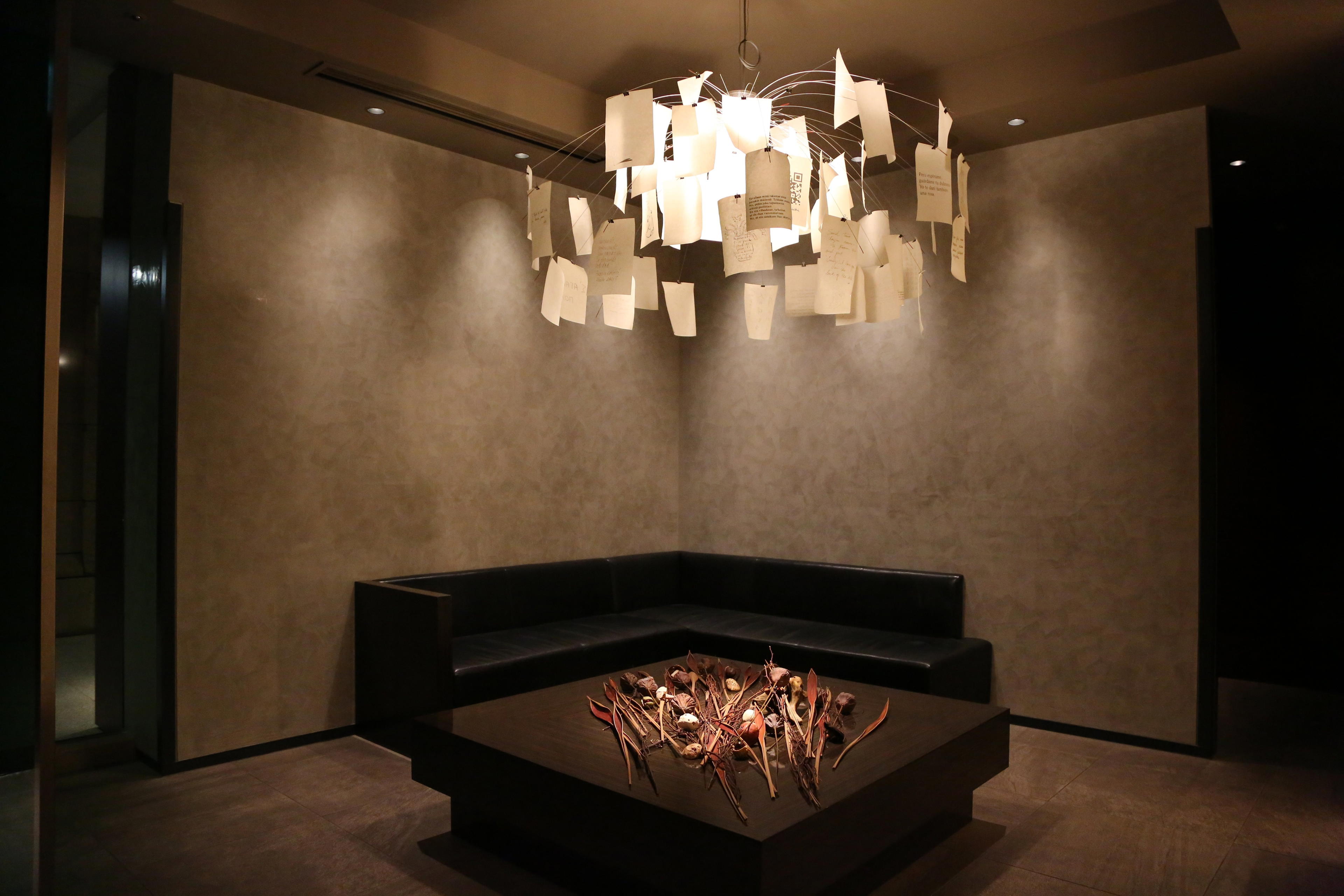
Cozy and sophisticated with warm, exclusive atmosphere from just three tables, polished service, and artistic dish presentations.