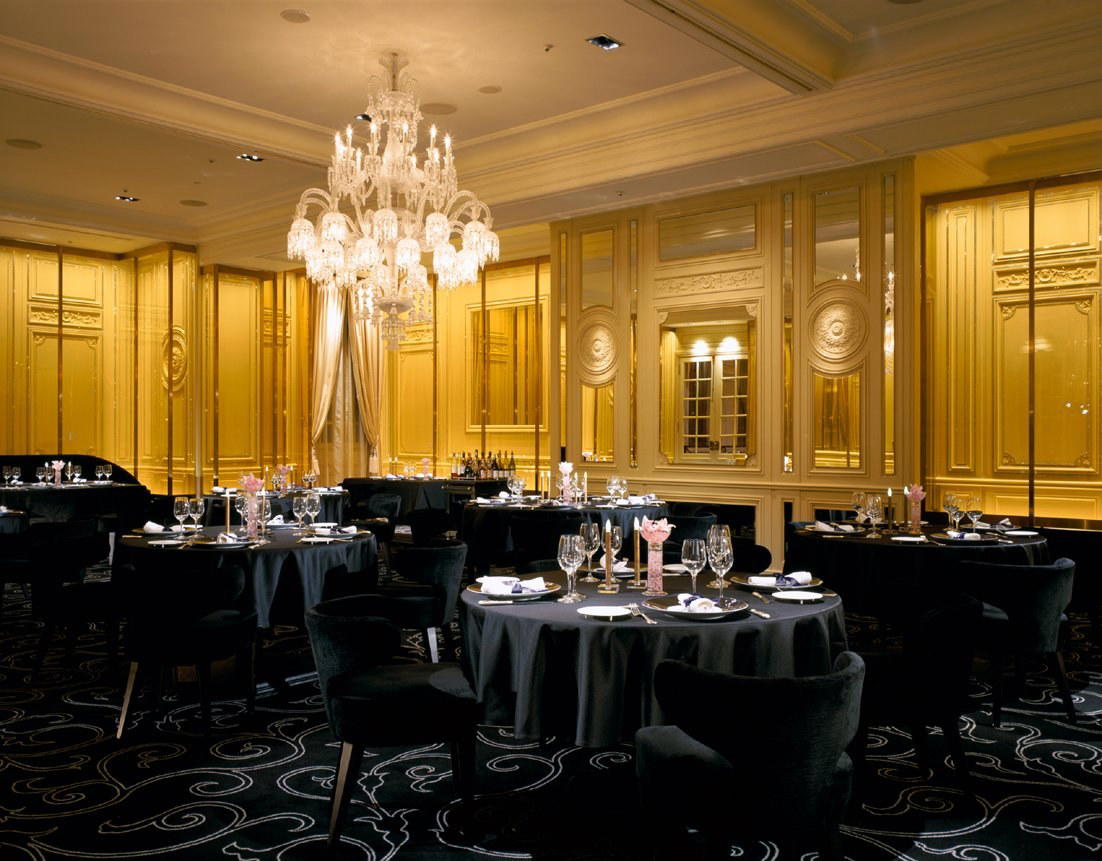
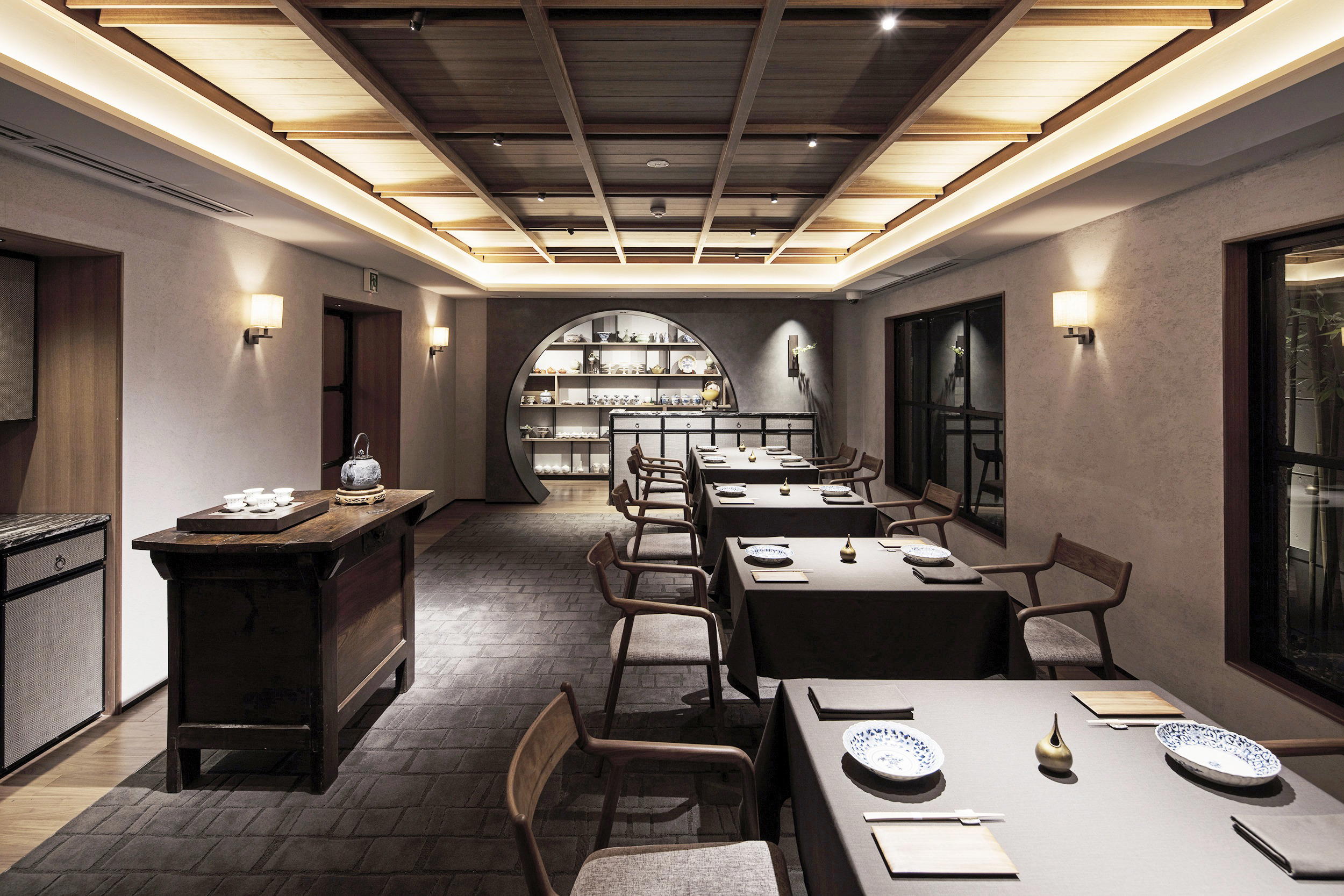
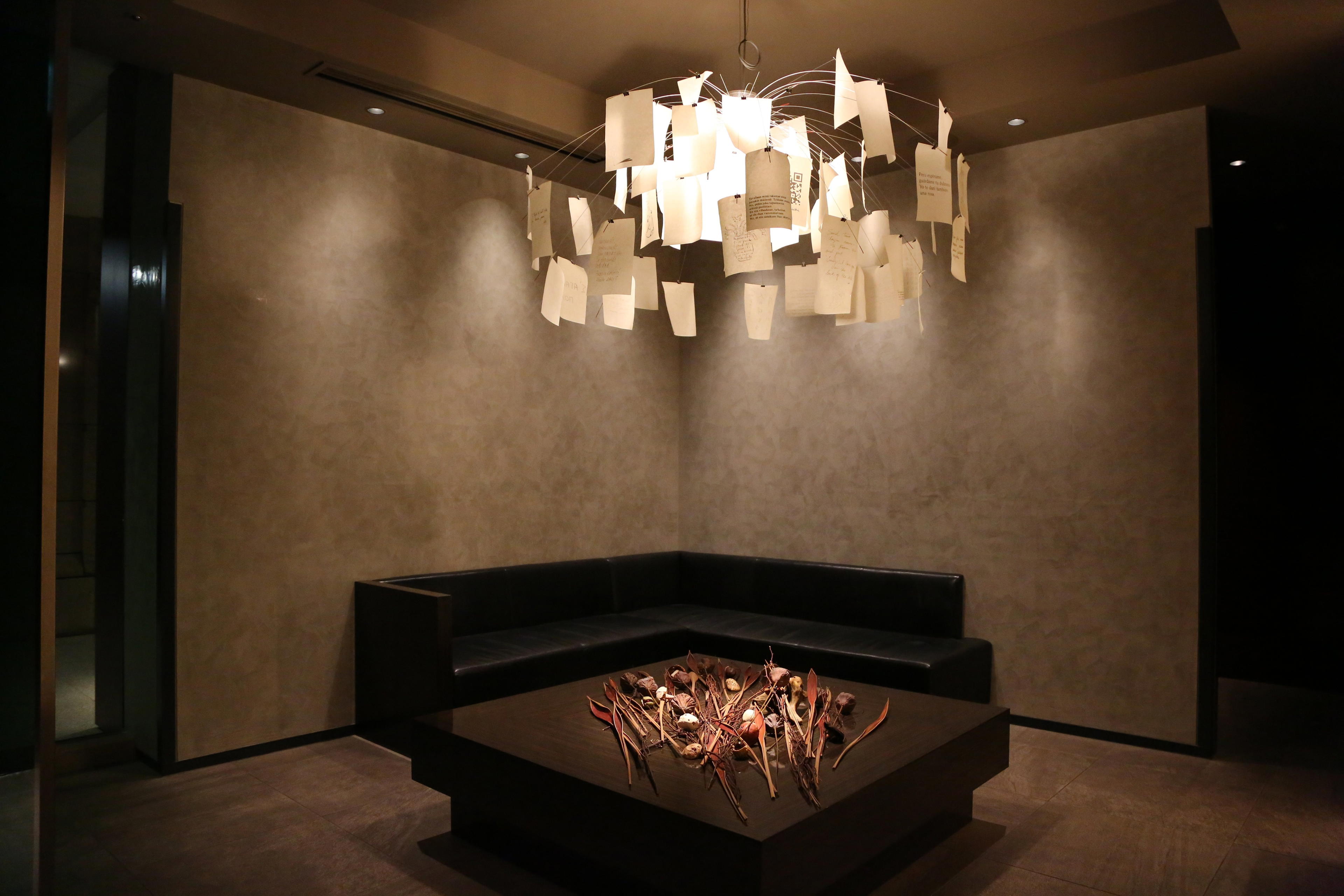
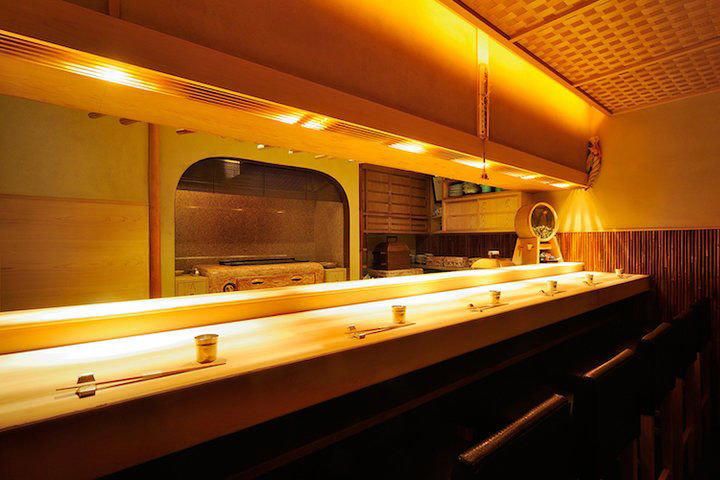
Michelin Plate · Tabelog 100 #89
Our verdict
A Michelin Plate–recognised French restaurant in Shirokanedai, gentil H operates at the quieter, ingredient-focused end of Tokyo's French dining spectrum. The chef personally serves each dish, and the menu credits its producing regions and producers by name. Bread comes from the chef's native Shizuoka, and house tea from a named brand, small details that signal a considered, personal approach to sourcing.

Pearl is the En Primeur Club membership app, where members save venues, book tables and use the concierge.
Shirokanedai and the French Table That Thinks Like a Japanese Kitchen
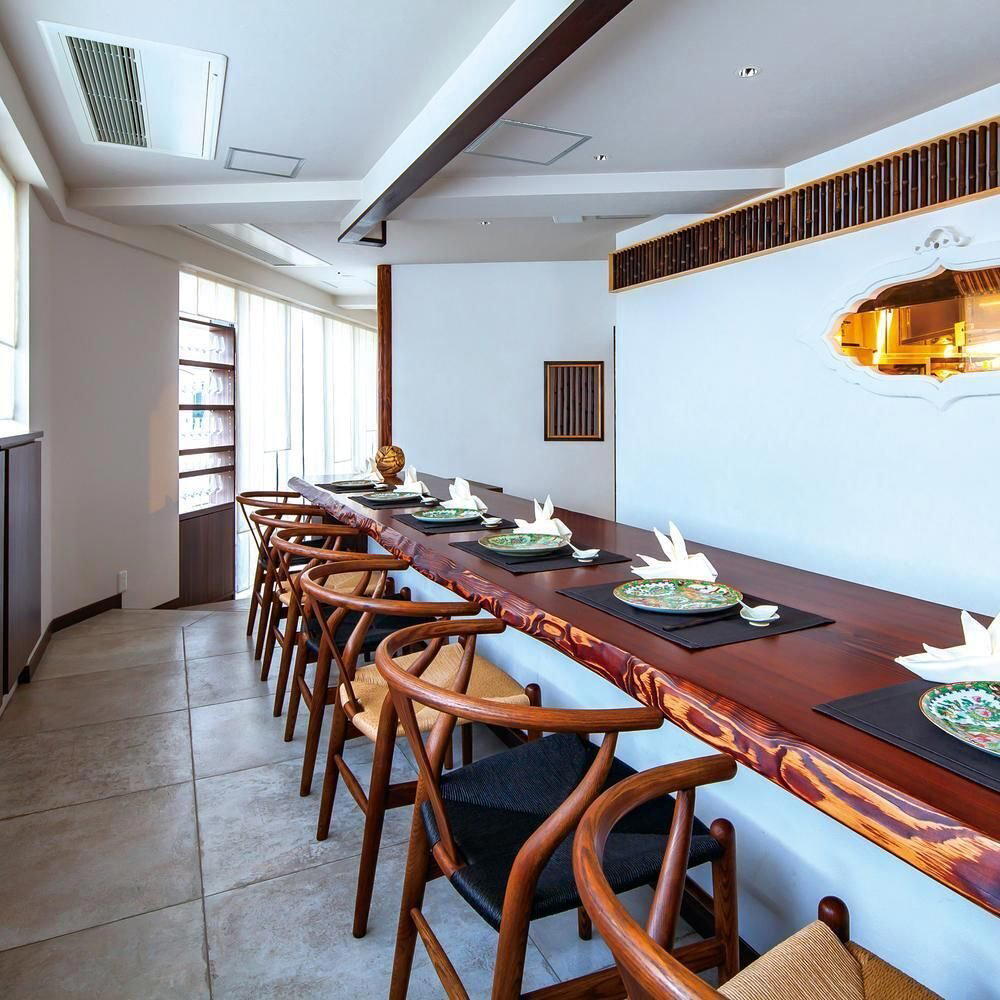
The residential streets of Shirokanedai, Minato ward's quieter counterpart to Hiroo and Azabu-Juban, have long supported a certain kind of serious small restaurant. These are not destination addresses in the flashy sense. They draw diners who already know where they're going, often by introduction, and who arrive with expectations shaped by previous visits rather than internet searches. gentil H, on the second floor of Gold Forest at 5 Chome-18-17, belongs to this category: a French restaurant in a neighbourhood where the ambient noise level is low and the culinary intentions are precise.
Tokyo's French dining scene has always occupied more tiers than Paris's. At the summit sit establishments like L'Effervescence and Sézanne, carrying three Michelin stars and the full weight of international prestige. Below them, a second cohort, ESqUISSE, Florilège, pushes French technique into dialogue with Japanese ingredients and contemporary ideas. Then there is a third tier, less discussed internationally but arguably more representative of how Tokyo actually eats French food: smaller rooms, shorter menus, ingredient-forward philosophy, and a pricing structure (¥¥¥, rather than the ¥¥¥¥ of the starred set) that reflects portion discipline rather than parsimony. gentil H occupies this third tier, and it is a considered place within it.
Philosophy of the Table: Temperature, Fragrance, Texture
What the Michelin inspectors noted in awarding gentil H a Plate in both 2024 and 2025 aligns with what distinguishes a certain school of French cooking in Japan: the primacy of ingredient quality over technical showmanship. The menu framework here places harmony of flavours above other considerations, then specifies the subordinate concerns, temperature, fragrance, and texture, as the tools through which that harmony is achieved. This is, in effect, a classical French approach filtered through a Japanese sensibility about material honesty. The difference between a dish that is technically accomplished and one that is truly cooked is often exactly these three variables.
The menu credits producing regions and producers by name, a practice that has moved from novelty to expectation in Tokyo's better French rooms over the past decade, but that gentil H appears to treat as a structural commitment rather than a marketing gesture. This kind of sourcing transparency connects the French tradition of terroir to the Japanese practice of naming the farm, the fisherman, and the prefecture. It is the table's way of explaining what it values before the first course arrives.
The chef personally delivers dishes to the table, a service choice that eliminates the interpretive gap between kitchen intention and guest understanding. At this price tier and room size, it also removes a layer of formal distance that can make French dining feel instructional rather than communicative. The gesture is common enough in Tokyo's smaller French rooms that it reads less as theatre and more as a structural decision about how information about the food should travel.
Shizuoka Provenance and the Bread and Tea Question
Two sourcing details that appear in the restaurant's own framing are worth reading carefully. The bread comes from a baker who was the chef's classmate, and the house tea is a name-brand selection, both from Shizuoka prefecture, the chef's home region. These are not incidental details. In the context of a French meal in Tokyo, the bread course is the one moment where the kitchen's identity is most plainly stated. Sourdough from a close collaborator with a shared regional background is a different proposition from a decorative roll from a wholesale supplier. Shizuoka, meanwhile, is one of Japan's leading tea-producing prefectures, and featuring a named brand in the tea service positions that course as a deliberate regional statement rather than an afterthought.
The broader pattern here, French technique, Japanese ingredient sourcing, regional provenance made explicit, recurs across Tokyo's serious mid-tier French restaurants. It reflects a generation of chefs who trained in France but cook in and for Japan, and who have resolved the tension between those two culinary systems by not treating it as a tension at all. For comparison at the higher end of this dynamic, see what Château Restaurant Joël Robuchon represents at the other extreme of French institutional dining in Tokyo, where the reference point is Parisian grandeur rather than local rootedness.
Where gentil H Sits Among Its Peers
| Venue | Cuisine | Price | Recognition | Format |
|---|---|---|---|---|
| gentil H | French | ¥¥¥ | Michelin Plate (2024, 2025) | Small room, chef-served, ingredient-forward |
| Florilège | Innovative French | ¥¥¥¥ | Michelin 2 Stars | Counter-focused, French-Japanese dialogue |
| ESqUISSE | French | ¥¥¥¥ | Michelin 2 Stars | Evening tasting, formal service |
| L'Effervescence | French | ¥¥¥¥ | Michelin 3 Stars | Full tasting, prestige ingredient sourcing |
The table above reflects Tokyo's French dining spread at the current moment. gentil H prices notably below the starred cohort, ¥¥¥ against the ¥¥¥¥ of Florilège, ESqUISSE, and L'Effervescence, while maintaining Michelin recognition. For diners who want a disciplined French experience without committing to the full financial register of the two- and three-star rooms, this is a meaningful gap to fill.
For a broader map of where French cooking sits within Tokyo's wider restaurant scene, the full Tokyo restaurants guide covers the spectrum from kaiseki to ramen, and situates French in its neighbourhood context. Those building a full trip programme should also consult the Tokyo hotels guide, the bars guide, and the experiences guide.
Outside Tokyo, the French-in-Japan conversation continues at different registers: HAJIME in Osaka occupies the three-star tier with a different kind of ingredient philosophy, while akordu in Nara represents a regional French approach with Nara-sourced produce. For the international French reference point, the kind of Swiss institution that defines where classical rigour still holds, Hotel de Ville Crissier in Crissier and Les Amis in Singapore both illuminate what the tradition looks like outside Japan.
Planning a Visit
gentil H is located on the second floor of Gold Forest, Shirokanedai 5 Chome-18-17, Minato City. The address is residential in character, which means the approach is quiet and the building is not a commercial landmark, confirming the address before visiting is advisable. The price range sits at ¥¥¥, positioning the meal as a considered mid-to-upper-tier spend rather than an occasion-only outlay.
Frequently asked questions
Does gentil H have a Michelin star or similar recognition?
gentil H has received recognition including: The aim here is to offer refinement through the flavour of excellent ingredients. Placing harmony of flavours above all, it focuses on temperature, fragrance and texture. The menu lists producing regions and producers, conveying gratitude f….
What cuisine category does gentil H fall under?
What's the best thing to order at gentil H?
The guiding principle the restaurant itself states is harmony of flavour across temperature, fragrance, and texture, so the menu in its entirety, rather than any single dish, is the intended experience. The bread, baked by a Shizuoka classmate of the chef, and the name-brand tea from the same region are cited in the restaurant's own framing as signatures worth noting.
What's the pricing like at gentil H?
Pricing at gentil H is listed as ¥¥¥.
How do I find gentil H?
gentil H is located at Japan, 〒108-0071 Tokyo, Minato City, Shirokanedai, 5 Chome−18−17 GOLD FOREST 2F, Tokyo.
How hard is it to get a table at gentil H?
At ¥¥¥ pricing and a Michelin Plate rather than stars, gentil H sits below the booking-pressure tier of Tokyo's starred French counters, where waits of two to three months are common. That said, it occupies a residential Shirokanedai address with limited covers, and Plate-recognised restaurants in Minato ward do fill quickly on weekends. Contacting the restaurant directly in advance is the practical approach, even if same-week availability is sometimes possible mid-week.
Awards and Standing
A small set of peers for context, based on recorded venue fields.
| Venue | Cuisine | Price | Awards | Notes |
|---|---|---|---|---|
| gentil HThis venue (the venue you are viewing) | Modern French-Japanese Fusion | $100–150 | Michelin Plate · Tabelog 100 #89 | Not listed |
| Harutaka | Edo-Style Omakase Sushi | $200–300 | 3 Michelin Stars · World's 50 Best #76 | Sushi |
| RyuGin | Modern Kaiseki | $500+ | 3 Michelin Stars · World's 50 Best #41 | Kaiseki, Japanese |
| L'Effervescence | Modern French with Japanese Influences | $200–300 | 3 Michelin Stars · World's 50 Best #69 | French |
| HOMMAGE | Modern French with Japanese Influences | $150–200 | 2 Michelin Stars · World's 50 Best #78 | Innovtive French, French |
| MAZ | Innovative Peruvian-Japanese Fusion | $150–200 | 2 Michelin Stars · World's 50 Best #28 | Innovative |
Recognition history
Dated appearances from independent guides and award organizations, with the underlying list record or original source where available.
Michelin Plate
Michelin
Tabelog 100 #89 · No. 89
Tabelog · Tabelog 100 - French - TOKYO - 2025
Full recognition history (4 entries)
Michelin Plate
Michelin
Michelin Plate
Michelin