Michelin Plate
Our verdict
UNE PINCÉE is a Higashi-Azabu French address operating at the accessible end of Tokyo's French dining tier, where a Michelin Plate (2024, 2025) signals consistent kitchen discipline rather than spectacle. The menu follows an honest bistro rhythm: seasonal vegetable gelée and consommé shift through white asparagus, corn, butternut squash, and Jerusalem artichoke across the year, while pastry-wrapped pigeon or quail anchors the main course with the kind of quiet confidence that keeps regulars returning.

Pearl is the En Primeur Club membership app, where members save venues, book tables and use the concierge.
The menu
What to order
- Rabbit pie
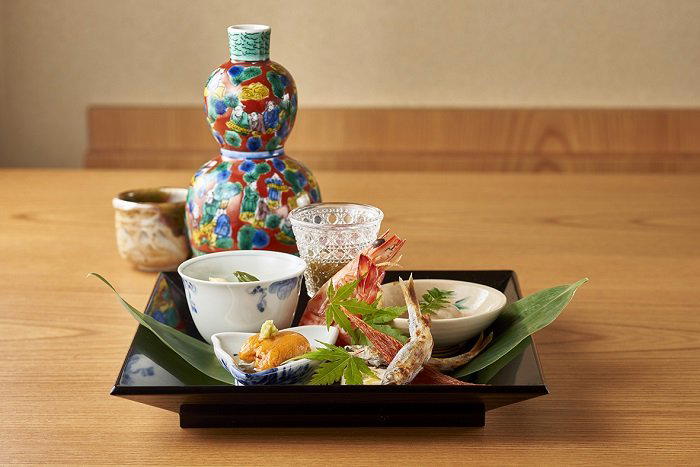
- Gelée of vegetable mousse and consommé
- Pastry-wrapped pigeon
- Pastry-wrapped quail
What a Seasonal Gelée Tells You About a Restaurant
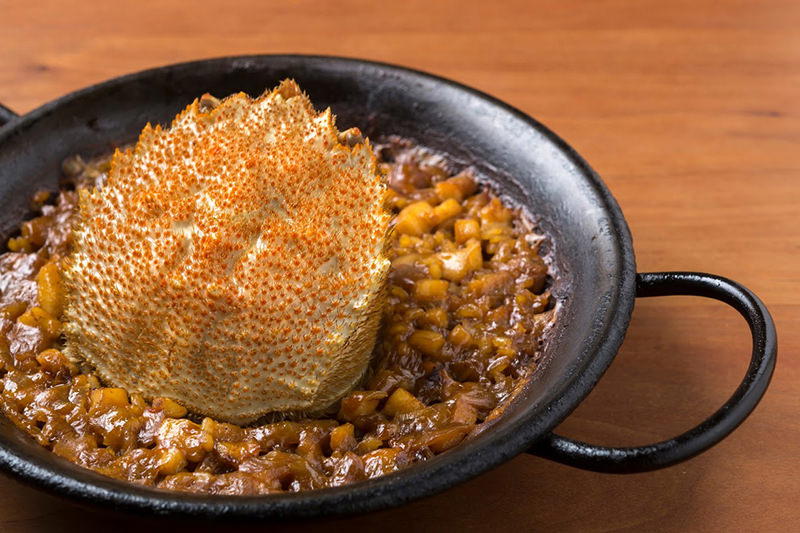
The dish that defines UNE PINCÉE's kitchen position is, instructively, a vegetable gelée. Layered consommé, a mousse base, and a seasonal ingredient chosen from the chef's parents' farm in Ibaraki Prefecture: white asparagus in spring, corn in summer, butternut squash in autumn, Jerusalem artichoke in winter. It is a dish that rewards attention to sourcing and restraint in technique, and it is the kind of thing that distinguishes a kitchen with a clear philosophy from one chasing current fashions.
Higashi-Azabu and the Quiet French Tradition in Tokyo
Tokyo's French dining scene has always operated across a wide register, from the grand-hotel formality of Château Restaurant Joël Robuchon at the leading end down through increasingly accessible neighbourhood addresses. The top tier, occupied by places like L'Effervescence, Sézanne, and ESqUISSE, commands prices that reflect both ingredient costs and the city's appetite for technical ambition. What sits below that tier is often more interesting as a test of genuine bistro values: can a kitchen make something precise and personal without the support structure of a four-star price point?
Higashi-Azabu is part of Minato-ku, a ward that contains some of Tokyo's most concentrated dining. The neighbourhood sits close to Azabu-Juban, a district with a longstanding French expat presence that historically made it fertile ground for French restaurants at multiple price levels. UNE PINCÉE operates in that tradition without announcing it loudly. The address is a ground-floor space in a building that offers no particular architectural drama, which in the context of Tokyo neighbourhood dining is almost a signal of seriousness: the energy is pointed inward, toward the plate.
The Bistro Tradition: What It Actually Requires
The word bistro has been diluted across decades of international restaurant culture to the point where it means almost nothing outside France. In its original form, the bistro was a place of regulars, of set menus adjusted to what was available, of cooking that prioritised the integrity of a small number of dishes over the ambition of a long one. The chef cooked what they knew; the sourcing was direct and local; the format was compact enough that quality could be maintained across every cover.
UNE PINCÉE fits that model more closely than most French restaurants in Tokyo claiming the bistro label. The gelée changes with the season not as a marketing gesture but because the ingredients come from a specific farm in Ibaraki. The portions and number of dishes are adjusted to preference, which is the bistro's traditional accommodation of the regular diner rather than the tourist. The longstanding presence of pastry-wrapped pigeon or quail on the menu points to the same logic: this is a kitchen that has identified what it does well and commits to it across years, not seasons.
That approach places UNE PINCÉE in a smaller and arguably more disciplined category than the innovation-led French addresses like Florilège, which operate at a higher price point and with a more explicitly contemporary French identity. The comparison is not a ranking but a distinction of purpose: some French restaurants in Tokyo are in conversation with Paris and Copenhagen; UNE PINCÉE is in conversation with a longer, quieter tradition.
Michelin Plate Recognition and What It Signals
The Michelin Plate, awarded to UNE PINCÉE in both 2024 and 2025, is the Guide's signal that a kitchen is cooking at a consistent standard worthy of attention, without the additional complexity of star-level technique or service. In Tokyo, where Michelin coverage is dense and competitive across every cuisine category, a Plate at a ¥¥ price point is a meaningful credential. It positions the restaurant above the unrecognised neighbourhood category while keeping it firmly outside the ¥¥¥¥ tier where addresses like L'Effervescence operate.
For context across Japan's French dining conversation, the ambition level and price architecture at UNE PINCÉE differs substantially from starred French kitchens in other cities: HAJIME in Osaka and peer addresses represent a different scale of investment and expectation. You can also find comparable positioning among French addresses abroad: Les Amis in Singapore and Hotel de Ville Crissier in Crissier represent the upper range of that French dining conversation in their respective markets, which helps calibrate where the Plate-level Tokyo bistro sits globally.
At a small neighbourhood restaurant, that score reflects repeat visitors as much as first-timers, which tends to produce more accurate assessments than high-traffic tourist destinations where the review pool skews toward single visits.
The Menu in Practice
The structure at UNE PINCÉE follows a French sequence without apparent rigidity. The vegetable gelée serves as a composed starter with enough technique to anchor the meal; the pastry-wrapped pigeon or quail provides the main course anchor; and the portion sizes and number of courses are adjusted to the guest's appetite. This is not an omakase structure, but it shares the same underlying logic: the kitchen makes decisions based on what is available and what the guest needs, rather than presenting a fixed tasting architecture.
The sourcing from Ibaraki Prefecture, roughly 60 kilometres north of central Tokyo, places the kitchen in a broader pattern of Tokyo restaurants building direct relationships with regional producers. That practice, common across the starred tier, appearing here at ¥¥ pricing is part of what gives the gelée its editorial point: the technique is accessible; the sourcing commitment is not trivially replicated.
Know Before You Go
Address: 2 Chome-19-2 Higashi-Azabu, Minato City, Tokyo 106-0044 (Sakai Building, 1F)
Price tier: ¥¥, mid-range by Tokyo French standards
Recognition: Michelin Plate 2024 and 2025
Cuisine: French, with seasonal sourcing from Ibaraki Prefecture
Booking: Contact details not publicly listed; recommend searching current booking channels before visiting
Hours: Confirm directly before visiting; current hours not published in
Frequently asked questions
What is the atmosphere like at UNE PINCÉE?
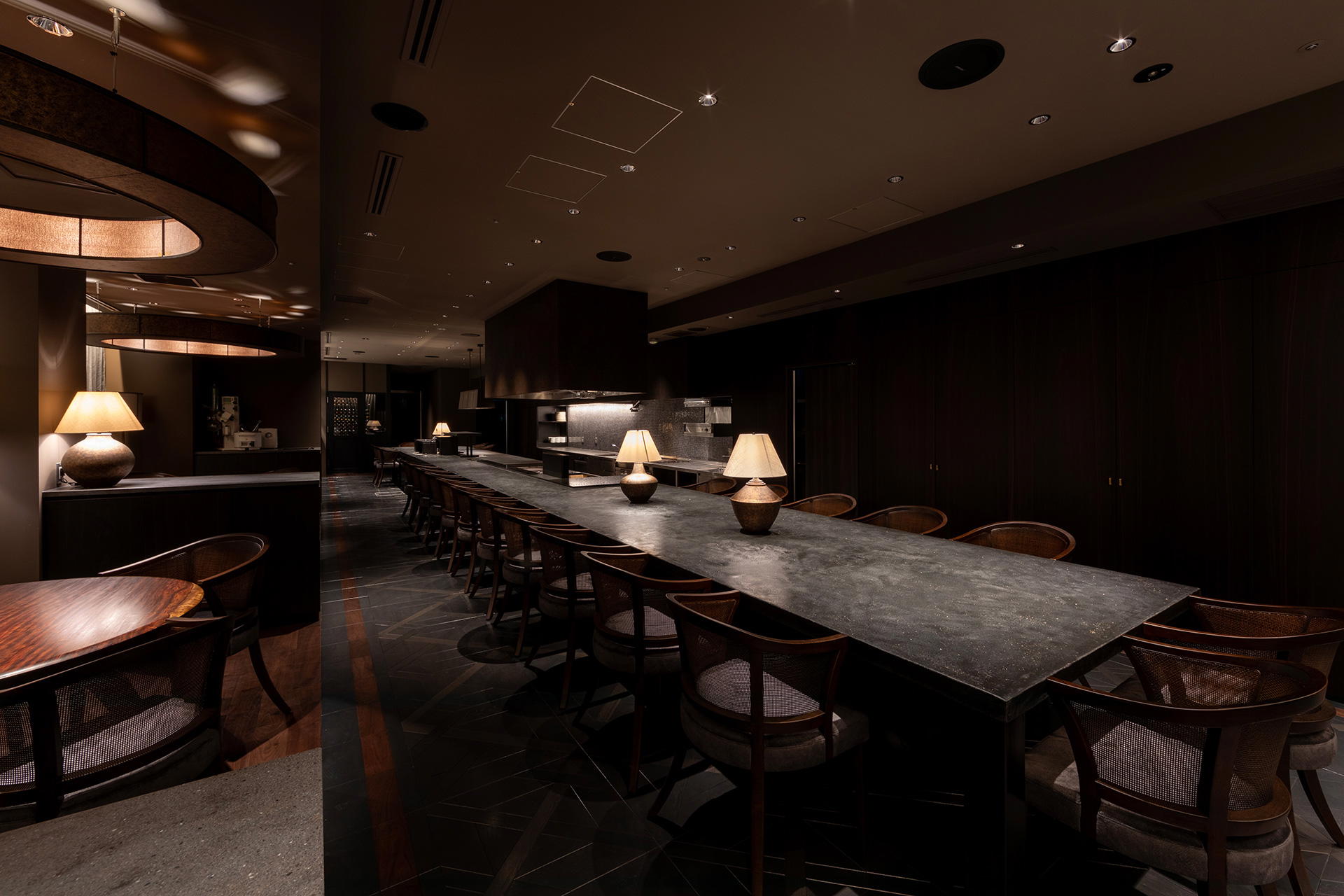
UNE PINCÉE occupies a first-floor space in Higashi-Azabu, a Minato City neighbourhood that sits well outside Tokyo's louder dining corridors. The format follows French bistro conventions: the menu adjusts portions and course count to guest preference, which sets a relaxed, unhurried register rather than a formal tasting-menu rhythm. Michelin Plate recognition in both 2024 and 2025 places it in a category of consistent, focused kitchens rather than high-production spectacle.
Is UNE PINCÉE Michelin-listed?
UNE PINCÉE has received recognition including: Gelée of vegetable mousse and consommé is a much-requested dish. The ingredients vary with the season—white asparagus in spring, corn in summer, butternut squash in autumn, Jerusalem artichoke in winter—and are prepared with a light touch. ….
What do regulars order at UNE PINCÉE?
The vegetable gelée is the most-requested item in the kitchen, built on layered consommé and mousse with a seasonal core: white asparagus in spring, corn in summer, butternut squash in autumn, Jerusalem artichoke in winter, sourced from the chef's family farm in Ibaraki Prefecture. The other standing favourite is the pastry-wrapped pigeon or quail, a main course that has remained on the menu long enough to qualify as a signature.
What should I budget for a meal at UNE PINCÉE?
Pricing at UNE PINCÉE is listed as ¥¥.
Where do I go for UNE PINCÉE?
UNE PINCÉE is located at Japan, 〒106-0044 Tokyo, Minato City, Higashiazabu, 2 Chome−19−2 酒井ビル 1階, Tokyo.
Just the Basics
A compact comparison to help you place this venue among nearby peers.
| Venue | Cuisine | Price | Awards | Notes |
|---|---|---|---|---|
| UNE PINCÉEThis venue (the venue you are viewing) | Seasonal French Bistro | $200–300 | Michelin Plate | Not listed |
| Harutaka | Edo-Style Omakase Sushi | $200–300 | 3 Michelin Stars · World's 50 Best #76 | Sushi |
| RyuGin | Modern Kaiseki | $500+ | 3 Michelin Stars · World's 50 Best #41 | Kaiseki, Japanese |
| L'Effervescence | Modern French with Japanese Influences | $200–300 | 3 Michelin Stars · World's 50 Best #69 | French |
| HOMMAGE | Modern French with Japanese Influences | $150–200 | 2 Michelin Stars · World's 50 Best #78 | Innovtive French, French |
| MAZ | Innovative Peruvian-Japanese Fusion | $150–200 | 2 Michelin Stars · World's 50 Best #28 | Innovative |
Recognition history
Dated appearances from independent guides and award organizations, with the underlying list record or original source where available.
Michelin Plate
Michelin
Full recognition history (3 entries)
Michelin Plate
Michelin
Michelin Plate
Michelin