
Michelin Plate
Our verdict
A Michelin Plate Franco-Japanese restaurant in Ginza B1, l'Odorante par Minoru Nakijin takes its name from Grasse, the Provençal perfume capital where its chef trained. Classic French technique meets Japanese ingredients in a format built around aroma, precision, and tableside context. Priced at ¥¥¥, it sits a tier below Ginza's starred French houses but shares their cross-cultural ambition.

Pearl is the En Primeur Club membership app — saves, bookings, and concierge access live there. Same editors, same standards.
- Address
- Japan, 〒104-0061 Tokyo, Chuo City, Ginza, 7 Chome−7−19 ニューセンタービルB1
- Phone
- +81 3-5537-7635
- Hours
- Mon–Tue ClosedWed–Thu 12–10:30 PMFri–Sun 12–3 PM, 6:30–10:30 PM
- Website
- minorunakijin.com
- Directions
- Get directions
- Booking
- Book on the venue's website
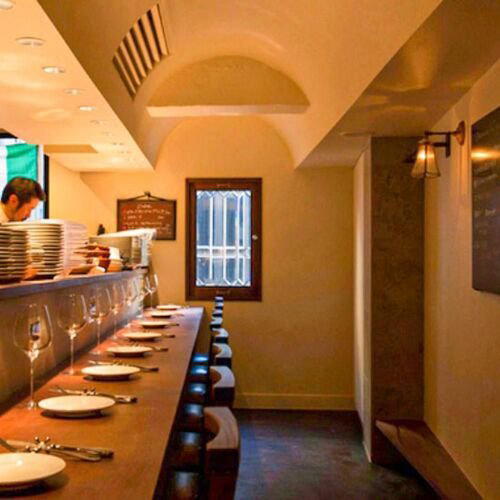
Ginza's French Quarter, One Floor Down
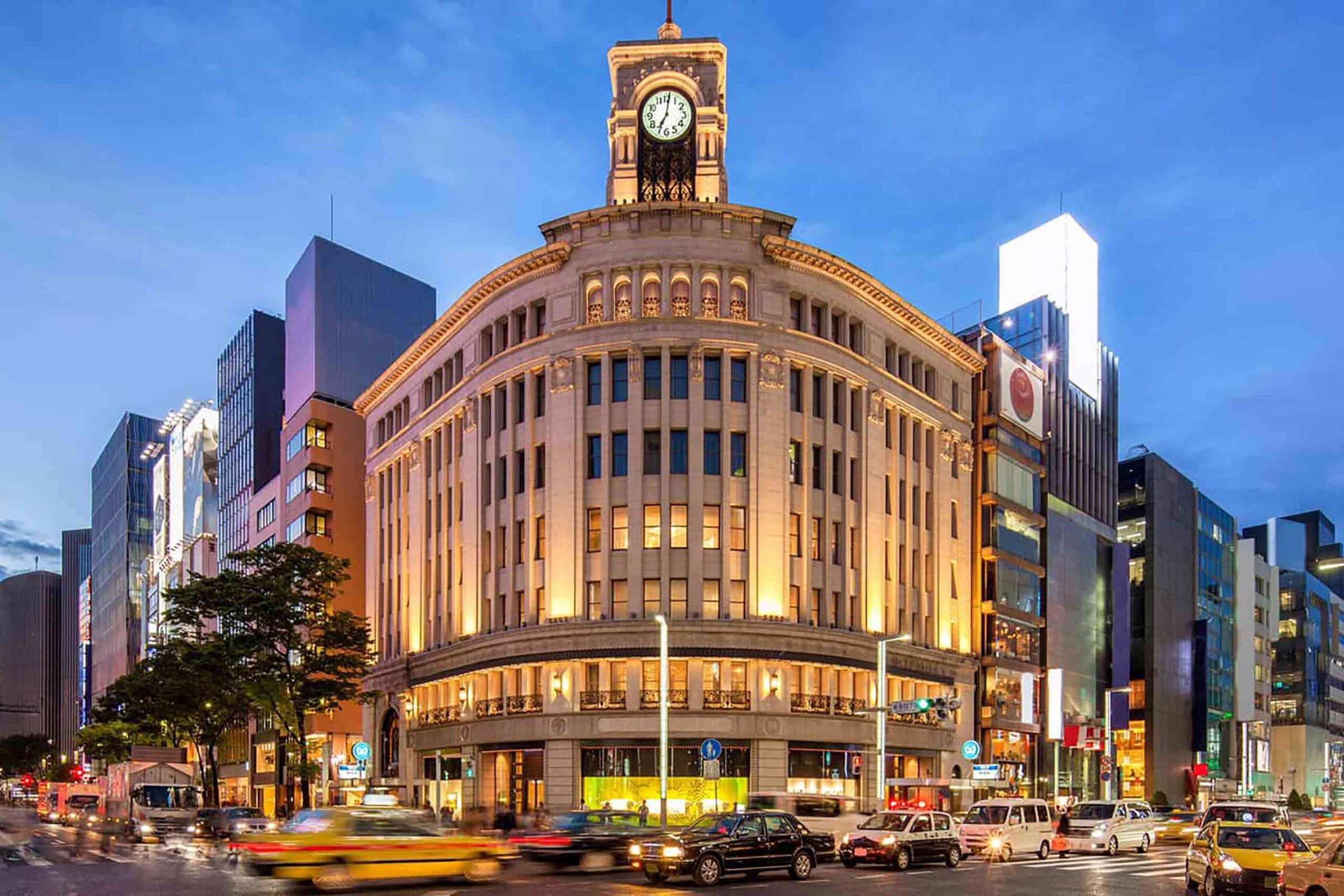
Ginza has long functioned as Tokyo's most concentrated address for European fine dining. The district's basement levels, in particular, host a specific category of French restaurant: owner-operated, technically grounded, and priced to sit just below the starred tier without conceding much in ambition. In Ginza, a basement address is rarely a downgrade. It is often a signal that the kitchen is the point.
That positioning matters when you consider what surrounds it. The district's French dining hierarchy runs from multi-starred rooms like Sézanne and L'Effervescence at the leading end, through a second tier of technically serious restaurants with Michelin recognition but without the full star apparatus. The Plate designation marks Michelin's acknowledgement of quality cooking without the full star judgement, and in Ginza's context it functions as a reliable signal that the fundamentals are in order.
The Grasse Lineage and What It Means on the Plate
The Franco-Japanese format is now well-established in Tokyo, with practitioners ranging from the monumental, like Château Restaurant Joël Robuchon, to the more intimate and personal. What differentiates kitchens within that format is usually the specific French regional influence brought back by the chef. In l'Odorante's case, that influence comes from Grasse, the Alpes-Maritimes town that serves as the centre of the global perfume industry. The town sits in Provence's hinterland, roughly twenty kilometres from the coast, and its culinary tradition leans on aromatic herbs, floral notes, and the produce of the surrounding hills rather than the cream and butter registers more typical of northern French training.
That background is not decorative. A kitchen shaped by Grasse's sensory culture will approach seasoning and aromatics differently from one trained in Lyon or Paris. The restaurant's name encodes that directly: l'Odorante translates to 'the pungent' or 'the aromatic' in French, and the menu is built around the idea that fragrance, not just flavour or texture, should be the organising principle of a dish. When Japanese ingredients enter that framework, the pairing tends to be driven by aromatic compatibility as much as by seasonal convention.
This places l'Odorante at an interesting angle relative to the broader Tokyo French scene. While restaurants like L'Effervescence pursue a vegetable-forward, near-naturalist French direction, and while ESqUISSE operates in a more classical French register with Japanese accents, l'Odorante's Provençal-aromatic frame is specific enough to differentiate it from either model.
How the Kitchen Communicates
A notable feature of the dining format here is the chef's deliberate engagement with guests during service. Rather than presenting dishes without context, the kitchen invests in explaining the lineage and logic behind each course. This approach reflects a broader tendency in Tokyo's mid-tier French dining, where the owner-chef dynamic creates space for direct communication that larger, more formally staffed rooms cannot always sustain. The result, when executed well, is that the meal accrues a kind of narrative weight: individual dishes become legible as part of a coherent programme rather than isolated events.
This format has parallels elsewhere in the region. At HAJIME in Osaka, the tasting format operates with similarly high degrees of conceptual explanation. At Gion Sasaki in Kyoto, the kaiseki tradition carries its own built-in commentary through seasonal progression. L'Odorante's approach is less ceremonial than either, but the underlying principle, that the meal should leave a cognitive and sensory trace, connects to a wider Japanese hospitality logic that values the transfer of knowledge alongside the transfer of food.
For diners approaching Tokyo's French dining tier from outside Japan, the context is worth holding alongside international comparisons. The Franco-Japanese form has peers in Singapore at Les Amis and in Europe at rooms like Hotel de Ville Crissier in Switzerland, though each operates with different structural logic and price points.
Where It Sits in the Wider Tokyo Picture
At ¥¥¥, it prices below ¥¥¥¥ comparators like Château Restaurant Joël Robuchon and the three-starred rooms that anchor Ginza's French ceiling. That pricing, combined with a Michelin Plate rather than a star, positions it as the logical entry point for diners who want the Franco-Japanese format with genuine credentials but without the full commitment of a starred-room evening.
Across Japan's restaurant cities, the contrast is instructive. In Nara, akordu operates in a European-Japanese fusion register with a very different pace and setting. In Fukuoka, Goh represents a more kaiseki-grounded interpretation of Japanese fine dining. In Yokohama, 1000 and in Okinawa, 6 each demonstrate how Japan's regional dining tier is building its own identity separate from the Tokyo axis.
Planning a Visit
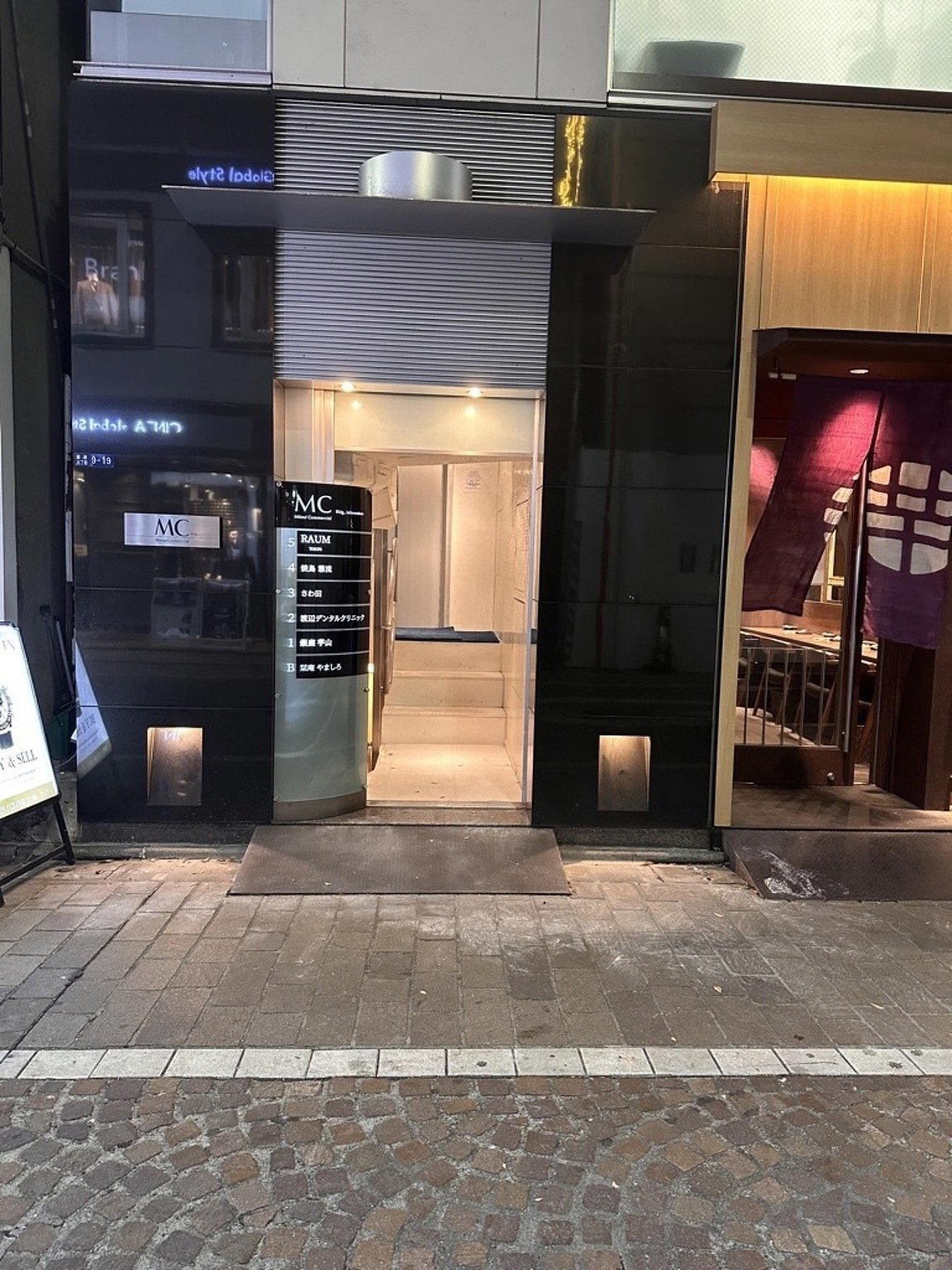
The restaurant is located in Ginza's 7-chome block at B1 of the Shin Center Building, walkable from both Ginza and Higashi-Ginza subway stations. For broader planning, see our full Tokyo restaurants guide, along with our Tokyo hotels guide, bars guide, wineries guide, and experiences guide.
Frequently asked questions
What should I eat at l'Odorante par Minoru Nakijin?
The kitchen is organised around aroma as a culinary principle, a direct consequence of the chef's training in Grasse, the Provençal centre of France's perfume industry. Dishes pair classic French technique with Japanese ingredients, so the through-line across courses is fragrance and seasonality rather than any single signature plate. The chef narrates each dish at the table, which means the context of what you're eating is part of the format. Ordering the full course is the intended way to experience how that aromatic logic builds across a meal.
What price level is l'Odorante par Minoru Nakijin?
Pricing at l'Odorante par Minoru Nakijin is listed as ¥¥¥.
Price Lens
| Venue | Cuisine | Price | Awards | Notes |
|---|---|---|---|---|
| l'Odorante par Minoru NakijinThis venue — the venue you are viewing | Modern Franco-Japanese Fine Dining | $300–500 | Michelin Plate | Not listed |
| Harutaka | Edo-Style Omakase Sushi | $200–300 | 3 Michelin Stars · World's 50 Best #76 | Sushi |
| RyuGin | Modern Kaiseki | $500+ | 3 Michelin Stars · World's 50 Best #41 | Kaiseki, Japanese |
| L'Effervescence | Modern French with Japanese Influences | $200–300 | 3 Michelin Stars · World's 50 Best #69 | French |
| HOMMAGE | Modern French with Japanese Influences | $150–200 | 2 Michelin Stars · World's 50 Best #78 | Innovtive French, French |
| MAZ | Innovative Peruvian-Japanese Fusion | $150–200 | 2 Michelin Stars · World's 50 Best #28 | Innovative |
Recognition history
Dated appearances from independent guides and award organizations, with the underlying list record or original source where available.
Michelin Plate
Michelin
Full recognition history (3 entries)
Michelin Plate
Michelin
Michelin Plate
Michelin





Details
- Elegant
- Intimate
- Sophisticated
- Date Night
- Business Dinner
- Special Occasion
- Chefs Counter
- Extensive Wine List
- Sake Program
- Sommelier Led
- Omakase
Current opening hours
- Monday
- Closed
- Tuesday
- Closed
- Wednesday
- 12–10:30 PM
- Thursday
- 12–10:30 PM
- Friday
- 12–3 PM, 6:30–10:30 PM
- Saturday
- 12–3 PM, 6:30–10:30 PM
- Sunday
- 12–3 PM, 6:30–10:30 PM
Hours can change for holidays and private events. Last verified .
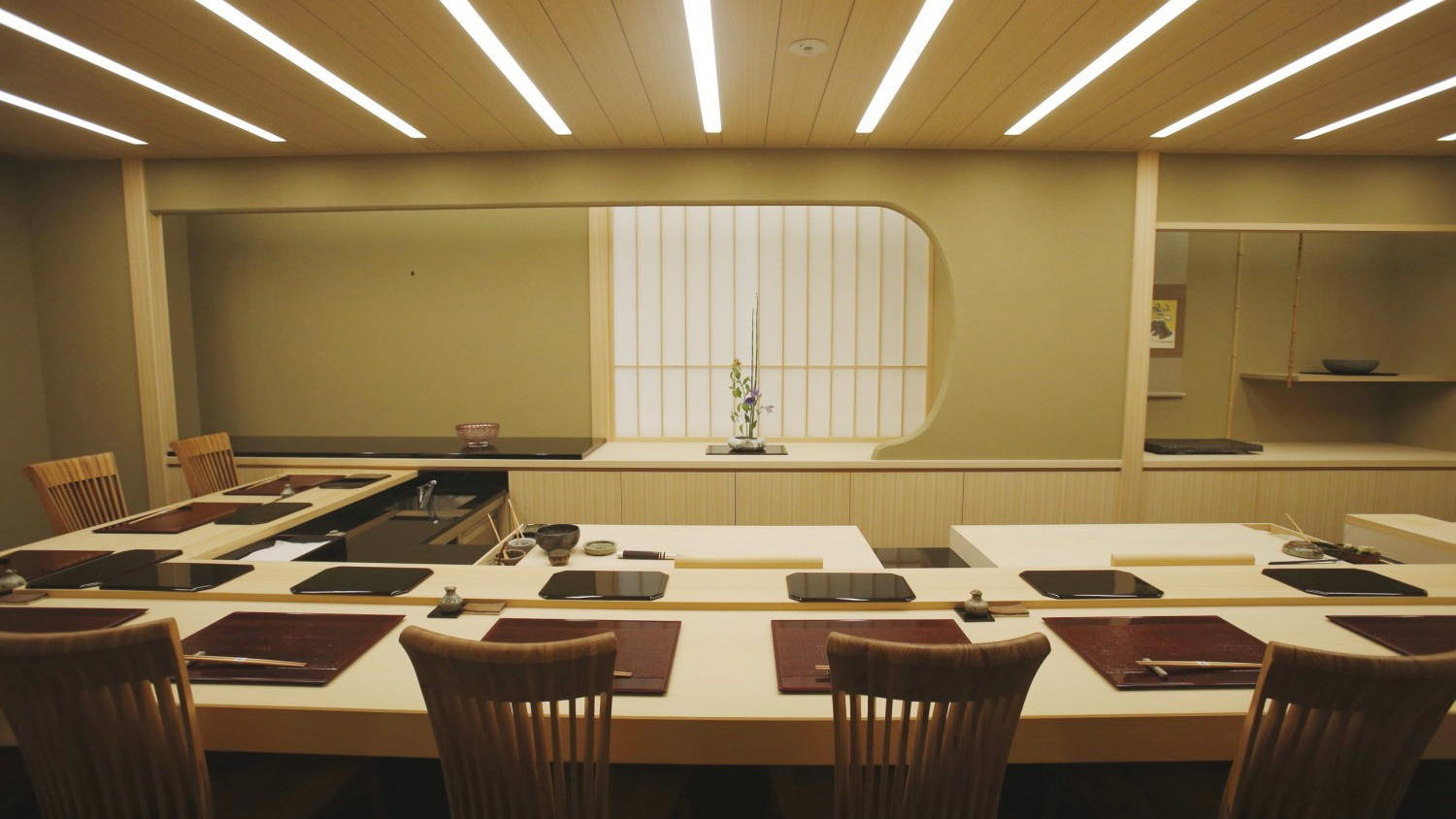
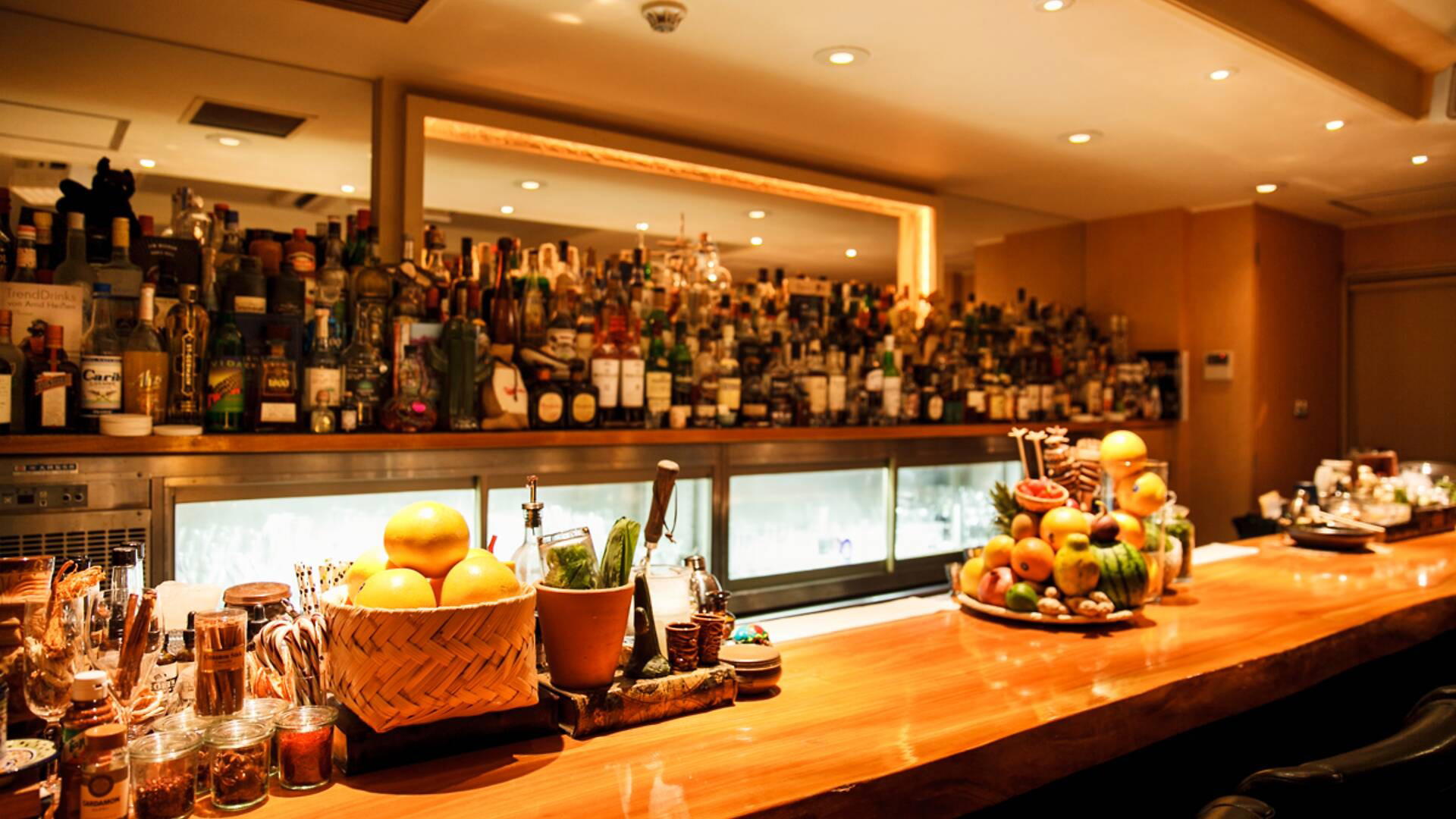
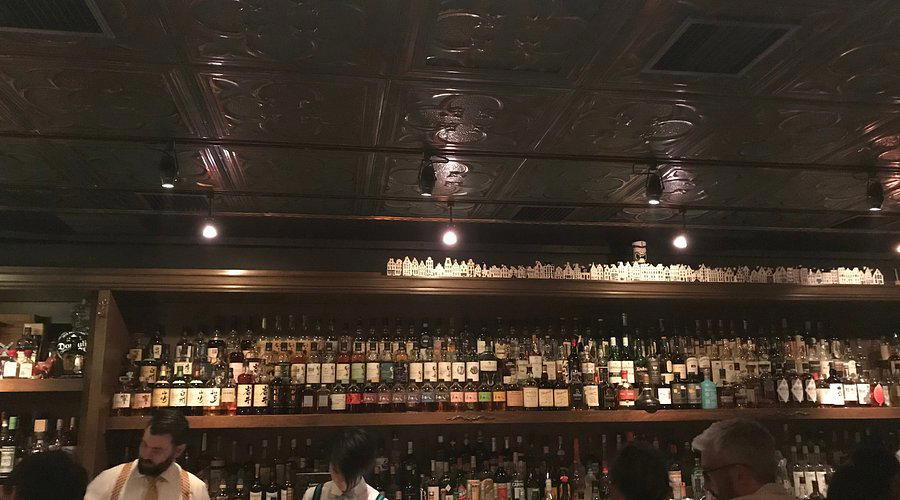
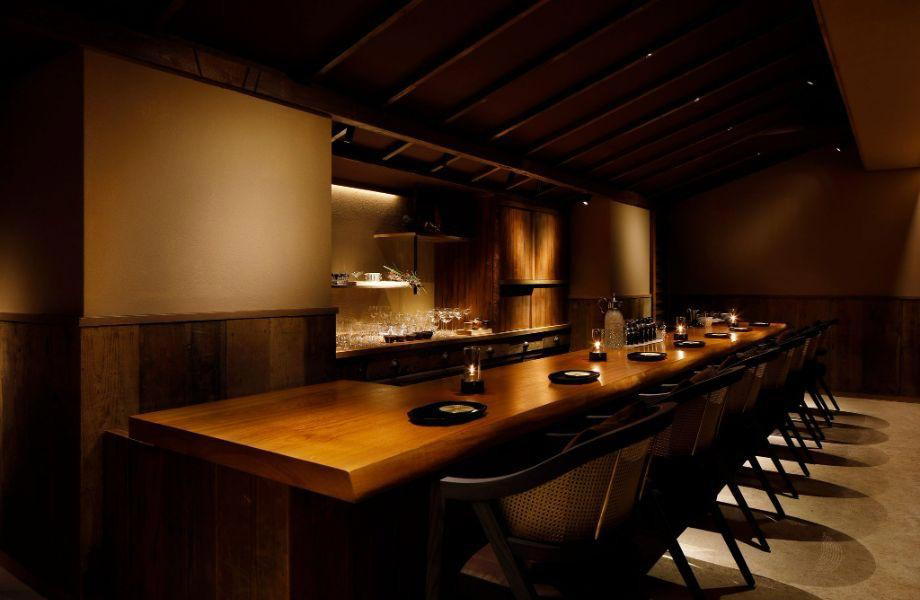
Relaxing, stylish space with couple and sofa seating in a basement hideout, offering an intimate and refined atmosphere.