


Michelin Bib Gourmand · Tabelog 100 #44
Our verdict
A husband-and-wife counter in Shinjuku's Yotsuya neighbourhood, Ramen Matsui holds a Michelin Bib Gourmand (2024) for its soy, salt, and dried sardine broths enriched with Hokkaido kombu, scallops, and rice sake. The format is as precise as the ingredients: he handles the noodles, she the garnish. At a single yen sign, it occupies the serious-craft end of Tokyo's affordable ramen tier.

Pearl is the En Primeur Club membership app, where members save venues, book tables and use the concierge.
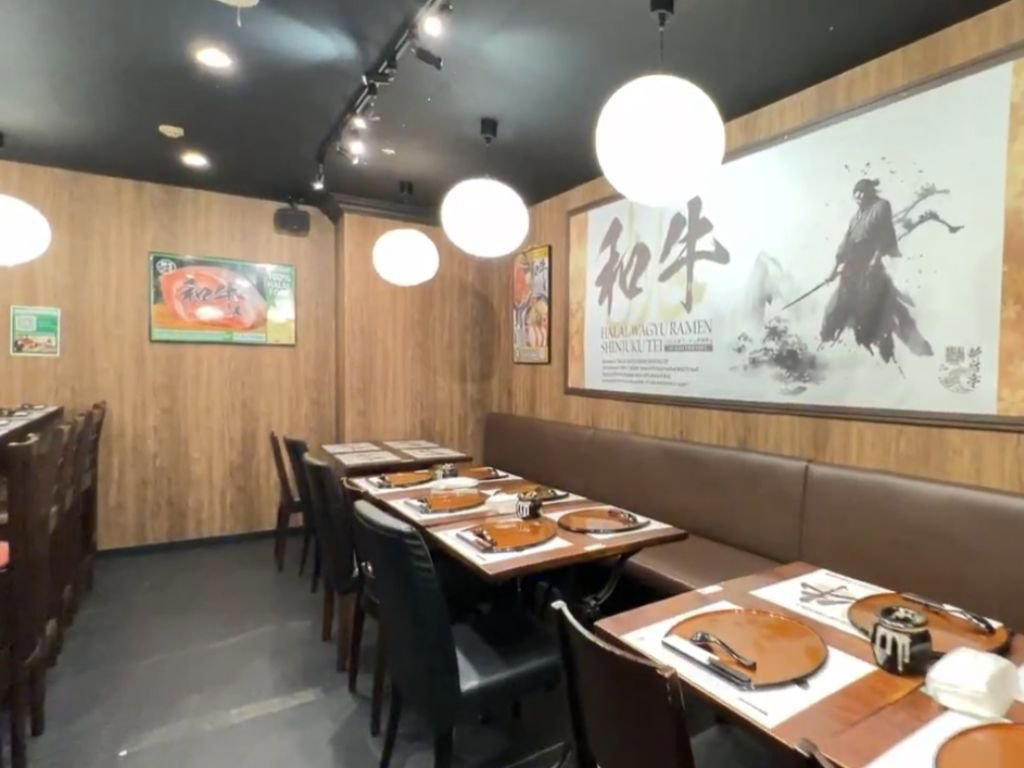
The Yotsuya Counter and What It Says About Tokyo's Ramen Hierarchy
Tokyo's ramen scene has always operated on a different logic from the city's high-ticket dining. Where kaiseki and omakase counters are priced to reflect years of formal training, premium ingredients, and controlled scarcity, ramen shops have historically competed on the opposite axis: depth of flavour delivered at mass-market prices. The Michelin Bib Gourmand, introduced to reward exactly this combination, has become the framework most diners use to identify which shops have crossed from good to genuinely serious. Ramen Matsui, operating out of a basement-level address in Yotsuya, Shinjuku City, earned that recognition in 2024, placing it in a cohort of Tokyo ramen houses where craft and accessibility coexist without apology.
That cohort is not as small as it once was. Afuri built a following on yuzu-inflected shio, Fuunji made tsukemen technically serious, and Chukasoba Ginza Hachigou pushed chintan broths into fine-dining territory without raising prices out of the working-lunch range. Matsui's position inside this field is defined not by volume or novelty but by specificity: three base flavours (soy, salt, dried sardines), a regional ingredient focus on Hokkaido, and a two-person operational model that brings unusual consistency to each bowl.
Dried Sardines, Sake, and the Logic of the Broth
The flavour architecture at Matsui is worth examining on its own terms, because it reflects a particular approach to Japanese broth-making that sits somewhat apart from the richer, pork-heavy tonkotsu style that international audiences often associate with serious ramen. The foundation here is niboshi, dried sardines, which produce a broth that is savoury and faintly bitter, with an umami register that reads differently from the collagen-rich depth of long-simmered pork bones. Layered over that base are chicken or seafood dashi stocks, with pure rice sake added to heighten aromatic complexity. The sake addition is a technique with roots in Japanese cooking broadly: alcohol volatilises during heating, carrying fat-soluble aromatic compounds with it and brightening the overall flavour profile in a way that water-based stocks cannot replicate.
The supporting ingredients extend the Hokkaido thread: kombu kelp, scallops, and wheat flour all sourced from that northern prefecture. This is not incidental sourcing. Hokkaido kombu is among the most glutamate-dense in Japan, and when it works alongside dried sardines and scallop in the same stock, the cumulative umami effect is considerably more layered than any single ingredient could produce alone. The fragrant oils applied at the end of each bowl operate as a finishing layer, deepening flavour in the way that a good olive oil dresses a dish rather than cooks it.
Garnish includes fermented bamboo shoots and spring onion, both components that introduce acidity and texture into what is otherwise a broth-dominant experience. Fermented bamboo, known as menma, is a standard ramen accompaniment, but its sourcing and preparation vary widely; the specificity suggested by Matsui's documented approach positions it closer to the craft end of that spectrum.
A Two-Person Operation and What That Means for Consistency
Division of labour at Matsui is precise and documented: Chef Takuro Yanase handles noodle preparation, while his wife manages garnishing. In ramen production, noodle timing is among the most technically demanding variables, water temperature, cook time, and noodle hydration all affect texture in ways that are difficult to standardise without consistent hands-on attention. A two-person model at this scale concentrates responsibility rather than distributing it across a larger kitchen brigade, which tends to produce more uniform results across services. For a single-price-tier shop operating in a competitive neighbourhood, that consistency is a meaningful differentiator.
Shops with a similar operational philosophy appear across Tokyo's serious ramen tier. Chukasoba KOTETSU and Chukasoba Ginza Hachigou both maintain tight teams with an emphasis on broth precision; the Bib Gourmand designation across this cohort reflects Michelin's assessment that execution quality meets a consistent standard, not simply that prices are low.
Yotsuya as a Setting
Shinjuku City contains some of Tokyo's most densely layered dining geography, from the high-end hotel restaurants along the western skyscraper corridor to the yakitori alleys under the tracks at Shinjuku station. Yotsuya sits at the quieter eastern edge of the ward, closer in character to the residential calm of the Goyoen area than to the commercial intensity further west. Basement-level addresses in this part of the city tend to serve regulars rather than foot-traffic tourists, the location requires intent, and the absence of a visible website or published phone number reinforces that dynamic. This is a shop that operates on reputation and local knowledge rather than search-optimised discoverability.
For visitors building a broader Tokyo itinerary, the city's dining range extends well beyond ramen. Our full Tokyo restaurants guide covers the city's full price and cuisine spectrum, from counters in this price tier up through multi-star kaiseki. If you're exploring beyond the capital, HAJIME in Osaka, Gion Sasaki in Kyoto, and Goh in Fukuoka represent the upper tier of regional Japanese dining, while akordu in Nara offers an interesting counterpoint. For ramen specifically outside Japan, Akahoshi Ramen in Chicago and Afuri Ramen in Portland provide useful comparison points for the international evolution of the format.
Tokyo's broader hospitality offer is documented across our city guides: hotels, bars, wineries, and experiences are all covered. For dining that brackets the ramen tier on either side, Chuogo Hanten Mita represents Tokyo's Chinese-influenced noodle tradition, and venues like 1000 in Yokohama and 6 in Okinawa demonstrate how regional Japanese dining varies across the archipelago.
Planning a Visit
| Venue | Price Tier | Style | Michelin Recognition | Area |
|---|---|---|---|---|
| Ramen Matsui | ¥ | Soy / salt / niboshi ramen | Bib Gourmand 2024 | Yotsuya, Shinjuku City |
| Afuri | ¥–¥¥ | Yuzu shio ramen | Bib Gourmand | Ebisu / multiple locations |
| Fuunji | ¥ | Tsukemen | Bib Gourmand | Shinjuku (Nishi-Shinjuku) |
| Chukasoba Ginza Hachigou | ¥–¥¥ | Chintan chukasoba | Bib Gourmand | Ginza |
| Chukasoba KOTETSU | ¥ | Chukasoba | Bib Gourmand | Tokyo |
The address is 4 Chome-25-10 Daiparace Goyoenmae B-2, Yotsuya, Shinjuku City. The basement-level entrance and absence of a published website mean the shop is leading located via map application before arrival.
Frequently asked questions
Is Ramen Matsui child-friendly?
At single-yen pricing and with a direct broth-and-noodle format, the food presents no barrier for children; the compact basement setting in Yotsuya is a more relevant practical consideration for families.
Is Ramen Matsui better for a quiet night or a lively one?
If you want a high-energy evening in Tokyo, a Bib Gourmand ramen counter in a residential pocket of Shinjuku City is not the setting, the format here is focused and relatively brief. If the priority is a considered, well-executed bowl at a price point that leaves the rest of the evening's budget intact, Matsui fits that purpose precisely.
What's the must-try dish at Ramen Matsui?
The Michelin Bib Gourmand recognition (2024) is tied specifically to the soy and salt ramen built on dried sardine stock, Hokkaido kombu, and scallop dashi, the house's documented core, and the clearest expression of Chef Yanase's Hokkaido ingredient focus.
Awards and Standing
| Venue | Cuisine | Price | Awards | Notes |
|---|---|---|---|---|
| RAMEN MATSUIThis venue (the venue you are viewing) | Modern Ramen | $20–30 | Michelin Bib Gourmand · Tabelog 100 #44 | Not listed |
| Harutaka | Edo-Style Omakase Sushi | $200–300 | 3 Michelin Stars · World's 50 Best #76 | Sushi |
| RyuGin | Modern Kaiseki | $500+ | 3 Michelin Stars · World's 50 Best #41 | Kaiseki, Japanese |
| L'Effervescence | Modern French with Japanese Influences | $200–300 | 3 Michelin Stars · World's 50 Best #69 | French |
| HOMMAGE | Modern French with Japanese Influences | $150–200 | 2 Michelin Stars · World's 50 Best #78 | Innovtive French, French |
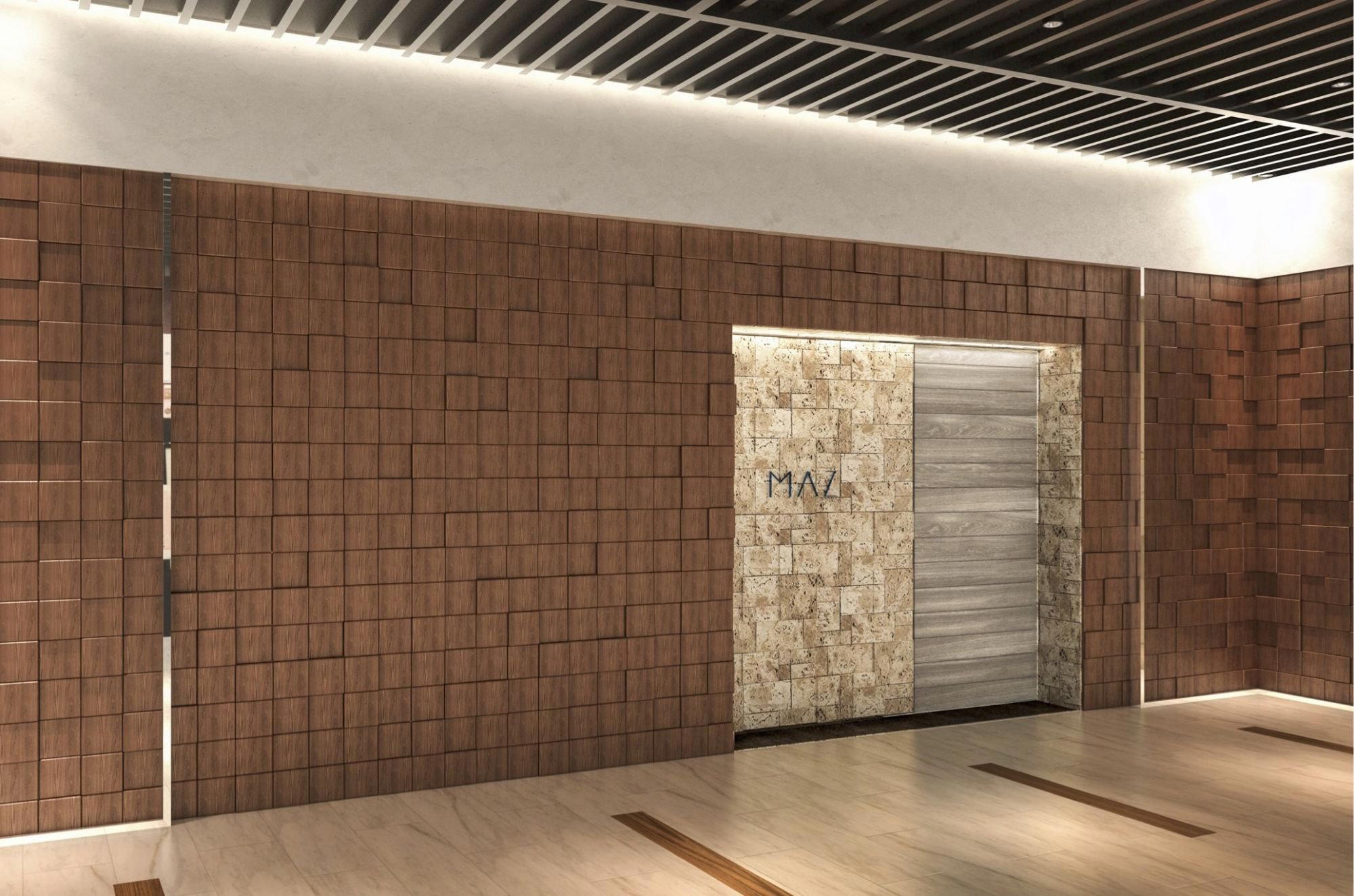
| MAZ | Innovative Peruvian-Japanese Fusion | $150–200 | 2 Michelin Stars · World's 50 Best #28 | Innovative |
Recognition history
Dated appearances from independent guides and award organizations, with the underlying list record or original source where available.
Michelin Bib Gourmand
Michelin
Opinionated About Dining Casual in Japan Ranked #69
Opinionated About Dining
Tabelog 100 #44 · No. 44
Tabelog · Tabelog 100 - Ramen - TOKYO - 2025
Full recognition history (4 entries)
Michelin Bib Gourmand
Michelin
Continue exploring
More in Tokyo
Restaurants in Tokyo
All restaurants in Tokyo →


Bars in Tokyo
All bars in Tokyo →





Details
- Modern
- Elegant
- Intimate
- Minimalist
- Solo
- Special Occasion
- Sake Program
- Local Sourcing
- A La Carte
- Counter Dining
- Sake
- Wine
Current opening hours
- Monday
- 11 AM–3:30 PM
- Tuesday
- Closed
- Wednesday
- Closed
- Thursday
- Closed
- Friday
- 11 AM–3:30 PM
- Saturday
- 11 AM–3:30 PM
- Sunday
- 11 AM–3:30 PM
Hours can change for holidays and private events. Hours as of .
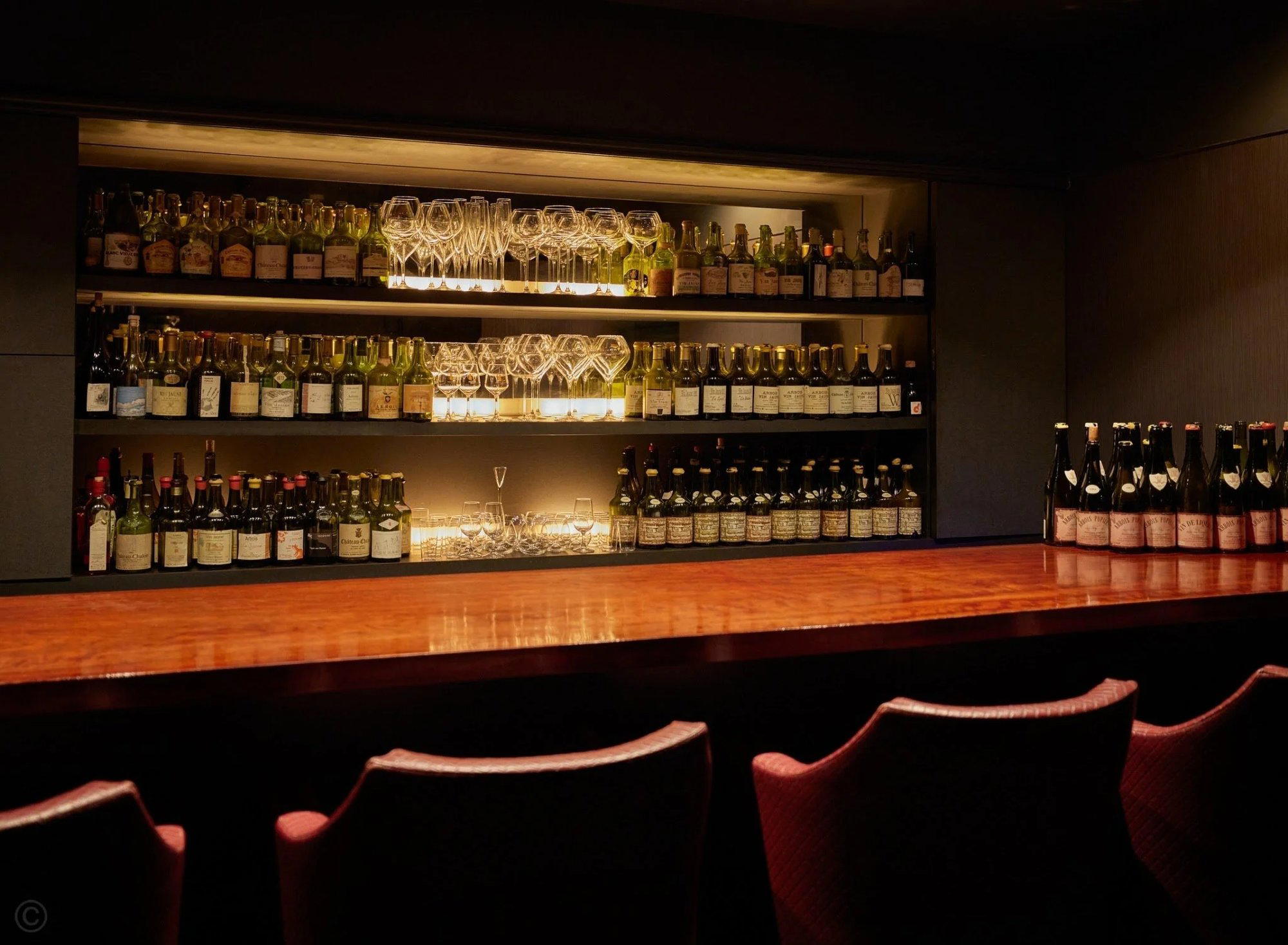
Relaxing counter-only space with elegant black decor and a refined, chill atmosphere.