Proloco Centocelle sits in Rome's eastern Centocelle neighbourhood, a district increasingly associated with neighbourhood trattorias and local wine bars that operate well outside the tourist circuit. The address on Via Domenico Panaroli places it squarely in a residential quarter where the dining rhythm follows local custom rather than visitor schedules. For Roman dining at its least performative, this is a credible reference point.
Pearl is the En Primeur Club membership app — saves, bookings, and concierge access live there. Same editors, same standards.
- Address
- Via Domenico Panaroli, 35, 00172 Roma RM, Italy
- Phone
- +39 06 2430 0765
- Website
- dioriginelaziale.it
- Directions
- Get directions
 Saves & bookings on Pearl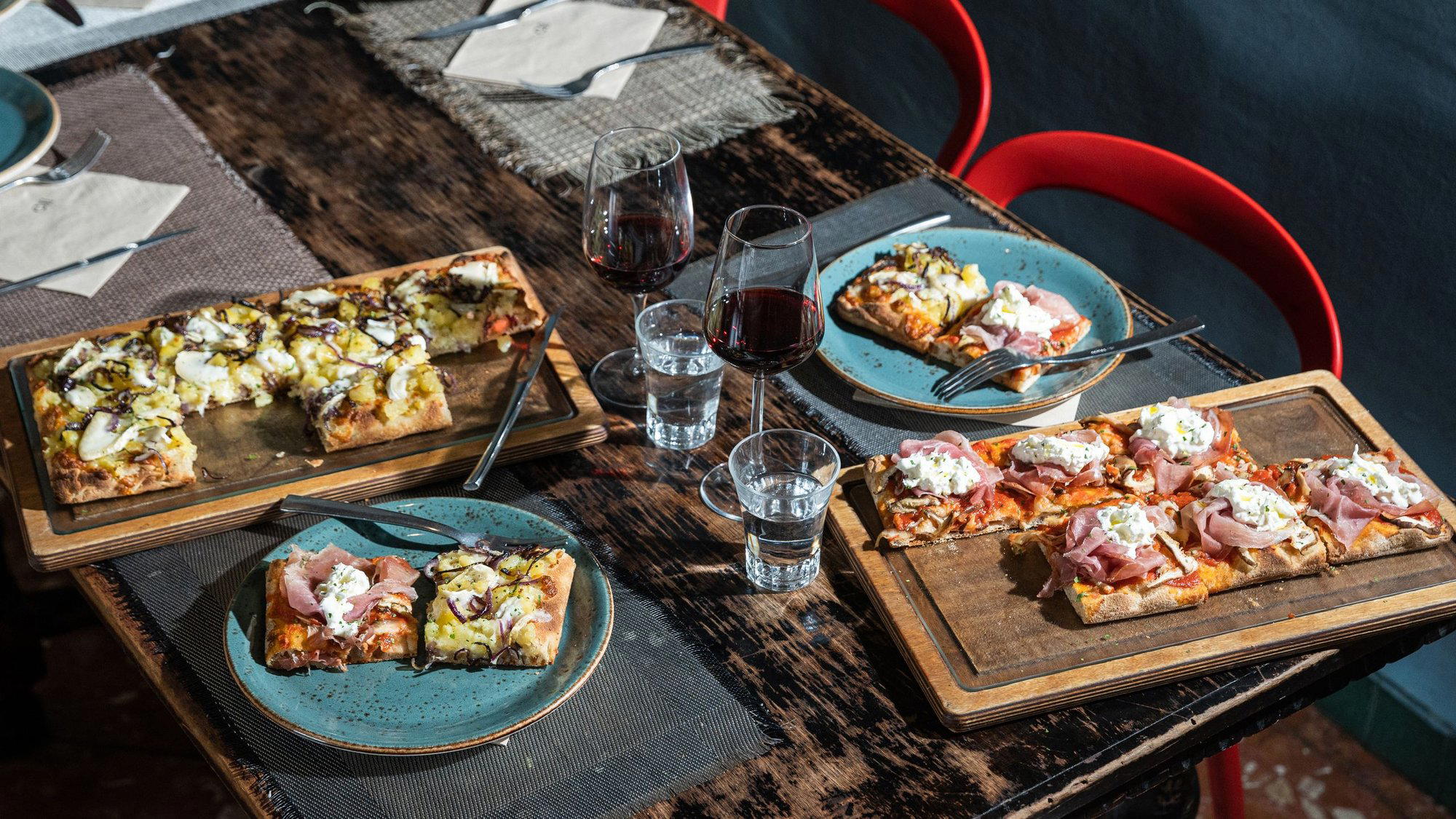
Eating on Roman Time in Centocelle
Rome's eastern periphery has never competed with Trastevere or Testaccio for visitor attention, and Centocelle has long preferred it that way. The neighbourhood occupies a stretch of the city where apartment blocks outnumber trattorias and where the dining public is, by default, local. That demographic pressure shapes everything: the pacing of a meal here follows the rhythm of a Tuesday night among neighbours rather than the managed flow of a tourist-facing dining room. Proloco Centocelle, on Via Domenico Panaroli, operates inside that context. The street itself is residential in character, and arriving on foot from the Centocelle metro stop, a direct walk through a district of modest piazze and corner bars, reinforces the sense that you are entering a functional neighbourhood, not a dining destination constructed for outsiders.
This matters because the ritual of eating in places like Centocelle is materially different from the ritual you perform at, say, La Pergola, where the formality of service and the weight of three Michelin stars calibrate every movement at the table. In neighbourhood Rome, the meal has a different contract. You arrive without much ceremony, the menu is likely short, and the kitchen's relationship with the seasons and with regional supply is the operating logic rather than a branded philosophy. The creative Italian cooking explored at places like Acquolina or Il Pagliaccio belongs to a different tier entirely, one where tasting menus structure the evening and the kitchen's ambition is the explicit subject. Centocelle's restaurants, including Proloco, position themselves against the neighbourhood trattoria tradition rather than against Rome's fine dining circuit.
The Proloco Format and What It Signals
The word proloco in Italian refers to local civic organisations that promote the culture and produce of a specific territory. As a name for a restaurant, it signals intent: a commitment to regional identity, sourcing from a defined geography, and a menu that reads as an argument for local cooking traditions rather than a vehicle for personal chef expression. This naming convention, used across several Italian cities for similar neighbourhood-focused operations, puts the territory first. It is a structural choice that shapes how the meal proceeds.
In practice, this kind of format tends to produce shorter menus, higher ingredient specificity, and a service style that rewards returning customers. The regulars at a proloco-style osteria often know which dishes rotate and which are fixed points. That insider knowledge, who to ask, what to order, when certain preparations appear, is the currency of the neighbourhood dining ritual. It stands in contrast to the more annotated experience at places like Enoteca La Torre or Achilli al Parlamento, where the menu itself does the explaining and the format presupposes a first-time visitor.
Across Italy, the proloco model has found particular purchase in regions with strong agricultural identities. You see it in Lazio's cacio e pepe and coda alla vaccinara traditions, in the seasonal vegetable preparations tied to the Castelli Romani supply lines, and in the wine lists that favour local producers over internationally recognised labels. The broader Italian dining context that venues like Osteria Francescana in Modena or Reale in Castel di Sangro operate within is one of intense regional specificity, but those restaurants have converted specificity into international renown. Proloco Centocelle operates at the other end of that spectrum, where regional identity is expressed without a Michelin audience in mind.
Pacing the Meal: How Neighbourhood Rome Eats
The dining ritual in a Centocelle address unfolds differently from the managed cadence of Rome's more formal rooms. There is no amuse-bouche sequence, no sommelier choreography, no printed narrative accompanying each course. The meal begins when it begins and ends when the table is ready to leave. Antipasti are more likely to arrive as shared plates than as individual compositions. The pasta course, essential in any Lazio-rooted kitchen, carries the structural weight of the evening, and the secondo, if ordered, tends to arrive without architectural plating.
This is not a criticism. It is a description of a different set of values. The neighbourhood trattoria tradition, which proloco-style venues inherit and extend, prizes generosity and regularity over novelty and precision. In Rome specifically, the four canonical pasta dishes (cacio e pepe, carbonara, amatriciana, gricia) serve as benchmarks against which neighbourhood kitchens are measured by locals, not by guides. Getting carbonara right in Centocelle matters more to the dining public there than any award recognition.
Centocelle in the Context of Rome's Neighbourhood Dining
Centocelle has attracted attention in recent years as younger Romans and creative professionals have moved into the neighbourhood, bringing with them demand for wine bars and informal restaurants that operate with some ingredient awareness without crossing into the formality of the centro storico. This pattern mirrors what happened in Pigneto a decade earlier and in Ostiense before that. The neighbourhood cycle in Rome is consistent: residential areas with low commercial rents attract independent operators, the dining offer improves, and the area develops a low-key reputation among those who track these shifts.
Within that cycle, Proloco Centocelle occupies a recognisable position: a named local reference point that draws from the neighbourhood's existing regulars while becoming legible to visitors who have done enough research to travel east of the Aurelian Walls. This is a different reader than the one booking at Le Calandre in Rubano or Enoteca Pinchiorri in Florence, which are destination decisions built around specific reputations. Proloco Centocelle is a neighbourhood decision, built around a specific kind of Roman afternoon or evening that cannot be replicated in the tourist-facing dining rooms around the Pantheon.
Italy's regional dining richness runs deep at every price point. The country produces Michelin-decorated destinations like Piazza Duomo in Alba, Uliassi in Senigallia, and Dal Pescatore in Runate, as well as internationally recognised creative programmes like Atelier Moessmer Norbert Niederkofler in Brunico and Quattro Passi in Marina del Cantone. The restaurant is not in that conversation. It speaks to a different appetite: for the unremarkable-looking door on a residential street that turns out to be exactly the meal you wanted.
Planning Your Visit
Centocelle is accessible by metro on Line C, which runs from the city centre to the eastern districts. The neighbourhood sits outside the ZTL zone, which simplifies arrival by car or taxi from central Rome. Open daily from 10 AM to 11 PM, except Sunday from 12 PM to 3 PM. Reservations are recommended.
What It’s Closest To
Comparable venues nearby, for context on price, style, and recognition.
| Venue | Cuisine | Price | Notes |
|---|---|---|---|
| Proloco CentocelleThis venue — the venue you are viewing | Lazio Regional Italian Trattoria | $$ | Not listed |
| Rosina Cucina di Casa | Traditional Roman Trattoria | $$ | Parione |
| Borgo Nuovo | Roman Trattoria & Pizzeria | $$ | Borgo |
| Profumo di Mirto | Sardinian Seafood | $$ | Tuscolano |
| SantiNumi | Traditional Roman Trattoria | $$ | Esquilino |
| Piazza Menenio Agrippa, 8/A | Traditional Roman Trattoria | $$ | Monte Sacro |
Continue exploring
More in Rome
Restaurants in Rome
Browse all →
Bars in Rome
Browse all →
Hotels in Rome
Browse all →

At a Glance
- Cozy
- Rustic
- Casual Hangout
- Group Dining
- After Work
- Open Kitchen
- Natural Wine
- Local Sourcing
Current opening hours
- Monday
- 10 AM–11 PM
- Tuesday
- 10 AM–11 PM
- Wednesday
- 10 AM–11 PM
- Thursday
- 10 AM–11 PM
- Friday
- 10 AM–11 PM
- Saturday
- 10 AM–11 PM
- Sunday
- 12–3 PM
Hours can change for holidays and private events. Last verified .
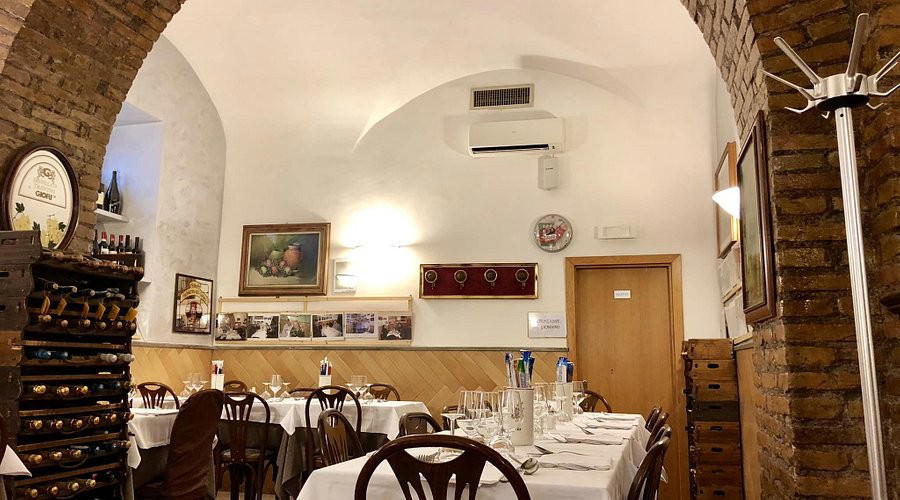
Warm and cozy dining room with wooden tables, chairs, antique shelving, airy space, and open kitchen.