



2 Michelin Keys · La Liste Top Hotels · Forbes Recommended
Inaugurated in 1894 by Cesar Ritz with a dinner crafted by Auguste Escoffier, The St. Regis Rome has operated as one of the city's foremost grand hotel addresses for 130 years. A 2024 Michelin Key and a 92.5-point score in the 2026 La Liste Top Hotels ranking confirm its sustained critical standing. The 161-room property sits just off Piazza della Repubblica, within a short walk of the Baths of Diocletian and the city's main railway hub.

Pearl is the En Primeur Club membership app — saves, bookings, and concierge access live there. Same editors, same standards.
- Address
- Via Vittorio Emanuele Orlando, 3, 00185 Roma RM
- Phone
- +39 06 47091
- Website
- marriott.com
- Directions
- Get directions
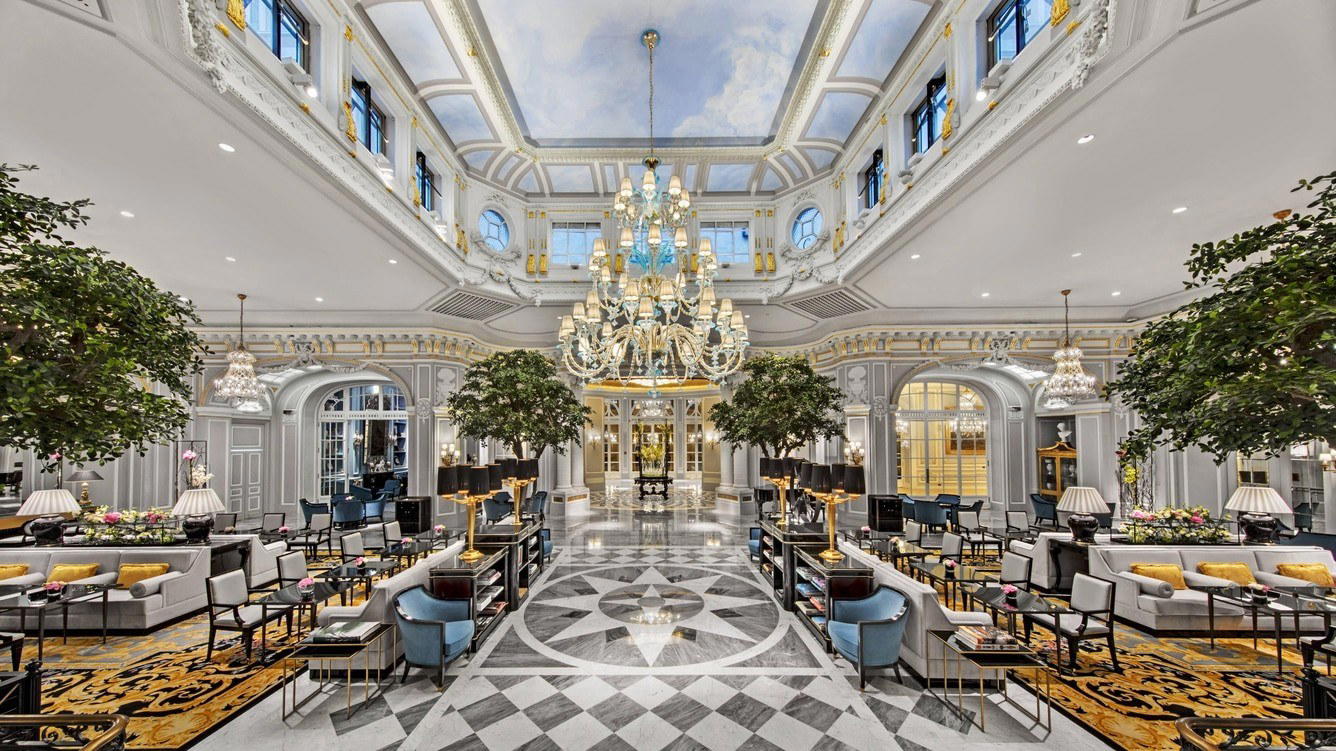
A Grand Hotel in Its Own Right
Rome's luxury hotel tier divides, broadly, into two categories: the design-led boutiques that have proliferated since the 2010s, and the grand historic properties that predate the city's modern hospitality era entirely. The St. Regis Rome belongs firmly to the second category, and it occupies that position with considerable authority. Opened in January 1894 by César Ritz with a 16-course inaugural dinner prepared by Auguste Escoffier, the property has spent 130 years accumulating the kind of institutional weight that newer arrivals cannot replicate. In 2024, the hotel marked that anniversary still operating at the top of the market, rated 92.5 points by La Liste Leading Hotels in 2026 and awarded a Michelin 1 Key in 2024.
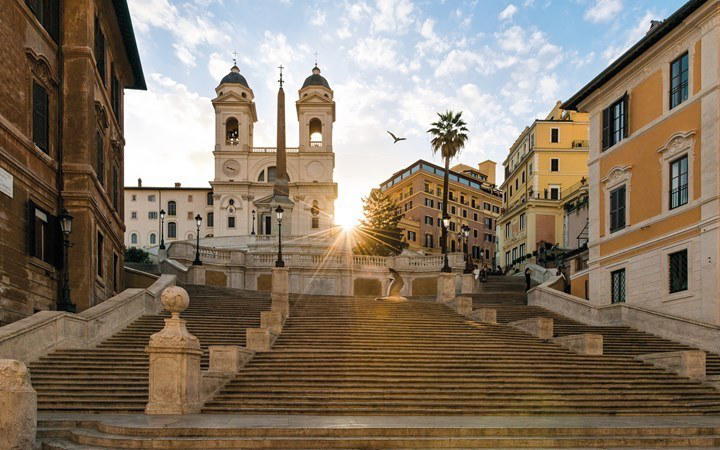
The address at Via Vittorio Emanuele Orlando, 3, just off Piazza della Repubblica, places the hotel within walking distance of the Spanish Steps, Via Veneto, Via Condotti, the Trevi Fountain, and the Baths of Diocletian. For a city where geography can work against even well-resourced guests, this positioning is a material advantage. Termini Station, Rome's principal rail hub, sits close enough to make the property a logical base for travellers arriving by high-speed train from Milan, Florence, or Naples.
The Dining and Bar Programme
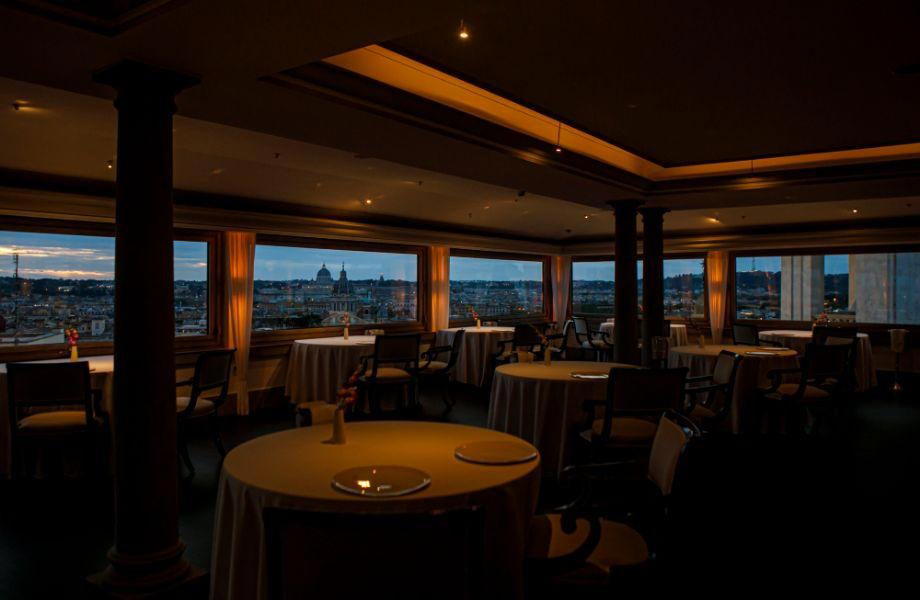
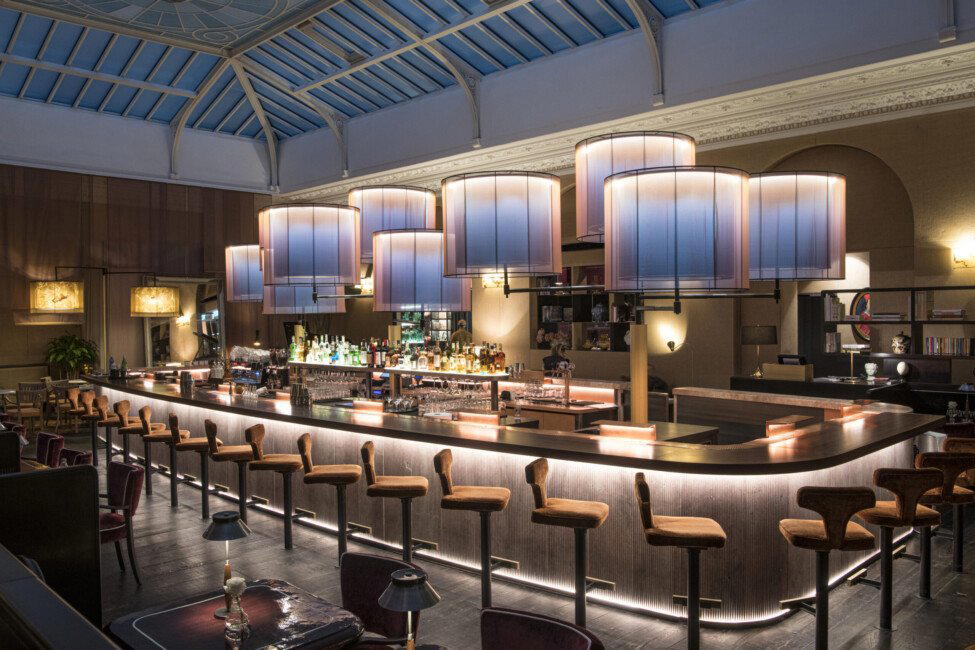
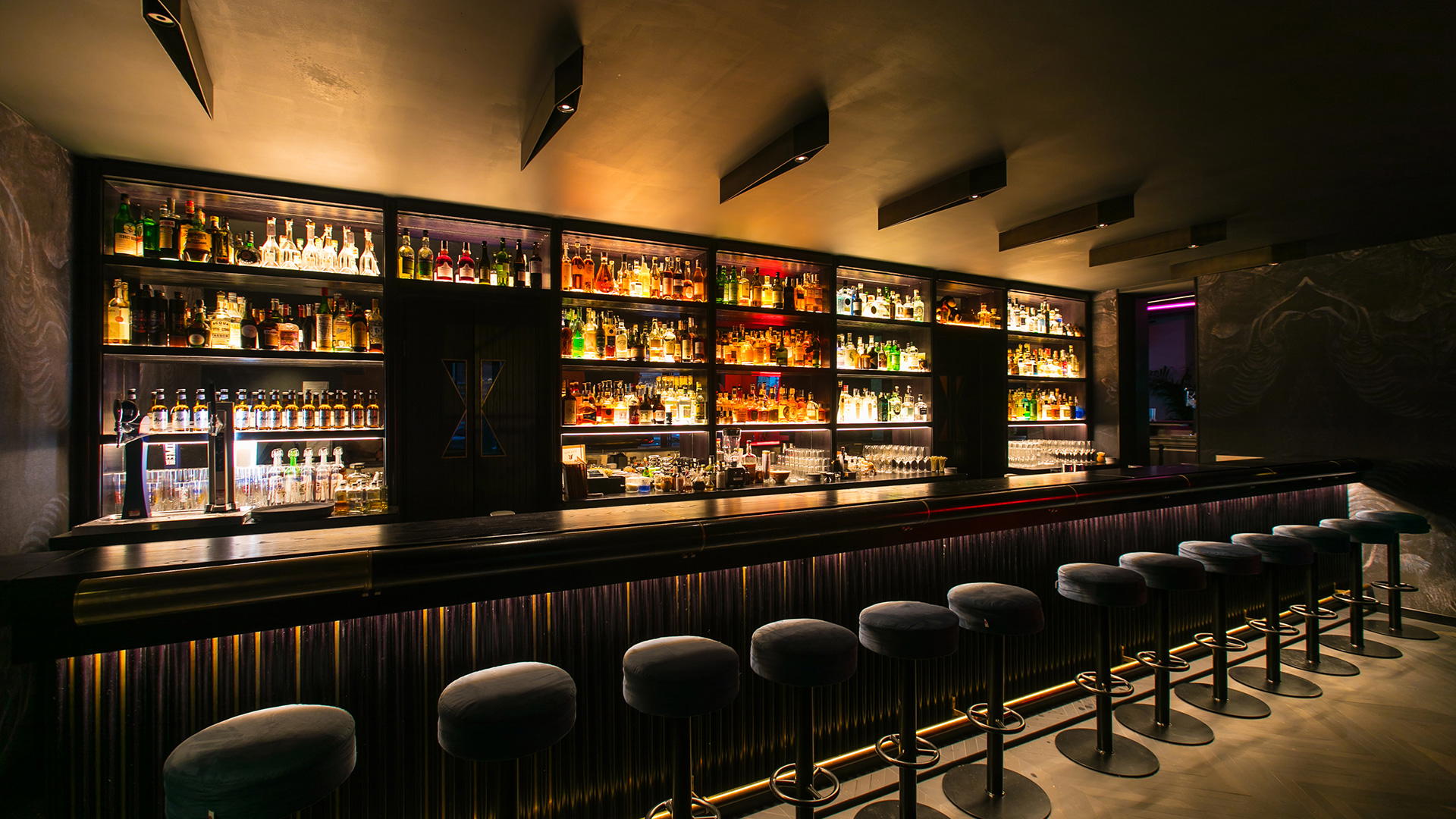
In Rome's broader hotel dining conversation, the question of whether a luxury property's restaurant can hold its own against the city's independent trattorie and modern Italian tables has no easy answer. Many cannot. The St. Regis takes a different approach with Lumen, its cocktail and cuisine lounge, positioning it less as a formal hotel restaurant and more as a destination bar with serious food. The format targets both hotel guests and Rome's international social set, a distinction the hotel describes as a preferred address for "local and international jet-setters."
The Mediterranean menu at Lumen runs to dishes including fresh caprese salad, ricotta-stuffed tortello, sea bass, and beef fillet with green pepper sauce, a range that reflects the kitchen's interest in familiar Roman and Italian ingredients without attempting the kind of revisionist tasting menu format that has become standard at properties like Bulgari Hotel Roma. The positioning is intentionally social rather than gastronomic: the room functions as a meeting point, and the kitchen supports that function without overreaching.
The sabrage ritual at 7pm daily is worth noting as a programmatic choice. Performed with a sabre on a Champagne bottle, the ceremony is a St. Regis brand tradition observed globally, but in the Lumen Bar setting it anchors the evening transition with deliberate theatricality. On select evenings, a pianist accompanies the ritual; on others, a DJ takes over later in the night. Breakfast on certain mornings is accompanied by a harpist. The scheduling reflects a property that understands how to calibrate formality: high ceremony where it counts, loosened slightly when the context shifts.
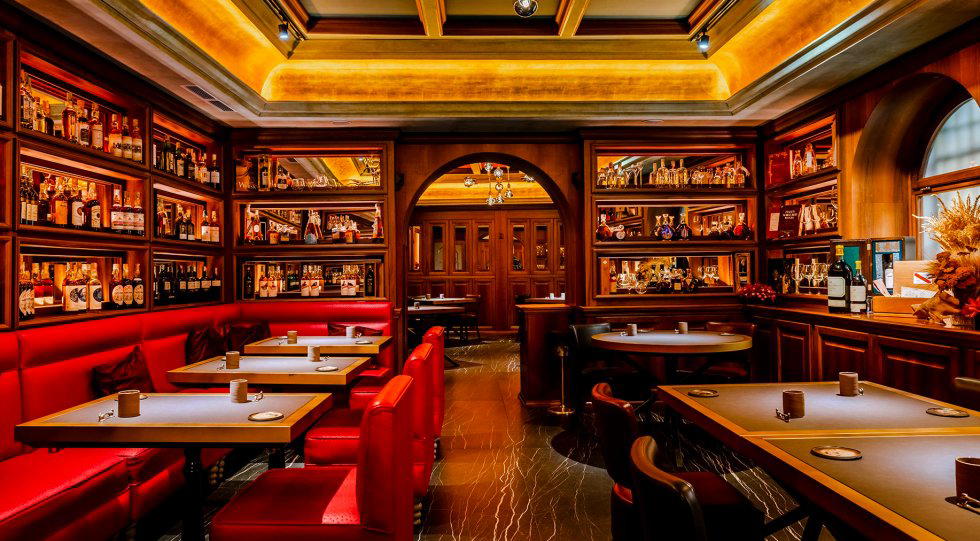
Library Lounge, redesigned as part of the 2018-2019 renovation by Pierre-Yves Rochon, operates as the hotel's more contained, quieter counterpart to Lumen's social energy. Blue-hued with crystal chandeliers, an ornate Venetian mirror, and a black marble fireplace, it serves afternoon tea in a format that reads as genuinely traditional rather than performatively so. For guests who find the bar's energy too deliberate, the Library provides a credible alternative. Separately, during warmer months, Lumen Garden extends the bar's footprint outdoors, a seasonal addition that changes the property's social rhythm considerably for visitors arriving between late spring and early autumn.
The Rooms and What Distinguishes Them
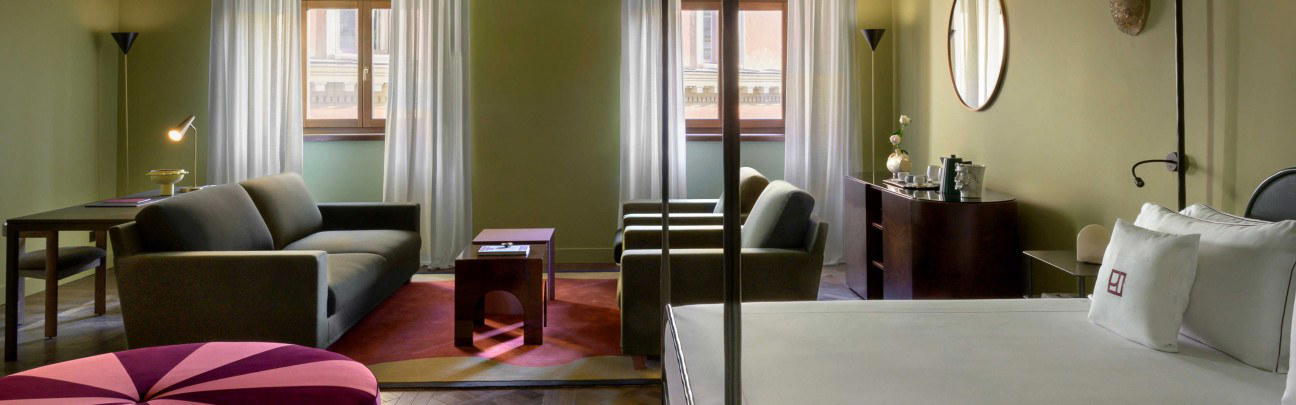
2018-2019 renovation returned 138 guest rooms and 23 suites to a considered version of historic luxury. Pierre-Yves Rochon's approach, in this project as in comparable work elsewhere, was to preserve the structural vocabulary of a turn-of-the-century grand hotel while introducing contemporary detailing. Two locally referenced colour palettes, a powder blue drawn from Rome's skies and a warm terra cotta from Roman walls at dusk, run through the guest floors. Empire, Regency, and Louis XV furniture styles appear in combination, grounded by frescoes, damask fabrics, and Murano glass chandeliers that reference the building's 1894 origins.
Bathrooms draw architectural reference from the Baths of Diocletian nearby, finished in travertine or black Marquina marble, with terrazzo floors and mosaic accents in selected rooms. Deep-soaking tubs are standard, as are Remède products, a St. Regis brand signature. Anti-fog and lighted shaving mirrors, in-room safes, minibars, and full five-fixture bathrooms in most rooms complete the practical specification. The 161-room count is large enough that the property operates with full-service infrastructure, including 24-hour butler service floors, 24-hour room service, and a fifth-floor fitness centre with cardio equipment, gym, sauna, and massage facilities.
Among the suites, the 300-square-metre Royal Suite represents the best of the hotel's accommodation hierarchy, with a history of hosting heads of state and the kind of VIP discretion that the hotel's dedicated elevator, separate foyer, and private red carpet entrance are built to support. The Bottega Veneta suite, developed in collaboration with the Italian fashion house, offers a contemporary alternative to the Royal Suite's more formal register. Both sit considerably above the hotel's listed rate of approximately $941 per night, which applies to standard room categories. Guests at Hotel Vilòn or JK Place Roma will find those boutique properties trade on intimacy and individuality; the St. Regis trades on institutional depth and full-service breadth.
Art, Heritage, and the Hotel as Cultural Space
The decision to partner with Galleria Continua, one of Italy's more respected contemporary art galleries with spaces in San Gimignano, Beijing, and beyond, gives the St. Regis's public spaces a cultural layer that most hotel collections lack. A permanent installation and rotating exhibits of contemporary Italian artists occupy the lobby and communal areas, placing the hotel in an interesting position: historic architecture functioning as a frame for current Italian artistic production. Each guest room is named after a Roman landmark and includes a mural depicting it, a design choice that integrates Rome's geography into the stay without relying on generic decorative gestures.
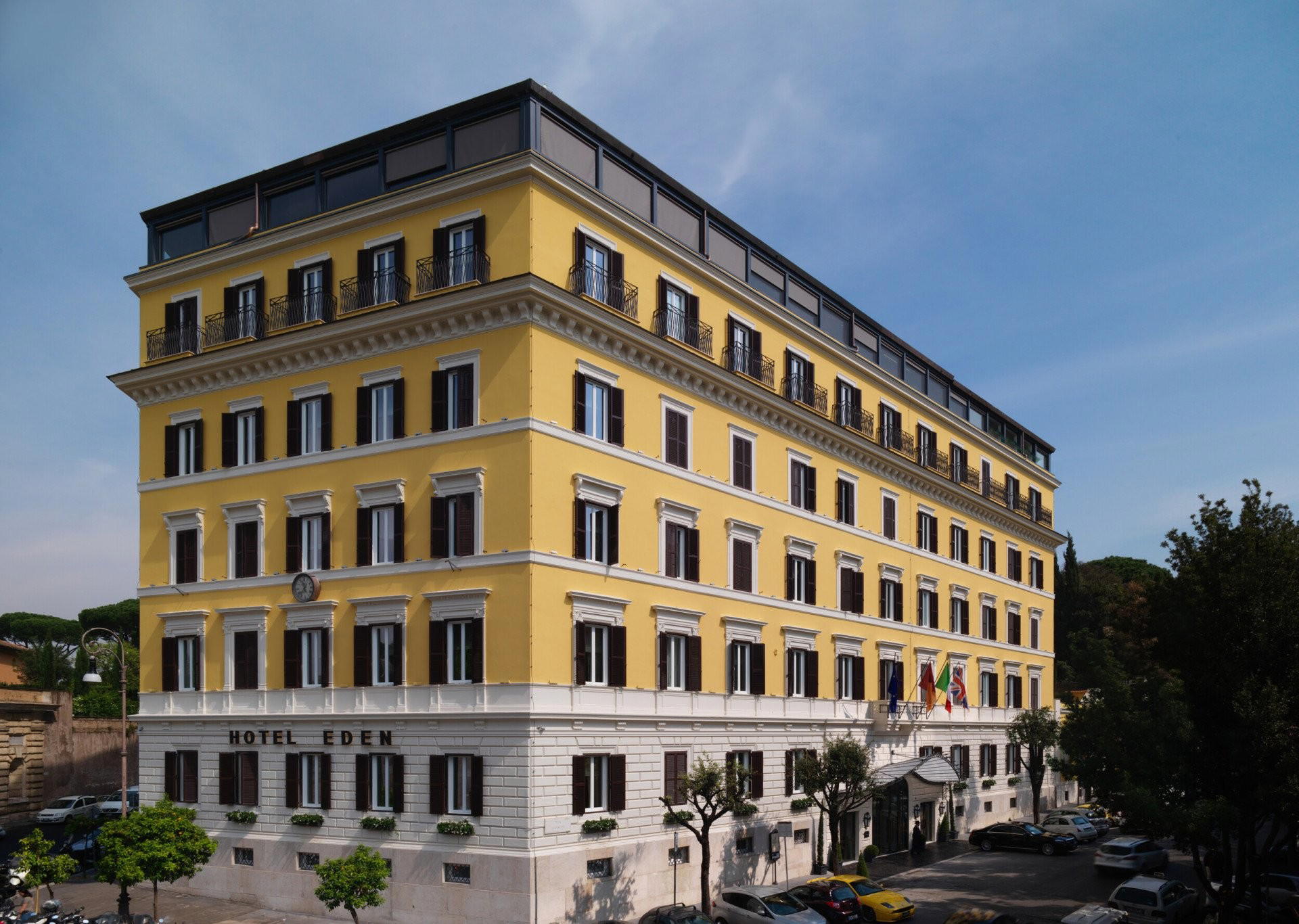
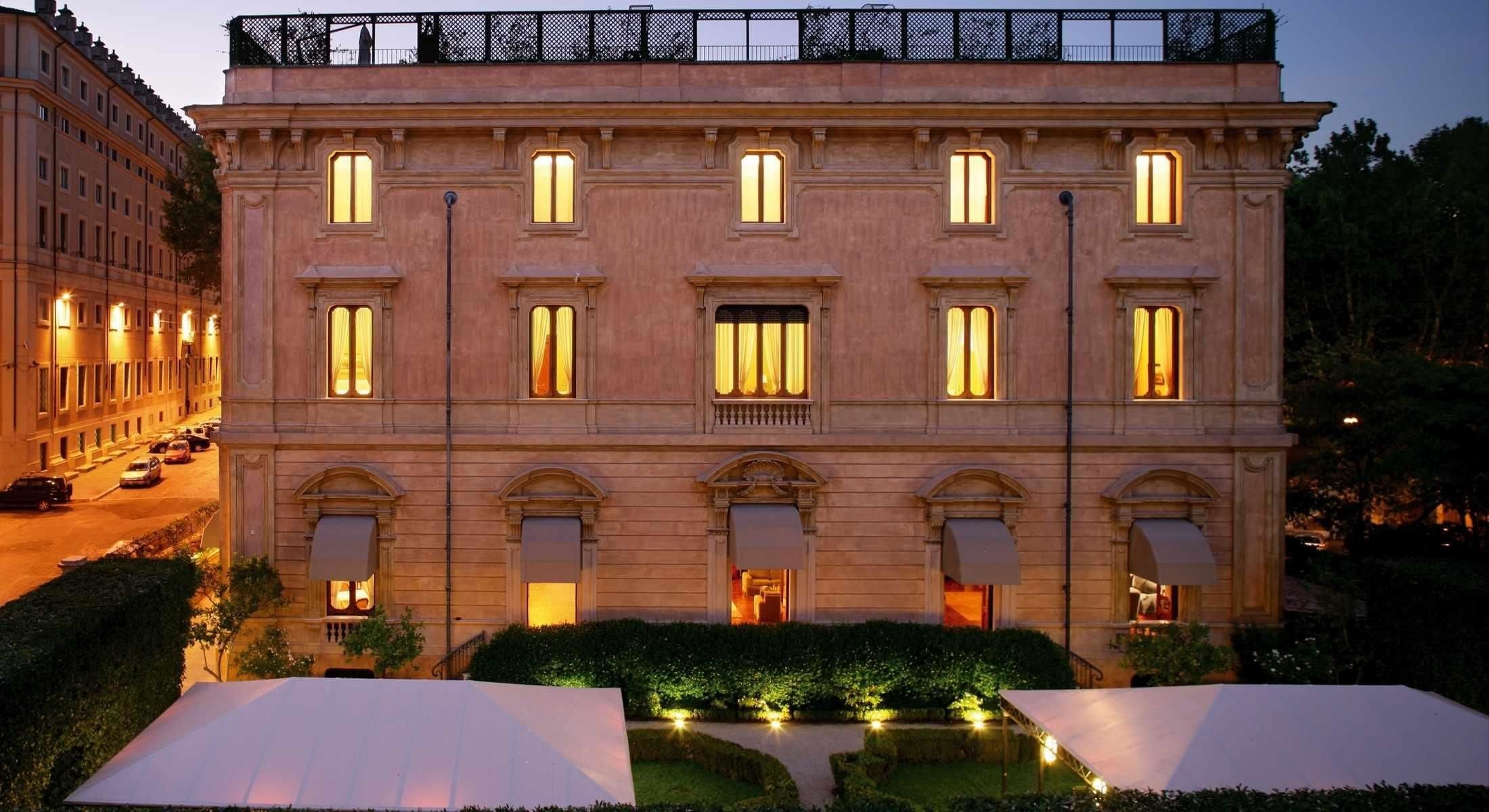
This approach to identity, grounded in place rather than brand abstraction, distinguishes the St. Regis from the more globally standardised end of the Marriott International portfolio to which it belongs. For comparison, properties like Aman Venice in Venice or the Four Seasons Hotel Firenze in Florence operate in a similar register: global brand ownership with a property-specific identity strong enough to read as genuinely local. Elsewhere in Italy, Passalacqua in Moltrasio, Borgo Egnazia in Fasano, and Rosewood Castiglion Del Bosco in Montalcino each take a more regionally anchored approach, but serve fundamentally different travel modes. For Rome specifically, and for the combination of central location, heritage credentials, and full-service infrastructure, the St. Regis competes directly with Portrait Roma and Maalot Roma at the boutique end, and with the Hassler and Hotel Eden at the grand historic end. See our full Rome hotels and restaurants guide for a complete picture of the city's options.
Know Before You Go
- Address: Via Vittorio Emanuele Orlando, 3, 00185 Rome, Italy
- Hotel Group: Marriott International (St. Regis brand)
- Room Count: 161 rooms and suites
- Starting Rate: From approximately $941 per night
- Awards: Michelin 1 Key (2024); La Liste Leading Hotels 92.5 pts (2026)
- Dining: Lumen Cocktail and Cuisine (year-round); Lumen Garden (summer); Library Lounge afternoon tea
- Key Services: 24-hour butler floors, 24-hour concierge, personal shopper, 24-hour room service, fitness centre with sauna
- Location: Walking distance to Spanish Steps, Trevi Fountain, Via Condotti, Via Veneto, and Termini Station
- Planning Window: Advance booking is strongly advised for peak Roman travel periods (spring and autumn); the Royal Suite and Bottega Veneta Suite require early reservation given limited availability
Budget Reality Check
Comparable venues nearby, for context on price, style, and recognition.
| Venue | Price | Awards | Notes |
|---|---|---|---|
| The St. Regis RomeThis venue — the venue you are viewing | $500–750 | 2 Michelin Keys · La Liste Top Hotels | Not listed |
| Rocco Forte Hotel de Russie | Not listed | 2 Michelin Keys · La Liste Top Hotels | Campo Marzio, Luxury historic hotel with secret gardens |
| Orient Express La Minerva | Not listed | 2 Michelin Keys · World's 50 Best #66 | Pigna, Historic palace reimagined with Orient Express luxury. |
| Palazzo Talìa | $500–750 | 2 Michelin Keys · Tablet Hotels Best New Hotel Designs (Europe) | Colonna, Restored Renaissance palace blending historical architecture with modern luxury and informal elegance. |
| JK Place Roma | $500–750 | 1 Michelin Key · La Liste Top Hotels | Campo Marzio, Luxury boutique hotel blending 17th-century Roman palazzo architecture with contemporary design, positioned as an exclusive private townhouse experience. |
| Rocco Forte Hotel De La Ville | Not listed | 2 Michelin Keys · Forbes 5-Star | Campo Marzio, Contemporary 18th-century palazzo blending classical Roman romance with modern zestful design |
Recognition history
Dated appearances from independent guides and award organizations, with the underlying list record or original source where available.
Michelin 2 Keys
Michelin
La Liste Top Hotels
La Liste
Forbes Recommended
Forbes
Virtuoso Luxury Hotel Partner
Virtuoso
Full recognition history (7 entries)
Forbes Recommended
Forbes
Michelin 2 Keys
Michelin
Michelin 1 Key
Michelin

Details
- Elegant
- Sophisticated
- Ornate
- Classic
- Well Known
- Honeymoon
- Romantic Getaway
- Anniversary
- Business Trip
- Butler Service
- Historic Building
- Spa
- Fitness Center
- Room Service
- Concierge
- Business Center
- Wi Fi
- Restaurant
- Valet Parking
- EV Charging
- Wheelchair Accessible
- Elevator
- Step Free Entrance
- Accessible Restroom
Light-filled rooms with high ceilings, luxurious Rubelli fabrics, elegant lighting from Murano glass chandeliers, and a refined historic atmosphere.