

1 Michelin Star
Our verdict
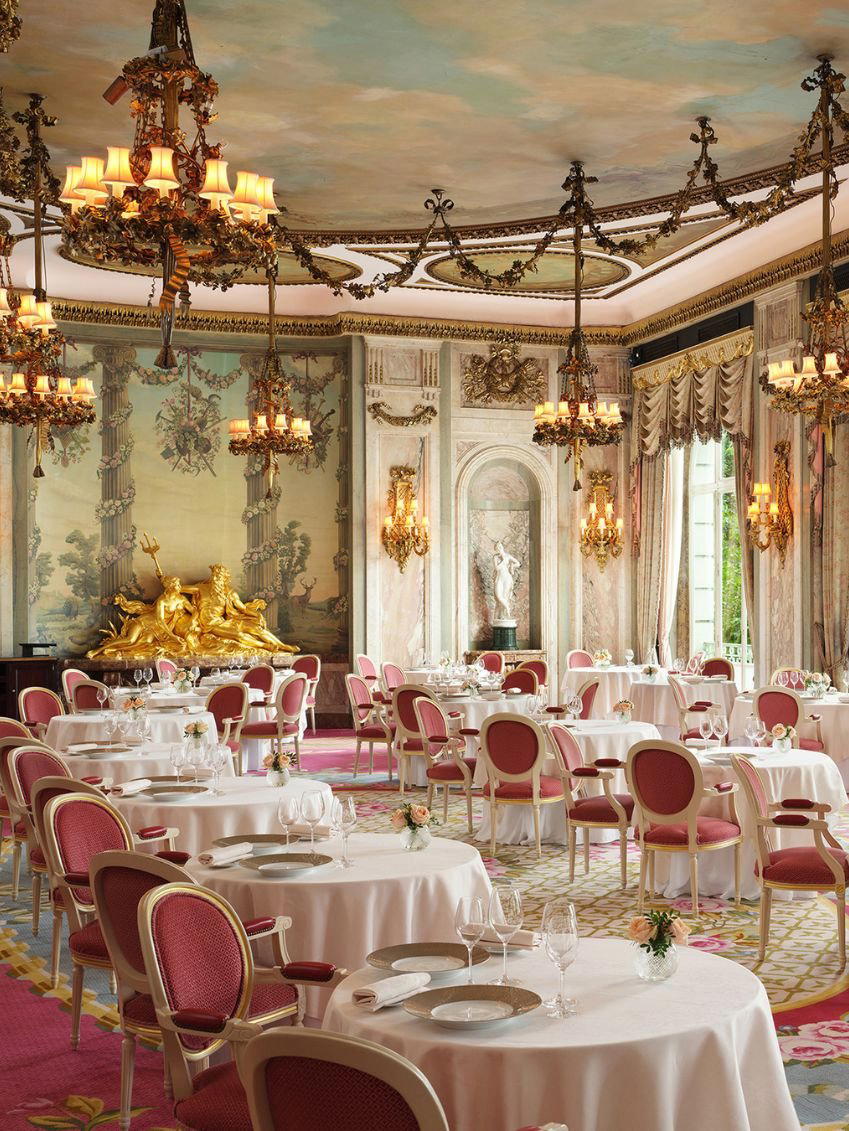
A one-Michelin-star restaurant on Viale Aventino, Marco Martini Chef occupies the first floor of a period palazzo that reads like a winter garden, with greenery, natural light, and decorative floor tiles framing creative cuisine rooted in Roman flavour intensity. Ranked #441 in Opinionated About Dining's Top European Restaurants for 2025, it sits in a mid-tier creative bracket well below Rome's €€€€ flagships, making it one of the more accessible starred options in the capital.

Pearl is the En Primeur Club membership app, where members save venues, book tables and use the concierge.
The menu
What to order
- Tortelli di mortadella with white pizza broth
- Cuttlefish tagliatelle all'amatriciana
- Tiramisu alla coda alla vaccinara
A Winter Garden on the Aventine
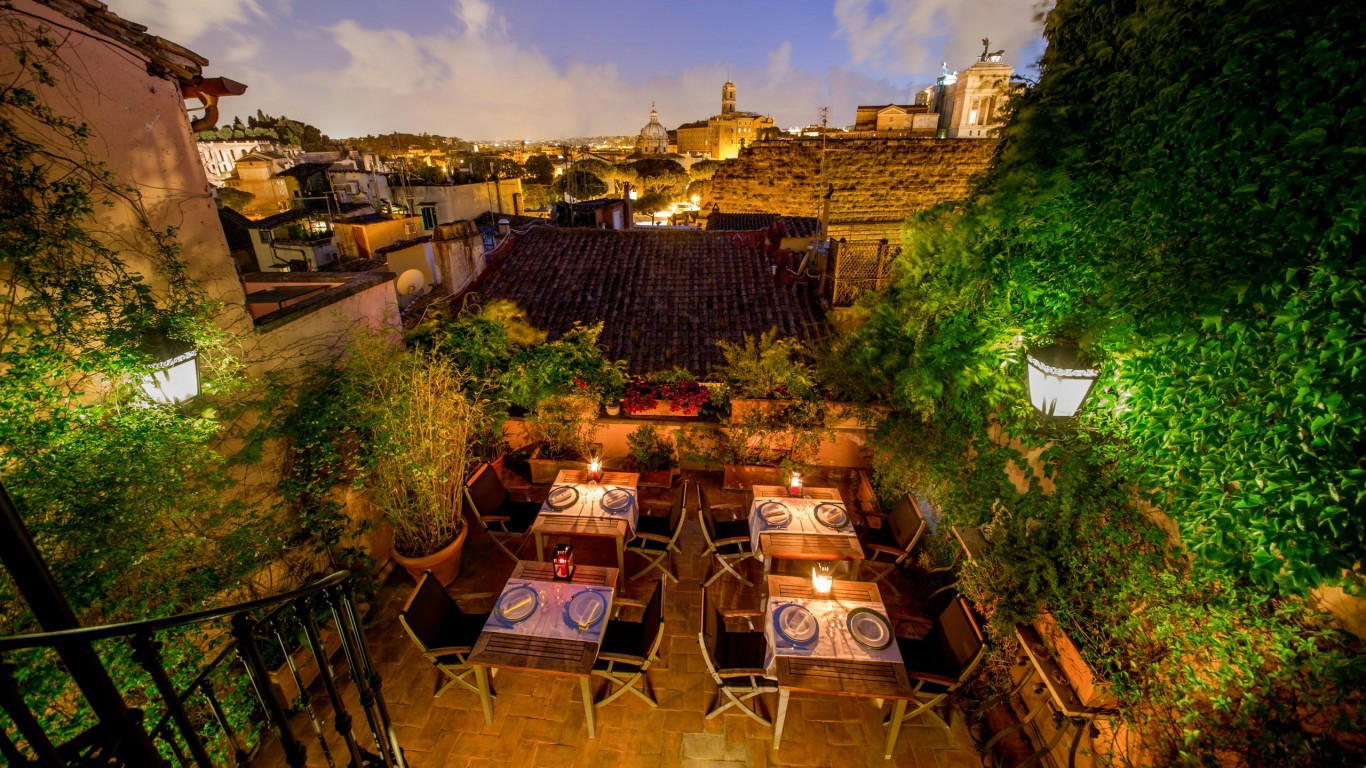
Rome's Aventine Hill carries a particular quietness that separates it from the tourist circuits of Trastevere or the Centro Storico. The residential streets around Viale Aventino hold nineteenth-century palazzi with interior courtyards, wrought-iron balconies, and that specific Roman quality of civic grandeur operating at a human scale. It is in this context that the physical setting of Marco Martini Chef makes its first argument: a first-floor dining room inside a period palazzo that has been arranged to suggest a winter garden, with natural daylight, indoor greenery, and patterned floor tiles providing the atmosphere. The room does not perform luxury so much as inhabit it, which is a meaningful distinction at a time when Rome's higher-end creative restaurants are increasingly divided between theatrical destination spaces and smaller, neighbourhood-scaled rooms that reward the effort of finding them.
That division shapes where this restaurant sits in Rome's creative dining tier. The €€€€ flagships, places like Enoteca La Torre, operate at a different price register and with a different kind of formal weight. Marco Martini Chef, priced at €€€, occupies a more accessible position while holding a Michelin star (awarded 2024) and an Opinionated About Dining ranking of #441 among European restaurants in 2025, up from #438 the previous year. For a city where the starred creative category is dominated by higher price points and longer established names, that combination of recognition and relative accessibility is worth noting.
The Dinner Proposition
The restaurant operates exclusively in the evening, Tuesday through Saturday from 7 PM, closing Sundays and Mondays. That single-service format concentrates the kitchen's energy in ways that matter in creative cooking: prep time is longer, pacing is more deliberate, and the room is lit for a specific mood rather than adapted between services. Evening dining here carries the character of a committed sitting rather than a functional meal, which is consistent with what the Michelin and OAD recognitions imply about format ambition.
The cuisine is described across award citations as imaginative, with combinations that occasionally surprise, but grounded in a Roman relationship with flavour intensity rather than recipe replication. The distinction is important: this is not a kitchen that reconstructs carbonara or cacio e pepe with modernist technique. The Roman influence operates at the level of palate orientation, a preference for flavours that land with clarity and completeness rather than the lighter, more restrained register of, say, a Burgundy-trained kitchen. That places it in a different creative conversation from Italian restaurants drawing primarily on northern European reference points, such as Atelier Moessmer Norbert Niederkofler in Brunico, where alpine ingredient sourcing and ecological restraint shape the entire editorial frame.
Compared to Rome's other starred creative options, the cooking at Marco Martini Chef sits closer to the city it occupies. Glass Hostaria in Trastevere draws on a different neighbourhood energy and a more international creative vocabulary. All'Oro works in a hotel context that shapes both format and clientele. Marco Martini Chef, operating independently on the Aventine, has the character of a personal project embedded in a residential district, which affects the rhythm of service and the composition of the room.
Rome's Creative Tier in 2025
Rome is not Milan or Florence in terms of creative restaurant density. Enrico Bartolini in Milan and Enoteca Pinchiorri in Florence anchor cities where the fine dining infrastructure is thicker, the international diner base is larger, and the press attention is more consistent. Rome's starred creative restaurants work against a different backdrop: a city where the canonical cuisine is so strong and so beloved that deviation from it carries a higher burden of justification. Kitchens that succeed in this context tend to do so by demonstrating fluency in Roman flavour logic before departing from it, which is precisely what the award citations for this restaurant describe.
The OAD trajectory from a Leading New Restaurants recommendation in 2023 to a ranked position in 2024 and a marginally improved ranking in 2025 suggests a kitchen finding its consistency rather than resting on initial recognition. That arc is more meaningful than a static position: it indicates that the cooking has held up under repeated visits by serious diners rather than peaking with early press attention. For context, Italy's most celebrated creative restaurants, from Osteria Francescana in Modena to Dal Pescatore in Runate, built their reputations over decades of precisely that kind of incremental reinforcement.
Within Rome itself, the comparison set for €€€ creative dining is limited. Most restaurants operating at comparable price points either work within a trattoria tradition or lean into seafood-led menus, as Acquolina does. Achilli al Parlamento takes a different approach through its wine focus. The Aventine address is not a neighbourhood saturated with creative competition, which gives this restaurant a degree of contextual definition it might not have in a denser dining district.
The Lunch Question
Because Marco Martini Chef does not offer a lunch service, the lunch-versus-dinner comparison that applies to many of Rome's creative restaurants is resolved by the format itself. There is no lighter daytime menu, no abbreviated tasting option calibrated for business lunches, no midday walk-in trade. The decision to operate only at dinner positions the restaurant firmly in the evening-destination category, where the room's winter-garden character and the cuisine's complexity are experienced under the conditions the kitchen has designed for. Restaurants that offer both services often present different versions of themselves at each; this one presents only one version, and it is the full version.
That concentration has a practical implication for planning: the single service per day means the kitchen is not dividing attention between a lunch and dinner brigade, and bookings are not spread across two sittings. Diners arriving on a weekday evening will find the same level of preparation as those arriving on a Friday or Saturday, because the restaurant's rhythm does not distinguish between them. The six-evening-per-week schedule, closed Sundays, is consistent with serious European creative restaurants that protect kitchen welfare without compromising service frequency.
For those building a broader Rome itinerary around creative dining, the evening-only format pairs naturally with the city's tendency toward late meals. The 7 PM opening is early by Roman standards but allows for a long sitting without pressure, which is appropriate given the format's complexity. The Aventine location, removed from the central tourist zones, means the approach and departure by foot or taxi carries a specific quality: the city is quieter here, the streets are residential, and the meal sits within a neighbourhood context rather than a tourist infrastructure.
Those planning a wider Rome dining circuit can consult our full Rome restaurants guide, and for planning the rest of a Roman stay, our Rome hotels guide, bars guide, wineries guide, and experiences guide cover the broader picture. For creative cooking elsewhere in Europe at a comparable register, JAN in Munich and Alléno Paris au Pavillon Ledoyen offer different national contexts for the same broad category. In southern Italy, Quattro Passi in Marina del Cantone anchors creative cooking in a coastal register that contrasts with Rome's urban intensity.
Know Before You Go
- Address: Viale Aventino, 121, 00153 Roma, Italy
- Hours: Tuesday to Saturday, 7 PM to midnight. Closed Sunday and Monday.
- Price range: €€€
- Awards: Michelin 1 Star (2024); Opinionated About Dining Leading Restaurants in Europe #441 (2025); OAD Leading New Restaurants Recommended (2023)
- Cuisine: Creative, with Roman flavour influence
- Setting: First-floor dining room in a period palazzo, winter-garden style with natural light and greenery
- Booking: Contact information; advance reservation is advisable given the single-service format and starred status
Frequently asked questions
What time does Marco Martini Chef open and close?
Hours at Marco Martini Chef: Monday 7 PM-12 AM Tuesday 7 PM-12 AM Wednesday 7 PM-12 AM Thursday 7 PM-12 AM Friday 7 PM-12 AM Saturday 7 PM-12 AM Sunday closed.
What part of town is Marco Martini Chef in?
Marco Martini Chef is located at Viale Aventino, 121, 00153 Roma RM, Italy, Rome.
Is Marco Martini Chef award-winning?
Marco Martini Chef has received recognition including: Situated on the first floor of a beautiful period palazzo, this restaurant recalls the style of a winter garden, where natural daylight, greenery and pretty floor tiles all contribute to the attractive setting. Here, Marco Martini creates i….
Same-City Peers
| Venue | Cuisine | Price | Awards | Notes |
|---|---|---|---|---|
| Marco Martini ChefThis venue (the venue you are viewing) | Modern Roman Fine Dining | $150–200 | 1 Michelin Star | Not listed |
| La Pergola | Modern Italian Fine Dining | $500+ | 3 Michelin Stars · La Liste Top Restaurants | Italian, Mediterranean Cuisine |
| Enoteca La Torre | Modern Italian Fine Dining | $200–300 | 2 Michelin Stars · La Liste Top Restaurants | Creative |
| Il Pagliaccio | Modern Italian-Japanese Fusion Fine Dining | $150–200 | 2 Michelin Stars · La Liste Top Restaurants | Contemporary Italian, Creative |
| Aroma | Modern Roman Fine Dining | $200–300 | 1 Michelin Star · Falstaff Restaurant - 93 Falstaff Points | Modern Cuisine |
| Idylio by Apreda | Modern Mediterranean-Asian Fusion | $150–200 | 1 Michelin Star · La Liste Top Restaurants | Modern Italian, Italian Contemporary |
Recognition history
Dated appearances from independent guides and award organizations, with the underlying list record or original source where available.
Michelin 1 Star
Michelin
Opinionated About Dining Top Restaurants in Europe Recommended
Opinionated About Dining
Full recognition history (7 entries)
Michelin 1 Star
Michelin
Opinionated About Dining Top Restaurants in Europe Ranked #441
Opinionated About Dining
Michelin 1 Star
Michelin
Opinionated About Dining Top Restaurants in Europe Ranked #438
Opinionated About Dining
Opinionated About Dining Top New Restaurants in Europe Recommended
Opinionated About Dining
Continue exploring
More in Rome
Restaurants in Rome
All restaurants in Rome →
Bars in Rome
All bars in Rome →

Details
- Elegant
- Romantic
- Intimate
- Sophisticated
- Date Night
- Special Occasion
- Celebration
- Open Kitchen
- Extensive Wine List
- Craft Cocktails
- Tasting Menu
- A La Carte
- Wine
- Cocktails
- Vegetarian Friendly
Current opening hours
- Monday
- 7 PM–12 AM
- Tuesday
- 7 PM–12 AM
- Wednesday
- 7 PM–12 AM
- Thursday
- 7 PM–12 AM
- Friday
- 7 PM–12 AM
- Saturday
- 7 PM–12 AM
- Sunday
- Closed
Hours can change for holidays and private events. Hours as of .
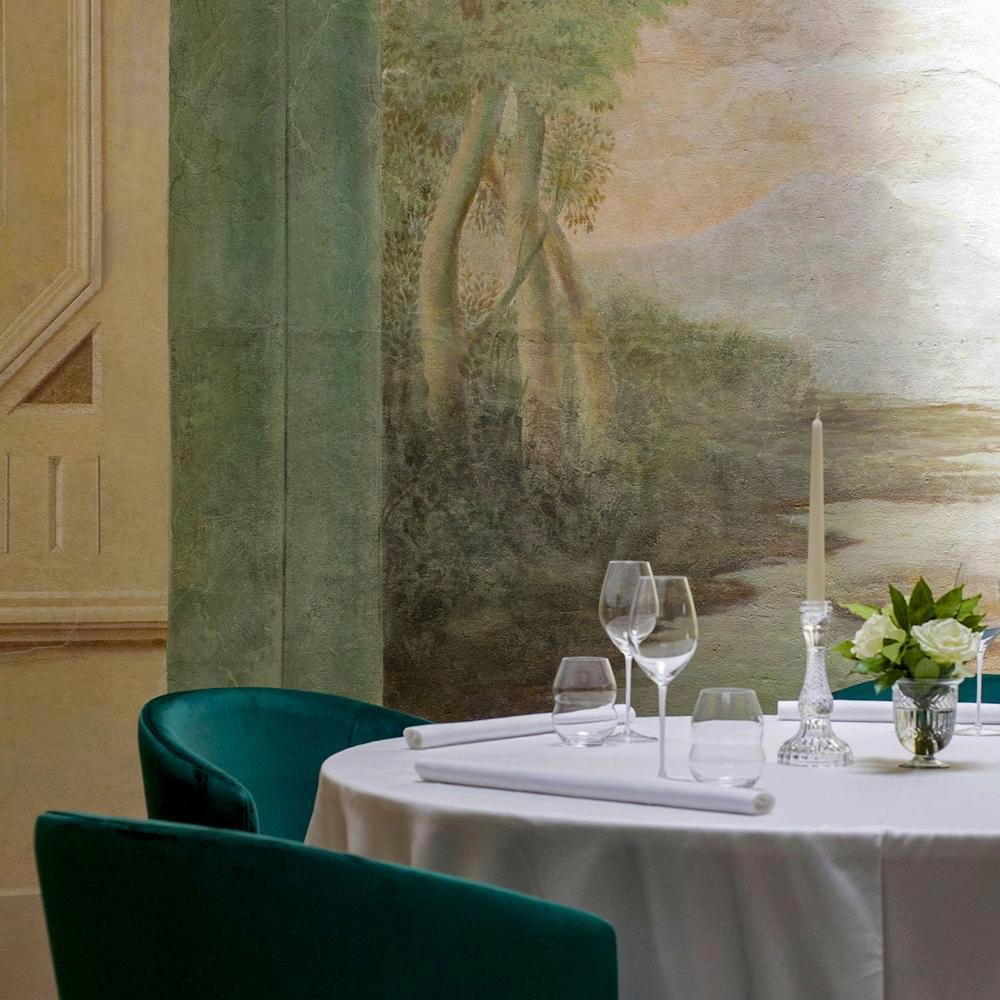
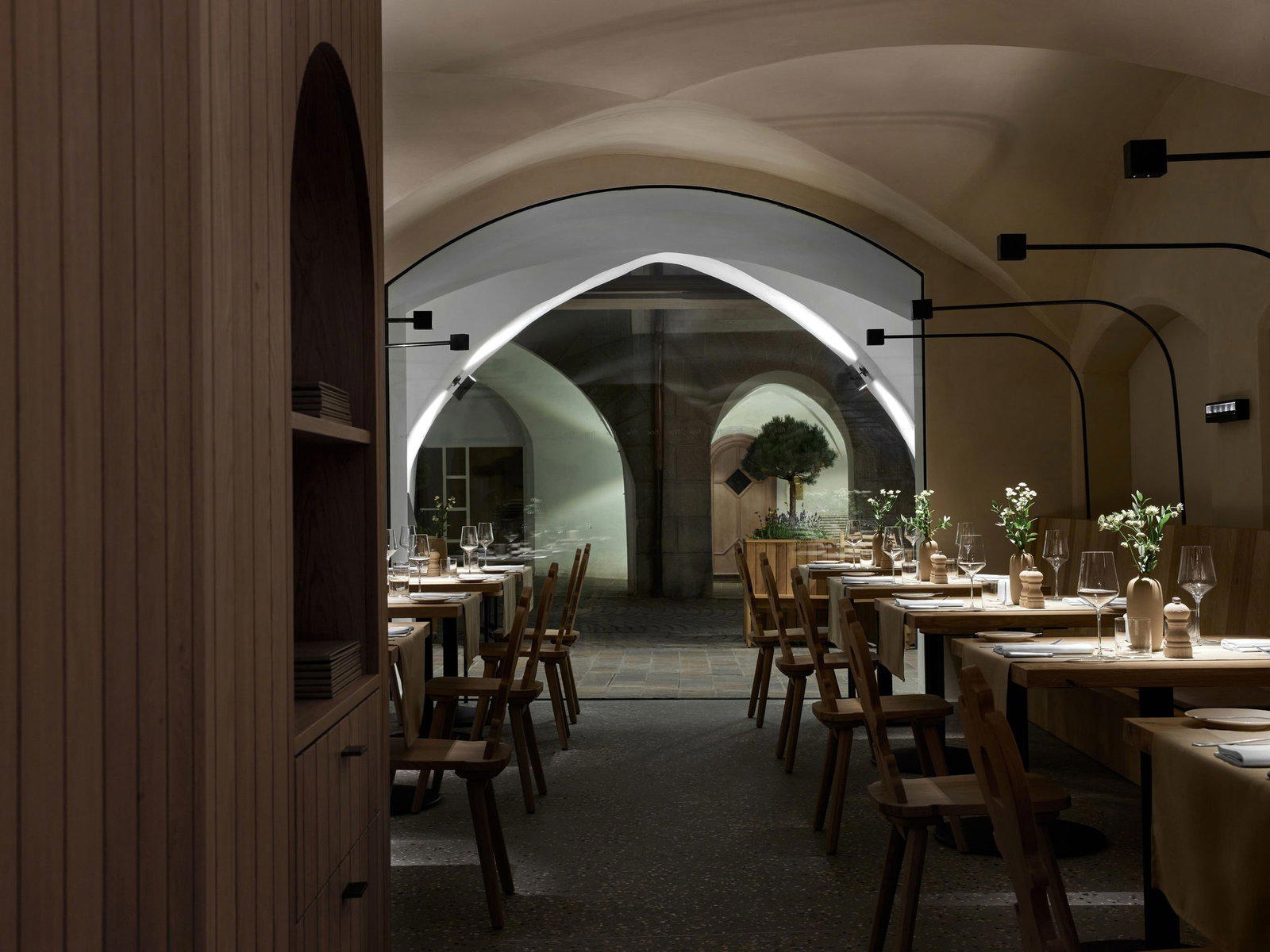
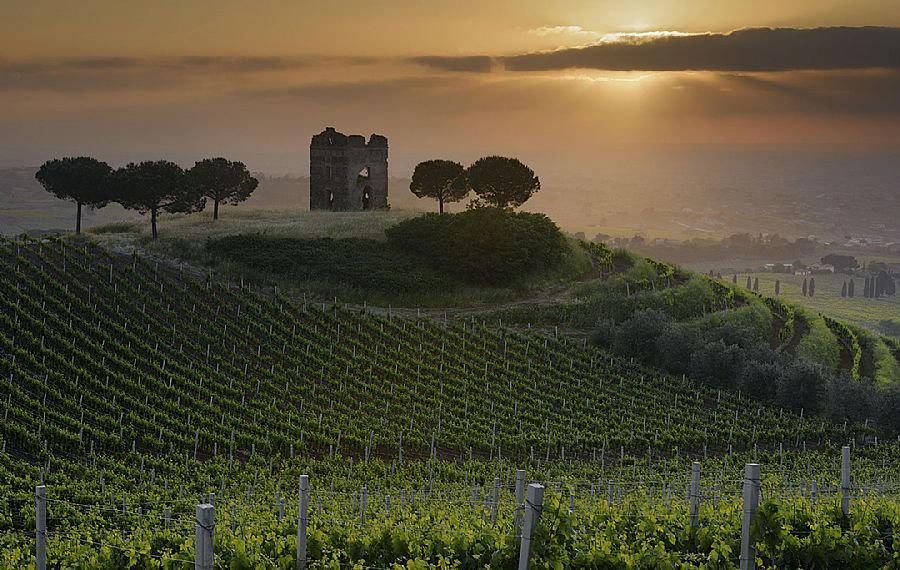
Winter garden-style dining room in a period palazzo with natural daylight, greenery, pretty floor tiles, and a relaxed yet classy atmosphere.