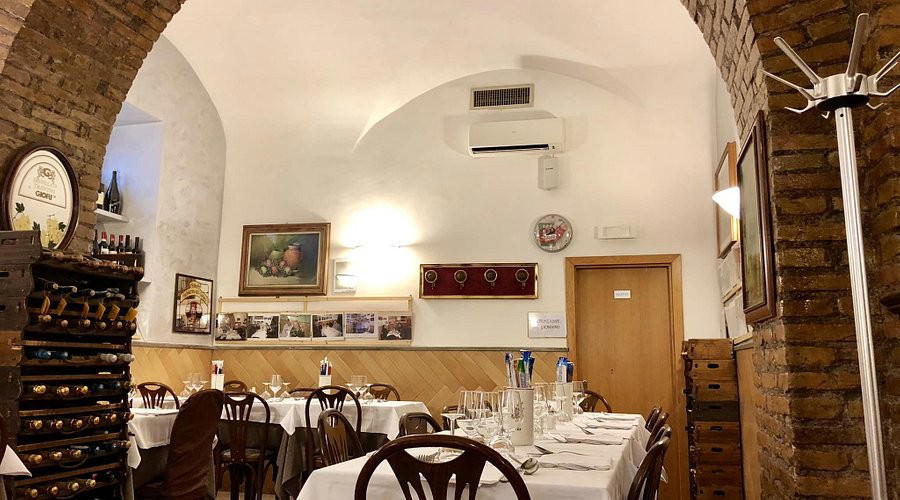
SantiNumi occupies a address on Viale Carlo Felice in the San Giovanni quarter, one of Rome's more residential dining corridors away from the centro storico circuit.
Pearl is the En Primeur Club membership app — saves, bookings, and concierge access live there. Same editors, same standards.
- Address
- Viale Carlo Felice, 37, 00185 Roma RM, Italy
- Phone
- +39655301750
- Website
- santinumiroma.com
- Directions
- Get directions
 Saves & bookings on Pearl
Rome's Creative Dining Scene, and Where SantiNumi Sits Within It
Rome's tasting-menu circuit has reorganised itself considerably over the past decade. The city that once made its international reputation almost entirely on trattoria culture and classical Roman technique now sustains a credible tier of creative and contemporary Italian restaurants, several of them holding Michelin recognition. At the upper end, La Pergola remains the city's only three-star address. Below that, a cluster of two-star and one-star counters, including Il Pagliaccio, Acquolina, and Enoteca La Torre, have shifted the expectation of what a serious Rome dinner looks like. It sits at a deliberate remove from the centro storico density where most of Rome's recognized creative tables are clustered.
That geographic positioning matters as context. San Giovanni is a neighbourhood that has historically fed the city's professional class rather than its tourist circuit, which means a restaurant there is making a different kind of argument about its audience. Venues that work in that register tend to earn loyalty from repeat local diners rather than from passing international traffic. The address itself is a signal worth reading.
The Structure of a Multi-Course Meal in Rome's Creative Register
Across Rome's creative and contemporary Italian tier, the tasting menu format has become the primary vehicle for a certain kind of ambition. The sequence matters as much as the individual dish: an opening section of snacks that situates the kitchen's aesthetic, a middle passage through seafood or vegetable-led courses where technical confidence is demonstrated, and a closing section where protein and aged preparations anchor the meal before dessert shifts the register entirely. This arc is not distinctive to Rome, it mirrors the progression you find at Osteria Francescana in Modena or Le Calandre in Rubano, but it takes on particular character in the Roman context, where the pull of classical technique and local ingredient loyalty is stronger than in cities where internationalism defines the kitchen.
Italy's most discussed creative tables have each developed a legible identity around this progression. Piazza Duomo in Alba roots its sequencing in Piedmontese ingredient culture. Uliassi in Senigallia builds its arc around Adriatic seafood. Reale in Castel di Sangro anchors every course in the central Apennine larder. What distinguishes the Roman equivalent is the tension between the city's ingredient-led trattoria tradition and the technique-driven ambitions of the contemporary format. The kitchens that resolve that tension most convincingly tend to earn sustained recognition; those that lean too far toward either pole risk losing their editorial distinctiveness. SantiNumi's positioning within this tension is something a first visit would need to assess directly.
Italian Creative Dining: National comparable set
To calibrate SantiNumi against a national frame rather than just a Roman one, it is worth noting the breadth of Italy's creative dining tier. Dal Pescatore in Runate has maintained its three-star standing for decades through consistency rather than reinvention, which represents one model of creative Italian longevity. Enrico Bartolini in Milan has built one of Italy's largest decorated footprints across multiple properties. Enoteca Pinchiorri in Florence combines its three Michelin stars with one of Europe's most referenced wine cellars, making the beverage program as much a draw as the kitchen. Quattro Passi in Marina del Cantone and Atelier Moessmer Norbert Niederkofler in Brunico each represent strong regional identities operating at high technical levels. The full map of Italian fine dining is wide enough that a Rome address like SantiNumi sits within a genuinely competitive national field, not just a local one.
Internationally, the progression-led creative format has also been refined to a high degree at places like Le Bernardin in New York City, where the tasting arc is constructed around seafood with notable technical discipline, or Atomix in New York City, where the sequencing incorporates written cards that contextualise each course. These models are useful reference points for understanding how serious multi-course formats are evolving across cities, even when the specific culinary identity differs from what Roman kitchens typically produce.
The San Giovanni Address: What the Location Signals
Viale Carlo Felice runs through a part of Rome that most visitors do not reach unless they have a specific reason to go there. The Lateran basilica anchors the area's historical weight, but the immediate streets around it function as a working Roman neighbourhood: pharmacies, local bars, residential buildings. A restaurant choosing this address is not relying on foot traffic from tourists or on the ambient prestige of a centro storico postcode. That can be a strength, neighbourhood restaurants in Rome that earn a reputation beyond their immediate streets often do so on the basis of repeat trade and word-of-mouth in a way that centre-located venues do not, or it can limit discoverability for the visiting diner who is constructing an itinerary.
For comparison, Achilli al Parlamento operates close to the Parliament buildings in the centro storico, which places it on a different kind of circuit. The choice of a peripheral address signals something about the intended audience and, often, about pricing strategy: venues away from the tourist core can sometimes operate at lower price points while maintaining kitchen quality, though SantiNumi's price point is about $35 per person.
Planning Your Visit
- Address: Viale Carlo Felice, 37, 00185 Roma RM, Italy
- Neighbourhood: San Giovanni, a residential district southeast of the Colosseum, approximately 20 minutes on foot from Termini station
- Getting there: San Giovanni metro station (Line A) is the closest public transport link; street parking is available in the surrounding residential blocks
- Booking: Booking is recommended.
- Price range: about $35 per person.
- Hours: Mon: 11 AM-12:30 AM; Tue: 11 AM-12:30 AM; Wed: 11 AM-12:30 AM; Thu: 11 AM-12:30 AM; Fri: 11 AM-1:30 AM; Sat: 5:30 PM-1:30 AM; Sun: Closed
A Pricing-First Comparison
Comparable venues nearby, for context on price, style, and recognition.
| Venue | Cuisine | Price | Notes |
|---|---|---|---|
| SantiNumiThis venue — the venue you are viewing | Esquilino, Traditional Roman Trattoria | $$ | Not listed |
| Enoteca Corsi | Pigna, Traditional Roman Trattoria | $$ | Not listed |
| Ristorante dai Pupi | Campo Marzio, Sicilian Seafood | $$ | Not listed |
| La Torricella - Ristorante | Testaccio, Traditional Roman Seafood | $$ | Not listed |
| Trattoria L'avvolgibile | Not listed | $$ | Appio-Latino, Traditional Roman Trattoria |
| Papa Giovanni | Not listed | $$ | San Eustachio, Traditional Roman Trattoria |
Continue exploring
More in Rome
Restaurants in Rome
Browse all →
Bars in Rome
Browse all →
Hotels in Rome
Browse all →

At a Glance
- Cozy
- Elegant
- Romantic
- Date Night
- Group Dining
- Casual Hangout
- Celebration
- Live Music
- Standalone
- Craft Cocktails
- Beer Program
Current opening hours
- Monday
- 11 AM–12:30 AM
- Tuesday
- 11 AM–12:30 AM
- Wednesday
- 11 AM–12:30 AM
- Thursday
- 11 AM–12:30 AM
- Friday
- 11 AM–1:30 AM
- Saturday
- 5:30 PM–1:30 AM
- Sunday
- Closed
Hours can change for holidays and private events. Last verified .
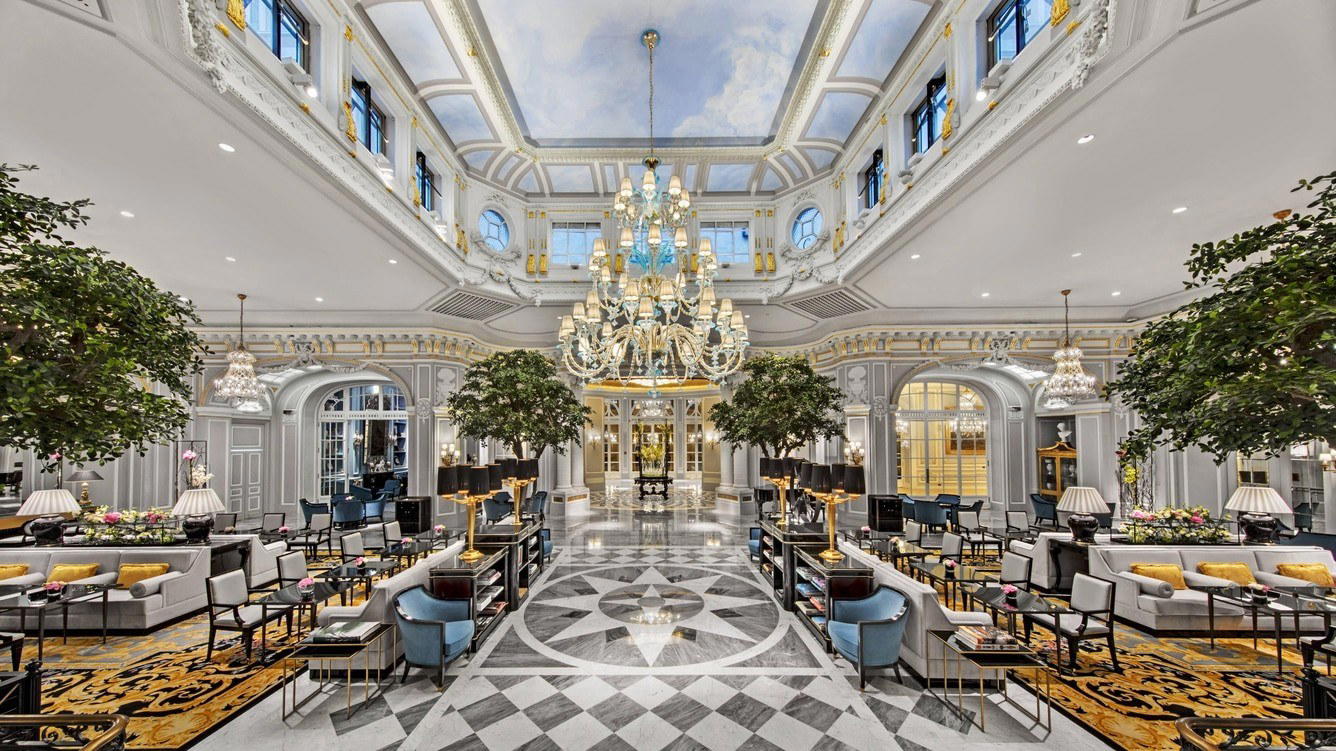
Relaxing and well-maintained with recent aesthetic refresh; warm lighting and inviting atmosphere that makes guests feel at home without being noisy.