

1 Michelin Star
Our verdict
Moma occupies a deliberate position inside Rome's modern Italian dining tier: creative cooking that moves away from the city's traditional canon, served across two distinct formats under the same roof. Ranked #258 in the Opinionated About Dining Classical in Europe list for 2025, it draws a crowd that prefers invention over repetition, with a split-level format that works equally well for a working lunch or a considered evening meal.

Pearl is the En Primeur Club membership app — saves, bookings, and concierge access live there. Same editors, same standards.
- Address
- Via di S. Basilio, 42, 00187 Roma RM, Italy
- Phone
- +39 06 4201 1798
- Hours
- Mon–Fri 12:30–3 PM, 7:30–11 PMSat 7:30–11 PMSun Closed
- Website
- ristorantemoma.it
- Directions
- Get directions
- Booking
- Book on TheFork
Where Roman Cooking Ends and Creative Italian Begins
Rome's dining identity is among the most defended in Italy. Cacio e pepe, coda alla vaccinara, supplì: the city's culinary canon carries real weight, and restaurants that stray from it often do so quietly and at some commercial risk. The creative Italian tier in Rome is smaller and more contested than its equivalents in Milan or Modena, where innovation has longer institutional roots. Against that backdrop, a restaurant in the centro storico that deliberately keeps traditional Roman dishes to a minimum is making a statement worth paying attention to.
Moma, on Via di San Basilio near the Via Veneto quarter, sits precisely in that position. Chef Andrea Pasqualucci runs a kitchen oriented toward new ingredients and combinations rather than the reassurance of Roman classics. The result is a restaurant that reads less like a product of its city and more like a participant in a broader Italian creative movement — one with strong nodes in Florence (see Enoteca Pinchiorri in Florence), Modena (Osteria Francescana), and Milan (Enrico Bartolini), but relatively few Rome addresses of comparable ambition.
Two Floors, Two Registers
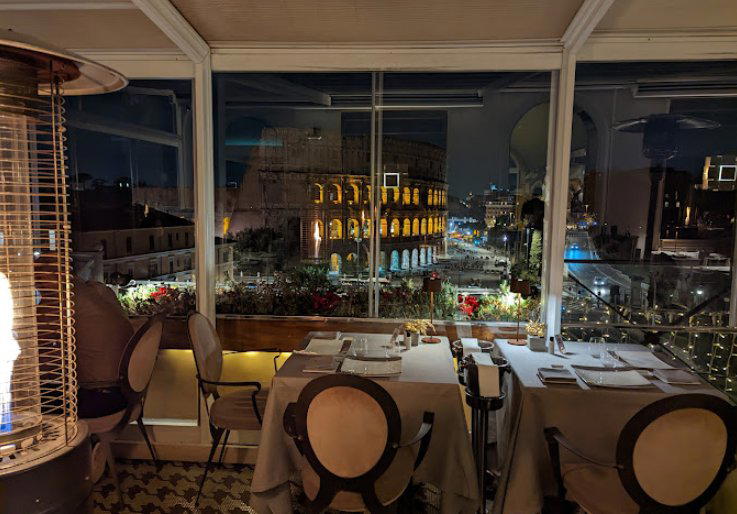
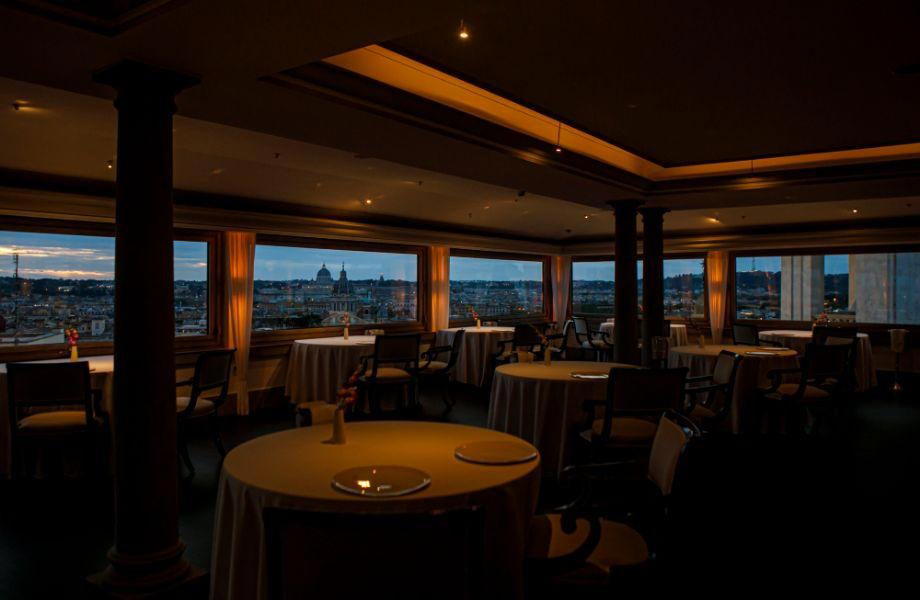
The physical layout of Moma encodes its editorial position. The ground floor operates at lunch with a more informal menu and a lower register of formality, designed for the business and neighbourhood crowd that wants something considered without committing to a full gourmet occasion. The first floor is where the kitchen's creative program is presented in full: attentive, professional service, more considered plating, and a menu that reflects Pasqualucci's range more completely.
This split-level format has become a viable model for Rome's mid-to-upper tier, allowing a single kitchen to address two different demand profiles without diluting either. It also gives Moma a flexibility that single-format restaurants at the same price point lack. For visitors with only one lunchtime slot, the ground floor offers a lower-pressure entry point; for those planning a proper evening, the upstairs dining room delivers the fuller version of the kitchen's output.
The split is worth factoring into any planning decision. A lunch booking on the ground floor and a dinner reservation on the first floor are, in effect, different experiences of the same address.
Creative Italian in a Roman Context
Italy's creative restaurant tier does not resolve neatly to a single regional identity. Atelier Moessmer Norbert Niederkofler in Brunico draws on Alto Adige's alpine larder. Quattro Passi in Marina del Cantone and Torre del Saracino in Vico Equense work the Campanian coastline. Villa Crespi in Orta San Giulio and Dal Pescatore in Runate represent the northern Italian countryside tradition of sustained fine dining.
Rome's equivalent has always been harder to define. The city's strongest culinary identity is rooted in cucina povera and the offal-forward traditions of the Testaccio slaughterhouse district, neither of which map easily onto contemporary creative cooking. The restaurants that have built credible creative programs here — including Il Pagliaccio, Acquolina, and Enoteca La Torre, have generally done so by looking outward rather than anchoring to local tradition. Moma operates in the same mode. The menu retains a few Roman reference points, but the dominant logic is the chef's own creative language rather than deference to the city's culinary inheritance.
This is not a criticism. It is a description of what the restaurant is, and of the diner it is built for. Those arriving in Rome specifically for cacio e pepe or abbacchio will find more committed versions elsewhere. Those interested in what a talented Roman chef does when freed from the weight of local expectation will find Moma considerably more interesting.
Where Moma Sits in Rome's Competitive Set
Priced at €€€, Moma sits one tier below Rome's most expensive creative addresses. La Pergola, Il Pagliaccio, and Enoteca La Torre all operate at €€€€, where tasting menu formats and higher per-cover costs are standard. Moma's pricing places it at a point where the creative program remains accessible without the full ceremony of the city's top tier. Achilli al Parlamento occupies adjacent territory in Rome's creative mid-upper range.
The Opinionated About Dining (OAD) Classical in Europe ranking provides the most consistent external calibration available for Moma. The restaurant placed as a Recommended address in 2023, climbed to #242 in 2024, and reached #258 in 2025. The slight ranking movement between 2024 and 2025 is less significant than the broader trajectory: sustained OAD presence across three consecutive years at the €€€ tier positions Moma as one of the more credible addresses in Rome's mid-upper creative category. OAD rankings are driven by professional and frequent-diner votes, which gives them stronger signal value for this type of restaurant than general review platforms.
For the wider Rome restaurant picture, including addresses across all price tiers and cuisines, see our full Rome restaurants guide.
Timing and Practical Notes
Moma opens for lunch Monday through Friday (12:30 PM to 3:00 PM) and for dinner Monday through Saturday (7:30 PM to 11:00 PM). The restaurant is closed on Sundays. Saturday is dinner-only, which removes the ground-floor lunch option for weekend visitors. This schedule makes Moma primarily a weekday address for those wanting to experience both formats, or a Saturday evening option for those focused on the first-floor creative program.
The Via Veneto neighbourhood is well connected and easy to reach from central Rome and the major hotel zones. For other aspects of a Rome trip, see our full Rome hotels guide, our full Rome bars guide, our full Rome wineries guide, and our full Rome experiences guide.
Know Before You Go
- Address: Via di S. Basilio, 42, 00187 Roma RM, Italy
- Cuisine: Modern Italian, Creative
- Price range: €€€
- Lunch hours: Monday–Friday, 12:30 PM–3:00 PM
- Dinner hours: Monday–Saturday, 7:30 PM–11:00 PM
- Closed: Sunday; no Saturday lunch
- Format: Ground floor (informal lunch) / First floor (gourmet dining room)
- Chef: Andrea Pasqualucci
- Recognition: OAD Classical in Europe #258 (2025), #242 (2024), Recommended (2023)
Frequently asked questions
What's the vibe at Moma?
The tone varies by floor and time of day. Ground-floor lunch runs at a lower level of formality: suitable for a business meeting or a considered midday meal without the full weight of a gourmet occasion. The first-floor dining room operates with professional, attentive service and a more deliberate pace, calibrated for guests who are there for the creative menu rather than a quick meal. Given the OAD recognition and the €€€ pricing, the overall register sits above Rome's casual mid-range but below the ceremony of the city's top-tier tasting-menu addresses.
Does Moma work for a family meal?
It depends on the configuration. At the €€€ price point and with a kitchen focused on creative cooking rather than Roman classics, Moma is better suited to adults with an interest in contemporary Italian cooking than to families with young children expecting familiar dishes. The ground-floor lunch format is more relaxed and could work for a mixed-age group comfortable with modern Italian cooking. For families with younger children, or for those prioritising traditional Roman cuisine, there are more appropriate options at lower price points across the city.
What do regulars order at Moma?
The kitchen's orientation is toward creative, imaginative dishes rather than traditional Roman preparations, so the menu rewards those willing to follow Pasqualucci's lead rather than arriving with a specific dish in mind. OAD voters, who have driven three consecutive years of rankings, typically respond to technical precision and ingredient combinations that justify the creative brief. The first-floor dinner menu is where the kitchen's range is most fully expressed; if the goal is to understand what Moma is actually doing, that format makes the stronger case than the ground-floor lunch.
Fast Comparison
A small set of peers for context, based on recorded venue fields.
| Venue | Cuisine | Price | Awards | Notes |
|---|---|---|---|---|
| MomaThis venue — the venue you are viewing | Modern Italian Fine Dining | Not listed | 1 Michelin Star | Not listed |
| La Pergola | Modern Italian Fine Dining | $500+ | 3 Michelin Stars · La Liste Top Restaurants | Italian, Mediterranean Cuisine |
| Enoteca La Torre | Modern Italian Fine Dining | $200–300 | 2 Michelin Stars · La Liste Top Restaurants | Creative |
| Il Pagliaccio | Modern Italian-Japanese Fusion Fine Dining | $150–200 | 2 Michelin Stars · La Liste Top Restaurants | Contemporary Italian, Creative |
| Aroma | Modern Roman Fine Dining | $200–300 | 1 Michelin Star · Falstaff Restaurant - 93 Falstaff Points | Modern Cuisine |
| Idylio by Apreda | Modern Mediterranean-Asian Fusion | $150–200 | 1 Michelin Star · La Liste Top Restaurants | Modern Italian, Italian Contemporary |
Recognition history
Dated appearances from independent guides and award organizations, with the underlying list record or original source where available.
Michelin 1 Star
Michelin
Opinionated About Dining Classical in Europe Ranked #258
Opinionated About Dining
Full recognition history (6 entries)
Michelin 1 Star
Michelin
Michelin 1 Star
Michelin
Opinionated About Dining Classical in Europe Ranked #242
Opinionated About Dining
Opinionated About Dining Classical in Europe Recommended
Opinionated About Dining

Details
- Modern
- Elegant
- Intimate
- Sophisticated
- Date Night
- Special Occasion
- Celebration
- Open Kitchen
- Extensive Wine List
- Tasting Menu
- A La Carte
- Prix Fixe
- Allergy Accommodating
Current opening hours
- Monday
- 12:30–3 PM, 7:30–11 PM
- Tuesday
- 12:30–3 PM, 7:30–11 PM
- Wednesday
- 12:30–3 PM, 7:30–11 PM
- Thursday
- 12:30–3 PM, 7:30–11 PM
- Friday
- 12:30–3 PM, 7:30–11 PM
- Saturday
- 7:30–11 PM
- Sunday
- Closed
Hours can change for holidays and private events. Last verified .
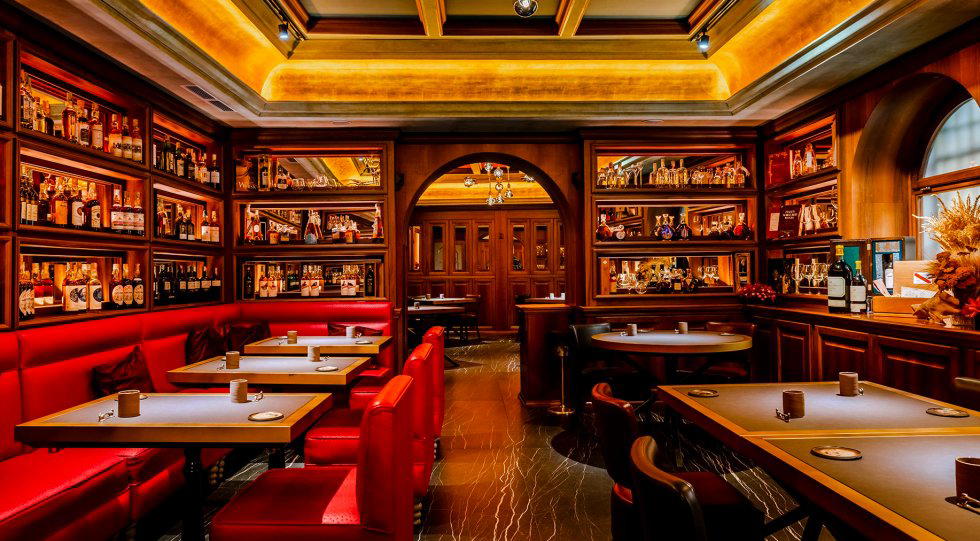
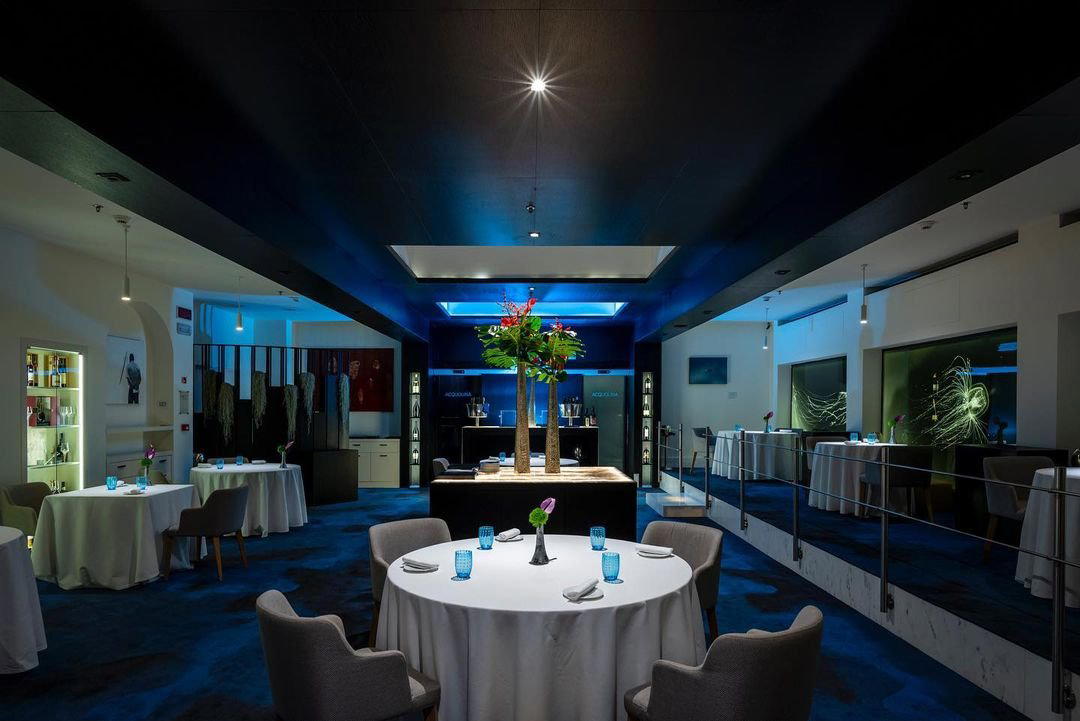
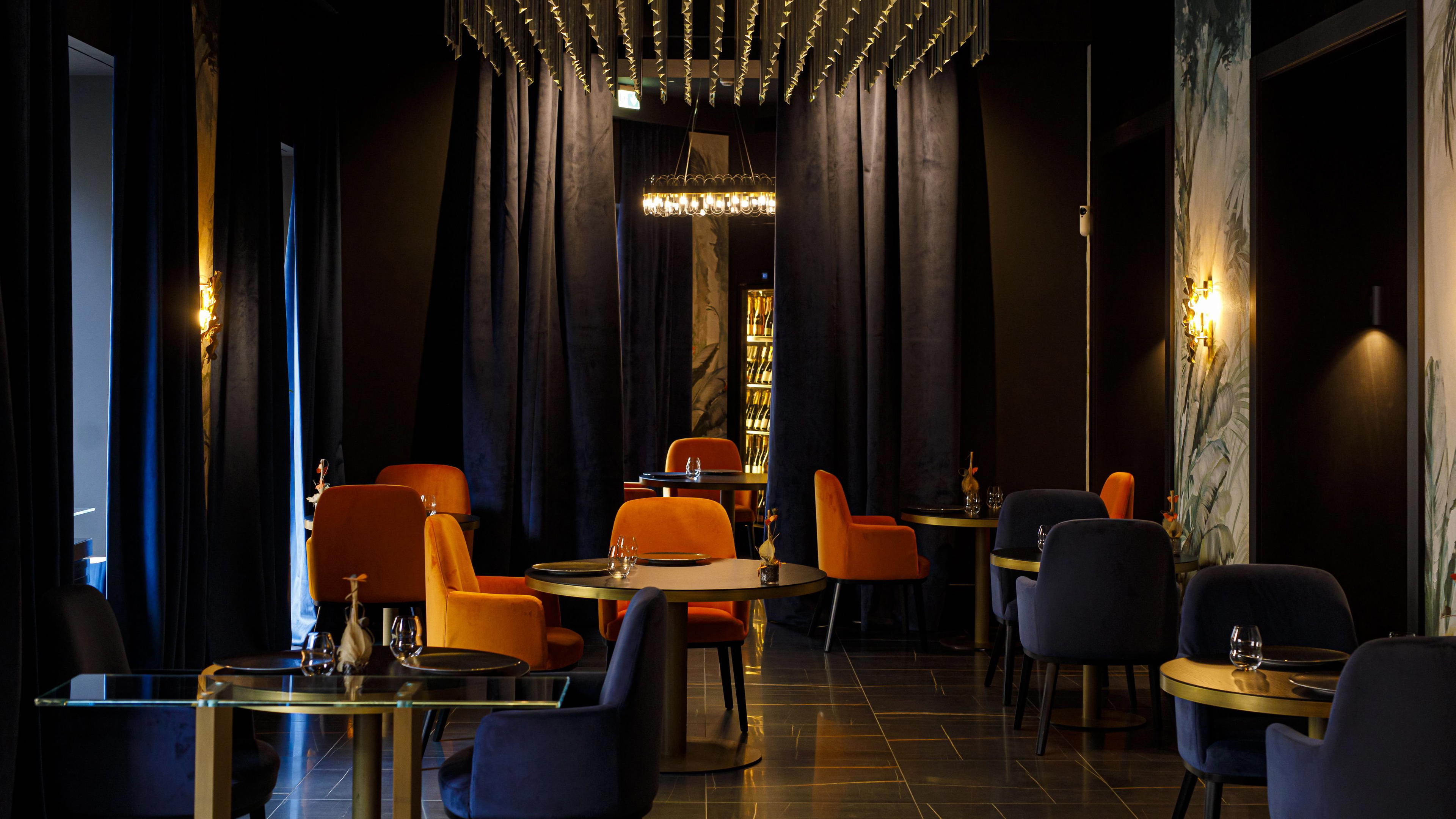
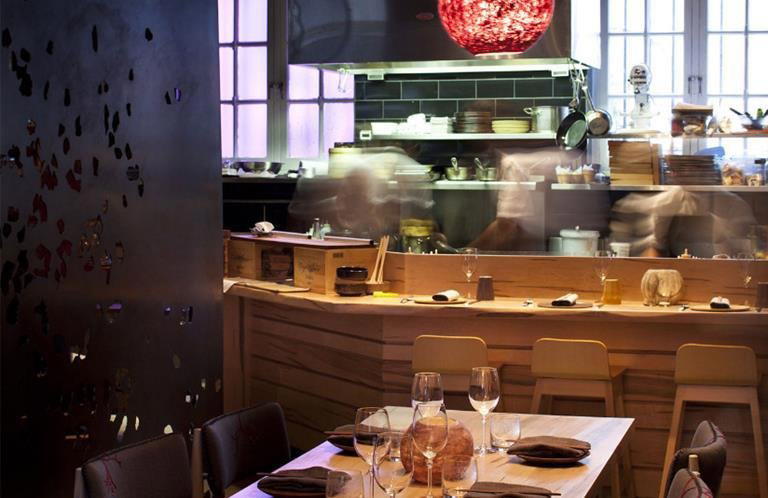
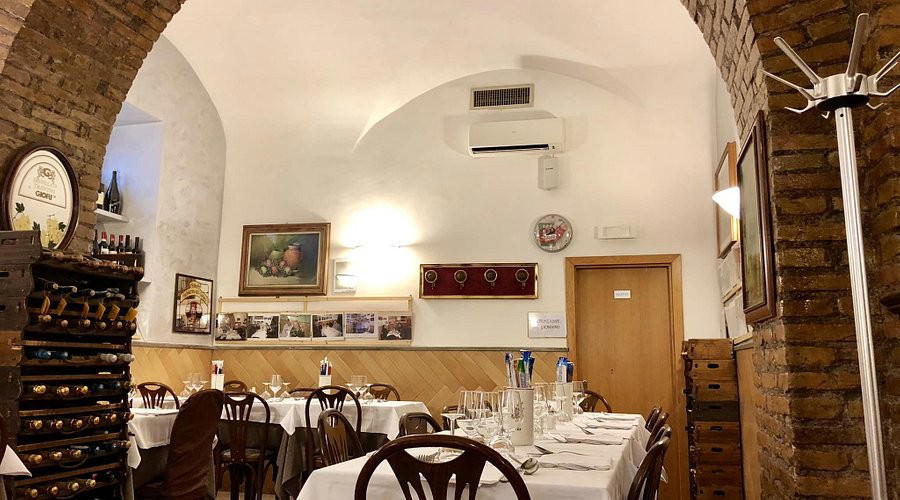
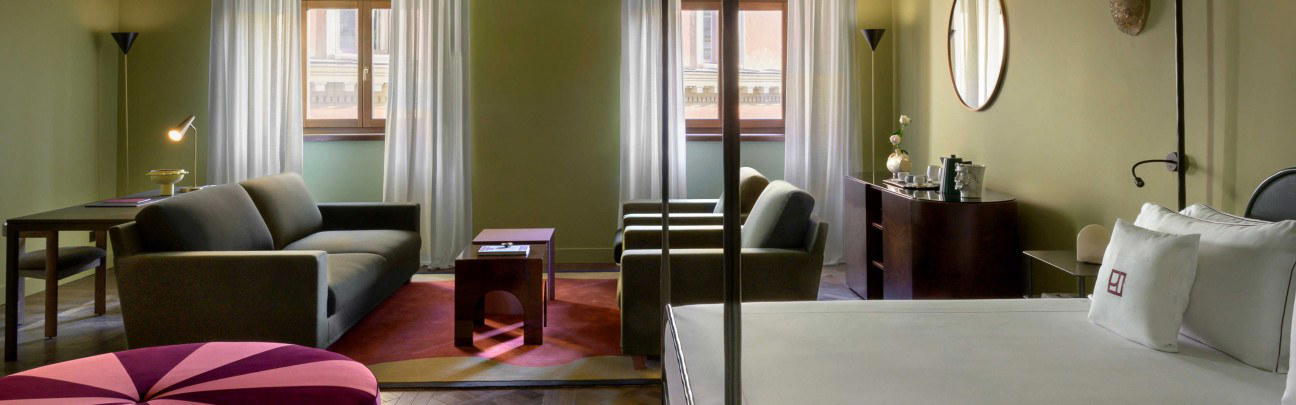
Sleek, modern interior with cozy tables, polished service, and beautifully presented dishes creating an elegant and refined atmosphere.