Molinari sits in Frascati, the volcanic hill town southeast of Rome that has defined central Italy's white wine tradition for centuries.. For anyone tracing the Castelli Romani wine circuit from Rome, it belongs on the itinerary.

Pearl is the En Primeur Club membership app — saves, bookings, and concierge access live there. Same editors, same standards.
- Address
- Via Cernaia, 8, 00044 Frascati RM, Italy
- Hours
- Mon 4:30–8 PMTue–Sat 9 AM–1 PM, 4:30–8 PMSun Closed
- Website
- enotecamolinari.eu
- Directions
- Get directions
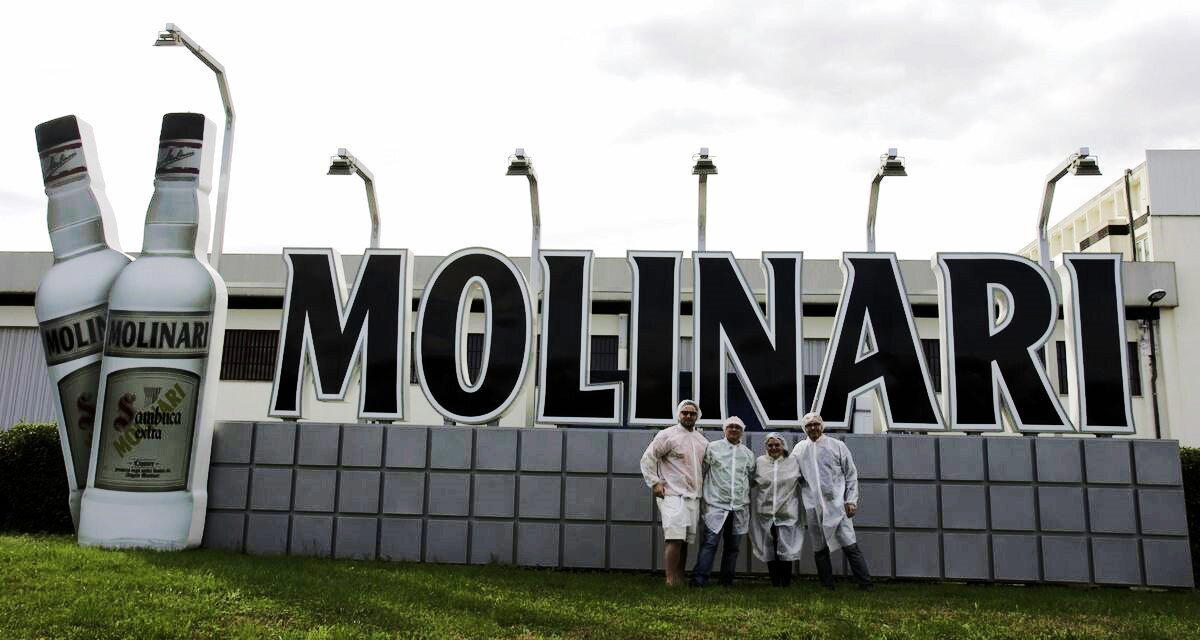
Frascati's Volcanic Terroir and the Case for Castelli Romani Wine
The Castelli Romani hills rise sharply southeast of Rome, their slopes shaped by ancient volcanic activity that left behind soils of tufo, peperino, and pozzolana — porous, mineral-rich substrates that drain fast and hold heat unevenly, producing whites of notable tension. Frascati sits at the heart of this zone, and has been producing wine since Roman antiquity; classical writers documented the local harvest, and papal estates once covered the hillsides above the town. That long arc of viticulture gives the area a gravitational pull that newer Italian wine regions simply cannot replicate.
Volcanic terroir across Italy has become a reference point for wine professionals in the same way that limestone-driven Burgundy or schist-heavy Douro once did. In Campania, Fiano di Avellino and Greco di Tufo drew international attention to the expressive range possible from igneous soils. In Sicily, Etna's elevation and black basalt became a benchmark for mineral-forward reds. The Castelli Romani, despite being the closest major wine zone to the Italian capital, spent decades producing volume-driven Frascati for the trattorias of Trastevere rather than building the kind of prestige narrative those southern regions achieved. That equation is shifting. A tighter focus on indigenous varieties, lower yields, and altitude-sensitive viticulture is repositioning Frascati wine in conversations that previously excluded it.
Reading the Land Through the Glass
The terroir argument for Frascati is direct in geological terms but more complicated in commercial ones. The volcanic soils contribute a mineral salinity to white wines — particularly those built on Malvasia Puntinata and Trebbiano Giallo, the traditional varieties of the zone, that distinguishes them from flatter, alluvial-plain whites. The elevation of Frascati itself, sitting at roughly 320 metres above sea level, extends the diurnal temperature range during the growing season, preserving acidity that warmer coastal sites lose in late summer. This is not a zone producing blowsy, heat-exhausted whites. When winemaking discipline matches the site's natural advantages, the results carry a freshness that reads clearly in the glass.
For Italian wine drinkers accustomed to the precision of Lungarotti in Torgiano or the structured minerality of Castello di Volpaia in Radda in Chianti, the Castelli Romani proposition may initially appear modest. But the volcanic substrate creates a specific textural quality, a slight grippy edge on the mid-palate in the leading examples, that connects Frascati's finest bottles to the broader volcanic wine conversation happening in serious Italian enotecas. Producers who understand this and harvest accordingly are separating themselves from the bulk trade that long defined the appellation's reputation in export markets.
Molinari in the Context of Central Italian Prestige
In central Italy, the prestige tier increasingly distinguishes producers who have committed to expressive terroir work over commercial volume. The comparison set for Frascati at this level is instructive: while Brunello houses like L'Enoteca Banfi in Montalcino and Poggio Antico operate in a different varietal tradition built on Sangiovese Grosso, the underlying principle, that central Italian terroir can produce wines of genuine distinction when the viticulture is honest, runs through both regions. Molinari's recognition signals that Frascati can be discussed in that company, not as an equivalent to Montalcino's depth of prestige, but as a serious satellite in the central Italian wine geography worth tracing on the ground.
Further north, Aldo Conterno in Monforte d'Alba and Ca' del Bosco in Erbusco demonstrate what sustained commitment to a specific site can produce over decades. The central Italian volcanic zone is earlier in that arc, but the geological argument for Frascati's ceiling is credible. Molinari's 2025 award recognition is one data point in what may become a longer trajectory.
The Frascati Setting: More Than a Day Trip from Rome
Frascati sits approximately 20 kilometres from central Rome, reachable by regional train from Termini in under 40 minutes, which makes it the most accessible wine destination from the capital. Most visitors treat it as a half-day excursion, pausing for porchetta sandwiches in the piazza and a glass of house white before returning to the city. That circuit captures the town's accessible appeal but misses the more considered producers operating in and around Via Cernaia and the hillside estates above the historic centre.
A more productive approach treats Frascati as the first stop on a Castelli Romani circuit that might also include Marino and Castel Gandolfo, building a picture of how the volcanic geology shifts across sub-zones and how each township has developed a slightly different expression of the same underlying soil type. This is the kind of itinerary that rewards spending a night in the hills rather than rushing back to Rome by evening. For EP Club readers planning a Roman wine stay, our full Rome restaurants guide maps the broader capital context, including where the city's serious enotecas source their Castelli Romani selections.
The local wine scene around Frascati also connects to a broader Italian drinks geography worth tracking. In the spirits category, Distilleria Marzadro in Nogaredo, Distilleria Romano Levi in Neive, and Nonino Distillery in Pavia di Udine represent Italy's grappa tradition, which has its own terroir logic rooted in the quality of the pomace. That conversation runs parallel to wine terroir and illuminates how Italian producers across categories have moved from volume to precision over the past two decades. Campari in Milan anchors the aperitivo end of the Italian drinks map, while Pallini operates in Rome itself, giving the capital a direct spirits presence. Planeta in Menfi in Sicily and Accendo Cellars in St. Helena in Napa round out the international reference points that serious wine travellers moving through Italy will often hold alongside their central Italian discoveries.
Planning a Visit to Molinari
Molinari's address at Via Cernaia, 8 in Frascati places it within the town's historic grid, accessible on foot from the central piazza once you arrive by train or car. The autumn window is also the period when the volcanic hillsides are most active, the harvest giving any visit a documentary quality that a summer trip through dormant vines cannot replicate. Spring visits, typically from late March through May, offer the alternative: new growth on the vines, cooler temperatures for tasting, and fewer tourists on the regional train from Termini.
Side-by-Side Snapshot
Comparable venues nearby, for context on price, style, and recognition.
| Venue | Cuisine | Price | Awards | Notes |
|---|---|---|---|---|
| MolinariThis venue — the venue you are viewing | Winery | Not listed | Not listed | Not listed |
| Pallini | Winery | Not listed | Not listed | Rome |
| Amaro Santa Maria al Monte | Winery | Not listed | Not listed | Chiavari |
| Gruppo Campari | Winery | Not listed | Not listed | Milan |
| Famiglia Cotarella (Falesco) | Merlot, Roscetto | $20–30 | Falstaff Winery - 4 Stars | Montefiascone |
| Villa Massa Limoncello | Sorrento lemon | Not listed | Not listed | Piano di Sorrento |
Continue exploring
More in Rome
Wineries in Rome
Browse all →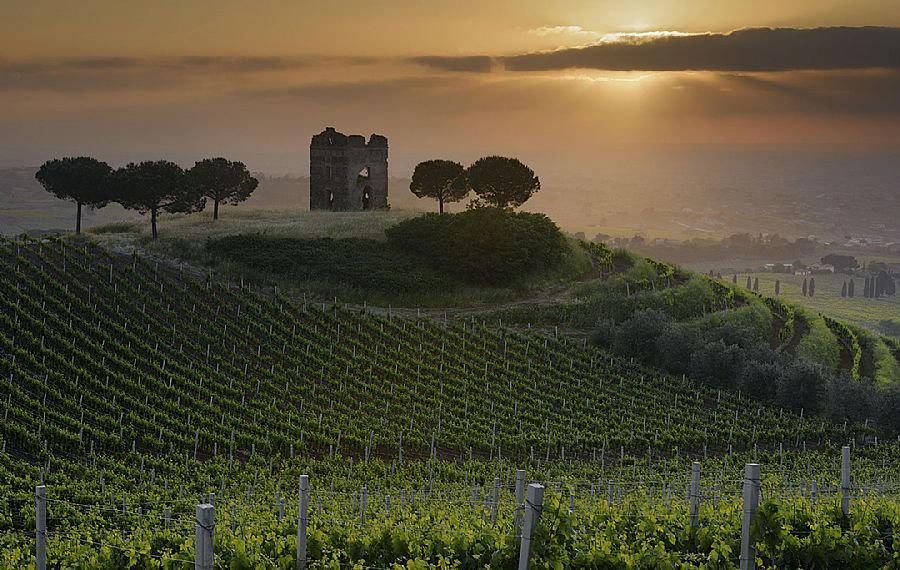

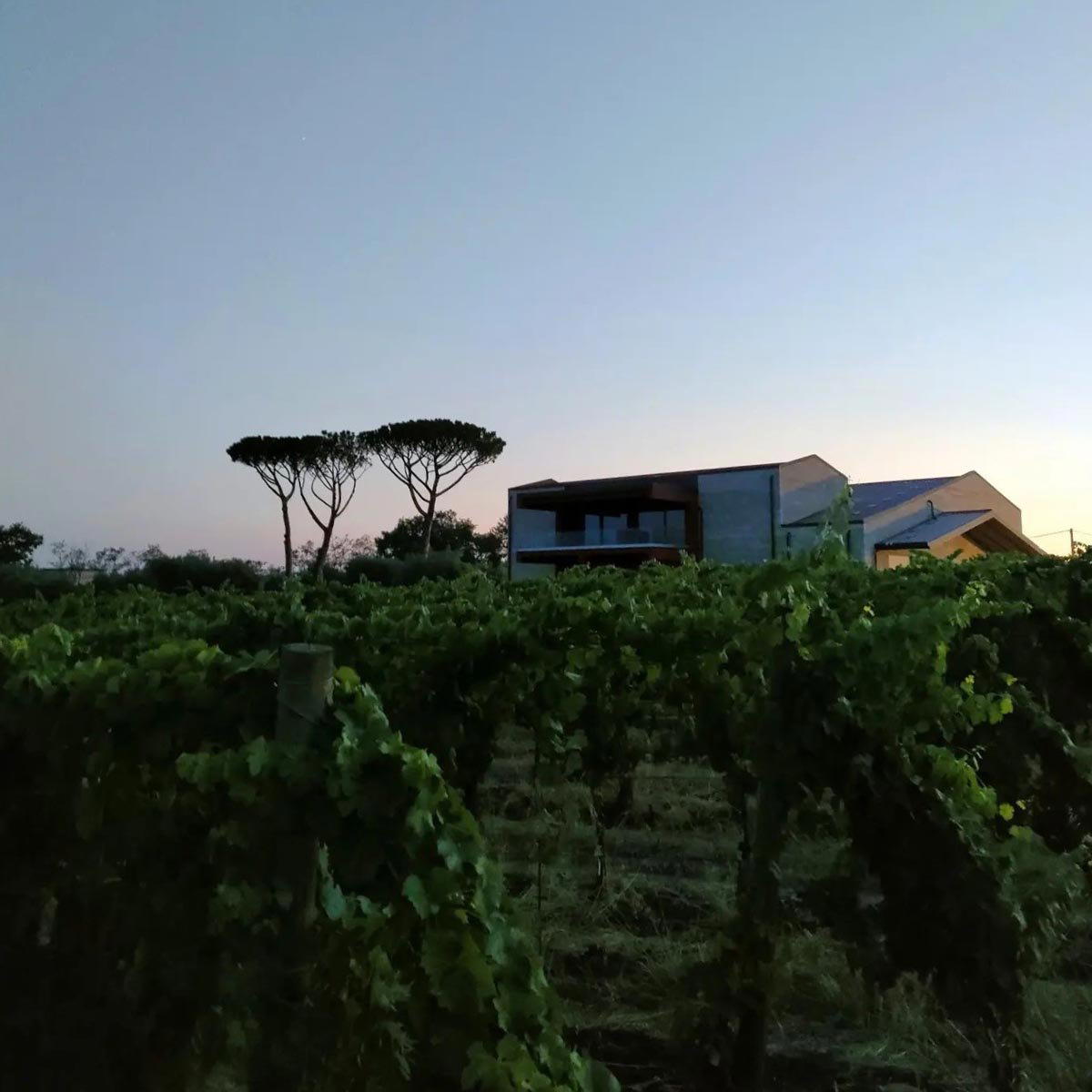
Bars in Rome
Browse all →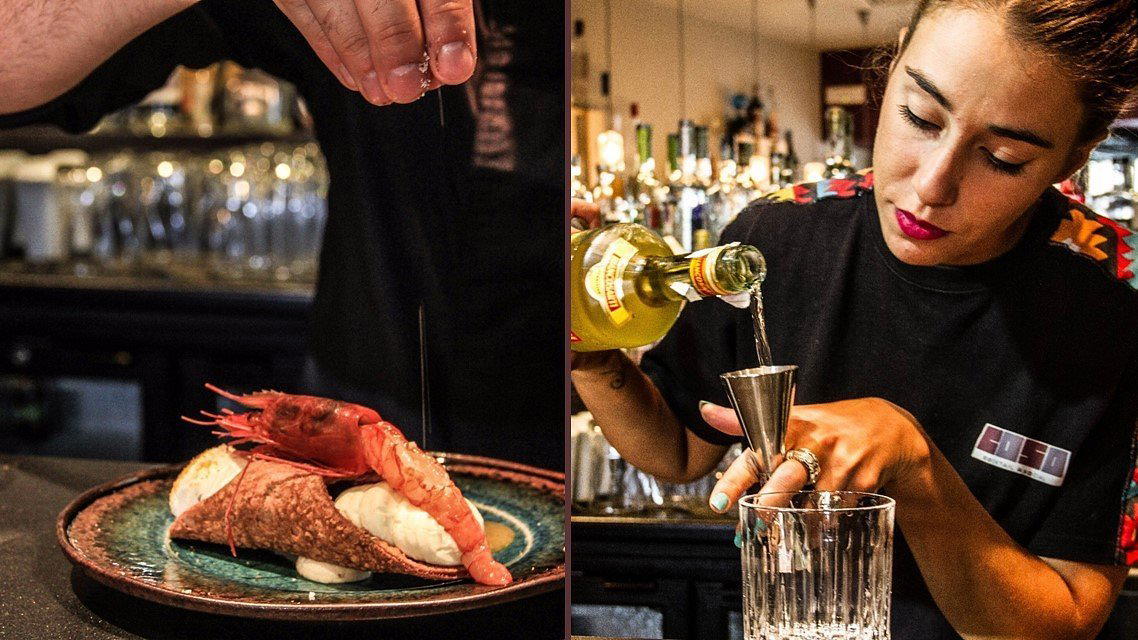
Restaurants in Rome
Browse all →
Details
- Classic
- Cozy
- Group Outing
- Solo Exploration
- Corporate Event
- Celebration
- Design Destination
- Historic Building
- Street Scene
- Still White
- Sparkling
- Wine By The Glass
- Retail Tasting
Current opening hours
- Monday
- 4:30–8 PM
- Tuesday
- 9 AM–1 PM, 4:30–8 PM
- Wednesday
- 9 AM–1 PM, 4:30–8 PM
- Thursday
- 9 AM–1 PM, 4:30–8 PM
- Friday
- 9 AM–1 PM, 4:30–8 PM
- Saturday
- 9 AM–1 PM, 4:30–8 PM
- Sunday
- Closed
Hours can change for holidays and private events. Last verified .
A family-run enoteca and wine bar with a long-established, tradition-forward atmosphere centered on wine selection and food pairings.