Sparse practical details in the public record make advance research advisable before visiting.

Pearl is the En Primeur Club membership app — saves, bookings, and concierge access live there. Same editors, same standards.
- Address
- Via Enrico Pallini, 00149 Roma RM
- Directions
- Get directions
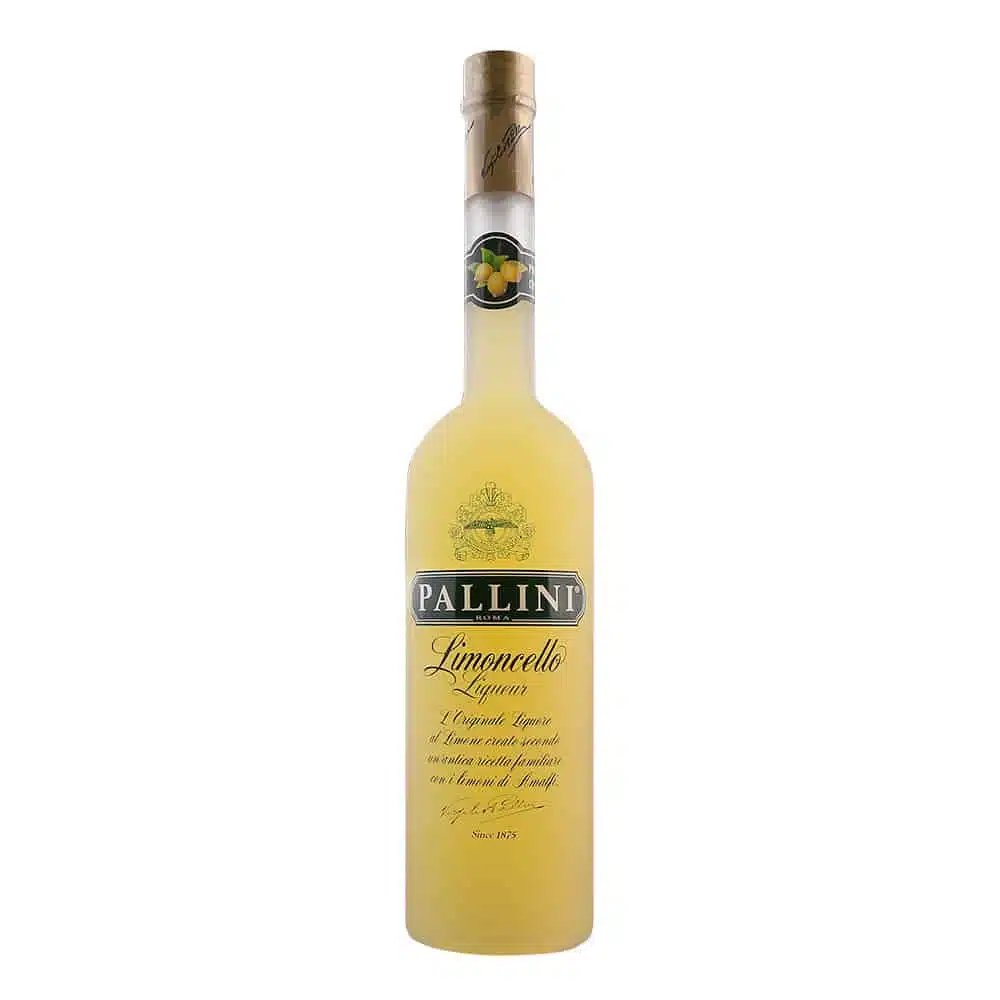
Rome's Prestige Tier Beyond the Centro Storico
The conventional map of Rome's serious dining and drinking establishments has long compressed itself into a tight corridor running from Prati through Trastevere to the historic centre. That geography is shifting. A younger generation of recognized venues has been earning credentials in the city's outer neighbourhoods, where rents permit longer investment horizons and operators can build something less hurried than the tourist-facing establishments that dominate the centro storico. For the broader Rome scene, this matters as context: the city's prestige tier is no longer a purely central phenomenon. For the reader planning a visit, it means building in additional travel time from the more hotel-dense neighbourhoods near Termini or the Vatican.
For a wider view of where Pallini fits within Rome's full food and drink offering, our full Rome restaurants guide maps the city's recognized venues across neighbourhoods and price tiers.
The Pearl Prestige Standard and What It Signals
Italy's drinks and hospitality sector has accumulated a layered system of recognition over decades, from the Michelin star framework that governs restaurant kitchens to the pearl and prestige designations that operate in adjacent territory. Across Italy, the producers and establishments operating at this level tend to share certain characteristics: a concentration on primary material quality, an approach that resists trend-chasing, and a level of craft that reviewers have found consistent enough to recognize formally.
Italy has no shortage of reference points for what prestige-level craft looks like at the regional scale. In Tuscany, the Chianti Classico and Montalcino zones have long anchored the country's fine wine identity: Castello di Volpaia in Radda in Chianti and L'Enoteca Banfi in Montalcino represent the Tuscan end of that prestige spectrum. In Umbria, Lungarotti in Torgiano has built a multi-decade record of formal recognition. In the northeast, Ca' del Bosco in Erbusco operates as a benchmark for Franciacorta. Further north in Piedmont, Aldo Conterno in Monforte d'Alba has set standards for Barolo over multiple generations. Pallini's recognition puts it in conversation with this broader national tier, even if the full shape of what it produces requires more data than is currently in the public record.
Rome as a Producer City: Context for a Winemaking or Distilling Presence
Rome's relationship with Italian craft production has historically been that of a consumer and distributor rather than a maker. The city's bar and restaurant culture has always drawn on the country's producing regions: Lazio's own Frascati and Cesanese for table wine, Campari's aperitivo culture filtered down from Milan, grappa from the northeast. Campari in Milan is the archetype of how a northern Italian producer built a national consumption habit; Nonino Distillery in Pavia di Udine and Distilleria Marzadro in Nogaredo represent the grappa tradition that has long found its way onto Roman tables. Distilleria Romano Levi in Neive sits at the more artisanal, collector-oriented end of that same tradition. In Sicily, Planeta in Menfi has shown how a southern Italian producer can build a prestige identity that travels north to capital-city tables.
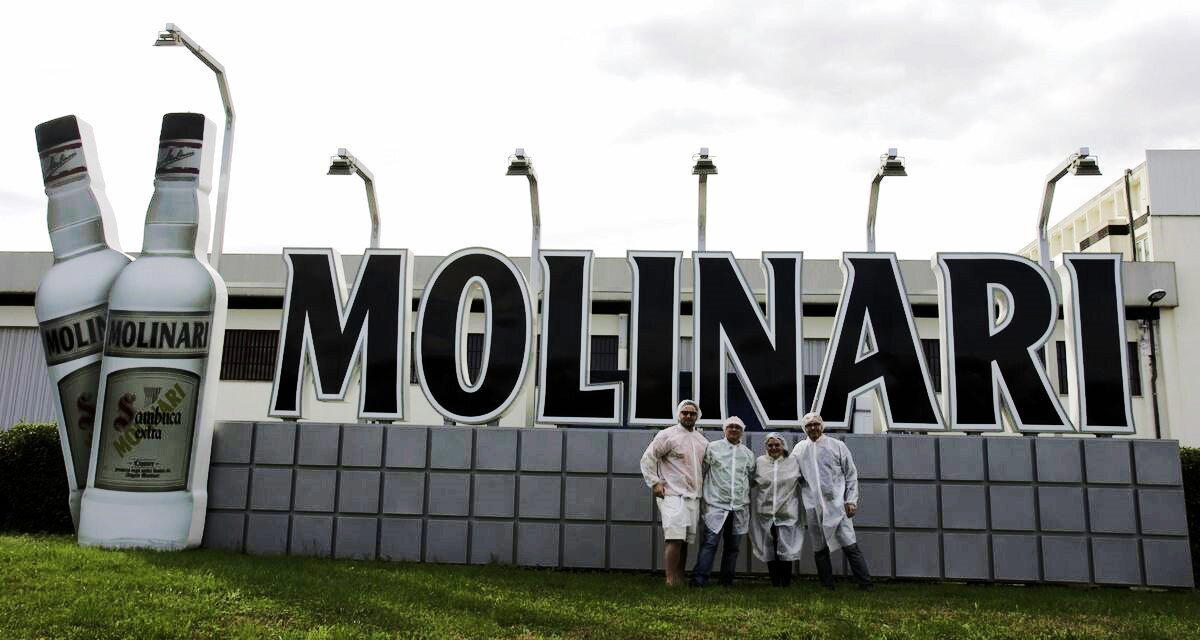
When a venue based in Rome itself earns prestige-level recognition, it carries a different kind of significance. It suggests that the capital is developing a production or hospitality culture that can be evaluated on its own terms, not merely as a conduit for regional imports. Molinari, the Rome-based producer long associated with sambuca, is one of the city's more established craft production stories. Pallini's 2025 recognition adds another data point to that evolving picture.
Placing Pallini in a Peer Context
The prestige tier in any Italian city tends to attract two types of visitor: those who arrive with a formed view of what they want and are testing whether the venue delivers against a known standard, and those who arrive open to being oriented by the venue itself. For the former group, comparison with peer-set producers matters. Poggio Antico in Monte San Vito and Accendo Cellars in St. Helena represent two different ends of the prestige spectrum, the first rooted in Italian terroir tradition, the second in a Napa framework where allocation and critical score dominate the conversation. Aberlour in Aberlour shows how a prestige designation can anchor a venue's identity even across a very different production category.
What connects this cohort is less the category than the quality threshold and the recognition mechanism. That ambiguity is, in some respects, consistent with how the more serious venues in this tier operate: the experience leads, the documentation follows.
Planning a Visit
Via Enrico Pallini sits in the 00149 postal zone, which places it west of the Ostiense district and south of the Vatican corridor, in a part of Rome that sees considerably less tourist foot traffic than the areas around Campo de' Fiori or Piazza Navona. Getting there from central Rome requires either a taxi or a combination of metro and bus. Given the 2025 prestige recognition, demand at this tier typically runs ahead of casual walk-in availability in Italian cities, and confirming availability before making the journey from the centre is advisable. Dress expectations at prestige-recognized venues in Rome tend toward smart-casual as a baseline, with more formal preparation appropriate if the setting turns out to be a full tasting or seated experience.
Budget Reality Check
| Venue | Price | Awards |
|---|---|---|
| PalliniThis venue — the venue you are viewing | Not listed | Not listed |
| L'Enoteca Banfi | $50–100 | Not listed |
| Antinori nel Chianti Classico | Not listed | World's 50 Best #1 |
| Argiano | $50–100 | Falstaff Winery - 5 Stars |
| Biondi-Santi Tenuta Greppo | Not listed | Falstaff Winery - 5 Stars |
Continue exploring
More in Rome
Wineries in Rome
Browse all →
Bars in Rome
Browse all →
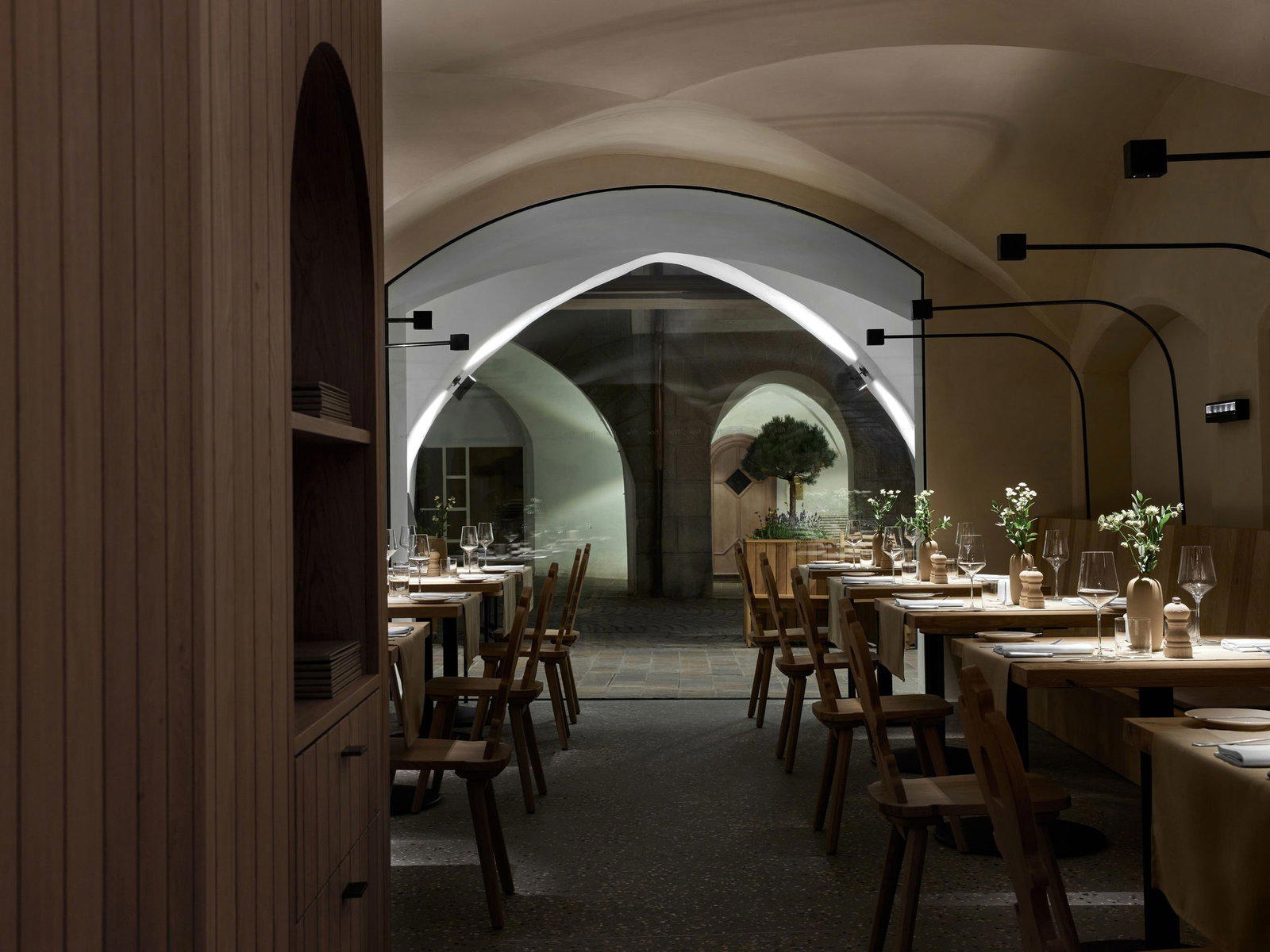
Restaurants in Rome
Browse all →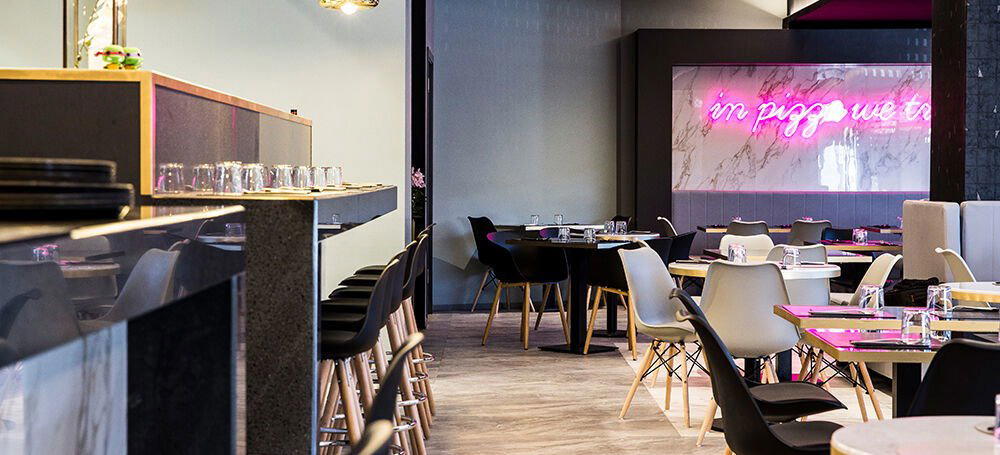
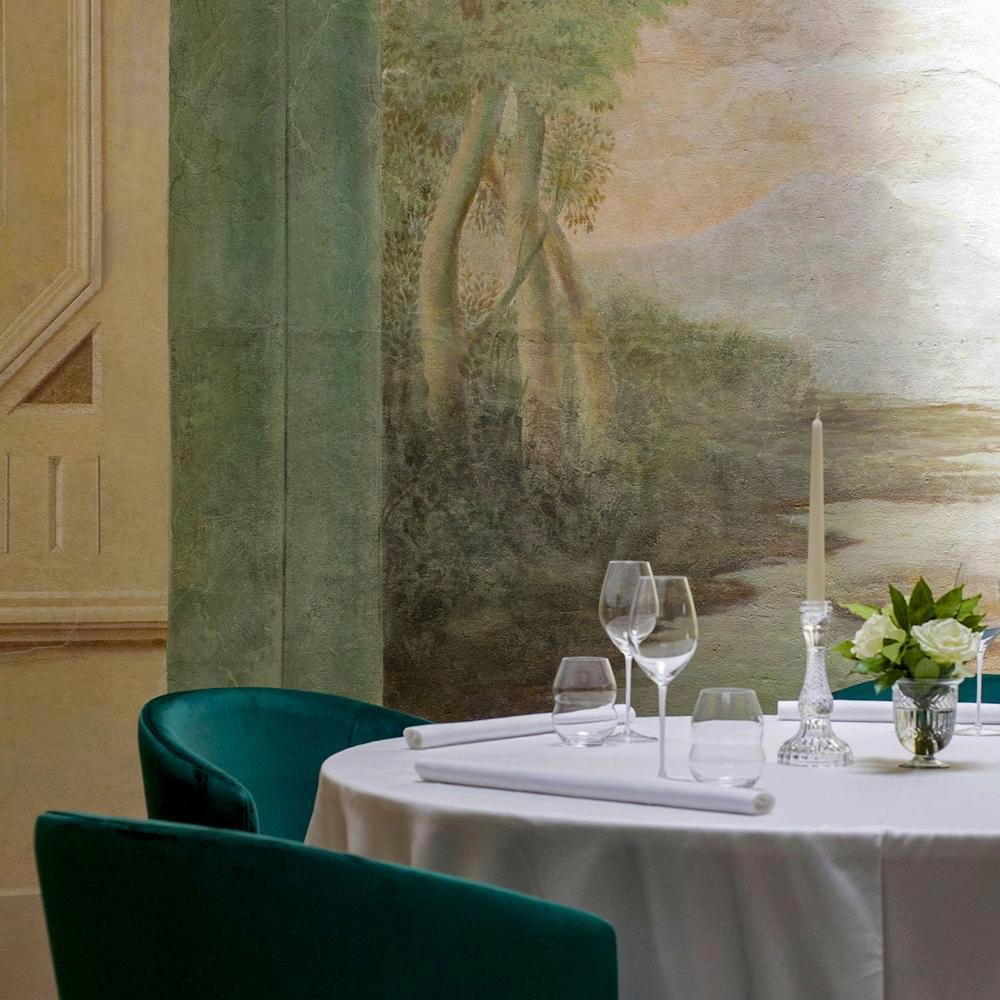
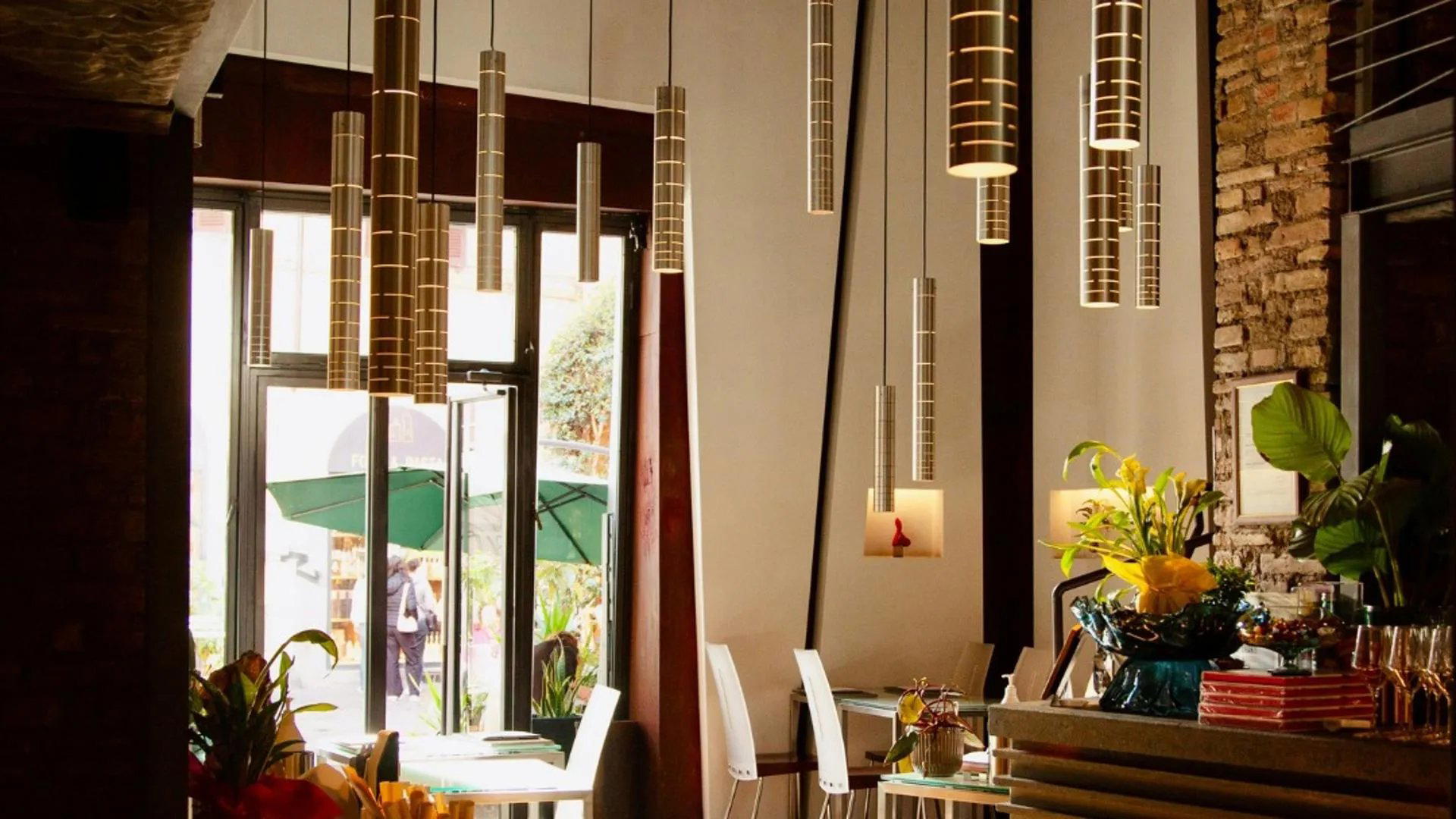
Details
- Historic
- Industrial
- Well Known
- Corporate Event
- Wine Education
- Historic Building
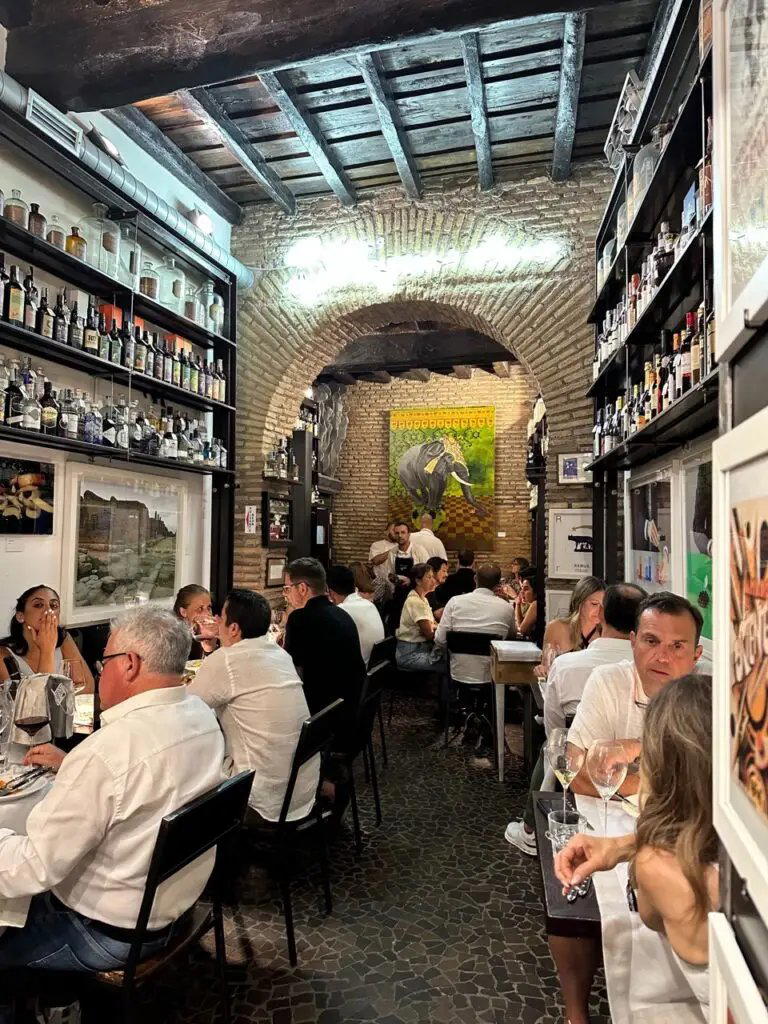
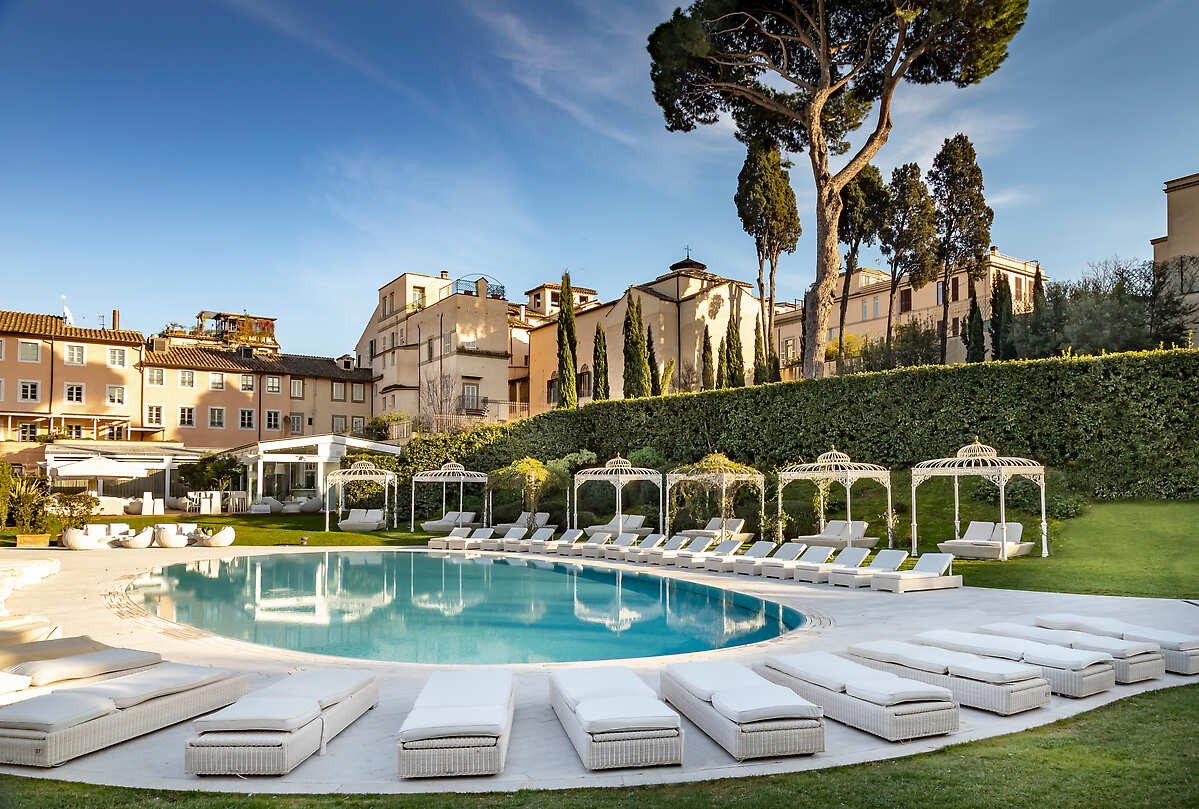
Historic, family-run distillery atmosphere with a modern industrial production setting; the brand presents itself as a living Roman reference point for Italian beverage culture.