





2 Michelin Keys · Tablet Hotels Best New Hotel Designs (Europe) · Mr & Mrs Smith Seal of Approval
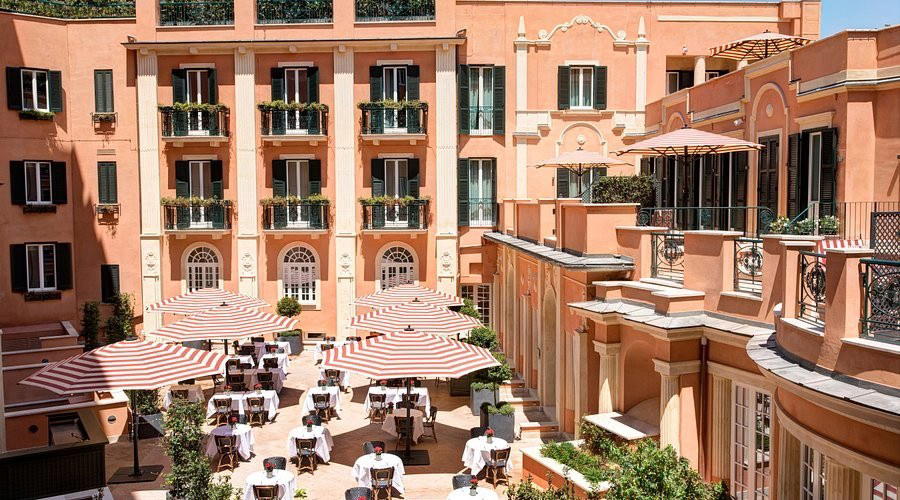
Designed by film director Luca Guadagnino, Palazzo Talìa occupies a converted sixteenth-century palace steps from the Trevi Fountain. Twenty-six rooms and suites blend period architecture with custom contemporary furniture, while the in-house restaurant Tramae and a Roman bath-inspired spa round out a small-scale property that competes on design credentials rather than room count.

Pearl is the En Primeur Club membership app, where members save venues, book tables and use the concierge.
A Sixteenth-Century Address in Rome's Most Visited Quarter
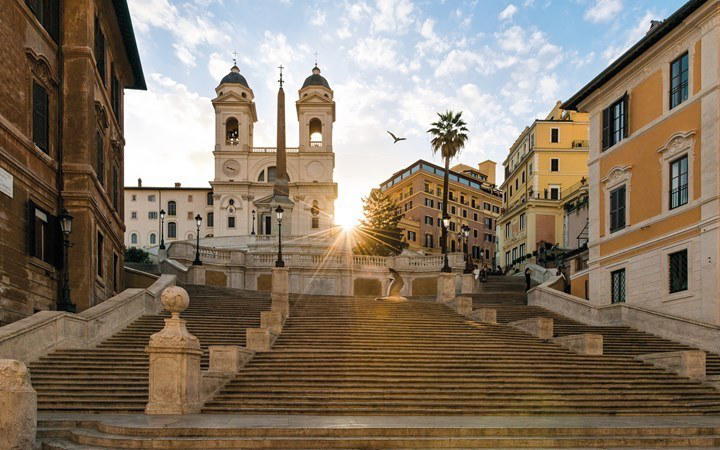
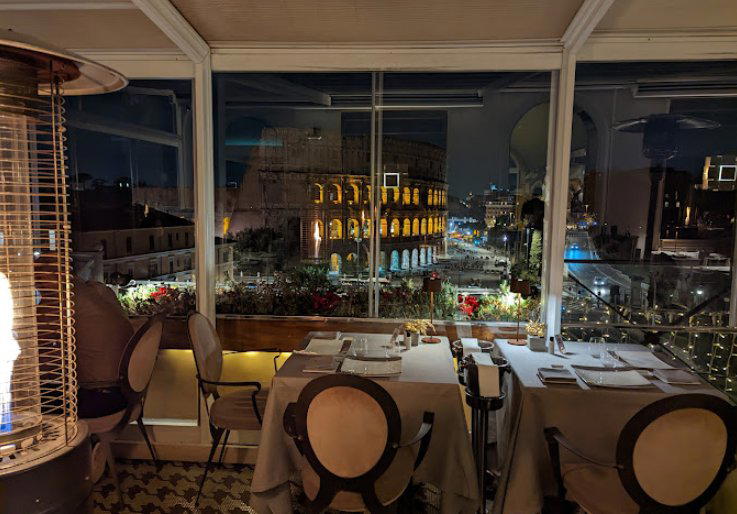
The stretch of central Rome between the Trevi Fountain and Piazza di Spagna is among the most photographed in Europe, which makes it simultaneously the most convenient and the most difficult place to stay. The crowds are real and constant; the payoff is that everything from the Baroque set pieces to the morning espresso bars is within reach on foot. Boutique hotels in this zone tend to split between two approaches: heritage maximalism, where every fresco and gilded surface is preserved and amplified, and a more edited conversion that treats the historic shell as context rather than costume. Palazzo Talìa belongs firmly to the second camp. The palazzo on Via del Nazareno, dating to the sixteenth century and once associated with the cultural and artistic life of the city, has been converted into a 26-room property that reads as a considered design statement rather than a period recreation.
Luca Guadagnino and the Design Argument
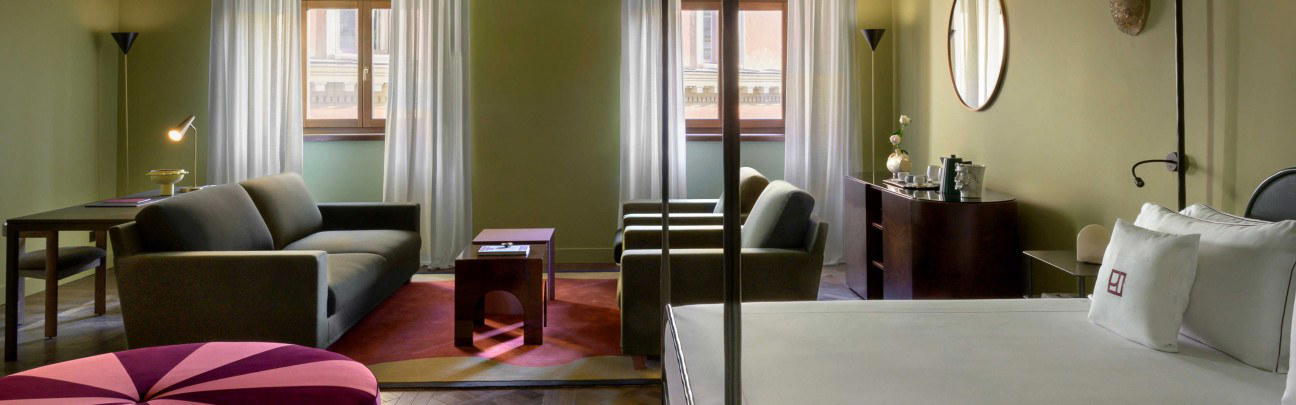
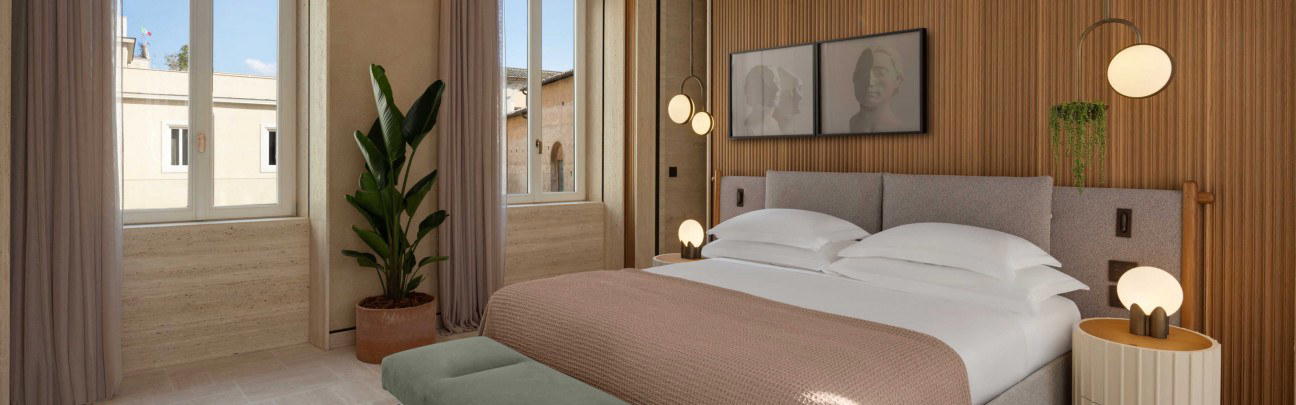
Rome has no shortage of palazzo conversions, but very few carry the kind of authorial signature that changes how you read a room. The involvement of Luca Guadagnino, film director and practising designer through his own studio, gives Palazzo Talìa a cultural positioning that sits outside the typical five-star hotel comparison set. The design vocabulary here is not decorative in the conventional hospitality sense. Period architectural elements and contemporary furnishings coexist in a way that requires each to hold its own weight. Custom-designed furniture and individual artworks appear across all room categories, meaning the visual language does not collapse into a house style as you move from suite to standard. Among the premium conversion hotels opening in Rome in recent years, this level of design specificity is relatively uncommon. Properties like Hotel Vilòn and Maalot Roma operate in a similar register, small key counts, strong design credentials, historic bones, while Bulgari Hotel Roma and Hotel Eden occupy a larger, more formally branded tier. Palazzo Talìa competes with the former group on intimacy and authorship.
Rooms, Suites, and the Logic of a Small Property
With 26 rooms across multiple categories, the hierarchy at Palazzo Talìa follows a pattern common to boutique palazzo conversions: the upper floors and larger configurations benefit most from the architecture, while the entry-level categories rely on the quality of the fit-out to carry the experience. The Superior rooms are described as handsome and atmospheric, with the custom furniture and artwork present throughout the hotel. At the top of the range, the Talìa Suite occupies the upper floor and represents the property at full expression, the combination of volume, light, and site-specific design places it among the more considered room categories available in this part of the city. Guests who book for the Guadagnino angle specifically are generally advised to prioritise the higher room tiers, where the spatial relationship between the historic structure and the contemporary intervention is most legible. For the broader Rome market, properties like JK Place Roma and Portrait Roma offer comparable intimacy at similar or adjacent price points, though neither carries the same degree of single-author design identity.
Tramae: The Dining Arc at Palazzo Talìa
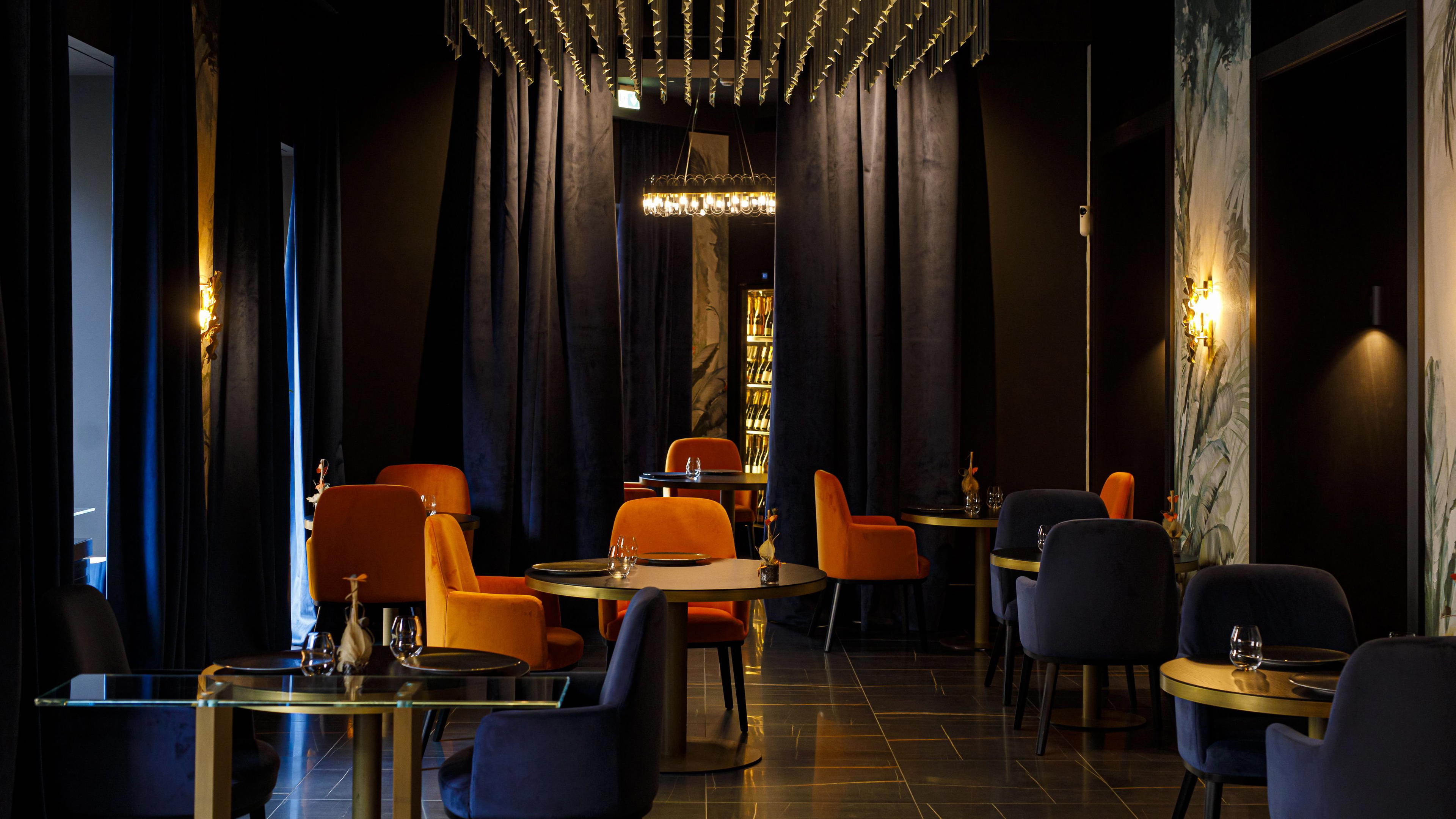
In-house hotel restaurants in Rome occupy a complicated position. The city's standalone dining culture is strong enough that a captive audience is rarely the basis for a serious culinary program, which means hotel restaurants either lean into convenience or make a case for themselves on merit. Tramae, the restaurant at Palazzo Talìa under chef Marco Coppola, orients itself around Italian classics prepared from farm-sourced ingredients, a positioning that mirrors the hotel's broader preference for substance over spectacle.
The logic of a meal at Tramae follows the arc of any serious Italian table: a progression through antipasto, primo, secondo, and dessert that treats each stage as a distinct act rather than a sequence of holding patterns before the main event. Farm-to-table sourcing in the Italian context means a closer relationship to regional produce and seasonal availability than the phrase sometimes implies in international usage. A kitchen working this way is making commitments about what appears on the menu at a given time of year, which limits optionality but sharpens precision. For guests arriving after a long journey, the restaurant offers a complete meal without requiring a reservation elsewhere on the first night, and for those who want to explore further, our full Rome restaurants guide maps the city's dining options by neighbourhood and category.
The Spa and the Roman Reference
The decision to model the spa at Palazzo Talìa on a Roman bath is less a novelty than a compositional choice consistent with the hotel's overall approach: take the historical reference seriously and make it functional. Thermal bathing culture was civic infrastructure in ancient Rome, not a luxury amenity, and the reference works here partly because the palazzo's sixteenth-century origins already locate it within a long sequence of Roman building. A spa of this type adds meaningful dwell time to a stay that might otherwise be structured entirely around external sightseeing, which, given the hotel's position steps from the Trevi Fountain and a short walk from Piazza di Spagna, is the default risk for any property in this quarter.
Where Palazzo Talìa Sits in the Italian Boutique Conversation
Design-led boutique palazzo is a category with strong Italian representatives across multiple regions. Aman Venice sets the benchmark for historic conversion in terms of scale and finish; Four Seasons Hotel Firenze in Florence demonstrates what a major brand can achieve with a landmark building. In the more intimate register, Castello di Reschio in Umbria and Passalacqua on Lake Como have established that the market for authored, small-key Italian properties extends well beyond the major cities. Casa Maria Luigia in Modena adds a culinary dimension to the same conversation. That distinction is either compelling or incidental depending on what a guest is looking for. For those for whom it matters, the Via del Nazareno address makes it accessible without a drive into the Italian countryside, unlike Borgo Egnazia in Puglia, Il Pellicano in Porto Ercole, or Rosewood Castiglion del Bosco in Montalcino, all of which require a longer commitment to reach.
Planning Your Stay
Palazzo Talìa sits at Via del Nazareno, 25, in the Trevi-Spagna corridor, one of Rome's most central addresses, walkable to major monuments and well-served by taxis and the Metro A line (Spagna and Barberino stations are both nearby). The property operates as a five-star boutique hotel with 26 rooms, meaning availability is tighter than at the city's larger luxury addresses such as Hassler Roma or Hotel Eden. Guests planning around peak Roman seasons, spring and early autumn, when the city is busy but not at summer saturation, should book well in advance. The combination of location, room count, and design profile means the property attracts a specific traveller: someone who has already done Rome at scale and is returning for a more considered experience. Comparable properties for the same traveller type include Hotel Locarno and, for those open to Salvatore Ferragamo's take on the boutique palazzo format, Portrait Roma.
Just the Basics
Comparable venues nearby, for context on price, style, and recognition.
| Venue | Price | Awards | Notes |
|---|---|---|---|
| Palazzo TalìaThis venue (the venue you are viewing) | $500–750 | 2 Michelin Keys · Tablet Hotels Best New Hotel Designs (Europe) | Not listed |
| Rocco Forte Hotel de Russie | Not listed | 2 Michelin Keys · La Liste Top Hotels | Campo Marzio, Luxury historic hotel with secret gardens |
| Hotel Vilòn | Not listed | 1 Michelin Key · La Liste Top Hotels | Campo Marzio, Restored 16th-century historic mansion with Art Deco elements |
| Orient Express La Minerva | Not listed | 2 Michelin Keys · World's 50 Best #66 | Pigna, Historic palace reimagined with Orient Express luxury. |
| JK Place Roma | $500–750 | 1 Michelin Key · La Liste Top Hotels | Campo Marzio, Luxury boutique hotel blending 17th-century Roman palazzo architecture with contemporary design, positioned as an exclusive private townhouse experience. |
| The St. Regis Rome | $500–750 | 2 Michelin Keys · La Liste Top Hotels | Castro Pretorio, Grand historic palace blending noble heritage with modern luxury interiors |
Recognition history
Dated appearances from independent guides and award organizations, with the underlying list record or original source where available.
Michelin 2 Keys
Michelin
Mr & Mrs Smith Seal of Approval
Mr & Mrs Smith
Tablet Hotels Best New Hotel Designs (Europe)
Tablet Hotels · Tablet Hotels Design Awards 2026: Best New Hotel Designs (Europe)
AFAR Best New Hotels
AFAR
Architectural Digest 2025 Architectural Digest Great Design Hotel Award Winners
Architectural Digest
Full recognition history (7 entries)
Michelin 2 Keys
Michelin
Small Luxury Hotels of the World Member
Small Luxury Hotels of the World
Palazzo Talìa
Featured Guides
Continue exploring
More in Rome
Hotels in Rome
All hotels in Rome →
Bars in Rome
All bars in Rome →
Restaurants in Rome
All restaurants in Rome →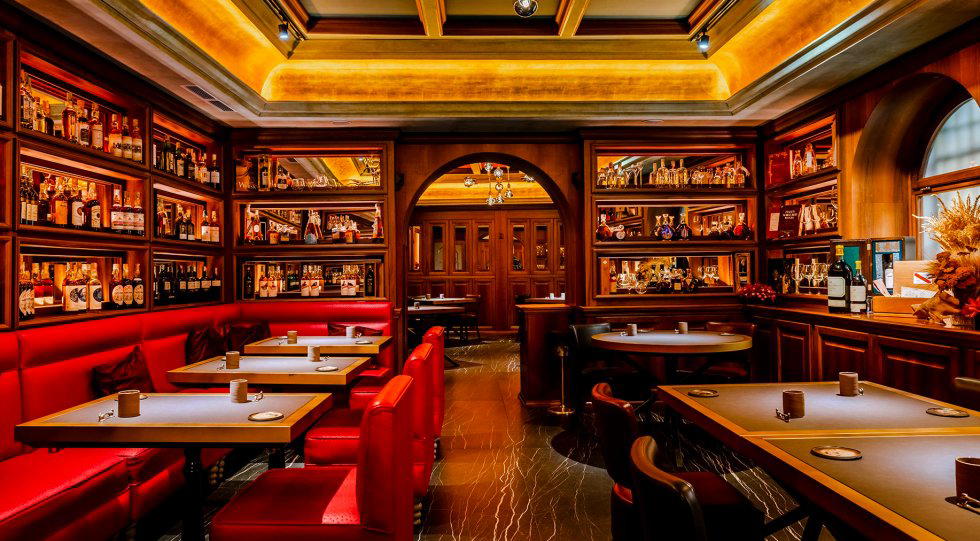

Details
- Elegant
- Intimate
- Sophisticated
- Romantic
- Romantic Getaway
- Honeymoon
- Anniversary
- Historic Building
- Terrace
- Wi Fi
- Pool
- Spa
- Fitness Center
- Room Service
- Concierge
- Restaurant
- Bar
- Valet Parking
- Sauna
- Garden
- Elevator
- Wheelchair Accessible
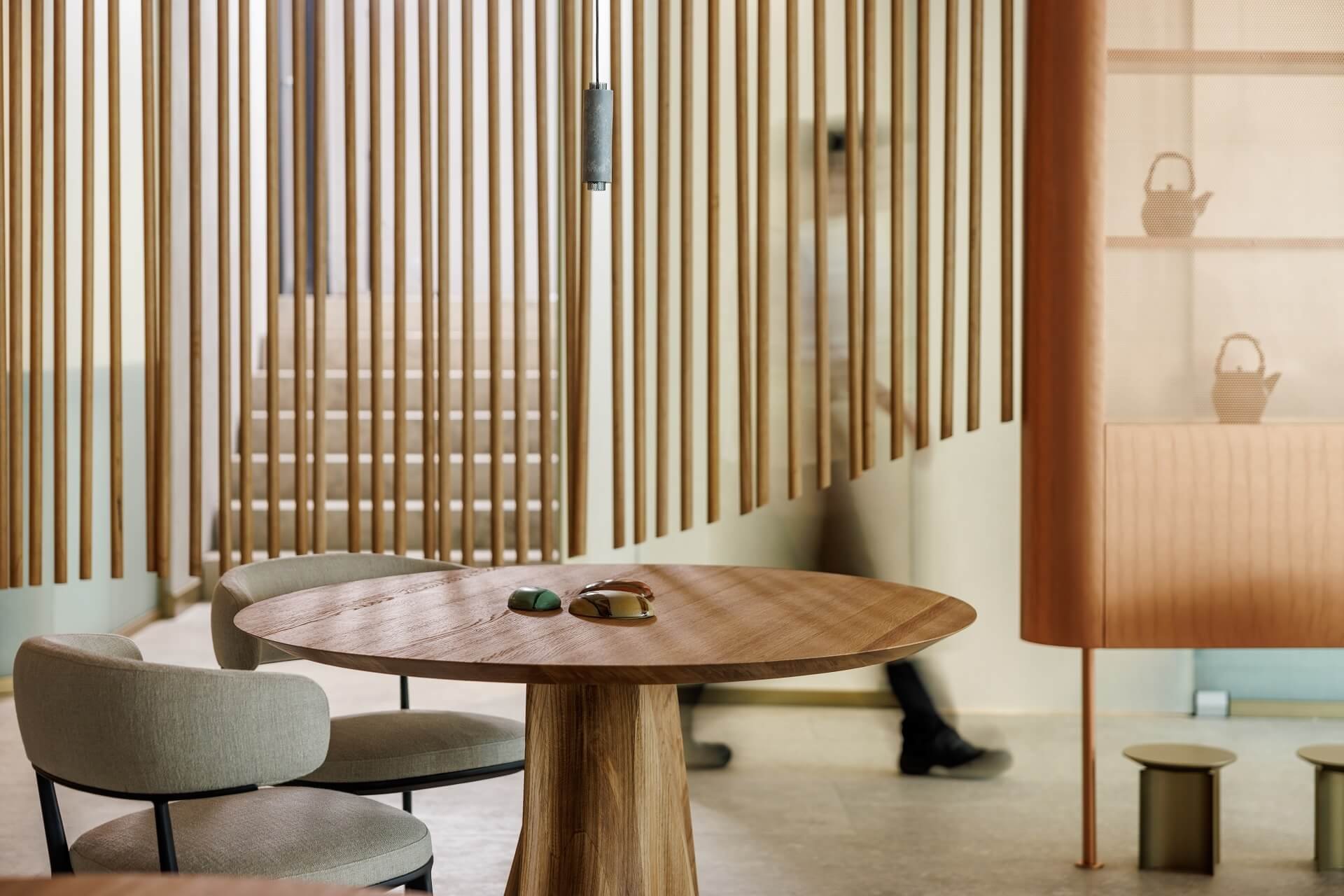
Intimate and enveloping atmosphere with minimalist elegance, rich wood tones, sleek furnishings, and striking artwork; soundproof rooms and tranquil courtyard provide a peaceful retreat amid the city.