On a narrow vicolo in Rome's historic centre, Rosina Cucina di Casa occupies the domestic end of the Roman trattoria tradition, where the cooking reads as home food rather than restaurant performance. The address places it deep in the fabric of old Rome, a short walk from Campo de' Fiori, in a neighbourhood where casual lunch counters and serious wine bars have coexisted for generations. It sits closer to neighbourhood institution than destination restaurant.
Pearl is the En Primeur Club membership app — saves, bookings, and concierge access live there. Same editors, same standards.
- Address
- Vicolo delle Grotte, 27, 00186 Roma RM, Italy
- Phone
- +39669374499
- Website
- rosinacucinadicasa.com
- Directions
- Get directions
 Saves & bookings on Pearl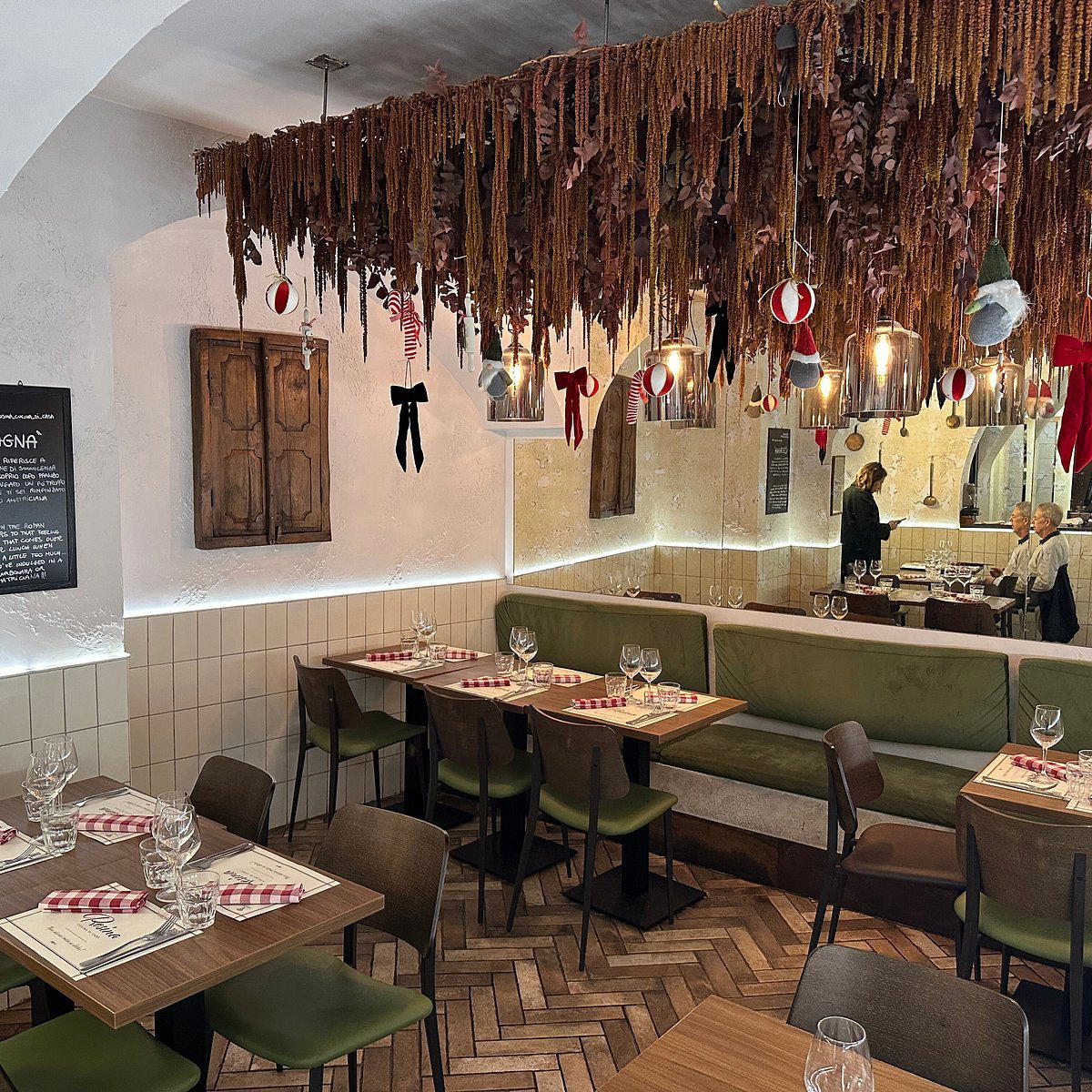
A Lane in Old Rome, and What It Tells You About the City's Eating Habits
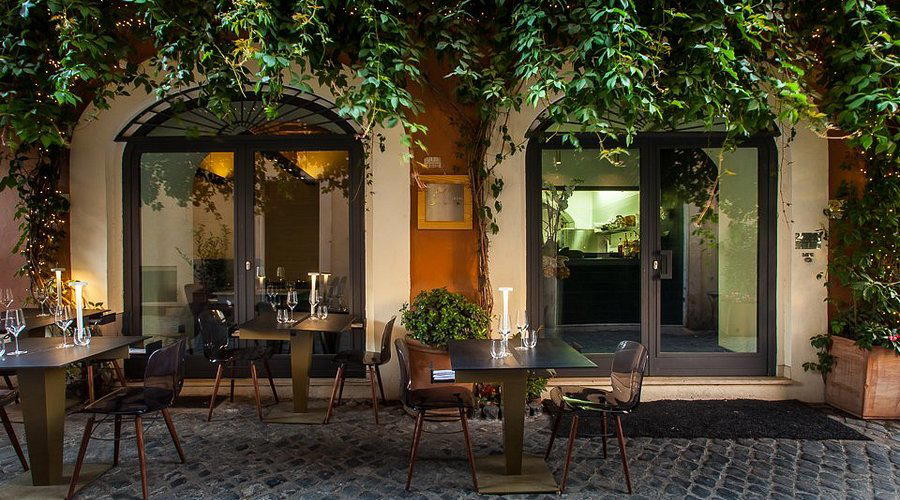
Vicolo delle Grotte is the kind of address Rome does well: a narrow lane off a larger street, cobbled and slightly damp in winter, where the buildings press close enough that a table outside feels almost private. This corner of the 00186 postal zone, between Campo de' Fiori and the Tiber bend, has long been part of the city's dining life, and the restaurants that survive here tend to do so not through novelty but through consistency. The neighbourhood has no particular reason to reinvent itself, and most of the kitchens along these vicoli operate accordingly.
That context matters when placing Rosina Cucina di Casa. The name itself signals intent: cucina di casa translates directly as home cooking, a phrase that functions almost as a culinary category in Rome, distinct from both the white-tablecloth formality of places like La Pergola and the tasting-menu ambition of Il Pagliaccio or Enoteca La Torre. It represents a different proposition entirely: the cooking your grandmother would have produced if she had access to a decent market and a wood-burning stove.
The Roman Trattoria Tradition and Where This Fits Within It
Rome's mid-range dining scene has fractured in interesting ways over the past decade. On one side, a cluster of creative restaurants, including Acquolina and Achilli al Parlamento, have pushed toward technique-led menus that would sit comfortably in any European capital. On the other, a smaller number of places have doubled down on the cucina romana populare tradition, where cacio e pepe is not a riff on a classic but the classic itself, executed with the repetition that only comes from cooking the same dish several hundred times a week.
Rosina Cucina di Casa operates in that second space. The word cucina here is not aspirational, it describes a particular mode of feeding people that prioritises familiarity over surprise. Across Italy, this approach surfaces in different regional forms: the country cooking of Dal Pescatore in Runate, the ingredient-led restraint of Uliassi in Senigallia, or the precision of Le Calandre in Rubano. But in Rome's historic centre, the dominant expression of this tradition remains the neighbourhood trattoria: pasta, offal, seasonal vegetables, and a short wine list that skews Lazio.
What distinguishes the better versions of this format is not innovation but calibration. The relationship between kitchen, floor, and cellar in a cucina di casa setting works differently than in a fine-dining room. There are no lengthy tasting menus to pace, no elaborate wine pairings to coordinate across eight courses. The skill is in reading the room quickly, turning tables at lunch without feeling rushed, and knowing which bottle from a modest list will lift a plate of coda alla vaccinara rather than fight with it. That front-of-house and kitchen synchrony, quiet and largely invisible when it works, is what separates the places worth returning to from those that merely survive on foot traffic.
The Collaborative Logic of a Small Kitchen
In compact restaurants of this type, the division between roles collapses. A kitchen team running a short, rotating menu depends on close communication with the floor: what the daily specials are, which dishes are running low by early afternoon, where the evening's wine allocation sits. The result, when the collaboration functions, is a room that moves with unusual efficiency without feeling corporate about it. Staff at this level know the menu because they eat it. They recommend the wine because they know the winemaker or at least the region. The guest experience is shaped less by scripted service and more by accumulated daily knowledge.
This is a meaningful contrast to the more formalised team structures at places like Osteria Francescana in Modena or Piazza Duomo in Alba, where sommelier, chef, and front-of-house operate as distinct departments with defined protocols. At the cucina di casa end of the market, the equivalent of that coordination is something closer to a family business logic, even when the team is not actually related. The informality is the product, not a concession to limited resources.
Internationally, restaurants that operate in this register, from the neighbourhood bistronomy of Paris to the izakaya format in Tokyo, tend to attract loyal local clientele precisely because that collaborative informality is difficult to sustain at scale. The Roman version has its own flavour: a little louder, more likely to accommodate a long lunch than a quick one, and more forgiving of the occasional over-poured carafe.
Positioning Within Rome's Wider Dining Scene
For context on what Rome's higher-end creative restaurants are producing, the city's contemporary fine-dining tier, represented by venues with multi-course tasting formats and Michelin attention, operates in a separate register from Vicolo delle Grotte. Places like Enrico Bartolini in Milan or Enoteca Pinchiorri in Florence illustrate what the Italian fine-dining form looks like when fully developed. Rosina Cucina di Casa makes no claim to that space. Its value proposition is horizontal rather than hierarchical: not better than the starred rooms, simply operating according to a different logic of hospitality.
That distinction is worth stating plainly for any visitor approaching Rome with a week's eating to plan. A city like Rome rewards a mixed itinerary. The creative ambition of Reale in Castel di Sangro or the seafood precision of Quattro Passi in Marina del Cantone represents one kind of meal. A late lunch in a narrow vicolo in the old city, eating pasta the way it has been made in this neighbourhood for two centuries, represents another. Both have a place in how Rome feeds its visitors.
The global context is also instructive: the cucina di casa model shares structural DNA with technically precise hospitality found at Atomix in New York City or the ingredient-driven focus of Le Bernardin, though the expression is different. What they share is a clarity of purpose: each knows exactly what kind of place it is and executes within that identity rather than reaching for categories it has not earned. At the cucina di casa level, that clarity usually shows in the menu length, the room's pace, and the absence of anything that feels imported or performative. Similarly, the cooking traditions of the broader Italian alpine north at Atelier Moessmer Norbert Niederkofler in Brunico demonstrate how regional Italian cooking, when pursued with discipline, needs no external validation to carry authority.
Know Before You Go
| Address | Vicolo delle Grotte, 27, 00186 Roma, Italy |
|---|---|
| Neighbourhood | Historic centre, between Campo de' Fiori and the Tiber |
| Phone | not listed |
| Website | not listed |
| Booking | Reservation recommended. |
| Price range | About $35 per person. |
| Hours | Open daily 12-11 PM. |
| Dress code | Casual. |
Reputation First
Comparable venues nearby, for context on price, style, and recognition.
| Venue | Cuisine | Price | Notes |
|---|---|---|---|
| Rosina Cucina di CasaThis venue — the venue you are viewing | Traditional Roman Trattoria | $$ | Not listed |
| Ristorante La Tavernaccia Da Bruno | Traditional Roman Trattoria | $$ | Portuense |
| Propaganda Italian Cuisine | Modern Italian Trattoria | $$ | Celio |
| Arso Trattoria Moderna | Traditional Roman Trattoria | $$ | .null |
| La Reginella d'Italia | Roman-Jewish Trattoria | $$ | San Angelo |
| Nino Restaurant | Traditional Tuscan-Roman | $$ | Campo Marzio |
Continue exploring
More in Rome
Restaurants in Rome
Browse all →
Bars in Rome
Browse all →
Hotels in Rome
Browse all →

At a Glance
- Cozy
- Intimate
- Classic
- Rustic
- Casual Hangout
- Family
- Group Dining
- Date Night
- Standalone
- Historic Building
- Local Sourcing
Current opening hours
- Monday
- 12–11 PM
- Tuesday
- 12–11 PM
- Wednesday
- 12–11 PM
- Thursday
- 12–11 PM
- Friday
- 12–11 PM
- Saturday
- 12–11 PM
- Sunday
- 12–11 PM
Hours can change for holidays and private events. Last verified .
Intimate and welcoming family atmosphere with warm lighting, located in a small alley behind Piazza Farnese with a few tables on the street creating a relaxed, homey environment.