On a quiet residential stretch of Via Gino Capponi in the Appio Latino district, Blind Pig occupies Rome's craft cocktail conversation as a bar built around deliberate ritual rather than spectacle. The name gestures toward Prohibition-era tradition, but the approach is firmly contemporary, sitting within a broader shift in the Roman bar scene away from aperitivo informality and toward program-led drinking.
Pearl is the En Primeur Club membership app — saves, bookings, and concierge access live there. Same editors, same standards.
- Address
- Via Gino Capponi, 45, 00179 Roma RM, Italy
- Directions
- Get directions
 Saves & bookings on Pearl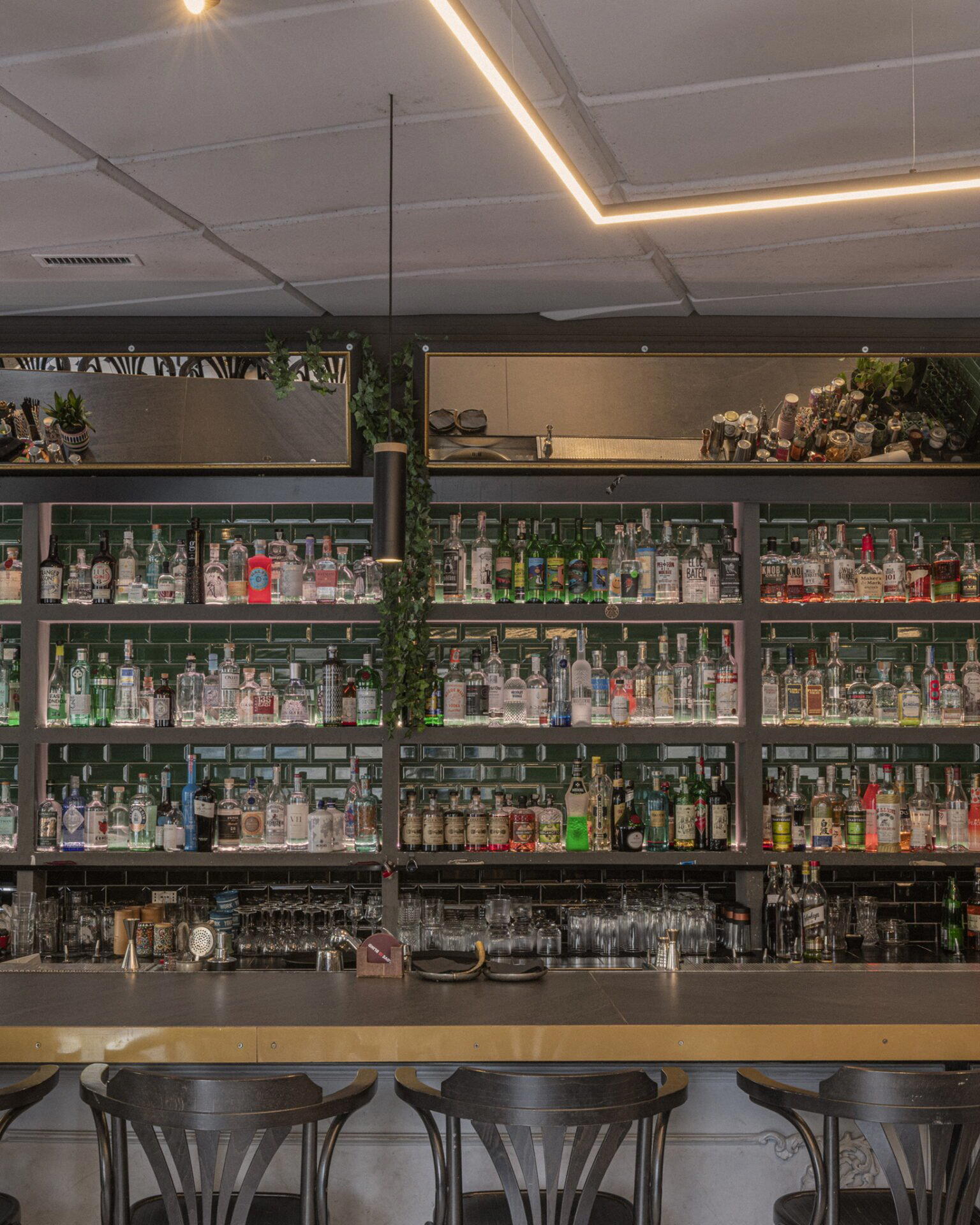
The Ritual Before the First Drink
Rome's bar culture has historically organised itself around two poles: the stand-up espresso counter and the sprawling aperitivo spread. The emergence of a third register, the seated, program-led cocktail bar where the drink is the point and the room is designed to slow you down, represents one of the more consequential shifts in how the city drinks. It belongs to that third register. The address puts it away from the tourist-dense centro storico, in a residential quarter where a bar succeeds on reputation among regulars rather than foot traffic. That geography alone signals something about the intended experience: you come here on purpose.
The name carries a deliberate historical charge. In American Prohibition-era vocabulary, a "blind pig" was a low-key establishment that sold alcohol under the guise of another attraction, the cover charge ostensibly for a curiosity or a show. The cocktail bars that have adopted this framing in the 21st century are generally signalling a preference for substance over theatre, for the drink itself rather than the entrance ritual. In Rome, where the aperitivo hour long dominated evening drinking culture, that framing lands differently than it would in New York or London. It positions the bar inside a specific lineage of serious drinking without the aggressive anonymity of the speakeasy format.
Where Blind Pig Sits in Rome's Bar Scene
The Roman cocktail scene has developed a recognisable internal hierarchy over the past decade. At the theatrical end, Jerry Thomas Speakeasy built its reputation on a full Prohibition-era conceit, complete with password entry, making it one of the first Rome bars to treat the cocktail as a narrative experience. More recently, Drink Kong has occupied the technically ambitious, design-forward tier, with Patrick Pistolesi's program drawing international attention and placing Rome on the map for the kind of bar culture more commonly associated with London or Tokyo. Freni e Frizioni represents the high-volume aperitivo-to-cocktail crossover, a Trastevere fixture that bridges casual and serious drinking. Boeme occupies a similarly neighbourhood-embedded, atmosphere-led position.
Blind Pig positions itself in the quieter, more deliberate segment of this spread. It is not competing with the spectacle bars or the aperitivo crowd-pleasers. Its comparable set is the category of Rome bars where the program and the pacing of the evening matter more than the visual environment or the social scene. That comparable set is smaller and draws a more focused clientele: people who have already done the rounds of the headline venues and are looking for somewhere that rewards repeat visits.
This pattern is visible in other Italian cities too. 1930 in Milan has built a similar model around low-key access and technical seriousness, operating by appointment and treating the bar as a space for extended, unhurried drinking rather than a stop on a night out. Gucci Giardino in Florence takes the concept of program-led drinking into a design context, using brand identity to frame an otherwise serious cocktail offer. In Naples, L'Antiquario has established the antique-shop aesthetic as shorthand for considered, slower drinking. These are bars where the format itself is part of the proposition.
The Pacing and Logic of the Evening
At program-led bars in the Blind Pig mould, the dining ritual analogy is not incidental. The structure of a well-run cocktail bar session mirrors the architecture of a tasting menu: an opening drink that sets the register, a middle sequence that builds complexity or contrast, and a closing round that anchors the evening. The difference from a restaurant is that the guest has more agency over the shape of the experience, which means the bar team's skill in reading the table and guiding choices without being prescriptive becomes central to the quality of the visit.
This is a skill distinct from mixology technique. A bar can have an excellent list and still feel cold or disjointed if the staff cannot calibrate the flow of the evening to the pace of the guests. The bars that earn sustained local followings in Rome, as in any city where the tourist trade is significant, tend to be the ones that manage this relational dimension as carefully as the drink program itself. The Appio Latino location, at a remove from the centro storico's churn, creates conditions where that kind of sustained relationship between bar team and regular is more plausible.
The Prohibition-era name also implicitly sets an expectation about spirit-forward drinks. The canon that emerged from the American cocktail revival, Negronis, Manhattans, Old Fashioneds, and their variations, has become the default vocabulary of the serious European cocktail bar. How a bar interprets, extends, or departs from that canon is often one revealing thing about its program. Bars that move into lower-ABV formats, fermented ingredients, or local botanical sourcing are making a statement about where the field is heading. Bars that remain anchored in the spirit-forward tradition are betting that the classics, executed with precision, remain one reliable measure of quality.
Planning a Visit
Via Gino Capponi sits in Appio Latino, reachable on foot from the San Giovanni area or by a short taxi or ride-share from the centro storico. The neighbourhood has a local, non-touristic character that distinguishes a visit from an evening spent in Trastevere or the Campo de' Fiori corridor. For visitors building a Rome bar itinerary, pairing the bar with venues in different parts of the city gives a cleaner read on the range of the scene. Drink Kong near Termini handles the technical showpiece end of the evening; the bar handles the considered close.
The bar is typically open Monday to Saturday from 6:30 PM to 2 AM, and Sunday from 12 to 3 PM and 6:30 PM to 2 AM. Reservations are recommended.
For a broader picture of where the bar sits within Rome's drinking and dining offer, the full Rome restaurants and bars guide maps the city's key venues by neighbourhood, price tier, and program type. Comparable program-led bars further afield include Lost & Found in Nicosia, Al Covino in Venice, and Enoteca Storica Faccioli in Bologna for those assembling a wider Italian itinerary, or Bar Leather Apron in Honolulu for a Pacific counterpoint that operates on a similar logic of quiet technical seriousness away from the main tourist drag.
Cuisine Lens
Comparable venues nearby, for context on price, style, and recognition.
| Venue | Cuisine | Price | Notes |
|---|---|---|---|
| Blind PigThis venue — the venue you are viewing | cocktail_bar | $$ | Not listed |
| Bar del Fico | cocktail_bar | $$ | Parione |
| Banana Republic Roma | cocktail_bar | $$ | Monte Mario |
| Litro | wine_bar | $$ | Gianicolo |
| Io sono un autarchico | wine_bar | $ | Monti |
| Vigneto | wine_bar | $$ | Prenestino-Labicano |
Continue exploring
More in Rome
Bars in Rome
Browse all →
Restaurants in Rome
Browse all →
Hotels in Rome
Browse all →

At a Glance
- Lively
- Cozy
- Trendy
- Date Night
- Casual Hangout
- Late Night
- Standalone
- Seated Bar
- Lounge Seating
- Outdoor Terrace
- Craft Cocktails
- Gin
- Tequila
- Mezcal
Current opening hours
- Monday
- 6:30 PM–2 AM
- Tuesday
- 6:30 PM–2 AM
- Wednesday
- 6:30 PM–2 AM
- Thursday
- 6:30 PM–2 AM
- Friday
- 6:30 PM–2 AM
- Saturday
- 6:30 PM–2 AM
- Sunday
- 12–3 PM, 6:30 PM–2 AM
Hours can change for holidays and private events. Last verified .
Cosy and relaxing with a lively atmosphere, well-suited for chatting over drinks.