


Orma Roma holds a Michelin star and occupies a distinct position among Rome's fine-dining addresses: a fusion-led kitchen on Via Boncompagni where South American and Asian culinary traditions shape the menu alongside Italian produce. Chef Roy Caceres builds two tasting menus around vegetables, some grown in the restaurant's own kitchen garden, placing Orma in a comparable set defined by technical ambition rather than regional orthodoxy.
Pearl is the En Primeur Club membership app — saves, bookings, and concierge access live there. Same editors, same standards.
- Address
- Via Boncompagni, 31, 00187 Roma RM, Italy
- Phone
- +39 06 854 3182
- Website
- ormaroma.it
- Directions
- Get directions
 Saves & bookings on Pearl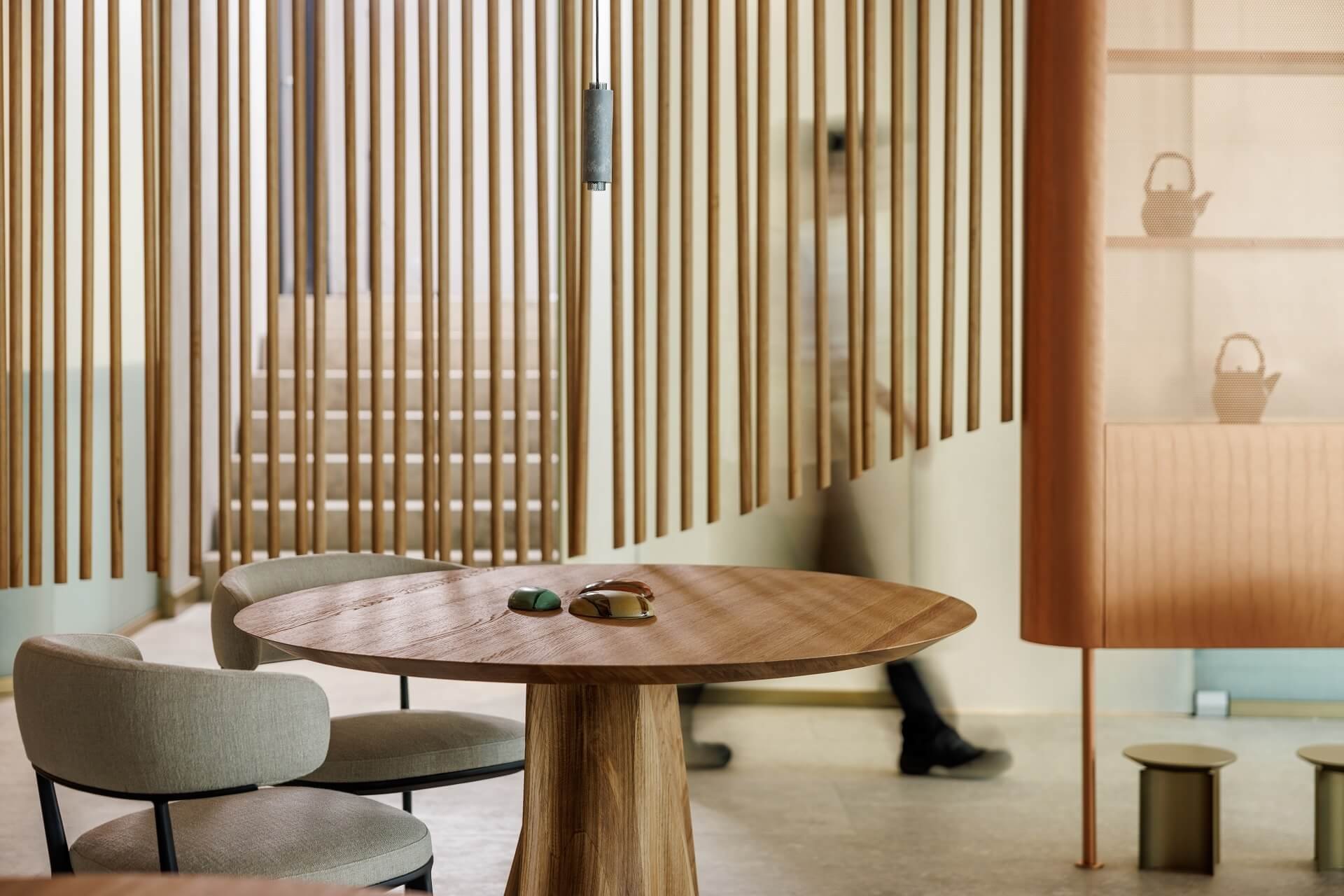
A Different Kind of Quiet on Via Boncompagni
Orma Roma is a one-Michelin-star restaurant in Rome, with a price point of €€€€ and cooking by Roy Caceres. Rome's dining room interiors tend toward one of two registers: the theatrical grandeur of a palazzo setting or the studied rusticity of exposed brick and terracotta. Via Boncompagni, in the Ludovisi quarter just off Via Veneto, occupies neither of those extremes. The street sits at a remove from the tourist circuits that radiate from the Trevi Fountain and Piazza Navona, attracting instead a clientele drawn by specific intent. The room at Orma reads as composed and considered, the kind of space where the food is clearly meant to be the primary event rather than a supporting act for the architecture.
Rome's broader fine-dining tier has expanded since Michelin first began awarding stars in the city with more consistency, but its composition remains weighted toward Italian-rooted kitchens. Contemporary Italian, regional elevation, and produce-led tasting menus dominate the starred category. Orma sits at an angle to that consensus, operating a fusion program that draws explicitly on South American and Asian culinary traditions. At the €€€€ price point, it sits alongside peers like Enoteca La Torre, Il Pagliaccio, and La Pergola, but the culinary reference points are substantially different.
The Geometry of the Plate
Fusion cooking in a starred context carries specific risks. Executed without discipline, it produces menus that read as lists of influences rather than coherent propositions. The Michelin distinction signals that the kitchen's approach achieves something more structured: the ingredients and traditions from across continents are being put in conversation rather than simply assembled. Chef Roy Caceres, whose Colombian background informs the South American thread running through the menu, uses that reference point as a genuine culinary grammar rather than as decoration.
The vegetable focus is among the more distinctive features of Orma's program relative to its Roman comparable set. While produce-led cooking has become a credible position at the summit end of European fine dining broadly, it remains less common in Rome's starred tier, where proteins and cured products carry significant cultural weight. Orma's kitchen garden supplies some of what arrives on the plate, which narrows the distance between cultivation and service in ways that affect both flavor and the logic of the menu's construction. That supply shapes the seasonal rotation of the two tasting menus.
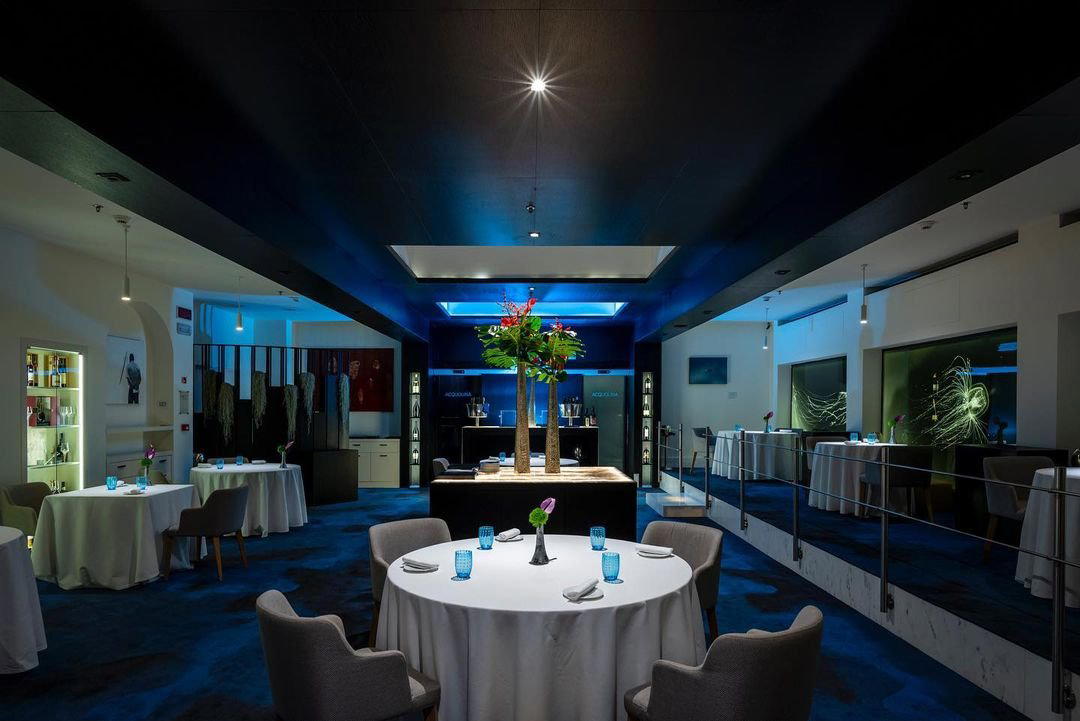
Two tasting menus form the primary format, with an à la carte option drawn from either menu available for guests who prefer not to commit to the full sequence. That structure places Orma in the tier of Rome's starred restaurants that use the tasting format as their main editorial voice while retaining flexibility. Compared to the more rigidly set sequences common at addresses like Acquolina or Achilli al Parlamento, the dual-menu approach with à la carte access offers multiple entry points.
Atmosphere as Counterpoint
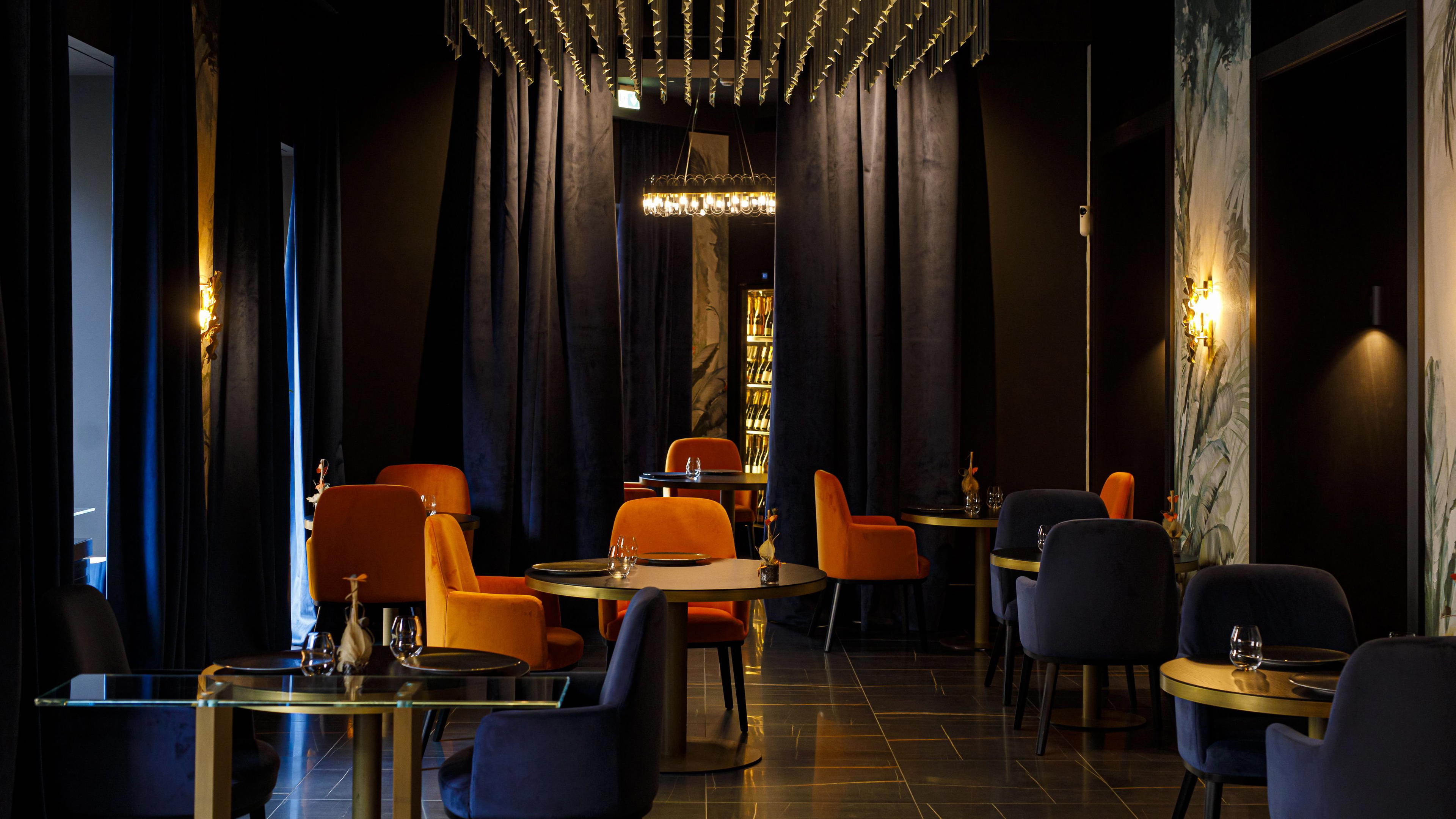
The sensory register of a fusion-focused starred kitchen is worth thinking about before you arrive. At Orma, the spatial and atmospheric tone appears calibrated to let the food carry the drama rather than staging it through the room. This is a deliberate choice at the premium end of fusion dining: the more eclectic or unexpected the plate, the more useful it is to have a neutral visual environment that doesn't compete for attention. The result is a dining atmosphere that emphasizes concentration.
That positioning contrasts with the more theatrically staged environments at some of Rome's destination addresses, where the view over the city or the ceiling of a historic building forms part of what guests are paying for. Orma's version of the premium experience is more interior, more focused on the sequence of dishes as the defining event of the evening.
Where Orma Sits in the Italian Fine-Dining Picture
Italy's Michelin-starred tier covers considerable range, from the intensely regional cooking of Dal Pescatore in Runate and the produce-philosophy of Atelier Moessmer Norbert Niederkofler in Brunico to the internationally referenced work at Enrico Bartolini in Milan. Orma's comparable set within that national picture is closer to the latter category: kitchens where the cooking's DNA is deliberately international, even if the produce is Italian.
Against the Italian fusion category more broadly, Orma occupies a position defined by the South American and Asian axes of its reference points, which distinguishes it from fusion programs organized around Mediterranean or Northern European influences. For comparison points outside Italy, Ajonegro in Logroño and Arkestra in Istanbul represent the broader European pattern of serious fusion kitchens operating outside the major capitals, though Orma's Roman address and starred status put it in a higher-visibility position within that cohort.
Within Rome itself, the starred tier includes addresses that have built reputations on different premises. Enoteca Pinchiorri in Florence and Osteria Francescana in Modena represent the national range of what Italian fine dining can mean; Orma's positioning within Rome is as the address that takes the widest global reference point while still earning the city's recognition at Michelin level. Quattro Passi in Marina del Cantone operates a similarly ambitious kitchen in a coastal setting, but the comparison with Orma highlights how much the Roman urban context shapes the guest experience and the competitive pressure the kitchen operates under.
Know Before You Go
- Address: Via Boncompagni, 31, 00187 Roma
- Price tier: €€€€ 7 from 185 reviews
- Format: Two tasting menus; à la carte selection available from either menu
- Kitchen focus: Fusion with South American and Asian reference points; significant vegetable program, partly kitchen-garden sourced
- Service days: Tuesday through Saturday, lunch 12:30 to 14:00, dinner 19:30 to 22:00; closed Sunday and Monday
- Booking: Advance reservation recommended given starred status and tasting-menu format
- Dress code: Smart casual
- scallop dumpling
- oyster dumpling
- maccheroncini with chard and eel
- pigeon
- amberjack with endive
- tortelli
The Quick Read
Comparable venues nearby, for context on price, style, and recognition.
| Venue | Cuisine | Price | Notes |
|---|---|---|---|
| Orma RomaThis venue — the venue you are viewing | Fusion | $$$$ | Not listed |
| Achilli al Parlamento | Not listed | $$$$ | Campo Marzio, Modern Italian Fine Dining with Campania Influences |
| All'Oro | Flaminio, Modern Italian Fine Dining | $$$$ | Not listed |
| Glass Hostaria | Trastevere, Modern Italian Fine Dining | $$$$ | Not listed |
| Il Convivio Troiani | Ponte, Modern Italian Fine Dining | $$$$ | Not listed |
| Marco Martini Chef | San Saba, Modern Roman Fine Dining | $$$$ | Not listed |
Recognition history
Dated appearances from independent guides and award organizations, with the underlying list record or original source where available.
Michelin 1 Star
Michelin
Opinionated About Dining Top Restaurants in Europe Recommended
Opinionated About Dining
Michelin 1 Star
Michelin
The Best Chef One Knife
The Best Chef
Michelin 1 Star
Michelin
Continue exploring
More in Rome
Restaurants in Rome
Browse all →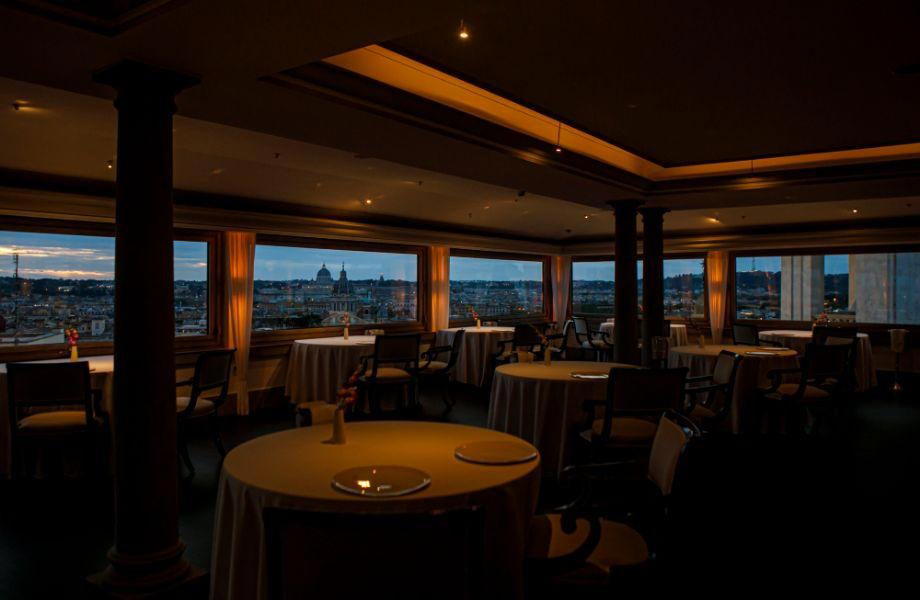
Hotels in Rome
Browse all →
Wineries in Rome
Browse all →
At a Glance
- Elegant
- Sophisticated
- Modern
- Minimalist
- Date Night
- Special Occasion
- Celebration
- Chefs Counter
- Open Kitchen
- Design Destination
- Extensive Wine List
- Sommelier Led
- Craft Cocktails
- Local Sourcing
Current opening hours
- Monday
- Closed
- Tuesday
- 12:30–2 PM, 7:30–10 PM
- Wednesday
- 12:30–2 PM, 7:30–10 PM
- Thursday
- 12:30–2 PM, 7:30–10 PM
- Friday
- 12:30–2 PM, 7:30–10 PM
- Saturday
- 12:30–2 PM, 7:30–10 PM
- Sunday
- Closed
Hours can change for holidays and private events. Last verified .
Sleek Scandinavian minimalist design with frosted windows, soft acoustics, and modern furnishings; elegant and refined with well-spaced tables offering privacy, though some guests note the bar area lacks intimacy.