A warm neighbourhood spot with fish at heart
- Address
- Viale Amelia, 8, 00181 Roma RM, Italy
- Phone
- +39678395192
- Website
- business.site
- Directions
- Get directions
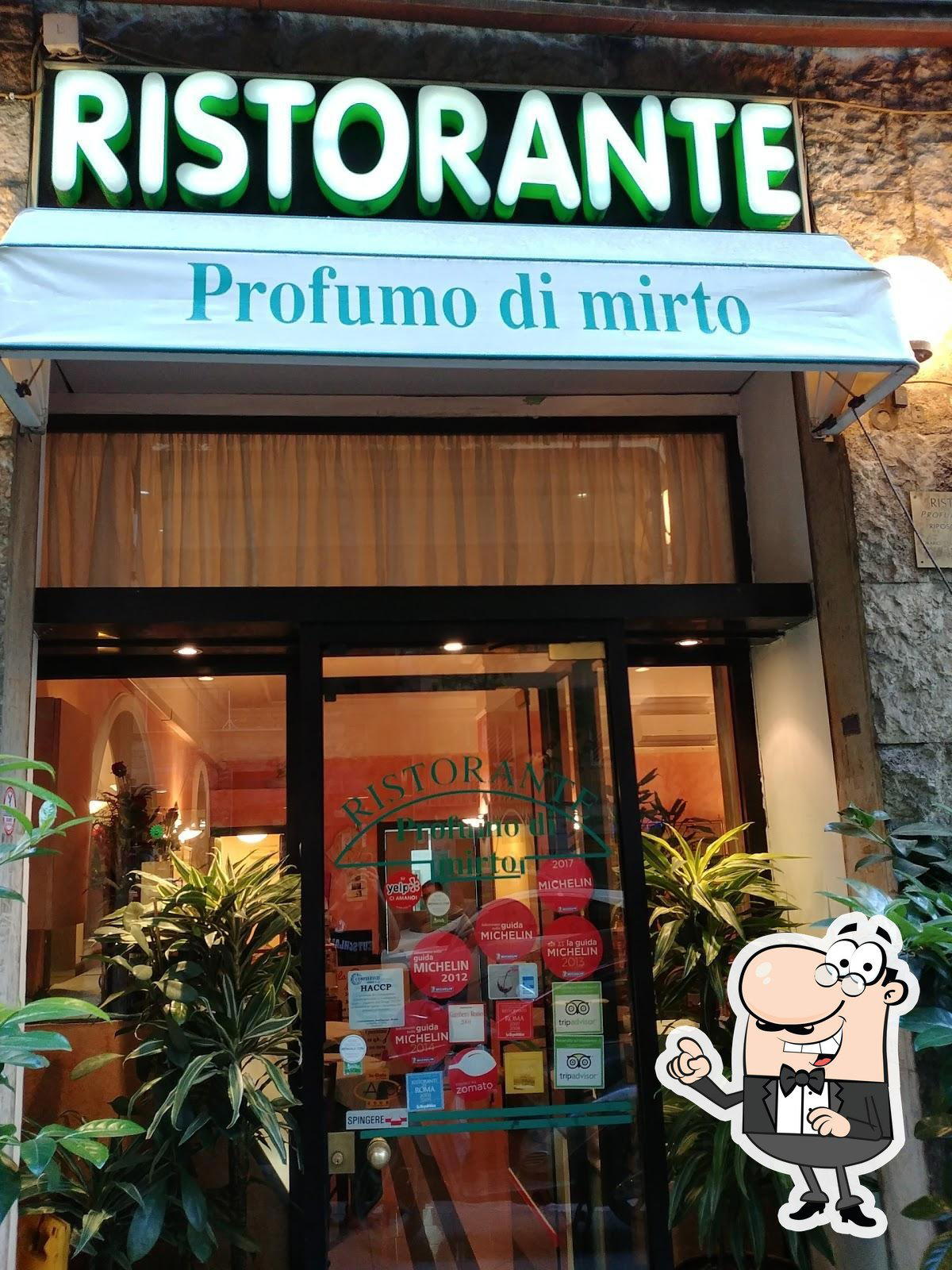
A Residential Address, and What That Signals
Viale Amelia sits in the Appio Latino quarter, a stretch of Rome where the tourist radius thins and the building stock runs to mid-century apartment blocks and neighbourhood bars. Arriving here by foot from the metro, you pass alimentari and tobacconists rather than souvenir stalls. That geography matters: restaurants that survive at residential addresses in Rome do so on repeat local custom, not on passing footfall from visitors with guidebooks open. Profumo di Mirto operates in that environment, at number 8 on a wide, tree-lined avenue that feels quieter than central Rome even on a weekday evening.
The name translates loosely to the scent of myrtle, the aromatic shrub native to Sardinia and coastal Mediterranean Italy. In Italian culinary tradition, myrtle carries specific weight: it appears in Sardinian roasting traditions, in liqueurs, and as a herb associated with the island's inland cooking rather than the Roman canon. That reference in the name is a deliberate marker, placing the restaurant in conversation with regional Italian cooking from beyond Lazio rather than positioning it as a direct trattoria of the neighbourhood.
What the Menu Architecture Communicates
In Rome, the menu is often particularly legible document a restaurant produces. The architecture of how dishes are ordered, grouped, and named tells a reader whether the kitchen is working from tradition, from technique, or from some negotiation between the two. The city's mid-range restaurants have increasingly moved toward structured menus that foreground sourcing logic and regional provenance, rather than the long lists of pasta and secondi that dominated neighbourhood dining a generation ago.
Profumo di Mirto, with its Sardinian-inflected identity, sits within a category of Rome restaurants that draw their menu logic from a specific regional tradition rather than from Roman cooking itself. This is a meaningful structural choice. Sardinian cuisine operates on different proteins (suckling pig, lamb, bottarga, porceddu), different starches (carta da musica, malloreddus, culurgiones), and different aromatics (myrtle, saffron, wild fennel) than the Roman kitchen. A menu built around those ingredients reads differently from the Roman classics at a neighbourhood trattoria, and signals a kitchen that is making a case for the cuisine of another region rather than reinterpreting local standards.
That positioning puts Profumo di Mirto in a specific niche within Rome's dining map. At the upper register, creative Italian restaurants like Il Pagliaccio and Enoteca La Torre argue for a contemporary, technique-forward reading of the Italian canon. At the opposite end, neighbourhood trattorias serve coda alla vaccinara and cacio e pepe to regulars who expect no deviation. Between those poles sits a smaller, less categorised tier of restaurants making a regional Italian argument on Roman turf. These places are more common in the outer quarters than in the centro storico, partly because rents allow for a slower approach to building regular business and partly because residential customers tend to value consistency and specificity.
Rome's Regional Restaurant Tier
The pattern of regional Italian cooking finding a foothold in Rome's outer neighbourhoods is not new, but it has become more deliberate in recent years. Sardinian restaurants specifically represent one of the city's more established diaspora-restaurant traditions, supported by a substantial Sardinian community in Rome and by the island's products being physically accessible in ways that, say, Sicilian or Calabrian producers are not. Bottarga di muggine from Cabras, Cannonau from Nuoro, pecorino sardo aged to varying stages: these are ingredients with enough Roman retail presence that a kitchen can source them consistently and a customer base that knows what to expect from them.
For context on where the regional tier sits in Italy's broader fine-dining conversation, the country's most decorated tables span different geographies and approaches: Osteria Francescana in Modena and Piazza Duomo in Alba have defined the creative Italian argument at the three-star level, while coastal specialists like Uliassi in Senigallia and Quattro Passi in Marina del Cantone demonstrate how a rigorous regional focus can sustain serious critical attention. The tradition of anchoring a restaurant's identity to a specific geography rather than to a national or pan-European cooking language runs deep in Italy, and the restaurant works within that tradition at a neighbourhood rather than destination scale.
Rome's highest-profile fine dining, anchored by La Pergola and extending through creative addresses like Acquolina and Achilli al Parlamento, operates at price points and in formats distinct from a Sardinian neighbourhood specialist. The two tiers serve different purposes and different audiences, and should not be read as competing in the same bracket. A reader considering the restaurant is probably not making a direct comparison to Le Calandre in Rubano or Reale in Castel di Sangro; they are looking for something more specific to a neighbourhood evening and to a particular regional argument.
Planning a Visit
Viale Amelia 8 is reachable from the centre by metro (Line A to Furio Camillo or Re di Roma, then a short walk), or by taxi from Testaccio or the Aventine in under ten minutes. The Appio Latino quarter has enough local restaurant density that visiting in the early evening allows for a pre-dinner walk through a part of Rome that most visitors do not reach.
Italy's regional restaurants demonstrate that a specific geographic commitment, maintained over years, can build authority. That principle operates at every level of the market, from Dal Pescatore in Runate to Enoteca Pinchiorri in Florence to Sardinian addresses in Rome's residential quarters. The restaurant works within that tradition on a scale suited to its address and its neighbourhood.
Cuisine Lens
Comparable venues nearby, for context on price, style, and recognition.
| Venue | Cuisine | Price | Notes |
|---|---|---|---|
| Profumo di MirtoThis venue — the venue you are viewing | Sardinian Seafood | $$ | Not listed |
| Elio | Contemporary Italian | $$ | Pinciano |
| La Reginella d'Italia | Roman-Jewish Trattoria | $$ | San Angelo |
| Il Barroccio | Traditional Roman Osteria | $$ | Colonna |
| Arso Trattoria Moderna | Traditional Roman Trattoria | $$ | .null |
| Propaganda Italian Cuisine | Modern Italian Trattoria | $$ | Celio |
Continue exploring
More in Rome
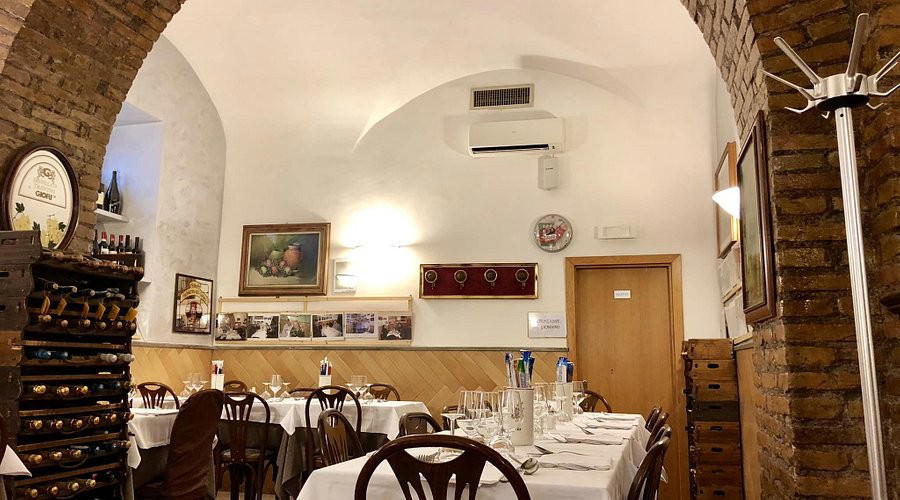
Restaurants in Rome
Browse all →
Bars in Rome
Browse all →
Hotels in Rome
Browse all →

At a Glance
- Romantic
- Cozy
- Casual
- Date Night
- Family
- Open Kitchen
Casual and romantic atmosphere, cozy and simple with welcoming service.