Arso Trattoria Moderna sits in Rome’s modern Italian lane, where trattoria grammar meets a city increasingly willing to revise its own classics. Read it less as a monument to Roman orthodoxy and more as part of the capital’s current argument over how far a trattoria can move while still speaking the local language.

Pearl is the En Primeur Club membership app — saves, bookings, and concierge access live there. Same editors, same standards.
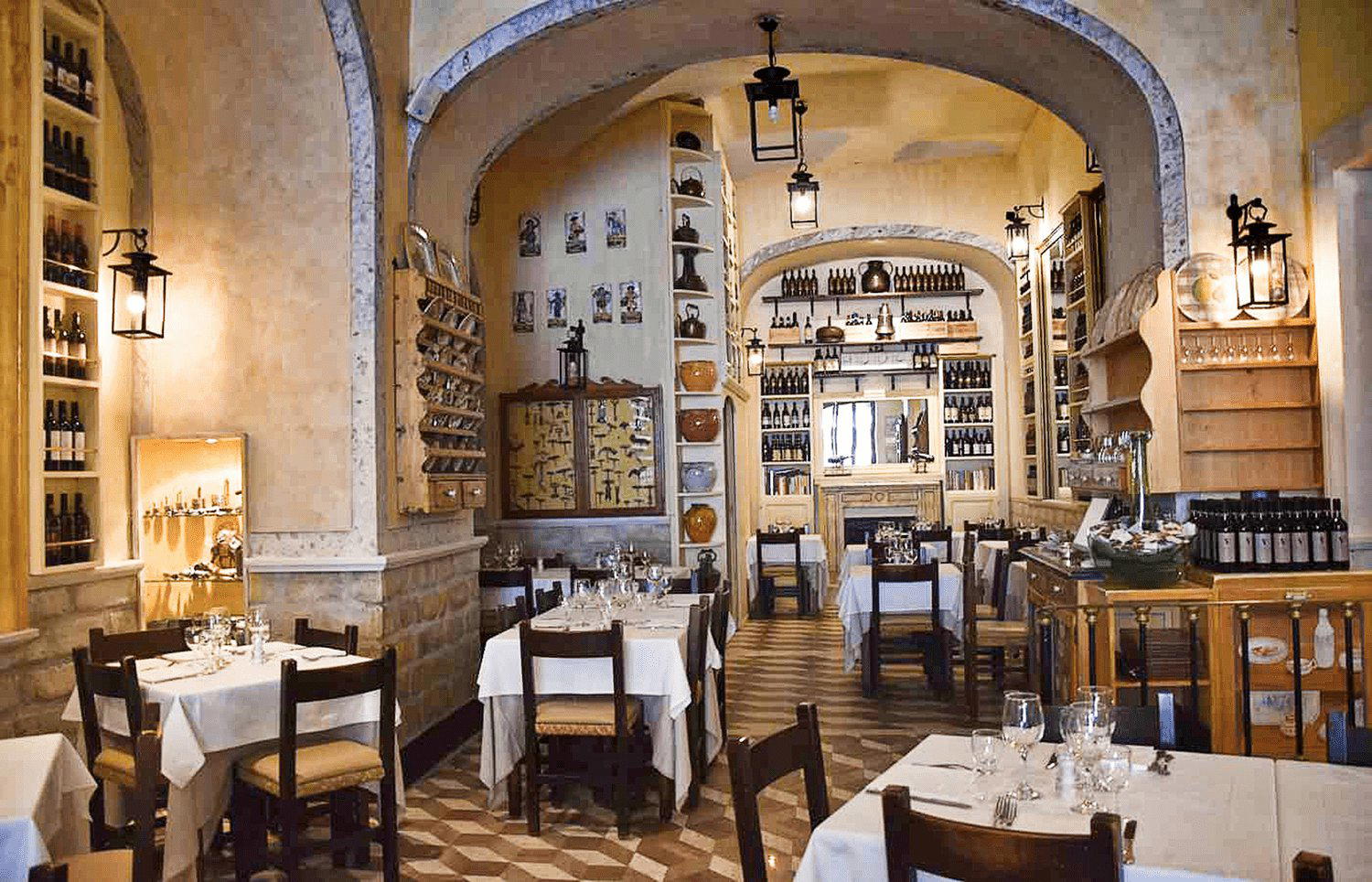
Rome’s dining rooms announce themselves before the menu does: street noise softens at the threshold, the pace drops, and the old question returns, how much of the city’s cooking should be preserved intact, and how much can be edited for a contemporary table? Arso Trattoria Moderna belongs to the second camp. Its stated frame is Modern Italian, a category that matters in Rome because the city’s default dining identity is still built around carbonara, amatriciana, coda alla vaccinara, puntarelle, artichokes, and the long shadow of the neighborhood trattoria.
The useful way to read Arso Trattoria Moderna is not as a rejection of Roman cooking, but as a signal of where the capital’s middle tier has been moving. Rome has a deep appetite for tradition, yet it has also become more fluent in restaurants that keep the informal promise of a trattoria while allowing technique, plating, lighter sauces, and broader Italian references into the room. That tension is the story here: Roman appetite meeting a modern Italian vocabulary.
Modern Italian in a city trained by Roman classics
Rome is not Milan, where polished contemporary dining has long sat comfortably beside business-lunch minimalism. It is not Naples, where pizza and seafood traditions dominate the city’s global image. It is not Tuscany, where the rural canon of grilled meats, beans, unsalted bread, and olive oil sets the table. Rome’s dining culture is more argumentative. The old cucina romana is direct, salty, offal-literate, and built around dishes that leave little room for timid interpretation.
That makes a modern trattoria format in Rome more exposed than it would be elsewhere in Italy. A kitchen can borrow the word “moderna,” but the city tests whether the result still understands appetite. Modern Italian cooking in this context works when it keeps the generosity of the trattoria and trims only what needs trimming: heaviness, repetition, and the museum-piece treatment of classics. Arso Trattoria Moderna’s value is in that category position, not in chasing the solemnity of a tasting-menu room.
For readers mapping Rome by dining mood, this sits in the same broad city conversation as contemporary addresses such as Antico Arco, Marzapane, and /gu.stà.re/ oltrecucina (Modern Cuisine), though each occupies its own register. The contrast with Roman pizza culture is just as instructive: 180 Grammi Pizzeria Romana and 180g Pizzeria Romana show how specialized and codified the city’s casual traditions can be. A modern trattoria has to work harder because it is not protected by a single inherited form.
The trattoria idea, revised rather than replaced
The word trattoria carries expectations in Italy: approachable service, recognizable produce, a room built for eating rather than ceremony, and a menu that does not require a lecture. The modern version changes the pressure points. Instead of abundance alone, it asks for control. Instead of regional purity, it may allow influence from beyond Lazio. Instead of the old formula of antipasto, pasta, secondi, dolci as a fixed march, it can loosen the rhythm while keeping the meal legible.
That distinction is important for Rome visitors who arrive with a checklist of classics. A meal in this lane is not the place to measure authenticity by whether every famous Roman dish appears. It is better judged by whether the cooking understands the structure beneath those dishes: pasta as architecture, bitterness as balance, pecorino and guanciale as force rather than decoration, and vegetables treated as part of the meal rather than an afterthought. Modern Italian restaurants in Rome succeed when they edit with confidence and fail when they confuse lightness with lack of character.
The restaurant, by name and category, places itself inside that edited-trattoria conversation. With no public awards or named chef credentials shaping the narrative, the stronger editorial read is typological: this is a Rome address for diners interested in the city’s present tense rather than only its postcard canon. That matters because the capital’s better contemporary meals often sit between categories, less formal than fine dining, more deliberate than a purely traditional osteria.
How to place it within a Rome itinerary
Rome rewards category discipline. Spend one meal on cucina romana in its classic form, one on pizza or fritti, one on wine-led grazing, and one on a modern Italian table that tests how the city is changing. The restaurant fits that last slot. It works well for travelers who already understand the baseline, or who want a meal that reflects Rome without being trapped by the usual dish list.
For broader planning, use Our full Rome restaurants guide to separate traditional trattorie, modern kitchens, pizzerias, and special-occasion dining. The rest of the trip should be built with equal specificity: Our full Rome hotels guide for neighborhood positioning, Our full Rome bars guide for aperitivo and late drinks, Our full Rome wineries guide for regional drinking context, and Our full Rome experiences guide for cultural time around the table.
The Italian map beyond Rome sharpens the point. Campanian tradition reads differently at 'E Curti Ristorante Tipico di Angela Ceriello & Co SAS in Sant Anastasia; Florence’s street-level offal culture has another grammar at 'l Trippaio di San Frediano in Florence; Romagna and Tuscan pizza conversations diverge at ‘O Fiore Mio in Faenza and ‘O Scugnizzo in Arezzo. Northern contemporary cooking pushes the category another way at [àbitat] in San Fermo della Battaglia and [bu:r] in Milan, while Italian cooking abroad stretches the frame at Agreste de Fabio & Roser, Modern Italian in Barcelona and Barabba, Modern Italian in Copenhagen.
The verdict is practical: choose the restaurant when the goal is a Roman meal with contemporary intent, not a preservation exercise. In a city where tradition can become both strength and trap, that middle position has real editorial interest.
Reputation & Price
Comparable venues nearby, for context on price, style, and recognition.
| Venue | Cuisine | Price |
|---|---|---|
| Arso Trattoria ModernaThis venue — the venue you are viewing | Not listed | $$ |
| La Reginella d'Italia | San Angelo, Roman-Jewish Trattoria | $$ |
| Elio | Pinciano, Contemporary Italian | $$ |
| Taverna Urbana | Monti, Roman Trattoria | $$ |
| Open Baladin | Regola, Italian Craft Beer Gastropub | $$ |
| Bottega Ciccone | Trastevere, Traditional Roman Italian | $$ |
Continue exploring
More in Rome
Restaurants in Rome
Browse all →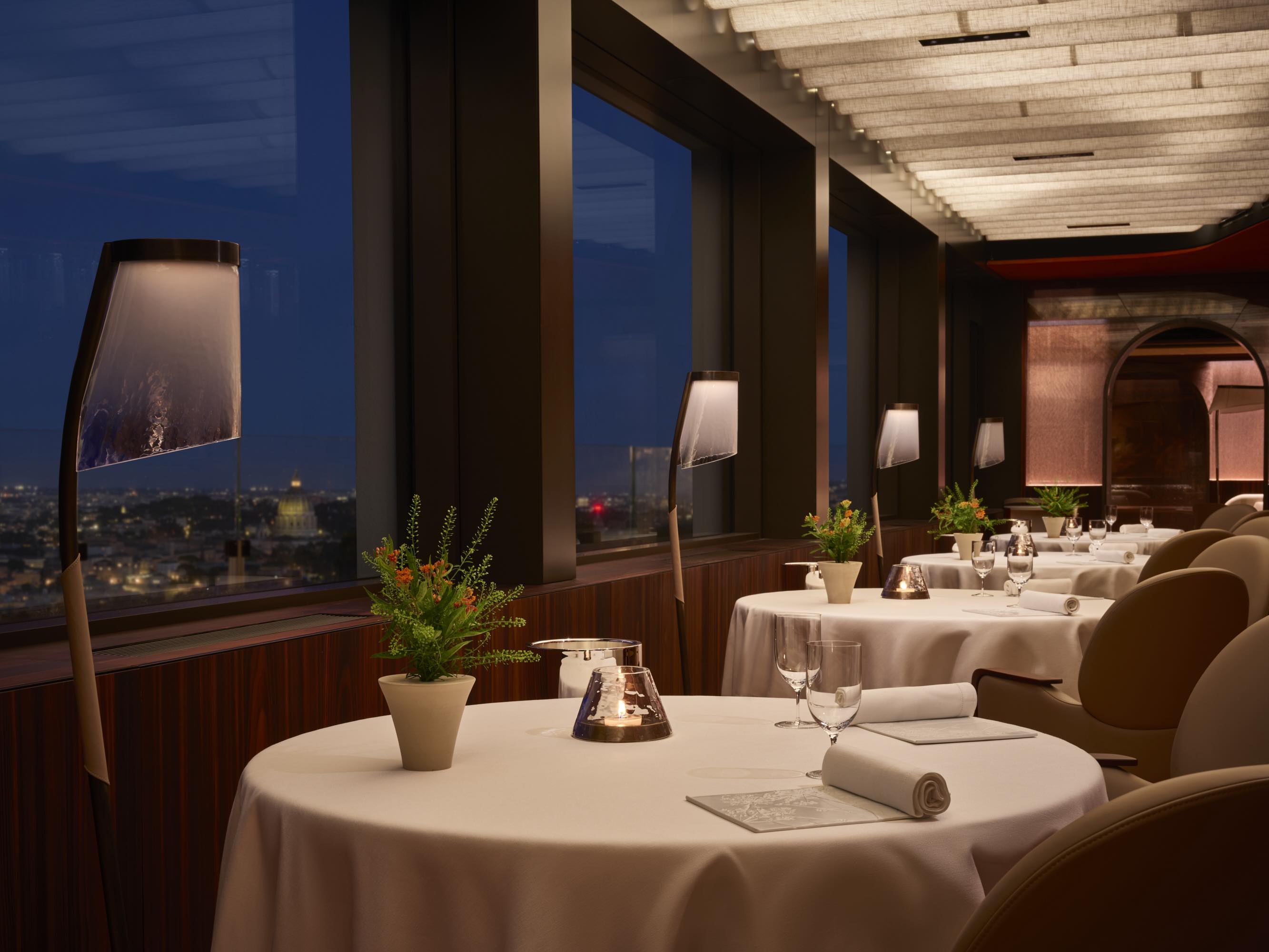
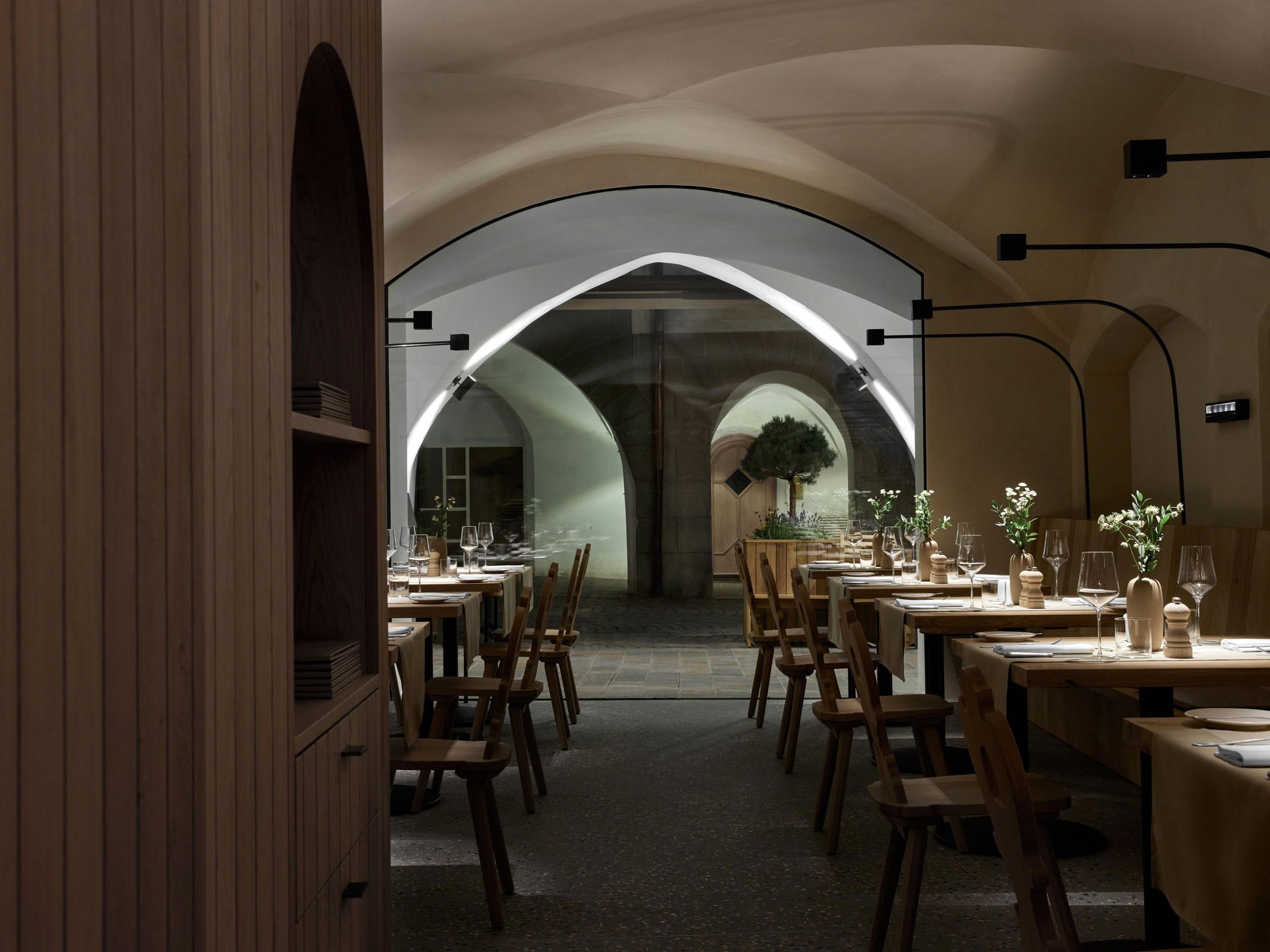
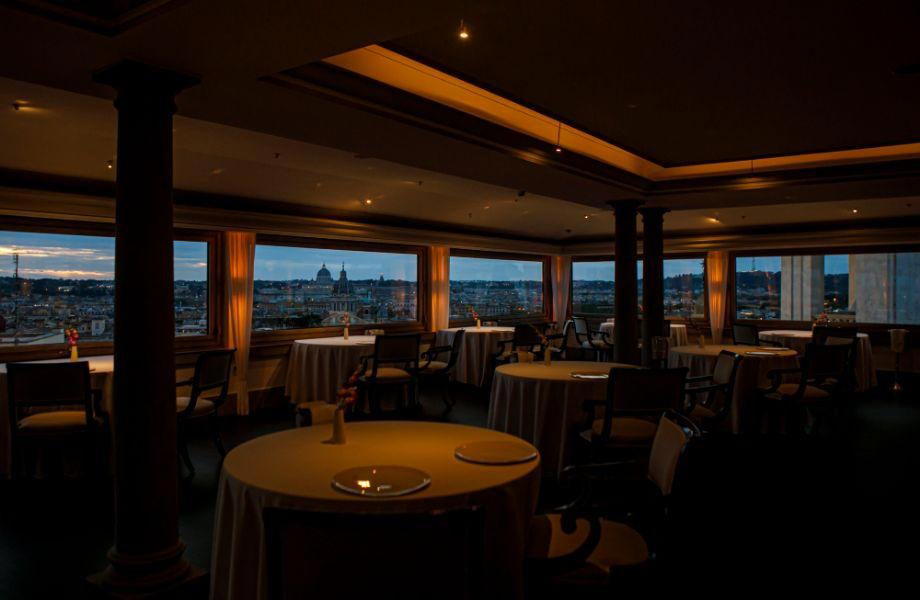
Bars in Rome
Browse all →
Hotels in Rome
Browse all →

At a Glance
- Cozy
- Classic
- Casual
- Intimate
- Date Night
- Group Dining
- Family
- Casual Hangout
- After Work
- Standalone
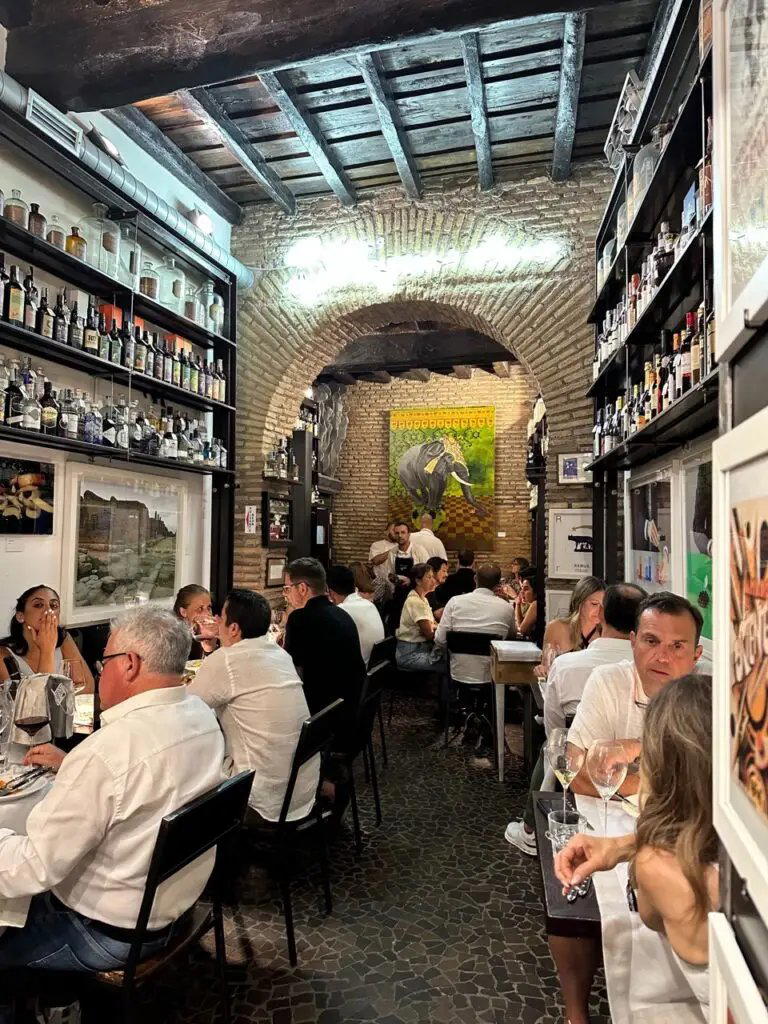
Warm and informal neighborhood trattoria atmosphere with simple décor, closely set tables, and a lively but comfortable noise level typical of a classic Roman dining room.