On Via Claudia in Rome's Celio district, Propaganda Italian Cuisine occupies a corner of the city where ancient stonework meets contemporary dining. The restaurant sits within a neighbourhood defined by the Colosseum's shadow and centuries of layered Roman history, positioning it inside a tier of Italian dining that treats setting as inseparable from the plate.
Pearl is the En Primeur Club membership app — saves, bookings, and concierge access live there. Same editors, same standards.
- Address
- Via Claudia, 15, 00184 Roma RM, Italy
- Phone
- +39 392 115 3233
- Website
- propagandaitaliancuisine.it
- Directions
- Get directions
 Saves & bookings on Pearl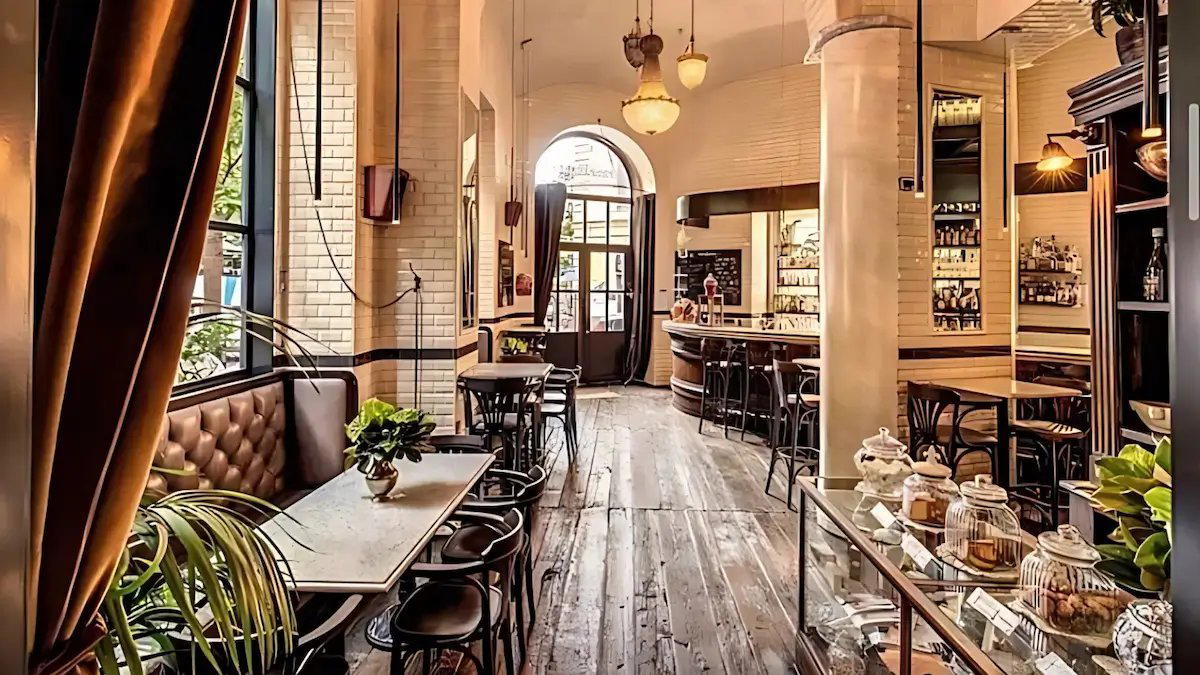
Dining in the Shadow of the Colosseum
Via Claudia runs along the southern edge of the Celio hill, one of Rome's seven, where the Colosseum's outer arches are visible from the street and the neighbourhood retains a residential quiet that the tourist corridors nearby have long since lost. Italian restaurant culture in this part of Rome operates under a specific pressure: proximity to a world monument can flatten ambition into convenience dining, or it can sharpen a kitchen's sense of identity. The addresses that survive and earn a local following in this zone tend to be those that treat the setting not as a marketing hook but as a responsibility. Propaganda Italian Cuisine, at number 15 on Via Claudia, is a modern Italian trattoria in Rome.
The Celio district is not where Rome's current wave of creative fine dining has concentrated. That conversation happens elsewhere: Il Pagliaccio in the historic centre runs a contemporary Italian program with two Michelin stars; Acquolina has built a reputation for seafood-led creative cooking on the northern side of the city; Enoteca La Torre operates within a villa setting with a tasting-menu format that places it firmly in Rome's upper formal tier. Propaganda occupies a different position in the map, a neighbourhood Italian address within metres of one of the ancient world's most-visited sites, which means its competitive frame is less about starred comparable venues and more about the question of what serious Italian cooking looks like when the room next door is full of visitors who will accept anything.
What the Setting Asks of a Kitchen
The physical approach along Via Claudia gives the meal its first editorial frame. The street is narrow enough that ambient noise from the surrounding tourist traffic drops off quickly, and the address sits on a stretch where Roman apartment buildings and a handful of independent businesses define the character rather than hotel restaurants or chain operators. This is the condition under which a neighbourhood Italian address either earns its regulars or fails to: the walk from the Colosseo metro station takes under ten minutes, which means the restaurant draws from both the monument-adjacent visitor traffic and a local Celio and Aventino dining circuit that has its own expectations.
Italian cuisine in Rome carries a specific tension that plays out across all price tiers. The city's culinary identity is built on restraint and codified tradition, cacio e pepe, carbonara, coda alla vaccinara, dishes where the technique is invisible and the quality of ingredients is everything. Restaurants that try to move away from that canon too quickly without the structural credibility of a starred format often find themselves between positions. Those that lean into the tradition with sourcing discipline and execution care tend to build the kind of repeat clientele that sustains an address across years rather than seasons. Rome's neighbourhood dining culture operates by different rules: consistency, value alignment, and a sense of place that goes beyond interior design.
Italian Cuisine Tradition and What Propaganda Represents
The name itself signals a self-awareness about positioning. In a city where restaurant naming conventions tend toward the familial (a founder's surname, a geographic reference, a dialect word) or the aspirationally abstract, a name like Propaganda Italian Cuisine registers as deliberate. It sits in the category of Rome addresses that want to be taken seriously as Italian kitchens without the apparatus of tasting menus and sommelier theatre that defines the upper tier.
That positioning connects to a broader Italian dining pattern visible across the country's mid-to-upper neighbourhood restaurants. Dal Pescatore in Runate, Uliassi in Senigallia, and Quattro Passi in Marina del Cantone each demonstrate that serious Italian cooking outside the capital's competitive pressure can develop a distinct regional identity. Within Rome, the addresses that manage to hold both critical regard and neighbourhood loyalty, Achilli al Parlamento being one example in the historic centre, tend to do so by anchoring in craft rather than spectacle. Propaganda's location near the Colosseum puts it in a context where that discipline matters more, not less.
For reference points outside Italy: the kind of serious neighbourhood Italian cooking that Propaganda appears to represent has analogues in the way Enoteca Pinchiorri in Florence built a long-term identity on cellar depth and classical rigour, or the way Enrico Bartolini in Milan operates in a format where the room and the plate are equally considered. The comparison is not one of tier, those are formally starred operations, but of the underlying principle that the setting and the kitchen must earn each other.
Sensory Register: What the Neighbourhood Delivers
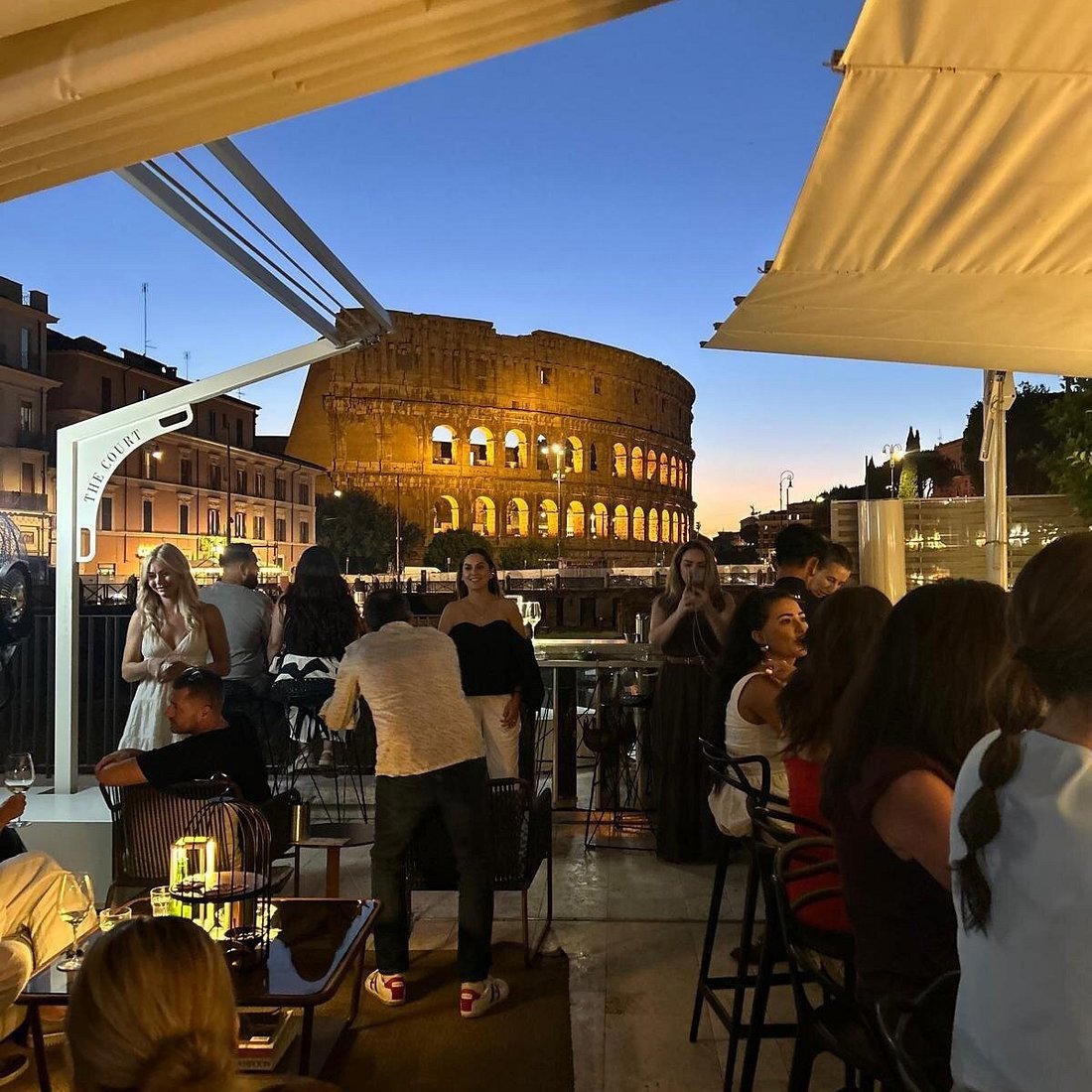
Before any dish arrives, the Celio address does specific atmospheric work. The relative quiet of Via Claudia compared to the Colosseo forum area means a dinner here begins with a decompression that tourist-adjacent restaurants elsewhere in the city cannot offer. The light in this part of Rome in the late afternoon, particularly in spring and autumn, falls across the street in a way that makes the approach feel like the city is offering a different pace. That shift from monument-scale spectacle to street-level intimacy is not incidental, it is the condition under which Italian cooking at this register is leading received.
Rome's broader fine dining scene, anchored at the leading by La Pergola with its three Michelin stars and its panoramic remove from street-level Rome, offers one mode of the city. The neighbourhood Italian address on Via Claudia offers another: grounded, proximate to the city's actual texture, and accountable to a local dining culture that has no patience for pretension without substance.
Planning a Visit
Via Claudia 15 is reachable on foot from the Colosseo metro stop (Line B) in approximately eight to ten minutes, making it a practical dinner destination either before or after the monument district. Given the neighbourhood's character and the likely demand from both locals and informed visitors, confirming availability in advance is advisable, particularly during Rome's peak travel months of April through June and September through October.
Accolades, Compared
Comparable venues nearby, for context on price, style, and recognition.
| Venue | Cuisine | Price | Notes |
|---|---|---|---|
| Propaganda Italian CuisineThis venue — the venue you are viewing | Modern Italian Trattoria | $$ | Not listed |
| Arso Trattoria Moderna | Traditional Roman Trattoria | $$ | .null |
| Hostaria Isidoro | Traditional Roman Trattoria | $$ | Monti |
| Osteria Navona | Traditional Roman Osteria | $$ | Ponte |
| Le Bistrot | Vegan Italian Bistro | $$ | Ostiense |
| Vitaminas24 | Organic Vegan Italian | $$ | Prenestino-Labicano |

At a Glance
- Trendy
- Elegant
- Sophisticated
- Date Night
- Casual Hangout
- After Work
- Group Dining
- Open Kitchen
- Standalone
- Craft Cocktails
- Natural Wine
- Extensive Wine List
- Local Sourcing
- Natural Wine
Current opening hours
- Monday
- 10 AM–12 AM
- Tuesday
- 10 AM–12 AM
- Wednesday
- 10 AM–12 AM
- Thursday
- 10 AM–12 AM
- Friday
- 10 AM–12 AM
- Saturday
- 10 AM–12 AM
- Sunday
- 10 AM–12 AM
Hours can change for holidays and private events. Last verified .
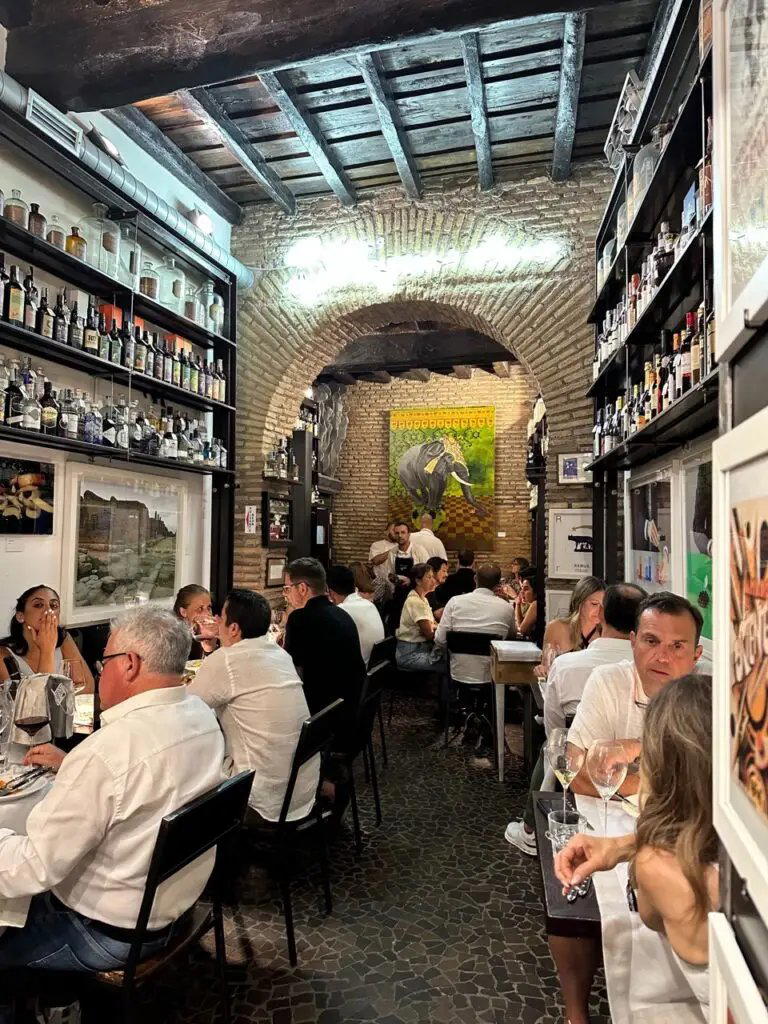
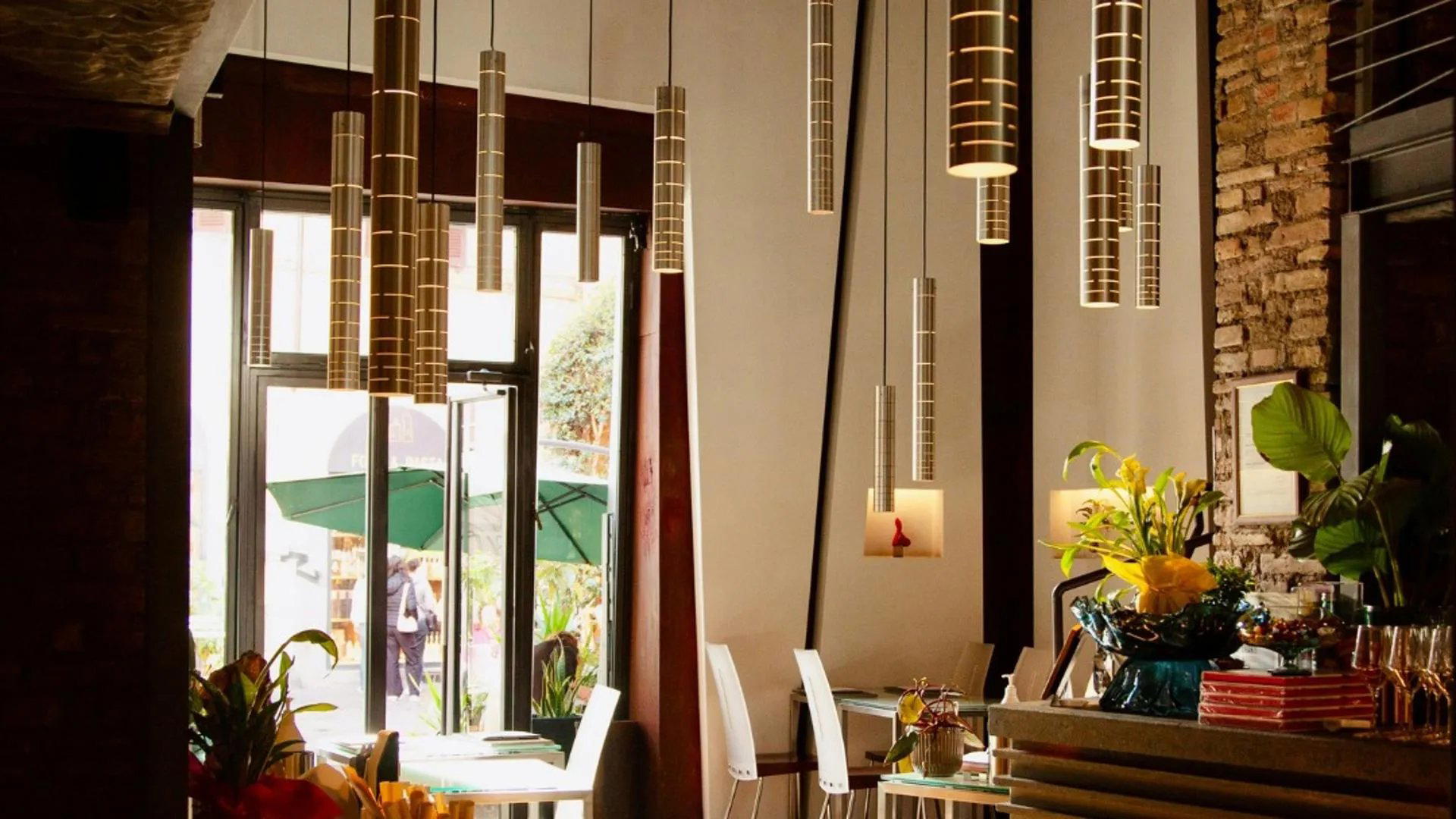
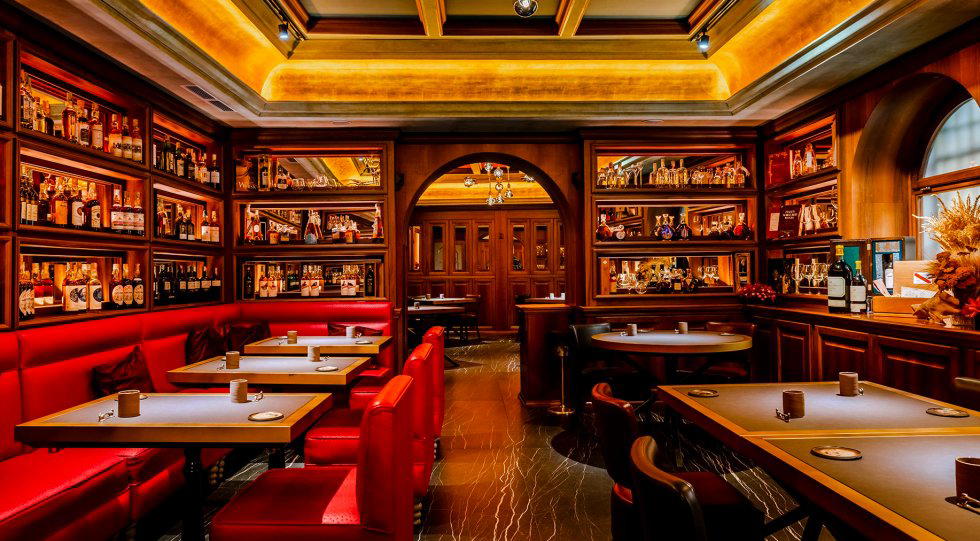
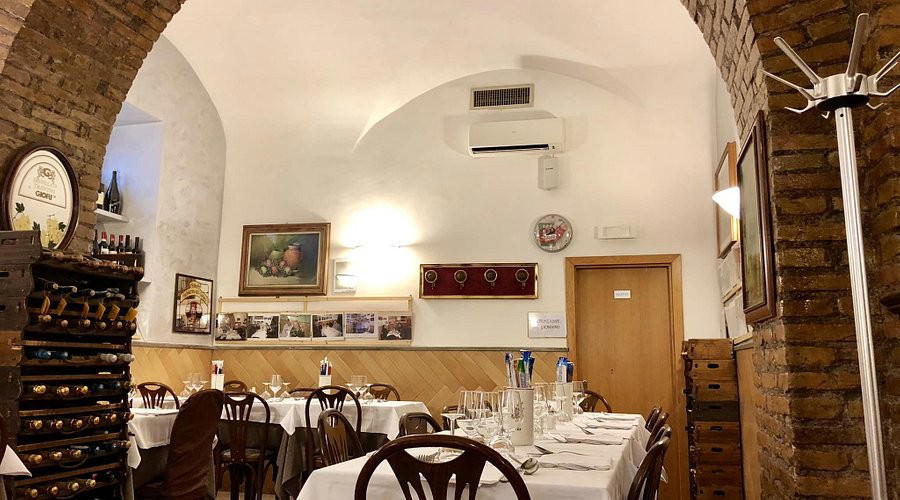
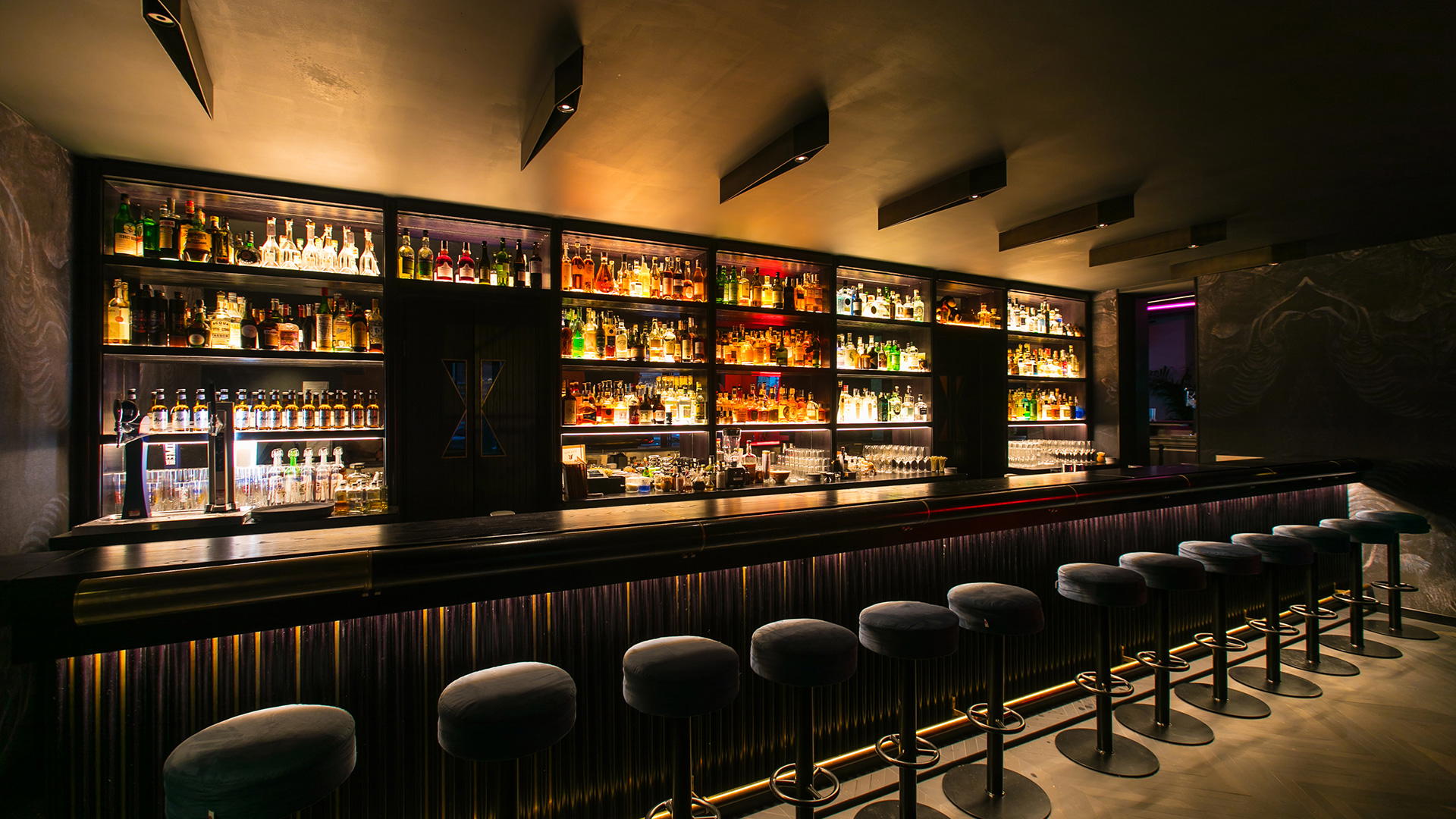
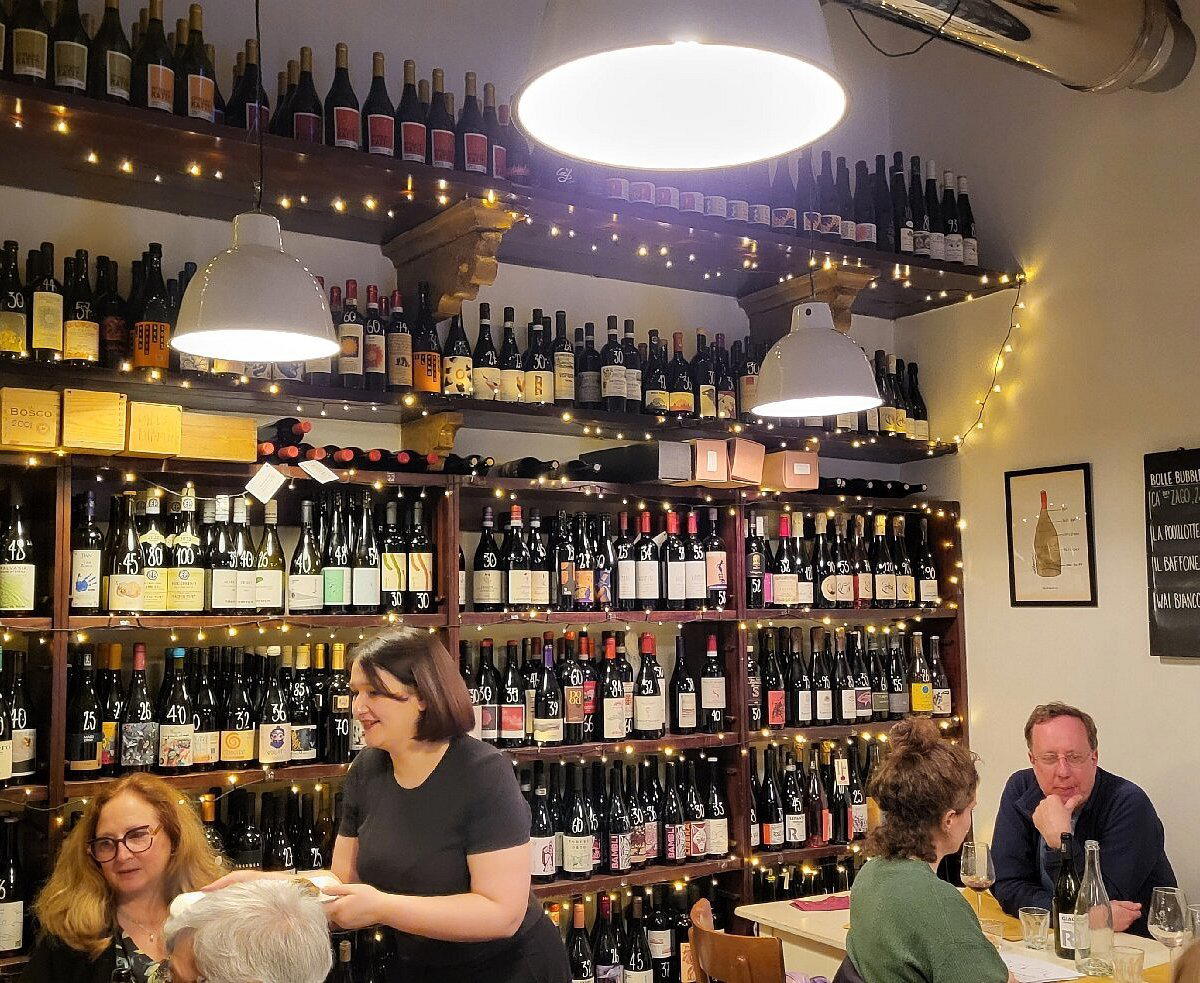
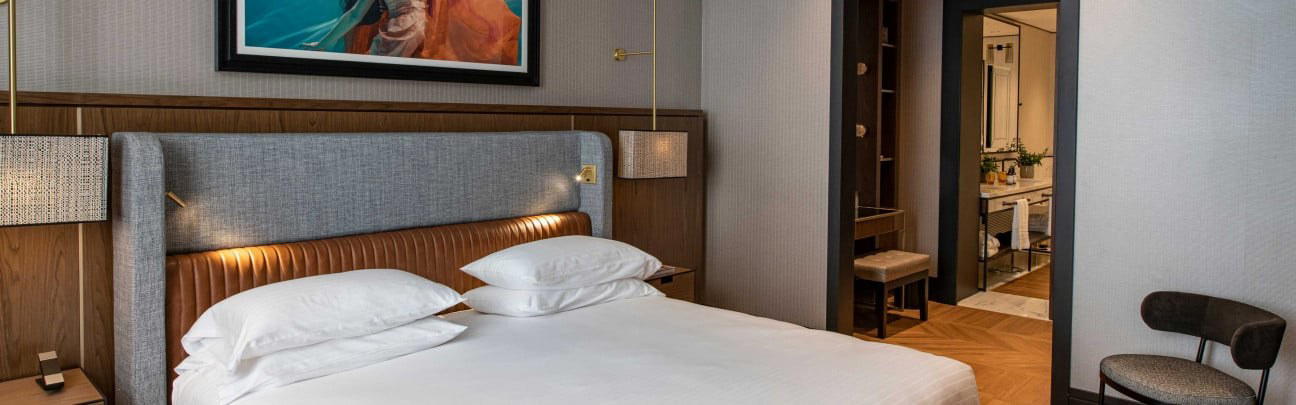
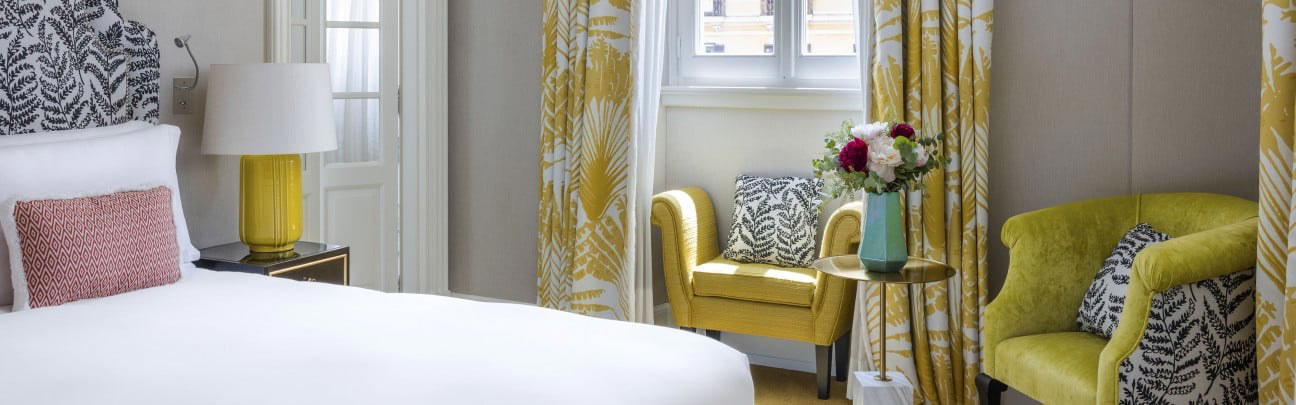
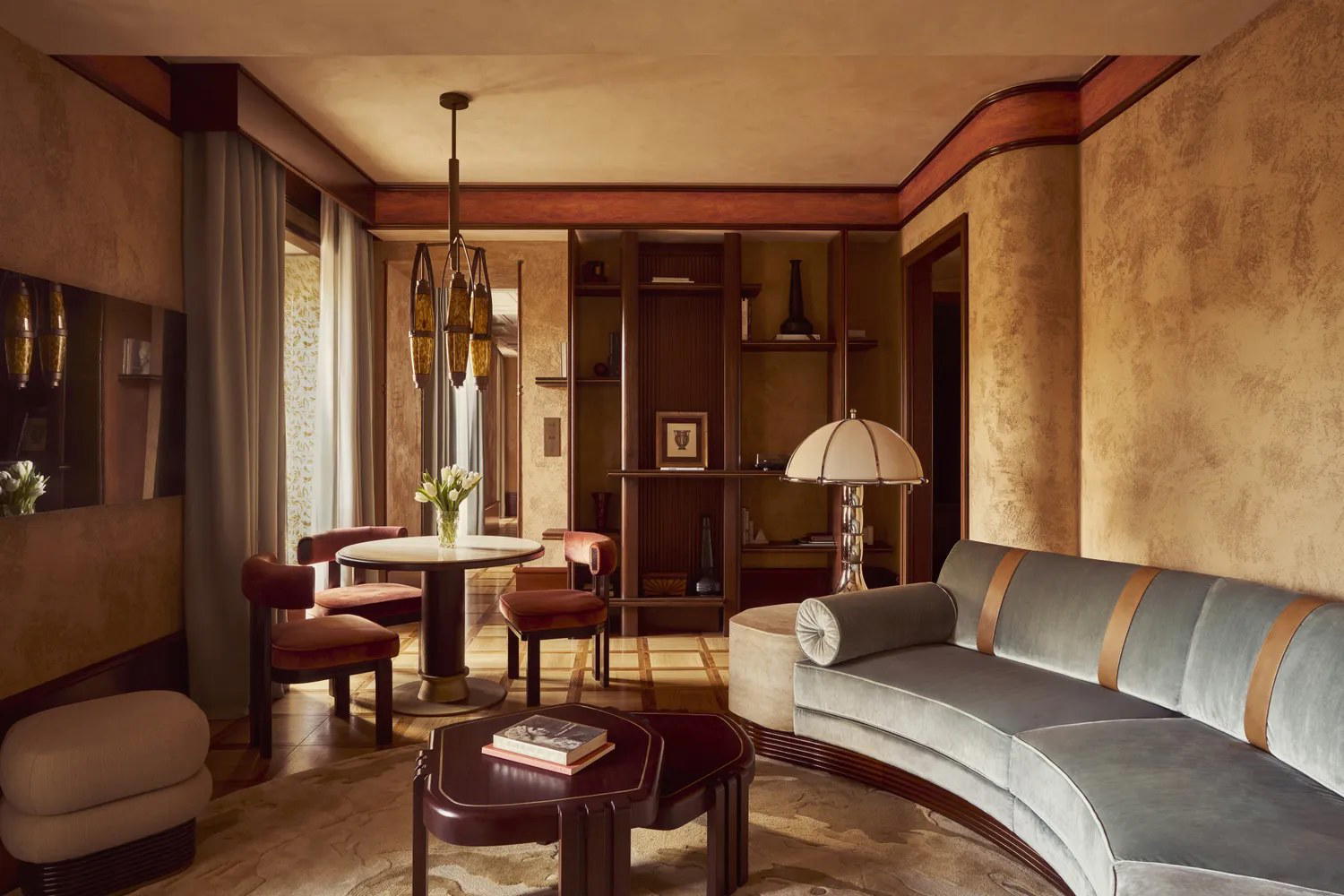
Trendy and contemporary with a retro-bistro aesthetic; classy and hip interior with warm, welcoming lighting that feels like a comfortable living room rather than a typical tourist restaurant.