Elio occupies a residential address in Rome's Parioli district, a neighbourhood that has long supported a different register of Italian dining than the tourist-facing trattorias of the centro storico. The restaurant sits in the upper tier of Rome's non-Michelin creative dining, drawing a local clientele that returns for the progression of the meal rather than the spectacle of the setting. Booking ahead is advised for weekend tables.
Pearl is the En Primeur Club membership app — saves, bookings, and concierge access live there. Same editors, same standards.
- Address
- L.go Benedetto Marcello, 220, 00198 Roma RM, Italy
- Phone
- +39694502727
- Website
- thehoxton.com
- Directions
- Get directions
 Saves & bookings on Pearl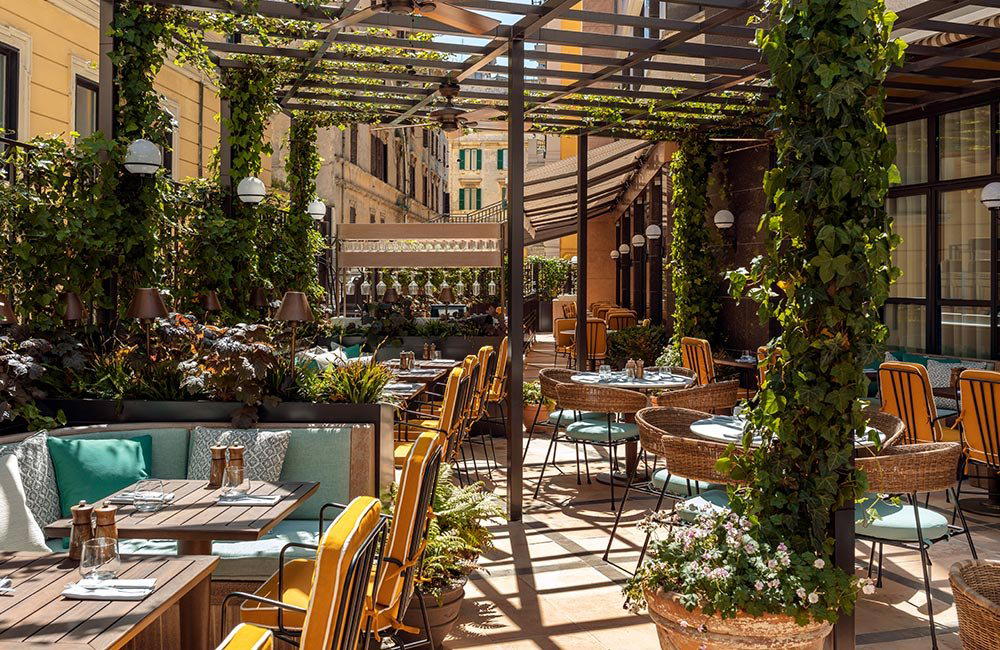
Parioli and the Other Rome
Rome's most scrutinised restaurant addresses tend to cluster around the historic centre, where La Pergola anchors the city's Michelin firmament and newer creative kitchens like Il Pagliaccio and Acquolina have drawn sustained critical attention. Parioli operates on a different register. The neighbourhood, positioned north of Villa Borghese on the map and north of tourist circuits in temperament, has historically been where Rome's professional and diplomatic classes eat without performance. Restaurants here succeed on repeat business, not footfall, which means the kitchen has to earn the table back, course by course.
Elio, on Largo Benedetto Marcello, belongs to that tradition. The address is residential in character, a detail that sets expectations before you reach the door. What the neighbourhood context implies is a meal structured around accumulation rather than spectacle: each course building on the last, the room settling into conversation, the pace unhurried by pressure to turn tables.
The Arc of the Meal
Italian fine dining has spent the last decade clarifying what it is. The broader national scene, from Osteria Francescana in Modena to Le Calandre in Rubano to Piazza Duomo in Alba, has largely settled the question of Italian fine dining's standing on its own terms. They can, and the argument is mostly over. What remains contested at the city level is how a restaurant balances classical Italian progressions (antipasto through pasta, secondi, dolce) against contemporary tasting-menu logic, where a single chef's concept replaces the traditional arc with something more authored.
The Roman creative dining tier, where Enoteca La Torre and Achilli al Parlamento also operate, tends to sit between those poles: tasting structures that retain Italian sequencing logic, so pasta is not an afterthought inserted between protein courses, but the course around which the meal pivots. That mid-meal weight, the point where a well-made Roman pasta or a risotto built from regional stock shifts the pace, is where these restaurants tend to distinguish themselves from their northern Italian peers.
At Elio, the meal's arc follows that broader Roman pattern. The opening passes, lighter in construction and more produce-forward, function as calibration: they establish the kitchen's sourcing register and the season's primary ingredients before committing to the richer middle courses. The progression through to dessert is intended to feel conclusive rather than merely sequential, the kind of meal where the final course makes retrospective sense of the first.
Where Elio Sits in the Rome Dining Hierarchy
Rome's fine dining tier is smaller than Milan's and more conservative than the scenes in Bologna or Naples. The Michelin coverage is concentrated at the leading, and the middle ground between starred restaurants and neighbourhood trattorias is thinner here than in comparable European capitals. That thinness creates a specific kind of value proposition for restaurants like Elio: they occupy a price point and ambition level that exists between the accessibility of a trattoria and the formality of a multi-starred room.
Enoteca La Torre and Il Pagliaccio both operate at the €€€€ tier with creative formats and sustained critical recognition. Elio's Parioli address gives it a different clientele dynamic: less destination dining from hotel concierge recommendations, more local repeat business from a neighbourhood that has clear opinions about where it eats. That distinction shapes everything from the service register to the wine list, which in Roman neighbourhood fine dining tends to favour depth in Central Italian bottles over international showpiece selections.
Across Italy more broadly, the reference points for this kind of committed regional fine dining include Uliassi in Senigallia, Dal Pescatore in Runate, and Reale in Castel di Sangro, each operating with strong regional identity in locations that are not inherently convenient. Elio's equivalent commitment is to Parioli rather than the centro storico, a choice that has consequences for the type of guest it attracts and the type of cooking it can sustain.
The Seasonal and Sourcing Context
Roman cuisine has a seasonal precision that is easy to underestimate. The city's markets, Campo de' Fiori, the Testaccio market, the wholesale arrivals at Porta Palazzo, have defined what goes on Roman plates for generations, and the fine dining tier is not exempt from that logic. Spring brings artichokes and fava beans; late summer brings peppers and courgette flowers; autumn shifts the kitchen toward porcini, truffles from Umbria and Abruzzo, and game. Restaurants that track this cycle closely, rather than maintaining static menus, tend to produce meals that feel contextually correct in a way that matters to regular Roman diners.
For visitors arriving from outside Italy, the seasonal dimension matters before booking. A meal at a restaurant like Elio in late autumn is a materially different experience from one in early summer, not better or worse, but calibrated to different primary ingredients. Timing a visit to a season you associate with specific Italian produce (truffle season running roughly October through December for white, January through March for black Norcia) is a reliable way to shape the experience toward a specific preference.
Italy's broader fine dining circuit offers further reference points if Parioli is not your base for the trip: Quattro Passi in Marina del Cantone, Atelier Moessmer Norbert Niederkofler in Brunico, and Enoteca Pinchiorri in Florence each anchor regional fine dining in a way that contextualises what Rome's creative tier is working alongside. Internationally, the sequenced tasting format Elio operates within has parallels at Le Bernardin in New York and Lazy Bear in San Francisco, though the Italian tradition of the meal as a structured social event rather than a chef's performance sets the format apart. Enrico Bartolini in Milan represents how that same Italian ambition operates at the highest awarded tier.
Know Before You Go
- Address: Largo Benedetto Marcello, 220, 00198 Roma, Italy
- Neighbourhood: Parioli, north of Villa Borghese, not walkable from the centro storico; a taxi or Uber from central Rome takes roughly 15 minutes depending on traffic
- Timing: Weekend tables at Parioli neighbourhood restaurants of this tier fill first; plan at least one to two weeks ahead for Friday and Saturday evenings
- Season: Autumn (October to December) aligns with truffle season and tends to produce the richest mid-meal courses at Roman fine dining addresses
- Dress code: Smart casual is the norm for Parioli fine dining; the neighbourhood registers formal without requiring it
Booking and Cost Snapshot
Comparable venues nearby, for context on price, style, and recognition.
| Venue | Cuisine | Price | Notes |
|---|---|---|---|
| ElioThis venue — the venue you are viewing | Pinciano, Contemporary Italian | $$ | Not listed |
| Mamma Angelina | Not listed | $$ | Trieste, Traditional Roman Trattoria with Fresh Seafood |
| Bottega Ciccone | Trastevere, Traditional Roman Italian | $$ | Not listed |
| Trattoria L'avvolgibile | Not listed | $$ | Appio-Latino, Traditional Roman Trattoria |
| FA.SE Osteria Moderna | Tuscolano, Modern Roman Osteria | $$ | Not listed |
| Hostaria Romana | Colonna, Traditional Roman Trattoria | $$ | Not listed |
Continue exploring
More in Rome
Hotels in Rome
Browse all →

At a Glance
- Lively
- Modern
- Elegant
- Energetic
- Group Dining
- Casual Hangout
- Celebration
- Brunch
- Date Night
- Terrace
- Hotel Restaurant
- Open Kitchen
- Craft Cocktails
- Natural Wine
- Local Sourcing
Current opening hours
- Monday
- 12–3 PM, 5–11 PM
- Tuesday
- 12–3 PM, 5–11 PM
- Wednesday
- 12–3 PM, 5–11 PM
- Thursday
- 12–3 PM, 5–11 PM
- Friday
- 12–3 PM, 5–11 PM
- Saturday
- 11:30 AM–3 PM, 5–11 PM
- Sunday
- 11:30 AM–3 PM, 5–11 PM
Hours can change for holidays and private events. Last verified .
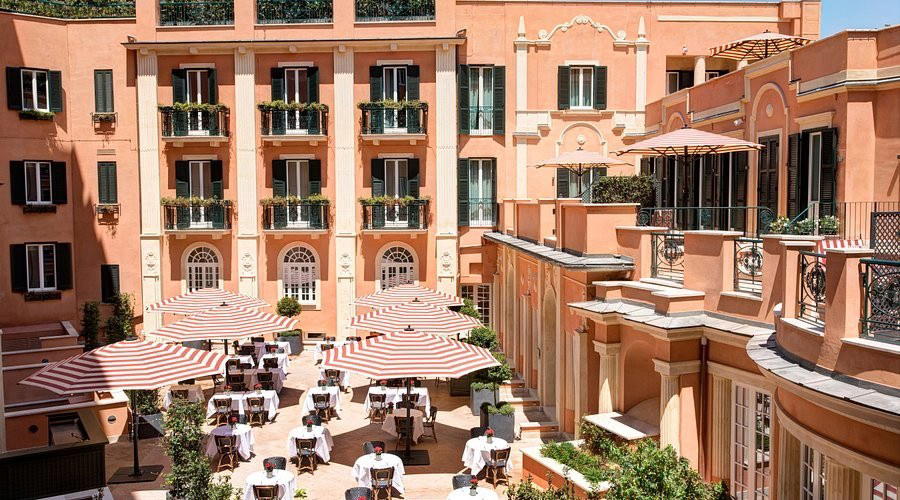
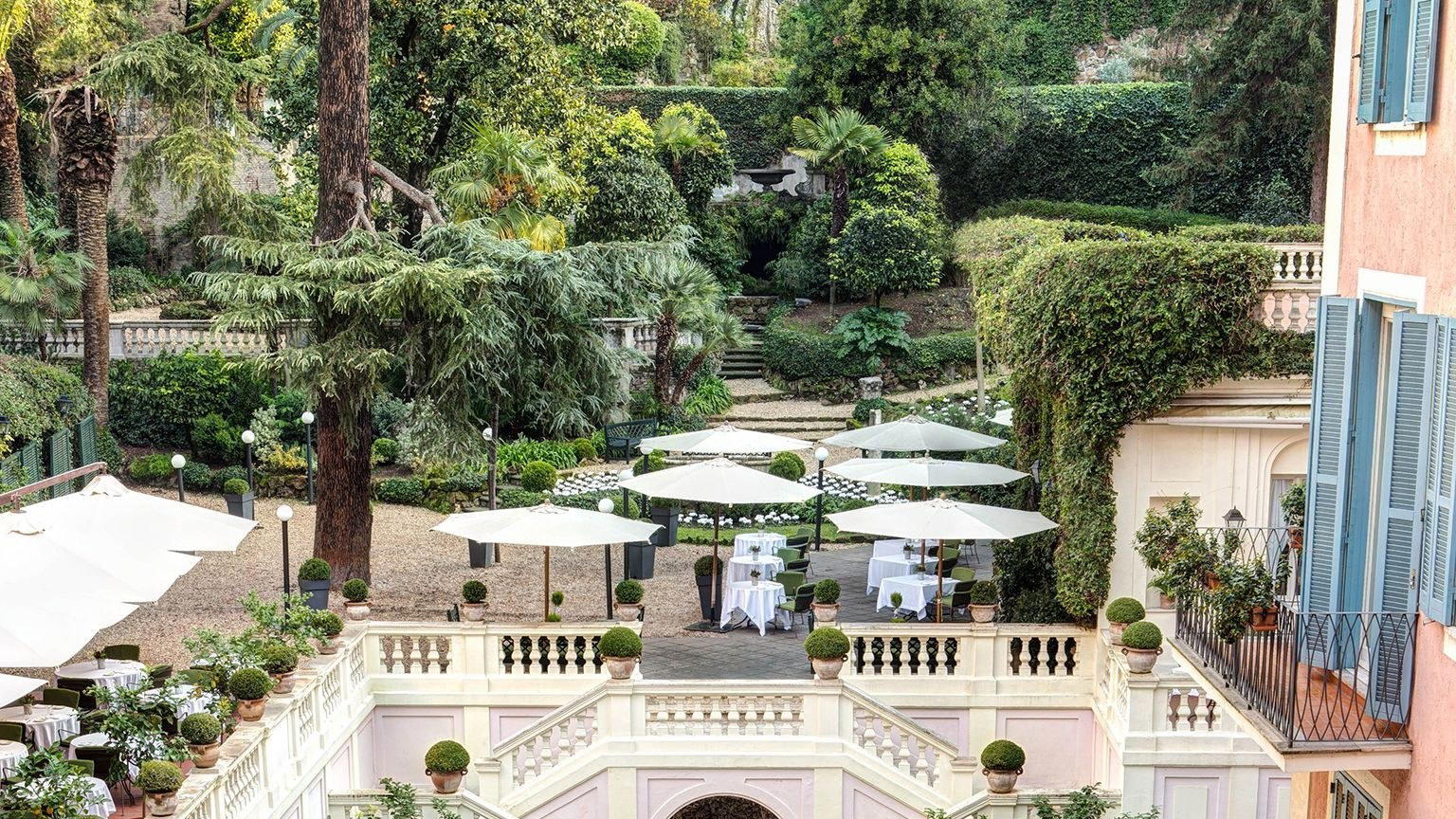
Bright wood-panelled dining room with sun-soaked outdoor terrace, contemporary design blending with relaxed Italian hospitality.