JUNGDON (정돈)
JUNGDON (정돈) operates in Seoul's Gangnam district, where the city's more precise, pared-back approach to Korean dining has taken hold alongside its fine-dining flagships. The address on Gangnam-daero 110-gil places it in a neighbourhood increasingly defined by considered, service-led restaurants that treat the classics as a starting point rather than a constraint.
Pearl is the En Primeur Club membership app — saves, bookings, and concierge access live there. Same editors, same standards.
- Address
- 강남구 강남대로110길 26 (강남점), 역삼1동, 서울특별시, 서울특별시, 06123
- Directions
- Get directions
 Saves & bookings on Pearl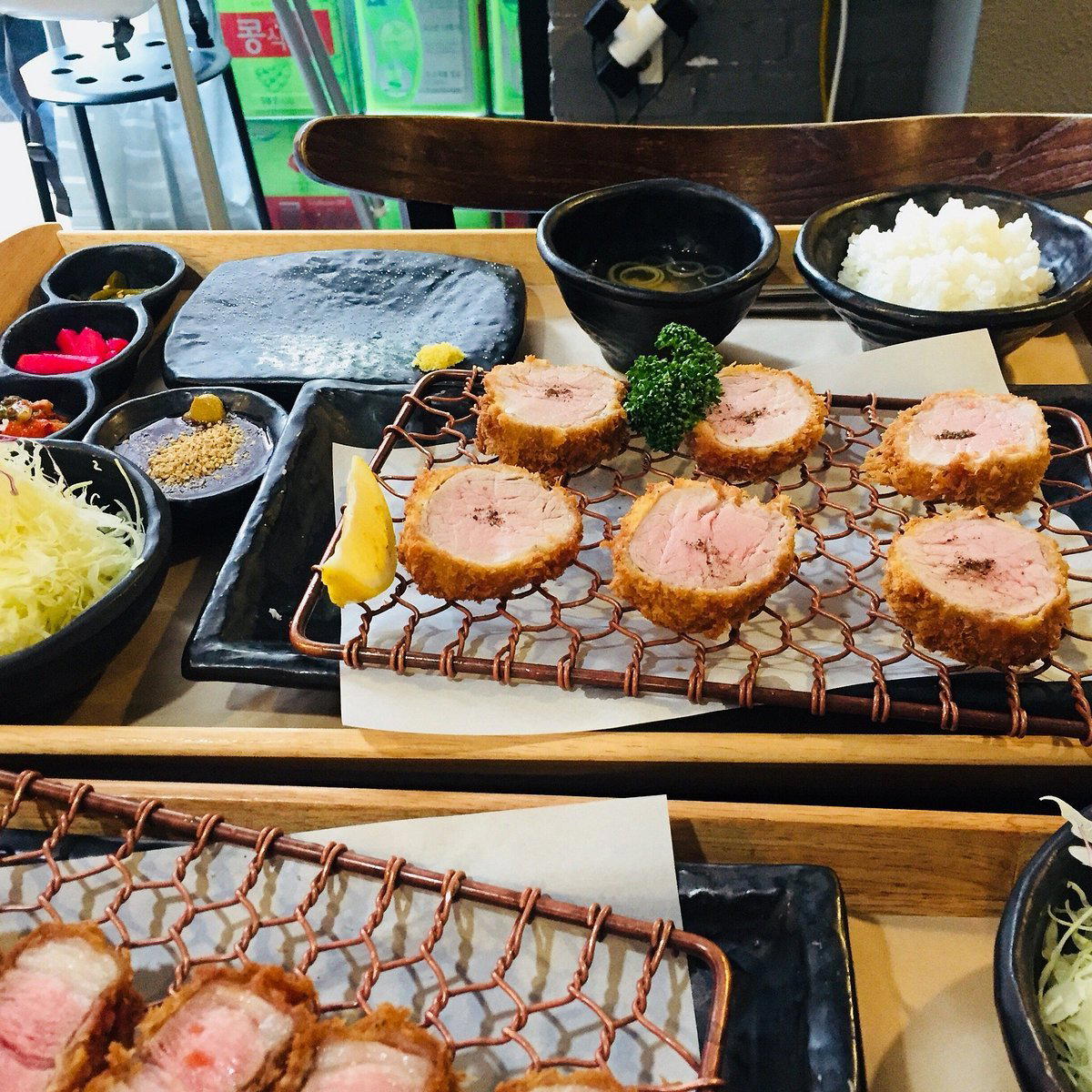
Gangnam's Quieter Register
Gangnam's dining identity is usually framed around its flagship tasting-menu addresses, the Michelin-starred rooms where Korean cuisine meets international technique, and where a reservation can require months of planning. But the neighbourhood carries a second, quieter current: restaurants that operate without the spectacle of a reveal-and-explain service format, where the kitchen's discipline is communicated through consistency rather than ceremony. JUNGDON (정돈) is a Japanese tonkatsu restaurant in Gangnam, Seoul, with a casual dress code and a walk-in-friendly policy.
The address, Gangnam-daero 110-gil 26, in Yeoksam-dong, anchors it in a quieter side street off Gangnam-daero. Gangnam's restaurant density means that venues without walk-in foot traffic survive on reputation and repeat custom rather than location premium. That dynamic tends to select for places where the team has had to build something more durable than novelty.
Where JUNGDON Sits in Seoul's Dining Spread
Seoul's current dining structure runs across a clear price and format spectrum. At the leading sit the multi-course tasting rooms: Mingles, Jungsik (Contemporary), and Kwonsooksoo occupy the Michelin-starred tier, where the interaction between Korean culinary grammar and contemporary plating has been most extensively documented. Below that, a productive middle tier has developed, restaurants like Soigné and alla prima that bring rigour to a more approachable format. Comparison addresses in JUNGDON's approximate peer group include spots like Zero Complex (Korean-French, ₩₩₩₩) and 7th Door (Korean Contemporary, ₩₩₩₩), which suggest a market that has matured enough to sustain multiple approaches to the same culinary question.
What that positioning means for the diner is a restaurant where the quality ceiling is high but the entrance conditions are less demanding, no dress-code performance, no theatrical pre-service briefing, no prix-fixe commitment required from the moment you book. Seoul's dining scene has diversified precisely because not every serious meal needs to be an event.
The Team Dynamic in Korean Dining
In Seoul's more considered dining rooms, the relationship between kitchen, floor, and, where applicable, a beverage program has become one of the clearest markers of a restaurant's ambition. The cities where Korean fine dining has made its international mark, from New York addresses like Atomix to European capitals, have largely done so by constructing service as a collaborative act: the front-of-house carries the explanatory load that allows the kitchen to stay focused. Back home in Seoul, the same principle applies, but with a different social register, less translation, more assumption of shared reference.
Restaurants in Gangnam's mid-to-upper tier have had to develop front-of-house fluency as a differentiator, because the cuisine itself, Korean, with varying degrees of contemporary adaptation, is not the novelty it once was to local diners. The competitive pressure is now around execution and consistency, and both of those qualities depend on a team that communicates internally as well as it performs externally. The floor staff at a restaurant like JUNGDON are not simply order-takers; they carry the bridge between what the kitchen is doing on any given day and what a returning diner expects from the address.
This collaborative model is visible across Korea's dining culture at various scales. The regional addresses worth tracking, including Mori in Busan, Dining Room (다이닝룸) in Busan, and more casual benchmarks like Gobojeong Galbi #1 in Suwon or Doosoogobang in Suwon, all operate with their own version of team-driven service, calibrated to what their format and price point require.
Seasonal Rhythm and Timing
Korean cuisine is deeply seasonal in its ingredient logic, and Gangnam's more serious dining rooms follow that rhythm closely. Spring brings a concentration of mountain vegetables, namul preparations that require sourcing discipline and kitchen technique in equal measure. Summer months shift toward cold preparations and lighter protein treatments. Autumn is when the kitchen's work with aged and fermented components tends to read most clearly against the season. Winter closes the loop, with heavier broths and preserved ingredients that carry the memory of what was grown earlier in the year.
For a first visit, the period between late September and November tends to surface particularly layered versions of Korean seasonal cooking across Gangnam's mid-tier restaurants. Visiting Seoul in this window also coincides with lower tourism pressure than the peak summer months, which has practical benefits for availability across the neighbourhood's more popular addresses. Parallel dining in Jeju, where venues like Badang Lounge, 88돼지, and Black Pork BBQ in Seogwipo offer a regional counterpoint to Seoul's register, follows a similar seasonal logic.
Planning a Visit
JUNGDON's Gangnam address is accessible from Gangnam Station (Line 2) with a short walk south along the main boulevard before turning onto the 110-gil side street. As with most Gangnam restaurants operating at this level, the assumption should be that reservations are the safer approach rather than a walk-in arrival, particularly on weekends and during the autumn dining window. Direct contact details are not listed here, so checking the venue's latest reservation channels before visiting is advisable.
For those building a wider Seoul itinerary around Korean culinary breadth, from high-format addresses like Mingles down through regional specialists and traditional formats, the city's Gangnam and Jongno districts together cover most of the serious ground. Beyond Seoul, Hwangnam Bread and Busan Steamed Bun in Gyeongju, Gyeongju Wonjo Kongguk, and Hinode (히노데) in Seogwipo each represent a different strand of how Korean food culture operates outside the capital.
Peers You’d Cross-Shop
Comparable venues nearby, for context on price, style, and recognition.
| Venue | Cuisine | Price | Notes |
|---|---|---|---|
| JUNGDON (정돈)This venue — the venue you are viewing | Japanese Tonkatsu | $$ | Not listed |
| íë í¼ì¤ ë¤ì´ì´í¸ í¸ë ííìì (Preppers Diet Food Hyehwa) | Diet Japanese | $$ | 혜화동 |
| Ciuri Ciuri | Authentic Sicilian Italian | $$ | 연남동 |
| Hyodo Chicken | Korean Fried Chicken | $$ | Jongno-gu |
| Rosso1924 | Authentic Neapolitan Pizza | $$ | 연남동 |
| Seasons Table buffet | Seasonal Korean Buffet | $$ | 가회동 |
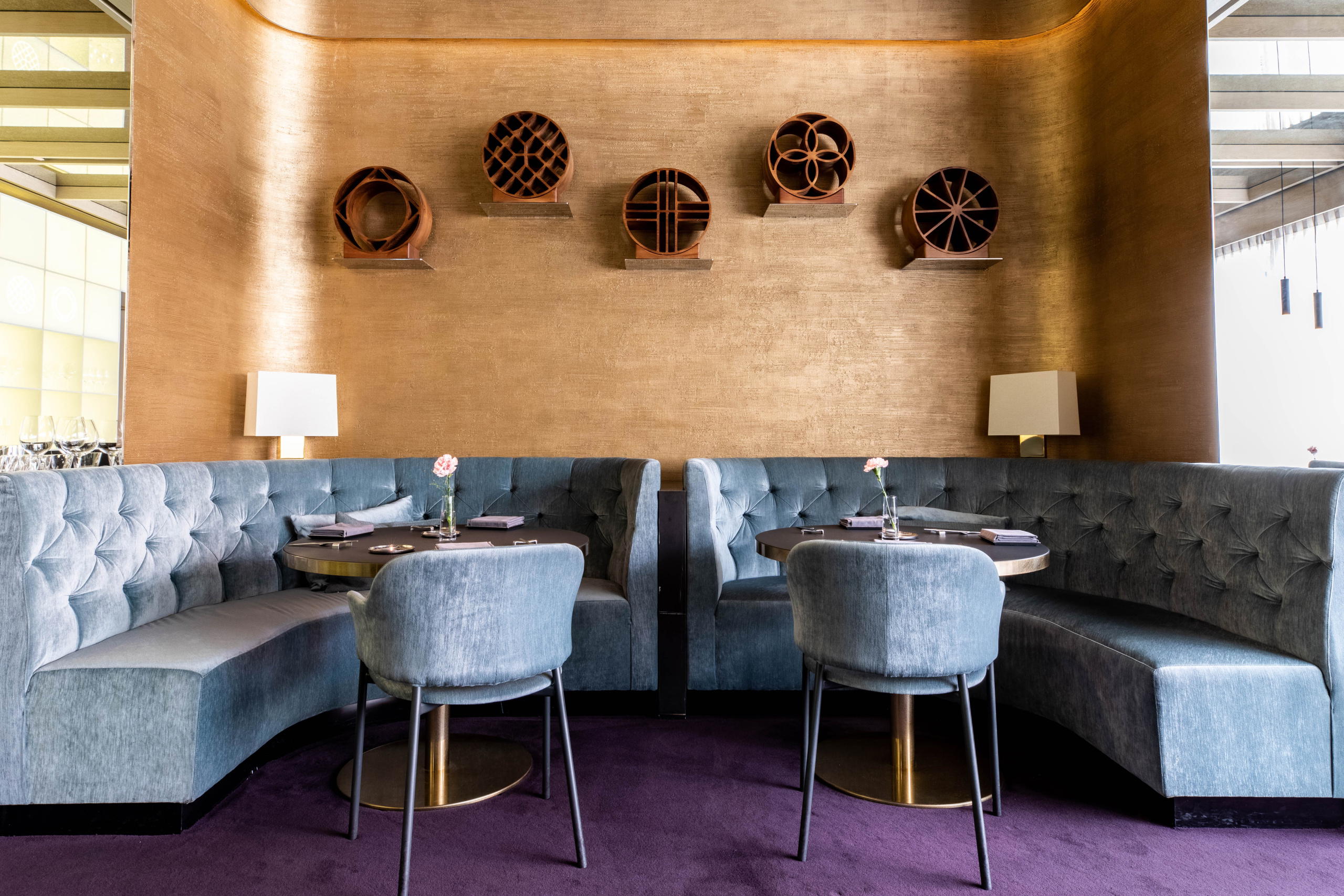
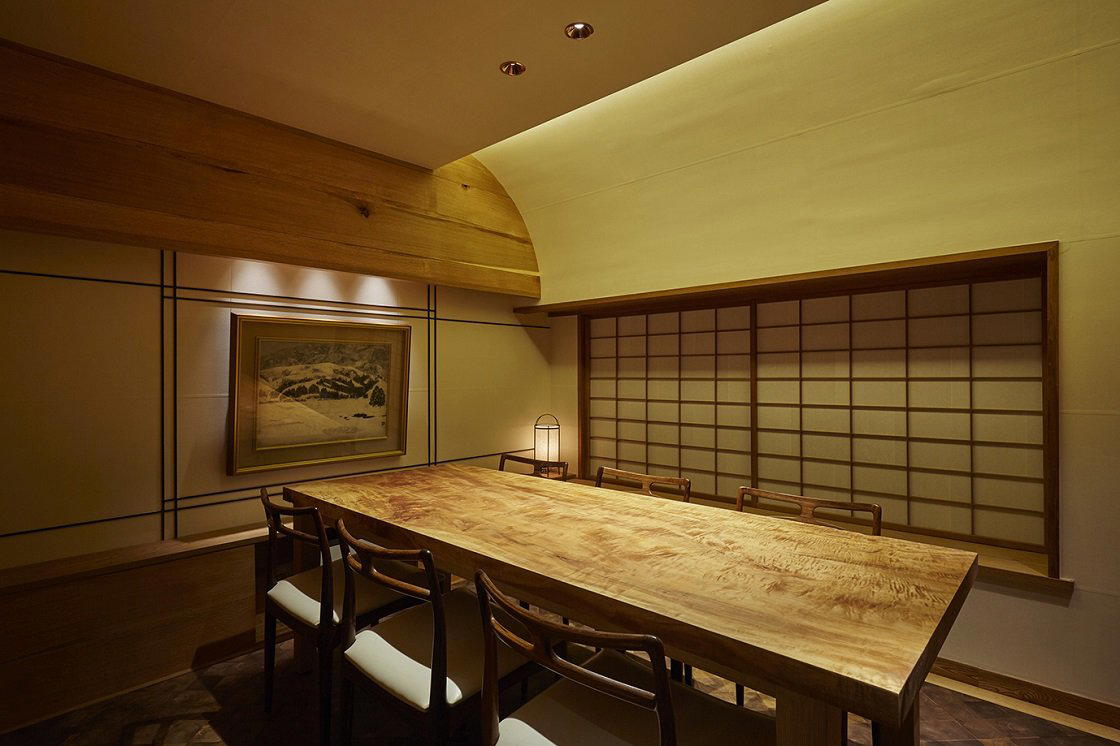
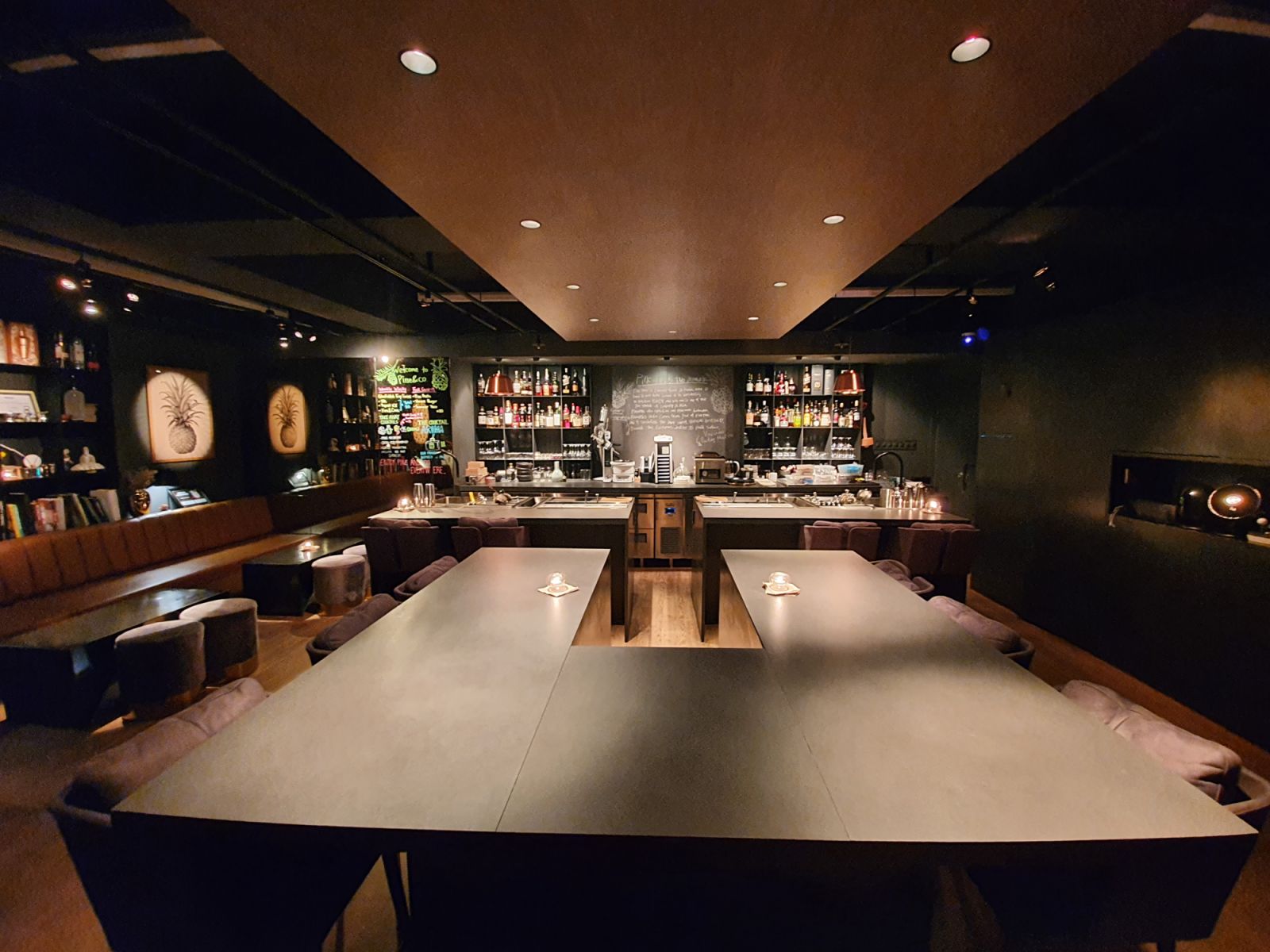
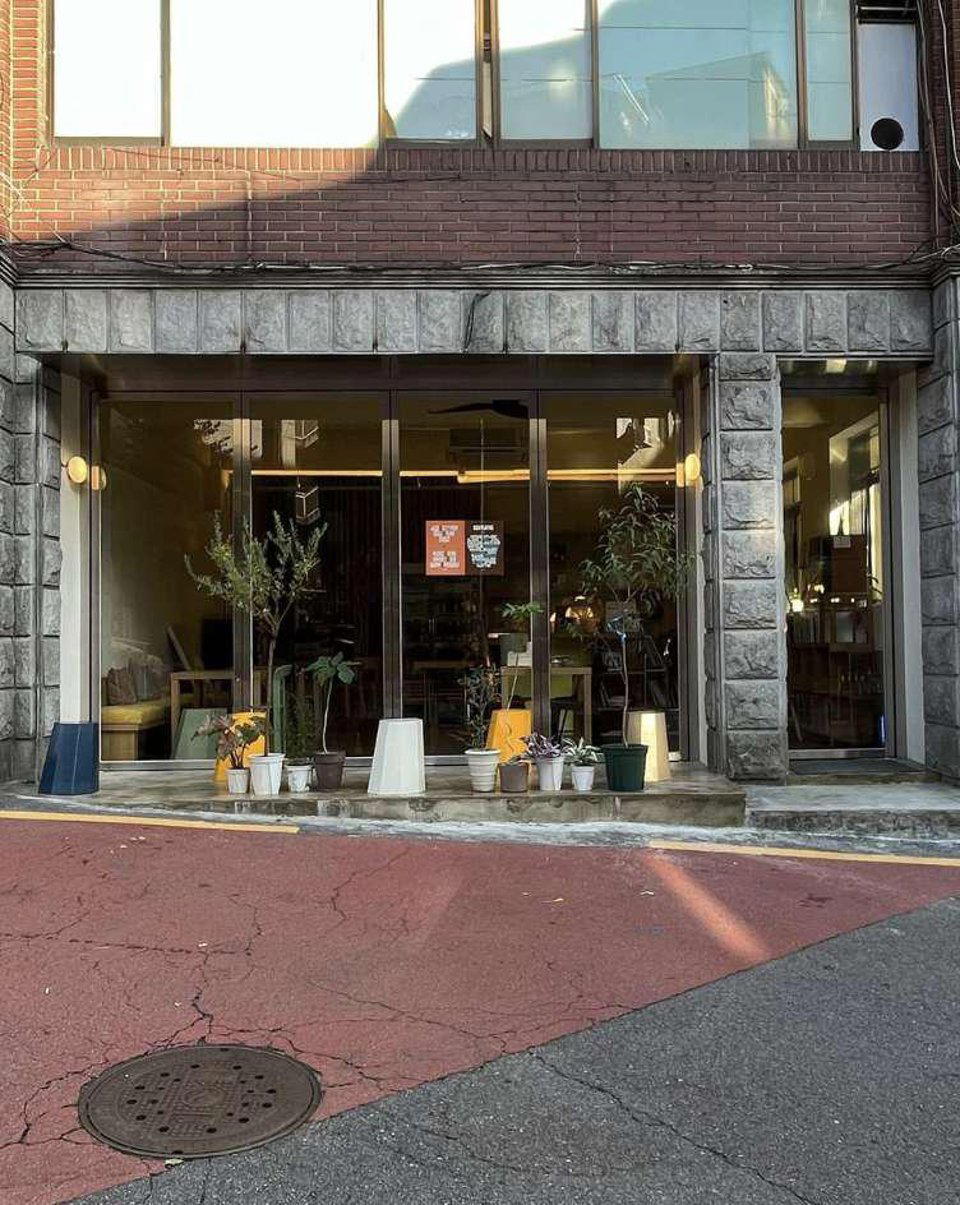
At a Glance
- Lively
- Trendy
- Casual Hangout
- Group Dining
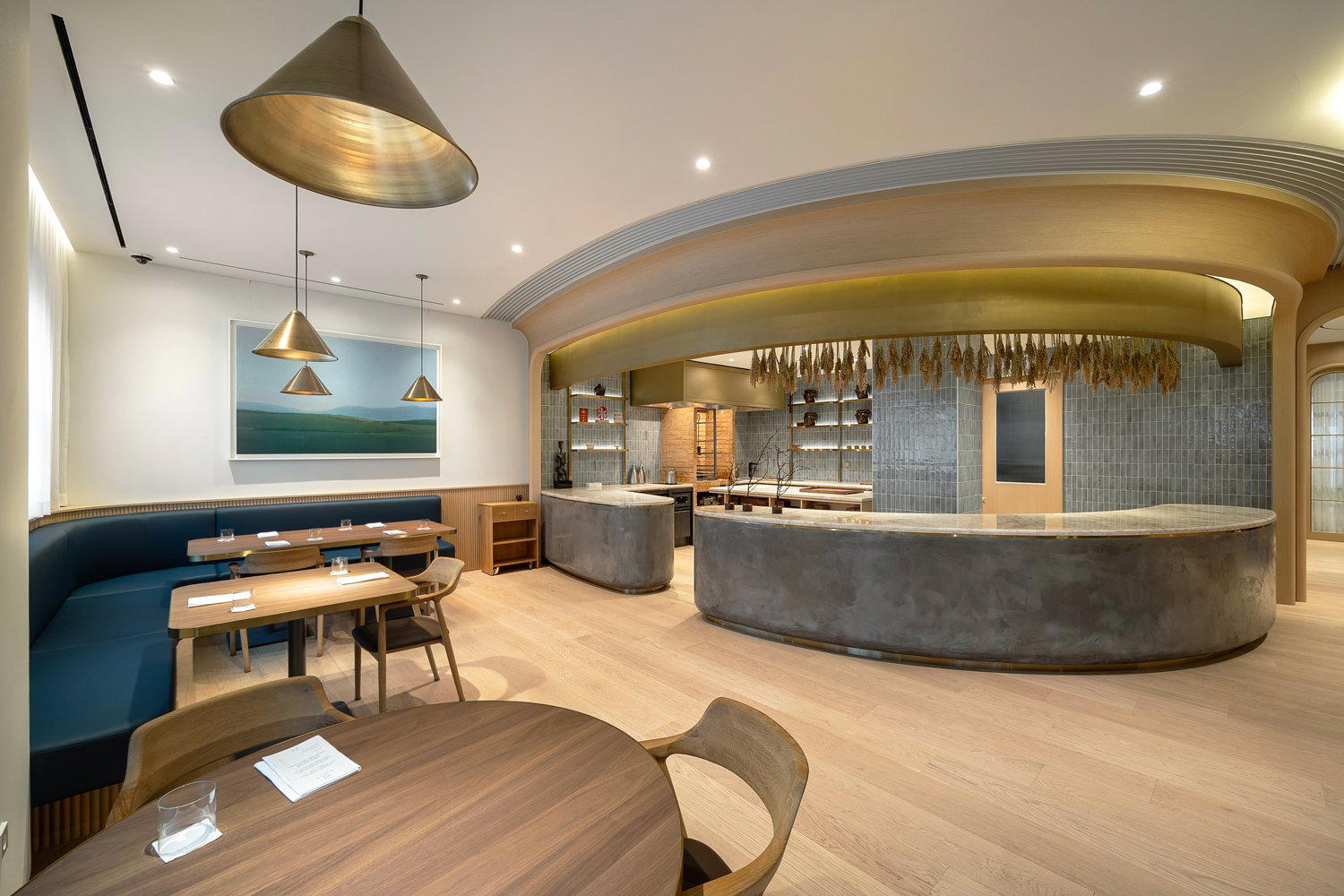
- Open Kitchen