Born and Bred






Born and Bred occupies four floors in Seoul's Majang-dong, the district that has defined Korea's Hanwoo beef trade for decades. Each floor operates under a distinct concept, from signature burgers and grilling cuts to a chef's choice tasting menu, all anchored by top-grade Hanwoo sourced directly through the owner's long ties to the local market. Choose your floor before you book, the formats differ substantially.
Pearl is the En Primeur Club membership app — saves, bookings, and concierge access live there. Same editors, same standards.
- Address
- 2F, 1 Majang-ro 42-gil, Seongdong-gu
- Phone
- +82 2-2294-5005
- Website
- bandb.co.kr
- Directions
- Get directions
 Saves & bookings on Pearl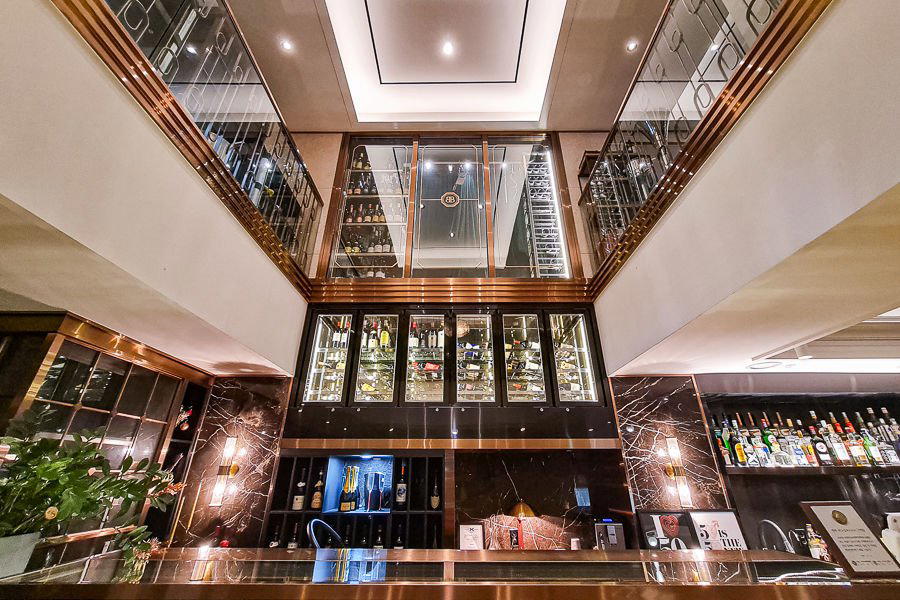
Majang-dong and the Grammar of Hanwoo
Seoul's relationship with Hanwoo beef is not merely culinary; it is economic, cultural, and deeply territorial. Majang-dong, the neighbourhood in Seongdong-gu where Born and Bred sits, has functioned as Korea's primary wholesale beef market for generations. Butchers, traders, and restaurateurs who work within its covered stalls operate within a supply chain that has shaped how Koreans think about beef quality, grading, and provenance, long before provenance became a restaurant marketing concept. This is the context that gives Born and Bred its framing: an owner with roots in Majang-dong translates market access and grading knowledge into a multi-concept dining address at 2F, 1 Majang-ro 42-gil.
Across Seoul's premium restaurant tier, Hanwoo increasingly appears as a shared ingredient rather than a distinguishing one. Fine-dining houses like Mingles and Jungsik incorporate domestic beef into tasting formats where it sits alongside fermented pastes, seasonal produce, and international technique. Born and Bred operates from a different premise: Hanwoo is not one component among many but the entire point. The sourcing relationship with the Majang-dong market is structural to the identity of the place, not a sourcing footnote.
Four Floors, Four Contracts With the Diner
The four-floor format is one operationally unusual aspect of the restaurant, and it demands that visitors make a deliberate choice before arriving. Each level runs under a distinct concept, and the dining experience shifts significantly depending on which you choose.
The range spans signature burgers and steaks at one end, formats that position top-grade Hanwoo within Western beef traditions, through to Korean-style grilling cuts where the interaction between diner and fire is more direct. Two floors operate set formats: one delivers a structured tasting menu, while the other presents a chef's choice menu that, by the restaurant's own description, most directly expresses its core identity. For visitors with a single visit, the chef's choice floor carries the clearest argument for coming specifically to the restaurant rather than to any number of Seoul's competent Hanwoo grill houses.
This vertical segmentation mirrors a broader trend in ambitious Korean dining, where a single address houses multiple concepts rather than consolidating identity around a single room. alla prima and Soigné represent the innovative end of Seoul's current output; the restaurant occupies a different register, rooted in ingredient provenance and Korean beef culture rather than cross-cultural technique.
Hanwoo Grading and What It Means at the Table
Korea's Hanwoo grading system runs from 1++ at the leading through 1+, 1, 2, and 3. The system evaluates marbling, colour, texture, and fat quality, an assessment framework comparable in rigour to Japan's Wagyu grading, though the breeds and flavour profiles differ. Top-grade Hanwoo at the 1++ level carries a price premium driven by limited supply: Hanwoo cattle numbers are strictly managed, and the highest grades represent a small fraction of total production.
The Majang-dong market connection matters here precisely because direct sourcing at scale, with genuine access to leading grades, is not automatic. Restaurants in Seoul's competitive beef dining segment often work through intermediaries; the owner's embedded position in Majang-dong removes at least one layer of that chain. Specialty selections available by weight at the restaurant allow for the kind of cut-specific ordering that reflects this sourcing depth.
For diners arriving from outside Korea, the comparison that most often comes to mind is Wagyu, but the analogy is partial. Hanwoo carries its own fat structure and amino acid profile, with a sweetness and depth that Korean beef specialists distinguish clearly from Japanese counterparts. Eating top-grade Hanwoo in proximity to the market where it was graded and traded is an exercise in traceability that few dining formats in Seoul can genuinely claim.
Seongdong-gu as a Dining District
Seongdong-gu sits east of central Seoul, a district whose character has shifted over the past decade from industrial and market-oriented to a more mixed profile, with the Majang-dong beef market coexisting alongside newer food and retail development. The restaurant is positioned physically and conceptually at the intersection of those two realities: a market-rooted ingredient story in a district increasingly aware of its own dining identity.
For visitors building a broader Seoul itinerary, the restaurant pairs logically with other Seongdong-gu exploration, though the neighbourhood's character differs markedly from the Gangnam concentration of high-end dining addresses such as Kwonsooksoo and Kwon Sook Soo. Seoul's dining geography has fragmented productively; compelling addresses now exist well beyond the Gangnam corridor. Our full Seoul restaurants guide maps the broader picture, while the Seoul hotels guide, bars guide, and experiences guide cover complementary planning.
For those extending travel across Korea, comparable ingredient-focused addresses worth noting include Mori in Busan and Baegyangsa Temple in Jangseong-gun for different expressions of Korean food culture rooted in place and tradition. Regional explorations like Double T Dining in Gangneung and Pool House in Incheon further illustrate how Korean dining beyond Seoul draws on local provenance with increasing confidence. The Seoul wineries guide is also worth consulting for pairing context, given the growing domestic interest in Korean natural and craft wine alongside premium beef dining.
Planning a Visit
The address, 2F, 1 Majang-ro 42-gil, Seongdong-gu, places the restaurant within walking distance of the Majang-dong market itself. Deciding which floor to book is one consequential planning step; the chef's choice menu floor is the format most closely associated with the restaurant's identity and the one most likely to reflect the full range of Hanwoo grades being sourced at a given time. The grilling and à la carte floors suit visits where the priority is informal interaction with the product rather than a structured progression.
- Diamond-Cut Top Blade
- Just-Seared Sirloin with Pickled Mustard Seeds
- Hanwoo Tataki with Truffle Soy Sauce
- Korean Style Raw Beef Yukhoe
- Brisket Hot Pot Rice with Soy-Bean Paste Soup
- Born & Bred Signature Pho
Price and Positioning
Comparable venues nearby, for context on price, style, and recognition.
| Venue | Cuisine | Price | Awards | Notes |
|---|---|---|---|---|
| Born and BredThis venue — the venue you are viewing | 마장동, Premium Korean Hanwoo Beef Omakase | $$$$ | Michelin Plate, World's 50 Best #56 | Not listed |
| YUN | 소공동, Modern Korean Fine Dining | $$$$ | Michelin 1 Star | Not listed |
| Bicena | Not listed | $$$$ | Michelin 1 Star | Jamsil-dong, Contemporary Korean Fine Dining |
| Evett | 압구정동, Modern Innovative Korean | $$$$ | Michelin 2 Star | Not listed |
| VINHO | 압구정동, Modern Korean Contemporary | $$$$ | Michelin 1 Star | Not listed |
| La Yeon | 광희동, High-End Traditional Korean | $$$$ | Michelin 2 Star | Not listed |
Recognition history
Dated appearances from independent guides and award organizations, with the underlying list record or original source where available.
Black Pearl 2 Diamond
Black Pearl
Michelin Plate
Michelin · 2026 Michelin Plate
Opinionated About Dining Top Restaurants in Asia Ranked #11
Opinionated About Dining
World's 50 Best Asia's Best Restaurants #56
World's 50 Best
World's Best Steaks 101 Best Steak Restaurants #26
World's Best Steaks
Tatler Listed in Best Restaurants Asia-Pacific
Tatler
At a Glance
- Elegant
- Intimate
- Sophisticated
- Modern
- Special Occasion
- Celebration
- Date Night
- Business Dinner
- Private Dining
- Open Kitchen
- Chefs Counter
- Design Destination
- Sommelier Led
- Extensive Wine List
- Local Sourcing
Current opening hours
- Monday
- 12–3 PM, 6–10:15 PM
- Tuesday
- Closed
- Wednesday
- 12–3 PM, 6–10:15 PM
- Thursday
- 12–3 PM, 6–10:15 PM
- Friday
- 12–3 PM, 6–10:15 PM
- Saturday
- 12–3 PM, 6–10:15 PM
- Sunday
- 12–3 PM, 6–10:15 PM
Hours can change for holidays and private events. Last verified .
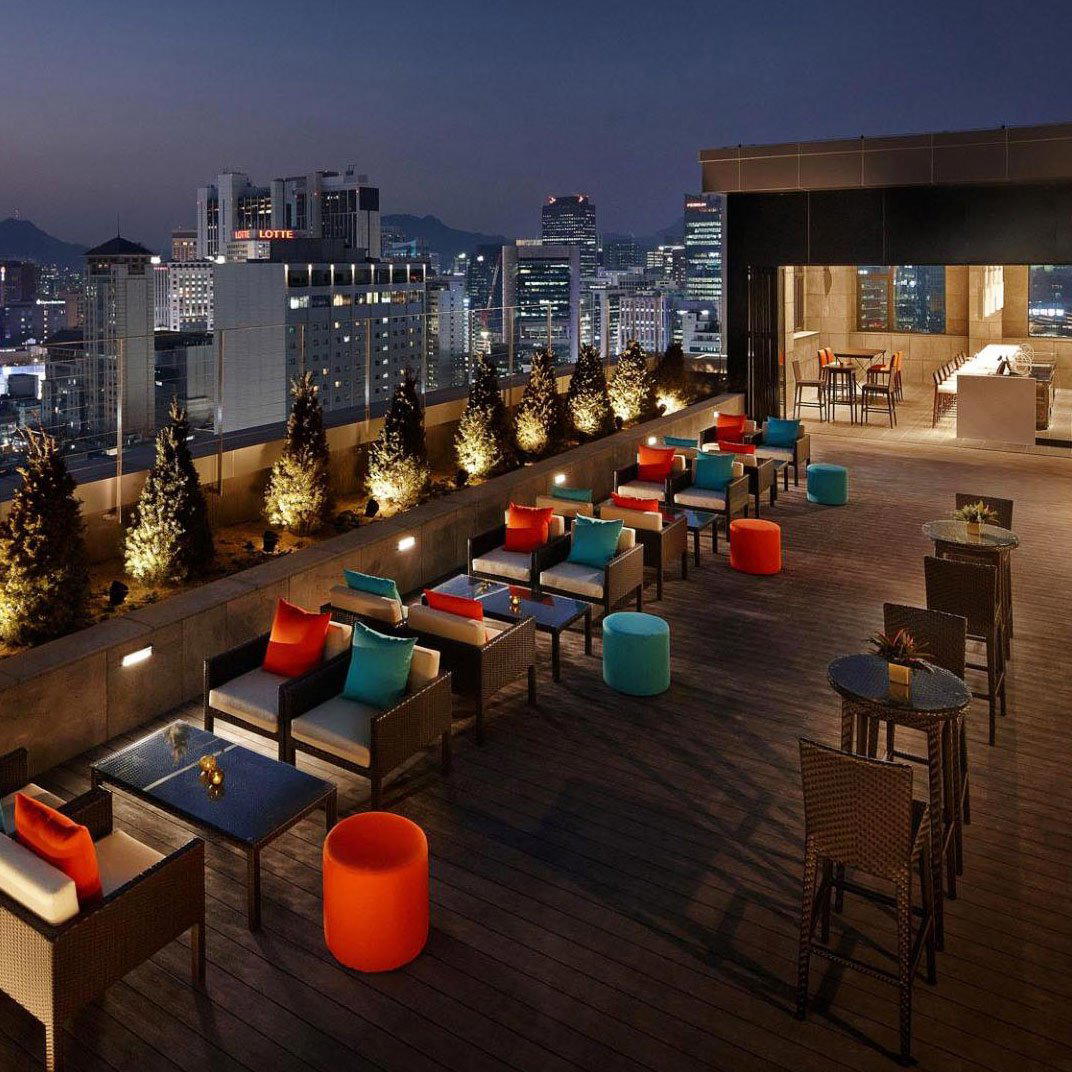
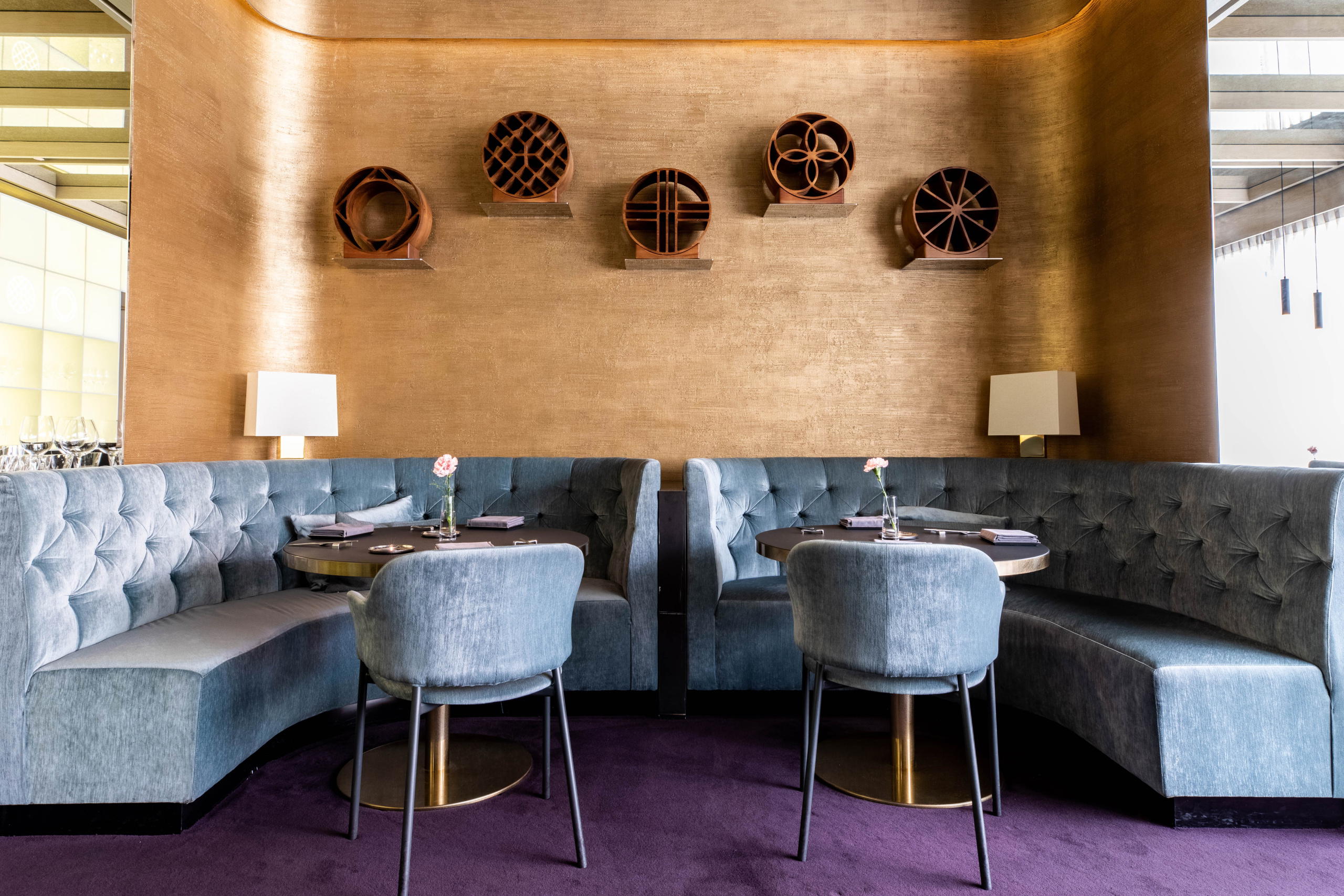
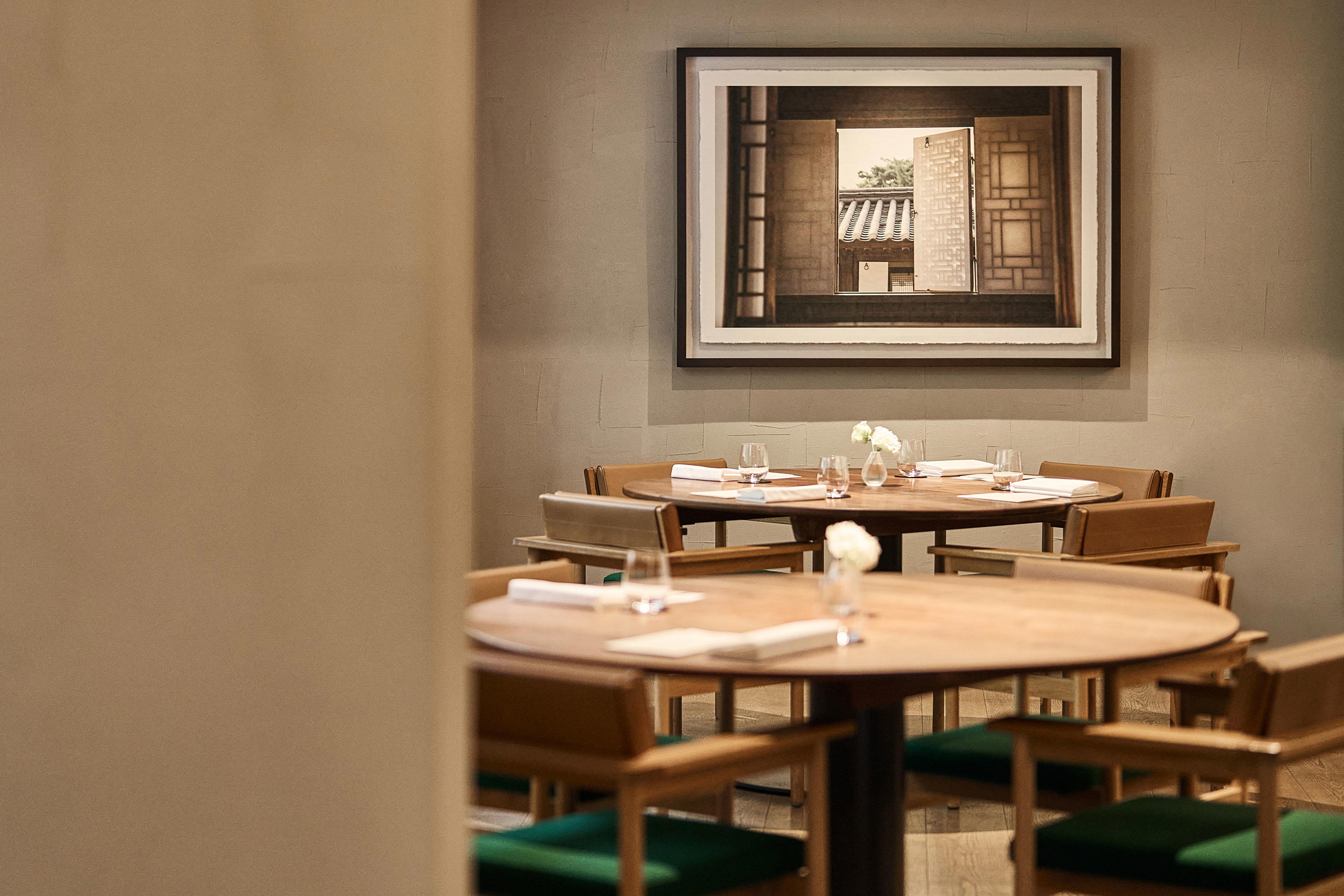
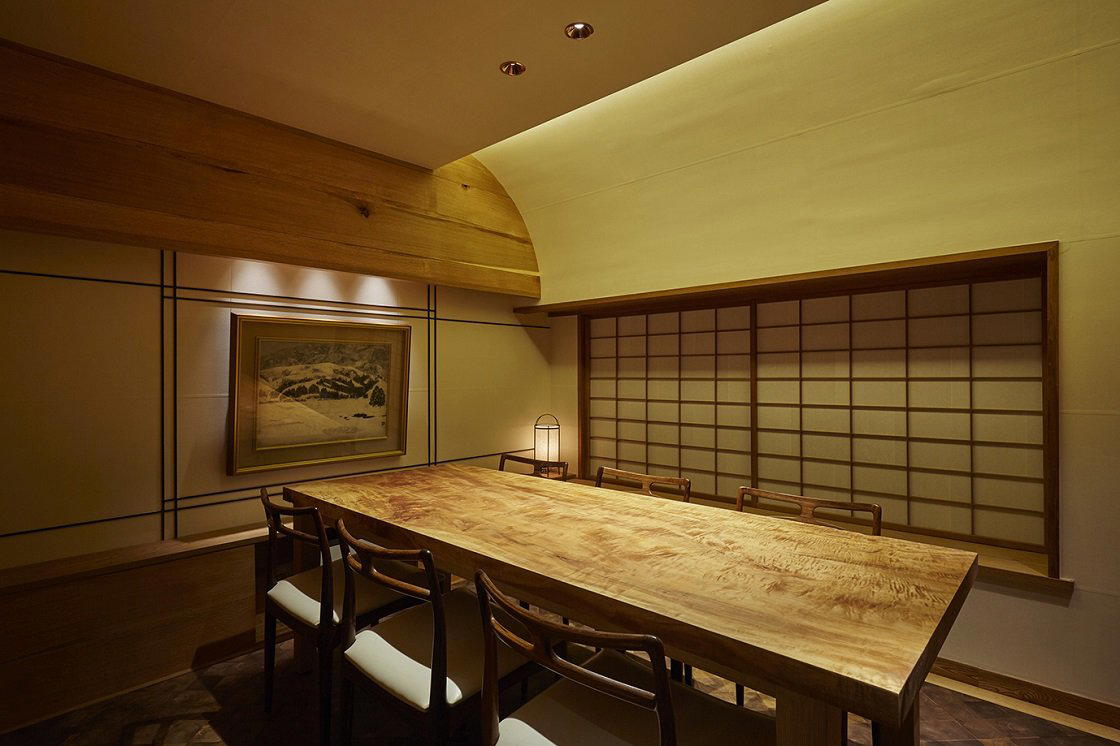
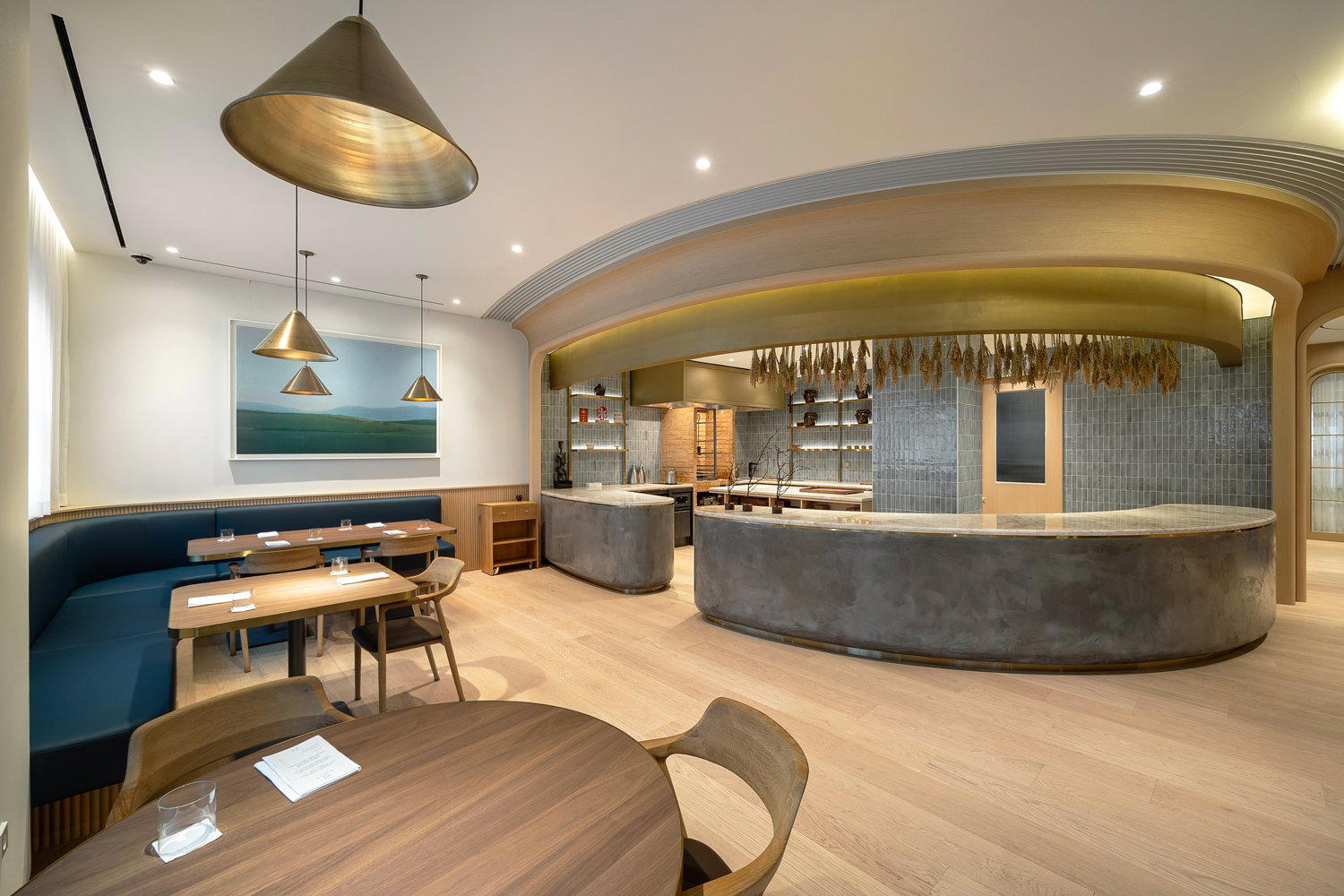
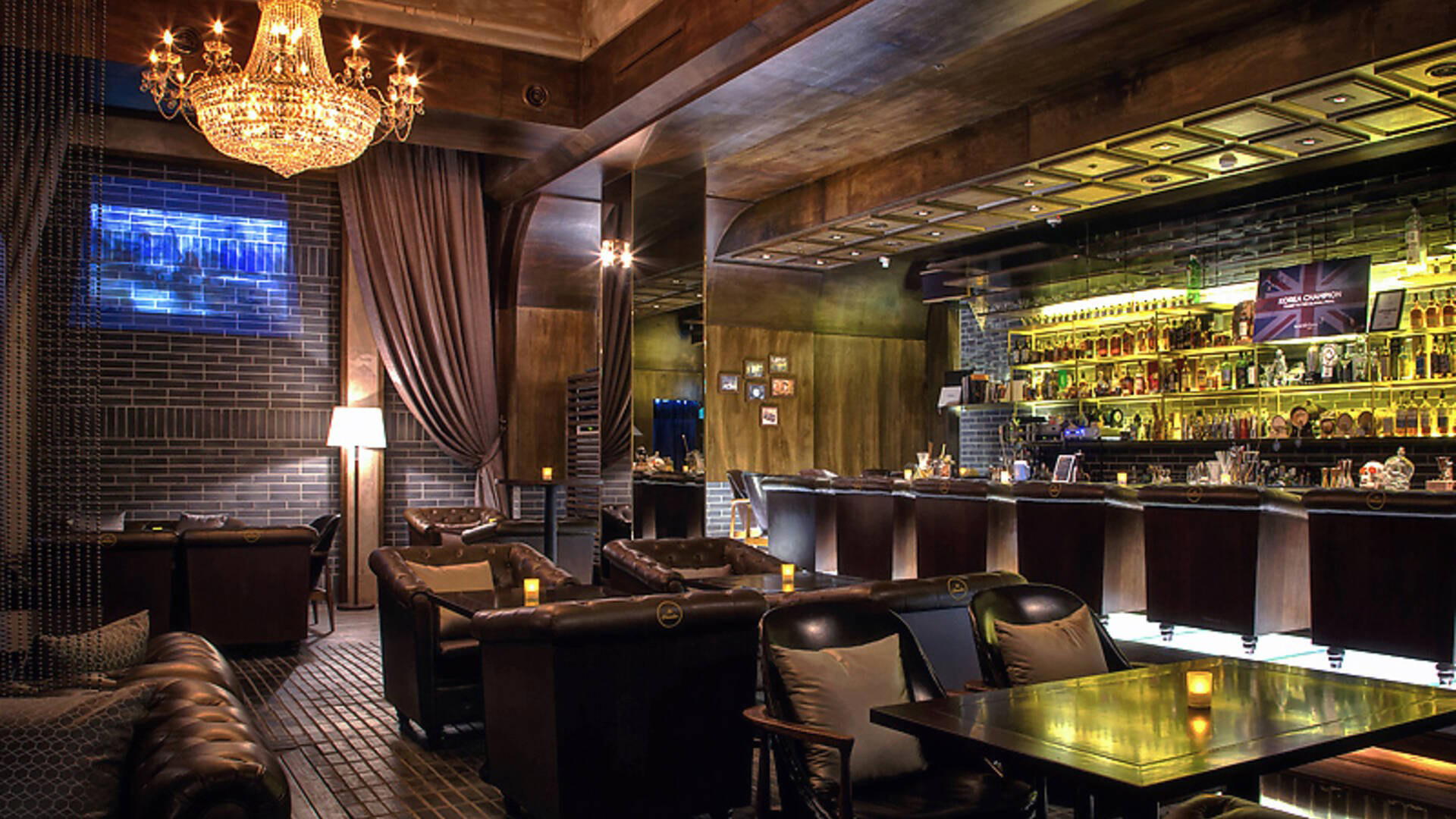
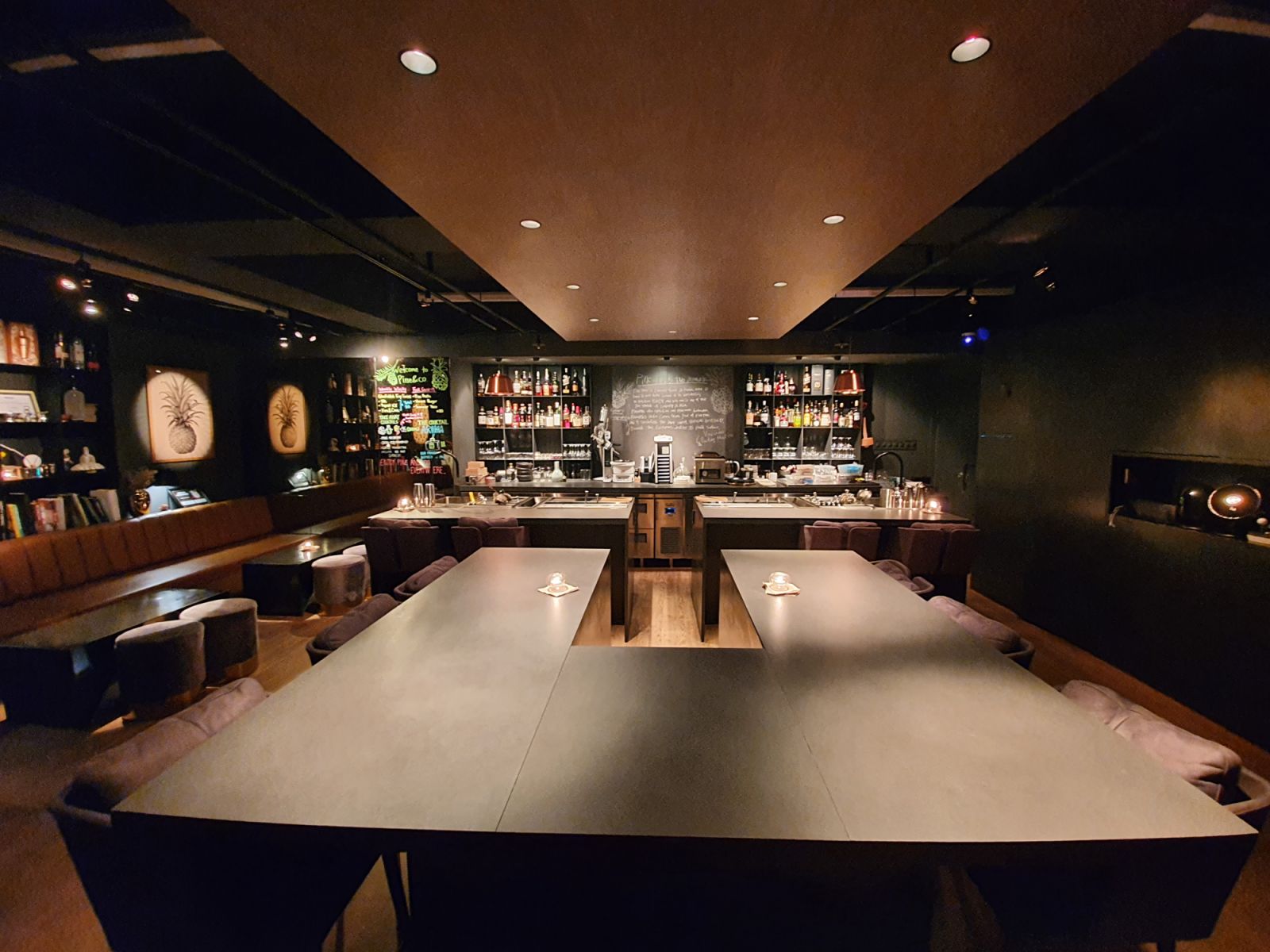
Forest green and brushed copper accents with Hollywood-like refinement; basement speakeasy features leather seats and bronze touches with intimate seven-to-ten seat counter; private rooms are stately and chambered.