Haemok Nonhyeon
Haemok Nonhyeon serves Traditional Japanese Eel Rice Bowl (Hitsumabushi) in a casual, conversational setting with standard pacing, fitting lunch or dinner plans.
Pearl is the En Primeur Club membership app — saves, bookings, and concierge access live there. Same editors, same standards.
- Address
- Seoul, South Korea
- Directions
- Get directions
 Saves & bookings on Pearl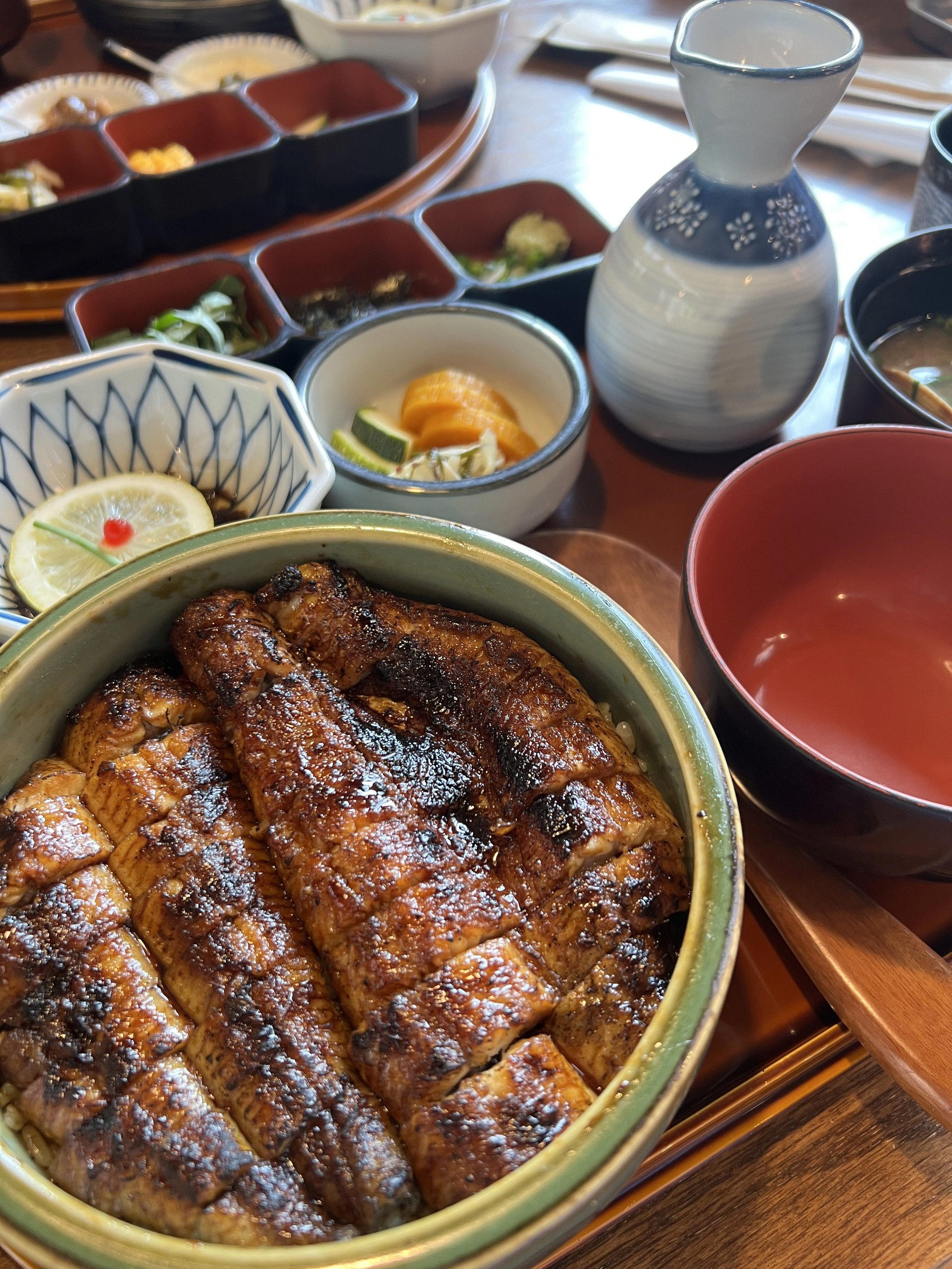
Nonhyeon after Dark: What the Neighbourhood Tells You Before You Sit Down
Nonhyeon-dong occupies a different register from Seoul's more photographed dining districts. Gangnam's commercial energy softens here into a grid of low-rise buildings, wine bars tucked behind frosted glass, and restaurants whose signage tends toward understatement. The area has become a reliable address for a particular kind of Seoul dining: serious, relatively intimate, and pitched at guests who already know what they are looking for. Haemok Nonhyeon is a restaurant in Seoul serving Traditional Japanese Eel Rice Bowl (Hitsumabushi), with a casual dress code and recommended reservations.
At one end, addresses like Mingles and Jungsik operate as internationally referenced anchor points, regularly cited in award contexts and drawing visitors alongside a local clientele. At the other, a layer of more neighbourhood-scaled restaurants handles the demand of Seoul's own food-literate population, which is large and exacting. Haemok Nonhyeon sits closer to that second category, a Nonhyeon address with a local following rather than an international reputation built on award cycles.
The Sensory Register of a Korean Counter Meal
The experience of eating at this level of the Seoul market tends to share certain physical qualities regardless of the specific address. Counter or small-table formats concentrate the kitchen's presence in the room. Sound is controlled, the ambient noise of a formal Korean meal is lower than its Japanese omakase equivalent, partly because service culture here is attentive without being theatrical. What you smell on approach tends to come from the banchan prep rather than the main proteins: fermented notes, sesame oil, the faint char of doenjang-based sauces reducing in a back kitchen. These are not incidental details. They are the sensory shorthand for a category of Korean dining that places preservation, fermentation, and restrained heat at its centre.
Seoul's contemporary Korean restaurants have been working through a sustained period of reappraisal of what the cuisine can hold. The conversation at places like Kwonsooksoo and Soigné has been about how much European technique or format discipline can be absorbed before the Korean identity of a dish becomes performative rather than structural.
Where Haemok Nonhyeon Sits Against Its comparable set
The Gangnam-adjacent dining tier, which includes Nonhyeon, Cheongdam, and parts of Apgujeong, tends to run at price points that reflect both real estate and clientele expectations. Premium-format Korean restaurants in this zone typically position between the accessible hanjeonsik houses and the upper bracket occupied by Michelin-recognised tasting-menu destinations. Peer context here includes venues like 7th Door and Onjium, both operating at ₩₩₩₩ pricing with Korean or contemporary Korean formats, and Zero Complex, which has carved out a Korean-French positioning at a similar tier. The relevant question for any new or less-documented entry in this comparable set is what it contributes that the established addresses do not.
For international visitors already familiar with the Seoul scene, the comparison set extends further. alla prima represents the innovative end of Seoul's dining conversation, while Eatanic Garden has built a contemporary-format identity at ₩₩₩₩ pricing. Against those benchmarks, Haemok Nonhyeon's Nonhyeon address and its apparent focus on Korean formats places it in the more tradition-anchored part of the spectrum, which is not a lesser position, it is simply a different one, with a different audience.
Booking, Timing, and What to Expect Practically
Visiting a restaurant at this level of the Gangnam-area market generally requires advance planning. Seoul's premium dining reservation culture has tightened considerably since 2022, with the city's own demand more than sufficient to fill smaller-format restaurants regardless of international visitor numbers. Reservations are recommended, and the restaurant is open Monday through Friday from 11 AM to 3 PM and 5 to 10 PM, with Saturday and Sunday service from 11 AM to 10 PM.
The Nonhyeon location itself is navigable from central Gangnam via the Line 7 Nonhyeon station, which places the area within easy reach of the broader Apgujeong and Cheongdam cluster. Guests combining the restaurant with broader Seoul itineraries will find that an evening here slots naturally alongside the neighbourhood's wine bar circuit or a pre-dinner stop in nearby Cheongdam.
For those extending beyond Seoul, the EP Club Korea coverage includes Mori in Busan, Badang Lounge in Jeju, and regional addresses ranging from Black Pork BBQ in Seogwipo to Hwangnam Bread and Busan Steamed Bun in Gyeongju. The regional picture is useful context for understanding how Seoul's premium tier relates to Korean dining more broadly, a relationship that the city's leading restaurants have been thinking about seriously for at least the past decade.
Beyond Korea, the conversation about how a national cuisine holds its identity inside increasingly formalised fine-dining structures is one Seoul shares with New York's Korean diaspora scene. Atomix in New York represents one answer to that question; Le Bernardin offers a useful counterpoint as a restaurant that has resolved a similar tension, how to be definitionally French without becoming a museum, over several decades.
Additional regional context from the EP Club Korea files: 88돼지 in 제주시, Gobojeong Galbi #1 in 수원시, Hinode in 서귀포시, Doosoogobang in Suwon, Dining Room in 부산광역시, and Gyeongju Wonjo Kongguk in 경주시.
Questions Answered
- What's the must-try dish at the restaurant?
- EP Club does not publish specific dish recommendations without verified sourcing, doing so risks misleading guests if menus have changed. What the broader Korean dining tradition at this level tends to prioritise is fermented and preserved ingredients as structural elements rather than garnish, which is a useful frame for approaching any tasting format here. For verified current menu detail, contact the restaurant directly or consult a concierge with recent first-hand experience.
- Do I need a reservation for the restaurant?
- In Seoul's Gangnam-adjacent dining tier, advance reservations are the rule rather than the exception. Premium Korean restaurants in Nonhyeon and neighbouring districts operate at limited capacity, and local demand is sufficient to fill seatings without international visitors. Plan to book ahead, particularly for weekend evenings, and use hotel concierge channels if direct contact proves difficult.
- What's the signature at the restaurant?
- Without verified current menu data, EP Club cannot responsibly identify a signature dish. The restaurant's Korean format and Nonhyeon positioning suggest a programme rooted in traditional technique rather than European-fusion re-framing, a distinction that matters in Seoul's current dining conversation, where venues like Kwonsooksoo and Mingles have each staked out different positions on that spectrum.
- Can the restaurant accommodate dietary restrictions?
- Traditional Korean tasting formats frequently involve fermented, seafood-derived, and animal-based components that are structural to the dishes rather than optional additions. Guests with specific dietary requirements should contact the restaurant before booking, the format may have limited flexibility depending on the restriction. Seoul-based hotel concierges with strong Gangnam relationships are often best placed to make that enquiry in advance.
- Is eating at the restaurant worth the cost?
- The value question in Seoul's Gangnam-area dining tier is partly about what you are measuring against. At ₩₩₩₩-equivalent pricing, the comparable set includes venues with documented Michelin recognition and international award profiles. The restaurant's position in that tier is not yet anchored by verifiable public award data, which means the case for visiting rests on neighbourhood reputation and format rather than external validation. For guests building a Seoul itinerary around documented benchmarks, pairing a visit here with a reservation at Mingles or Jungsik allows for a direct comparison.
- What kind of dining format does the restaurant use, and how does that compare to other Nonhyeon-area restaurants?
- Nonhyeon's premium dining tier tends to favour structured formats, either set-course Korean or contemporary tasting menus, over à la carte. This places the restaurant in a neighbourhood category where the meal's progression is largely predetermined, which is consistent with how Seoul's food-literate local clientele approaches a serious dinner. Guests familiar with the omakase model from Japanese dining will recognise the underlying logic, though the Korean version typically involves more table-sharing elements and a different rhythm of service.
Compact Comparison
Comparable venues nearby, for context on price, style, and recognition.
| Venue | Cuisine | Price |
|---|---|---|
| Haemok NonhyeonThis venue — the venue you are viewing | Not listed | $$ |
| BBQ Yul | 서초동, Premium Aged Pork Korean BBQ | $$ |
| Pizzeria Marione | Pizza | Not listed |
| 청담 하게 | Cheongdam, Japanese Izakaya with Curry | $$ |
| Minami | 소공동, Authentic Japanese Soba | $$ |
| C Through Cafe | Itaewon, Artistic Cream Art Cafe | $$ |

At a Glance
- Elegant
- Classic
- Intimate
- Casual Hangout
- Open Kitchen
- Standalone
Current opening hours
- Monday
- 11 AM–3 PM, 5–10 PM
- Tuesday
- 11 AM–3 PM, 5–10 PM
- Wednesday
- 11 AM–3 PM, 5–10 PM
- Thursday
- 11 AM–3 PM, 5–10 PM
- Friday
- 11 AM–3 PM, 5–10 PM
- Saturday
- 11 AM–10 PM
- Sunday
- 11 AM–10 PM
Hours can change for holidays and private events. Last verified .
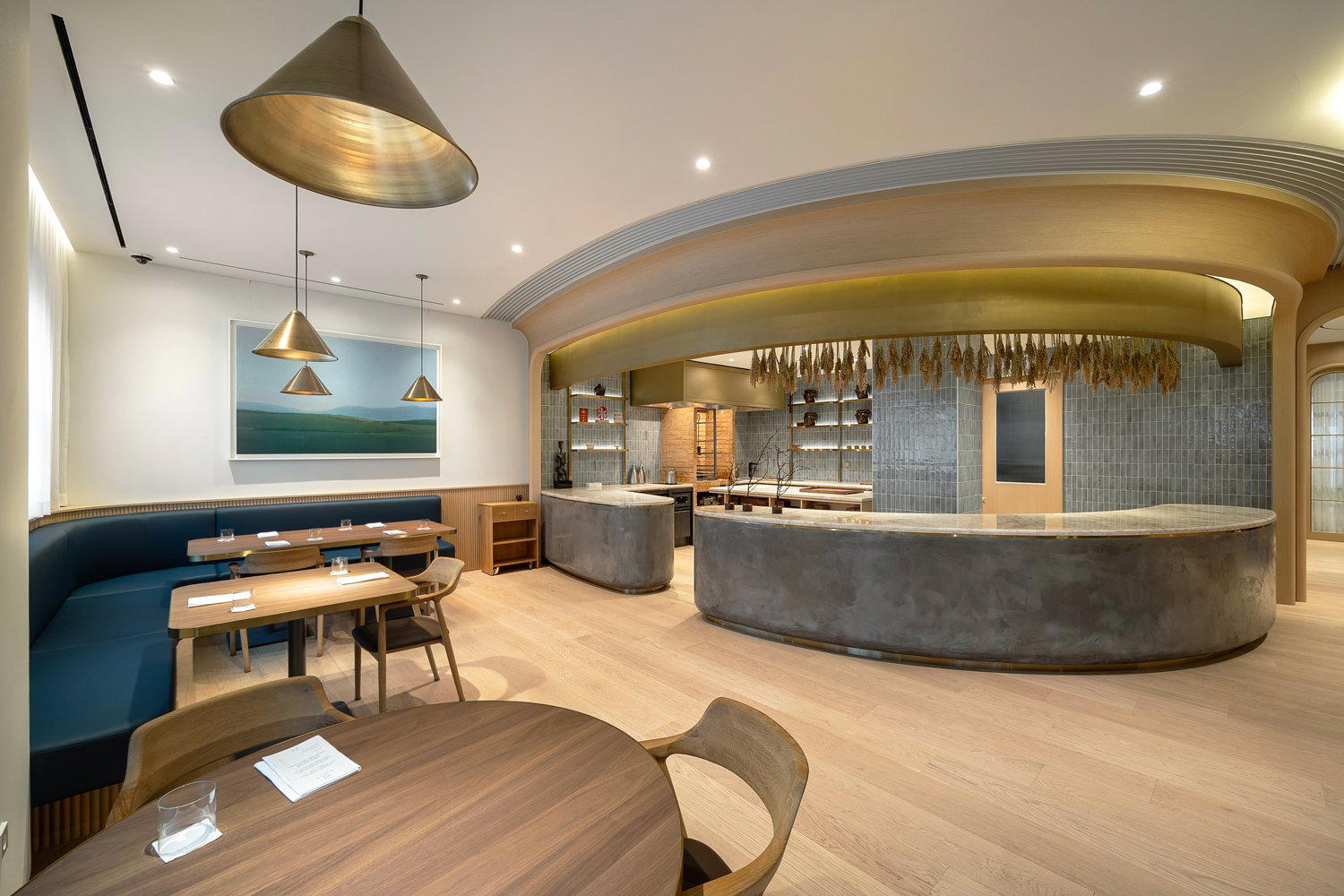
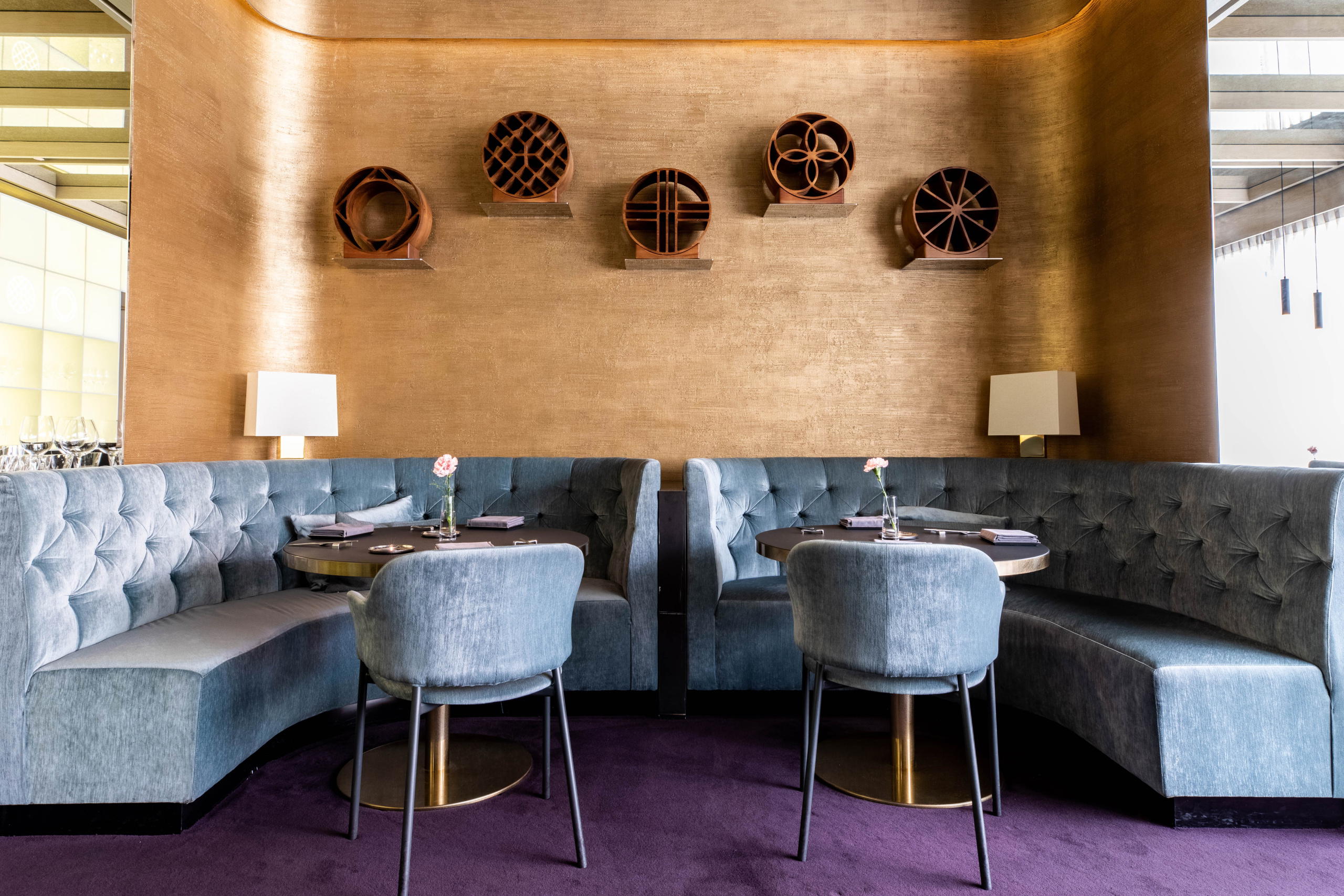
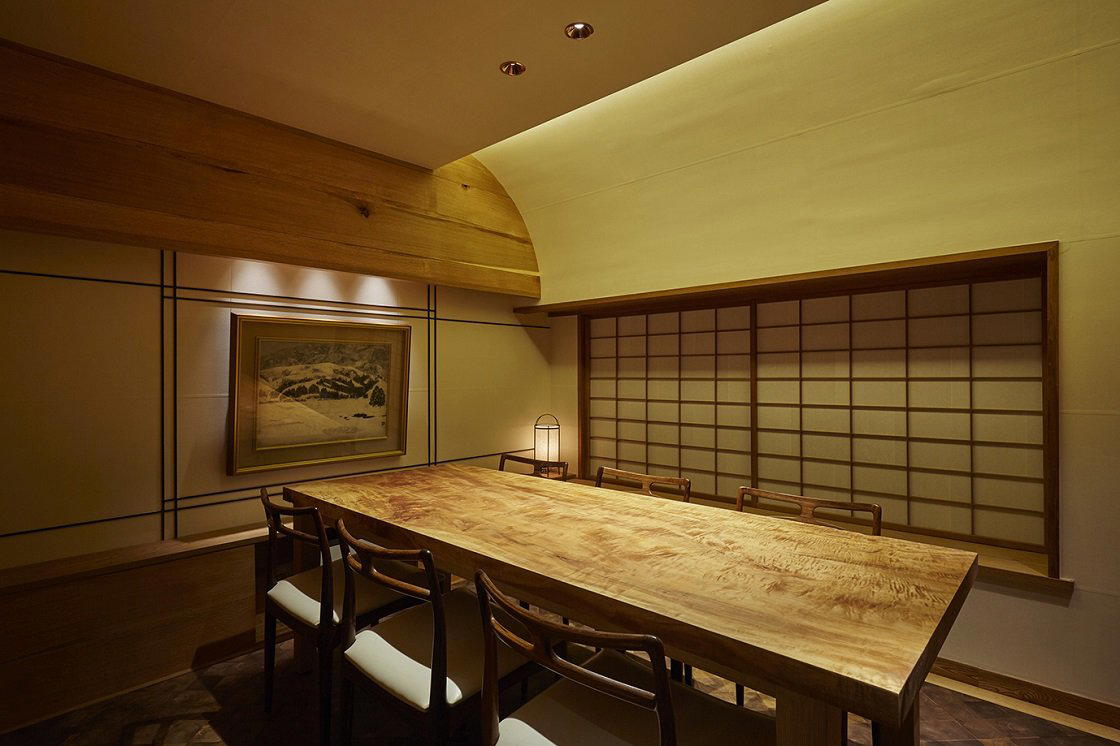
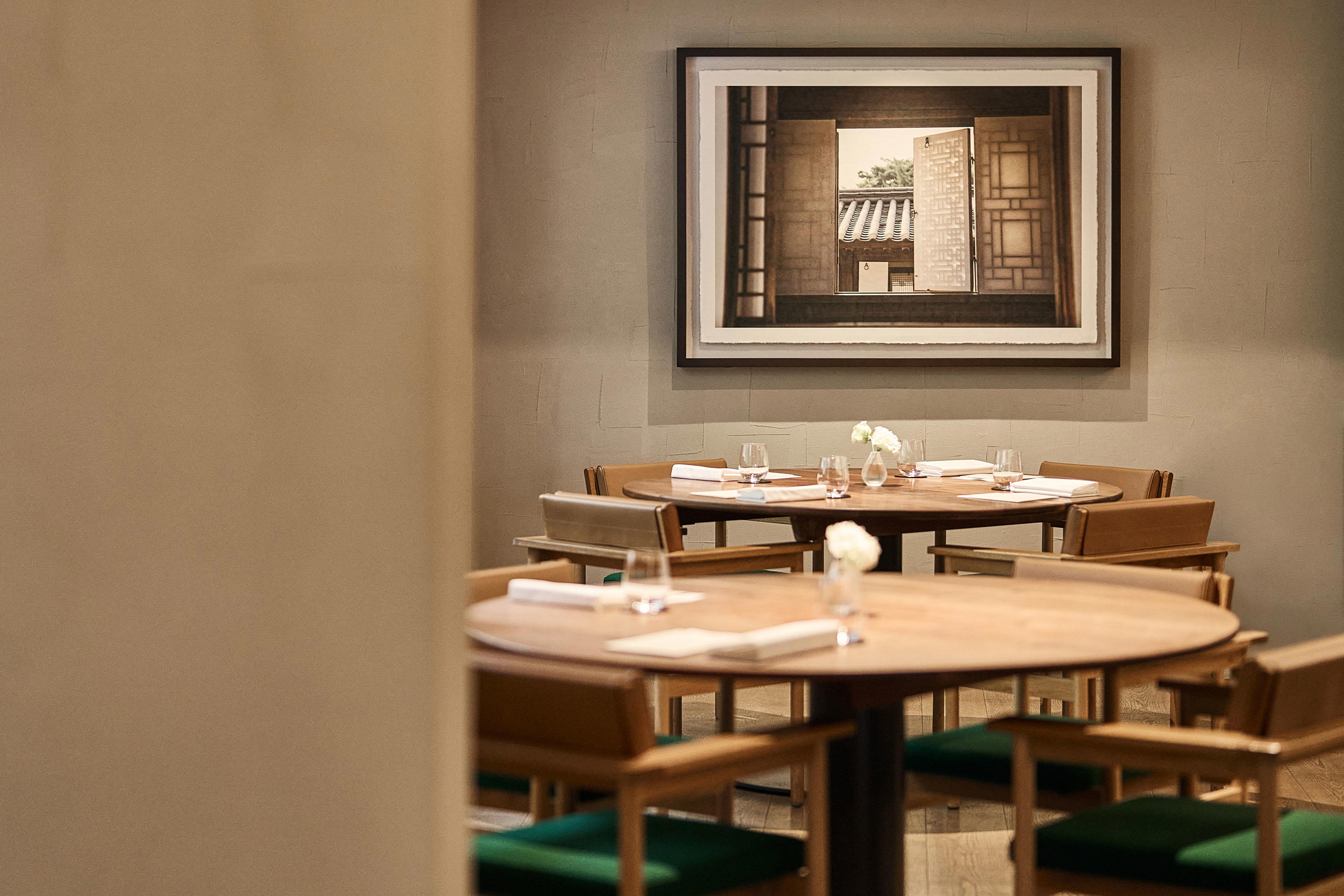
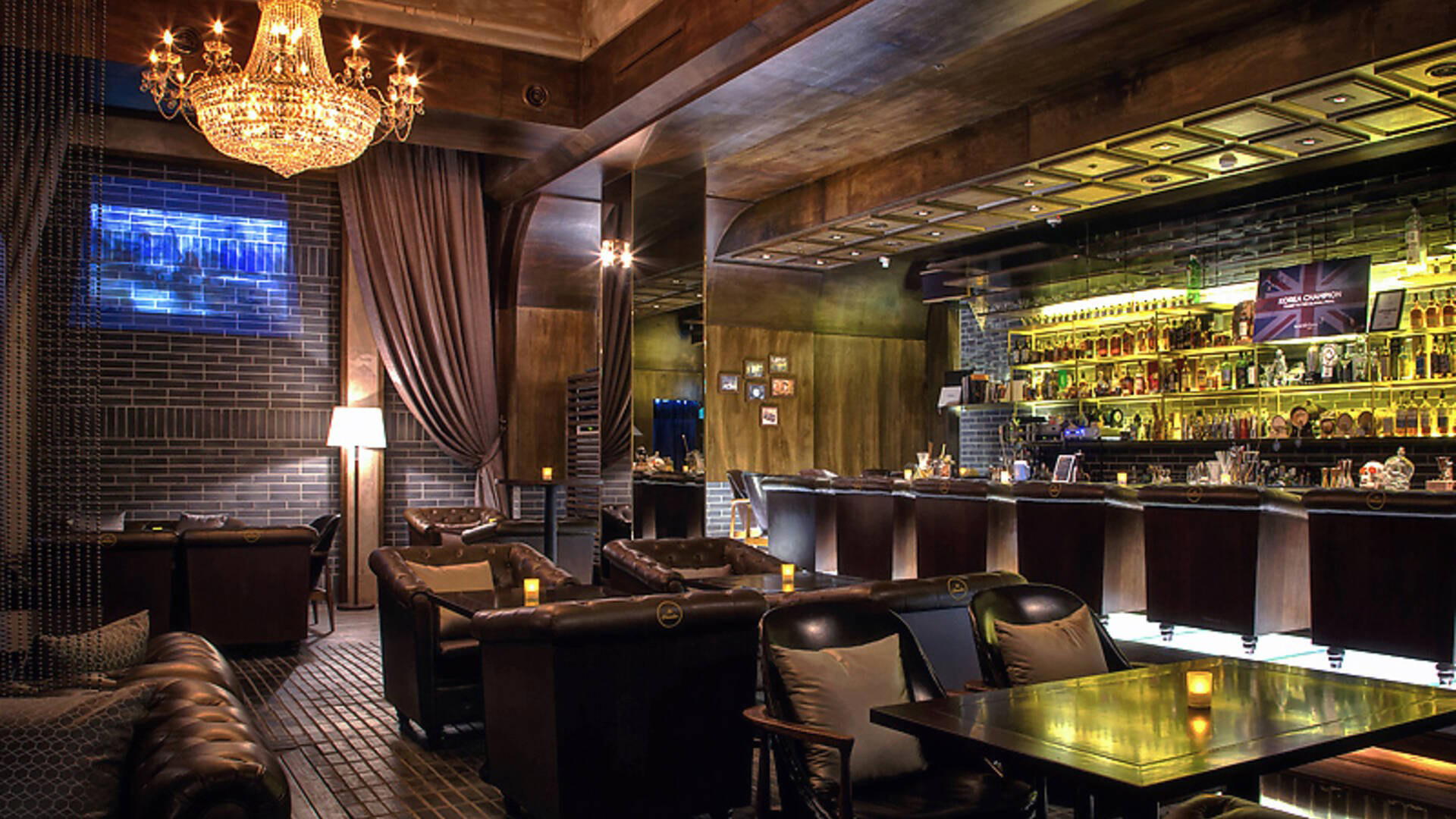
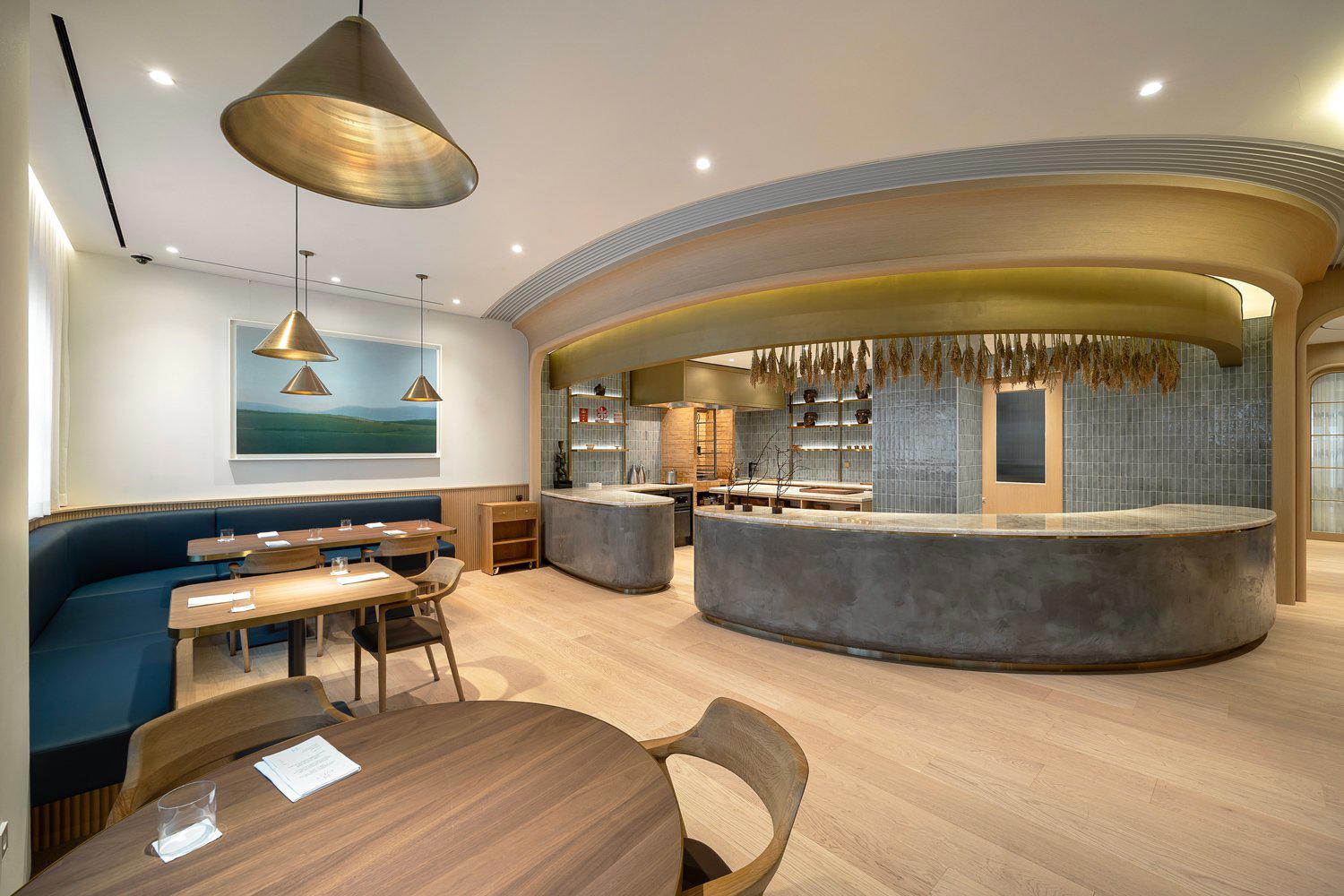
Warm natural lighting with wood-based décor and tatami flooring creating an exotic, authentically Japanese atmosphere that is distinctive in the Seoul neighborhood.