Pigeon Hole
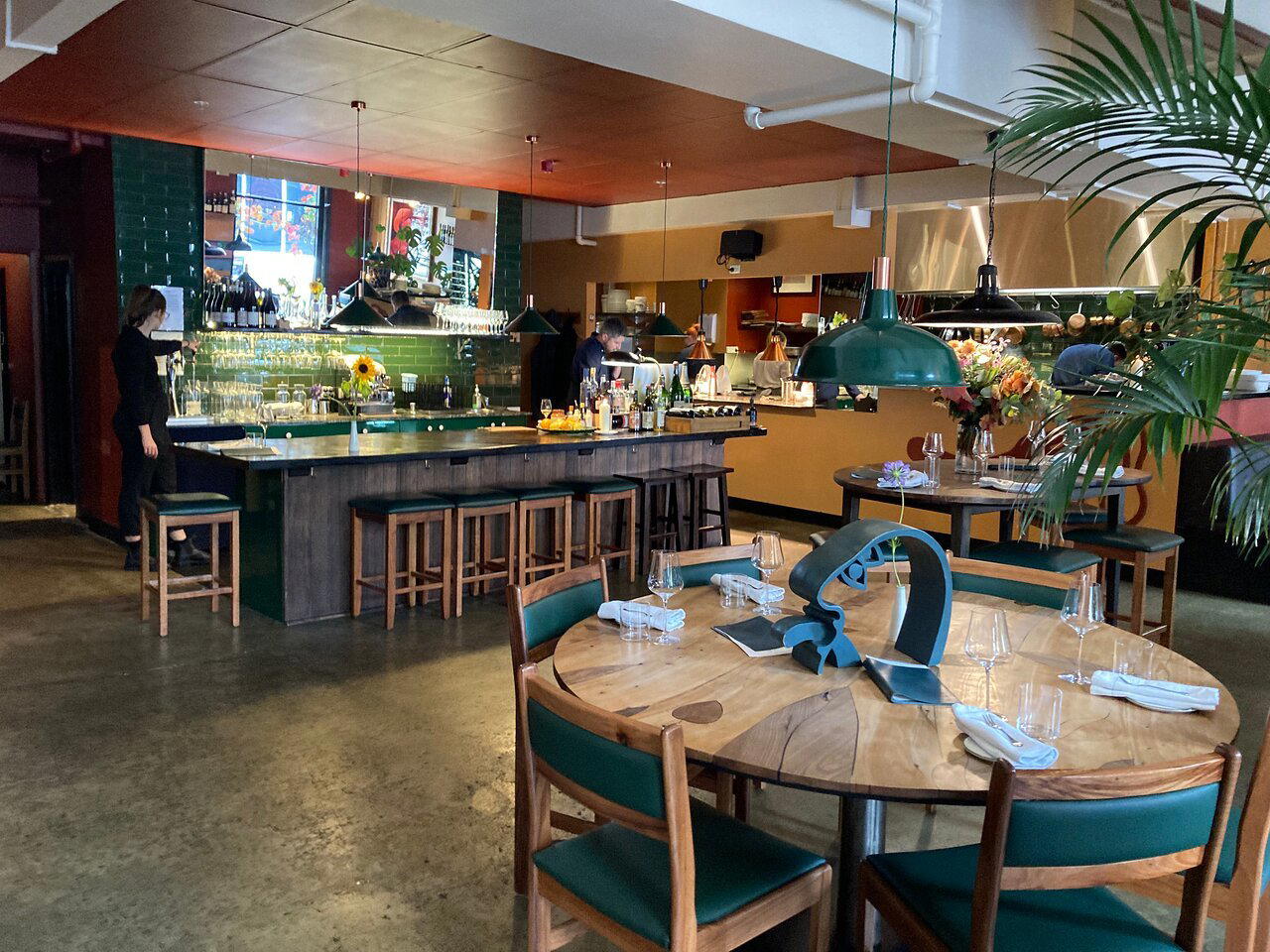
Pigeon Hole sits on Goulburn Street in West Hobart, operating in a neighbourhood where ingredient provenance has become a point of serious editorial conversation. The café trades on Tasmania's notable produce supply chain, placing it within a broader shift in Australian casual dining toward sourcing rigour over format ambition. For visitors building a Hobart itinerary around food, it belongs on the shortlist alongside the city's more formal options.
Pearl is the En Primeur Club membership app — saves, bookings, and concierge access live there. Same editors, same standards.
- Address
- 93 Goulburn St, Hobart TAS 7000, Australia
- Phone
- +61 3 6236 9306
- Website
- pigeonholecafe.com.au
- Directions
- Get directions
 Saves & bookings on Pearl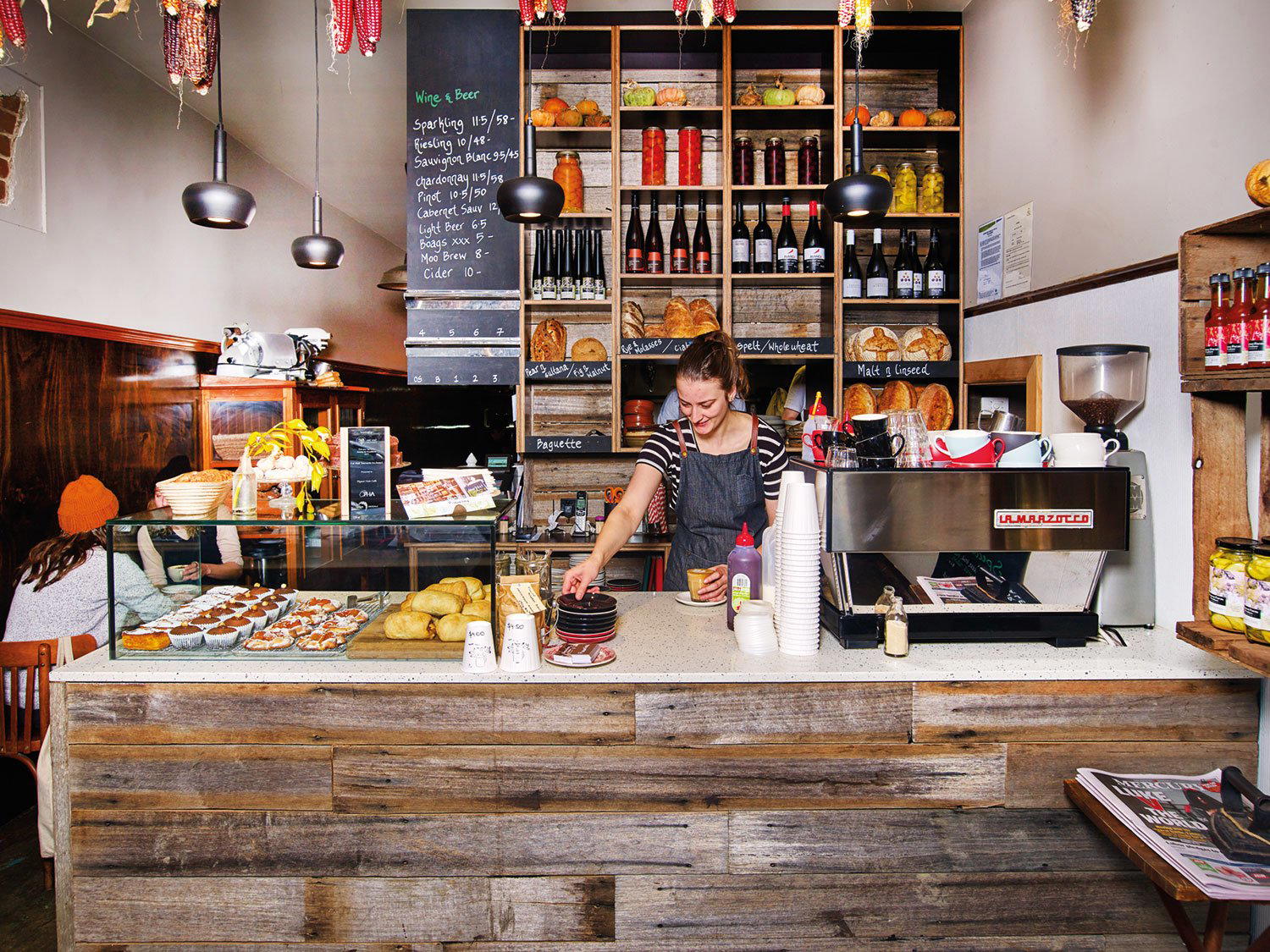
West Hobart's Produce-Led Dining Scene
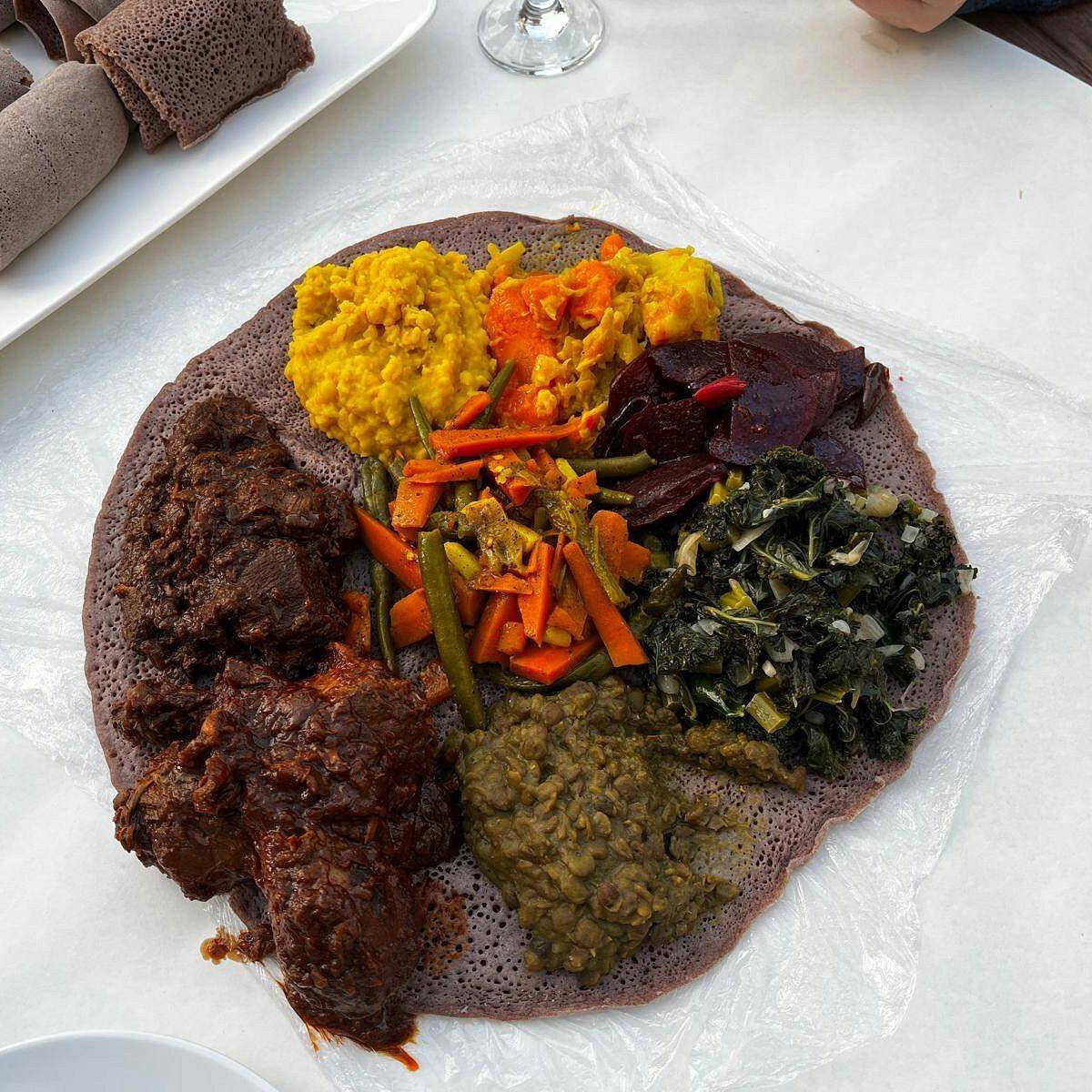
Tasmania's position in the Australian food conversation has changed considerably over the past decade. The island's cool-climate growing conditions, short supply chains, and relatively low population density have made it a reference point for chefs who want ingredients that arrive with a clear story. Restaurants at the level of Brae in Birregurra and Attica in Melbourne have built reputations partly on the logic that what grows nearby, and how it is handled between paddock and plate, matters as much as technique. In Hobart specifically, that argument has filtered down from fine dining into the café and casual register, producing a cluster of neighbourhood places that treat sourcing as a baseline condition rather than a marketing differentiator.
Pigeon Hole, on Goulburn Street in West Hobart, sits inside that shift. The address puts it away from the waterfront precincts that draw most tourist traffic, in a quieter residential and light-commercial strip where the clientele skews local. That separation from the harbour corridor shapes what the place does: neighbourhood-anchored cafés in this part of Hobart have historically built their identity around the surrounding producer network, from small vegetable growers in the Huon Valley to dairy and grain operations across the island's midlands.
The Ingredient Argument in Practice
Australian casual dining has been through several distinct phases in the way it frames sourcing. Through much of the 2000s, provenance claims were often decorative, appearing on menus as a gesture rather than a structural commitment. The shift that followed, visible in places like Rockpool in Sydney at the fine dining end and later filtering into the café tier, moved the conversation toward accountability: named farms, seasonal menus that actually changed, and a willingness to adjust format around what was available rather than the reverse. Tasmania accelerated that transition for the same reasons it attracts produce-focused chefs: the ecosystem is small enough to know your growers personally, and the quality ceiling on certain categories (stone fruit, sea vegetables, dairy, heritage grains) is genuinely high by any national comparison.
At the café scale, this sourcing logic tends to express itself through breakfast and lunch menus built around a rotating cast of regional suppliers, with dishes that shift by week or season rather than staying fixed year-round. The restraint involved in that approach is often underappreciated. It requires the kitchen to be comfortable with impermanence, and it places the burden of interest on the ingredient itself rather than on complexity of preparation. That is a different discipline from the kind of technically ambitious tasting menu cooking you find at Botanic in Adelaide or Laura at Pt Leo Estate in Merricks.
The Neighbourhood and What It Tells You
West Hobart's dining identity is usefully contrasted with the Salamanca and Battery Point precincts closer to the water. Those areas carry higher foot traffic and a stronger tourist-facing orientation. West Hobart runs quieter, with a population that includes a concentration of creative and professional residents who have driven demand for the kind of all-day venue that takes food seriously without requiring a reservation or a lengthy tasting format. Pigeon Hole fits that profile directly.
The Goulburn Street address is walkable from the CBD but far enough from it to feel like a local rather than a visitor destination. That distinction matters for how a place calibrates its offer: the kitchen is cooking for people who come back weekly, which places a premium on consistency and seasonal rotation over novelty or spectacle. Comparable positioning in the broader Australian context shows up at Pipit in Pottsville and Provenance in Beechworth, where regional embeddedness defines the offer as clearly as any specific dish.
For visitors to Hobart, West Hobart's café tier is worth the short detour from the central waterfront. Smolt Kitchen operates in a comparable register nearby, and the two together give a reasonable survey of what the neighbourhood does at the casual end of the dining spectrum. Aloft in Hobart covers a different part of the city's food character for those building a broader itinerary.
Where Pigeon Hole Sits in a Wider Context
The produce-first café format that restaurant represents has parallels in other Australian cities and internationally. At the more ambitious end of the sourcing-focused casual tier, venues like Hentley Farm in Seppeltsfield and Wills Domain in Yallingup connect dining directly to the agricultural operations around them, a model that has become increasingly influential across the country. At the opposite end of the formality scale, the commitment to sourcing rigour that defines places like Le Bernardin in New York City or Lazy Bear in San Francisco at the fine dining level has created a permission structure for ingredient-led cooking at every price point. The restaurant operates at the accessible end of that spectrum, in a city whose supply chain advantages make the approach especially credible.
Tasmania's casual dining tier is as relevant as its leading tables for travellers who plan around food. The produce available to a neighbourhood café on Goulburn Street is the same produce that draws chefs from Sydney, Melbourne, and overseas. The difference is format and price, not access to ingredients.
Planning Your Visit
The restaurant operates as an all-day café, making it most naturally suited to breakfast or lunch visits rather than dinner. West Hobart is accessible by foot from central Hobart in around fifteen to twenty minutes, or a short drive from the CBD and waterfront precincts. Given the neighbourhood-facing format and the local repeat clientele it serves, weekday mornings tend to offer a calmer experience than weekend brunch service, when demand across Hobart's café tier concentrates. The restaurant operates as a walk-in-friendly all-day café with breakfast and lunch service.
Quick Comparison
Comparable venues nearby, for context on price, style, and recognition.
| Venue | Cuisine | Price | Notes |
|---|---|---|---|
| Pigeon HoleThis venue — the venue you are viewing | Australian Farm-to-Table Cafe | $$ | Not listed |
| Smolt Kitchen | Modern Mediterranean Cafe | $$ | West Hobart |
| The Astor Grill | Contemporary Australian Grill | $$$ | Hobart CBD |
| Terrigal Pavilion | Mediterranean Coastal | $$ | Terrigal |
| Sama | Modern Lebanese | $$ | Fairfield |
| Peppermint Bay & Peppermint Bay Cruises | Modern Australian with Local Tasmanian Seafood | $$$ | Woodbridge |
Continue exploring
More in West Hobart
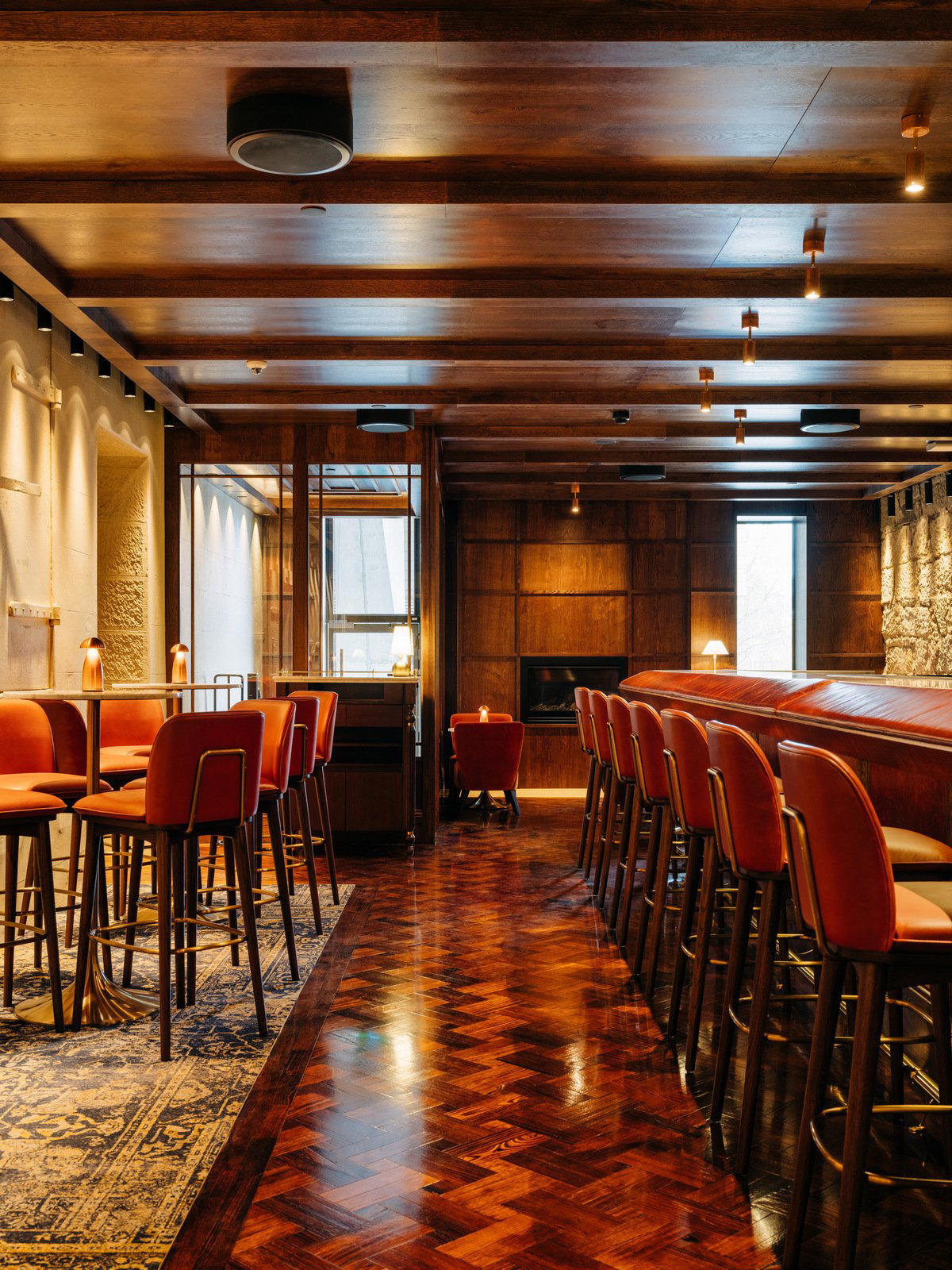
Restaurants in West Hobart
Browse all →
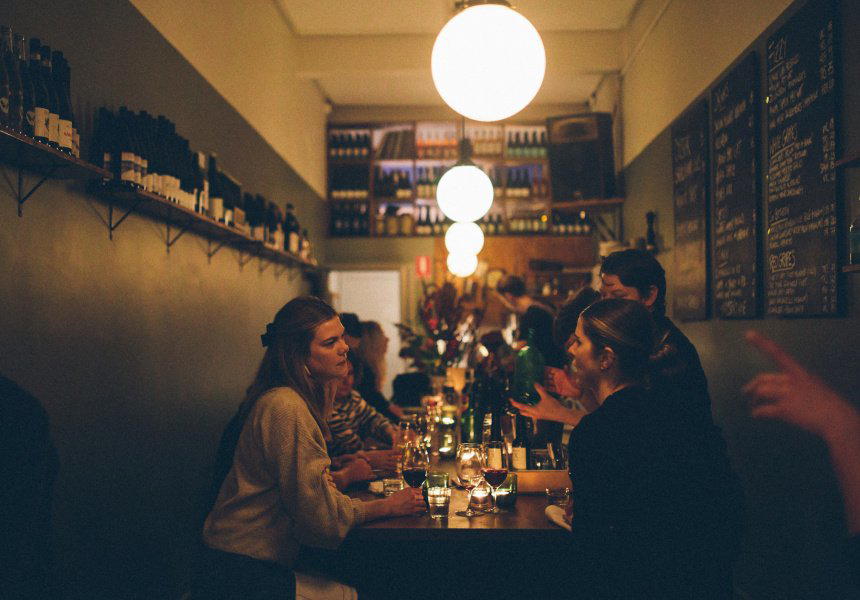
Bars in West Hobart
Browse all →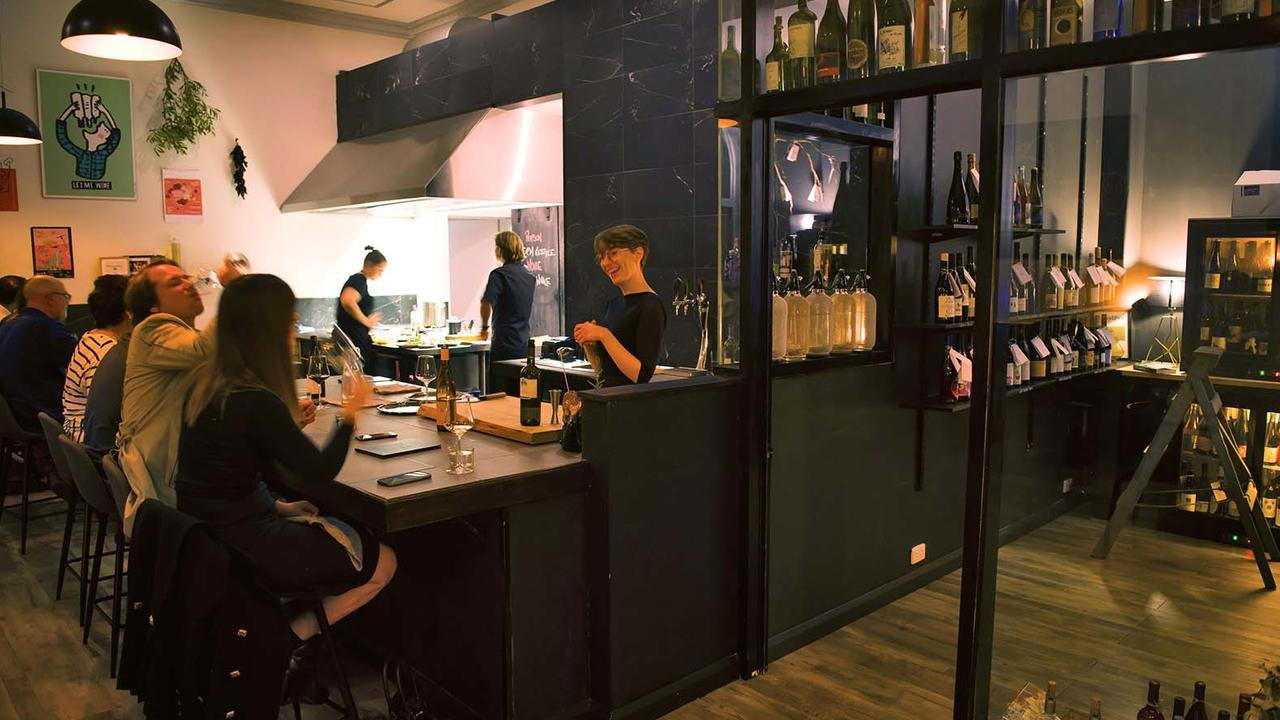
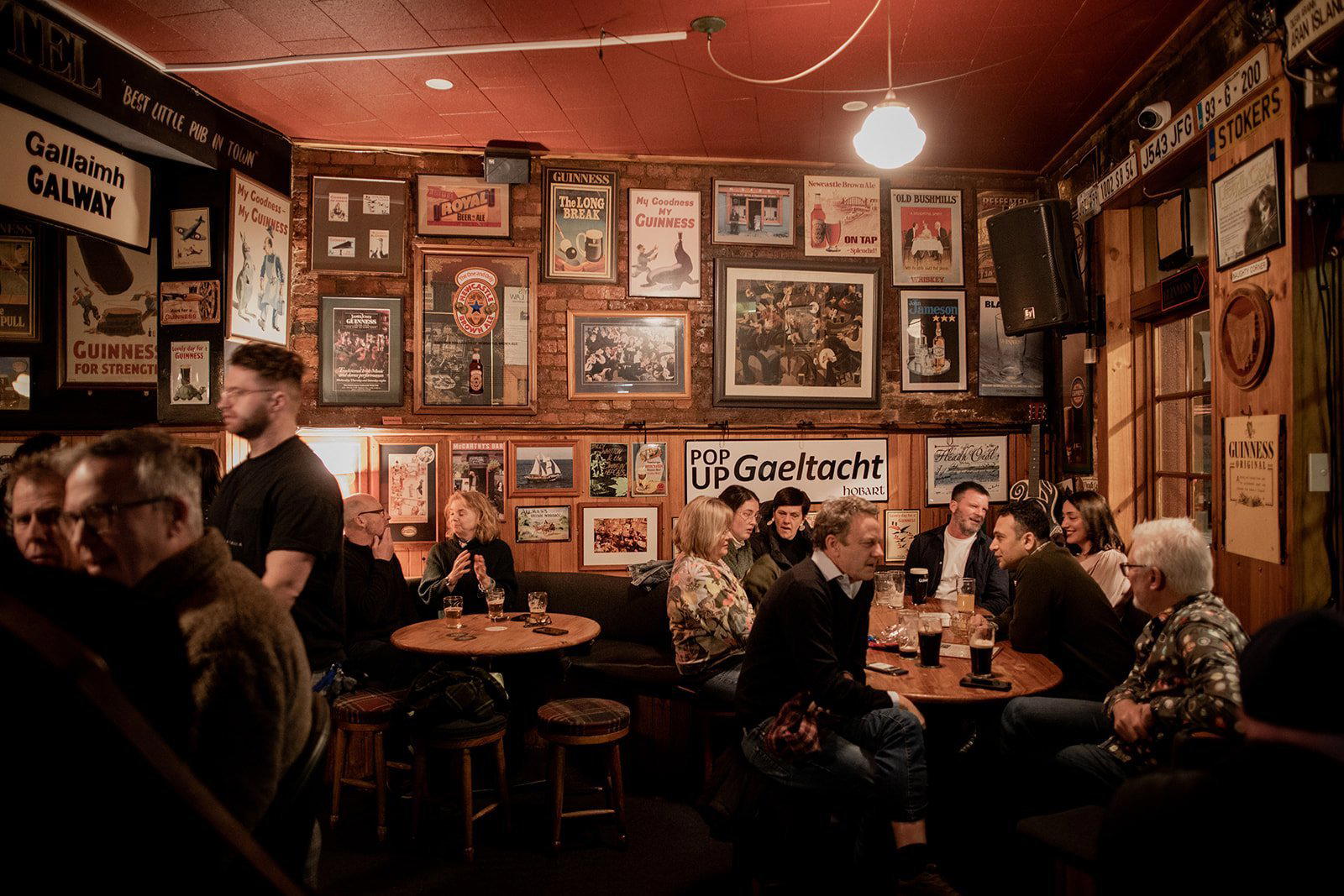
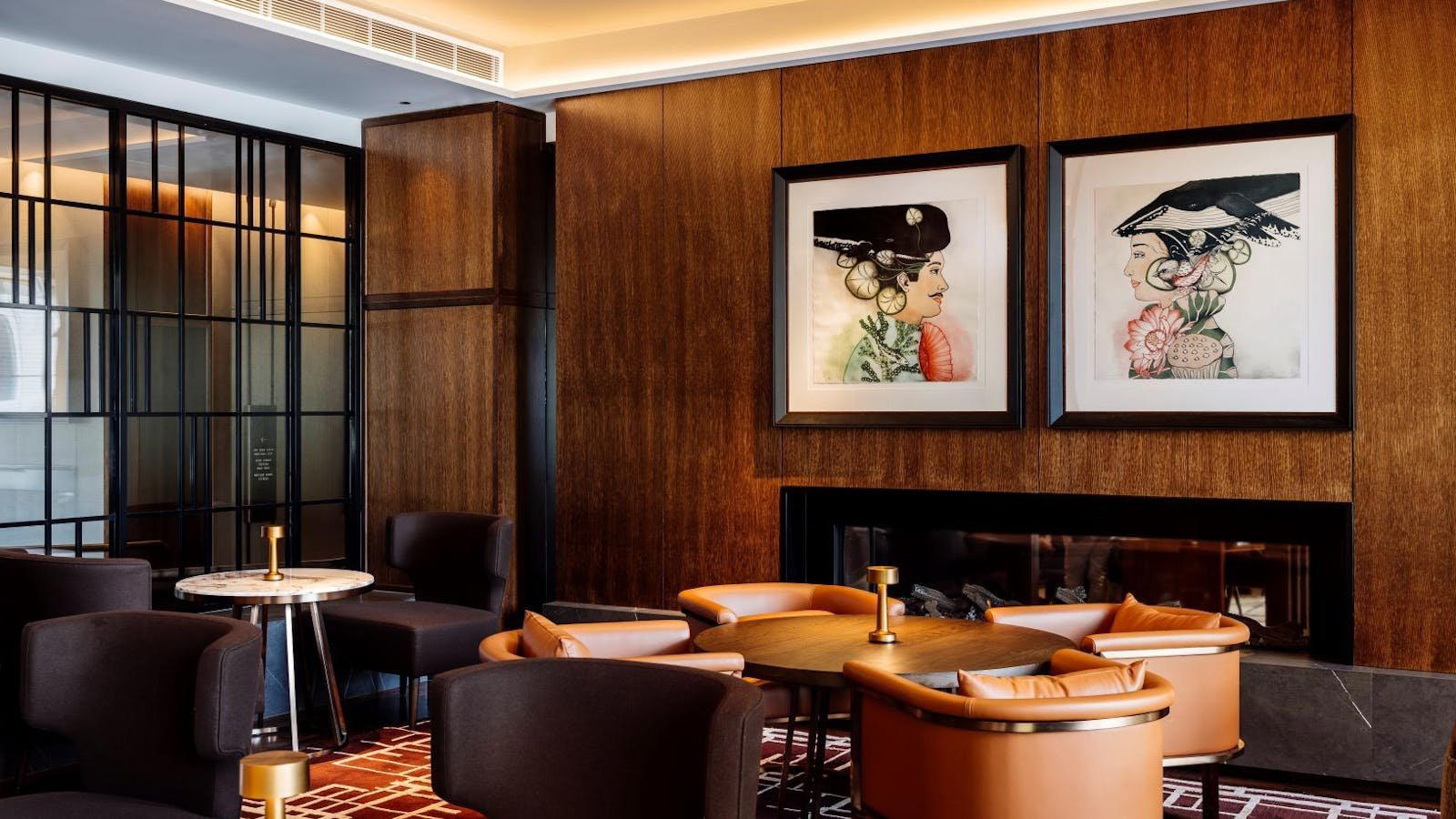
Hotels in West Hobart
Browse all →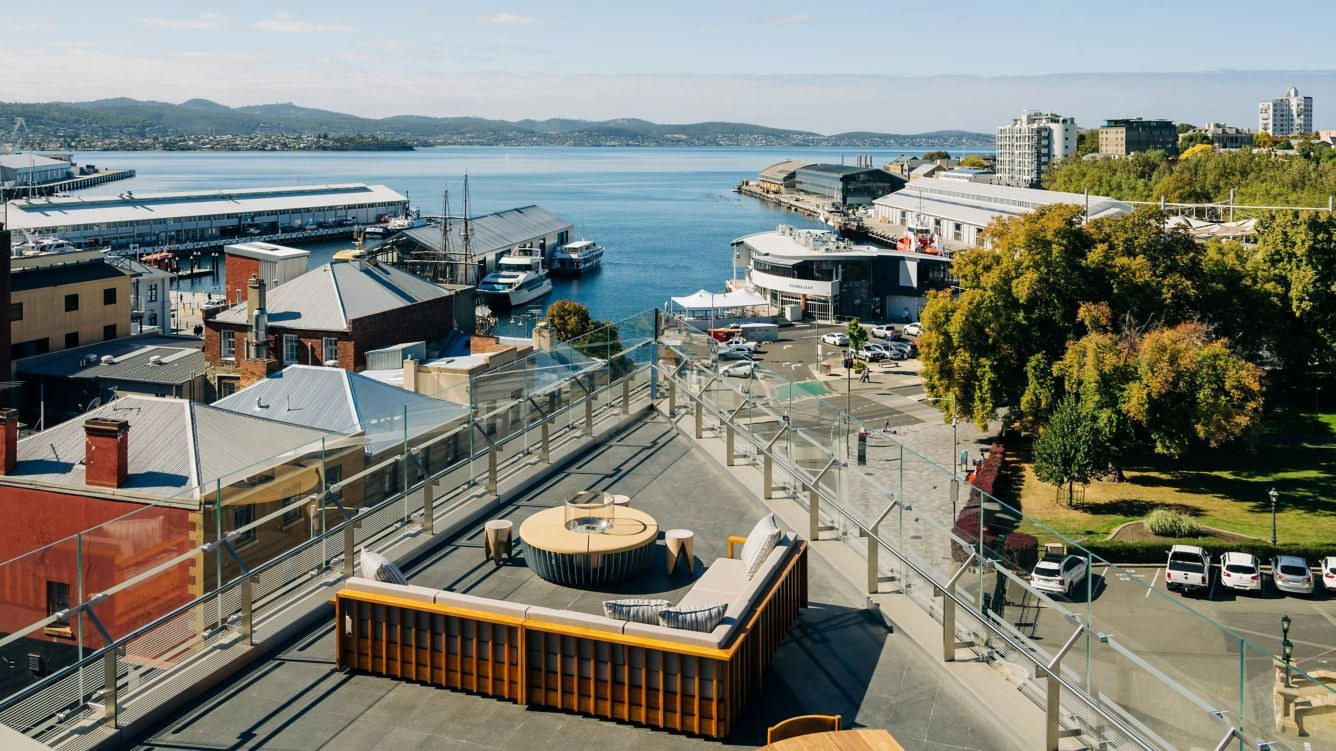
At a Glance
- Cozy
- Rustic
- Brunch
- Casual Hangout
- Open Kitchen
- Extensive Wine List
- Farm To Table
- Local Sourcing
Current opening hours
- Monday
- 7:30 AM–3 PM
- Tuesday
- 7:30 AM–3 PM
- Wednesday
- 7:30 AM–3 PM
- Thursday
- 7:30 AM–3 PM
- Friday
- 7:30 AM–3 PM
- Saturday
- 8 AM–3 PM
- Sunday
- 8 AM–3 PM
Hours can change for holidays and private events. Last verified .
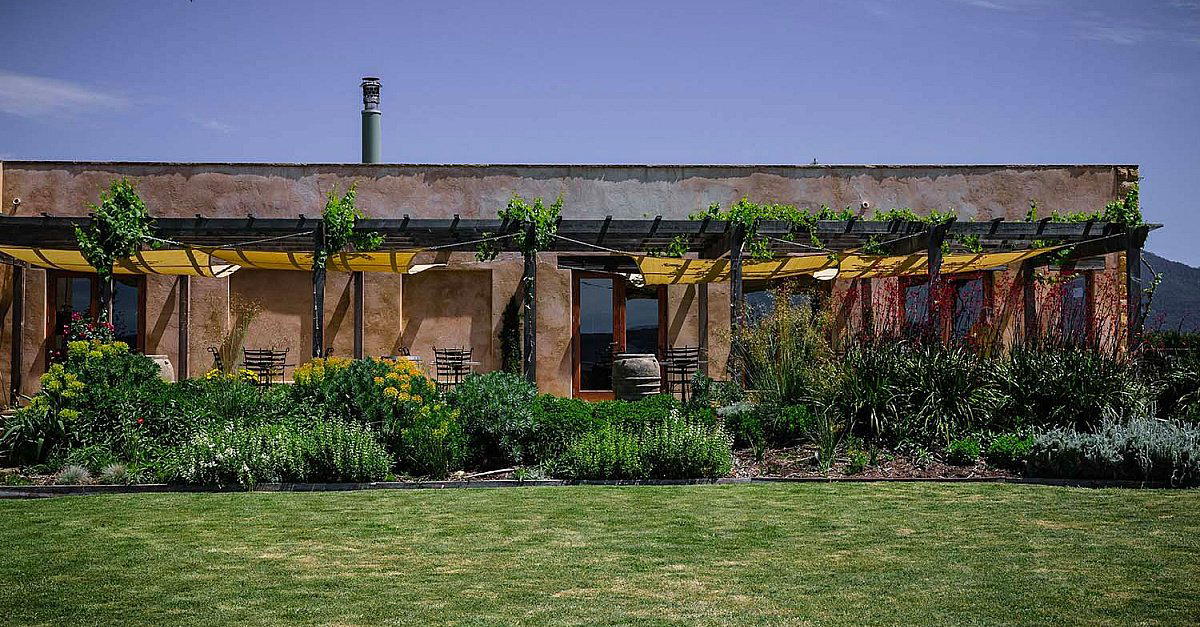
Warm, inviting, homey atmosphere in a bustling hole-in-the-wall cafe with a focus on local craftsmanship.