







The only Australian restaurant to appear on the World's 50 Best list in 2024 and 2025, Saint Peter occupies a modest corner of Paddington with an outsized reputation for whole-fish cookery. Josh Niland's approach to seafood has reshaped how Australian restaurants treat fish, and the room in Underwood Street is where that reputation is tested nightly against a plate.
Pearl is the En Primeur Club membership app — saves, bookings, and concierge access live there. Same editors, same standards.
- Address
- 161 Underwood St, Paddington NSW 2021, Australia
- Phone
- +61 2 9167 3703
- Website
- saintpeter.com.au
- Directions
- Get directions
 Saves & bookings on Pearl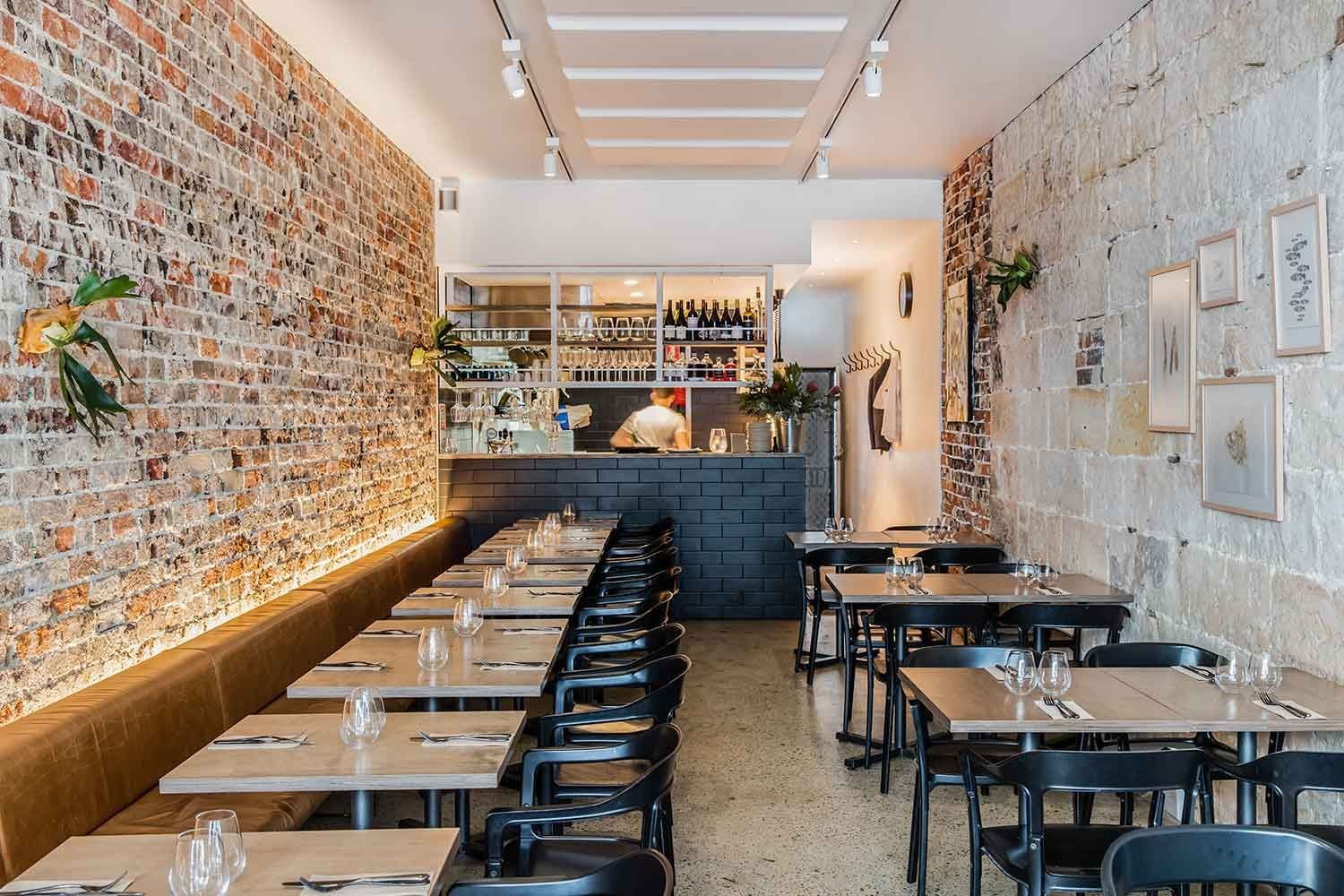
A Corner of Paddington That Changed How Australia Thinks About Fish
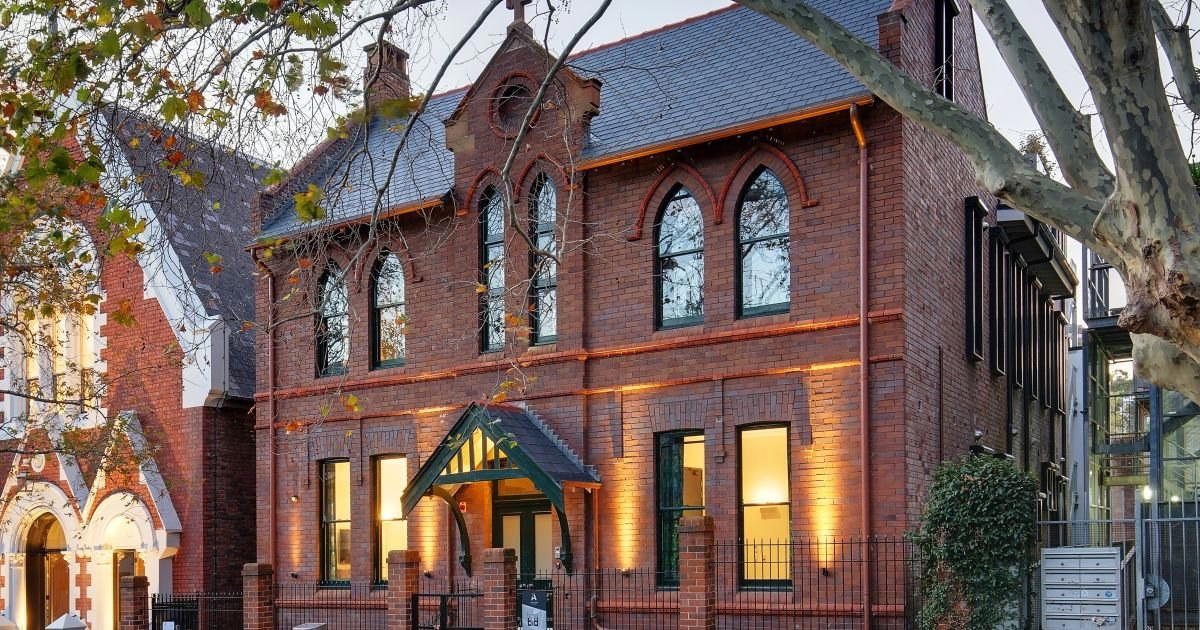
Underwood Street in Paddington is not a dining strip. It sits away from the busier stretch of Oxford Street, in a low-key residential neighbourhood where terrace houses outnumber restaurants. The building that holds Saint Peter reads, from the street, like a converted shopfront: compact, plainly lit, no theatrical signage. For a restaurant ranked 66th on the World's 50 Best Restaurants list in 2025, the exterior offers none of the visual grammar that typically telegraphs ambition at that tier.
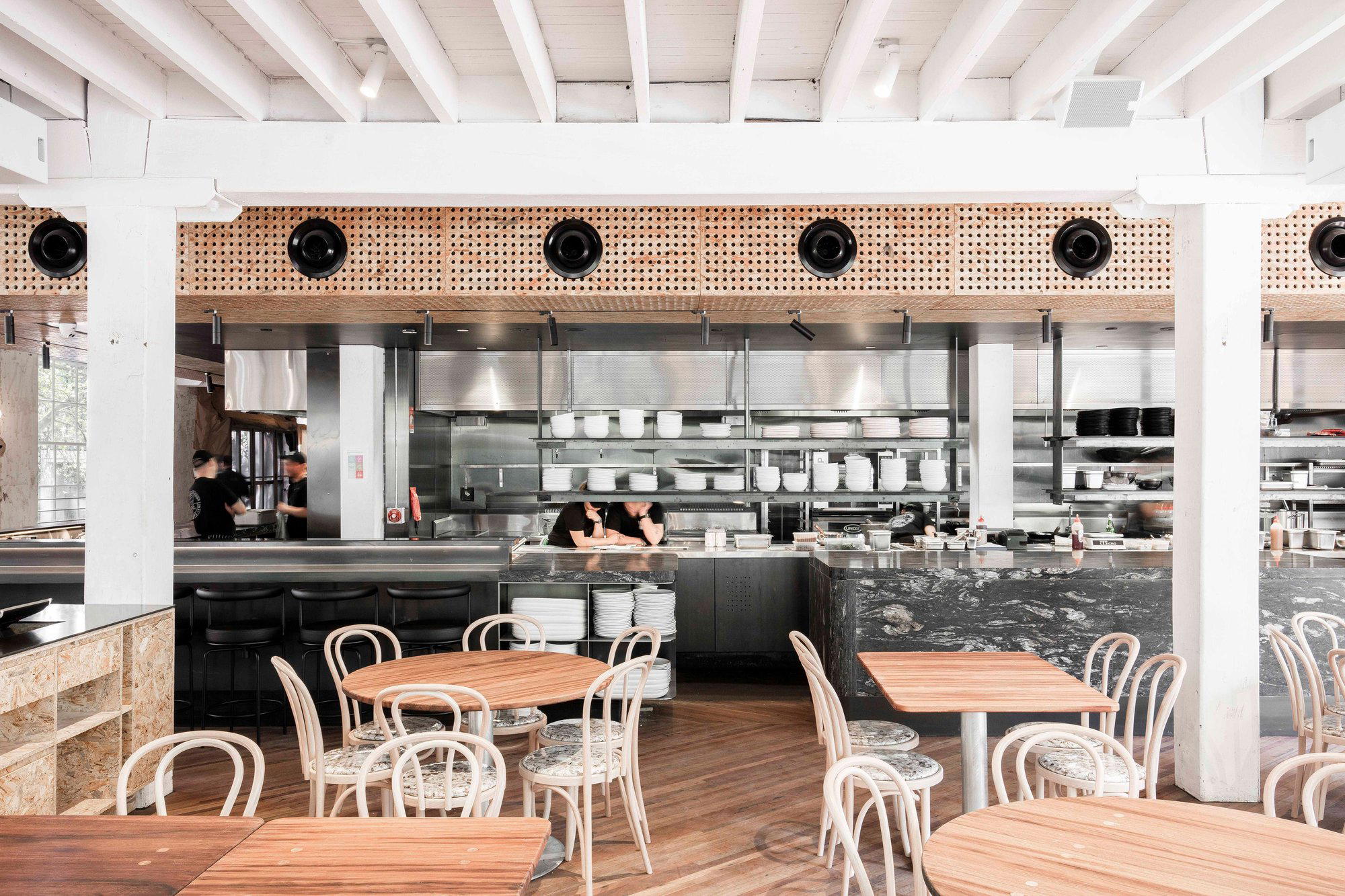
That restraint extends inside. The room is small and deliberately unfussy, with the kind of proportions that make it feel like a neighbourhood restaurant rather than a destination one, even though it is, emphatically, the latter. In a Sydney dining scene that has increasingly tilted toward large, architect-designed rooms with statement bars and open theatres of fire, the physical container here is an editorial choice as much as a practical one.
The Architecture of the Menu: Fish Treated as Meat
What happens in that modest room is the result of an approach to seafood that runs counter to how most restaurants handle fish. The dominant logic in Australian fine dining has been to treat seafood as a delicate, short-window product: serve it fresh, serve it quickly, and keep the cooking simple. Saint Peter has spent years building a counter-argument in practice. Fish here is aged, cured, dry-hung, and worked through every part of the animal, including cuts that most kitchens discard.
This places it in a distinct category relative to its Sydney peers. Bennelong and Rockpool both represent the broader canon of ambitious Australian cuisine, but neither is built around the specific intellectual project of reimagining what a fish restaurant can be. Bathers Pavilion, on the Balmoral waterfront, offers a more scenic seafood proposition tied to its location. Saint Peter's proposition is conceptual rather than scenic: the argument is made through technique and through a structural commitment to whole-animal fish cookery that has no direct peer in the city.
Chef Josh Niland's training and his subsequent writing on fish butchery have given that approach a documented intellectual framework that extends well beyond the restaurant itself. That body of work is part of why the La Liste panel scored the restaurant at 88 points in 2026, up from 81 points in 2025, and why the World's 50 Best ranking moved from 98th in 2024 to 66th in 2025. The trajectory is consistent with a restaurant deepening its methodology, not merely maintaining it.
Where Saint Peter Sits in the Australian Fine Dining Tier
Australia's fine dining map has become more geographically distributed over the past decade. Brae in Birregurra holds a different kind of authority around produce and place. Flower Drum in Melbourne has its own long-form reputation built on Cantonese precision. Botanic in Adelaide and Bacchus in Brisbane represent the continued expansion of serious dining outside the two major cities.
Within that spread, the restaurant is the only Australian restaurant that has converted a specific technical approach to a single ingredient category into a position on the World's 50 Best list. That distinction matters as a reference point. The restaurant is not trading on geographic novelty or a scenic address. Its standing is earned through a narrow, deep focus that has been recognised by the two major international ranking systems simultaneously.
For context within Sydney specifically, the city's higher end runs through venues like AALIA, 20 Chapel, and the long-established Bennelong at the Opera House. The restaurant does not sit in competition with those rooms on format or scale. It occupies a more specialist position, where the dining logic is tied to a single subject pursued at high technical depth.
Paddington as a Setting for This Kind of Restaurant
Paddington has long functioned as Sydney's mid-tier cultural precinct: galleries, independent fashion, Oxford Street's retail strip, and a cluster of neighbourhood restaurants that attract a local repeat-visit audience. It is not a tourist quarter in the way that the CBD waterfront or The Rocks can be. Visitors who find their way to Underwood Street are typically there on purpose.
That means the room operates with the feel of a neighbourhood institution that also carries international credentials, which is an unusual combination. The restaurant draws both the recurring local diner and the international visitor.Lizard Island Resort and Salt Water Restaurant in Cairns for its Australian seafood itinerary.
Beyond the restaurant, the Niland operation has expanded into adjacent formats, including a fish butchery and retail presence that has made the approach more accessible without diluting the restaurant itself. That structure mirrors how several of the world's more influential chef-led businesses have extended their reach, separating the research-and-development environment of a fine dining room from consumer-facing products that carry the same intellectual framework at a lower price of entry.
Planning a Visit
The restaurant is located at 161 Underwood Street, Paddington, a short distance from the Oxford Street corridor and served by buses from the CBD. The restaurant is small, and demand consistently outpaces capacity, making advance reservations the practical reality for anyone with a specific date in mind. Given the World's 50 Best ranking now placing it in the top 70 globally, booking windows that were already measured in weeks have extended further. Visiting Sydney without a confirmed table here is a risk that most itineraries cannot absorb.
For those building a broader Australian fine dining itinerary, the comparison set extends interstate. Amaru in Armadale and 400 Gradi in Brunswick East represent different registers of the Melbourne dining scene, while the Brae trip requires a regional detour that rewards the effort.
- Salt and vinegar mackerel
- John Dory liver pâté
- Fish butchery charcuterie
- Tuna Wellington
- Yellowfin tuna filet mignon wrapped in swordfish bacon
- Grouper head terrine
- Passionfruit and lemon tart
A Lean Comparison
Comparable venues nearby, for context on price, style, and recognition.
| Venue | Cuisine | Price | Notes |
|---|---|---|---|
| Saint PeterThis venue — the venue you are viewing | Paddington, Modern Australian Seafood | $$$$ | Not listed |
| Tetsuya's | Sydney, Dining | Not listed | Not listed |
| Flying Fish | Pyrmont, Contemporary Australian Seafood | $$$$ | Not listed |
| Shell House | Not listed | $$$$ | Sydney, Modern Mediterranean with Australian Seafood |
| Quay | The Rocks, Dining | Not listed | Not listed |
| Bennelong | Sydney, Modern Australian Fine Dining | $$$$ | Not listed |
Recognition history
Dated appearances from independent guides and award organizations, with the underlying list record or original source where available.
Food & Wine Global Tastemakers Top Restaurants #10
Food & Wine
La Liste Top Restaurants
La Liste
Star Wine List
Star Wine List
Gourmet Traveller Restaurant of the Year
Gourmet Traveller
Gourmet Traveller State Winner NSW
Gourmet Traveller
La Liste Top Restaurants
La Liste
Tatler Listed in Best Restaurants Asia-Pacific
Tatler
The Best Chef Three Knives
The Best Chef
World Culinary Awards Australia's Best Hotel Restaurant 2025 #1
World Culinary Awards
World's 50 Best Best Restaurants #66
World's 50 Best
World's 50 Best Best Restaurants #98
World's 50 Best
Continue exploring
More in Sydney
Restaurants in Sydney
Browse all →
Bars in Sydney
Browse all →
Hotels in Sydney
Browse all →

At a Glance
- Elegant
- Intimate
- Sophisticated
- Modern
- Special Occasion
- Date Night
- Celebration
- Open Kitchen
- Chefs Counter
- Sommelier Led
- Local Sourcing
- Sustainable Seafood
- Zero Waste
Current opening hours
- Monday
- 5–11 PM
- Tuesday
- 5–11 PM
- Wednesday
- 5–11 PM
- Thursday
- 12–11 PM
- Friday
- 12–11 PM
- Saturday
- 12–11 PM
- Sunday
- 12–11 PM
Hours can change for holidays and private events. Last verified .
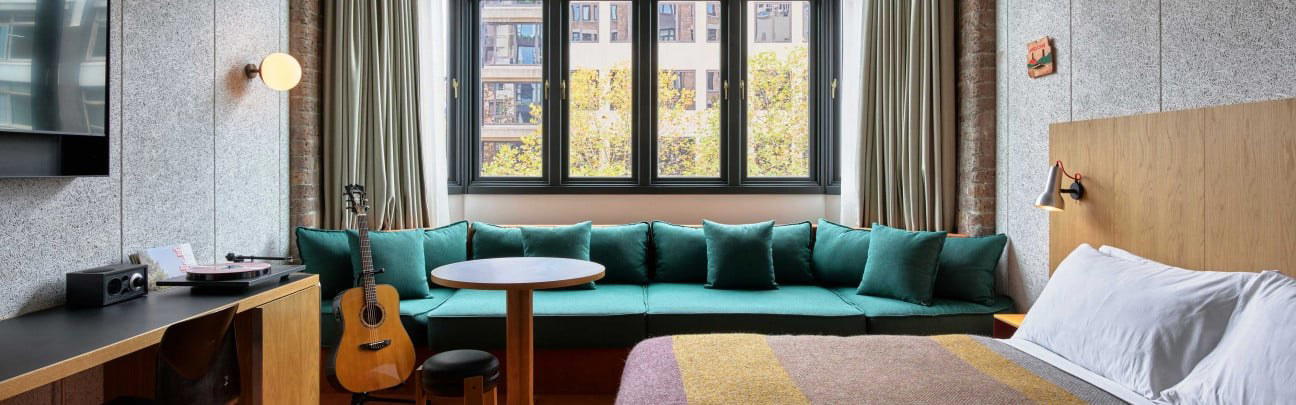
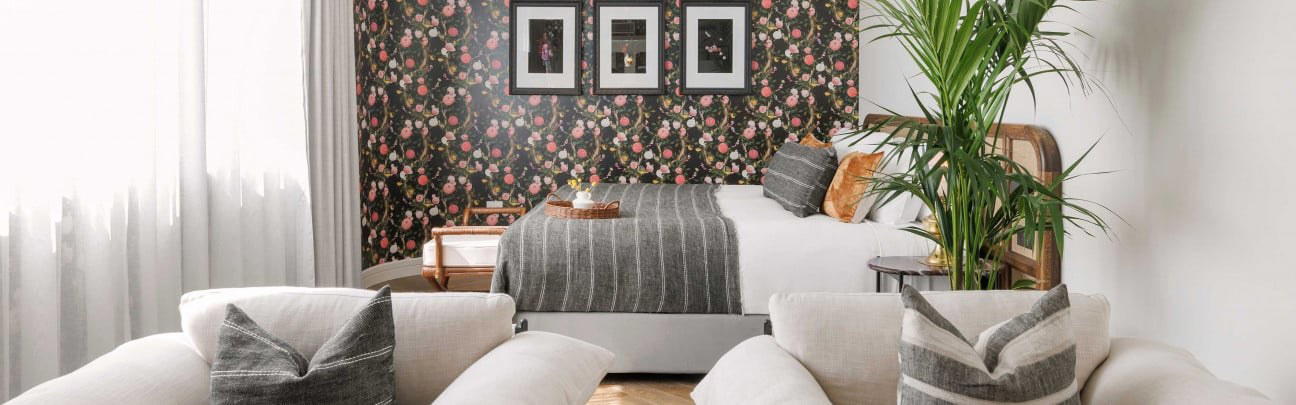
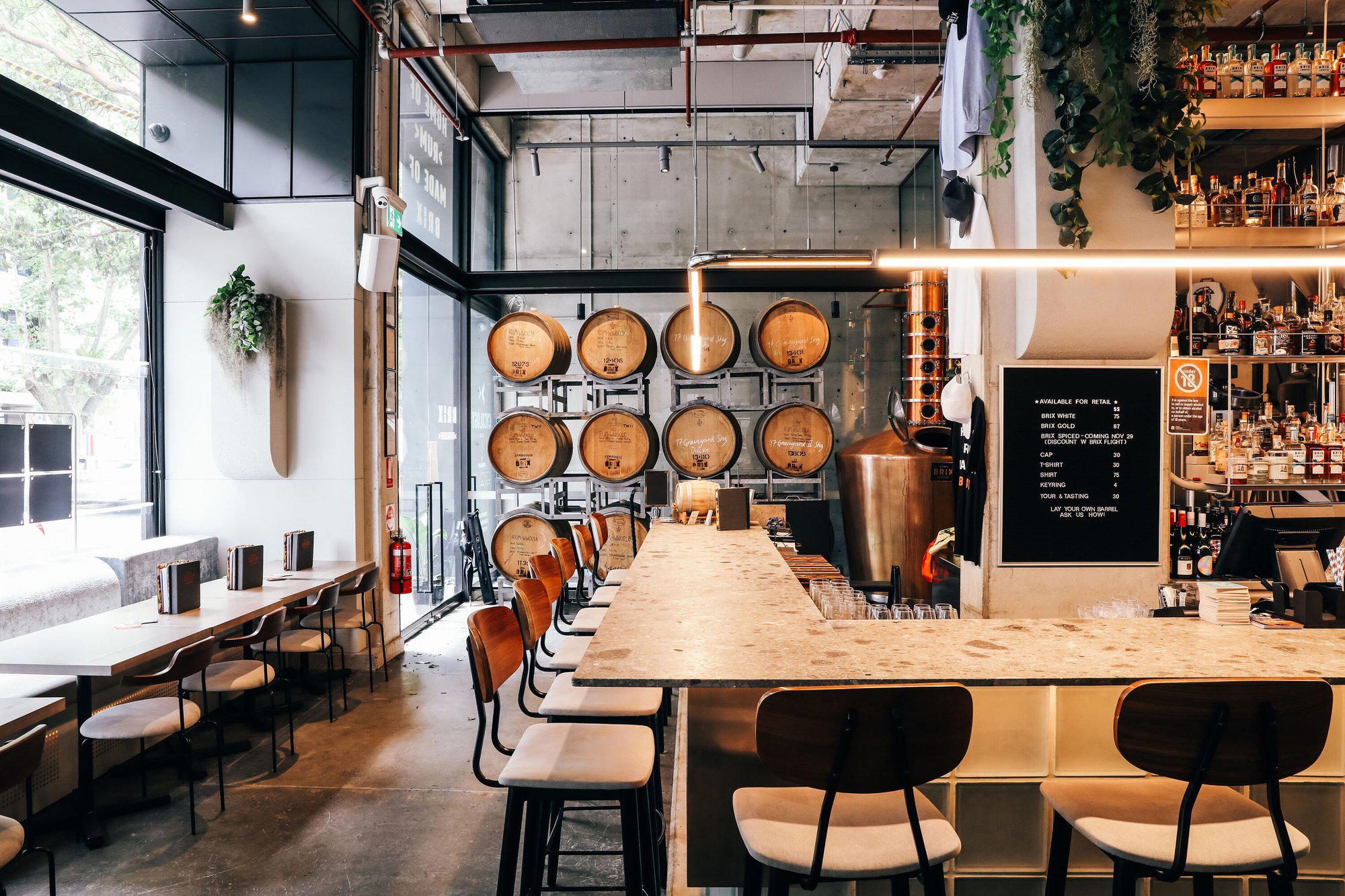
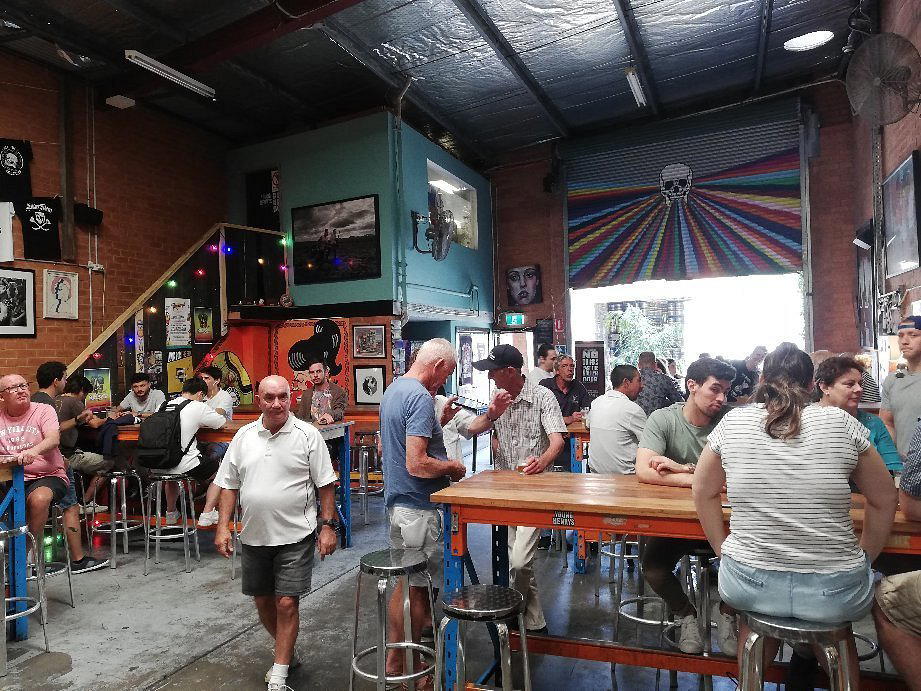
Refined and intimate dining room with eucalypt-toned walls, Sophie Cape artwork, brick walls, marble bar, and open kitchen; energetic atmosphere with tables positioned closely together.