
Patisserie Mayo sits on the second floor of a Roppongi building in Minato, where chef Mayo Miyata channels a training lineage into a tightly focused pastry program that earned recognition from Opinionated About Dining's 2025 Casual Japan list. The patisserie occupies a quieter register than the neighbourhood's louder dining scene, drawing a clientele that comes specifically for the craft rather than the address.
Pearl is the En Primeur Club membership app — saves, bookings, and concierge access live there. Same editors, same standards.
- Address
- Japan, 〒106-0032 Tokyo, Minato City, Roppongi, 7 Chome−10−2 アートスケープ, 2階
- Phone
- +81 3-4361-8918
- Website
- patissiere-mayo-flat.net
 Saves & bookings on Pearl
Where Tokyo's Pastry Scene Sets Its Quieter Standard
Roppongi's dining reputation is built on spectacle: expense-account omakase counters, late-night izakayas, and the residue of decades as Tokyo's international entertainment district. Patisserie Mayo is a restaurant in Tokyo's Roppongi, led by chef Mayo Miyata and priced at about $45 per person. The patisserie sitting on the second floor of an Artscape building at 7-10-2 Roppongi operates on a different register entirely. Patisserie Mayo, run by chef Mayo Miyata, earns its recognition not through volume or visibility but through a disciplined pastry program that the broader Tokyo fine-dining circuit has begun to take seriously.
That recognition has a specific shape: a 2025 listing by Opinionated About Dining in its Casual Japan category, a guide that measures precision and consistency rather than ceremony. OAD's casual tier in Japan is not a consolation bracket. It is where some of the country's most technically exacting small-format operations sit, venues that eschew white-tablecloth gravity in favour of the kind of focused craft that fills a room through word of mouth and returning regulars rather than press releases.
The Chef's Training and What It Produces
Tokyo's high-end pastry scene has historically been shaped by two forces: French classical technique absorbed through years of training in European kitchens or under French-trained Japanese chefs, and a domestic precision culture that insists on consistency at a level that most Western pastry operations do not approach. Mayo Miyata's work sits inside that tradition. While the database record does not specify the full detail of her training lineage, the OAD recognition situates her within the tier of Japanese pastry professionals for whom technique is infrastructure rather than ornament.
That framing matters when you consider what separates serious Tokyo patisseries from the category's wider market. Japan produces confectionery at industrial scale and extraordinary decorative quality, but the patisserie format in the European sense, where the craft lies in lamination, fermentation timing, temperature control, and the disciplined sourcing of fats and flours, is a smaller and more demanding discipline. Chefs who operate inside it tend to have spent years in apprenticeship structures, either in France or under Japanese chefs who trained there, before building their own programs.
The EA-GN-01 angle here is not about biography as a destination but about what that formative depth produces in the finished work. A patisserie that earns OAD attention in Japan's competitive casual tier is not doing so on charm. It is doing so because the product holds up under scrutiny from a guide that rates venues through repeat visits and technical comparison across a large field.
Roppongi as a Setting for Serious Pastry
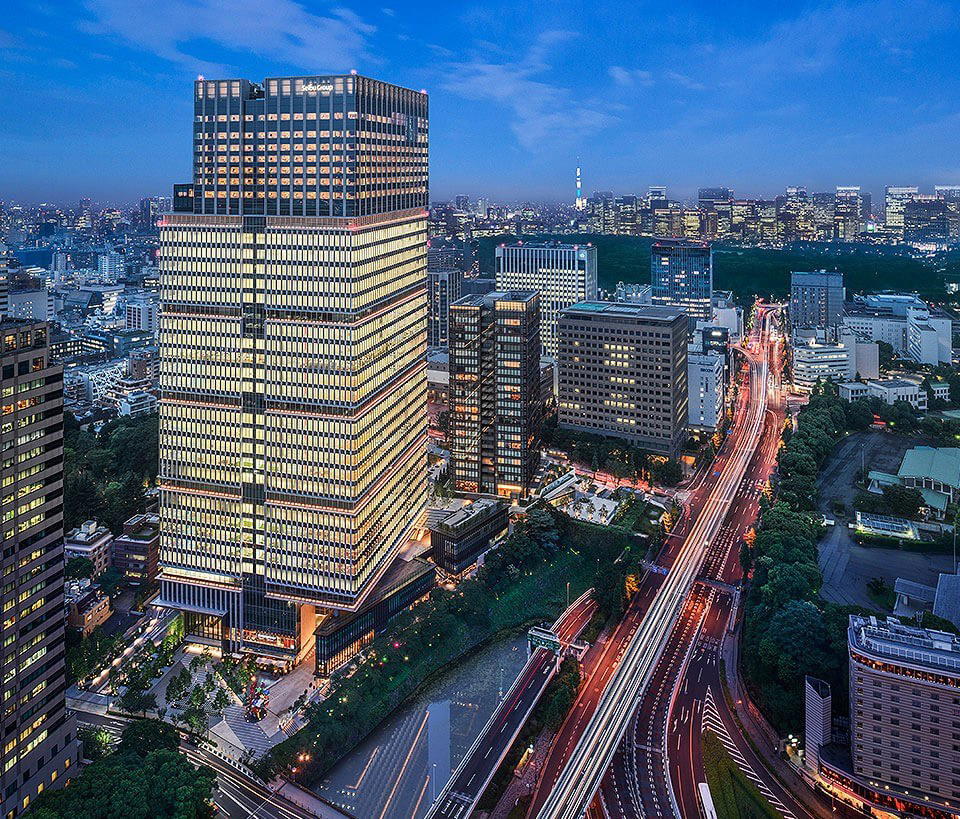
The neighbourhood choice is worth examining. Most of Tokyo's most-discussed patisserie operations cluster in areas like Aoyama, Minami-Aoyama, or Hiroo, where the retail environment and daytime foot traffic align more naturally with the format. Roppongi attracts a different pattern of visitor: evening-heavy, tourism-adjacent, with a daytime lull that makes it a harder address for a pastry operation dependent on morning and afternoon trade. A second-floor location in a mixed-use arts building adds a further layer of specificity. This is not a street-level impulse-purchase location. The clientele that finds Patisserie Mayo has looked for it.
That self-selecting quality is common among the serious small patisseries that earn critical recognition in Tokyo. The city's geography rewards the dedicated. Venues that require a deliberate visit, up a staircase, inside a building with no particular retail drama at street level, tend to operate with a customer base that already understands what they are coming for. The informational cost filters out the casual traffic that would dilute the experience for both parties.
Tokyo's Patisserie Tier in Context
The city's pastry culture operates at a scale and density that is difficult to overstate. Across Minato, Shibuya, and Shinjuku, the competition for attention among technically serious pastry operations is substantial. Against that backdrop, OAD recognition in 2025 marks Patisserie Mayo as a venue that has differentiated itself within the category, not merely within the neighbourhood.
Internationally, the patisserie format has been reframed in recent years by chefs who bring fine-dining training into the retail pastry context. Lysée in New York City represents one version of that ambition, operating at a price tier and format discipline that positions it against restaurant-adjacent rather than bakery-adjacent peers. ONE65 Patisserie in San Francisco takes a different structural approach, embedding the pastry program inside a larger multi-format building. Patisserie Mayo's Roppongi location suggests a third model: concentrated, single-chef, and embedded in a neighbourhood that is not the obvious address for the format, which may itself be a deliberate statement about where the chef's clientele lives and works.
The Broader Tokyo Dining Frame
Situating Patisserie Mayo within Tokyo's full dining spectrum requires acknowledging how different the patisserie discipline is from the categories that dominate the city's critical conversation. The venues most associated with Tokyo's international reputation, Harutaka for sushi, RyuGin for kaiseki, L'Effervescence and Sézanne for French, and Crony for the newer innovative-French cohort, operate in formats where a single evening represents the complete experience. The patisserie format distributes its case differently: across visits, across seasons, across the gradual accumulation of product memory that builds loyalty in a customer base that returns weekly rather than annually.
That rhythm also distinguishes Tokyo's pastry culture from, say, Osaka's, where the sweet-making tradition runs through wagashi and confectionery channels with different reference points. If you are extending your Japan itinerary, HAJIME in Osaka and Gion Sasaki in Kyoto represent the high-end dining context of those cities, while akordu in Nara, Goh in Fukuoka, 1000 in Yokohama, and 6 in Okinawa extend the map of serious Japanese cooking across the archipelago.
For the full picture of what Tokyo's dining, drinking, and hospitality scenes offer at this tier, our guides cover the city's restaurants, hotels, bars, wineries, and experiences in full.
Planning a Visit
Patisserie Mayo is located on the second floor of the Artscape building at 7-10-2 Roppongi, Minato City, Tokyo. Given the second-floor, non-street-facing position, first-time visitors should allow time to locate the building and entrance. Reservations are essential. Hours are Mon: Closed; Tue to Sun: 2 to 11 PM. The Google rating is 4.1 from 57 reviews.
What dish is Patisserie Mayo famous for?
The available record for Patisserie Mayo does not specify signature dishes or a particular product the venue is known for. What the OAD 2025 Casual Japan listing does confirm is that the pastry program has been reviewed and recognised for consistency and craft within a competitive national field. In Tokyo's serious patisserie tier, recognition at this level typically attaches to technical precision across the range rather than a single flagship item. Visiting the patisserie and asking what is current is, in this context, the most reliable approach and the one most consistent with how these small-format operations tend to work.
Category Peers
Comparable venues nearby, for context on price, style, and recognition.
| Venue | Cuisine | Price | Awards | Notes |
|---|---|---|---|---|
| Patisserie MayoThis venue — the venue you are viewing | Seasonal Japanese Patisserie | $$$ | ||
| Udon Shin | Creative Fusion Udon | $$$ | Shibuya | |
| Tori Sawa Roppongi | Yakitori | $$$ | , | Minato |
| Akasaka Gosen | Kaiseki with Soft-Shelled Turtle | $$$ | , | Minato |
| Sorano Shibuya | Traditional Japanese Tofu Cuisine | $$$ | , | Shibuya |
| Sushiya | Edomae Omakase Sushi | $$$ | , | Chūō |







At a Glance
- Intimate
- Elegant
- Minimalist
- Sophisticated
- Date Night
- Special Occasion
- Open Kitchen
- Local Sourcing
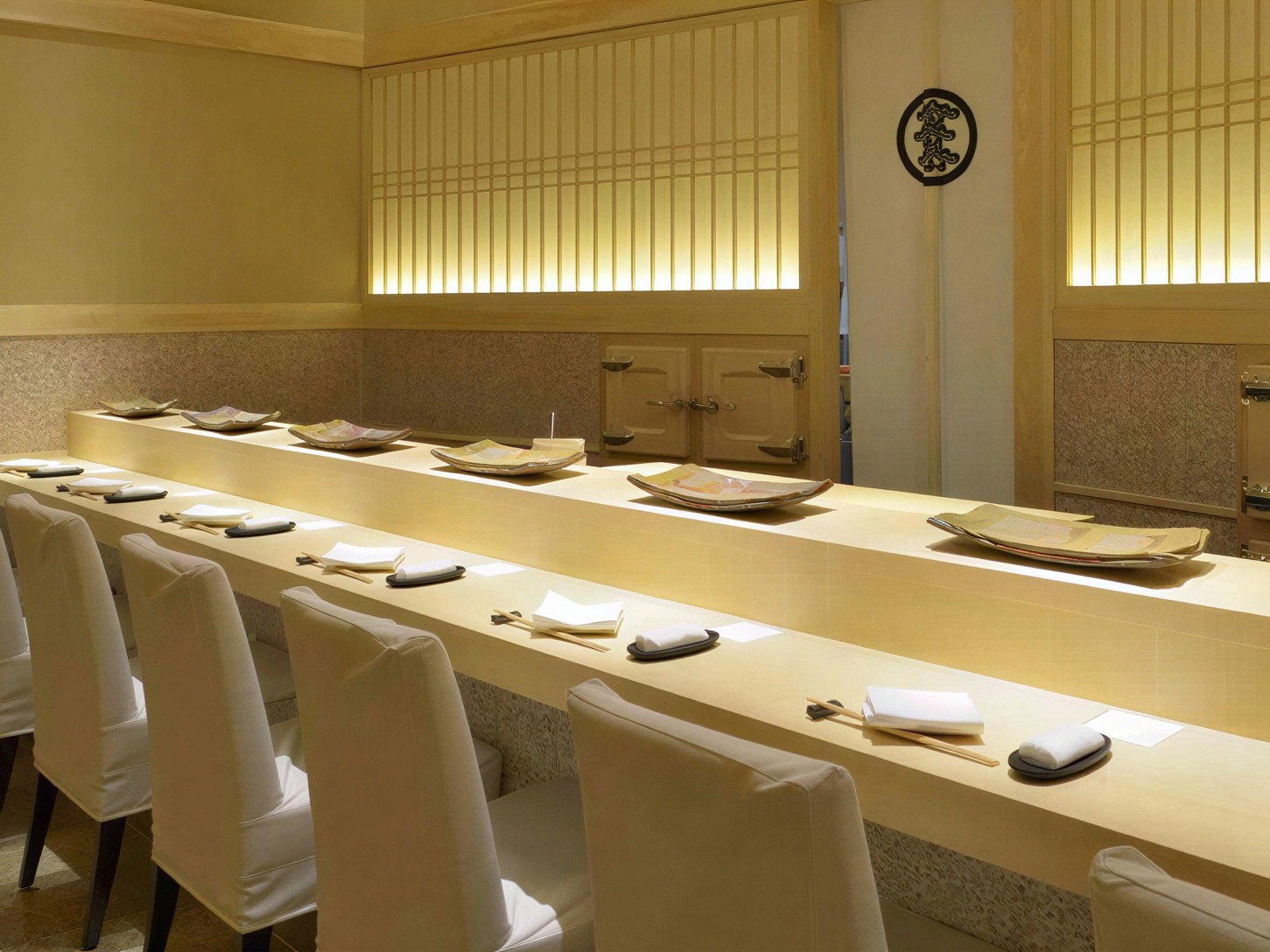
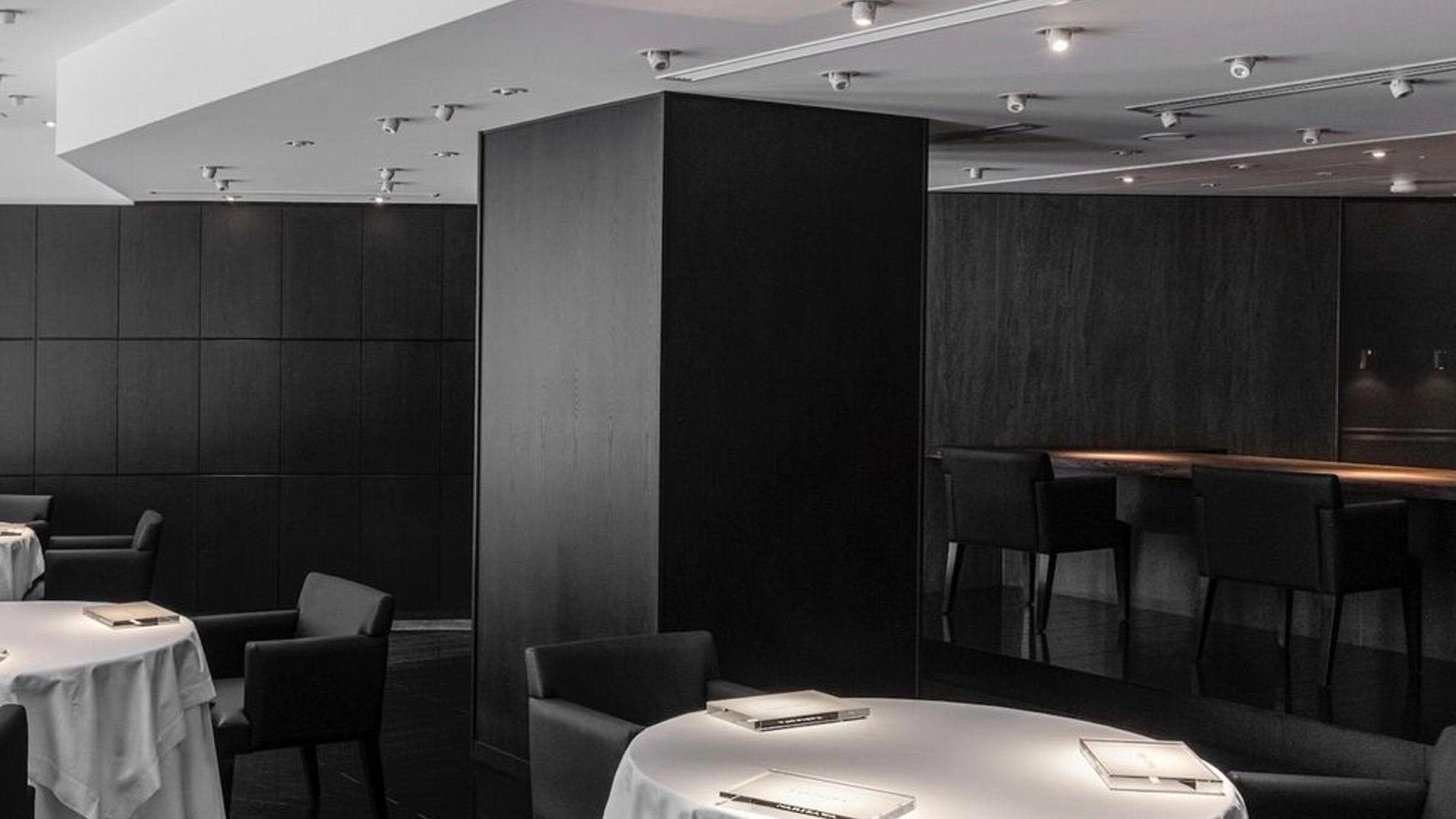
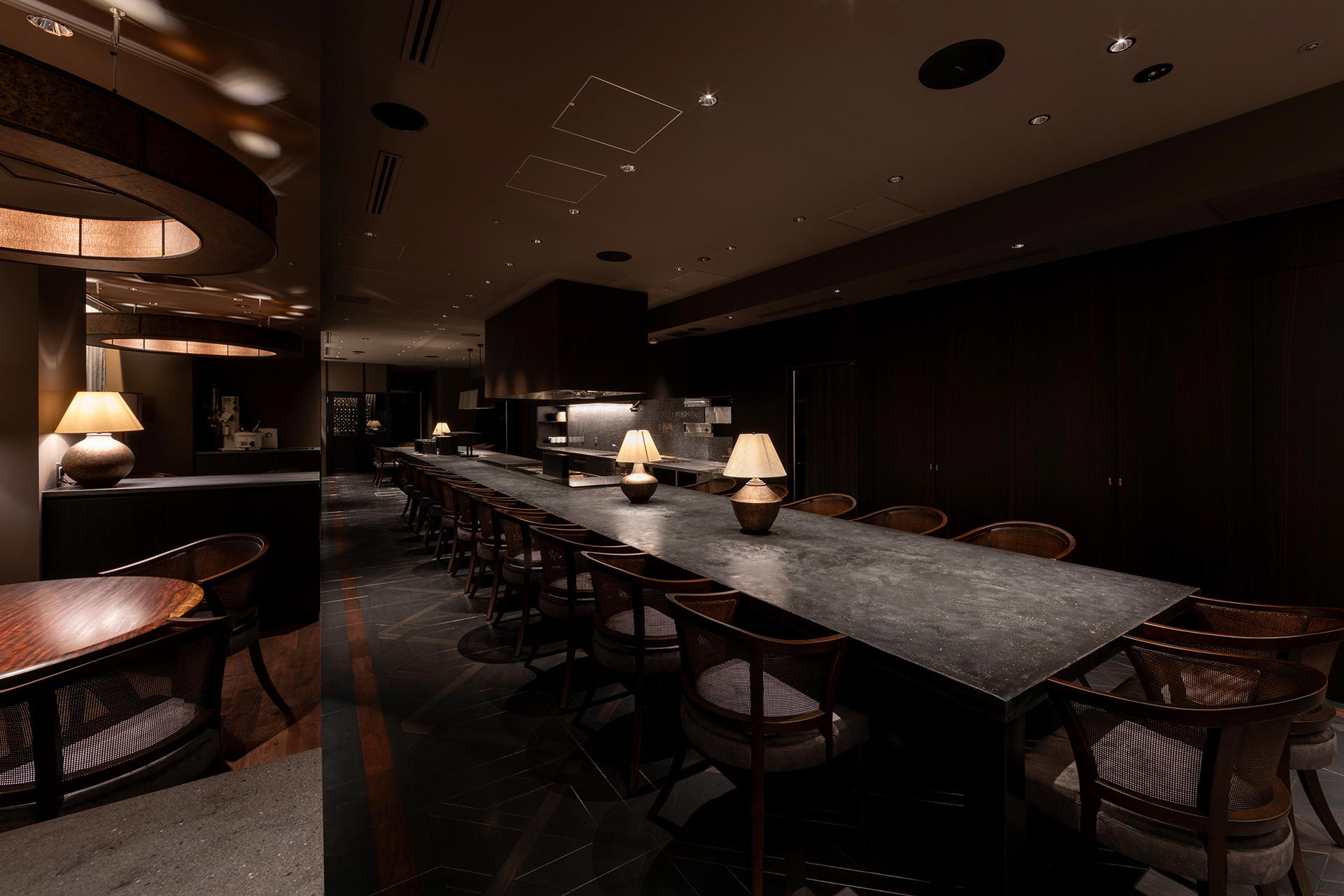
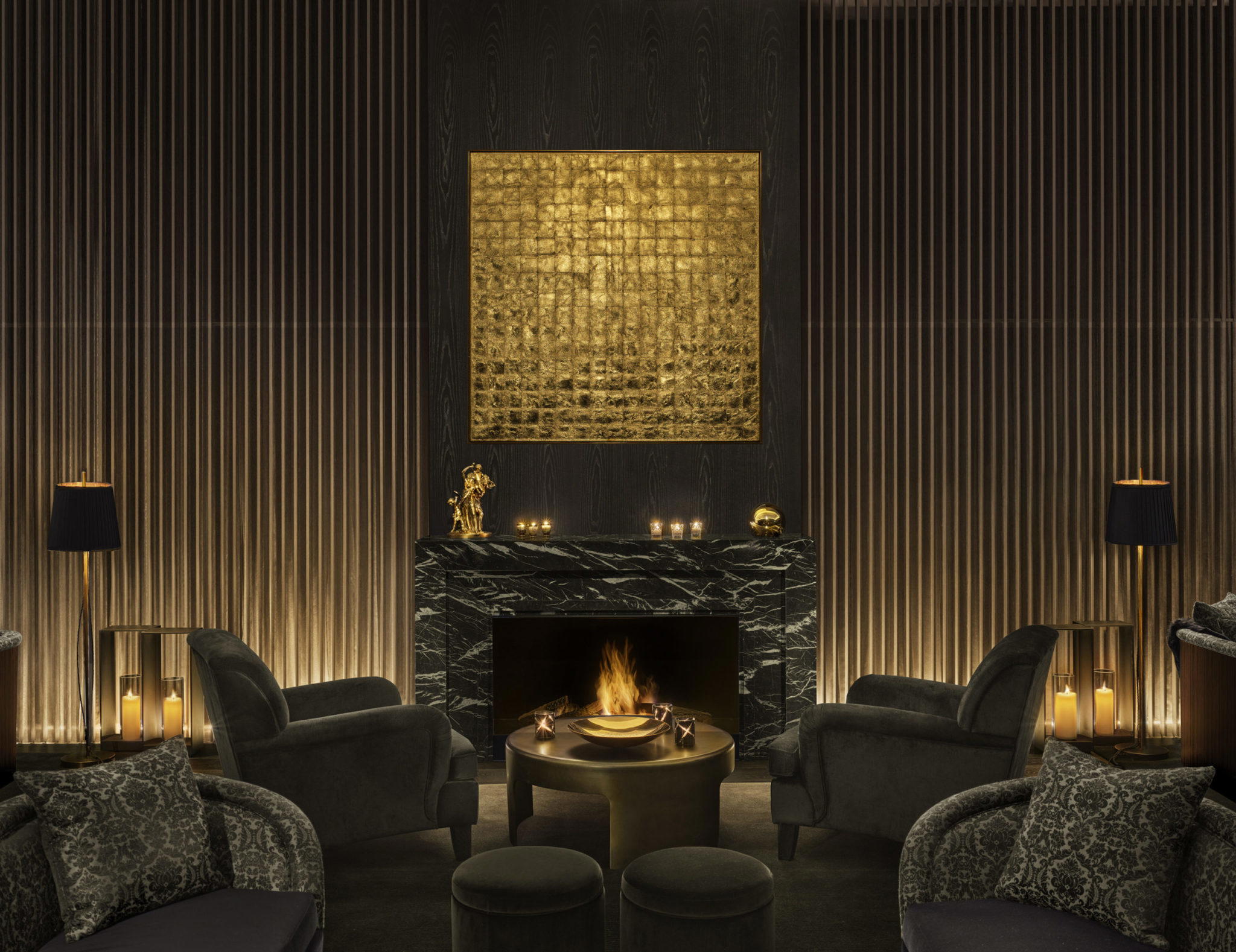
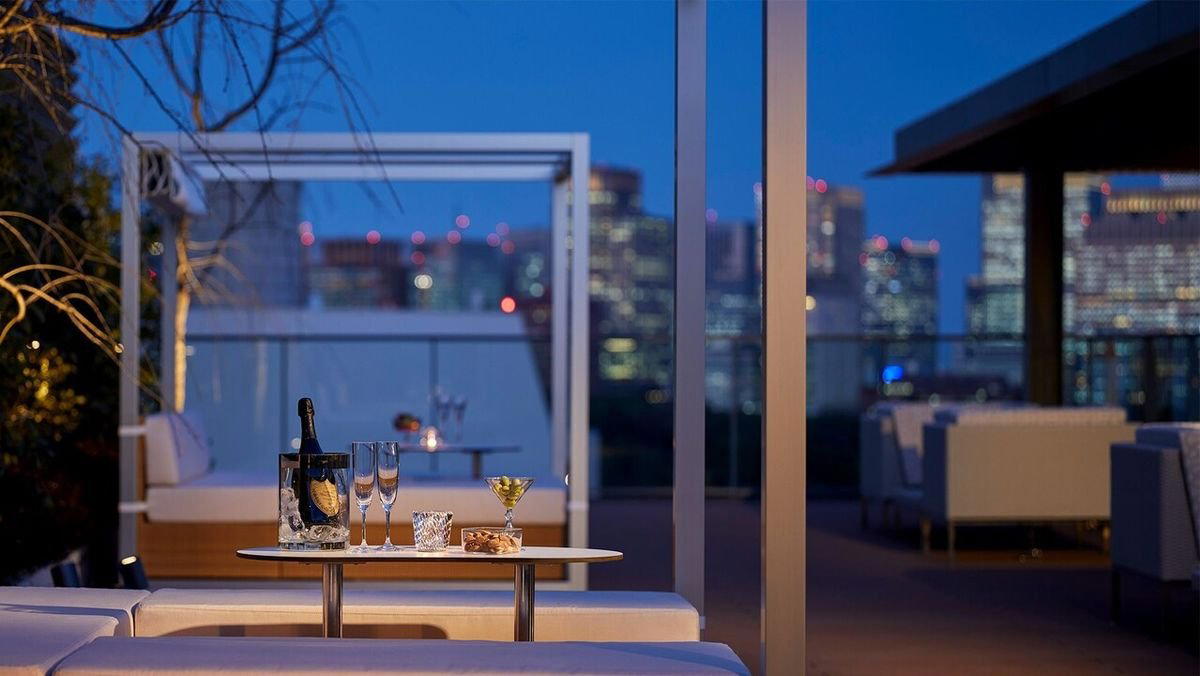
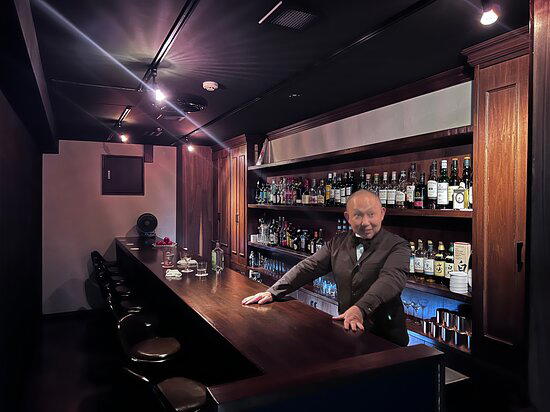
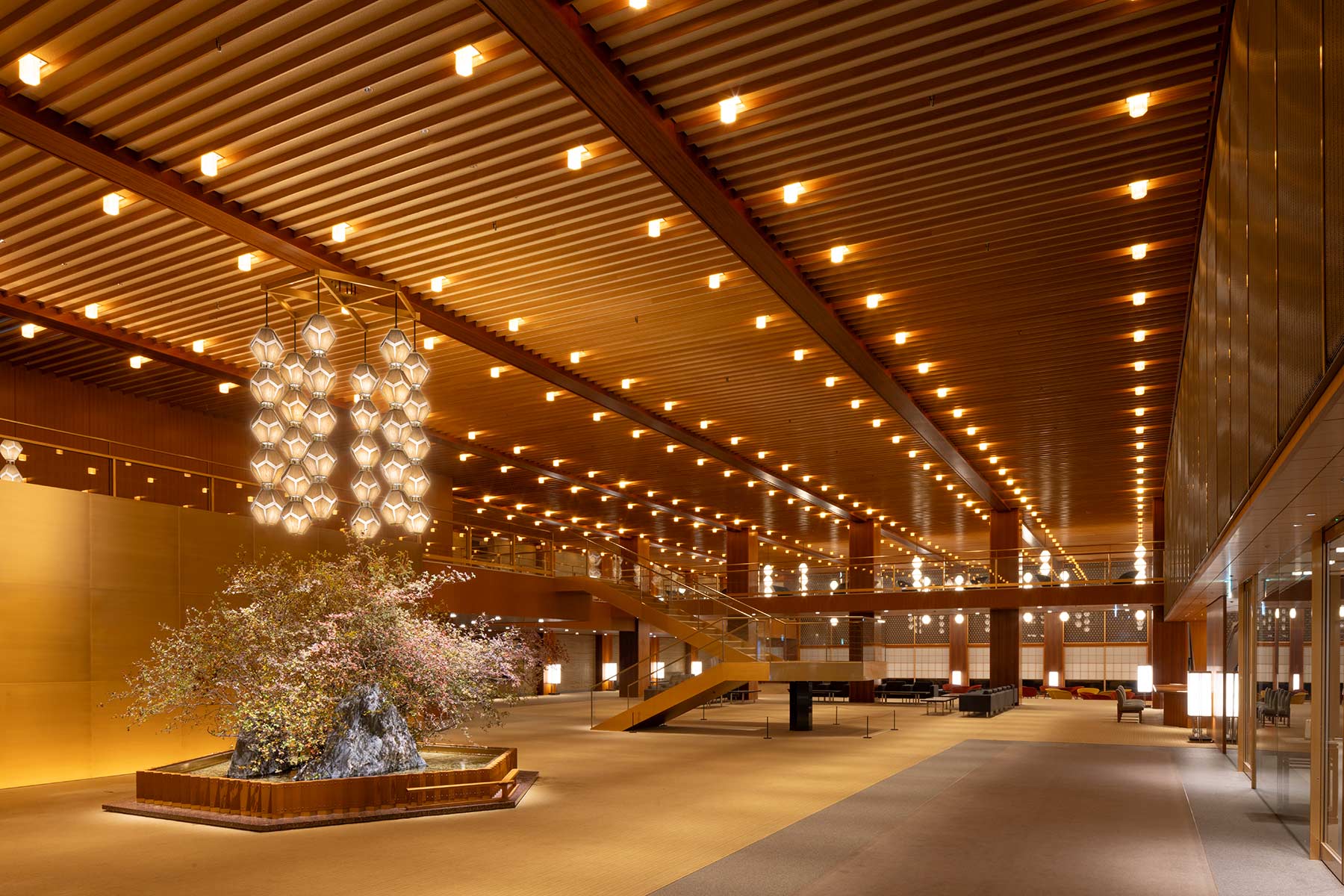
Deep black tones with glossy colorful fruit displays, softly lit minimalist counter creating a tranquil and elegant atmosphere.