On the second floor of the Hanatsubaki Building in Ginza 6-chome, Sushiya occupies a quietly serious position in one of Tokyo's most competitive sushi corridors. The address alone places it in immediate company with counters that price and operate at the upper tier of Edo-mae tradition. For those tracking Tokyo's premium sushi circuit, it warrants the same attention given to its neighbours.
Pearl is the En Primeur Club membership app — saves, bookings, and concierge access live there. Same editors, same standards.
- Address
- Japan, 〒104-0061 Tokyo, Chuo City, Ginza, 6 Chome−4−16 Hanatsubaki Bldg, 2階
- Phone
- +81 3-3571-7900
- Directions
- Get directions
 Saves & bookings on Pearl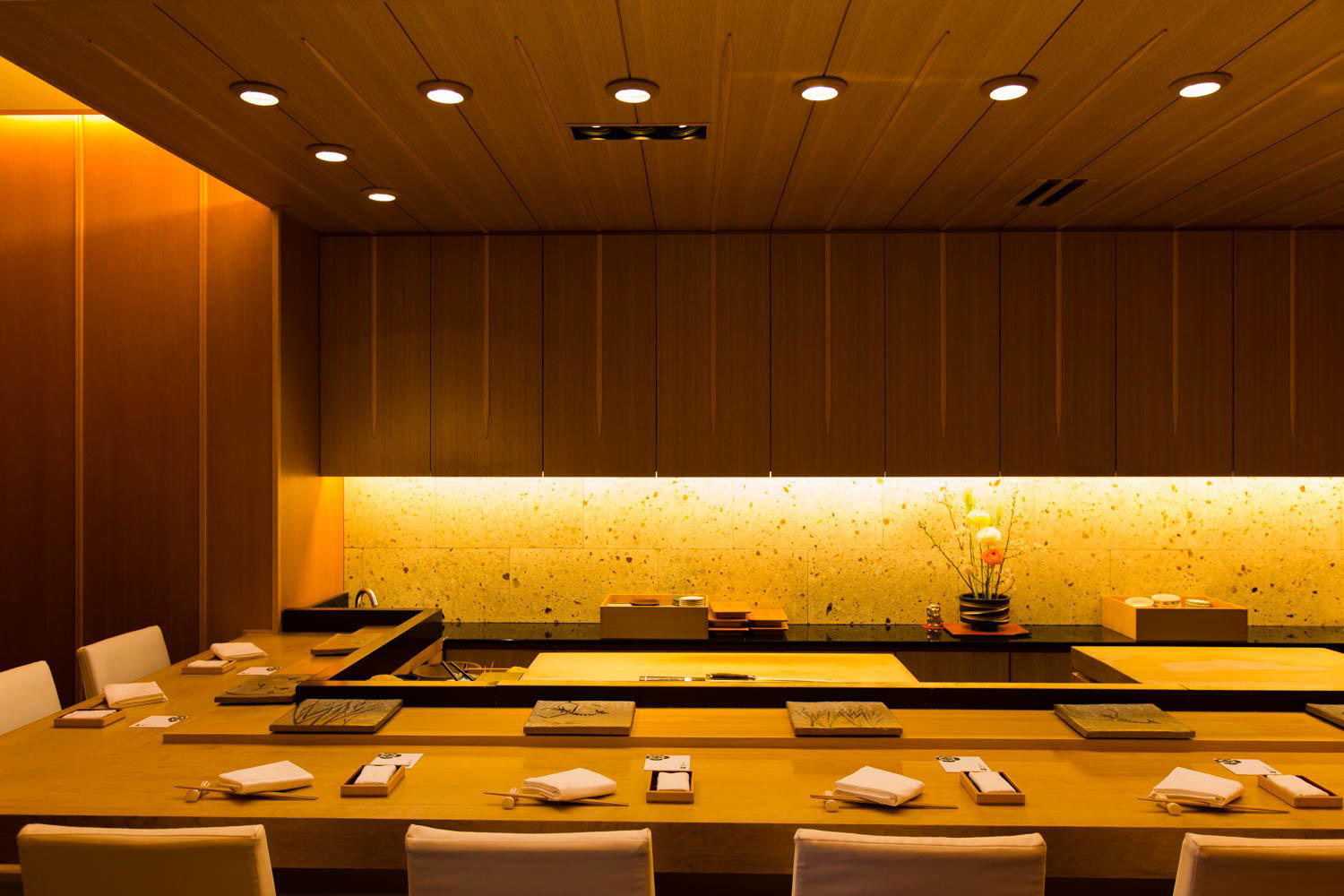
Sushiya is an Edomae omakase sushi restaurant in Ginza, Tokyo, on the second floor of the Hanatsubaki Building in 6-chome. The neighbourhood has long been Tokyo's most concentrated zone for serious Edo-mae sushi, and the premises here sit at the centre of it, surrounded by counters that have shaped how the form is understood internationally.
Where Ginza's Sushi Tradition Actually Lives
Ginza's premium sushi corridor is not a marketing concept. It is a geographic and professional reality, a few walkable blocks where the density of high-level omakase counters is higher than almost anywhere else on earth. Counters here, including Harutaka, which operates at the ¥¥¥¥ tier nearby, compete for the same informed clientele: Japanese regulars who have been booking the same seat for years, and international visitors who researched their reservation before they booked their flight.
What defines the district is not merely technique but sourcing discipline. Edo-mae sushi at its most serious is an ingredient-driven format before it is anything else. The rice matters, the temperature of service matters, and above all, the provenance of fish matters. Counters in this tier typically source from Toyosu Market, Tokyo's wholesale fish market that replaced Tsukiji, and the better ones have long-standing relationships with specific vendors, giving them first call on seasonal fish that may never reach the open floor. The competitive pressure among Ginza counters to demonstrate sourcing provenance has raised the floor across the district, meaning even a midrange counter here operates with stricter ingredient standards than most cities could sustain.
Sushiya sits within that framework. Its Ginza 6-chome address places it in the densest part of this corridor, where proximity to peers is itself a form of editorial context. The address on Hanatsubaki Building's second floor follows a format familiar in Ginza: discreet, upstairs, requiring a reservation and intention rather than a casual drop-in decision. This is not accidental. Counter sushi at this level is a structured format, not a restaurant experience in the conventional sense.
The Logic of Edo-mae at This Level
Edo-mae sushi was originally a street food, developed in nineteenth-century Tokyo as a way to preserve fish using vinegar-seasoned rice when refrigeration did not exist. The curing and resting techniques of that tradition have evolved into what is now a high-precision format at the summit tier, where aging fish for controlled periods, varying the temperature of neta and shari, and timing service to the minute are all deliberate acts. Counters in Ginza practice these disciplines at a level that other cities rarely match, because the customer base expects it and the competition enforces it.
The omakase format, which means the chef selects the sequence, is the default mode at this tier. It removes menu choice and replaces it with sourcing-led sequence: what arrived this morning at Toyosu, what is at the peak of its brief seasonal window, what the chef's standing vendor relationships have delivered. This is where ingredient sourcing and dining format converge most directly. The meal is not designed around preferences; it is designed around what the market provided that day, which is a fundamentally different proposition from most high-end dining formats in other cuisines and other cities.
Comparable approaches operate at RyuGin in the kaiseki tradition and at L'Effervescence in the French mode, both premises where the sourcing calendar drives the sequence, but Edo-mae sushi makes the fish provenance more naked and more central than either of those formats. There is nowhere to hide behind a sauce or a technique. For those exploring the wider range of Tokyo's serious dining rooms, Sézanne and Crony represent French-influenced tracks operating at comparable price and intention levels, and our Tokyo restaurants guide maps the city's range by category and district.
The Atmosphere Counter Dining Actually Requires
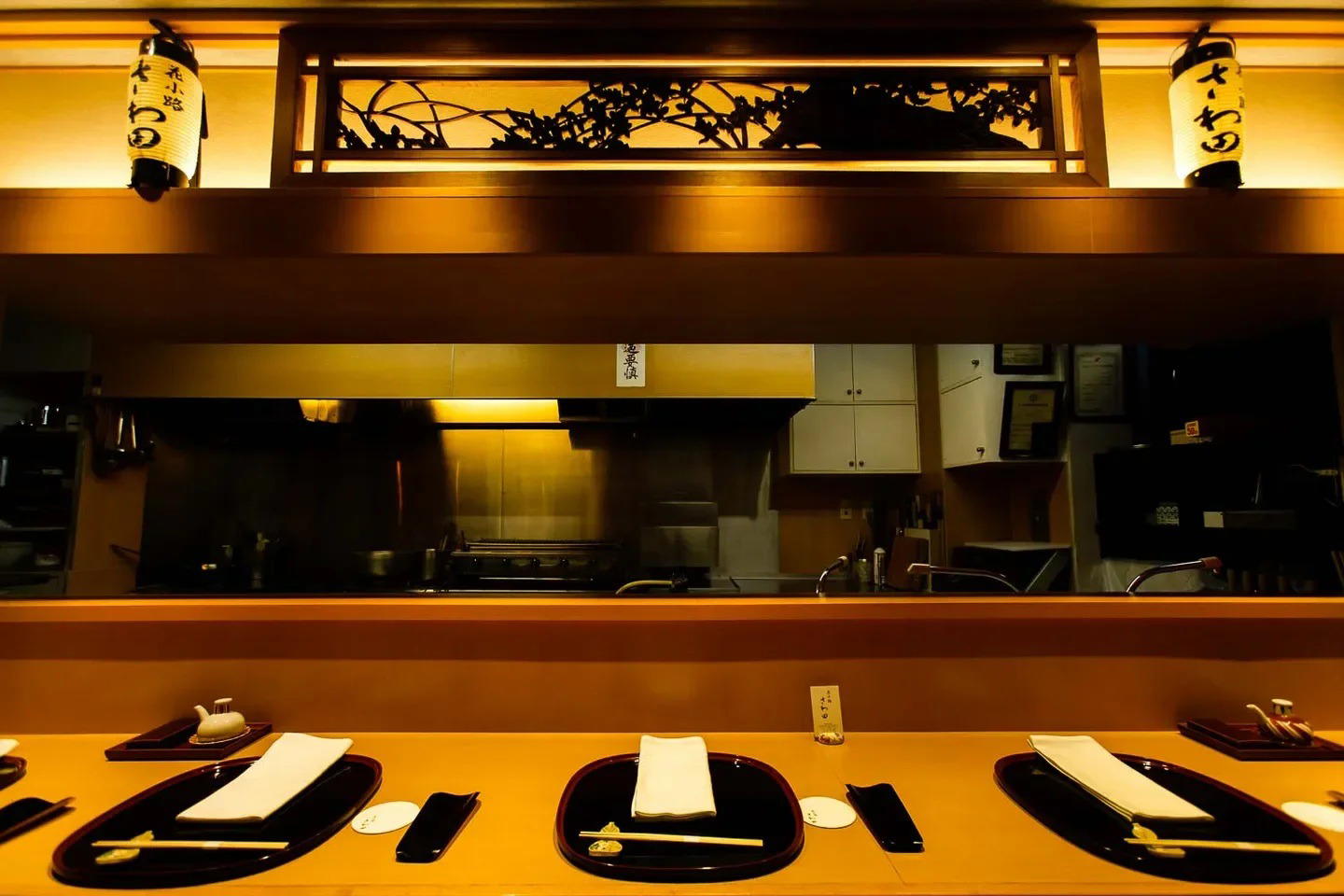
The physical format of a serious omakase counter imposes its own atmosphere. Seat counts are small, the classic counter runs between eight and twelve seats, and the proximity to the chef means conversation is possible but noise is not. The rooms tend toward spare material choices: pale wood, clean lines, no tablecloths. This is not minimalism as aesthetic trend; it is the practical environment that a craft demanding visual and tactile precision requires. The chef is working a few feet away, and the room is designed to foreground that.
Ginza's counter rooms also carry a specific social code. Punctuality is expected. Phones at the counter are handled with restraint by regulars. The pace is set by the chef, not the diner. For visitors arriving from dining cultures where the customer controls the room, this represents a genuine recalibration of expectations, and for those willing to make it, the experience of handing over that control and receiving something sourcing-led and seasonal in return is precisely what Ginza's reputation is built on.
Tokyo's premium dining circuit extends well beyond the city itself. For comparable precision in different formats and regions, HAJIME in Osaka, Gion Sasaki in Kyoto, and akordu in Nara each represent regional high-water marks in their respective traditions. Goh in Fukuoka and 1000 in Yokohama extend the range further, and 6 in Okinawa brings a distinct southern ingredient logic to the mix. Internationally, Le Bernardin in New York City and Atomix in New York City operate at the intersection of sourcing discipline and precision technique in ways that invite comparison, even across different culinary traditions.
Know Before You Go
- Address: 2F Hanatsubaki Building, 6-4-16 Ginza, Chuo City, Tokyo 104-0061
- District: Ginza 6-chome, central Tokyo
- Format: Omakase counter, chef-led sequence, no à la carte
- Reservations: Required; walk-ins are not a realistic option at this tier in Ginza
- Getting there: Ginza Station (Tokyo Metro Ginza, Marunouchi, and Hibiya lines) is the closest access point; the 6-chome area is a short walk from the main exits
Reputation First
Comparable venues nearby, for context on price, style, and recognition.
| Venue | Cuisine | Price | Notes |
|---|---|---|---|
| SushiyaThis venue — the venue you are viewing | Edomae Omakase Sushi | $$$ | Not listed |
| Zakuro Ginza ten | Traditional Wagyu Shabu-shabu & Sukiyaki | $$$ | Chūō |
| Nodoguro Senmon Ginza Nakamata | Nodoguro-focused Japanese set-course dining | $$$ | Chūō |
| Toranomon Yakitori Kuniyoshi | Yakitori & Chicken Dishes | $$$ | Minato |
| Yama no Chaya | Traditional Japanese Unagi Kaiseki | $$$ | Chiyoda |
| Komiyama | Yakiniku (Japanese BBQ) | $$$ | Minato |










At a Glance
- Intimate
- Elegant
- Sophisticated
- Special Occasion
- Date Night
- Chefs Counter
- Sake Program
Current opening hours
- Monday
- 12–2 PM, 5:30–10 PM
- Tuesday
- 12–2 PM, 5:30–10 PM
- Wednesday
- 12–2 PM, 5:30–10 PM
- Thursday
- 12–2 PM, 5:30–10 PM
- Friday
- 12–2 PM, 5:30–10 PM
- Saturday
- 12–2 PM, 5:30–10 PM
- Sunday
- 12–2 PM, 5:30–10 PM
Hours can change for holidays and private events. Last verified .
Zen-like intimate counter seating for 8 with attentive chef interaction and calm atmosphere.