
Tori Sawa Roppongi is an 11-seat counter yakitori restaurant in Minato, selected for Tabelog 100 Yakitori EAST 2025. The appeal is the disciplined progression of a skewer-led meal in one of Tokyo’s densest dining districts, with a price band of JPY 10,000 - JPY 14,999 and a format better suited to focused diners than casual groups.
Pearl is the En Primeur Club membership app — saves, bookings, and concierge access live there. Same editors, same standards.
- Address
- Japan, 〒106-0032 Tokyo, Minato City, Roppongi, 4 Chome−1−19 ARUGA19ビル 1階
- Phone
- +81 3-6455-4994
- Website
- kazura.tokyo
 Saves & bookings on Pearl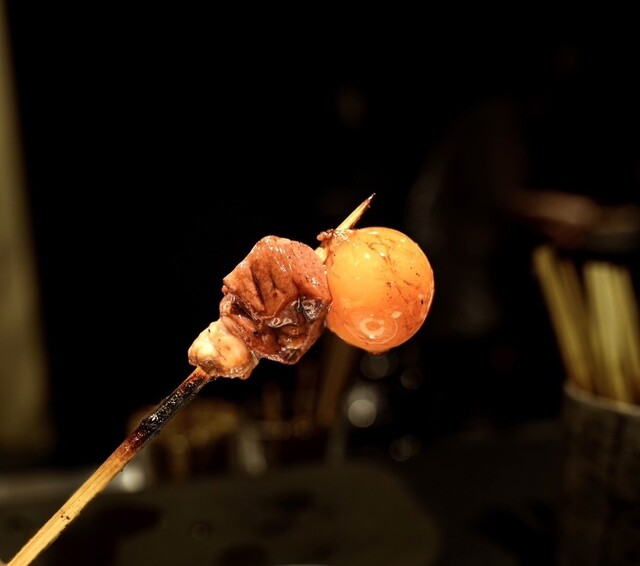
Roppongi’s restaurant streets change character after dark: office traffic thins, side-building entrances become part of the dining ritual, and the counter becomes the serious unit of measurement. In Tokyo yakitori, that counter matters. The meal is not just grilled chicken on sticks; it is a sequence, paced by heat, fat, salt, tare, smoke, and the cook’s control over small pieces that cannot hide behind sauce or plating theater.
Tori Sawa Roppongi belongs to the newer, compact end of that tradition. Its selection for Tabelog 100 Yakitori EAST 2025 places it inside a category where Tokyo diners are judging more than comfort or atmosphere. The relevant question is whether the progression holds attention across repeated grill work: leaner cuts, richer cuts, textural shifts, palate resets, and a drinks program that can keep pace without taking over the meal.
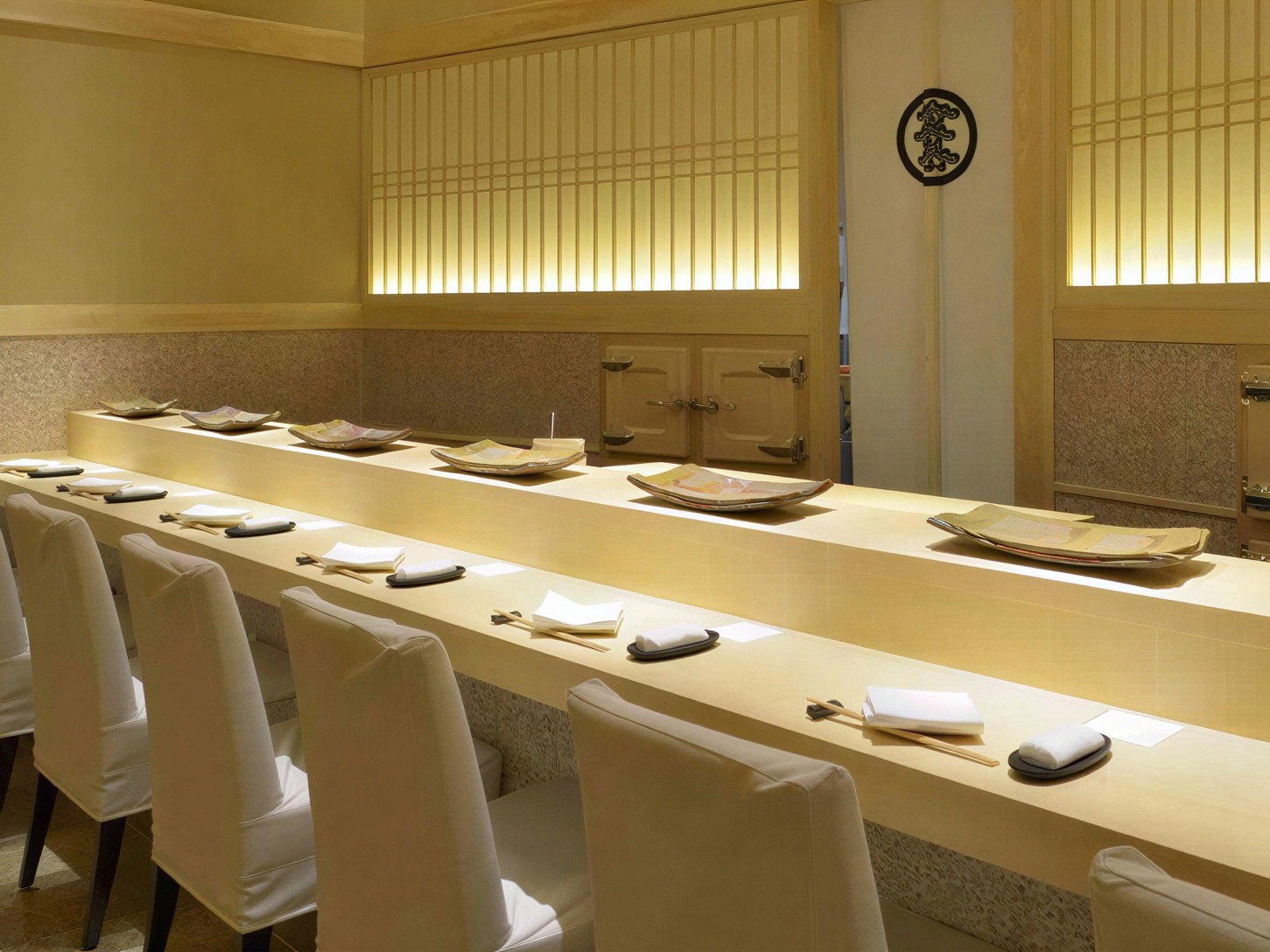
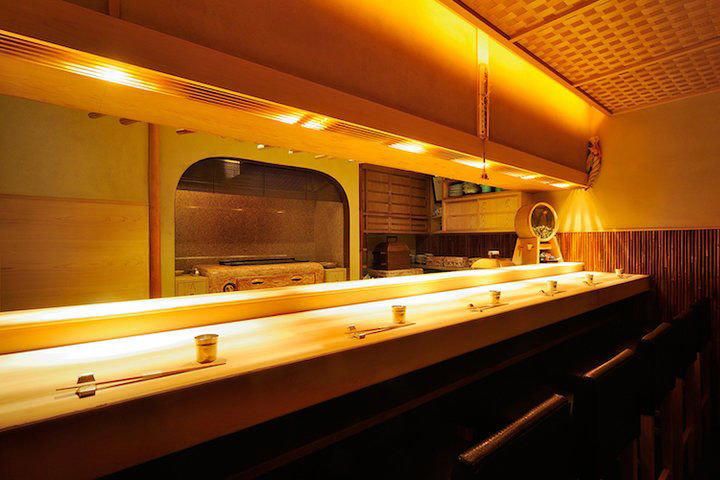
An 11-seat counter built around the rhythm of the grill
Tokyo’s serious yakitori rooms tend to be narrow by design. A small counter turns the grill into the room’s center of gravity, and it changes how the meal is read. Diners see timing rather than only results: when skewers leave the heat, how quickly they move, and how the sequence avoids fatigue. Tori Sawa Roppongi’s 11 counter seats put it firmly in that intimate format, where the margin for distraction is thin.
The tasting progression is the point. Yakitori can look simple from a distance, but the form depends on ordering and contrast. A strong sequence builds from restraint to depth, letting chicken parts, seasoning, and charcoal create momentum without forcing a dramatic arc. The drink list’s stated focus on sake, shochu, and wine signals a room calibrated for pairings across that progression rather than a single default beverage lane.
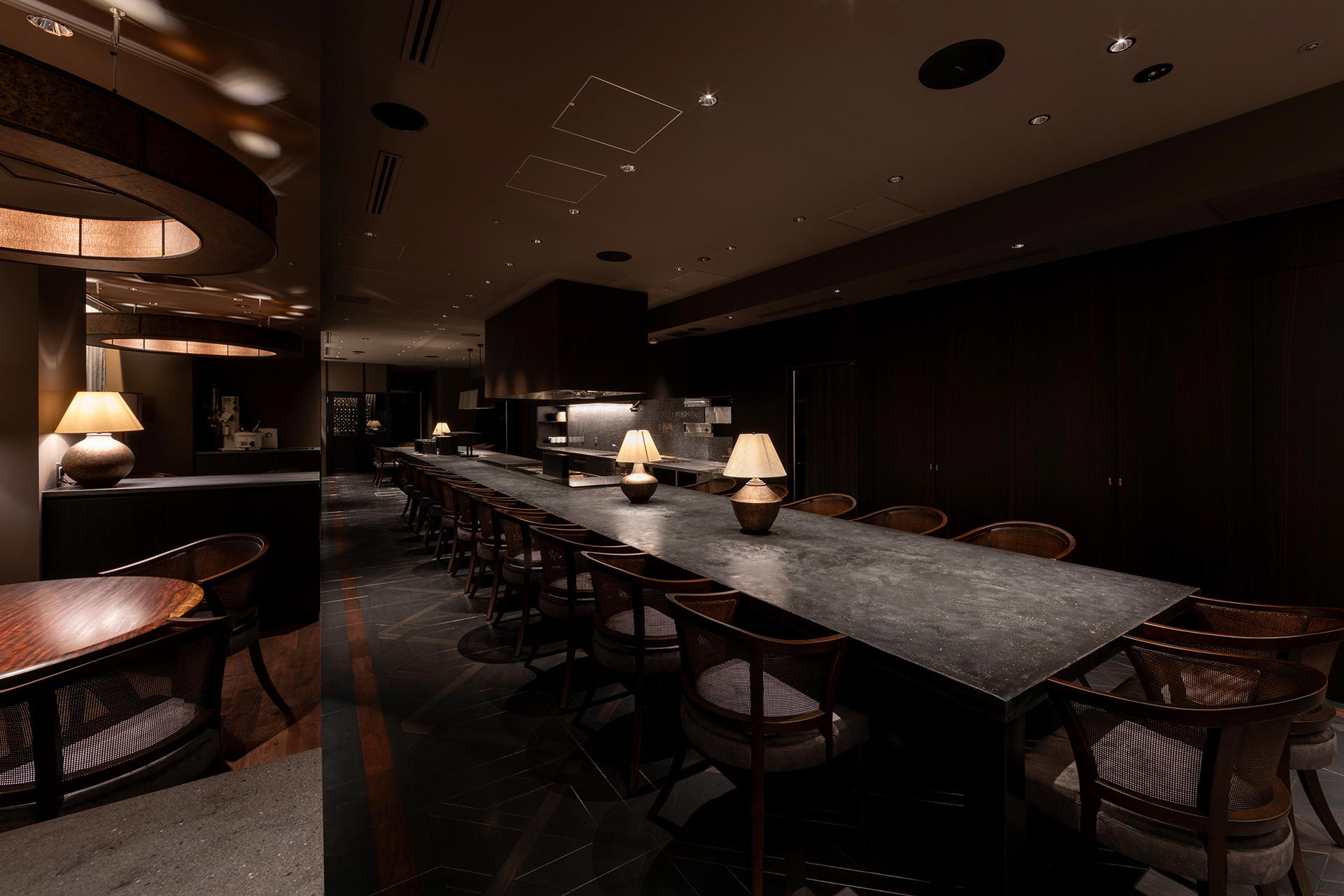
Roppongi adds a useful tension. The district can reward spectacle, late dinners, and high-spend convenience, yet its better counters often work against that noise by narrowing the experience. Compared with broader Tokyo dining formats such as French at Ryuzu, Chinese at Tousenkaku, or sushi pricing in a higher band at Sushi Sagawa, this kind of yakitori occupies a different value equation: fewer gestures, tighter proximity, and craft measured piece by piece.
Why the Tabelog 100 signal matters in Tokyo yakitori
Tabelog’s 2025 Yakitori EAST selection is a meaningful trust signal because yakitori is a crowded Tokyo field, not a novelty category. Recognition in that list puts a restaurant into a competitive bracket where diners already understand the grammar of the meal. It also helps separate disciplined counter cooking from the broader izakaya universe, where grilled skewers may be one section of a menu rather than the organizing principle.
The restaurant opened in 2022, which makes the recognition especially relevant as a measure of current momentum rather than inherited reputation. In Tokyo, newer counters face a demanding audience: regulars compare heat control, pacing, drink compatibility, and reservation friction against dozens of alternatives. The Roppongi location also means the room is competing for diners who can easily pivot to sushi, yakiniku, French, or late-night drinking within the same evening.
That context is useful for deciding where it fits in an itinerary. This is not the format for diners who want a sprawling menu, private-room conversation, or a long table. It is better understood as a focused yakitori sitting, with counter proximity and a meal arc that rewards attention. For travelers mapping Tokyo by genre, pair it mentally with other single-discipline meals rather than with broad nightlife dining.
How to place it in a Tokyo food trip
Roppongi’s centrality makes the restaurant easy to fold into a wider dining plan, but the smarter move is to avoid treating yakitori as a prelude. A counter sequence has its own tempo. The meal works when the evening is built around it, not when it is squeezed between cocktails, hotel transfers, and another reservation. The family policy also points toward an adult dining room rather than a flexible multi-generation stop.
For a broader read on the city, use Our full Tokyo restaurants guide alongside category-specific comparisons. Nearby and across the city, Tokyo’s range runs from yakitori-focused listings such as 124. KAGURAZAKA (Yakitori) to casual and genre-specific addresses including . 鮪と炭火焼き うお炭 秋葉原店, 12/10 Shinjuku ten, 2D Cafe, and 3 Chome no Curry Ya San. Those links are less about direct substitution than about understanding how specialized Tokyo dining can be.
Travelers building a full Tokyo stay should separate dinner decisions from the rest of the itinerary. Hotels, bars, wineries, and experiences operate on different rhythms, so consult Our full Tokyo hotels guide, Our full Tokyo bars guide, Our full Tokyo wineries guide, and Our full Tokyo experiences guide separately rather than forcing one night to carry every category.
For readers extending the trip beyond Tokyo, the same editorial logic applies: compare formats, not just cities. A focused beef sukiyaki meal at -Grilled beef Sukiyaki- KAMAKURA TANUKIAN 鎌倉 たぬき庵 in Kamakura, a design-led cafe such as.cafe in Osaka, or regional entries like.know in Kumamoto, (Shoku) Vietnam in Kawasaki, [Curry Senmon Ten] Maruyama Kyoju. in Sapporo, and [ki:] in Kyoto each ask a different question of the diner. Abroad, Jōdo Saké Bar in Los Angeles and Onigiri Time in Pasadena show how Japanese formats travel, but Tokyo’s counter culture remains defined by compression, pacing, and close reading of technique.
Budget Reality Check
Side-by-side context: comparable cuisine and price.
| Venue | Cuisine | Price | Notes |
|---|---|---|---|
| Tori Sawa RoppongiThis venue — the venue you are viewing | Minato, Yakitori | $$$ | Not listed |
| 楽亭 | Kagurazaka, Handmade Soba | $$$ | Not listed |
| Yama no Chaya | Not listed | $$$ | Chiyoda, Traditional Japanese Unagi Kaiseki |
| カサハラ | Minato, Traditional Yakitori | $$$ | Not listed |
| Teppanyaki Takami | Shibuya, Traditional Japanese Teppanyaki | $$$ | Not listed |
| Teppanyaki Hana | Shibuya, Teppanyaki Japanese Fine Dining | $$$ | Not listed |
Recognition history
Dated appearances from independent guides and award organizations, with the underlying list record or original source where available.
Tabelog 100 #100 · No. 100
Tabelog · Tabelog 100 - Yakitori - EAST - 2025








At a Glance
- Intimate
- Quiet
- Cozy
- Sophisticated
- Date Night
- Special Occasion
- Business Dinner
- Solo
- Chefs Counter
- Open Kitchen
- Standalone
- Sake Program
- Beer Program
Current opening hours
- Monday
- 5–11 PM
- Tuesday
- 5–11 PM
- Wednesday
- 5–11 PM
- Thursday
- 5–11 PM
- Friday
- 5–11 PM
- Saturday
- 5–11 PM
- Sunday
- 5–11 PM
Hours can change for holidays and private events. Last verified .
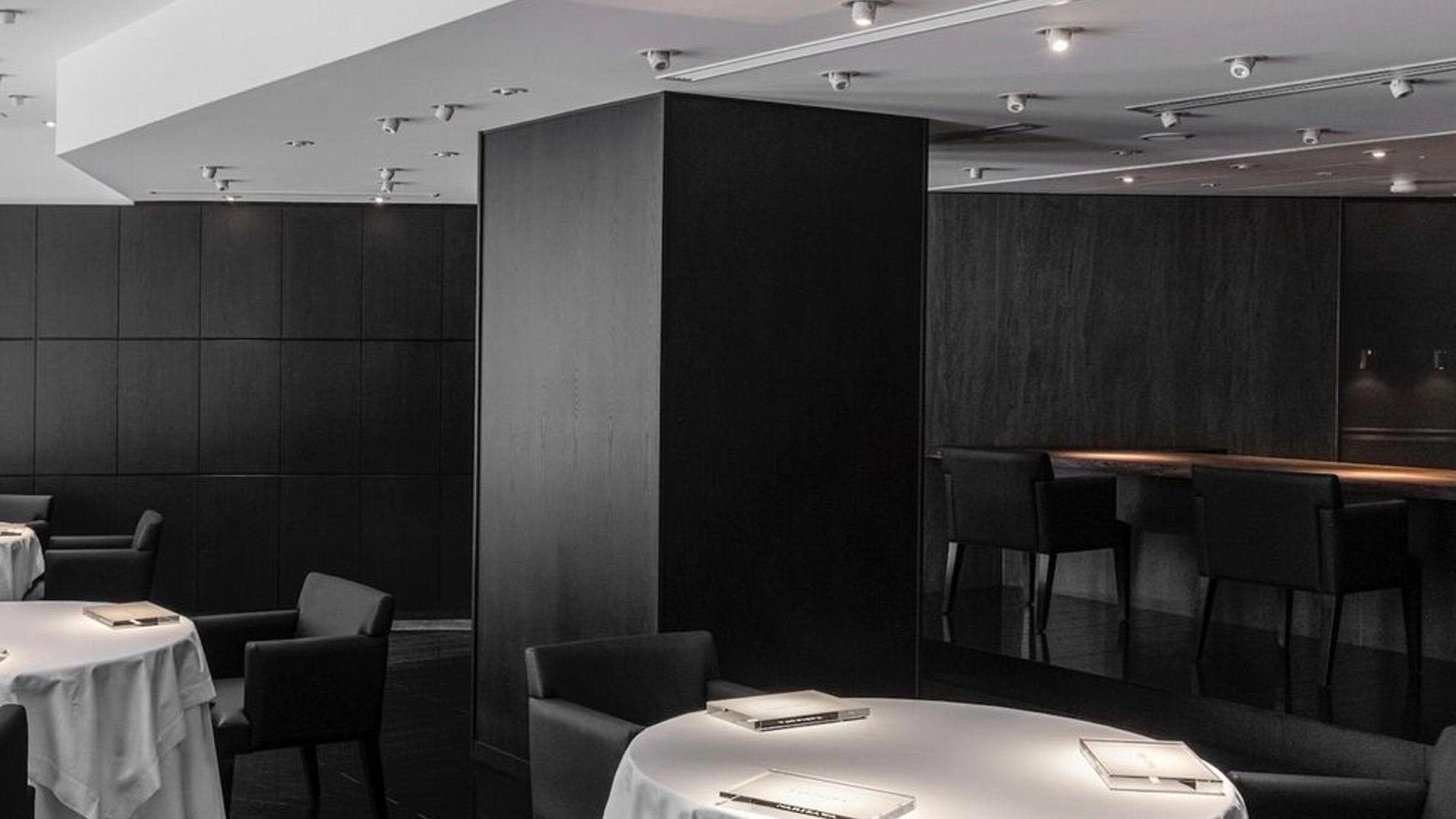
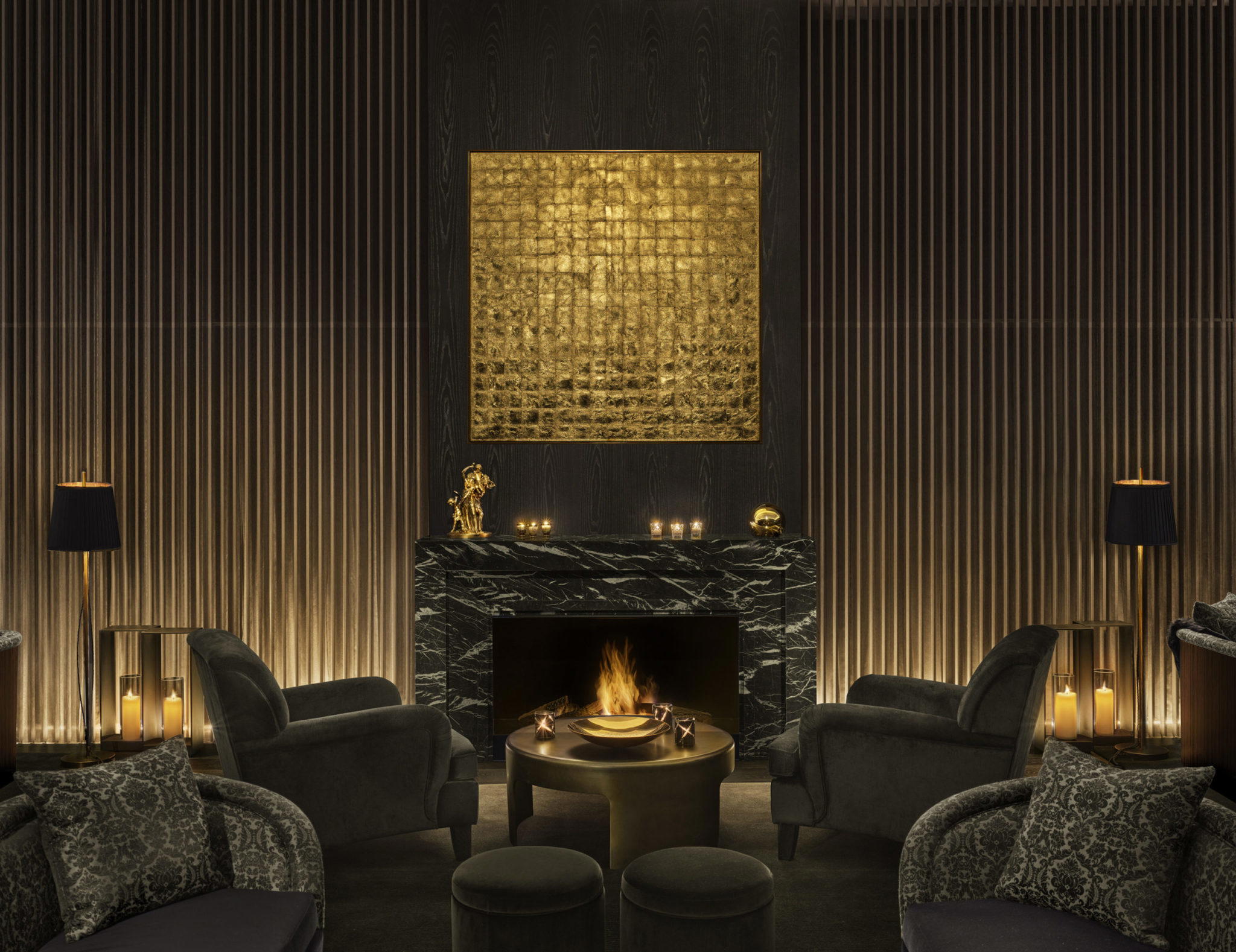
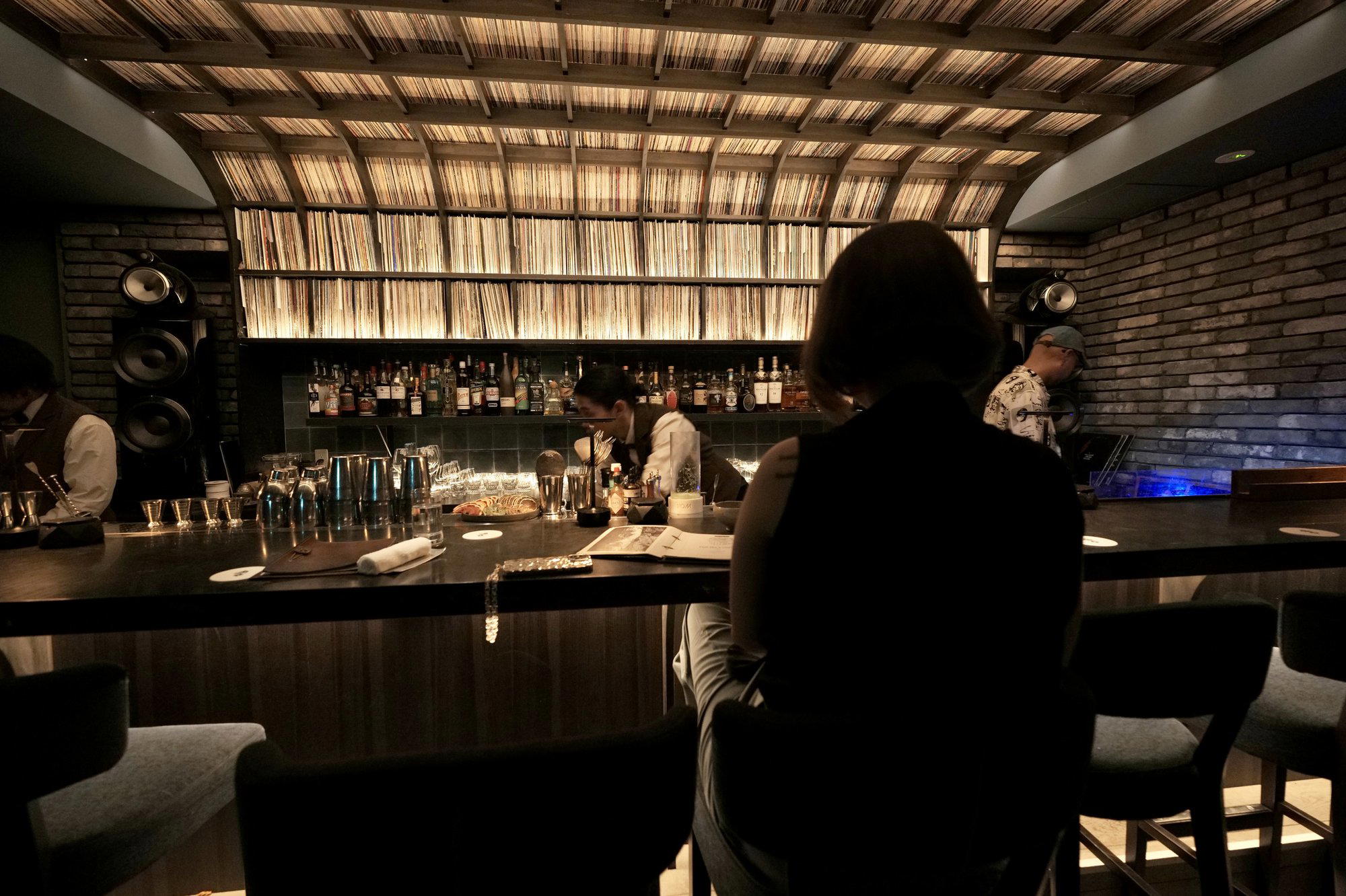
A calm, hideaway-like atmosphere with a refined, intimate feel and special-occasion energy.