
Nagoya’s yakiniku culture rewards places that understand beef, offal, smoke, and pacing without pushing dinner into special-occasion pricing. Yakiniku Horumon Koshin sits in that practical sweet spot: a 36-seat Higashi Ward room with private rooms, Tabelog 100 Yakiniku EAST 2025 recognition, and a format that makes sense for groups as much as serious grill-focused diners.
Pearl is the En Primeur Club membership app — saves, bookings, and concierge access live there. Same editors, same standards.
- Address
- 1 Chome-19-31 Izumi, Higashi Ward, Nagoya, Aichi 461-0001, Japan
- Phone
- +81 52-971-1129
- Website
- instagram.com
 Saves & bookings on Pearl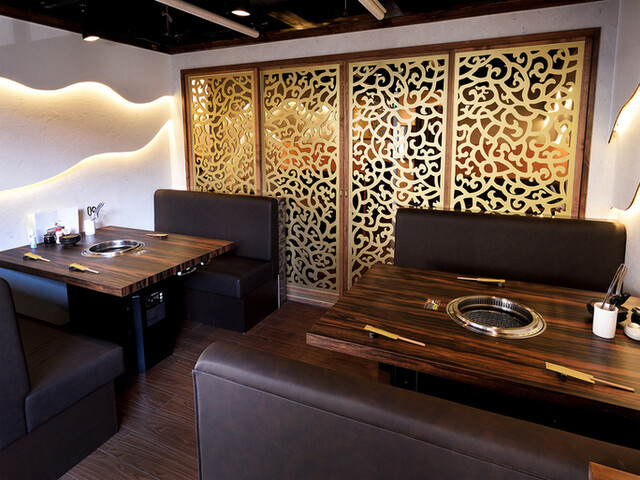
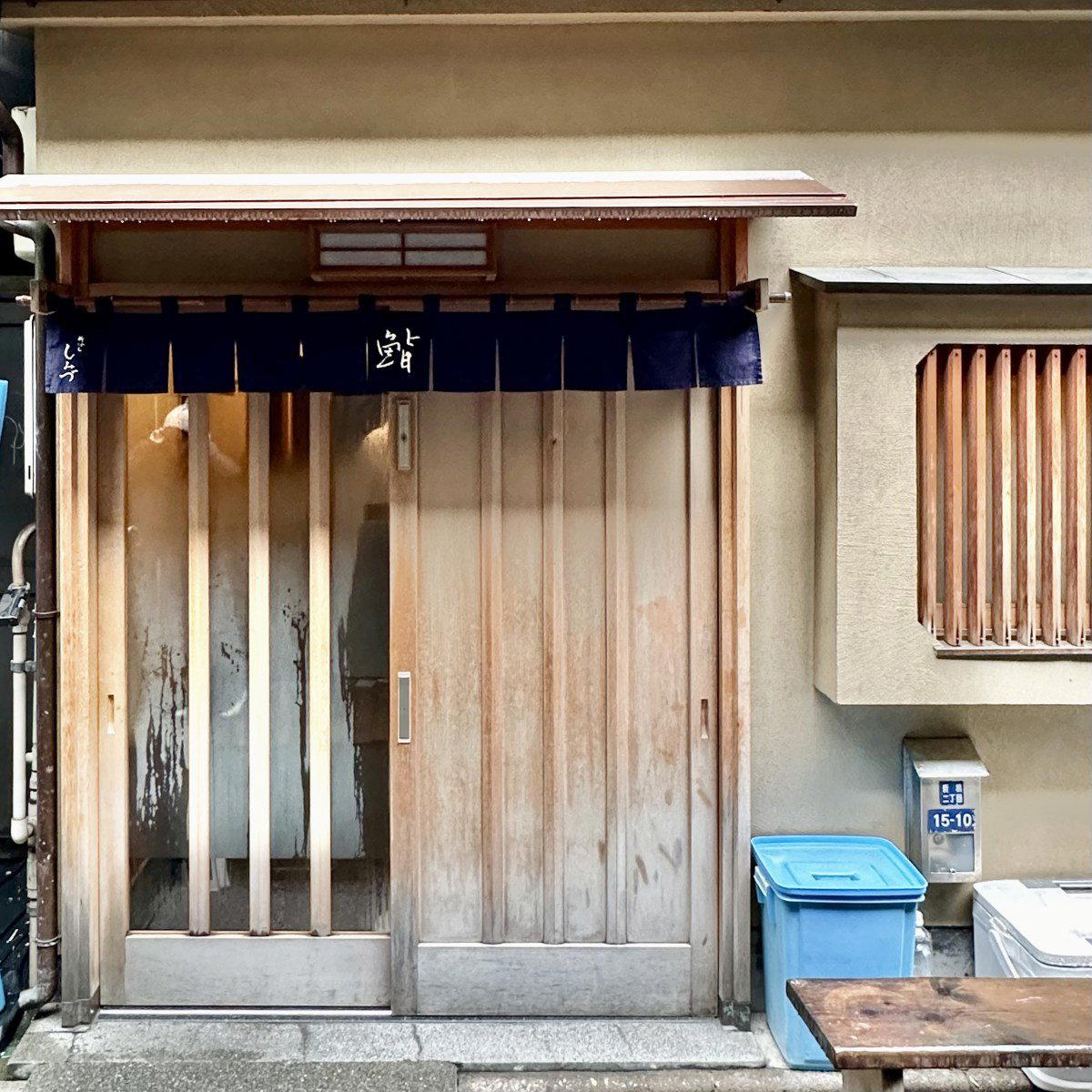
Approach the Izumi side of Higashi Ward and the appeal is not theatrical luxury; it is the promise of heat, smoke control, and a table built around shared cooking. Nagoya has a strong appetite for beef-led dining, but the city’s more interesting middle tier is where yakiniku keeps its social character. The grill is not a stage for ceremony. It is a working surface, and the room’s value is measured by cut quality, offal handling, drink compatibility, and whether a group can eat well without drifting into kappo-level spending.
That is where Yakiniku Horumon Koshin earns attention. Its selection for Tabelog 100 Yakiniku EAST 2025 places it inside a recognised regional bracket for grill restaurants, while its category mix, yakiniku, izakaya, and tripe, points to a meal built around range rather than a narrow premium-beef showcase. In Nagoya terms, this matters. The city can support polished high-spend counters and formal dining rooms, but yakiniku works differently: it is democratic, smoky, portion-flexible, and often better judged by how confidently it handles the less glamorous parts of the animal.
Yakiniku value in Nagoya is about range, not luxury signalling
The useful comparison is not with tasting-menu restaurants; it is with Nagoya’s own spread of serious dining formats. Bottegon and toraneko sit in a higher spend bracket, while Gyutei and Yakitori Sensho occupy a more expensive evening tier than casual grill dining. LAO PASA, by contrast, sits closer to the accessible bracket, but speaks to a different style of meal. Against that field, Yakiniku Horumon Koshin makes its case through breadth: beef, horumon, izakaya rhythm, and drinks that include sake, shochu, and wine.
Horumon changes the economics of yakiniku. Premium lean cuts can turn dinner into a status exercise, while offal asks for confidence in sourcing, trimming, seasoning, and grill timing. A restaurant that puts tripe and Japanese barbecue in the same identity is signalling a broader, more local idea of pleasure: smoke, chew, fat, salt, and conversation. That format also suits Nagoya, a city where strong flavours and practical dining habits sit comfortably alongside high-end ambition.
The Tabelog 100 selection is the clearest trust signal here. It does not turn the restaurant into a formal destination restaurant, and it should not be read like a Michelin star. It does, however, mark the venue within a competitive yakiniku category across eastern Japan, where hundreds of grill rooms are judged by repeat diners, consistency, and category relevance. For travellers, that distinction is useful: this is a place to understand Nagoya’s appetite for grilled beef without defaulting to the city’s more expensive restaurant tier.
A compact grill room with private-room practicality
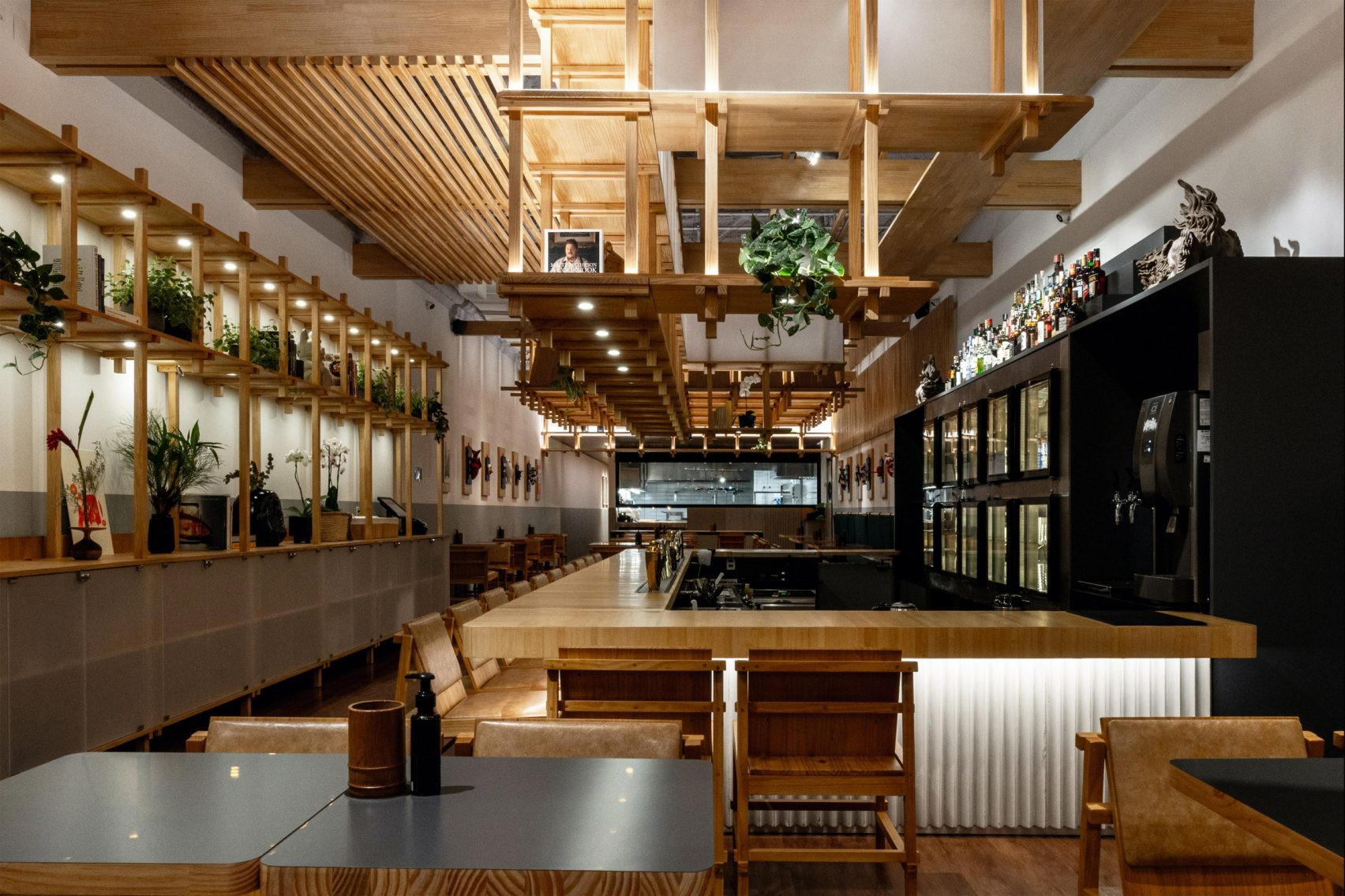
The room’s scale matters. With 36 seats and private rooms sized for small parties, the experience is better understood as social dining with enough structure for business meals, family dinners, or a focused beef-and-drinks evening. Yakiniku is rarely at its strongest when treated as a solo prestige exercise; the format rewards shared ordering, different textures across the table, and a pace set by the grill rather than the kitchen pass.
Smoking policy also shapes the decision. Dinner assigns smoking to the first floor, while lunch is non-smoking across all seats. That split is not a minor footnote for international travellers, particularly those used to fully smoke-free dining rooms. It makes lunch the cleaner option for diners sensitive to smoke beyond the grill itself, while evening suits those who are comfortable with a more traditional Japanese drinking-room atmosphere.
Payment and access details reinforce the restaurant’s practical character. Credit cards and PayPay are accepted, electronic money is not, and there is no dedicated parking, with coin parking nearby. Those small operational facts place it closer to a neighbourhood dining room with award recognition than a destination venue designed around hotel concierges. Reservations are available, which is sensible for a compact, recognised grill restaurant, especially for groups wanting private-room seating.
For readers mapping a Nagoya trip more broadly, the useful move is to treat this as one part of the city’s dining grammar rather than a standalone trophy booking. Our full city coverage connects the category to other registers: Our full Nagoya restaurants guide for dining context, Our full Nagoya hotels guide for where to stay, Our full Nagoya bars guide for after-dinner drinking, Our full Nagoya wineries guide for wine-led planning, and Our full Nagoya experiences guide for the city beyond restaurants.
Who should prioritise this table
This is a strong fit for diners who want Nagoya yakiniku with recognised category credibility but without the stiffness of a luxury beef room. The format works especially well for two to six people, where private-room availability and shared ordering make the meal more flexible. Families are also part of the stated audience, with children welcomed, which separates it from narrower adult-only counters and late-night drinking dens.
The meal makes less sense for travellers chasing chef-led biography, rare-wine theatre, or a tasting menu with a fixed narrative. The appeal is more grounded: a grill table, domestic-beef focus, horumon range, and a price position that leaves room in the itinerary for other Nagoya meals. In a city with expensive specialist rooms and polished hotel dining, that restraint is part of the point.
EP Club’s Nagoya coverage includes a wide spread of nearby and Japan-wide references for readers comparing formats: 1022, 451, Aaron, Alan., and All Day Dining Montmartre. For broader Japanese dining comparisons, see -Grilled beef Sukiyaki- KAMAKURA TANUKIAN 鎌倉 たぬき庵 in Kamakura. 鮪と炭火焼き うお炭 秋葉原店 in Tokyo.cafe in Osaka.know in Kumamoto, (Shoku) Vietnam in Kawasaki, [Curry Senmon Ten] Maruyama Kyoju. in Sapporo, Jōdo Saké Bar in Los Angeles, and Onigiri Time in Pasadena.
Standing Among Peers
Comparable venues for orientation by cuisine and category.
| Venue | Cuisine | Price | Notes |
|---|---|---|---|
| Yakiniku Horumon KoshinThis venue — the venue you are viewing | Yakiniku & Horumon Japanese BBQ | $$ | Not listed |
| Kurumi | Okonomiyaki, Izakaya & Teppanyaki | $$ | Naka |
| Link | Japanese Sake Bar & Izakaya | $$ | Naka |
| kitchen NOMU | Yoshoku (Japanese-style Western) & Hamburger Steak | $$ | Meitō |
| Lucca | Meat-focused Japanese Izakaya & Dining Bar | $$ | Naka |
| 料亭 香楽 | Nagoya Hitsumabushi Eel Restaurant | Not listed | Higashi |
Recognition history
Dated appearances from independent guides and award organizations, with the underlying list record or original source where available.
Tabelog 100 #50 · No. 50
Tabelog · Tabelog 100 - Yakiniku - EAST - 2025
Continue exploring
More in Nagoya
Restaurants in Nagoya
Browse all →
At a Glance
- Lively
- Cozy
- Intimate
- Group Dining
- Casual Hangout
- After Work
- Date Night
- Late Night
- Standalone
- Sake Program
- Beer Program
Current opening hours
- Monday
- 5:30 PM–12 AM
- Tuesday
- Closed
- Wednesday
- 5:30 PM–12 AM
- Thursday
- 5:30 PM–12 AM
- Friday
- 11:30 AM–2 PM, 5:30 PM–12 AM
- Saturday
- 11:30 AM–2 PM, 5:30 PM–12 AM
- Sunday
- 11:30 AM–2 PM, 5:30 PM–12 AM
Hours can change for holidays and private events. Last verified .
Casual, buzzy yakiniku tavern atmosphere with close-set tables, grill smoke aroma, and an izakaya-like energy suited to small groups and relaxed drinking rather than formal dining.