
Kurumi puts Nagoya’s evening okonomiyaki culture in the izakaya-teppanyaki lane rather than the quick daytime snack lane. The draw is the after-dark format: a 50-seat, non-smoking room with counter seating, tatami space, sake and shochu, and selection for Tabelog 100 - Okonomiyaki - 2025.
Pearl is the En Primeur Club membership app — saves, bookings, and concierge access live there. Same editors, same standards.
- Address
- リアライズ新栄, 1F, 2 Chome-1-44 Shinsakae, Naka Ward, Nagoya, Aichi 460-0007, Japan
- Phone
- +81 52-242-1915
- Website
- tabelog.com
 Saves & bookings on Pearl
Shinsakae after dusk moves differently from the shopping corridors around Sakae and Nagoya Station. Office traffic thins, small dining rooms take over, and okonomiyaki becomes a slower evening format built around hot plates, drinks, and groups settling in. Kurumi fits that after-work register: okonomiyaki, izakaya cooking, and teppanyaki under one roof, with counter seating, tatami space, and private rooms for groups.
That matters because Nagoya is not Osaka, and okonomiyaki here is less defined by tourist shorthand. The city’s public food identity more often points to miso katsu, hitsumabushi, kishimen, tebasaki, and Taiwan ramen. Okonomiyaki sits in a local, evening-driven category, less photographed than headline dishes but useful for reading how residents gather. Kurumi’s selection for Tabelog 100 - Okonomiyaki - 2025 gives it a measurable signal in that narrower field, especially for diners seeking a Nagoya dinner beyond the city’s better-known specialties.
Okonomiyaki in Nagoya works better after dark than at lunch
The lunch-dinner split is simple: dinner is the point. Daytime okonomiyaki can be brisk, cheap, and functional where the dish behaves like everyday street-adjacent food. In Nagoya, this address reads differently. The evening setting places okonomiyaki beside izakaya and teppanyaki habits, with the hot plate part of the room’s social structure rather than a backdrop to a fast meal.
Kurumi is closer to Nagoya’s drink-led dinner culture than a daytime counter stop. Sake and shochu are listed, and the seating supports several modes: counter dining for pairs, tatami for a looser group tempo, and private rooms where six-person parties can be handled with consultation. These details do not make the cooking more serious by themselves, but they explain the format: okonomiyaki as a night out, not a lunch workaround.
Against Nagoya peers, the value signal is distinct. Chuka Soba Mugi no Hoshi occupies a lower-cost ramen lane; PORKMAN sits in a casual dinner bracket; Maruko and prospero move into higher evening budgets, with lunch service also part of their appeal. Kurumi’s role is more specific: it asks diners to treat okonomiyaki and teppanyaki as the main dinner plan, not a side excursion before drinks elsewhere. For a Nagoya itinerary, that makes it a counterweight to high-formality meals and station-area convenience.
The room tells you what kind of meal to plan
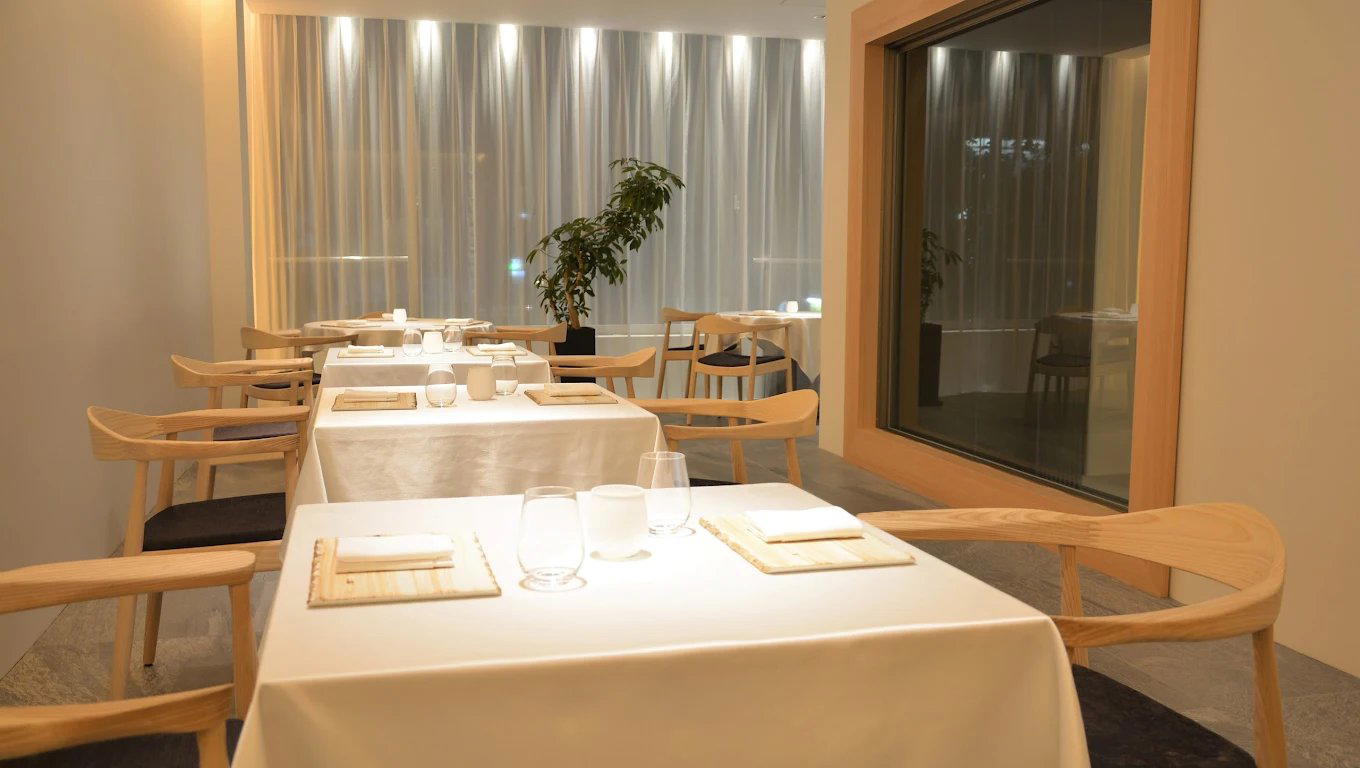
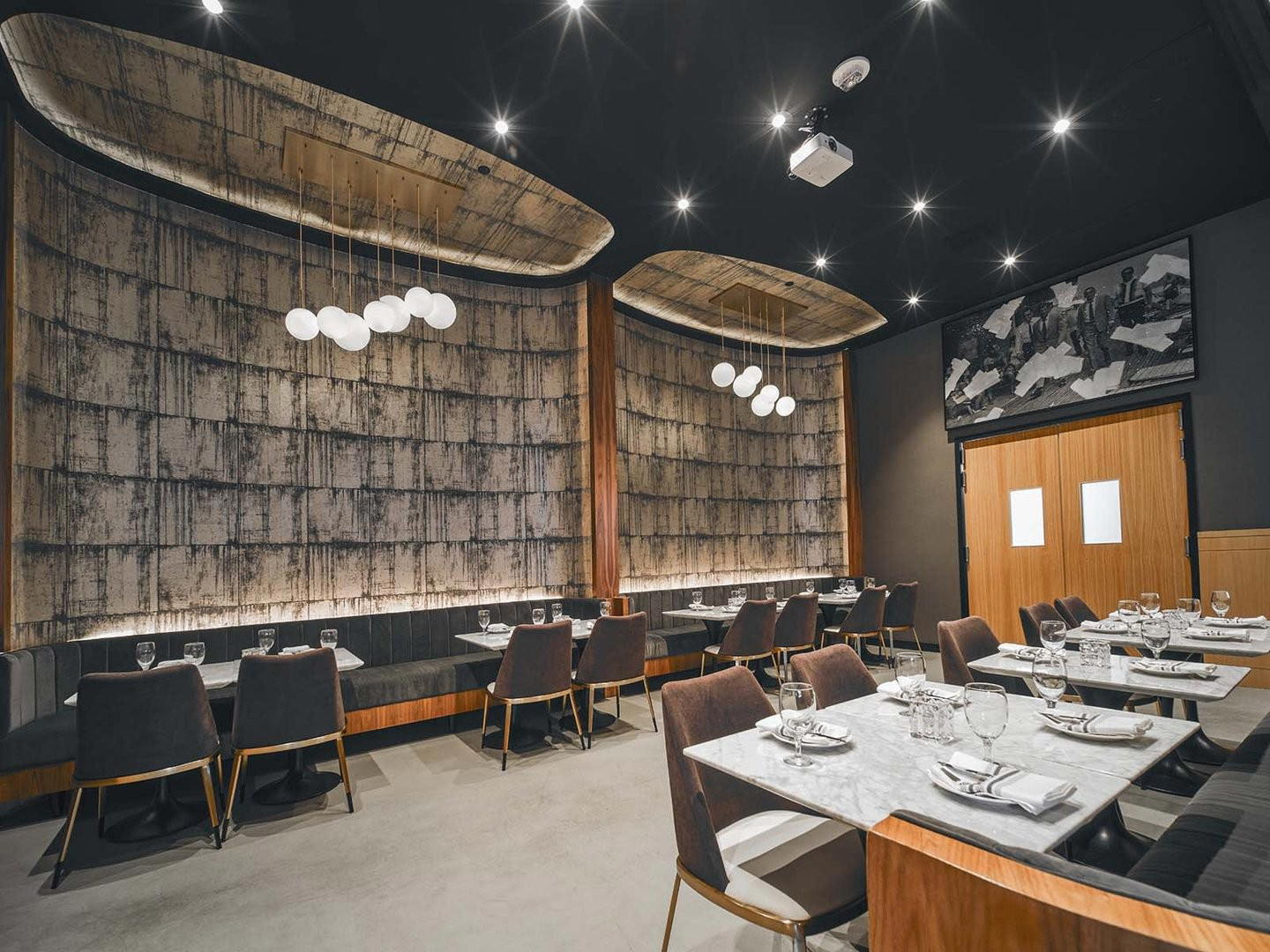
Okonomiyaki restaurants can feel transactional or communal. Here, 50 seats, counter seating, tatami room options, and private rooms place Kurumi in the latter camp. The format suits friends, small groups, and diners wanting an izakaya evening without losing the focus of a specialist okonomiyaki address. Non-smoking status also helps visitors avoiding older tavern-style rooms where smoke can dominate.
The award signal is useful if read correctly. Tabelog’s Hyakumeiten lists reward category strength, not international fine-dining ceremony. For okonomiyaki, that is why the recognition carries weight: it points to consistency and local attention in a field where strong rooms often lack English-language visibility, chef biographies, or polished media narratives. The absence of a heavily public-facing chef story is not a weakness; the tradition is better understood through format, repeat customers, and category recognition.
Kurumi sits in Shinsakae, central enough to be practical but far enough from Nagoya Station to feel less shaped by transit dining. The nearest station is Shinsakae-machi on the Higashiyama Subway Line, making it easy to combine with a Sakae or Fushimi evening without settling for a station-basement compromise. For readers comparing styles citywide, Our full Nagoya restaurants guide is the broader map; hotel, bar, winery, and experience context sits separately in Our full Nagoya hotels guide, Our full Nagoya bars guide, Our full Nagoya wineries guide, and Our full Nagoya experiences guide.
Where it fits in a broader Japan eating itinerary
Travellers often overbuild Japan dining plans around sushi counters, kappo rooms, and tasting-menu precision, leaving too little room for griddled, shared, drink-compatible meals. Okonomiyaki corrects that imbalance. It is regional, social, and technically demanding in ways that do not always translate into luxury vocabulary. The pleasure is not scarcity, but pacing, heat, and how a table behaves when food is prepared around a shared surface.
This address bridges Nagoya’s local staples and Japan’s wider casual-specialist culture. A diner tracking Japan by category could move from Nagoya okonomiyaki to ramen, curry, Vietnamese cooking, onigiri, sake bars, and regional cafés without treating any as minor meals. Related reference points include 1022, 451, Aaron, Alan., and All Day Dining Montmartre, each useful for a different reading of contemporary dining in and beyond Nagoya.
For wider Japan comparisons, the category spread matters more than one prestige template. -Grilled beef Sukiyaki- KAMAKURA TANUKIAN 鎌倉 たぬき庵 in Kamakura sits in a different beef-led register;. 鮪と炭火焼き うお炭 秋葉原店 in Tokyo points toward seafood and charcoal;.cafe in Osaka and.know in Kumamoto show how regional casual rooms carry their own logic; (Shoku) Vietnam in Kawasaki and [Curry Senmon Ten] Maruyama Kyoju. in Sapporo widen the lens beyond Japanese categories. In the United States, Jōdo Saké Bar in Los Angeles and Onigiri Time in Pasadena show how Japanese drinking and snack formats travel, though the Nagoya version remains anchored in the neighbourhood night.
The decision is clearest for dinner-focused travellers wanting a local, category-recognised okonomiyaki room rather than another formal reservation. Kurumi is not the place to study a chef manifesto or chase a named signature dish. It is the place to understand how Nagoya absorbs okonomiyaki into an izakaya evening: griddle, drinks, groups, and a room built for staying longer than lunch allows.
A Credentials Check
Comparable venues in the metro at similar price points.
| Venue | Cuisine | Price | Notes |
|---|---|---|---|
| KurumiThis venue — the venue you are viewing | Okonomiyaki, Izakaya & Teppanyaki | $$ | Not listed |
| takumi | Charcoal-grilled Yakiniku & Izakaya | $$ | Naka |
| Menya Kitara | Nagoya ramen shop | $$ | Naka |
| Nishimura | Japanese | $$ | Naka |
| Ichibiki | Traditional Unagi | $$ | Nakamura |
| Suzunami Esuka ten | Traditional Japanese set-meal diner | $$ | Nakamura |
Recognition history
Dated appearances from independent guides and award organizations, with the underlying list record or original source where available.
Tabelog 100 #64 · No. 64
Tabelog · Tabelog 100 - Okonomiyaki - 2025
Continue exploring
More in Nagoya
Restaurants in Nagoya
Browse all →
At a Glance
- Cozy
- Lively
- Casual Hangout
- After Work
- Group Dining
- Date Night
- Solo
- Chefs Counter
- Open Kitchen
- Private Dining
- Standalone
- Sake Program
- Beer Program
Current opening hours
- Monday
- 5:30–10 PM
- Tuesday
- 5:30–10 PM
- Wednesday
- 5:30–10 PM
- Thursday
- 5:30–10 PM
- Friday
- 5:30–10 PM
- Saturday
- 5:30–10 PM
- Sunday
- Closed
Hours can change for holidays and private events. Last verified .
A relaxed, hideout-style neighborhood spot with a refined yet unpretentious feel, featuring counter seats facing the teppan along with spacious tables and a tatami room; non-smoking, softly lit, and comfortable for friends or small groups over drinks and okonomiyaki.