
Tabelog Bronze #318
Our verdict
A six-seat kaiseki counter in Ashiya, Hyogo, Ninomae earned Tabelog Bronze recognition in both 2025 and 2026 and holds a 4.12 score on Japan's most-used dining review platform. Dinner runs JPY 30,000–39,999; weekend lunch offers a lower entry point at JPY 15,000–19,999. Reservations are handled exclusively through the omakase booking platform, no phone bookings accepted.

Pearl is the En Primeur Club membership app, where members save venues, book tables and use the concierge.
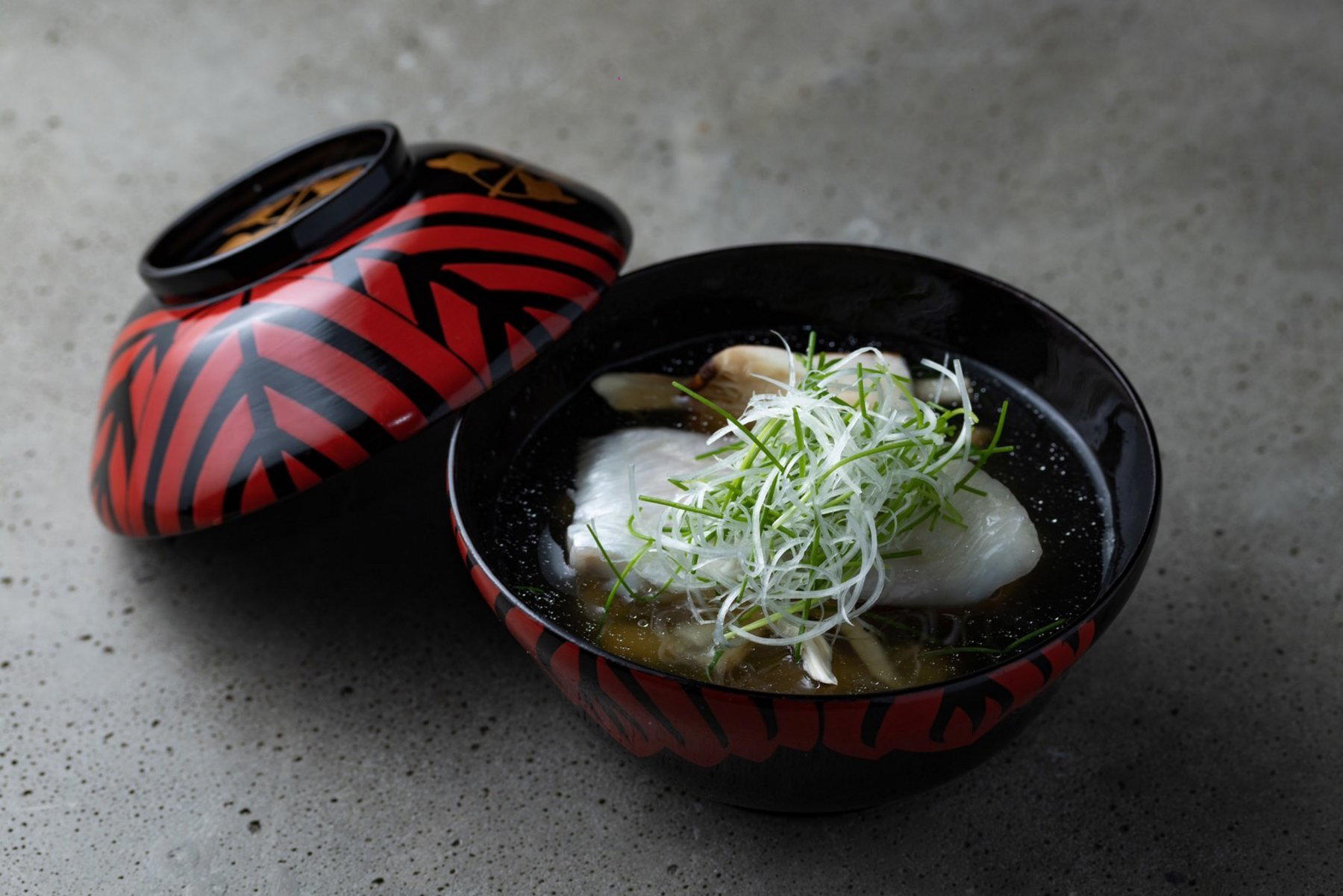
The menu
What to order
- Charcoal-grilled dishes
- Monthly omakase course
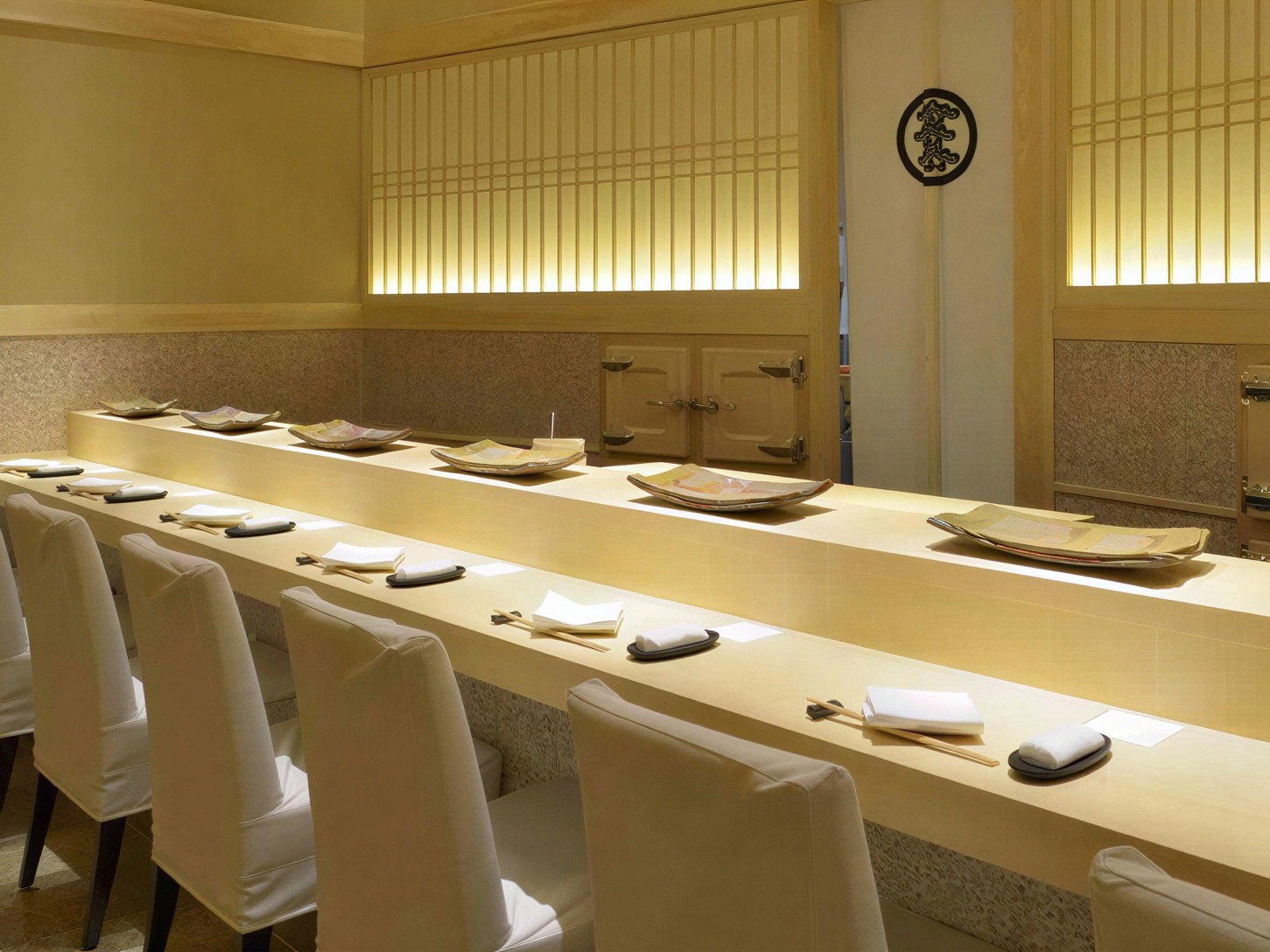
Six Seats, One Room: The Architecture of a Counter in Ashiya
Ashiya sits between Kobe and Osaka in a residential corridor that has long attracted a certain kind of wealth, quiet, rooted, and not particularly interested in announcing itself. The dining scene here follows the same logic. There are no boulevard restaurant rows, no cluster of vying signs. The restaurants that carry weight in this part of Hyogo tend to be compact, reservation-only, and oriented toward a clientele that books weeks or months ahead and expects a room to match the food. Ninomae, which opened on 1 March 2022 and has accumulated Tabelog Bronze recognition in both 2025 and 2026, fits that model precisely.
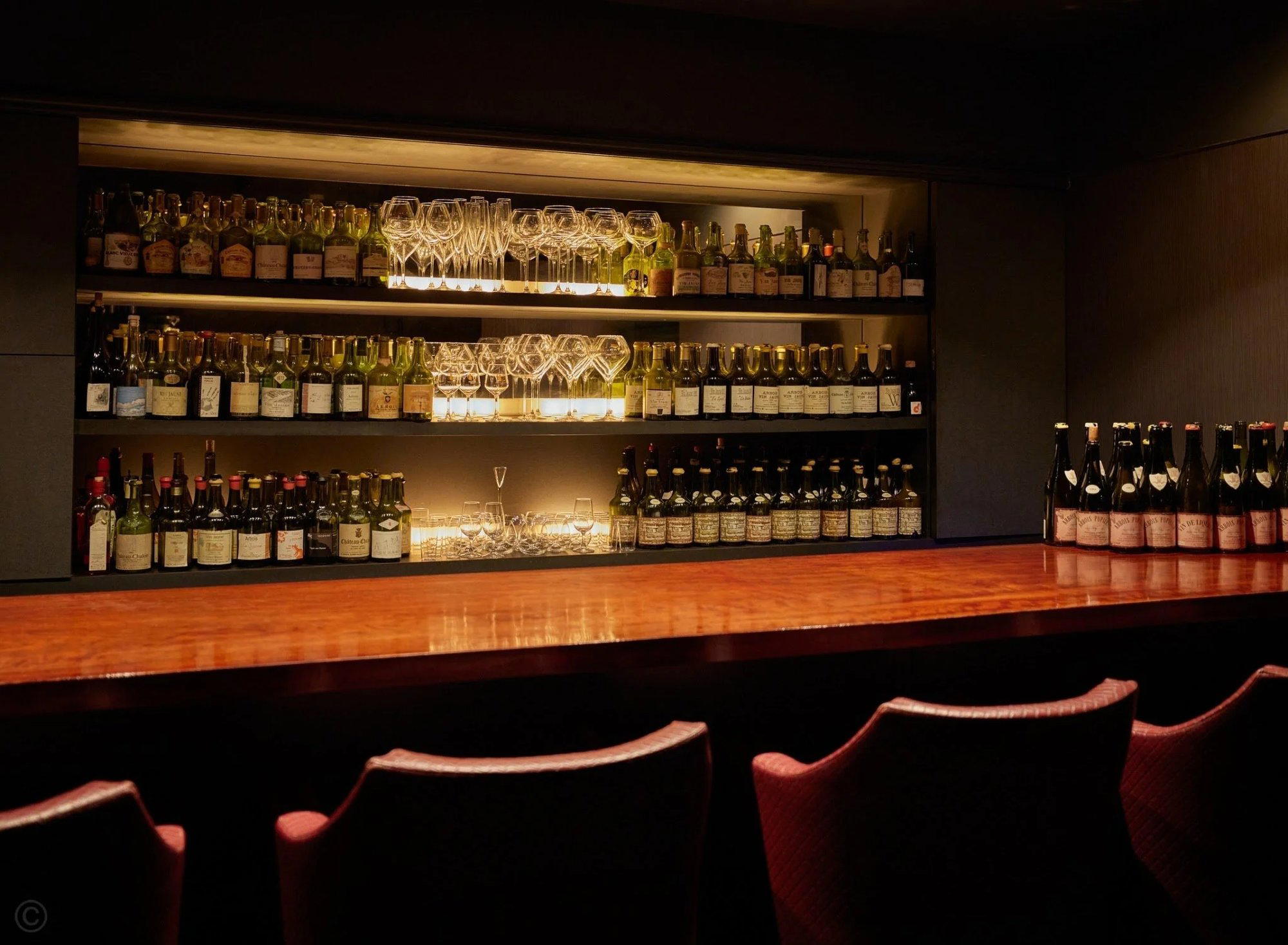
The six-seat format is not incidental to the experience, it is the experience. Counters of this scale in the Kansai region operate on a different register than larger kaiseki rooms. There is no ambient buffer between the kitchen and the guest, no waiting area to soften the transition. You arrive, you sit, and the room begins. This is a spatial premise that places enormous pressure on every physical element: the surface of the counter, the light temperature, the distance between seats, the material logic of the walls. At six seats, nothing is decorative in the neutral sense. Everything is doing work.
That density of intention is characteristic of a small but coherent tier of Japanese cuisine counters that have emerged in Hyogo's residential towns since the early 2020s. The format draws on the omakase model most visible in Osaka and Kyoto, single-sitting, fixed-menu, counter-only, but transposes it into quieter residential addresses where the economics and clientele differ from city-centre flagships. Ninomae's Tabelog score of 4.12, placing it 318th nationally in the Tabelog Award rankings for 2026, and its consecutive selection for the Tabelog Japanese cuisine WEST "Tabelog 100" in 2025, position it clearly in the upper tier of that Hyogo residential format.
What the Room Does to the Meal
Counter dining at this scale produces a particular kind of attention. The proximity to the kitchen means the sequence of a meal is legible in real time, not explained by a server reading from a card, but visible in the movement and rhythm of preparation. This is one of the arguments for the six-seat format that its practitioners in Japan have made consistently: the counter is not simply a delivery mechanism for food, it is the architecture of engagement. The guest's field of attention is shaped by what is directly in front of them.
Japanese cuisine at this price point operates within a set of conventions around seasonal produce, technique visibility, and restraint in plating. Dinner at Ninomae is priced in the JPY 30,000–39,999 range, with actual spend per Tabelog review data averaging JPY 40,000–49,999 at dinner. The counter format amplifies those conventions rather than obscuring them. Where a larger kaiseki room might separate the kitchen behind screens or sliding doors, a six-seat counter collapses that distance entirely. The spatial design is, in this sense, a statement about transparency.
The comparison set in Ashiya and the wider Hyogo residential corridor includes restaurants across different cuisines and price brackets. Arakawa, working in steak and Yoshoku at JPY 40,000–49,999 at dinner, and Aspirant, a French-Innovative counter at JPY 30,000–39,999, occupy adjacent price territory. Awajishima Nobu sits at a lower price tier in the sushi format, and bb9 takes a grilling-cuisine approach that places it in a different experiential category altogether. Ninomae's positioning within this local set is the kaiseki-focused, small-format end of the premium tier, a role that its consecutive Tabelog Bronze awards substantiate against peers across the wider Kansai west region.
Ashiya as a Dining Address
The restaurant sits at 大桝町3-16 in Ashiya, approximately five minutes on foot from Hanshin Ashiya Station and ten minutes from JR Ashiya Station. The address places it in a residential pocket of the city rather than near any commercial concentration. This is deliberate geography for a format that relies entirely on pre-booked guests rather than passing footfall. There is no street presence to speak of, no external signage competing for attention.
The broader Kansai fine dining circuit, which runs from Gion Sasaki in Kyoto through HAJIME in Osaka and out into suburban and coastal Hyogo, has developed a secondary tier of smaller, chef-driven counters that operate at a deliberate remove from the city-centre concentration. Ninomae belongs to this geography. The decision to eat here involves a specific journey, and that journey is part of the frame. Visitors arriving from Tokyo, where counters like Harutaka operate in a denser, more competitive environment, will notice that Ashiya provides a different spatial context, one that reinforces rather than dilutes the intimacy of the format.
For those building a broader Kansai itinerary, akordu in Nara offers a useful counterpoint in the European-influenced format, while Goh in Fukuoka extends the regional picture southward. Within Ashiya itself, entre nous represents the French-leaning end of the local premium dining spectrum. For an international frame of reference on the counter-focused seafood model, Le Bernardin in New York City occupies a comparable position of sustained critical recognition in its own tradition, while Atomix in New York City demonstrates how the Korean fine dining counter format has developed its own spatial and service intelligence in the same city.
Planning Your Visit
Ninomae operates on a reservation-only basis, with bookings handled exclusively through the omakase website; the restaurant does not take reservations by phone or direct message. Lunch service runs from 12:00 and is available on weekends only; dinner begins from 18:30 and operates across the week except Wednesdays and irregular closure days. The six-seat capacity means availability at any given time is limited by design, and the Tabelog recognition will have tightened that further.
Dinner is priced at JPY 30,000–39,999 per head on the menu scale, with a 10% service charge. The lunch format, at JPY 15,000–19,999, offers a lower entry point to the same kitchen and counter. Payment by major credit card is accepted (VISA, Mastercard, JCB, AMEX, Diners); electronic money and QR-code payments are not. Private rooms are unavailable, and the format does not accommodate private buyout. Parking is not provided on-site, though coin car parks are nearby.
The closest access point from central Osaka is Hanshin Ashiya Station, approximately five minutes on foot from the restaurant. Visitors combining the meal with a broader Hyogo trip can consult the Hyogo experiences guide to build the surrounding itinerary. For those interested in how Kansai's counter format compares with other regional Japanese approaches, 1000 in Yokohama provides a useful eastern reference point in the premium Japanese dining category.
Frequently asked questions
What days is Ninomae closed?
Hours at Ninomae: ■Business hours12:00 onwards (Lunch service available only on weekends)From 18:30 onwards■Closed onWednesdays and not fixed.
Recognition, Side-by-Side
Comparable venues nearby, for context on price, style, and recognition.
| Venue | Cuisine | Price | Awards | Notes |
|---|---|---|---|---|
| NinomaeThis venue (the venue you are viewing) | Traditional Japanese Omakase | $300–500 | Tabelog Bronze #318 | Not listed |
| Maruyasu | Fugu (Pufferfish) Fine Dining | $500+ | Tabelog Bronze #256 | Koshien |
| Komago | Traditional Japanese Kaiseki | $150–200 | Not listed | Kōyōen |
| Rock ‘n Billy Super 1 (Hyogo) | Artisanal Ramen & Tsukemen | Not listed | Not listed | Minamitsukaguchicho, Tsukaguchi |
| Roan Matsuda Sasayama | Michelin-Starred Soba Kaiseki | $100–150 | Tabelog Bronze #373 | Maruyama, Tanba Sasayama |
| Rock'n Billy Super 1 | Modern Ramen (Shio, Shoyu, Tsukemen) | Not listed | Not listed | Minamitsukaguchicho |
Recognition history
Dated appearances from independent guides and award organizations, with the underlying list record or original source where available.
Tabelog Bronze #318
Tabelog
Full recognition history (3 entries)
Tabelog Bronze
Tabelog
Tabelog 100 #40 · No. 40
Tabelog · Tabelog 100 - Japanese cuisine - WEST - 2025
Continue exploring
More in Hyogo
Restaurants in Hyogo
All restaurants in Hyogo →

Bars in Hyogo
Browse all →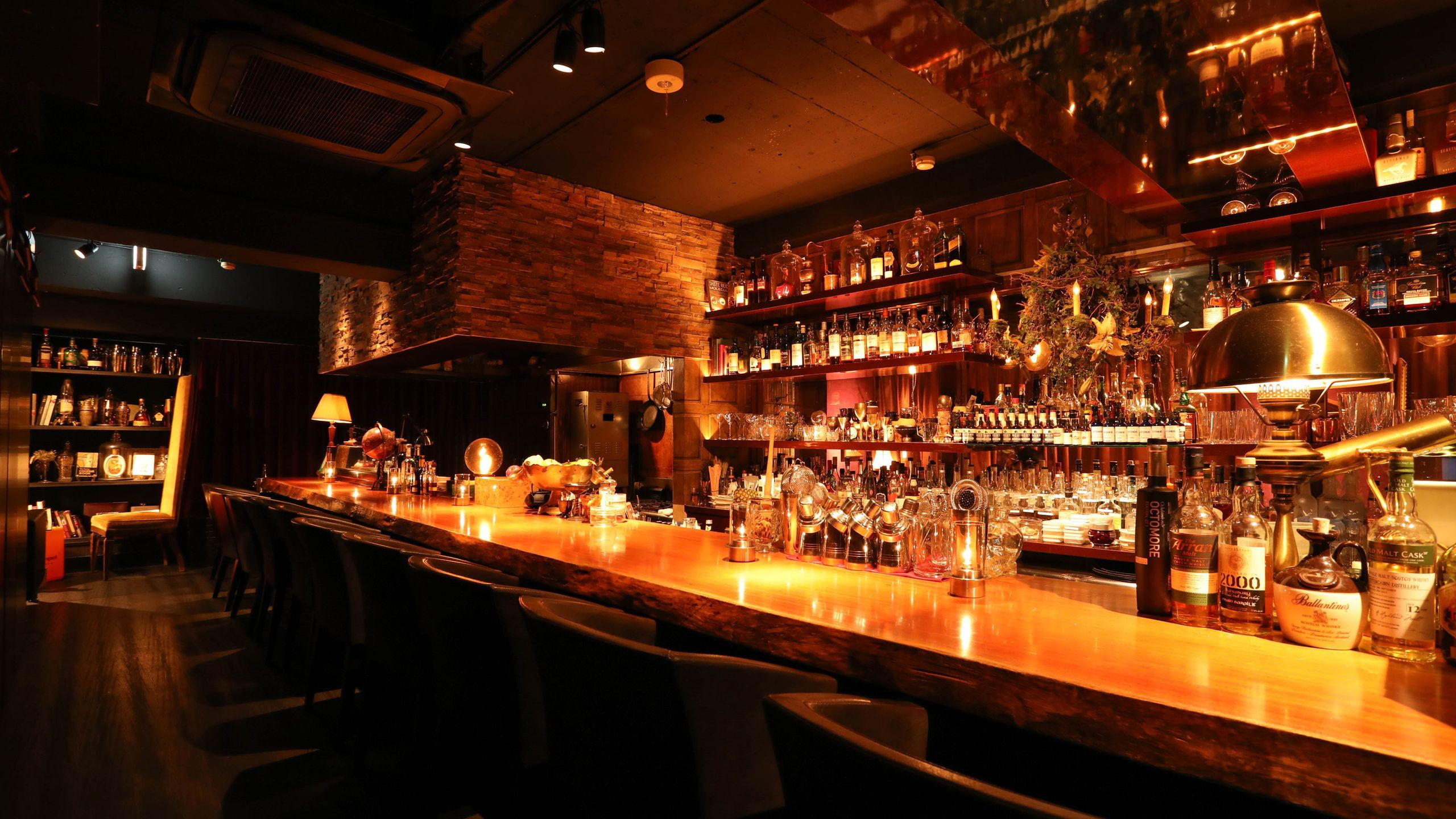



Details
- Elegant
- Intimate
- Sophisticated
- Quiet
- Special Occasion
- Date Night
- Chefs Counter
- Open Kitchen
- Sake Program
- Local Sourcing
- Omakase
- Counter Dining
- Sake
Current opening hours
- Monday
- 5:30–10:30 PM
- Tuesday
- 5:30–10:30 PM
- Wednesday
- 5:30–10:30 PM
- Thursday
- 5:30–10:30 PM
- Friday
- 5:30–10:30 PM
- Saturday
- 12–3 PM, 5–10 PM
- Sunday
- 12–3 PM, 5–10 PM
Hours can change for holidays and private events. Hours as of .
Refined, calm Japanese atmosphere designed for relaxed adult dining with traditional aesthetics and a focus on culinary craftsmanship.