Rock 'n Billy Super 1 sits within Hyogo's dining scene, where the prefecture's access to Awaji Island produce, Kobe beef, and Seto Inland Sea seafood sets a high baseline for ingredient quality across every price tier. With a name that signals something deliberately unconventional, it occupies a space in the region's broader conversation about where casual formats and serious sourcing intersect.
Pearl is the En Primeur Club membership app — saves, bookings, and concierge access live there. Same editors, same standards.
- Address
- Hyogo, Japan
- Directions
- Get directions
 Saves & bookings on Pearl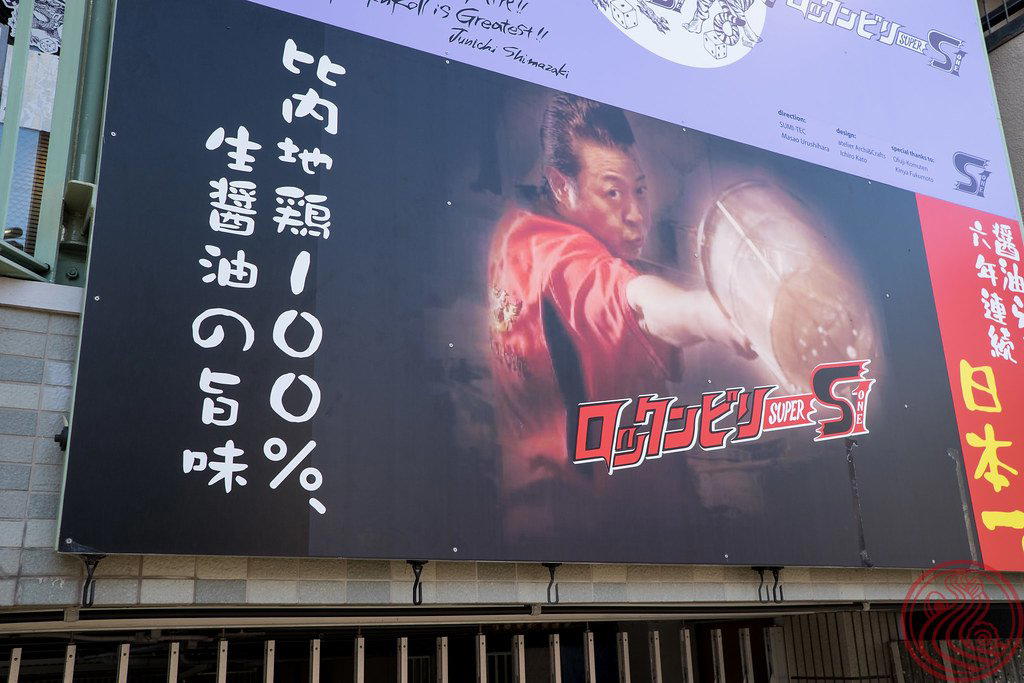
Where Hyogo's Ingredient Culture Meets an Unconventional Format
Hyogo Prefecture has among the more enviable ingredient portfolios in Japan. Kobe beef draws international attention, but the prefecture's sourcing depth runs considerably further: Awaji Island supplies some of the country's most prized onions and seafood, the Seto Inland Sea delivers shellfish and white fish with a quality profile that props up kaiseki kitchens across Kansai, and the mountain regions behind Kobe contribute wild vegetables and game that rarely appear outside hyper-local menus. Any serious dining room in this prefecture is working against that backdrop, and the ingredient conversation is almost unavoidable. Rock 'n Billy Super 1 is a restaurant in Hyogo focused on artisanal ramen and tsukemen, with a casual walk-in-friendly format and a price tier around USD 20 per person.
Reading the Name as a Positioning Statement
In Japan's dining culture, naming conventions carry weight. The kaiseki houses of Kobe and the sushi counters of Nishimachi tend toward austere, often single-character names that communicate seriousness through minimalism. A name like Rock 'n Billy Super 1 sits at the opposite pole: loud, referential, almost aggressively casual in a market that frequently treats casualness as a liability. This is a pattern visible in other Japanese cities too, venues that use tonal dissonance in their branding to signal that the food operates on different terms than the white-tablecloth establishment. The question those venues always have to answer is whether the irreverence stops at the name or runs through the sourcing and kitchen discipline as well. Hyogo's ingredient infrastructure means the raw materials are there regardless; what differs is how a kitchen chooses to deploy them.
For context on how other Hyogo kitchens handle that same ingredient advantage, Arakawa works in the JPY 30,000 to 49,000 range across steak and yoshoku formats, while Aspirant applies French and innovative techniques at a similar price tier. Awajishima Nobu focuses the Seto Inland Sea sourcing through a sushi lens in the JPY 20,000 to 29,999 bracket. Each represents a different answer to the same underlying question about what to do with Hyogo's ingredient access.
The Grilling Tradition and What It Demands of Sourcing
Japan's grilling-focused dining formats have expanded considerably over the past decade. The yakiniku model is well established, but a newer tier of grill-centric restaurants has emerged that treats fire and smoke with the same technical seriousness that French kitchens apply to sauce work. bb9 in Hyogo represents one version of this, where the grilling format is the editorial frame through which sourcing decisions are communicated. When the cooking method is this direct, minimal transformation, heat and time doing most of the work, the ingredient provenance becomes the primary variable. There is nowhere to hide a mediocre cut or an indifferent piece of seafood when the preparation is stripped back to its essentials. This is what makes the grilling format both demanding and, when executed with good sourcing, among the more honest forms of cooking in a prefecture like Hyogo.
Hyogo Within the Broader Kansai Dining Conversation
Kansai dining operates across a wide spectrum of formality and price. Osaka's restaurant density, Kyoto's kaiseki tradition, and Nara's quieter but increasingly credentialed scene each pull in different directions. Hyogo sits adjacent to all of them while maintaining its own identity, anchored by Kobe's international beef reputation and the coastal geography that provides continuous access to fresh seafood. Venues like HAJIME in Osaka, Gion Sasaki in Kyoto, and akordu in Nara illustrate how differently each city processes its local ingredients through distinct culinary frameworks. Hyogo's own version of that conversation includes both the formal end represented by high-end steak and French-influenced dining, and a more casual register where the same ingredient quality appears in less ceremonial formats.
Further afield, the comparison extends to restaurants like Harutaka in Tokyo and Goh in Fukuoka, each of which demonstrates how regional ingredient identity shapes kitchen philosophy even when the cooking style diverges sharply from local tradition. The pattern across Japan's serious dining rooms is consistent: sourcing specificity is the foundation, and everything else, format, price, formality, is built on top of it.
Planning a Visit: What to Know Before You Go
Hyogo Prefecture covers a significant geographic area, from the urban density of Kobe to rural stretches along the Japan Sea coast, so confirming the precise location of any venue before travelling is worth the effort. Other venues worth considering alongside Rock 'n Billy Super 1 include entre nous, which represents another point in Hyogo's dining range. Pricing for Rock 'n Billy Super 1 is around USD 20 per person, and the restaurant is walk-in-friendly.
Side-by-Side Snapshot
Comparable venues nearby, for context on price, style, and recognition.
| Venue | Cuisine | Price | Notes |
|---|---|---|---|
| Rock ‘n Billy Super 1 (Hyogo)This venue — the venue you are viewing | Artisanal Ramen & Tsukemen | $$ | Not listed |
| Rock'n Billy Super 1 | Modern Ramen (Shio, Shoyu, Tsukemen) | $$ | Minamitsukaguchicho |
| Awajishima Nobu | Awaji Island Counter Sushi | $$$$ | Shizuki |
| Gui'S Burger | Wagyu Burger | $$ | Ashiya |
| Aspirant | French Innovative Fine Dining | $$$ | Sannomiya |
| Arakawa | Traditional Kobe Beef Steakhouse | $$$$ | Sannomiya |
Continue exploring
More in Hyogo
Restaurants in Hyogo
Browse all →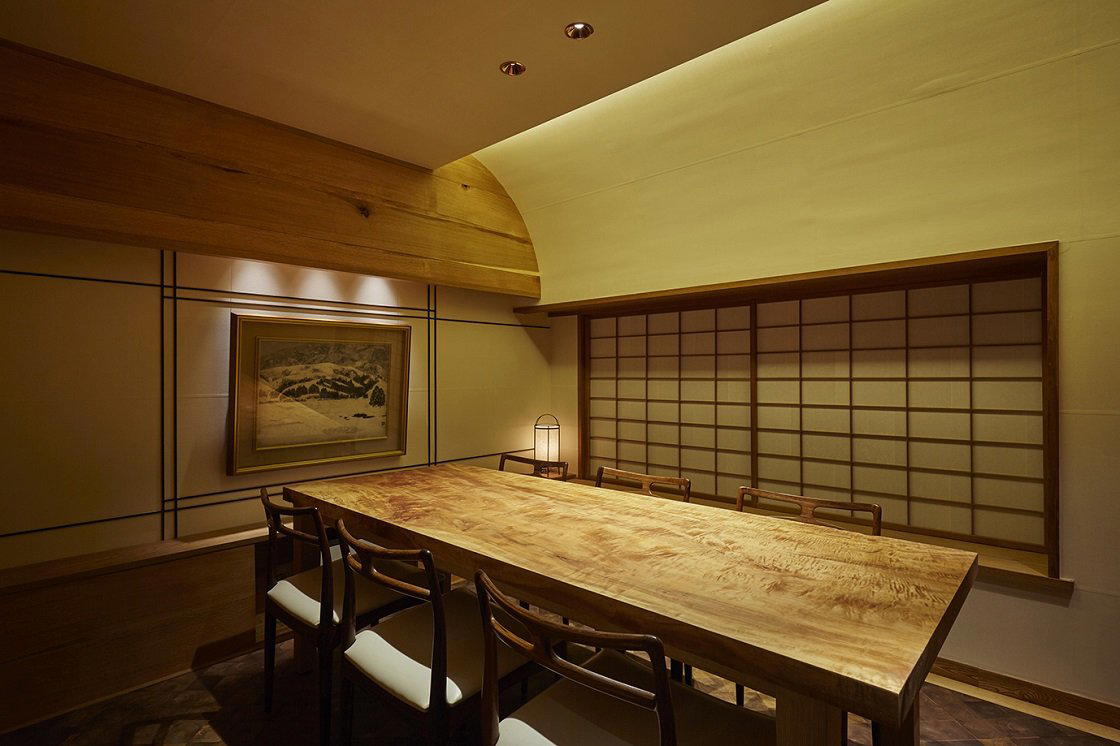




Bars in Hyogo
Browse all →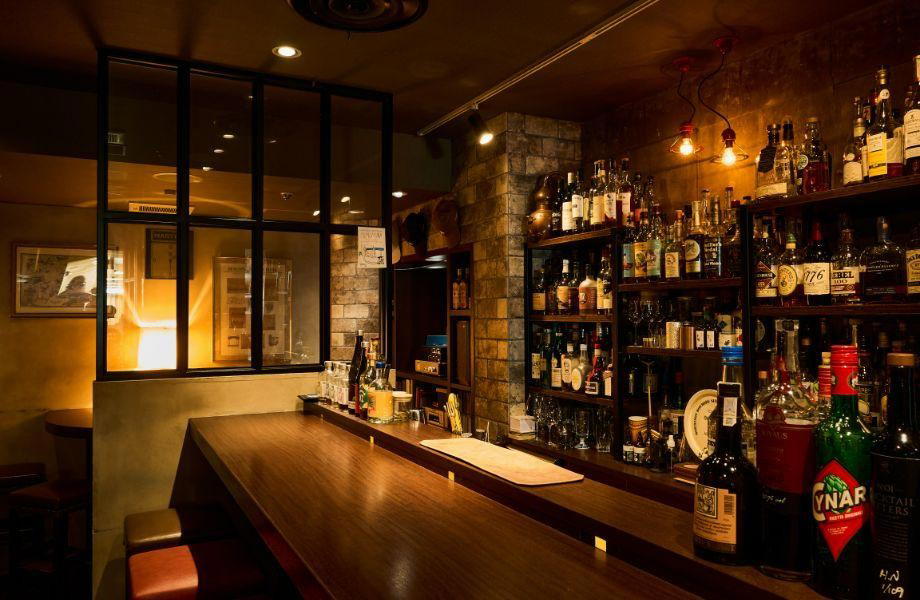



Hotels in Hyogo
Browse all →



Wineries in Hyogo
Browse all →
At a Glance
- Well Known
- Rustic
- Solo
- Casual Hangout
- Chefs Counter
- Open Kitchen
Minimalist counter-only setting in a residential house restaurant with authentic, no-frills Japanese atmosphere and personal interaction with the chef.