Komago

Our verdict
Komago is a French restaurant in Nishinomiya, Hyogo, helmed by chef Kenta Kayama and recognised by Opinionated About Dining in both 2023 and 2025. The kitchen operates within a market-responsive framework, with the menu shaped by what producers and seasons offer rather than a fixed repertoire. Open for lunch and dinner six days a week, it occupies a measured position in Kansai's competitive French dining tier.

Pearl is the En Primeur Club membership app, where members save venues, book tables and use the concierge.
The menu
What to order
- Seasonal kaiseki tasting menu
- Sakizuke with blue swimmer crab
French Cooking in the Kansai Corridor
The stretch of Kansai between Osaka and Kobe has developed one of Japan's more coherent fine-dining ecosystems, dense enough that restaurants must earn their position through specificity rather than proximity. The Kansai approach to French cooking tends to run leaner and more product-focused than its Tokyo counterparts; L'Effervescence in Tokyo represents one end of the philosophical spectrum, while smaller Kansai rooms often prioritise directness over theatrical elaboration.
Komago has been building recognition within that framework steadily. Opinionated About Dining listed it as recommended in Japan in 2023 and moved it to a ranked position, #562 nationally, in 2025. For context, OAD rankings aggregate votes from a global community of serious diners; a ranked position in Japan, where the competition includes hundreds of Michelin-starred rooms, carries genuine weight as a trust signal. The trajectory from recommended to ranked in two years suggests a kitchen finding its consistency rather than one riding early novelty.
The Market as Menu Architecture
In French cooking, the relationship between kitchen and market has always been the discipline's founding argument. Escoffier codified it, nouvelle cuisine made it a manifesto, and today the most persuasive small French restaurants in Japan, from akordu in Nara to the regional kitchens that never seek Michelin attention, hold to it as practical necessity rather than marketing. Komago operates in that same register: the menu at any given service is a document of what the season and the market could deliver that week, not a stable tasting sequence held constant for review purposes.
This approach demands more from a kitchen than a fixed menu does. The brigade must be able to translate unfamiliar ingredients into coherent French technique on short lead times, and the front-of-house must communicate a different value proposition to guests who might expect the predictable comfort of a set tasting sequence. That Komago has sustained OAD recognition across two consecutive cycles while operating this way indicates the kitchen has the range to make the model work, not merely the intention.
Chef Kenta Kayama shapes the approach.
Situating Komago in Hyogo's Dining Tier
Hyogo's restaurant scene is wider than most visitors assume. The prefecture runs from Awaji Island, home to Awajishima Nobu and its sushi counter in the JPY 20,000–29,999 range, through Kobe and Nishinomiya to the inland valleys above Himeji. French cooking in this geography occupies a specific band: European-trained or European-inspired kitchens that draw on the Seto Inland Sea's fish markets, the Tajima highlands for beef, and the year-round vegetable production of the Rokko foothills.
Komago at Koyoenhonjocho addresses that ingredient availability directly. The location in Nishinomiya places it between Kobe's restaurant density and Osaka's pull, a zone where local clientele tends to be regular and discerning in the practical sense: they return often, they notice change, and they provide the kind of repeat-visit feedback that shapes a kitchen's weekly decisions. That dynamic suits a market-driven format. The menus are less likely to calcify when the audience changes each week and the audience is more likely to appreciate the variation when they are regulars returning specifically for it.
Within Hyogo's broader dining offer, the range is considerable. Arakawa works in steak and yoshoku territory at JPY 30,000–49,999, while bb9 brings a grilling-focused format, and entre nous extends the Hyogo French conversation in a different register. Across these rooms, the prefecture shows a coherent preference for European technique applied to Japanese produce, a model that Kansai has developed more consistently than almost any other region in Japan.
The OAD Signal and What It Implies
A comparison with the broader Japan French dining tier is useful here. At the national level, French kitchens in Tokyo, L'Effervescence among the most cited, and Kyoto rooms like Gion Sasaki (operating in kaiseki but with European structural influences) define the upper reference points. In Kobe specifically, the European-colonial dining history creates a different baseline than you find in Tokyo: western food has been ordinary here for 150 years, which means French kitchens face a more calibrated local audience rather than the novelty-seeking one that can sustain a Tokyo restaurant on reputation alone.
Komago's OAD ranking in that context is earned against a mature local standard, not a permissive one. For visitors arriving from other parts of Japan, or from destinations like Harutaka in Tokyo, Goh in Fukuoka, or 1000 in Yokohama, the Nishinomiya address will require a deliberate detour. It is worth making on the understanding that the kitchen is doing something specific: French cooking oriented by the market, not by the menu template.
Planning Your Visit
Komago is open Monday, Tuesday, Wednesday, Friday, Saturday, and Sunday, with lunch service running 12–3 pm and dinner 5–10 pm on each of those days. Thursday is the weekly closing day. The address is 5-21 Koyoenhonjocho, Nishinomiya, Hyogo 662-0015. No booking method, price range, or dress code is listed in the available record; contacting the restaurant directly or checking for a reservations link is the practical first step. Given the OAD-rated status and the typical capacity of Kansai's independent French rooms, advance booking is sensible for weekend dinner in particular. Nishinomiya is accessible via the Hankyu Kobe Line, placing it roughly midway between central Osaka and Kobe on one of the region's most-used commuter corridors, direct to reach from either city. For more on where Komago fits in the prefecture's wider dining, see our full Hyogo restaurants guide, as well as hotels, bars, wineries, and experiences across the prefecture. If French cooking in Europe is your reference point, the kitchen at Hotel de Ville Crissier in Crissier provides a useful counterpoint for understanding where Kansai's French rooms sit in global terms.
Frequently asked questions
Is Komago open every day?
Hours at Komago: Hours: Monday 12–3 pm, 5–10 pm Tuesday 12–3 pm, 5–10 pm Wednesday 12–3 pm, 5–10 pm Thursday Closed Friday 12–3 pm, 5–10 pm Saturday 12–3 pm, 5–10 pm Sunday 12–3 pm, 5–10 pm.
Has Komago won any awards?
Komago has received recognition including: Opinionated About Dining Top Restaurants in Japan Ranked #562 (2025); Opinionated About Dining Top Restaurants in Japan Recommended (2023).
What has Komago built its reputation on?
Komago's standing comes from consistent, market-responsive French cooking applied within a regional Kansai context that already holds restaurants to a high standard. That consistency has earned recognition from Opinionated About Dining, which ranked Komago among Japan's top restaurants in both 2023 (Recommended) and 2025 (Ranked #562 nationally). Holding that position in a prefecture that spans from Awaji Island to the Kobe waterfront, and in a country where Tokyo dominates most critical attention, is a meaningful signal of how seriously the kitchen is taken outside its immediate neighbourhood.
Budget Reality Check
| Venue | Cuisine | Price | Awards |
|---|---|---|---|
| KomagoThis venue (the venue you are viewing) | Traditional Japanese Kaiseki | $150–200 | Not listed |
| bb9 | Modern Spanish Grill Omakase | $150–200 | Tabelog 100 #34 |
| Aspirant | French Innovative Fine Dining | $100–150 | Tabelog Bronze #31 |
| Awajishima Nobu | Awaji Island Counter Sushi | Not listed | Tabelog Bronze #322 |
| entre nous | Modern French Seasonal | $30–50 | Michelin Bib Gourmand |
Recognition history
Dated appearances from independent guides and award organizations, with the underlying list record or original source where available.
Opinionated About Dining Top Restaurants in Japan Recommended
Opinionated About Dining
Full recognition history (3 entries)
Opinionated About Dining Top Restaurants in Japan Ranked #562
Opinionated About Dining
Opinionated About Dining Top Restaurants in Japan Recommended
Opinionated About Dining
Continue exploring
More in Nishinomiya
Restaurants in Nishinomiya
All restaurants in Nishinomiya →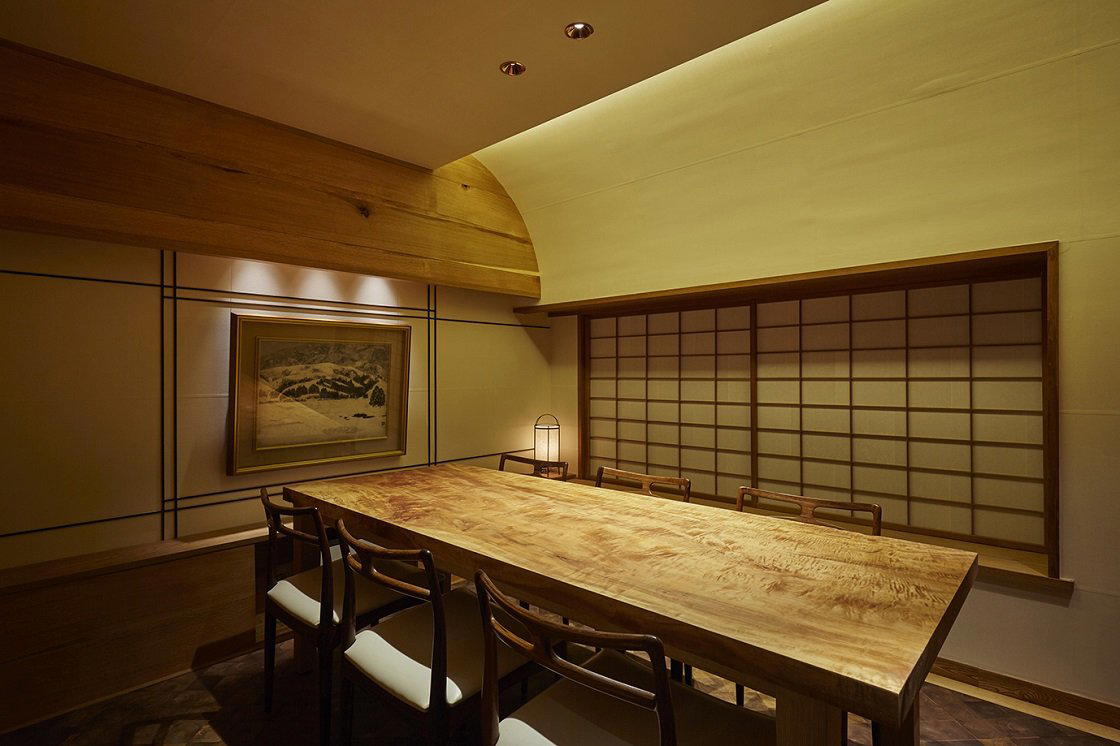


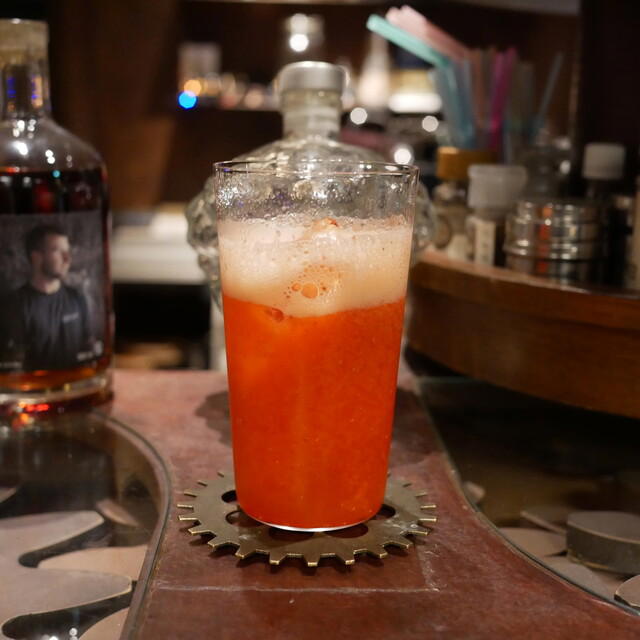
Bars in Nishinomiya
Browse all →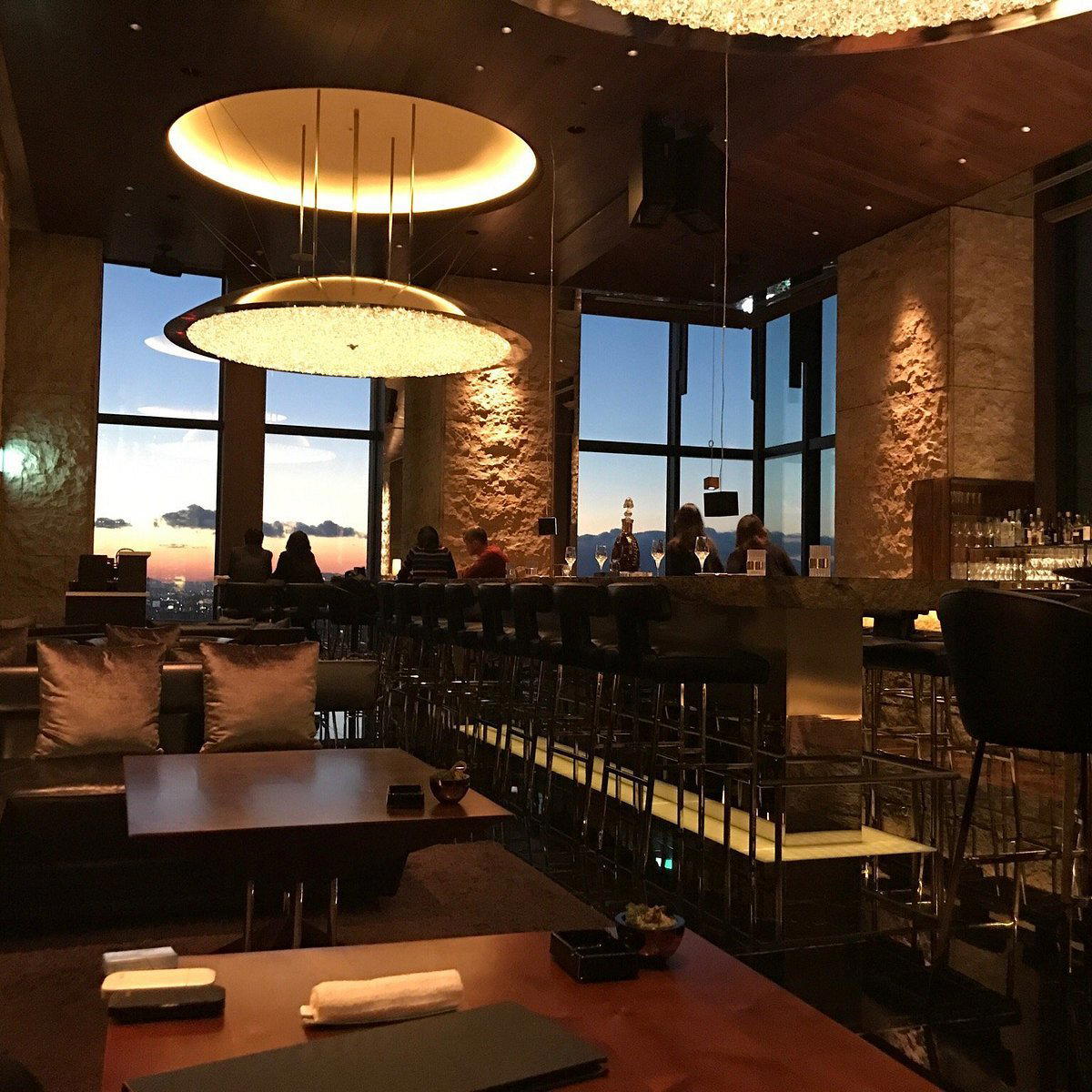



Hotels in Nishinomiya
Browse all →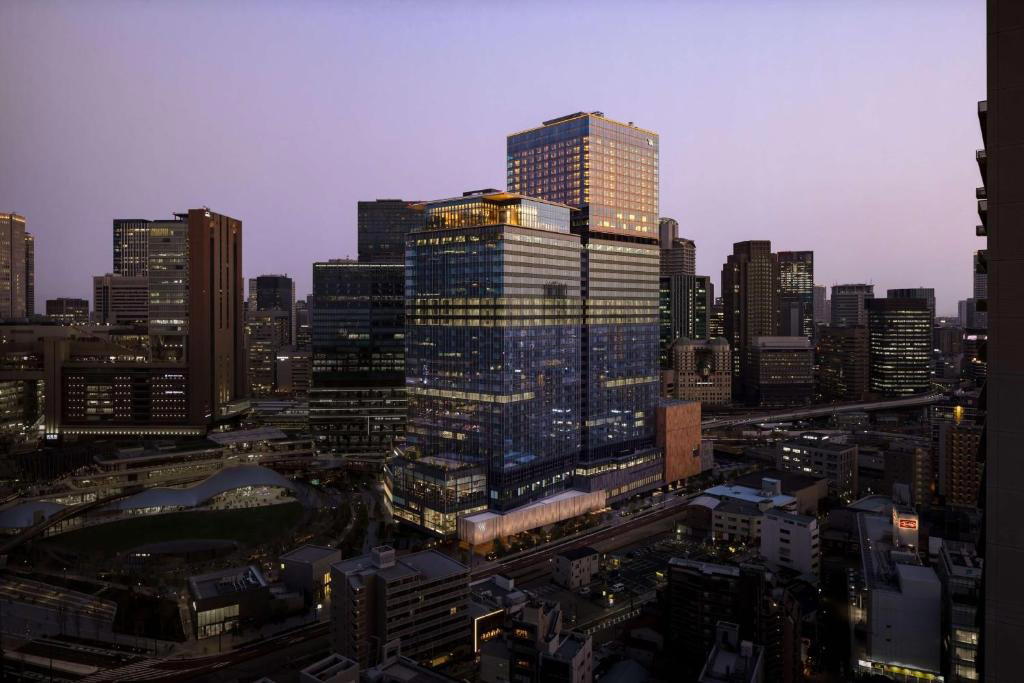




Wineries in Nishinomiya
Browse all →
Details
- Elegant
- Quiet
- Intimate
- Classic
- Sophisticated
- Special Occasion
- Date Night
- Business Dinner
- Historic Building
- Garden
- Private Dining
- Design Destination
- Sake Program
- Sommelier Led
- Local Sourcing
- Garden
- Tasting Menu
- Set Menu
- Sake
- Allergy Accommodating
Current opening hours
- Monday
- 12–3 PM, 5–10 PM
- Tuesday
- 12–3 PM, 5–10 PM
- Wednesday
- 12–3 PM, 5–10 PM
- Thursday
- Closed
- Friday
- 12–3 PM, 5–10 PM
- Saturday
- 12–3 PM, 5–10 PM
- Sunday
- 12–3 PM, 5–10 PM
Hours can change for holidays and private events. Hours as of .
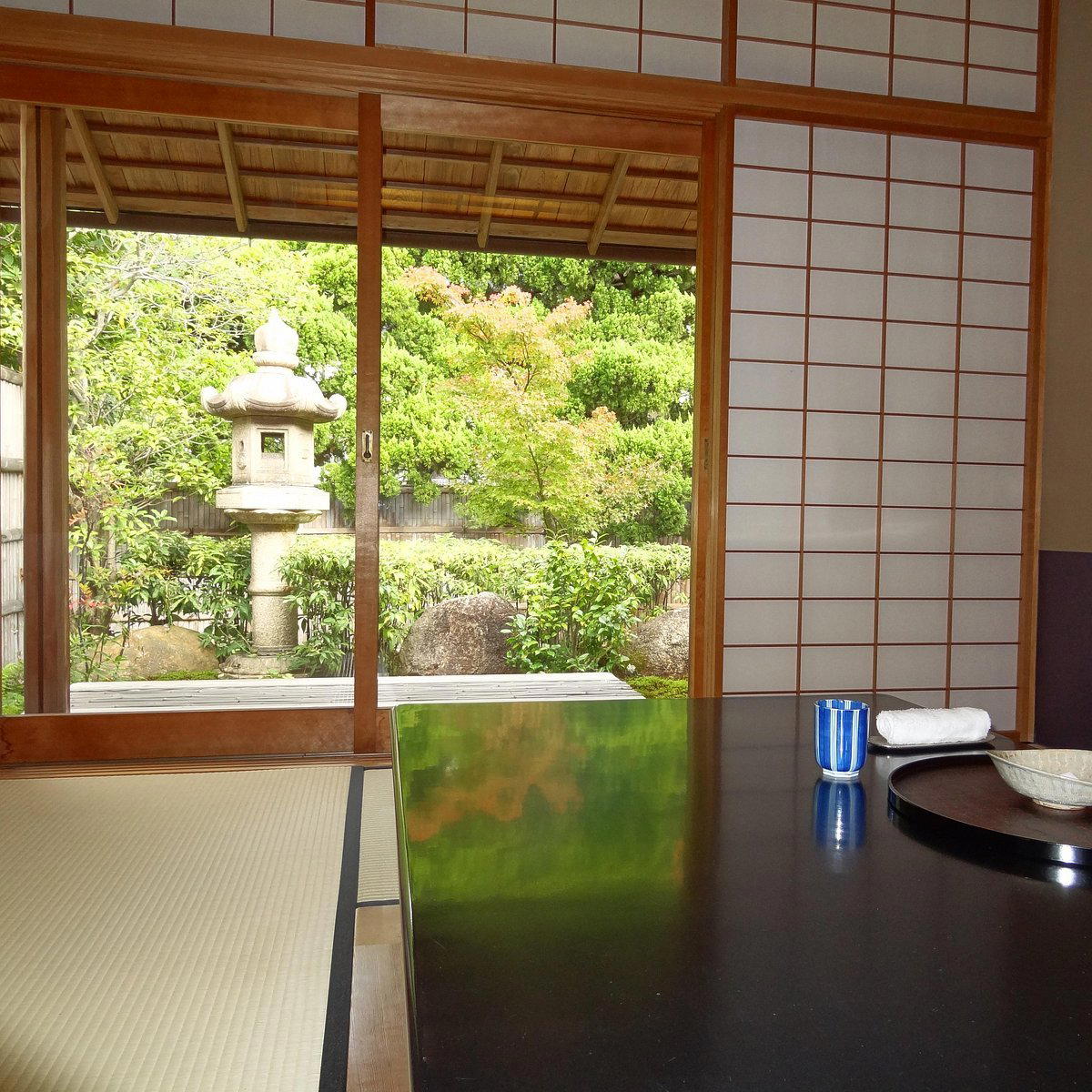
Serene and tranquil with traditional Japanese aesthetic; walls decorated with flower arrangements and calligraphy scrolls; intimate setting with tea ceremony-inspired design elements throughout.