Our verdict
Nihon Saisei Sakaba sits in Shinjuku's Sanchome district, operating within a category of Tokyo izakayas that prioritise seasonal, sourced ingredients over spectacle. The format is direct: drinking and eating structured around what is available and where it came from. For visitors mapping Tokyo's mid-tier dining scene alongside high-end counters, this address offers a different register of Japanese hospitality.

Pearl is the En Primeur Club membership app — saves, bookings, and concierge access live there. Same editors, same standards.
- Address
- Japan, 〒160-0022 Tokyo, Shinjuku City, Shinjuku, 3 Chome−7−3 丸中ビル 1階
- Phone
- +81 3 3354 4829
- Hours
- Mon–Thu 3–11:30 PMFri 3 PM–12 AMSat–Sun 3–11:30 PM
- Directions
- Get directions
The menu
What to order
- Liver
- Tsukune
- Offal skewers
Shinjuku's Izakaya Layer: Where the City Actually Eats
Tokyo's dining conversation tilts heavily toward omakase counters, Michelin-starred kaiseki rooms, and the kind of reservation sequences that require months of planning. Places like Harutaka or RyuGin occupy the upper tier with credentials to match. But the city's character as a food destination is not built on those rooms alone. Beneath the tasting-menu tier runs a dense, serious stratum of izakayas, where the measure of quality is not format or ceremony but the provenance and handling of the ingredients on the table.
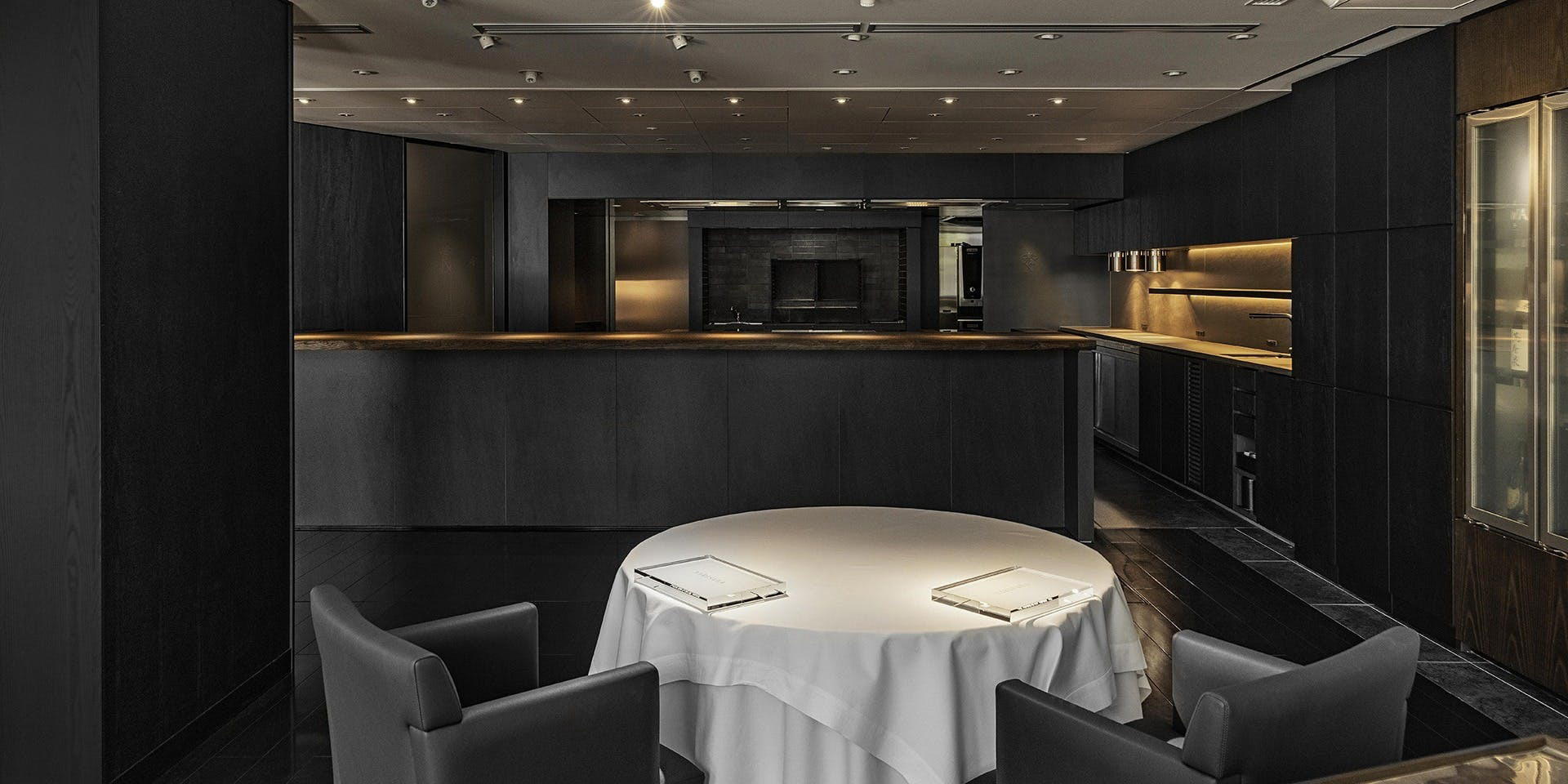
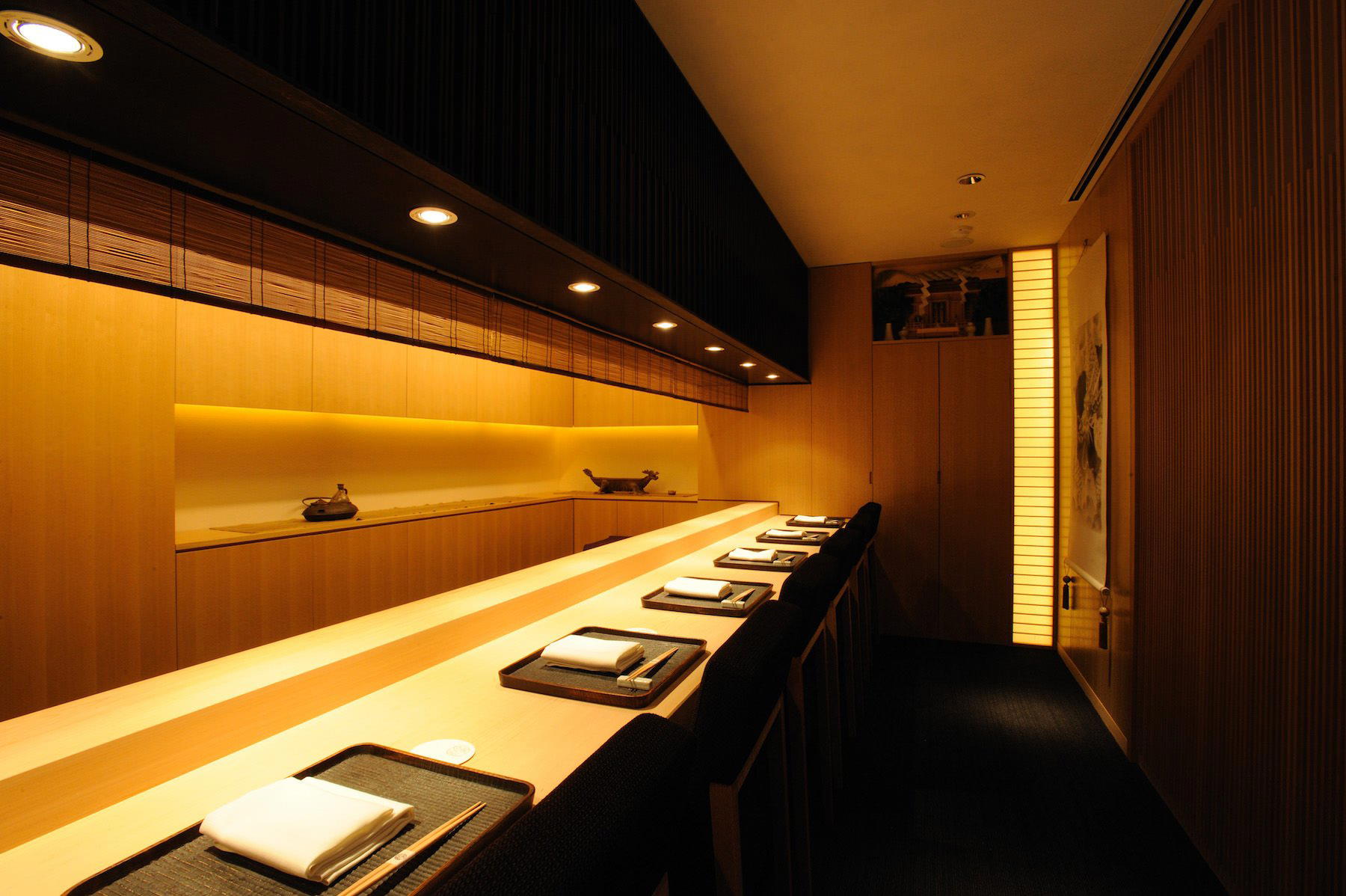
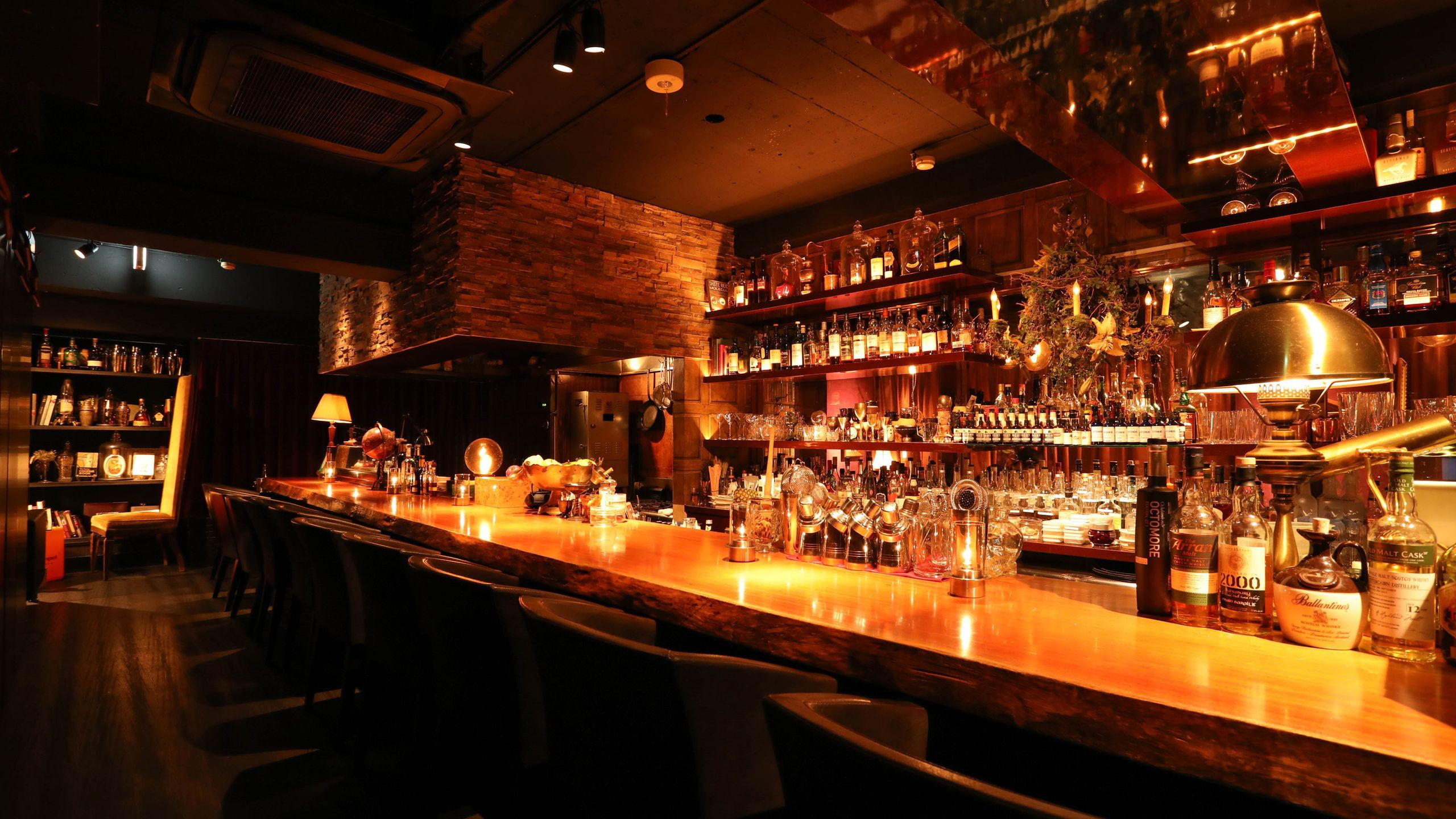
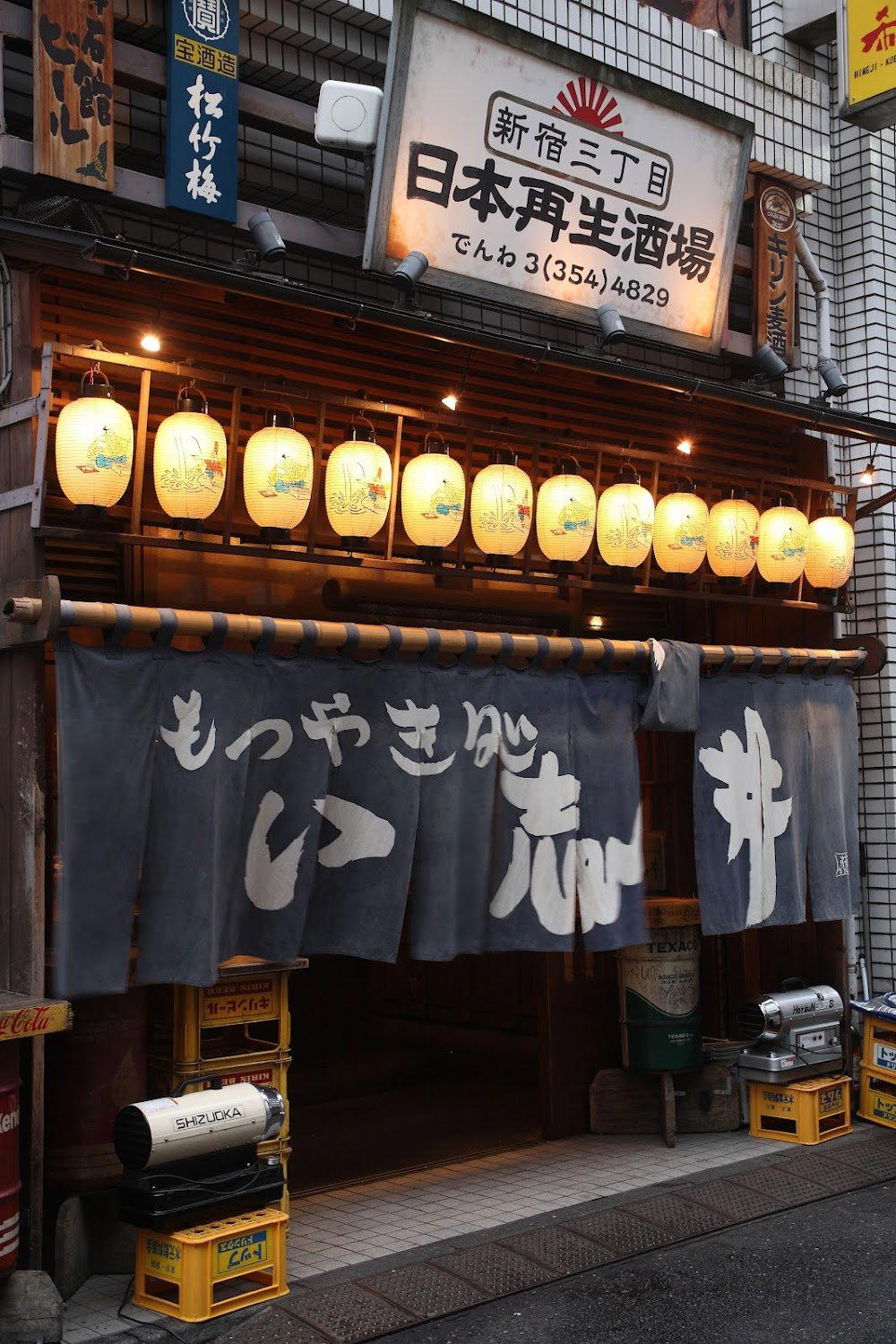
Nihon Saisei Sakaba sits in Shinjuku Sanchome, on a stretch of 3-chome that functions as one of central Tokyo's more layered drinking and dining corridors. The building is a modest low-rise — ground floor, the kind of frontage that does not call attention to itself. Entering on a weekday evening, the room reads as working Tokyo rather than curated Tokyo: lit without drama, arranged for groups who came to eat and drink with focus rather than occasion.
Ingredient Sourcing as the Organising Principle
The name encodes the approach. Nihon Saisei Sakaba translates roughly to a sake bar committed to Japan's revival or renewal — a framing that connects directly to the sourcing ethos that defines this category of venue. Across Japan, a specific type of izakaya has emerged over the past decade that treats regional producers not as marketing points but as the actual structure of the menu. What a farm or fishery can supply on a given week determines what gets served.
This model mirrors what has happened at the higher end of Japanese dining in cities like Osaka and Kyoto. HAJIME in Osaka and Gion Sasaki in Kyoto have built reputations in part on the rigour of their sourcing relationships. At izakaya scale, the same logic operates with less ceremony but comparable seriousness: the seasonal calendar is not a theme but a constraint, and working within it is the point.
In practical terms, this means the menu at Nihon Saisei Sakaba shifts with what Japan's agricultural and fishing cycles produce. Late autumn brings different fish than early spring. Root vegetables and mushrooms from mountain regions appear when the highland harvest comes in. The sake list, which at venues in this category tends to receive as much attention as the food, follows similar regional logic, small breweries whose output reflects local rice and water rather than standardised national brands.
The Broader Pattern: Tokyo's Regional Produce Pipeline
Tokyo is unusual among major capital cities in the density and quality of its supply relationships with the rest of the country. The Tsukiji outer market and its successor networks, along with direct-from-farm delivery systems that grew substantially after the 2011 earthquake as part of national recovery efforts, have made it possible for small restaurants to source from distant prefectures with genuine regularity. A venue in Shinjuku can credibly offer fish from Oita, vegetables from Akita, or sake from Niigata without those claims functioning as novelty.
This supply infrastructure is why the sourcing-led izakaya model works in Tokyo in a way it might not in cities with thinner supply chains. Venues like affetto akita in Akita or Aji Arai in Oita represent the regional end of the same supply relationships that Tokyo venues draw from, understanding the regional source adds texture to what arrives on the plate in the capital.
For context on how ingredient-led thinking operates at different price points, it is worth noting that the approach is not exclusive to any tier. L'Effervescence and Sézanne, both at the ¥¥¥¥ end of Tokyo's French dining, have built seasonal sourcing into formats that cost multiples of an izakaya meal. The discipline, if not the price, is shared.
What Shinjuku Sanchome Adds to This Address
The Sanchome district of Shinjuku operates differently from the entertainment-dense corridors of Kabukicho or the tourist-facing sections of the broader ward. It is a neighbourhood of independently run bars, small restaurants, and the kind of density that rewards repeat visitors over single-night samplers. An evening in Sanchome tends to move across several small rooms rather than anchoring to one table for three hours.
Nihon Saisei Sakaba fits this geography. The format is designed for ordering in rounds, drinks driving the pace, food arriving in smaller portions rather than as a structured progression. The comparison to something like Crony, which operates at ¥¥¥¥ with an innovative French frame, or Lazy Bear in San Francisco, where the communal dining format is engineered from the ground up, is instructive: Nihon Saisei Sakaba arrives at a similar social energy through a completely different tradition, one where the format has centuries of precedent and the innovation, if any, is in the sourcing rather than the structure.
Seasonal Timing and When to Go
The strongest argument for visiting in the autumn-to-winter window is the sake. Japanese sake production follows a cycle tied to rice harvesting, with the freshest new-season sake (shiboritate) arriving from late November through January. Izakayas with serious sake programs shift their lists substantially during this period, and venues in the Nihon Saisei Sakaba category tend to receive allocations from smaller breweries that do not distribute widely.
Spring visits offer a different profile: mountain vegetables (sansai) dominate early menus alongside the first of the season's white fish. Summer is the period when izakayas in this tier rely most heavily on their cold-sake selections, pairing light, chilled junmai with the season's shellfish and vegetable preparations.
For visitors building a broader Japan itinerary around sourcing-led dining, the route connects naturally: akordu in Nara, Goh in Fukuoka, aki nagao in Sapporo, and Akakichi in Imabari each represent regional expressions of the same commitment to local supply that anchors this category of Tokyo dining. See our full Tokyo restaurants guide for further context on where Nihon Saisei Sakaba sits within the city's broader dining map.
The Shinjuku Sanchome location is accessible directly from Shinjuku-Sanchome Station on the Marunouchi and Fukutoshin lines, with the restaurant a short walk from the C5 or C8 exits. Booking arrangements and current hours are best confirmed directly; walk-in capacity varies by night, and the venue's format suits spontaneous visits more than some of its counter-dining peers elsewhere in the city. Ajidocoro in Yubari District and Abon in Ashiya operate within the same regional-sourcing tradition for those extending their itinerary beyond Tokyo. At Le Bernardin in New York City, the sourcing discipline operates at a completely different price tier and format, a useful counterpoint for understanding how broadly the ingredient-first philosophy now travels across dining cultures.
Frequently asked questions
Can I bring kids to Nihon Saisei Sakaba?
Nihon Saisei Sakaba is positioned as a sake bar in Shinjuku's Sanchome district, a neighbourhood where the evening tempo skews toward adult dining. The venue's focus on sake and regional produce pairings means the experience is oriented toward drinkers rather than family groups. Younger children would likely find little on the agenda here, though the izakaya format is generally informal enough to accommodate older teenagers if accompanied.
What's the vibe at Nihon Saisei Sakaba?
The Sanchome address places it away from Kabukicho's louder entertainment corridors, in a part of Shinjuku that runs on regulars rather than foot traffic. Izakayas in this pocket of Tokyo tend toward compact, counter-heavy rooms where the focus sits on what's being poured and sourced, not on theatrical presentation. Expect something closer to a knowledgeable local's sake spot than a destination restaurant designed for social media.
Is Nihon Saisei Sakaba a good choice for exploring Japanese regional sake varieties?
The bar's name and organising concept centre on Japan's regional produce revival, which in practice places sake selection at the core of the experience rather than as an afterthought. Shinjuku's Sanchome location puts it within a dining circuit where specialist drink-led venues have built steady followings among Tokyo drinkers who seek out prefecture-specific labels. For those specifically interested in tracking seasonal sake releases tied to Japan's rice harvest cycle, the autumn-to-winter window offers the most active selection period.
What should I eat at Nihon Saisei Sakaba?
The name — roughly translating to a sake bar committed to Japan's renewal — signals that the food follows an ingredient-first logic tied to regional Japanese sourcing. Seasonal produce and the sake calendar drive what's on offer, with autumn and winter typically bringing the strongest lineup as freshly pressed sake enters circulation post-harvest. Specific current menu items are best confirmed on arrival, as the sourcing-led approach means the menu shifts with the season.
City Peers
| Venue | Cuisine | Price | Awards | Notes |
|---|---|---|---|---|
| Nihon Saisei SakabaThis venue — the venue you are viewing | Traditional Japanese Grilled Offal Izakaya | $20–30 | Not listed | Not listed |
| Harutaka | Edo-Style Omakase Sushi | $200–300 | 3 Michelin Stars · World's 50 Best #76 | Sushi |
| L'Effervescence | Modern French with Japanese Influences | $200–300 | 3 Michelin Stars · World's 50 Best #69 | French |
| RyuGin | Modern Kaiseki | $500+ | 3 Michelin Stars · World's 50 Best #41 | Kaiseki, Japanese |
| Crony | Modern French with Japanese Influences | $150–200 | 2 Michelin Stars · World's 50 Best #34 | Innovative, French |
| Den | Modern Japanese Kaiseki | $150–200 | 2 Michelin Stars · World's 50 Best #51 | Innovative, Japanese |