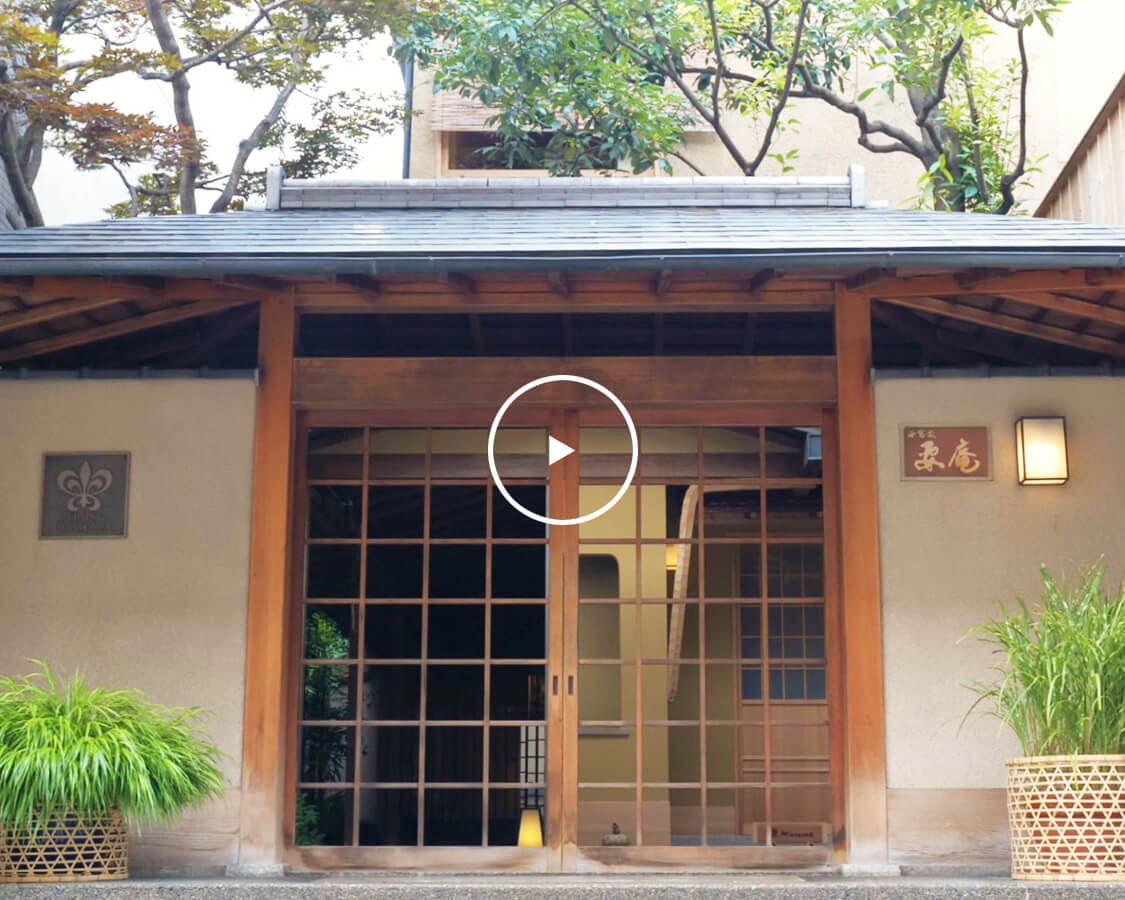
A Michelin-starred French restaurant on Kyoto's Aneyakoji-dori, NAKATSUKA holds a 2024 one-star award and a Google rating of 4.5 from over a hundred reviews. Positioned in the mid-to-upper price tier for Kyoto's Western dining scene, it occupies a small ground-floor space in the Nakagyo district, where French technique meets the seasonal discipline that defines the city's broader culinary culture.
Pearl is the En Primeur Club membership app — saves, bookings, and concierge access live there. Same editors, same standards.

French Precision on Aneyakoji-dori
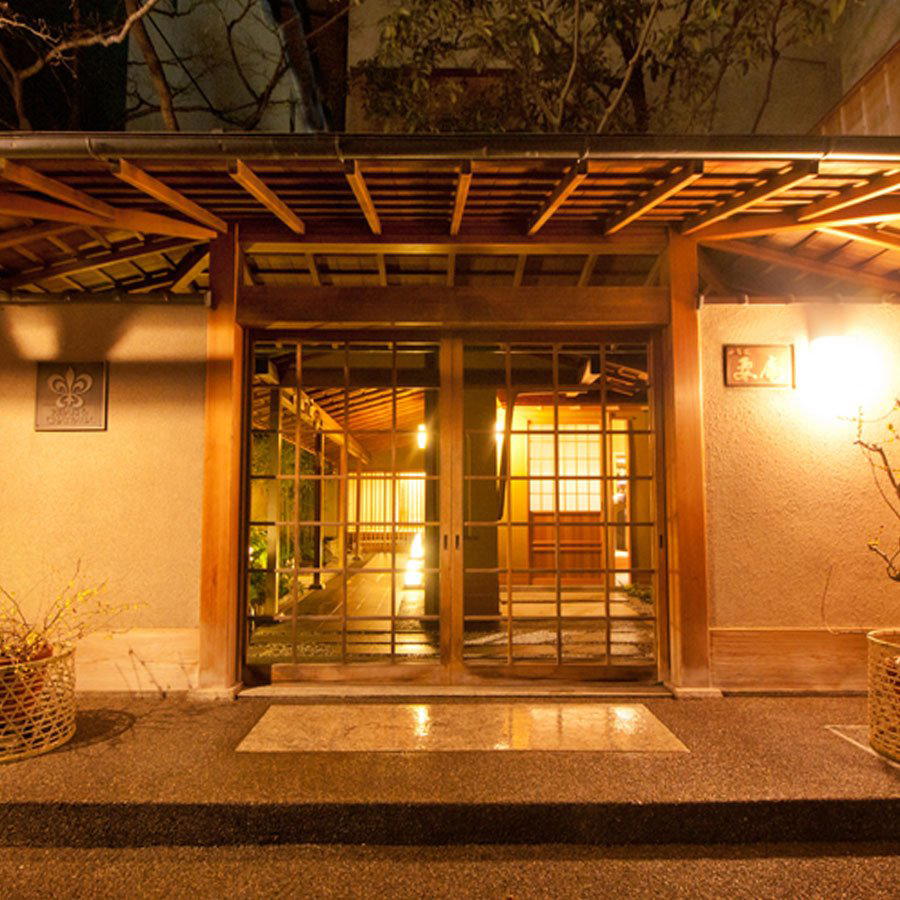
Kyoto's central Nakagyo ward is not the obvious address for French cuisine. The neighbourhood sits between the tourist corridors of Gion and the commercial density of Shijo, its side streets carrying a quieter, more residential character. Yet this is precisely where a certain kind of serious, intention-driven cooking has taken root. Aneyakoji-dori, the narrow lane that runs east to west through the ward, is the kind of address you look for rather than stumble across — and NAKATSUKA, occupying the ground floor of a building called Glance Coto, fits that geography exactly. The approach is low-key, the signage restrained, and the physical scale modest enough that first-time visitors often pause to confirm they have the right address.
That reticence is a recurring pattern among Kyoto's more serious Western restaurants. Where Tokyo's French dining rooms tend toward formal grandeur or deliberate spectacle, Kyoto's counterparts often channel the city's native preference for quiet statement. The room says little because the plate is expected to do the work.
Where French Technique Meets Kyoto Discipline
The broader story of French cooking in Japan is one of sustained, decades-long absorption. What began as faithful recreation evolved, city by city, into something more adaptive — chefs borrowing the structural logic of classical French cuisine and threading it through local ingredient cultures. In Kyoto, that local ingredient culture is formidably specific: a vegetable tradition (Kyoyasai) that runs centuries deep, a proximity to the Seto Inland Sea and the Sea of Japan, and a kaiseki inheritance that imposes its own seasonal rigour on anyone cooking seriously in the city.
The French restaurants that earn sustained critical recognition here tend to be the ones that take that context seriously, treating French technique not as something imported wholesale but as a set of tools with which to interpret the same seasonal logic that drives Kyoto's kaiseki houses. NAKATSUKA's 2024 Michelin one-star recognition places it inside that group, a signal that the Guide's inspectors found the kitchen operating at a level of consistency and intention that distinguishes it from the broader category of competent Western dining.
Within Kyoto's French tier specifically, NAKATSUKA occupies the mid-to-upper bracket at ¥¥¥ , a price point that sits below the ¥¥¥¥ kaiseki rooms like Hiramatsu Kodaiji but aligns it with peers such as la bûche and La Biographie··· in the city's smaller French-leaning cluster. For comparison, anpeiji and Droit represent adjacent Western approaches at similar or overlapping price tiers , a reminder that Kyoto's non-Japanese fine dining scene, though compact, has genuine internal range and competitive depth.
The Chef as Auteur: Cooking as Statement
The editorial angle here is not the chef's biography. It is, rather, what the chef-as-auteur model produces in a city where cooking has always been understood as a form of cultural expression rather than technical performance alone. Kyoto's dining culture is unusually demanding in this respect: the kaiseki tradition has long rewarded chefs who can make seasonal discipline feel personal and inevitable rather than formulaic. That standard carries over, quietly but insistently, to the city's Western kitchens.
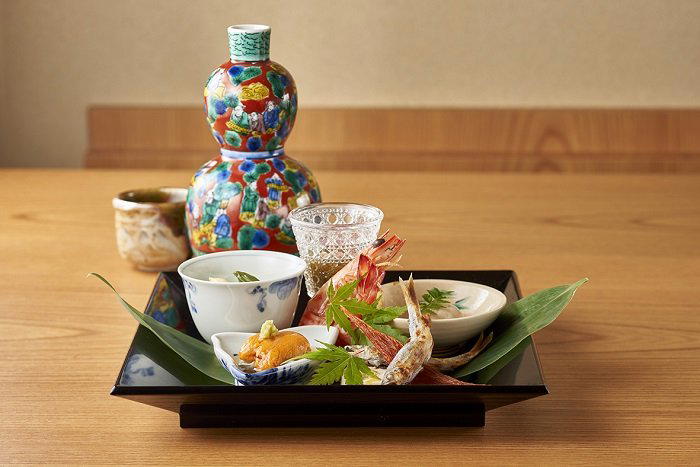
At restaurants of this type , single-star, small-scale, French in foundation but locally inflected in practice , the menu is rarely a catalogue of dishes. It reads, more accurately, as a set of positions: on what ingredients merit attention at this moment in the season, on how much intervention a piece of fish or vegetable can bear before it loses rather than gains from the process, on where classical French structure serves the ingredient and where it should yield. The Google rating of 4.5 across 107 reviews suggests that NAKATSUKA's version of these positions lands with the people who seek it out , not a broad casual audience, but diners who came with specific expectations and found them met.
Nationally, the French auteur model in Japan has produced some of its clearest expressions in the larger cities: Sézanne in Tokyo and HAJIME in Osaka both represent the higher end of that arc, the latter carrying three Michelin stars and a reputation that extends well beyond Japan. Against that spectrum, a one-star Kyoto address like NAKATSUKA sits at a different point on the ambition curve , not less serious, but operating in a different register, one where the city's aesthetic constraints are as much a creative condition as an external pressure.
Kyoto's Western Dining in National Context
Japan's French and Italian fine dining scenes have fragmented productively over the past decade. What was once a relatively unified high-end Western category has differentiated into distinct approaches: classically trained formalists, ingredient-first minimalists, fusion-forward experimentalists, and the small but significant group of chefs who have essentially absorbed kaiseki logic into a French skeleton. Kyoto, perhaps unsurprisingly, skews toward the latter. The city's culinary identity is strong enough to impose itself on foreign traditions rather than simply hosting them.
That pattern appears in other Japanese cities too, though with different local signatures. akordu in Nara applies European sensibility to a similarly historically dense environment. Goh in Fukuoka works with the seafood abundance of Kyushu in ways that parallel how Kyoto chefs work with the Kinki region's produce. Harutaka in Tokyo, though a Japanese format, shares the same rigour of seasonal material focus. And at the more experimental edge, 1000 in Yokohama and 6 in Okinawa suggest that the French-Japanese conversation is taking place well outside the traditional capitals. For European reference, Hotel de Ville Crissier in Crissier represents the classical French pole against which Japan's adaptive French tradition is measured by those who track both.
Planning Your Visit
NAKATSUKA is located at 299 Kinoshitacho, Aneyakoji-dori, Nakagyo Ward, Kyoto , ground floor of Glance Coto. The Nakagyo address is roughly equidistant from Karasuma and Kyoto Shiyakusho-mae stations on the Karasuma and Tozai subway lines respectively, making access from central Kyoto direct on foot or by taxi.
Peer Comparison at a Glance
| Venue | Cuisine | Price | Awards | Google Rating |
|---|---|---|---|---|
| NAKATSUKA | French | ¥¥¥ | Michelin 1 Star (2024) | 4.5 (107) |
| la bûche | French | ¥¥¥ | , | , |
| La Biographie··· | French | ¥¥¥ | , | , |
| cenci | Italian | ¥¥¥ | , | , |
| Hiramatsu Kodaiji | French/Japanese | ¥¥¥¥ | , | , |
Specific hours, booking methods, and dress code are not confirmed in our current data. At this price tier and with a Michelin star, reservations are advisable well in advance. See our full Kyoto restaurants guide for the broader context, or explore Kyoto hotels, Kyoto bars, Kyoto wineries, and Kyoto experiences to build out your trip.
Pricing, Compared
A short peer set to help you calibrate price, style, and recognition.
| Venue | Price | Awards | Notes |
|---|---|---|---|
| NAKATSUKA | ¥¥¥ | Michelin 1 Star | This venue |
| Gion Sasaki | ¥¥¥¥ | Michelin 3 Star | Kaiseki, Japanese, ¥¥¥¥ |
| cenci | ¥¥¥ | Michelin 1 Star | Italian, ¥¥¥ |
| Ifuki | ¥¥¥¥ | Michelin 2 Star | Kaiseki, ¥¥¥¥ |
| Kyokaiseki Kichisen | ¥¥¥¥ | Michelin 2 Star | Japanese, ¥¥¥¥ |
| Kyo Seika | ¥¥¥ | Michelin 1 Star | Chinese, ¥¥¥ |
Continue exploring
More in Kyoto
Restaurants in Kyoto
Browse all →Bars in Kyoto
Browse all →Hotels in Kyoto
Browse all →Wineries in Kyoto
Browse all →At a Glance
- Intimate
- Elegant
- Cozy
- Sophisticated
- Hidden Gem
- Date Night
- Special Occasion
- Chefs Counter
- Open Kitchen
- Historic Building
- Extensive Wine List
- Sake Program
- Local Sourcing
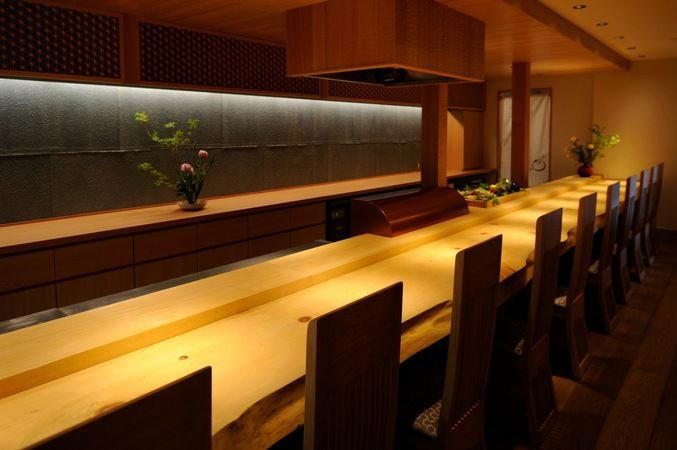
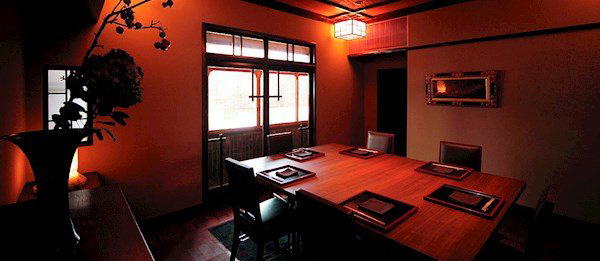
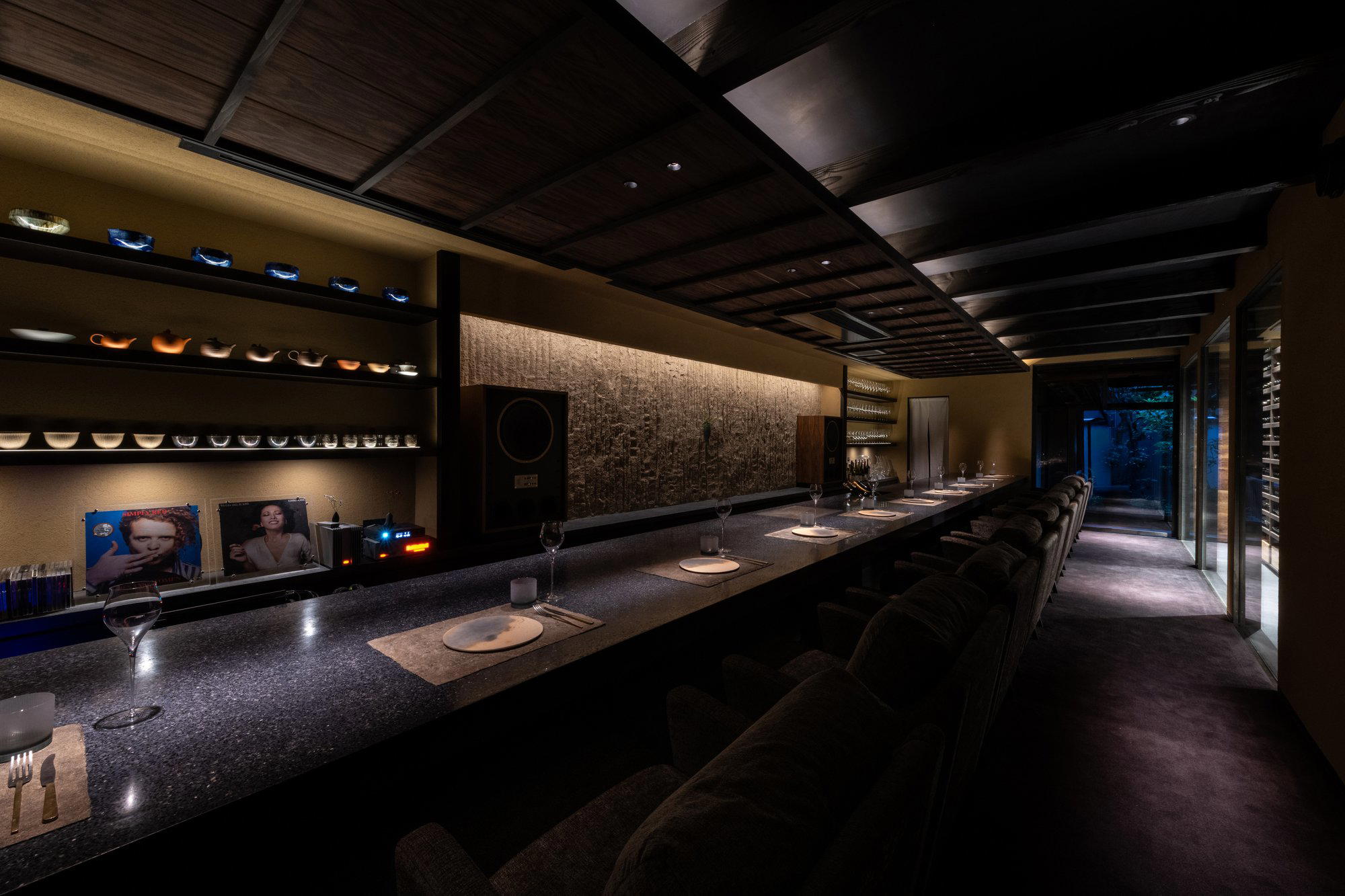
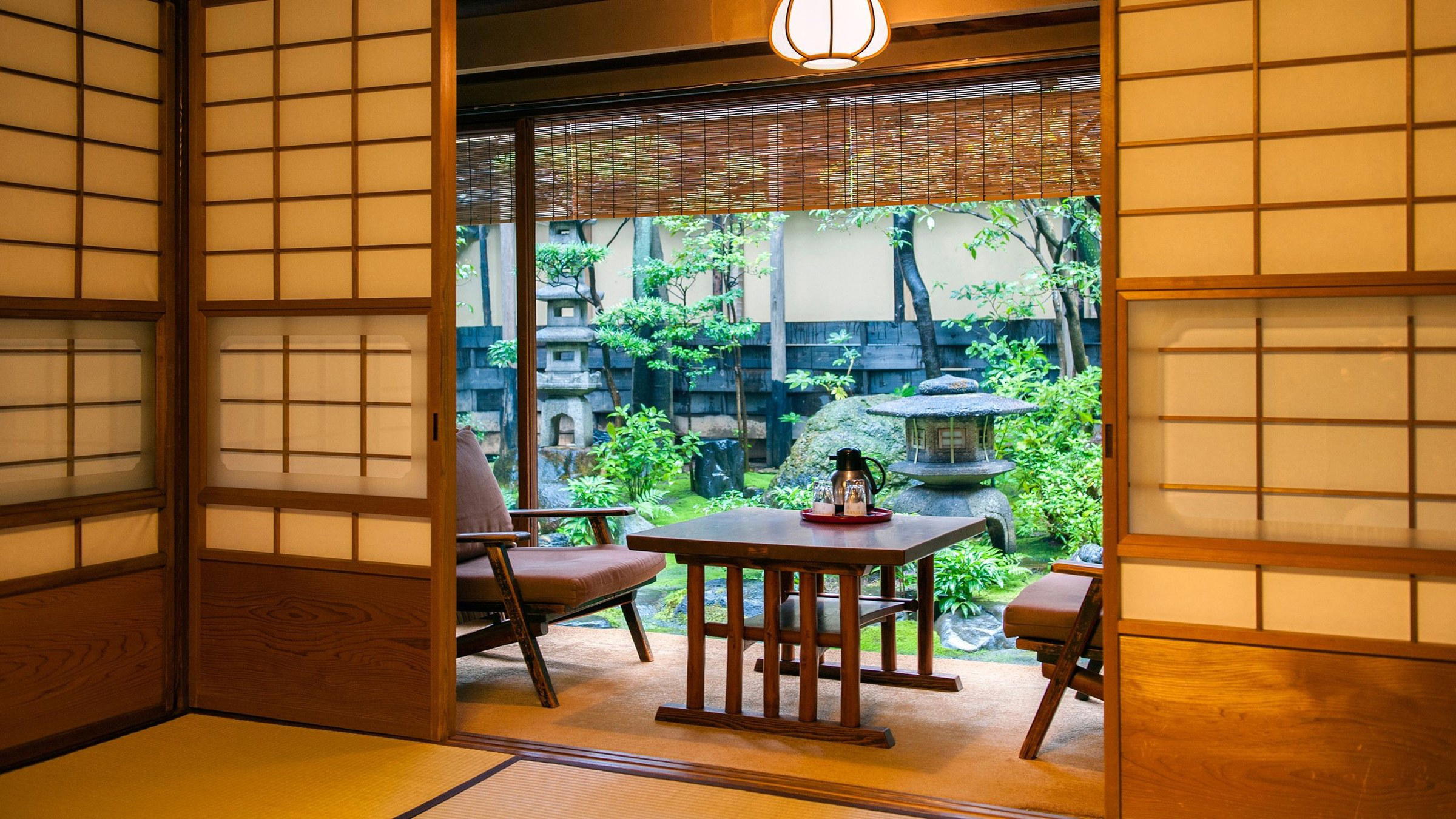
Soft lighting in a restored traditional Kyoto townhouse with muted acoustics, simple vintage furnishings, and open kitchen as centerpiece to highlight cooking aromas.