Mugen occupies a quiet pocket of Osaka's Fukushima Ward, a neighbourhood that has quietly accumulated serious dining addresses over the past decade. The venue sits within a residential stretch of Ebie, away from Namba's density, placing it among Osaka diners who know to look beyond the obvious corridors. Exact format and pricing details are best confirmed directly with the venue ahead of any visit.
 Discover on Pearl
Pearl is the En Primeur Club membership app — saves, bookings, and concierge access live there. Same editors, same standards.
- Address
- Japan, 〒553-0001 Osaka, Fukushima Ward, Ebie, 5 Chome−5−10 前田ビル
- Website
- tablecheck.com
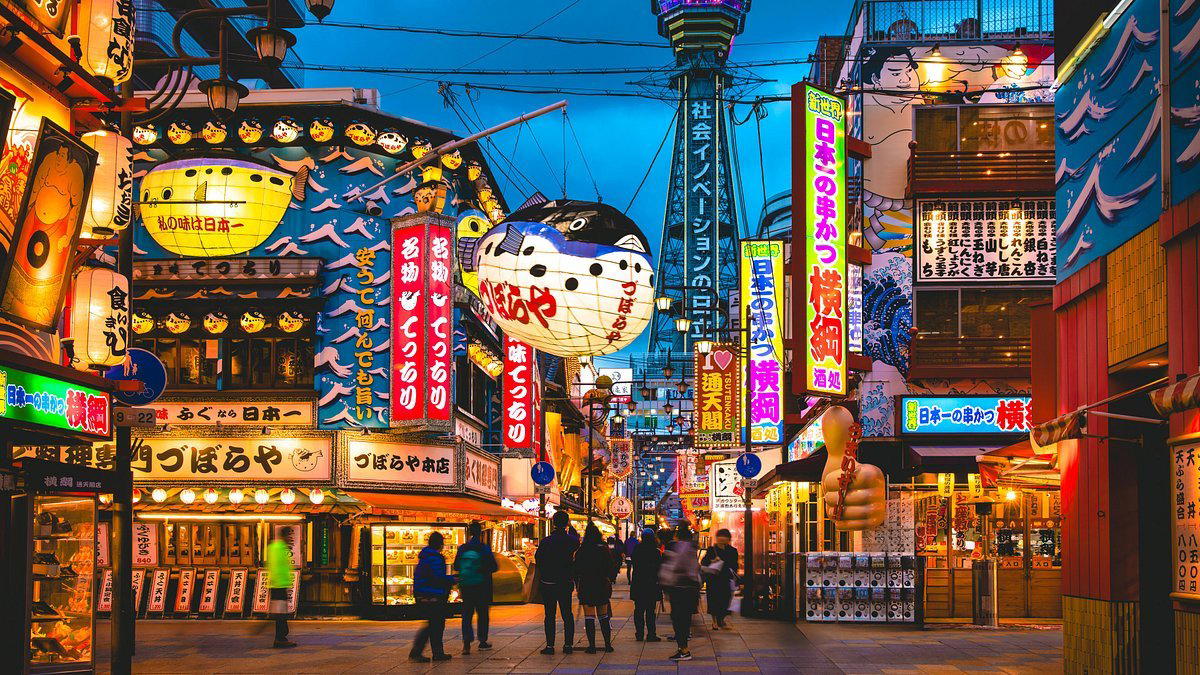
Fukushima Ward and the Quieter Side of Osaka Dining
Osaka's dining reputation is built on density and volume: the packed yakitori alleys of Shinsekai, the counter sushi of Kitashinchi, the endless ramen variants threading through Namba. But the city's more considered dining addresses have, over the past fifteen years, drifted toward the residential wards that bracket the Umeda core. Fukushima Ward, which sits just west of Osaka Station and runs down to the Fukushima river bend, now holds a concentration of serious, often unmarked restaurants that locals treat as the city's working dining circuit. Mugen is a Michelin-recognized chuka soba restaurant in Osaka's Fukushima Ward, at Japan, 〒553-0001 Osaka, Fukushima Ward, Ebie, 5 Chome−5−10 前田ビル.
The ward's culinary character is worth understanding before arriving. Unlike Kitashinchi, where the density of expense-account dining sets the tone, Fukushima's registers run from casual izakayas to genuinely serious counters, often within the same block. Addresses here tend to be small, frequently unlicensed for walk-ins, and often known almost exclusively through local recommendation. It is a dining geography that rewards research and discourages spontaneity.
Approaching a Meal with a Narrative Arc in Mind
The most useful frame for understanding a small Japanese counter restaurant, regardless of format, is sequential: each course is a chapter in an argument about what the kitchen values. Japan's multi-course dining tradition, whether kaiseki, omakase sushi, or progressive tasting menus, is built on the premise that the first thing you eat should prepare you for the last, that temperature and texture build across a meal the way tension builds in a well-structured text. In Osaka specifically, this tradition carries a commercial inflection absent in Kyoto's more ceremonial kaiseki rooms: the food is meant to be satisfying as well as coherent. The distinction matters. Venues across the Kansai region, from Ajikitcho Bunbuan to Gion Sasaki in Kyoto, each calibrate that balance between ceremony and appetite differently. A small Fukushima-ward counter approaches this question from its own angle, shaped by neighbourhood and scale rather than institutional prestige.
At venues of this size, the progression typically opens with something restrained: a dashi-forward appetiser or a single seasonal ingredient presented with minimal interference, designed to reset the palate and signal the kitchen's preferences. The middle courses carry the weight of the argument, often deploying umami-rich braised elements or grilled proteins that speak directly to Osaka's preference for comfort-forward cooking. The close of a Japanese tasting progression at this register usually involves a rice course, presented simply, as both a structural anchor and a reminder that the meal was always, underneath the technique, about pleasure. This arc applies whether the format is kaiseki-adjacent or more idiosyncratic. Comparable structural thinking is visible at HAJIME in Osaka, where the tasting format is more formally stated, and at Aka to Shiro, which takes a different position on the same creative spectrum within the city.
Small Counters in the Fukushima Tier: What the Format Implies
Osaka's mid-tier and upper-mid-tier counter restaurants share a set of structural conditions that shape the experience before a single dish arrives. Seating is constrained, typically between six and fourteen covers, which means the kitchen is cooking for a room rather than a service line. Reservations at addresses of this type often run several weeks ahead during autumn and spring, the two seasons when Japanese dining interest peaks nationally. The physical environment at Fukushima-ward venues of this kind tends toward functional restraint: pale wood, ceramic tableware, minimal signage. The room does not compete with the food. This is consistent with a broader Osaka counter aesthetic that differs from Tokyo's more studied minimalism, running slightly warmer in material and slightly more casual in atmosphere without sacrificing kitchen seriousness.
For comparison within Osaka's counter circuit: Ajihei Sonezaki and Calendrier each operate within recognisable tasting formats in adjacent parts of the city, while Az represents a more experimental position in the same broader tier. Further afield, the counter experience diverges considerably: Harutaka in Tokyo occupies the upper tier of the capital's sushi counter hierarchy, and Atomix in New York City applies Korean-inflected tasting logic to a very different cultural context. The comparison is useful precisely because it underlines how much of a counter meal's character is set by local convention rather than any individual kitchen's choices.
Outside Japan's main cities, the counter format takes on different weight. akordu in Nara applies European technique inside a Japanese spatial logic, while Goh in Fukuoka works within a strongly regional Kyushu frame. Regional Japanese counters like 一本杉 川島酒造 in Nanao and 翁之羽鳥 in Nishikawa Machi demonstrate how the format persists well beyond urban centres. Le Bernardin in New York City sits at the opposite end of the scale: a large-format tasting restaurant where the course arc is still the primary organising principle, but the room capacity and institutional weight are entirely different propositions. Within Japan's quieter registers, 北大百年記念会館 in Sapporo, 湖籠庵 in Takashima, and Birdland in Sakai each show how format discipline operates at different price points and with different ingredients in focus.
Planning a Visit: What to Confirm in Advance
The venue's address places it in the Ebie area of Fukushima Ward, accessible from Osaka Station or Fukushima Station on the JR Osaka Loop Line, with the ward being approximately ten minutes on foot from either. Mugen is recommended for reservations, and the price is about $25 per person. Autumn (October to November) and spring (March to April) represent peak demand periods for Osaka's counter restaurants generally, and lead times for reservations at venues of this type in Fukushima Ward tend to lengthen considerably during those windows. Plan accordingly, particularly if travel dates fall within either season.
Just the Basics
Comparable venues nearby, for context on price, style, and recognition.
| Venue | Cuisine | Price | Notes |
|---|---|---|---|
| MugenThis venue — the venue you are viewing | $$$ | ||
| Masaru | Naniwa, Traditional Sushi | $$$ | |
| Unagi Nishihara | $$$ | Chūō, Kanto-Style Unagi (Eel) | |
| Kobe Beef WANOMIYA Kita Shinsaibashi Store | Chūō, Kobe Beef Teppanyaki | $$$$ | |
| Kawaharasaki | Kita, Kamigata Tempura | $$$$ | |
| 新町あだち | Nishi, Seasonal Japanese Omakase | $$$ |
Continue exploring
More in Osaka Shi
Restaurants in Osaka Shi
Browse all →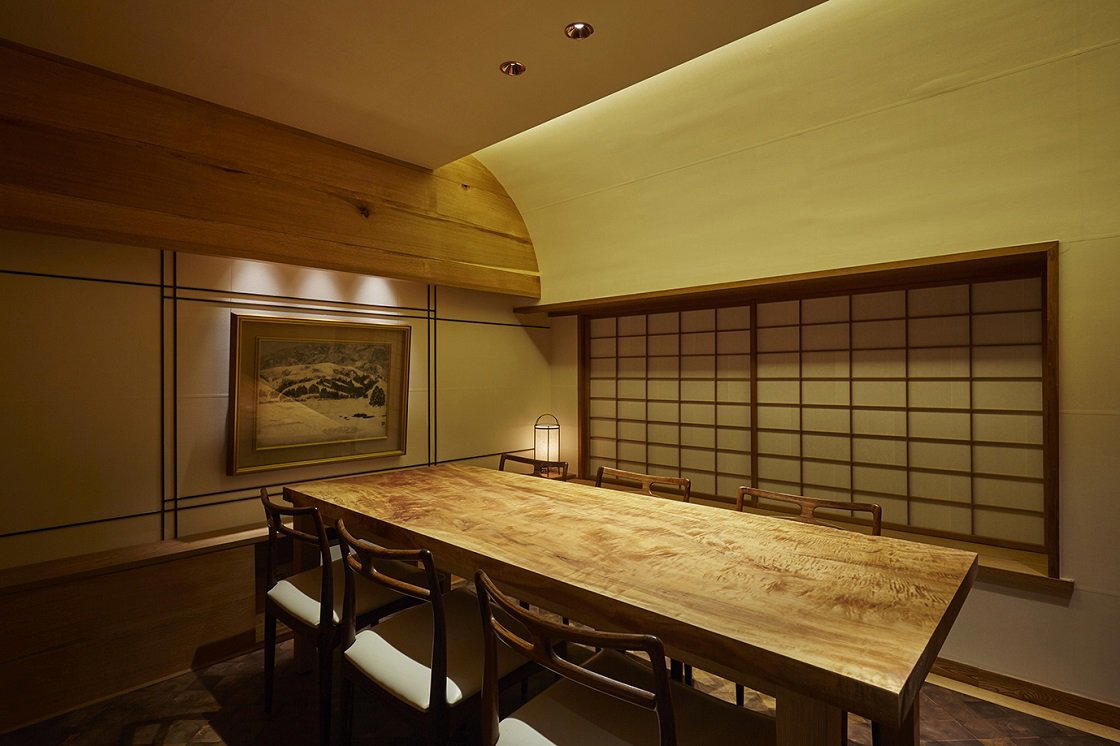


Bars in Osaka Shi
Browse all →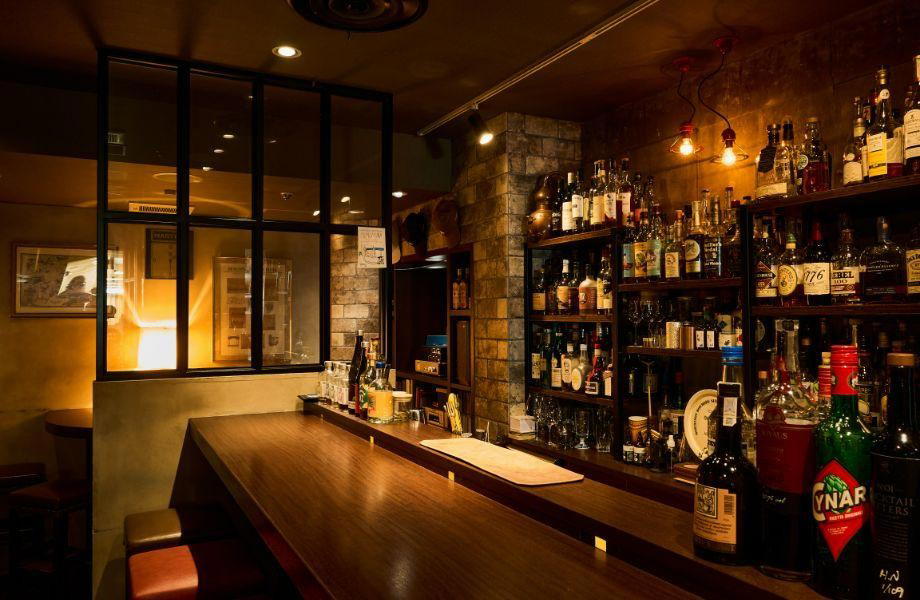
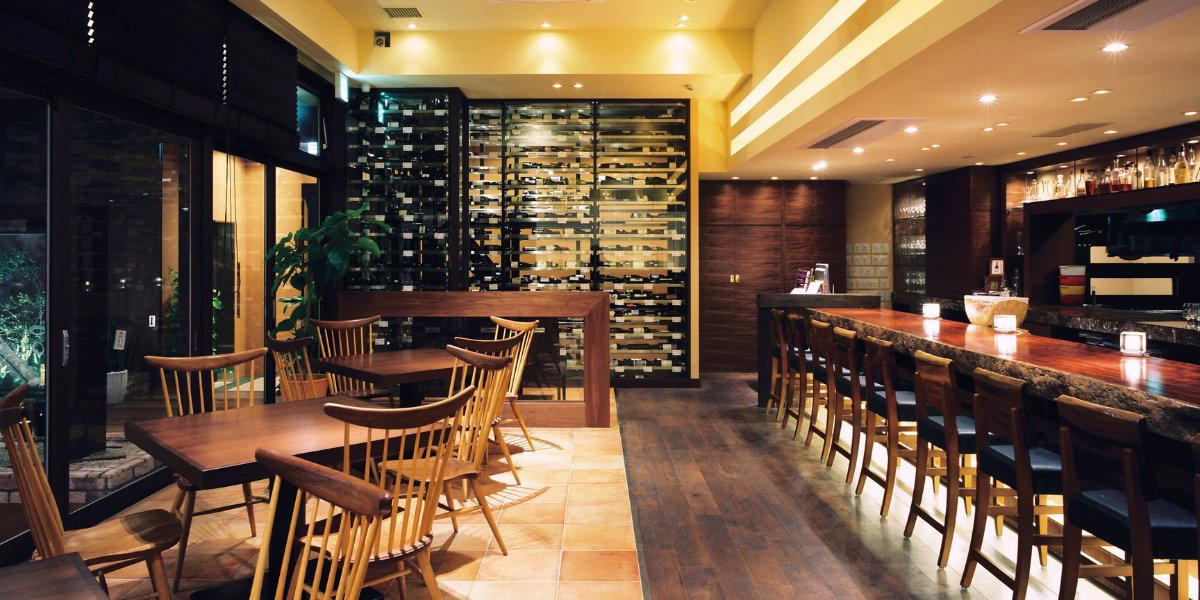
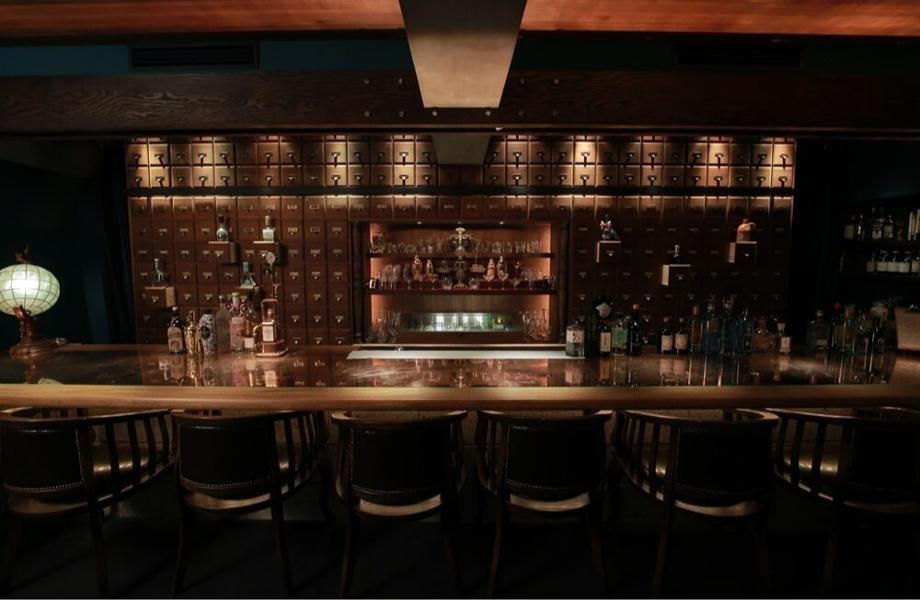

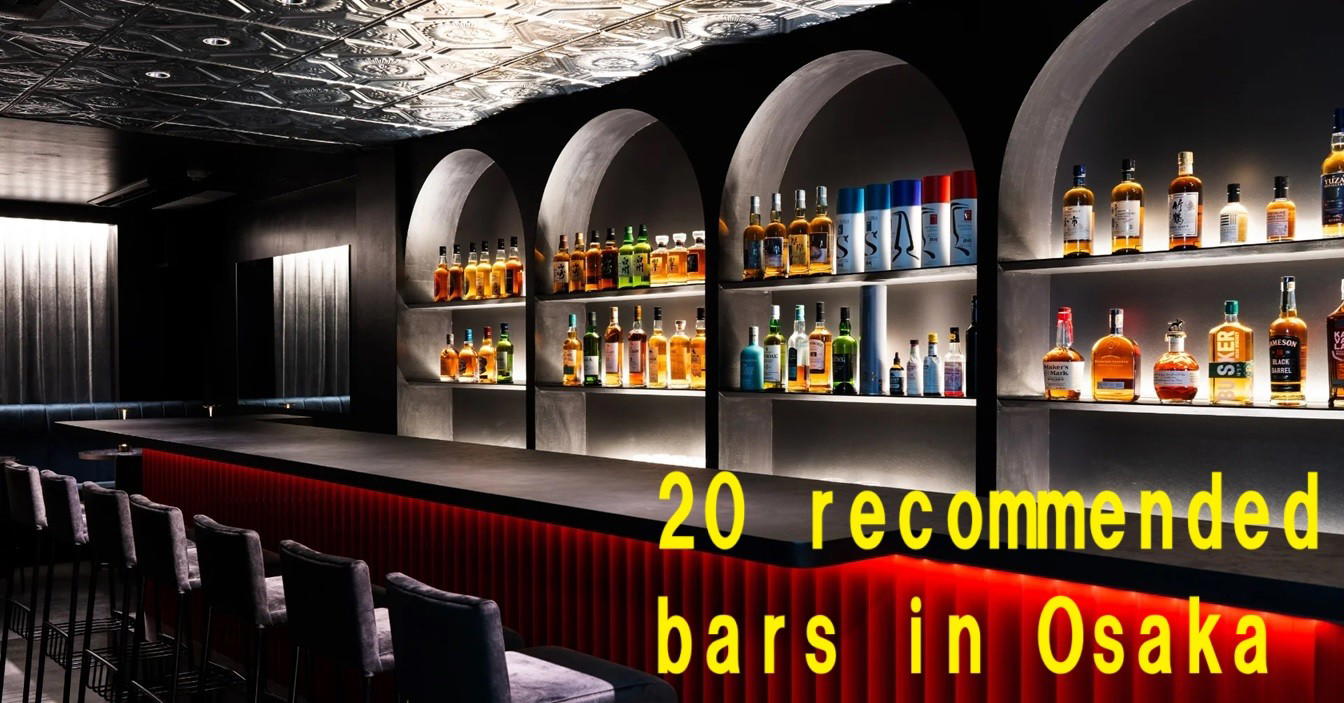
Hotels in Osaka Shi
Browse all →



Wineries in Osaka Shi
Browse all →
At a Glance
- Intimate
- Quiet
- Elegant
- Minimalist
- Classic
- Solo
- Special Occasion
- Date Night
- Chefs Counter
- Open Kitchen
Refined, meditative atmosphere with classical music playing softly in the background; intimate counter seating with minimalist design creating quiet luxury.