Our verdict
新町あだち occupies a ground-floor address in Osaka's Nishi Ward, where the Shinmachi neighbourhood has long supported a quieter, more considered style of dining than the city's busier tourist corridors. The restaurant sits within a local tradition of intimate Japanese cooking that prioritises restraint over spectacle. For travellers seeking proximity to Osaka's serious dining circuit without the formality of its most decorated rooms, Shinmachi remains a practical and rewarding base.

Pearl is the En Primeur Club membership app — saves, bookings, and concierge access live there. Same editors, same standards.
- Address
- Japan, 〒550-0013 Osaka, Nishi Ward, Shinmachi, 3 Chome−8−10 1階
- Phone
- +81677084127
- Hours
- Mon–Tue 6–10:30 PMWed 12–2:30 PM, 6–10:30 PMThu–Fri 6–10:30 PMSat 12–2:30 PM, 6–10:30 PMSun Closed
- Website
- shinmachi-adachi.com
- Directions
- Get directions
- Booking
- Book on TableCheck
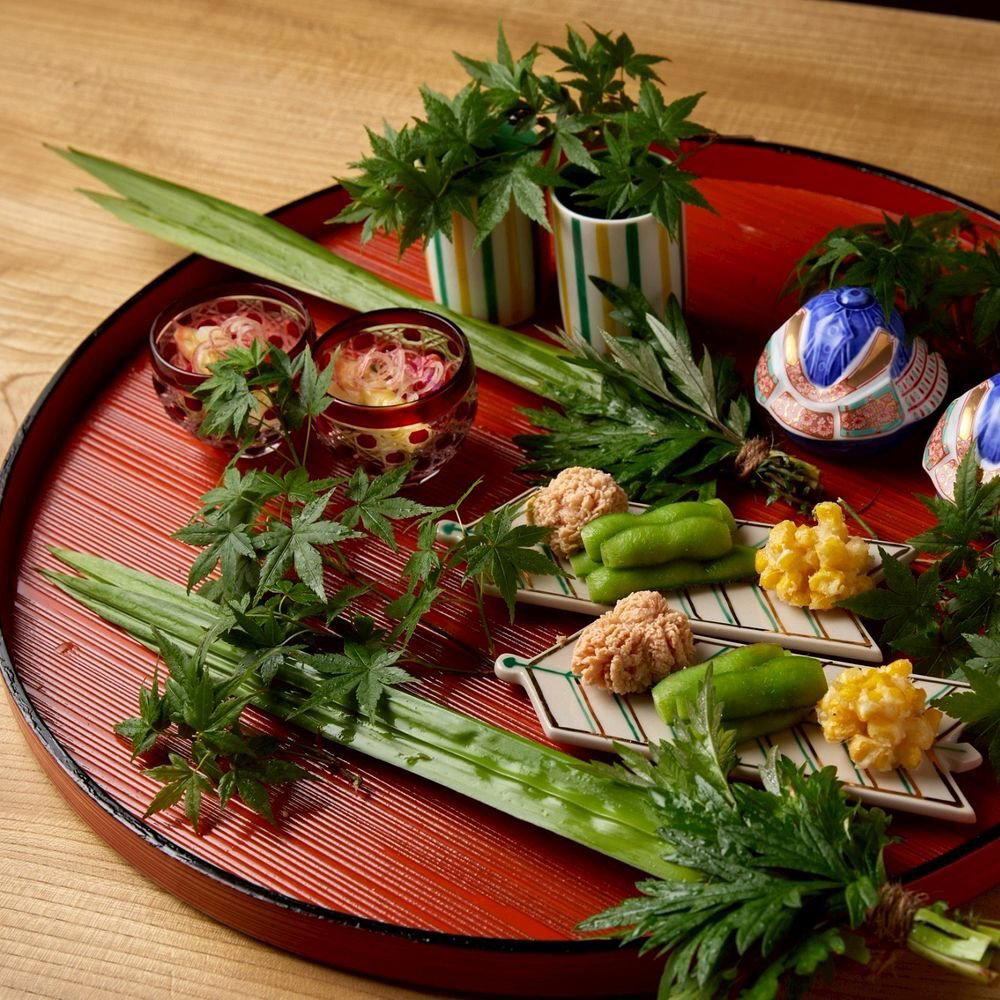
Shinmachi's Quieter Register
Osaka's dining reputation tends to be told through its loudest neighbourhoods: the packed yakitori lanes of Fukushima, the Michelin-flagged kaiseki rooms of Kitashinchi, the tourist-facing takoyaki stalls of Dotonbori. Nishi Ward's Shinmachi sits at a remove from all of that. The streets around 3-chome are residential in texture, the ground-floor shopfronts low-key, the foot traffic local rather than visitor-driven. It is precisely the kind of address where serious neighbourhood cooking tends to concentrate in Japanese cities, where rents support smaller operators and the clientele arrives by introduction or habit rather than by guidebook.
新町あだち occupies a ground-floor space on that block, positioned within a district that functions as a buffer zone between the higher-volume dining of Amerika-mura to the south and the more formal rooms of Kitashinchi to the north. In Osaka's broader dining architecture, this middle ground has historically been where the city's residents eat rather than where they perform. That distinction shapes expectations before a guest has seen a menu.
How a Menu Tells You What a Restaurant Believes
In Japanese dining, the architecture of a menu is rarely arbitrary. The decision to offer omakase versus à la carte, a fixed number of courses versus a flexible progression, seasonal rotation versus a stable core, each of these structural choices encodes a set of priorities about the relationship between kitchen and guest. Restaurants that strip that architecture down to its essentials are typically making a claim about confidence: that the cooking itself, without the scaffolding of elaborate choice, is sufficient.
Shinmachi as a neighbourhood context suggests 新町あだち operates in a register closer to intimate Japanese dining than to high-production kaiseki theatre. The address, a single ground-floor unit in a residential block, implies a seat count consistent with the kind of room where the kitchen can hold attention across every cover simultaneously. In Osaka, that format has precedent across the spectrum from casual kappo to serious omakase, but the Nishi Ward positioning places it outside the prestige-address tier occupied by rooms like Ajikitcho Bunbuan or HAJIME in Osaka. That is not a criticism. It is a category signal.
The name itself offers a modest clue: 新町 references the neighbourhood, あだち a family name. That naming convention, place plus surname, is common among Japanese restaurants that foreground personal cooking over institutional brand. It positions the venue closer to the neighbourhood specialist than to the multi-branch operation, and closer to the chef-driven counter than to the formal dining room with a brigade. Across Osaka's dining circuit, from the carefully structured progression at Calendrier to the more technique-forward framing at Az, the naming convention often anticipates the register of the cooking.
Osaka's Neighbourhood Dining Tradition
Osaka operates on the principle of kuidaore, a cultural willingness to spend on food that runs across price points and formats. This is not a city where serious cooking is confined to formal rooms or high-budget occasions. The neighbourhood kappo, the counter serving seasonal Japanese dishes to a small, regular clientele, has long been one of the city's most important dining formats. It sits between the izakaya's informality and the kaiseki room's ceremony, offering skilled technique in a setting that allows conversation and unhurried pacing.
Within that tradition, Nishi Ward addresses like Shinmachi carry specific associations. The area has enough density of local residents and enough distance from tourist circuits to sustain restaurants that do not need walk-in traffic. That model favours repeat custom, which in turn favours consistent, seasonal cooking over the kind of showpiece plating designed to photograph well on a first visit. Restaurants in this tier across Osaka, including Ajihei Sonezaki and Aka to Shiro, tend to build their reputations through word of mouth and returning guests rather than through award cycles.
For context across the Kansai region, the distinction between neighbourhood specialists and destination dining rooms is drawn sharply. Gion Sasaki in Kyoto and akordu in Nara both occupy the destination end of that spectrum, with international recognition and booking queues to match. Shinmachi's positioning suggests a different priority: cooking for the neighbourhood first, with reputation following from that rather than preceding it.
Reading the Address as Evidence
The specific address, 3 Chome 8-10, 1F, in Osaka's Nishi Ward, tells an experienced reader several things. First-floor units on residential blocks in this part of Osaka typically operate without the commercial premium of main street addresses, which keeps the economics of small-format, quality-driven cooking viable. Second, the Shinmachi 3-chome location places the restaurant within walking distance of the Yotsubashi and Shinsaibashi transport nodes, accessible enough for deliberate visitors but not so central as to attract casual foot traffic.
That last point is worth weighing carefully for visitors planning ahead. Restaurants operating outside the major booking platforms in Japan often require a Japanese-language contact or a hotel concierge to secure a table. The same pattern appears at several of Osaka's most established neighbourhood counters. Building in lead time and local assistance is the practical approach for non-Japanese speakers.
For those assembling a broader Japan itinerary, the neighbourhood specialist model that 新町あだち represents has parallels across the country, from Harutaka in Tokyo to Goh in Fukuoka, each sitting in a specific urban context that shapes what the cooking is trying to do and for whom. The full Osaka Shi restaurants guide maps that wider context for visitors building a multi-stop programme.
Know Before You Go
Address: 3 Chome 8-10, Shinmachi, Nishi Ward, Osaka 550-0013, 1F
Neighbourhood: Shinmachi, Nishi Ward — residential, accessible from Yotsubashi Station
Booking: No website or online booking platform listed in; phone or hotel concierge approach recommended, with Japanese-language assistance advisable
When to visit: Osaka's neighbourhood counters in this tier tend to reflect seasonal Japanese produce calendars most clearly in spring (March to May) and autumn (October to November), when market supply is at its most varied
Nearby reference points: Ajihei Sonezaki, Aka to Shiro, Calendrier
Frequently asked questions
What should I eat at 新町あだち?
How hard is it to get a table at 新町あだち?
What do critics highlight about 新町あだち?
How does 新町あだち fit into Shinmachi's dining character compared to other Nishi Ward addresses?
Similar Picks
Comparable venues nearby, for context on price, style, and recognition.
| Venue | Cuisine | Price | Awards | Notes |
|---|---|---|---|---|
| 新町あだちThis venue — the venue you are viewing | Seasonal Japanese Omakase | $100–150 | Not listed | Not listed |
| Fujikawa | Kappo Kaiseki with Tempura | $100–150 | Michelin Plate | Kita |
| Mugen | Michelin-Recognized Chuka Soba | Not listed | Not listed | Fukushima |
| Wagyu Teppanyaki OUSAKA | Wagyu Teppanyaki | $100–150 | Not listed | Yodogawa |
| Wayōshusai Hide | Japanese Izakaya | $500+ | Tabelog Bronze #105 | Chūō |
| 澤田 | Traditional Japanese Kaiseki | Not listed | Not listed | Fukushima |
Continue exploring
More in Osaka
Restaurants in Osaka
Browse all →

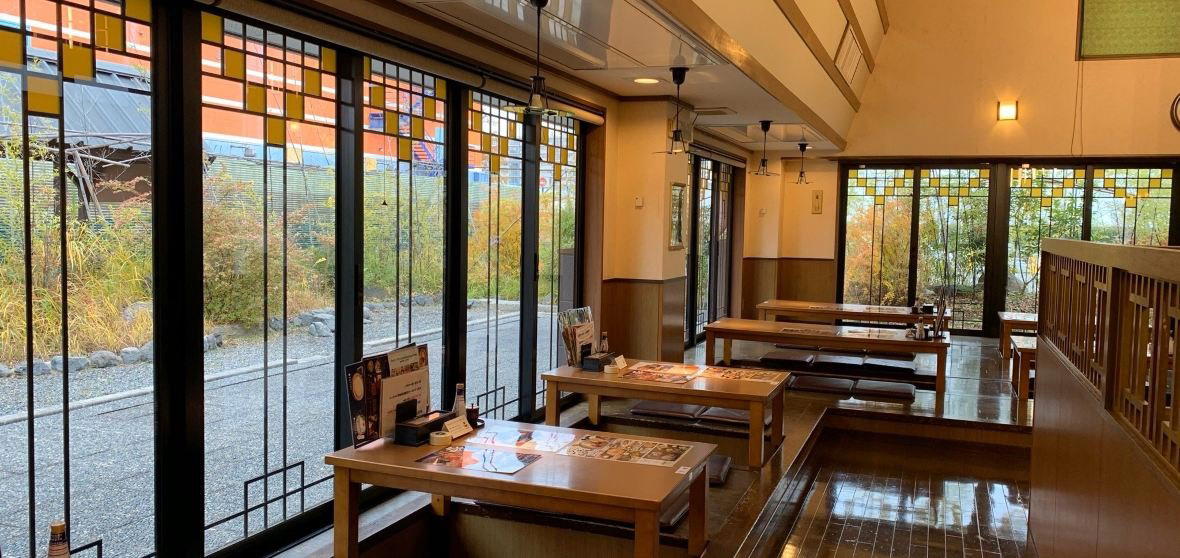


Bars in Osaka
Browse all →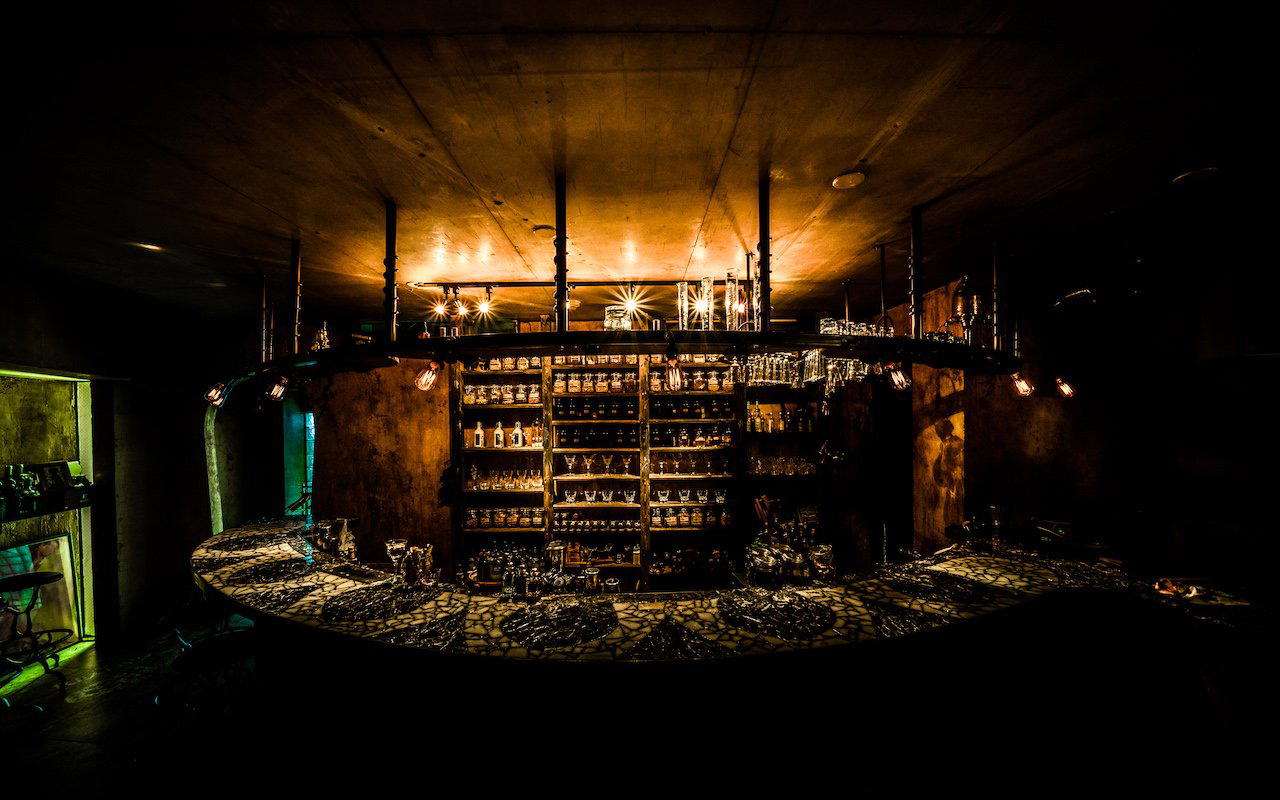

Hotels in Osaka
Browse all →




Wineries in Osaka
Browse all →
Details
- Elegant
- Intimate
- Sophisticated
- Date Night
- Special Occasion
- Chefs Counter
- Sake Program
- Omakase
Current opening hours
- Monday
- 6–10:30 PM
- Tuesday
- 6–10:30 PM
- Wednesday
- 12–2:30 PM, 6–10:30 PM
- Thursday
- 6–10:30 PM
- Friday
- 6–10:30 PM
- Saturday
- 12–2:30 PM, 6–10:30 PM
- Sunday
- Closed
Hours can change for holidays and private events. Last verified .
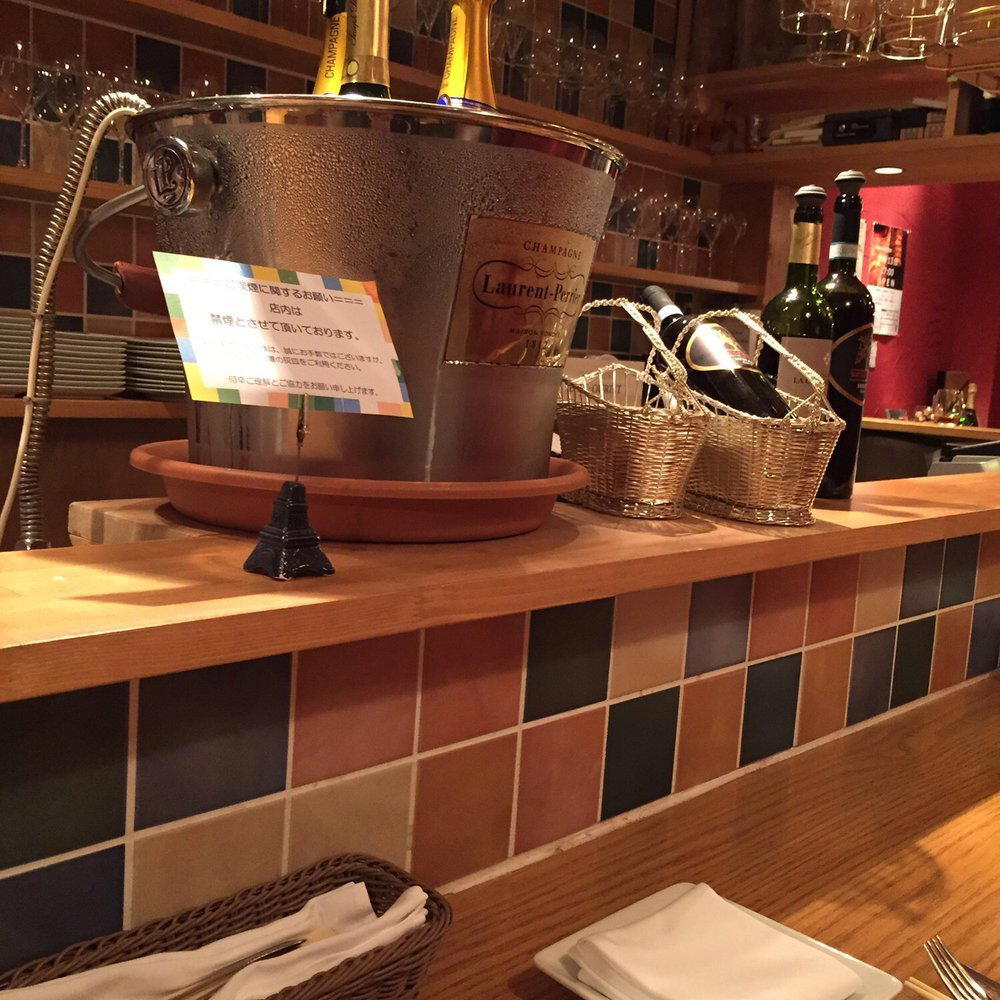
Refined interior with antique and contemporary tableware creating an elegant and sophisticated atmosphere.