Masaru occupies a quiet address in Naniwa Ward, placing it within reach of Osaka's dense concentration of serious dining rooms without sitting in the obvious tourist corridors. The venue draws from a neighbourhood that rewards deliberate exploration, where the physical experience of the space tends to carry as much weight as what arrives at the table. A considered choice for travellers cross-referencing Osaka's mid-to-upper dining tier.
Pearl is the En Primeur Club membership app — saves, bookings, and concierge access live there. Same editors, same standards.
- Address
- 2 Chome-3-10 Shimodera, Naniwa Ward, Osaka, 556-0001, Japan
- Phone
- +815058907623
- Website
- masaru.biz-option.com
- Directions
- Get directions
 Saves & bookings on Pearl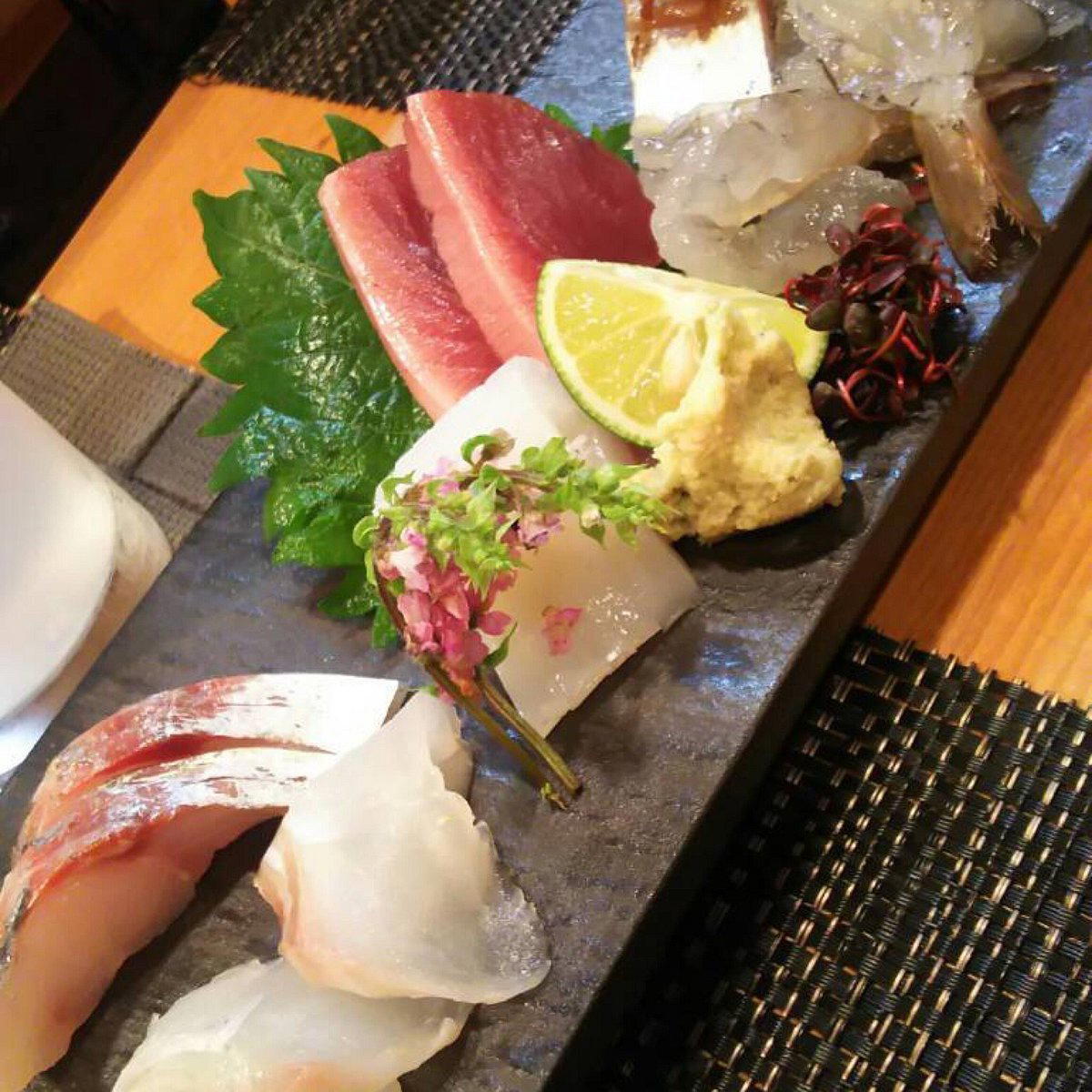
Naniwa Ward and the Architecture of Anticipation
Osaka's most interesting dining rooms have, over the past decade, redistributed themselves away from the Shinsaibashi and Namba concentrations toward quieter residential and commercial pockets where rent pressure is lower and the physical container can be more deliberate. Naniwa Ward sits in this newer geography. The address at 2 Chome-3-10 Shimodera is a destination in itself: you arrive because you have looked for it, and that act of looking already frames how you receive the room. Masaru operates inside this logic. The approach through Shimodera is low-rise and unhurried, the kind of block where the street itself does not compete with what is behind the door.
That relationship between exterior restraint and interior intention is a recurring pattern across Osaka's more serious smaller restaurants. The city has long maintained a dining culture, captured in the concept of kuidaore, in which spending on food is considered a legitimate priority over other expenditure. What that produces, at the sharper end of the market, is a willingness among operators to invest in the physical room as a primary signal of seriousness, rather than relying on location visibility to do that work. Masaru's placement in Naniwa Ward is consistent with this tendency.
The Space as Editorial Statement
In Japanese dining at this price tier, the design of the room is rarely incidental. Counter-format restaurants in particular treat the physical container as an instrument: sightlines are calculated, materials are chosen for how they age, lighting is kept low enough to concentrate attention on the food without obscuring it. The counter itself, where it exists in this format, functions as the primary architectural element rather than a piece of furniture. It organises the relationship between the kitchen and the guest, removes the mediation of a dining room floor, and compresses the experience into something closer to a performance space than a restaurant in the Western sense.
The Shimodera address places it within a neighbourhood tradition of interiors that do not announce themselves from outside. This is a deliberate editorial choice by operators in this part of Osaka: the room is for people who have already decided to be there, not for passing trade. Comparable positioning is visible at other Osaka addresses across the EP Club selection, including Aka to Shiro and Calendrier, both of which use physical discretion as part of their identity.
Osaka's Dining Tier and Where Masaru Sits
Osaka currently holds more Michelin-starred restaurants per capita than almost any city outside Tokyo and Kyoto, a credential that places the city in a competitive comparable set that extends well beyond Japan's borders. The density of recognised dining rooms means that any serious address must position itself against a deep local field. At the upper end, venues like HAJIME in Osaka set the ceiling for the city's ambition. At the mid-upper tier, the field is more crowded and the differentiators are more granular: cuisine type, counter versus table format, course length, and the degree of formality in the room all become meaningful sorting criteria for experienced diners.
Masaru occupies a Naniwa Ward address that suggests an operator making a deliberate choice about audience. The neighbourhood draws a local and repeat-visitor clientele more than it draws first-time tourists orienting from a hotel concierge list. That self-selection tends to produce a more consistent room dynamic, which in Japanese dining culture carries its own value. The experience of sitting in a room where other guests are similarly intentional about being there changes the ambient register in ways that are difficult to manufacture in higher-footfall locations.
For context on how Osaka's serious dining tier compares regionally, Gion Sasaki in Kyoto and Harutaka in Tokyo represent the equivalent tier in their respective cities, each using physical intimacy and neighbourhood discretion in similar ways. Further afield, Goh in Fukuoka and akordu in Nara show how this spatial logic translates across different regional culinary traditions.
Osaka Dining Peers Worth Comparing
Within Osaka's own serious dining circuit, Masaru sits alongside a cohort of restaurants that have chosen neighbourhood position over central visibility. Ajihei Sonezaki and Ajikitcho Bunbuan represent the kaiseki tradition at different points along the formality spectrum, while Az occupies a different cuisine register entirely. The breadth of this comparable set reflects how Osaka's serious dining tier has diversified beyond its traditional kaiseki and kappo foundations, absorbing French-influenced formats, tasting-menu structures borrowed from global fine dining, and counter experiences that draw on both Japanese and Western service traditions.
For a wider map of where Masaru sits within the city's full dining picture, the EP Club Osaka Shi restaurants guide provides particularly complete cross-referenced view of the city's current serious dining addresses, from the upper tier down through the mid-market rooms that anchor neighbourhood eating in wards like Naniwa.
Internationally, the counter-format intimacy that Osaka's better small restaurants have refined finds close parallels in high-commitment tasting rooms like Atomix in New York City, where the physical design of the space is inseparable from the culinary programme, and even in technically precise European rooms like Le Bernardin in New York City, which uses its room as a kind of argument for the seriousness of what happens inside it. The comparison is not one of cuisine type but of spatial philosophy.
Across Japan's broader regional dining circuit, addresses including 一本木 佐川制 in Nanao, 夕仙山乃 in Sapporo, 湖畔庵 in Takashima, 岳羽屋 in Nishikawa Machi, and Birdland in Sakai all reflect variations on the same underlying logic: the room as a considered, deliberate frame for the experience, chosen and designed rather than inherited.
Planning Your Visit
Masaru's Shimodera address in Naniwa Ward is reachable from central Osaka without difficulty, with Osaka's subway network providing access from Namba and Shinsaibashi within a short ride. Naniwa Ward is not a tourist-heavy area, which means the street-level experience around the restaurant is quiet and the approach is unhurried. For a ward of this character, arriving on foot from the nearest station is the natural approach rather than by taxi, though both are direct.
Reservations are recommended, and the restaurant's hours are Monday, Tuesday, Thursday through Sunday from 5 to 10 PM, with Wednesday closed. Serious small restaurants in Osaka at this tier typically book several weeks ahead, and same-day availability is rarely reliable for first visits.
What It’s Closest To
Comparable venues nearby, for context on price, style, and recognition.
| Venue | Cuisine | Price | Notes |
|---|---|---|---|
| MasaruThis venue — the venue you are viewing | Traditional Sushi | $$$ | Not listed |
| Kushiage 010 | Creative Kushiage with Global Influences | $$$ | Kita |
| Unagi Nishihara | Kanto-Style Unagi (Eel) | $$$ | Chūō |
| 台処 かみ谷 | Japanese Izakaya | $$$ | Nishi |
| Fujikawa | Traditional Japanese Kaiseki with Tempura | $$$ | Kita |
| Sushi Kazuma | Traditional Japanese Omakase | $$$ | Kita |
Continue exploring
More in Osaka
Restaurants in Osaka
Browse all →




Bars in Osaka
Browse all →


Hotels in Osaka
Browse all →




Wineries in Osaka
Browse all →
At a Glance
- Intimate
- Classic
- Date Night
- Solo
- Chefs Counter
- Sake Program
Current opening hours
- Monday
- 5–10 PM
- Tuesday
- 5–10 PM
- Wednesday
- Closed
- Thursday
- 5–10 PM
- Friday
- 5–10 PM
- Saturday
- 5–10 PM
- Sunday
- 5–10 PM
Hours can change for holidays and private events. Last verified .
Intimate 10-seat setting focused on sushi craftsmanship with minimal emphasis on side dishes or drinks.