

Tabelog Silver #46
Our verdict
Iyuki belongs to Tokyo’s high-precision kaiseki tier, where ingredient quality and sequencing matter more than spectacle. In a city crowded with counter formats and tasting menus, its 2026 Tabelog Silver Award, 4.33 score, and OAD Japan ranking place it among serious Japanese-cuisine addresses rather than casual Ginza dining.

Pearl is the En Primeur Club membership app, where members save venues, book tables and use the concierge.
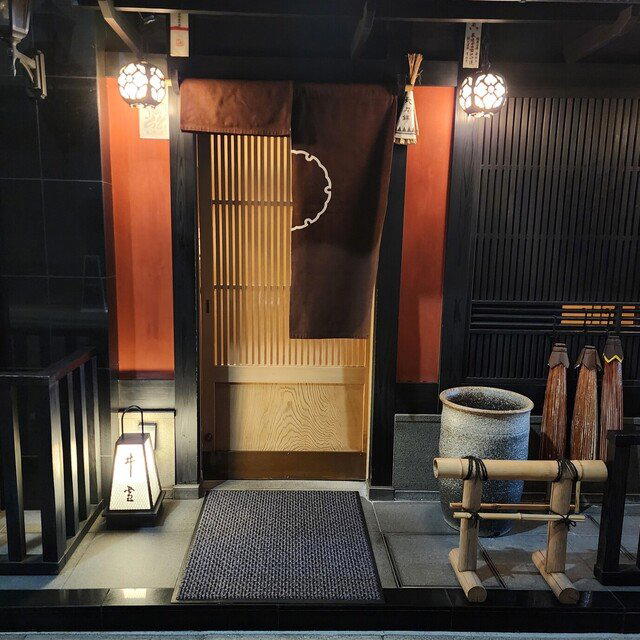
Tokyo changes after dark: retail glare gives way to smaller rooms, quieter entrances, and restaurants where timing matters more than display. Iyuki suits that register. The experience is best understood through season, temperature, vessel, and progression, but in Tokyo it also competes with counters, compact rooms, and tasting-menu formats for the same serious diners. Iyuki belongs to the ingredient-led side of that conversation, using restraint as its frame and raw materials as its pressure point.
Read this restaurant not as a decorative transplant from elsewhere, but as part of Tokyo’s serious dining culture. Tokyo’s ambitious rooms often differ in tone: tighter spaces, sharper booking demand, and diners who compare pacing, product, and service across several genres in the same week. That makes restraint harder. A kitchen has less room to hide behind ceremony when the city is fluent in technique.
Dining in Tokyo now competes on sourcing, not ornament
Seasonal dining is sometimes reduced to pretty plates, but the serious version is more exacting. Produce marks the calendar. Handling, texture, temperature, and final courses show whether the meal has depth beyond arrangement. In Tokyo, this ingredient-first reading matters because diners can cross-reference the same season through many styles of cooking. A restaurant has to justify each course against that wider field.
Iyuki’s recognition signals its position. The restaurant appears in the 2026 Opinionated About Dining restaurant coverage for Japan. That is not a decorative badge; in Japan, durable attention from opinionated dining circles tends to reflect sustained diner confidence, especially in categories where regulars scrutinise seasonality and repetition.
The stronger point is the format Iyuki works inside. This kind of cooking rewards kitchens that know how little is needed when the ingredient is strong, and how quickly a course can become overworked. Tokyo’s upper dining rooms have moved away from theatrical abundance toward concentration: clearer flavours, disciplined pacing, and menus where luxury is measured through procurement and control rather than visual excess.
That places Iyuki near a serious local set, not a broad tourist category. Ginza Fujiyama, Mibu, Ajihiro, and Hirosaku sit in the same Tokyo conversation, while Bulgari Cafe II shows how Tokyo also absorbs dining into design-forward luxury formats. For a narrower comparison inside the city, Ajihiro and other Tokyo dining rooms map the range between formal tradition, intimacy, and polished course-driven meals.
The appeal is discipline: a focused room judged by repeat standards
The restaurant’s public profile points to a focused structure, which matters in this style of dining. Smaller rooms are not automatically better, but they often make timing more legible. Courses depend on the gap between preparation and serving; the category punishes slack. In a room built around a narrow audience, the meal can be paced for people who already understand the code, not for first-time explanation.
Tokyo’s serious diners tend to reward consistency over novelty. Iyuki’s 2026 OAD recognition places the restaurant in a recognised context rather than leaving it as a purely word-of-mouth address. For travellers, that matters because Japan’s high-end dining ecosystem is crowded with restaurants famous in one circle and invisible in another; credible recognition helps separate durable addresses from short-lived noise.
Ingredient-forward dining asks for a different kind of attention. The meal is not about chasing a named signature dish. Its centre of gravity is how the kitchen uses the season: lighter registers in spring, cooling preparations in summer, deeper flavours in autumn, and richer tones in winter. Those seasonal categories belong to the broader dining conversation rather than any fixed menu here, and explain why repeat diners often care less about novelty than calibration.
For a Tokyo dining itinerary, Iyuki makes strongest sense beside another focused genre rather than another long tasting menu. Pairing a focused dinner here with other Tokyo dining on adjacent days clarifies what this kitchen is judged against: not volume, not rarity alone, but the balance between product, heat, and sequence. Our full Tokyo restaurants guide is the wider map; our full Tokyo hotels guide, full Tokyo bars guide, full Tokyo wineries guide, and full Tokyo experiences guide fill in the rest of the trip.
How to place it in a Japan itinerary
The Tokyo decision is whether to spend a serious dinner on a focused, ingredient-led room rather than a broader survey meal. Iyuki is for the diner who wants a Tokyo key: exacting, compact, and judged by ingredient confidence. It is not for a casual Tokyo meal; it belongs in an itinerary with room for focused dining.
Travellers comparing regions should look beyond Tokyo before allocating meals. Other parts of Japan frame season and place differently, from historic dining rooms to regional specialities. Outside that lane, Japan’s dining map widens quickly, with unnamed restaurants in major cities and smaller destinations offering different readings of ingredients, service, and occasion.
The verdict is clear: this is a high-commitment dining address for travellers who already understand why pacing, product, and restraint can carry a meal. Its recognition places it in a demanding Tokyo bracket, but the reason to prioritise it is not trophy collection. It is to see how ingredient-led dining performs in Tokyo’s compressed, competitive restaurant culture.
Frequently asked questions
What type of food is Iyuki known for?
Iyuki is known as a focused dining venue in Tokyo.
What's Iyuki's location?
Tokyo.
Who is the chef at Iyuki?
A specific chef name is not provided here.
What is Iyuki known for?
Iyuki is known for ingredient-led dining in Tokyo and for 2026 Opinionated About Dining recognition.
A Tight Comparison
Comparable venues by cuisine and price in the same metro.
| Venue | Cuisine | Price | Awards | Notes |
|---|---|---|---|---|
| IyukiThis venue (the venue you are viewing) | Kyoto-style Kaiseki | $50–100 | Tabelog Silver #46 | Not listed |
| Ginza Fujiyama | Kyoto Kaiseki | $300–500 | Tabelog Bronze #76 | Kaiseki |
| Mibu | Traditional Kaiseki | $200–300 | Not listed | Kaiseki |
| Ajihiro | Traditional Japanese Kaiseki | $200–300 | Tabelog Bronze #9 | Kaiseki |
| Hirosaku | Traditional Japanese Kaiseki Kappo | $300–500 | Tabelog 100 #46 | Kaiseki |
| Bulgari Cafe II | Italian Fusion Cafe & Bar | Not listed | Not listed | Kaiseki |
Recognition history
Dated appearances from independent guides and award organizations, with the underlying list record or original source where available.
Opinionated About Dining Top Restaurants in Japan Ranked #96
Opinionated About Dining
Tabelog Silver #46
Tabelog
Full recognition history (6 entries)
Opinionated About Dining Top Restaurants in Japan Ranked #160
Opinionated About Dining
Tabelog 100 #92 · No. 92
Tabelog · Tabelog 100 - Japanese cuisine - TOKYO - 2025
Opinionated About Dining Top Restaurants in Japan Ranked #107
Opinionated About Dining
Opinionated About Dining Top Restaurants in Japan Ranked #63
Opinionated About Dining
Continue exploring
More in Tokyo
Restaurants in Tokyo
All restaurants in Tokyo →



Details
- Elegant
- Intimate
- Sophisticated
- Quiet
- Special Occasion
- Business Dinner
- Private Dining
- Sake Program
- Tasting Menu
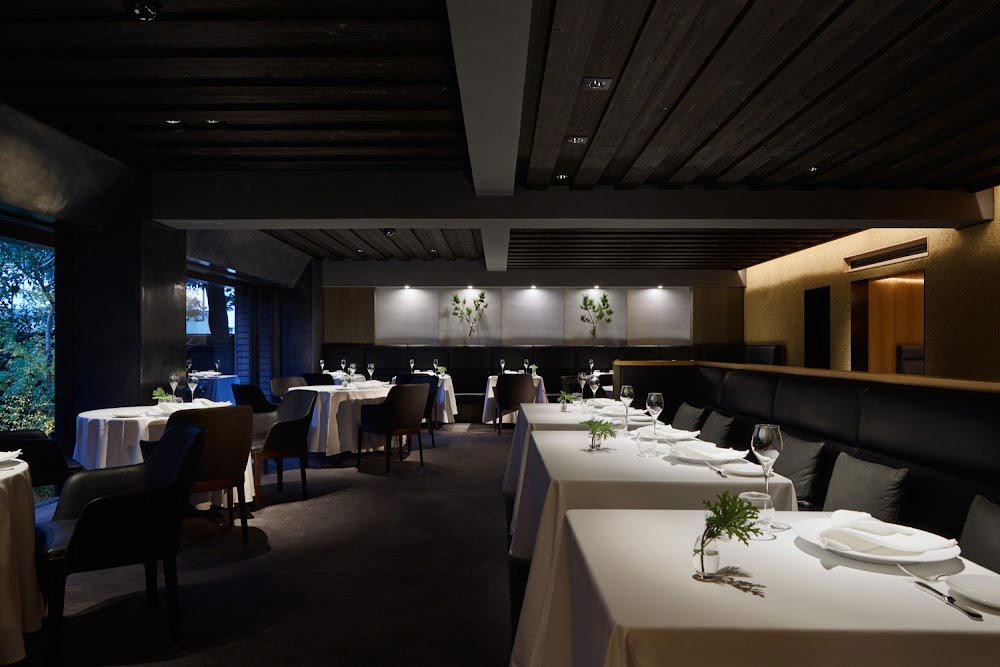
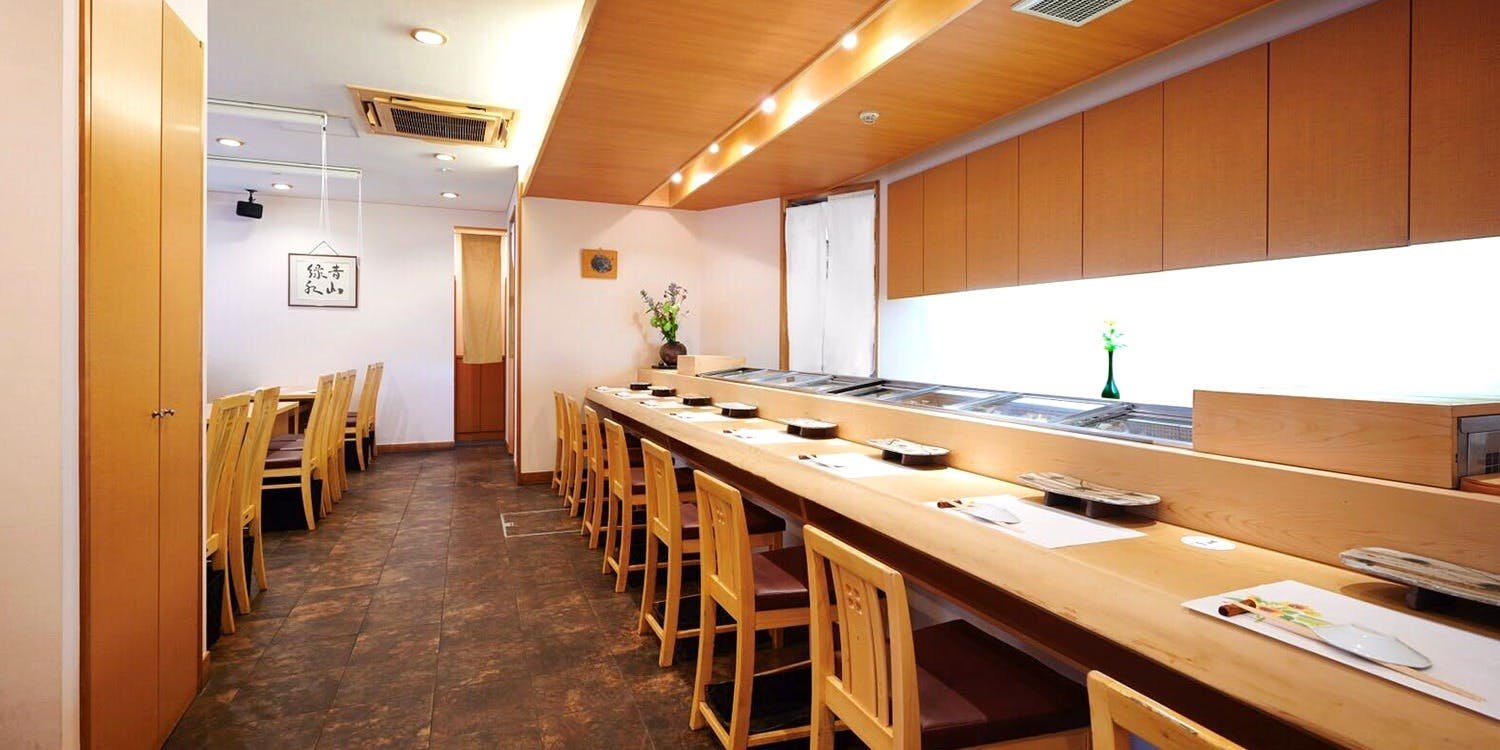
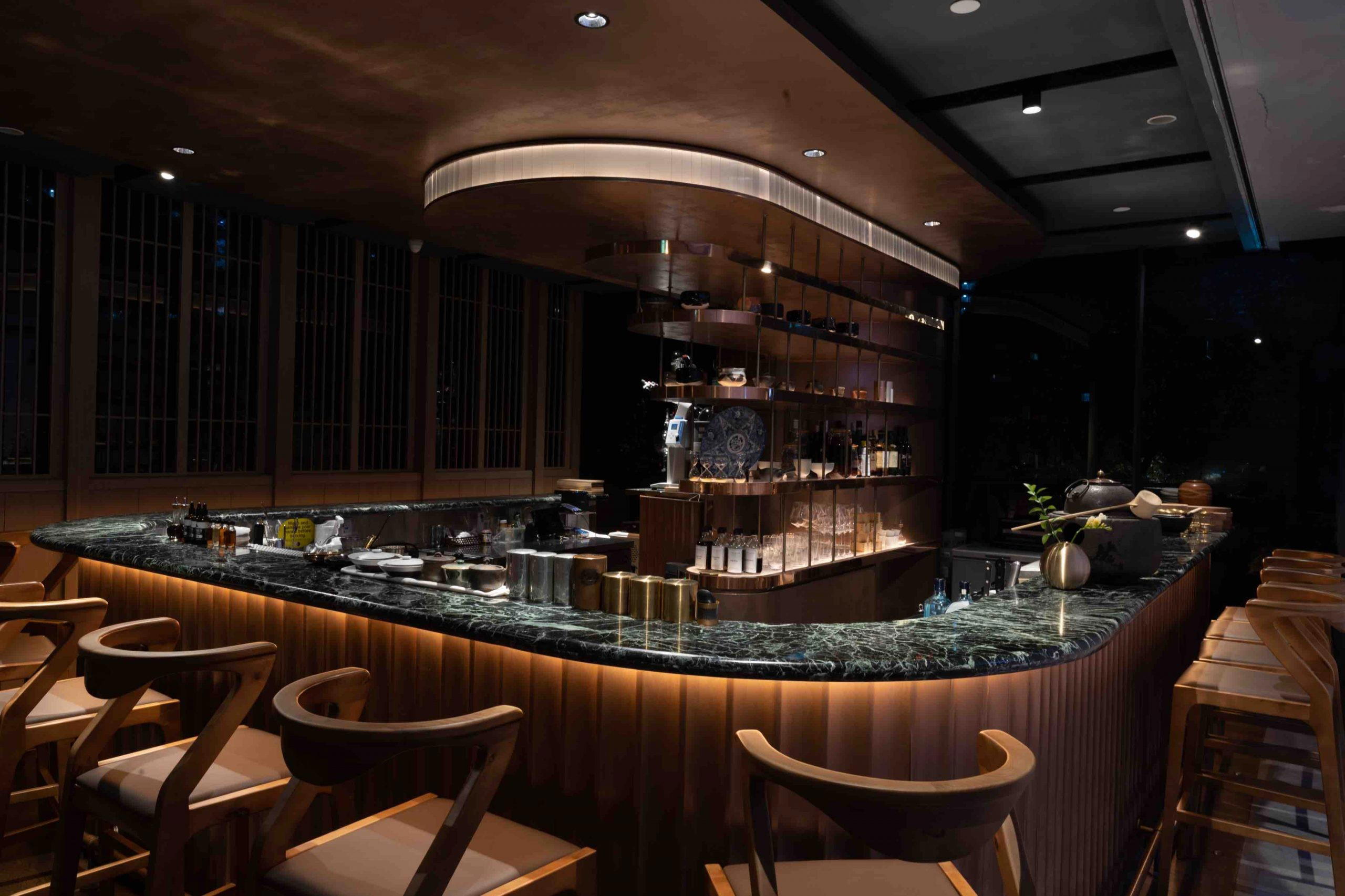
Calm, luxurious atmosphere with counter seating and private rooms, emphasizing refined simplicity and sophistication.