

Tabelog Bronze #469
Our verdict
Tomura belongs to Tokyo’s small, serious kaiseki tier, where the meal is less about spectacle than sequence, season, and restraint. Its Tabelog Award history, OAD recognition, compact counter-and-private-room format, and Shogo Tamura’s Kyoto-cuisine focus place it in the city’s high-price Japanese dining bracket rather than the casual washoku lane.

Pearl is the En Primeur Club membership app, where members save venues, book tables and use the concierge.
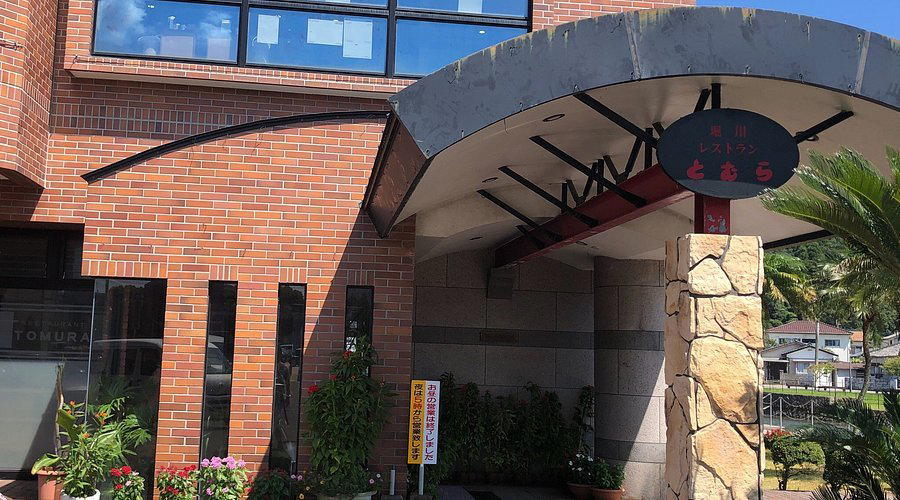
Tomura is a kaiseki restaurant in Tokyo. The dress code is smart casual. Beyond those points, diners should avoid assuming a specific room layout, menu format, price, beverage program, seat count, or award status unless confirmed directly with the restaurant.
Kaiseki is often misread as luxury by accumulation. The stronger version is almost the opposite: a controlled progression in which the meal’s rhythm matters as much as the individual courses. The category is rooted in seasonality, sequence, temperature, texture, and restraint. In Tokyo, kaiseki sits within a broader field of serious Japanese dining, but the useful expectation here should remain simple: Tomura is a Tokyo kaiseki restaurant associated with Shogo Tamura.
Kaiseki context in a Tokyo dining room
The cooking here is identified as kaiseki, with Shogo Tamura named as chef/owner. That places the restaurant inside a tradition where authorship is present but usually not loud. The useful comparison is not with casual dining or hotel dining, but with specialist Japanese dining rooms where pacing and seasonality matter. Within that broader conversation, Tomura should be understood through its verified kaiseki identity rather than through unconfirmed claims about seats, dishes, drinks, prices, or accolades.
Recognition data in the source record is not clear enough to state as a confirmed accolade. For diners, the more reliable editorial point is the restaurant’s stated cuisine, its Tokyo setting, its chef/owner, its dinner schedule, and its smart-casual dress code.
That restraint matters when reading any kaiseki listing. Specific dishes should not be assumed in advance, and neither should a particular service style. Kaiseki can involve a highly structured seasonal meal, but the exact progression, ingredients, and presentation should be confirmed with the restaurant if those details are important to the booking.
How it compares within Tokyo's Japanese dining tier
Tokyo’s premium Japanese restaurants divide into several overlapping categories. Sushi, tempura, kappo, and kaiseki each ask for a different kind of attention from the diner. Tomura belongs to the kaiseki category, which generally rewards patience, sequence, and sensitivity to seasonality rather than speed or a broad à la carte approach.
Other Tokyo dining rooms can help frame the wider scene, but Tomura’s verified profile should remain focused: kaiseki in Tokyo, chef/owner Shogo Tamura, dinner service Monday through Saturday, Sunday closed, and smart-casual dress.
The city context also matters beyond restaurants. Travelers building an eating-led itinerary should consider how late dinners and transfer times shape the evening. Tomura’s verified hours are 6–10 pm from Monday to Saturday, with Sunday closed, so planning should be built around a dinner reservation rather than a lunch visit.
Japan’s regional dining map gives further context, but Tomura should not be reduced to a generic national category. Kaiseki has deep historical associations beyond Tokyo, while Tokyo dining brings its own pace and expectations. the confirmed facts are sufficient to set expectations without inventing extra detail.
Who should choose this over flashier Tokyo dinners
This is a dinner choice for travelers who specifically want kaiseki in Tokyo and are comfortable with a smart-casual setting. It should not be selected on the basis of unverified claims about room size, counter seating, private rooms, lunch service, price, beverage focus, or award status. The grounded reason to consider Tomura is its kaiseki identity under chef/owner Shogo Tamura.
The practical reading is simple. Tomura is listed for dinner hours Monday through Saturday from 6–10 pm and is closed on Sunday. Diners should confirm reservations, current menu details, pricing, and any dietary needs directly with the restaurant before booking.
Frequently asked questions
Is Tomura good for families?
Tomura is a kaiseki restaurant in Tokyo, so families should confirm suitability directly with the restaurant before booking, especially for younger children or larger groups.
How would you describe the vibe at Tomura?
The verified profile points to a smart-casual kaiseki restaurant in Tokyo. Specific details about seating, room layout, smoking areas, or service format are not confirmed here.
What cuisine category does Tomura fall under?
Tomura serves kaiseki cuisine.
What time does Tomura open and close?
Hours at Tomura: Monday 6–10 pm, Tuesday 6–10 pm, Wednesday 6–10 pm, Thursday 6–10 pm, Friday 6–10 pm, Saturday 6–10 pm, Sunday closed.
Where exactly is Tomura?
Tomura is located in Tokyo.
A Quick Peer Check
Side-by-side context: comparable cuisine and price.
Recognition history
Dated appearances from independent guides and award organizations, with the underlying list record or original source where available.
Opinionated About Dining Top Restaurants in Japan Recommended
Opinionated About Dining
Tabelog Bronze #469
Tabelog
Full recognition history (7 entries)
Opinionated About Dining Top Restaurants in Japan Ranked #257
Opinionated About Dining
Tabelog Bronze
Tabelog
Tabelog 100 #4 · No. 4
Tabelog · Tabelog 100 - Japanese cuisine - TOKYO - 2025
Opinionated About Dining Top Restaurants in Japan Ranked #237
Opinionated About Dining
Opinionated About Dining Top Restaurants in Japan Highly Recommended
Opinionated About Dining
Continue exploring
More in Tokyo
Restaurants in Tokyo
All restaurants in Tokyo →
Bars in Tokyo
All bars in Tokyo →



Details
- Quiet
- Elegant
- Intimate
- Sophisticated
- Special Occasion
- Business Dinner
- Private Dining
- Sake Program
- Local Sourcing
- Omakase
Current opening hours
- Monday
- 6–10 PM
- Tuesday
- 6–10 PM
- Wednesday
- 6–10 PM
- Thursday
- 6–10 PM
- Friday
- 6–10 PM
- Saturday
- 6–10 PM
- Sunday
- Closed
Hours can change for holidays and private events. Last verified .
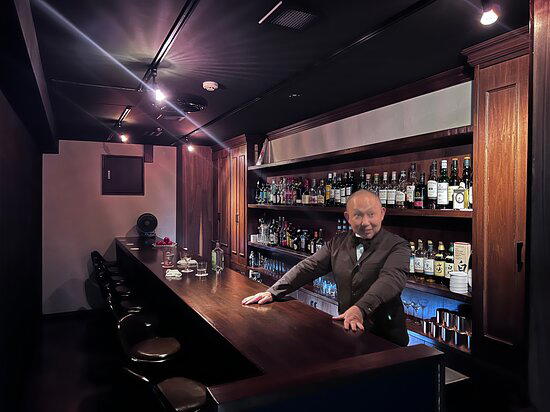
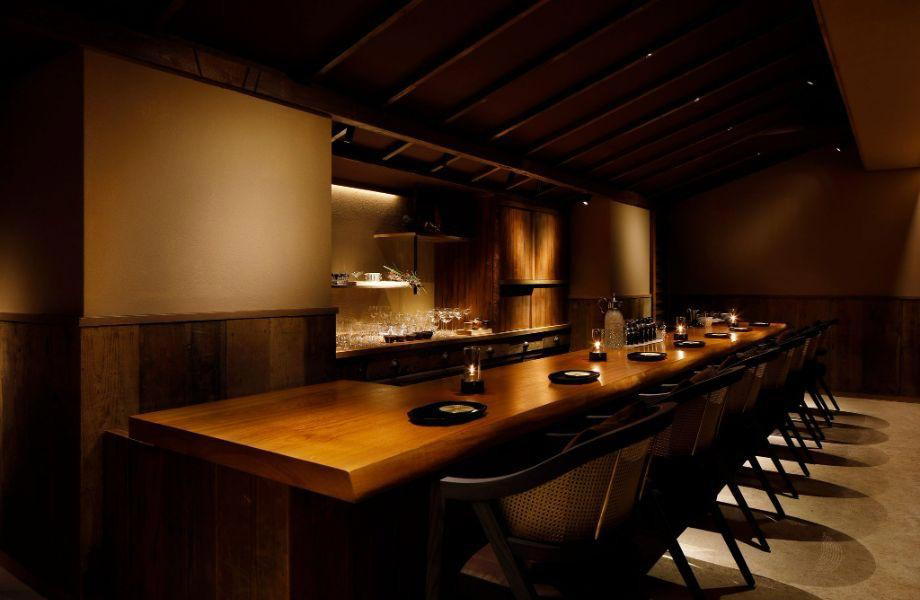
Intimate counter and tatami private rooms with gentle Japanese atmosphere, low forgiving light, and a sense of cultivated stillness.