Google: 4.6 · 52 reviews

Mitate Soba occupies a second-floor address in Azabujuban, one of Tokyo's most curated residential dining corridors. The restaurant sits within the city's specialist soba tradition, where handmade noodles and measured ritual define the experience as much as the grain itself. For visitors comparing Tokyo's noodle culture against the broader fine-dining circuit, Mitate represents the quieter, more disciplined end of that spectrum.
 Discover on Pearl
Pearl is the En Primeur Club membership app — saves, bookings, and concierge access live there. Same editors, same standards.
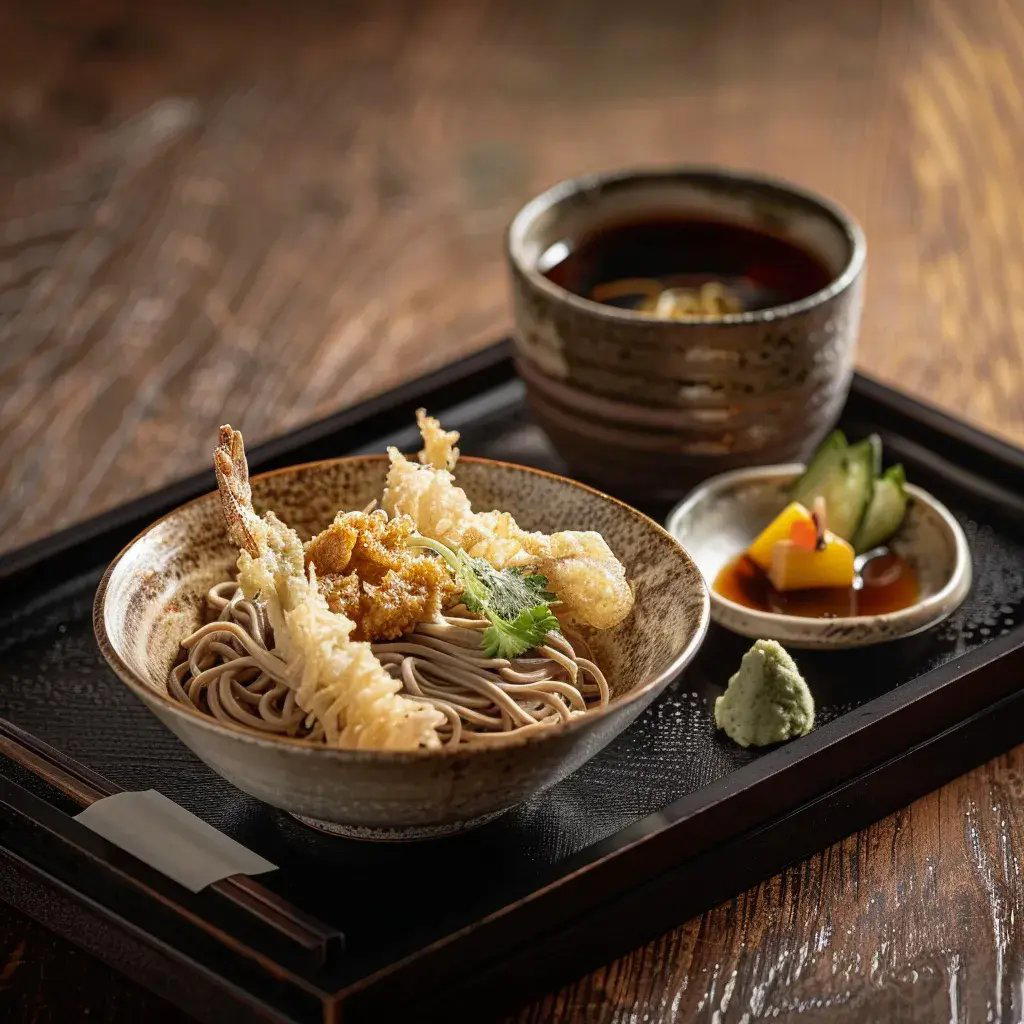
The Room Before the Bowl
Azabujuban has long operated as one of Tokyo's most quietly serious dining neighbourhoods. Unlike Ginza, which announces its ambitions through retail density and high-visibility restaurant fronts, Azabujuban runs on reputation and foot traffic from residents who know what they're looking for. The streets between the subway exit and the local shotengai carry a particular kind of calm, and Mitate Soba, sitting on the second floor of a building on Azabujuban 2-chome, fits that register without announcing itself loudly. You climb to the restaurant rather than walk into it at street level, a physical transition that functions as a small act of intention before the meal begins.
That sense of deliberate arrival matters in the context of Tokyo's soba tradition. At the serious end of that tradition, the meal is not hurried. Soba restaurants that take the craft seriously tend to structure time differently from ramen shops or general noodle houses. The rhythm is closer to kaiseki than to fast noodles: ingredients, sequence, and the temperature of the broth all carry weight. Tokyo has a number of soba specialists operating in this register, and Azabujuban's residential character makes it a natural home for a restaurant that expects its guests to sit with the experience rather than move through it quickly.
Soba as a Dining Ritual
Understanding how to eat at a serious soba counter in Tokyo requires some orientation, because the format differs from what most international visitors expect. The meal typically begins with small dishes, often seasonal, that allow the kitchen to demonstrate range before the noodles arrive. These are not afterthoughts or bar snacks. They function as a pacing device, slowing the meal toward the moment when the soba itself appears. Buckwheat noodles made by hand and cut to order have a narrow window of ideal texture, so the sequencing of a soba meal is partly practical and partly ceremonial.
The noodles are usually eaten in two or three small portions rather than a single large bowl. This is not portion control in a Western sense; it is about keeping each serving at the right temperature and texture throughout. Toward the end of a traditional meal, sobagyu, the hot water used to cook the noodles, is poured into leftover dipping sauce and drunk as a light broth. The ritual closes the meal in a way that feels complete. Guests at this level of soba dining are expected to participate in the structure rather than resist it, and the experience rewards that participation with a quality of attention that more theatrical restaurant formats rarely achieve.
Tokyo's soba specialists occupy a specific niche in the city's dining hierarchy. They sit below the price ceiling of Michelin-starred kaiseki or the leading omakase sushi counters found in Ginza, but they often carry comparable craft intensity at a different scale. Venues like RyuGin and L'Effervescence represent the high-end multi-course format with full tasting menus and corresponding price points. Specialist soba restaurants operate at a different register, where the focus narrows to a single ingredient and its preparation, and the prestige derives from precision rather than breadth.
Azabujuban's Place in Tokyo's Dining Geography
The neighbourhood context shapes the experience in ways that are worth noting before you visit. Azabujuban sits between the embassies of Minato City and the more tourist-oriented density of Roppongi, close enough to both to be accessible but not dominated by either. The area has a local food culture that includes long-established tofu shops, traditional confectionery, and a regular neighbourhood festival that draws residents rather than visitors. Restaurants in this corridor tend to serve the area's residents first, which means the pace and atmosphere reflect local dining habits rather than tourist expectations.
That dynamic places Mitate in a context where regulars matter and where the experience is calibrated for people who return rather than for one-time visitors. For the Tokyo dining circuit more broadly, this is worth understanding. The city's restaurant culture rewards repeat engagement. A guest who returns is treated as someone who understands the format; a first-time visitor is given the same quality of food but sometimes a slightly more explanatory version of the service. This is not exclusionary. It reflects a hospitality logic in which the restaurant and guest develop a mutual understanding over time.
For visitors building an itinerary across Japan, the soba tradition in Tokyo offers a useful counterpoint to the grander formats of kaiseki in Kyoto or the fermentation-forward cooking visible at places like Gion Sasaki. It is also a different register from the ambitious creative cooking at HAJIME in Osaka. Serious soba is an argument for restraint as a complete position, not as a stepping stone to something more complex.
Tokyo's Noodle Tradition in a Broader Frame
Tokyo operates as one of the world's most competitive restaurant cities, and that competition applies at every tier. The city's soba restaurants compete on ingredient sourcing, the fineness and consistency of the cut, the quality of the dashi, and the discipline of the kitchen's timing. None of these qualities are visible in a photograph, which is part of why specialist soba restaurants sit slightly outside the most photographed layer of Tokyo dining. The prestige is in the execution of something quiet rather than the assembly of something dramatic.
For comparison, the top-tier omakase sushi counters in Tokyo, such as Harutaka in Ginza, and the French-influenced tasting menu formats at restaurants like Sézanne and Crony, all operate at the ¥¥¥¥ price tier. Soba specialists typically enter at a lower price point, though the gap narrows at the most serious establishments where sourcing costs and small-batch production push prices upward. Understanding where a given soba restaurant sits in that range requires checking current pricing at the time of booking, since costs in this category have moved in line with broader ingredient inflation across Tokyo's restaurant sector.
Planning Your Visit
Mitate Soba's second-floor location in Azabujuban is accessible from both Azabujuban Station on the Nanboku and Oedo lines and from Roppongi Station, though the neighbourhood walk from Azabujuban is more appropriate for the pace the meal requires. The address places it on a side street off the main shopping corridor, and arriving on foot through the neighbourhood rather than by taxi gives a more calibrated sense of arrival. For broader Tokyo restaurant planning, our full Tokyo restaurants guide maps the city's dining tiers and neighbourhoods in detail.
| Venue | Cuisine | Price Tier | Format | Neighbourhood |
|---|---|---|---|---|
| Mitate Soba | Soba (specialist) | Not confirmed | Seated, sequential | Azabujuban |
| Harutaka | Sushi (omakase) | ¥¥¥¥ | Counter, chef-led | Ginza |
| RyuGin | Kaiseki | ¥¥¥¥ | Multi-course tasting | Roppongi |
| L'Effervescence | French | ¥¥¥¥ | Multi-course tasting | Nishi-Azabu |
| Crony | Innovative, French | ¥¥¥¥ | Counter, open kitchen | Minami-Aoyama |
Elsewhere in Japan
If your itinerary extends beyond Tokyo, the EP Club editorial covers serious dining across Japan. In Nara, akordu offers a European-influenced format shaped by local produce. In Fukuoka, Goh works at the intersection of local seafood and contemporary technique. Further north, å¤ä»å±±ä¹ in Sapporo and 一本木 in Nanao represent regional cooking traditions that rarely appear on international itineraries. For those interested in Japan's rural and smaller-city dining scene, æ¹é庵 in Takashima, åºç¾½å± in Nishikawa Machi, and Birdland in Sakai each offer a different lens on Japanese culinary culture away from the major urban circuits. For context on how Japanese dining formats compare internationally, the EP Club also covers Atomix in New York and Le Bernardin in New York City, as well as Bistro Ange in Toyohashi.
Pricing, Compared
A compact peer set to orient you in the local landscape.
| Venue | Price | Awards | Notes |
|---|---|---|---|
| Mitate Soba | This venue | ||
| Harutaka | ¥¥¥¥ | Michelin 3 Star | Sushi, ¥¥¥¥ |
| L'Effervescence | ¥¥¥¥ | Michelin 3 Star | French, ¥¥¥¥ |
| RyuGin | ¥¥¥¥ | Michelin 3 Star | Kaiseki, Japanese, ¥¥¥¥ |
| Crony | ¥¥¥¥ | Michelin 2 Star | Innovative, French, ¥¥¥¥ |
| Florilège | ¥¥¥ | Michelin 2 Star | French, ¥¥¥ |






At a Glance
- Intimate
- Elegant
- Minimalist
- Special Occasion
- Solo
- Chefs Counter
- Open Kitchen
- Sake Program
- Local Sourcing
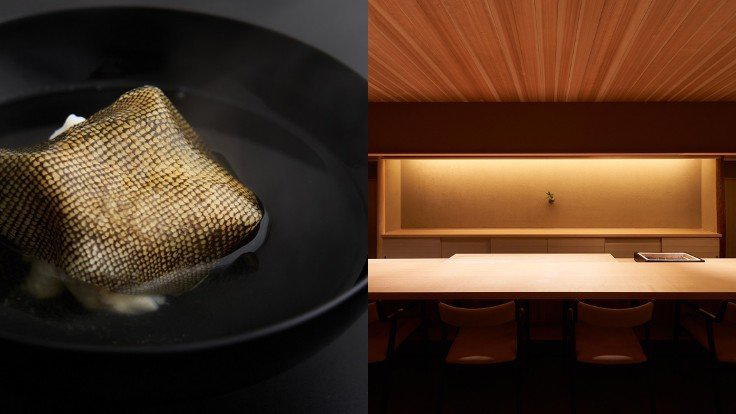
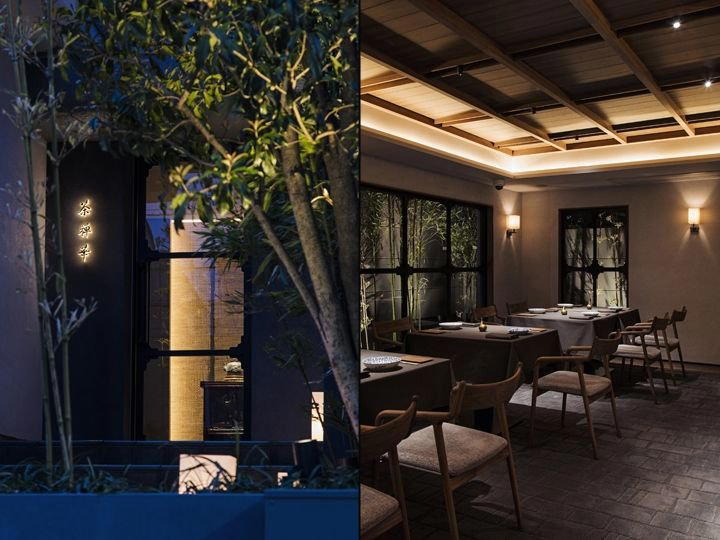
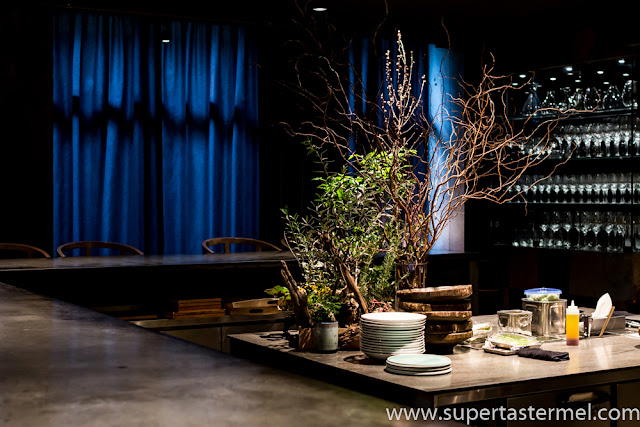
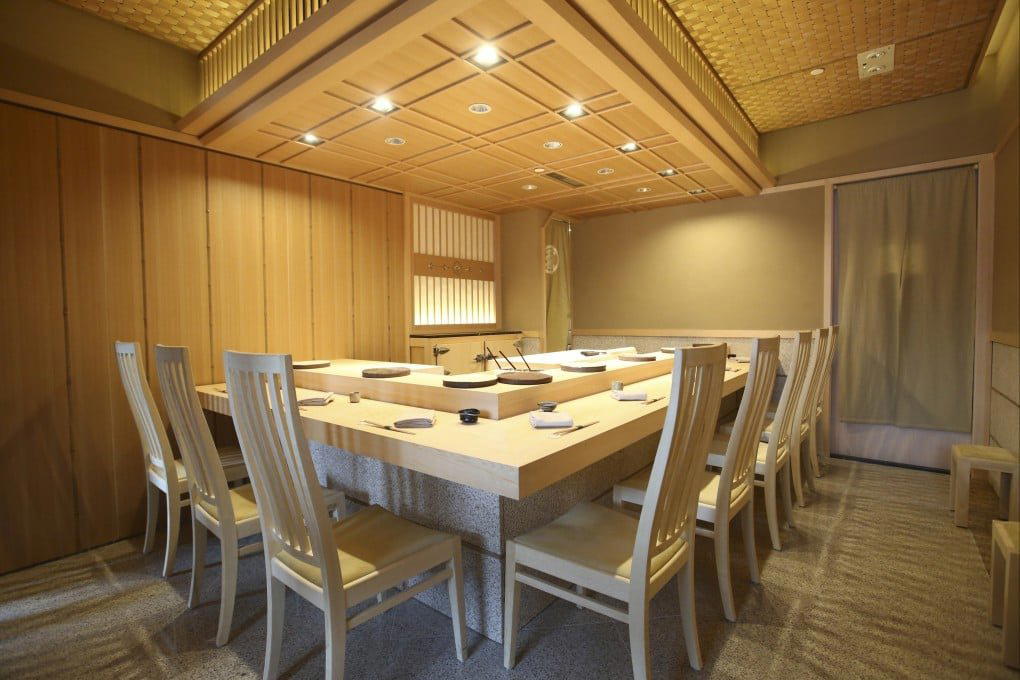
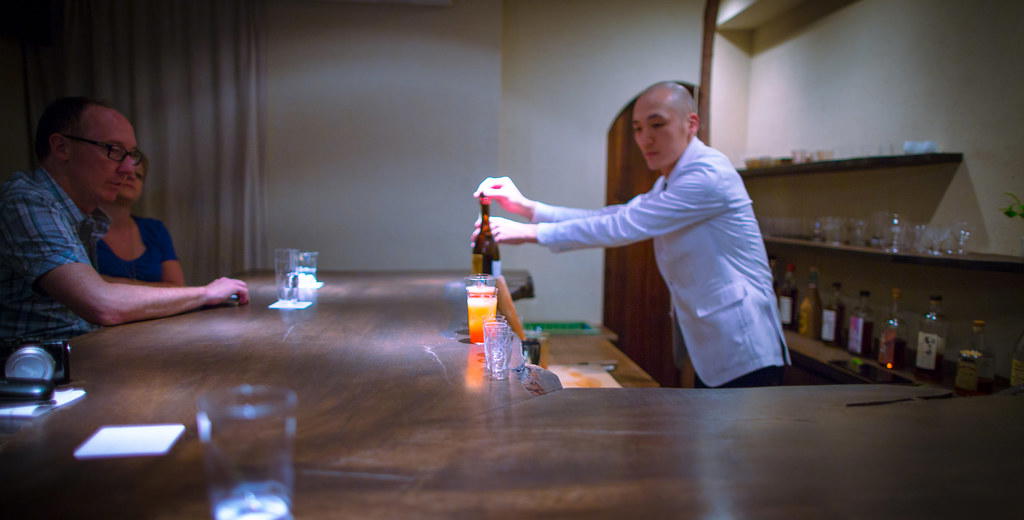
Intimate counter seating with a refined, minimalist atmosphere focused on the chef's practiced soba-making technique.