Google: 4.1 · 2,213 reviews

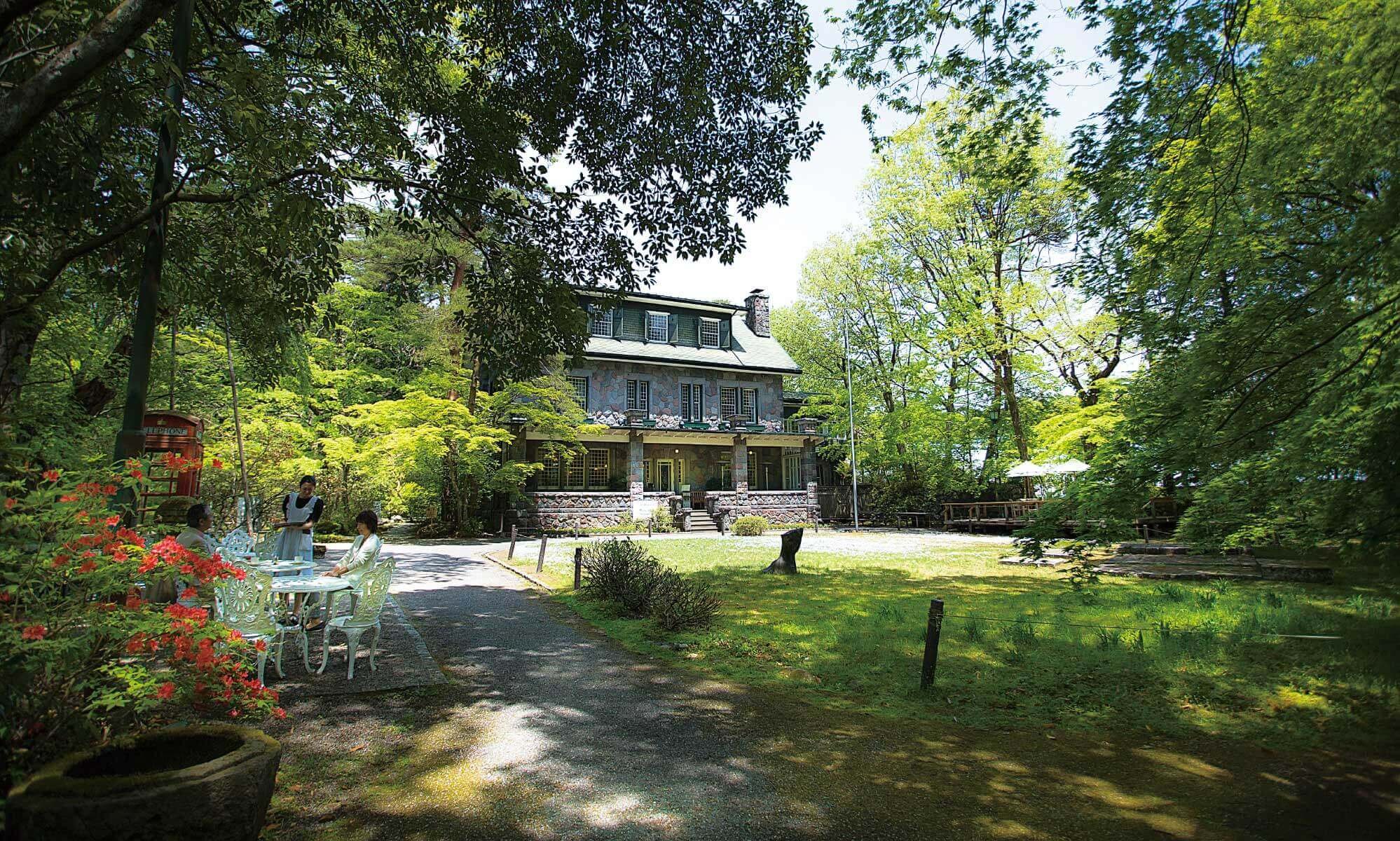
Meiji no Yakata occupies a Western-style Meiji-era villa in Nikko, where the kitchen has long drawn on the mountain produce and forest foraging traditions of the Tochigi highlands. The setting places it in a category of its own among Nikko's dining options: a historic building, an ingredient-led menu, and a location within the shrine and temple precinct that gives the meal an architectural context most restaurants in the region cannot claim.
 Discover on Pearl
Pearl is the En Primeur Club membership app — saves, bookings, and concierge access live there. Same editors, same standards.
A Mountain Town's Most Considered Table
Nikko operates on a different culinary register than Japan's major urban centres. Where cities like Tokyo or Osaka sustain dense competitive sets — Harutaka in Tokyo at the sushi counter, HAJIME in Osaka at the frontier of innovative French — Nikko's dining identity is shaped more by geography than by trend. The Tochigi highlands, the cedar forests, the cold-water streams feeding down from Nantai-san: these are the inputs that matter here. Meiji no Yakata sits in that context, housed in a Western-style villa dating to the Meiji era, and draws its identity more from the land surrounding it than from any metropolitan influence.
The building itself frames the experience before a single dish arrives. Meiji-period Western architecture in Japan carries a specific cultural charge: it marks the moment when the country deliberately absorbed European structural vocabulary, and properties that survive from that period are comparatively scarce outside of designated heritage zones. Nikko's shrine and temple precinct, a UNESCO World Heritage Site, provides the backdrop, which means the restaurant's physical environment carries a weight that most dining rooms in regional Japan cannot approximate. That architectural seriousness tends to attract a kitchen serious about its sourcing.
What the Highlands Supply
The ingredient story in Tochigi is well documented regionally but underappreciated nationally. The prefecture produces Tochigi wagyu, a beef with a distinct marbling profile shaped by the cooler climate of the Kanto interior. Mountain vegetables , known broadly as sansai , come into season from late spring through early autumn, pulled from the forests above the town: bracken, butterbur, wild garlic, and varieties of mushroom that don't appear in lowland markets. Cold, clean river water sustains trout and other freshwater fish that the kitchen can source with minimal transport distance.
This is the supply chain that gives a restaurant in Nikko a genuine regional argument. Ingredient-led kitchens in Japan's cities often work harder to maintain a local sourcing narrative , the distances involved, the distribution networks, the seasonal gaps , than a restaurant operating in proximity to its actual source material. The editorial logic of dining at Meiji no Yakata is not that it competes with Gion Sasaki in Kyoto on the terms of kaiseki precision, or with akordu in Nara on European-Japanese synthesis. It competes on a different axis: the proximity and legibility of its ingredient base relative to its location.
That argument is worth making more explicitly. Among Japan's mountain and heritage towns, the restaurants that sustain reputations over decades tend to be the ones that stopped trying to approximate what urban kitchens do and committed instead to what their specific geography offers. The same pattern holds in Nanao, where 一本木 名川制 draws from the Noto Peninsula's coastal produce, or in Takashima, where 琵琶湖畔 leans on Lake Biwa's freshwater ecosystem. Regional specificity, when genuinely enacted rather than performed, is a more durable credential than imported technique.
Western Structure, Japanese Produce
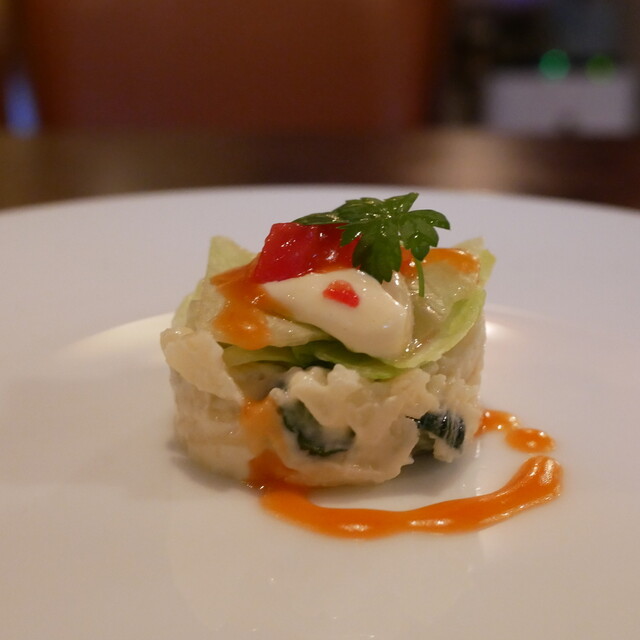
The Western villa format shapes not just the building but the menu register. Meiji no Yakata has long occupied a position in Nikko's dining scene where European culinary structure , courses, plating conventions, the pacing of a set lunch or dinner , meets highland Japanese produce. This is a different synthesis from the kaiseki tradition, which has its own architectural logic of sequence and proportion. The Western format allows for dishes that foreground ingredient provenance more directly, where a piece of Tochigi beef or a sansai preparation can be presented without the layers of cultural coding that kaiseki brings.
For visitors arriving from Nikko's major transit point, Tobu Nikko Station or JR Nikko Station, the restaurant is reachable on foot or by short taxi ride along the approach to the shrine precinct. The timing question matters: Nikko draws significant visitor numbers in autumn, when the maple foliage around the Toshogu shrine complex draws crowds from across the Kanto region and beyond, and in spring, when the cedar forest turns luminous. Both seasons align with the kitchen's strongest sourcing windows , autumn mushrooms and preserved mountain vegetables in one case, the first sansai of the year in the other. Booking ahead for those periods is not optional; walk-in availability at the dining room is limited during peak season. For visitors arriving in summer or the quieter winter months, access is generally more flexible.
Among Nikko's broader restaurant options, Meiji no Yakata occupies a tier above the town's soba and teishoku houses , Santate Soba Nagahata and Shogetsu Himuro serve important functions in the local dining ecology, but they operate on a different format and price register. The full picture of what Nikko offers at table is in our full Nikko restaurants guide.
Where Meiji no Yakata Fits
Placed against the comparison set of Japan's top-tier destination restaurants , the precision of Goh in Fukuoka, the technical ambition of HAJIME in Osaka , Meiji no Yakata is not competing on the same terms, and that distinction is clarifying rather than diminishing. The relevant peer set is regional: restaurants in heritage towns that have built durable identities around a specific building, a specific landscape, and a specific sourcing radius. By those terms, the Meiji villa in the shadow of Toshogu, serving highland produce through a Western-influenced menu structure, represents one of the more coherent arguments for dining outside Japan's major cities.
Internationally framed, the model has parallels: a restaurant whose setting and ingredient provenance are inextricably linked, where the dining room is not incidental to the food but constitutive of it. Le Bernardin in New York City built its identity on the primacy of the seafood itself; Atomix in New York City on the intellectual architecture of Korean technique. Meiji no Yakata's argument is quieter and more local, but it is coherent: the building, the landscape, and the kitchen are pointing in the same direction.
Further afield across Japan's regional dining scene, the same pattern of place-driven kitchens asserts itself: 古往今来 in Sapporo, 羽根屋 in Nishikawa Machi, bodai in Nachikatsuura, Birdland in Sakai, and Bistro Ange in Toyohashi and Blue Ocean Steak in Nakagami District each illustrate how regional specificity sustains a kitchen's identity across seasons and years.
Planning Your Visit
Nikko is accessible from Tokyo in under two hours via the Tobu Nikko Line from Asakusa, making it a viable day trip, though the dining experience at Meiji no Yakata is calibrated more toward the pace of an overnight stay. The autumn foliage window runs roughly from mid-October through mid-November; spring sansai season peaks in April and May. Reservations during those periods should be secured well in advance. Outside peak season, the town is quieter and the restaurant more accessible, with the highland produce calendar shifting to preserved and root vegetables in winter.
Fast Comparison
These are the closest comparables we have in our database for quick context.
| Venue | Cuisine | Price | Awards | Notes |
|---|---|---|---|---|
| Meiji no Yakata | This venue | |||
| HAJIME | French, Innovative | ¥¥¥¥ | Michelin 3 Star | French, Innovative, ¥¥¥¥ |
| Harutaka | Sushi | ¥¥¥¥ | Michelin 3 Star | Sushi, ¥¥¥¥ |
| L'Effervescence | French | ¥¥¥¥ | Michelin 3 Star | French, ¥¥¥¥ |
| RyuGin | Kaiseki, Japanese | ¥¥¥¥ | Michelin 3 Star | Kaiseki, Japanese, ¥¥¥¥ |
| Crony | Innovative, French | ¥¥¥¥ | Michelin 2 Star | Innovative, French, ¥¥¥¥ |
Continue exploring
More in Nikko
Restaurants in Nikko
Browse all →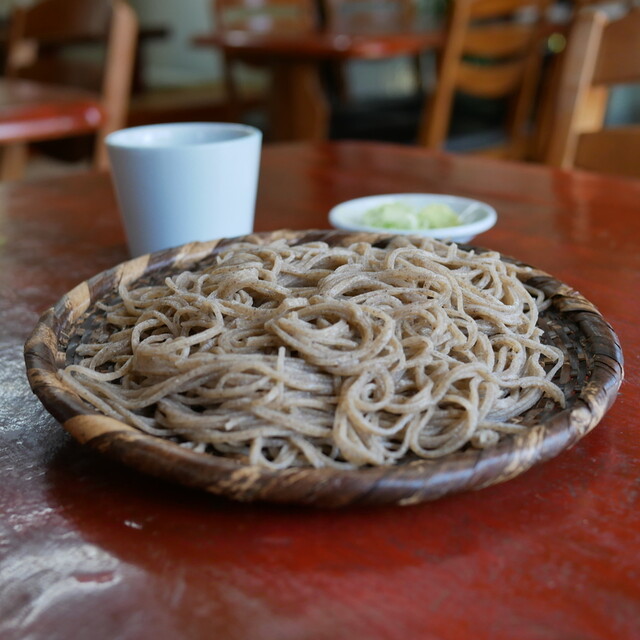
At a Glance
- Romantic
- Elegant
- Classic
- Rustic
- Scenic
- Intimate
- Sophisticated
- Date Night
- Special Occasion
- Historic Building
- Sake Program
- Garden
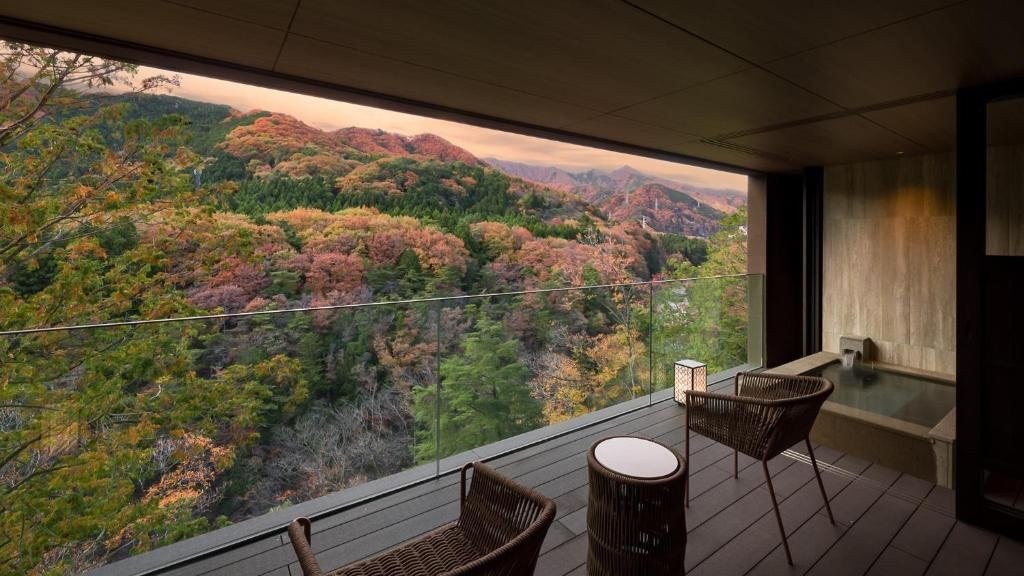
Sophisticated and elegant space evoking the Meiji-era Westernization with tasteful Japanese-Western fusion decor, nestled in lush greenery for a relaxing, romantic retreat.