
Tabelog 100 #66
Our verdict
Myogetsu Bo brings Nikko’s yoshoku tradition into the steak-and-grill conversation, with Tabelog 100 Steak / Teppanyaki EAST selections in 2024 and 2025 giving it a clear credential beyond the temple-town dining circuit. The draw is the way Western-style Japanese cooking fits the city: practical, ingredient-led, and easier to fold into a Nikko itinerary than formal hotel dining.

Pearl is the En Primeur Club membership app, where members save venues, book tables and use the concierge.
The menu
What to order
- Tochigi Wagyu steak
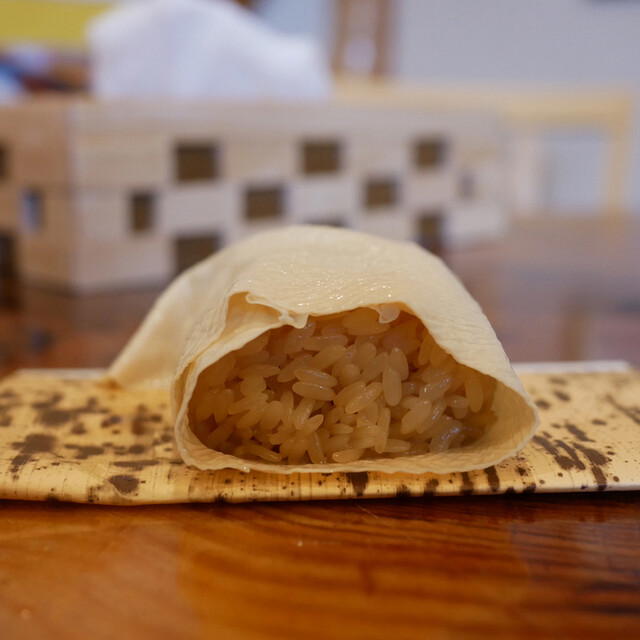
- Raw yuba
- Fried yuba
- Beef hamburger steak with raw yuba
Approaching Nikko, the city’s food culture changes register. Cedar avenues, temple routes, and mountain weather do not automatically suggest steak, which is why yoshoku matters here. Western-style Japanese cooking has long bridged regional Japan: familiar for travellers, local enough not to feel imported, and suited to ingredients that move easily between rice, sauce, grill, and set-meal formats.
Myogetsu Bo sits inside that Nikko pattern. Its steak-and-yoshoku category belongs to a practical Japanese lineage that absorbed Western techniques and made them domestic: grill-led plates, rice, sauces with sweetness and depth, and beef treated as a meal’s centre rather than steakhouse theatre. In a city where many visitors come for cultural sightseeing and leave before dinner, it explains the middle ground between snack-stop tourism and formal dining.
Steak and yoshoku make sense in Nikko when the meal follows the mountain rhythm
Nikko is not Tokyo with cedar trees. Its dining rhythm is shaped by daylight, rail arrivals, temple pacing, and cool mountain weather. A long formal meal can work, but many visitors need something more direct after a day of walking and sightseeing. Yoshoku answers without turning the place into convenience food, offering weight, warmth, and structure, especially with beef.
The sourcing angle matters because Nikko is more often read through mountain tourism and regional produce than through dense urban restaurant culture. Ingredient-led cooking here is rarely expressed through long tasting-menu language. It appears in category discipline: steak rather than a broad international menu, yoshoku rather than generic Western food, set meals and grill-led plates rather than a parade of concepts.
Tabelog recognition sharpens that reading. Its 2025 Tabelog Hyakumeiten recognition puts Myogetsu Bo in a field beyond Nikko’s normal visitor economy. Its 3.69 score is meaningful in Japan’s conservative user-review culture, where category lists often separate serious specialists from places carried by location alone. This is not merely a tourist lunch stop that happens to serve beef; it belongs to a wider conversation about steak and Japanese-style Western cooking.
That distinction helps when comparing Nikko options. Main Dining Room and Fudaraku Honpo Ishiya chou ten give readers other named reference points in the city. Myogetsu Bo sits clearly in the steak-and-yoshoku lane: more substantial than a snack or souvenir-food stop, less defined by ceremony than by a proper plate, and suited to readers who want a grounded meal after a cultural day without making dinner the whole evening.
The ingredient story is restraint, not spectacle
Japan’s steak culture often splits into two visible forms. One is teppanyaki performance, where counter and grill become entertainment. The other is yoshoku, where beef fits a broader comfort grammar: sauce, rice, vegetables, and proportion. Nikko rewards the second approach. The city’s appeal is cumulative rather than loud, and the fitting meal values balance over show.
That makes the restaurant’s steak-and-yoshoku identity more than a label. Beef here does not need luxury beef-temple language to justify itself. It anchors the plate after a day outdoors, in temple courtyards, or moving between trains and hillside paths. The tradition is imported in origin but Japanese in habit: portioned, sauced, composed, and aware of rice as a natural partner. For travellers studying how Western food entered daily Japanese dining, Nikko offers a quieter case than the big-city narratives.
The lack of public chef mythology also helps. Many Japan restaurant stories lean on lineage, apprenticeship, or a named master. Here, category discipline is more persuasive. The public identity is not a celebrity chef or elaborate tasting format; it is steak and yoshoku in a city where those genres must serve travellers, locals, and mixed-age groups clearly.
For broader mapping, our full Nikko restaurants guide gives dining context, while our full Nikko hotels guide helps readers decide whether dinner should sit near lodging or elsewhere in Nikko. Drinking culture is thinner than in larger Japanese cities, but our full Nikko bars guide separates a post-dinner drink from a full night out. For itineraries beyond the plate, see our full Nikko experiences guide and our full Nikko wineries guide.
Where it fits among Nikko meals
The smart use case is neither blowout nor filler. It is the main sit-down meal for a day of temples, walking, and regional sightseeing. That is why the price band matters: Myogetsu Bo is listed at Dinner: JPY 3,000 - JPY 3,999; Lunch: JPY 2,000 - JPY 2,999, giving travellers a clear budget frame when comparing it with other Nikko choices such as Main Dining Room. For travellers wanting beef without committing to a high-spend room, the value proposition is clear.
Nikko also rewards variety. A sensible short stay might pair yoshoku with other local dining, sweets, coffee, and a hotel dining room rather than repeat one meal type. Other Nikko dining rooms broaden the Western-influenced conversation, while unnamed beef-focused options point to another reading of the city’s dining choices. Hospitality-led restaurants offer another register, especially for readers tying meals to hotel stays or wider Nikko plans.
For travellers building a Japan-wide food route, the comparison is clearer. Beef-led meals appear in many formats, from formal grill rooms to casual set-meal specialists. Casual Japanese formats pull another way, including rice-focused counters, curry shops, cafes, and small bars. Against that wider field, Nikko’s appeal is not novelty; it is how a familiar yoshoku format becomes grounded by place, climate, and the slower tempo of a mountain temple town.
Frequently asked questions
Can I bring kids to Myogetsu Bo?
Myogetsu Bo’s steak and yoshoku category in Nikko makes it easier to understand for mixed-age groups than a highly specialized tasting-menu format. The listed lunch range of JPY 2,000 - JPY 2,999 also suits a seated meal rather than a quick stop.
What's the overall feel of Myogetsu Bo?
Expect a settled steak-and-yoshoku restaurant in Nikko, shaped more by a proper meal than by theatre. The 2025 Tabelog Hyakumeiten recognition gives it clear standing, while the listed dinner range of JPY 3,000 - JPY 3,999 keeps it in approachable territory.
Is Myogetsu Bo expensive?
Pricing at Myogetsu Bo is listed as Dinner: JPY 3,000 - JPY 3,999; Lunch: JPY 2,000 - JPY 2,999.
How do I find Myogetsu Bo?
Myogetsu Bo is located in Nikko.
Should I book Myogetsu Bo in advance?
Planning ahead is sensible for a restaurant carrying 2025 Tabelog Hyakumeiten recognition. Its Nikko location makes it worth fitting deliberately into a day of sightseeing rather than treating it as an afterthought.
Snapshot
Comparable venues by cuisine and price in the same metro.
| Venue | Cuisine | Price | Awards | Notes |
|---|---|---|---|---|
| Myogetsu BoThis venue (the venue you are viewing) | Grill & Steak | $50–100 | Tabelog 100 #66 | Not listed |
| Gourmands Wagyu | Wagyu Steakhouse Set Menu | $50–100 | Tabelog 100 #56 | .tokorono |
| Lake House (レイクハウス) | Farm-Fresh Western Cuisine | Not listed | Not listed | 中禅寺湖畔 |
| Santate Soba Nagahata | Traditional Soba Noodles | $10–20 | Not listed | Nagahata |
| Meiji no Yakata (西洋料理 明治の館) | Yoshoku (Japanese-style Western) | $30–50 | Tabelog 100 #86 | 山内 (Yamanoeuchi, near Toshogu Shrine) |
| Meiji no Yakata | Yoshoku (Japanese-Western Fusion) | Not listed | Not listed | Nikko Fudoson Park |
Recognition history
Dated appearances from independent guides and award organizations, with the underlying list record or original source where available.
Tabelog 100 #66 · No. 66
Tabelog · Tabelog 100 - Steak / Teppanyaki - EAST - 2025
Continue exploring
More in Nikko
Details
- Scenic
- Quiet
- Classic
- Elegant
- Date Night
- Business Dinner
- Group Dining
- Celebration
- Special Occasion
- Garden
- Historic Building
- Standalone
- Beer Program
- Local Sourcing
- Garden
- A La Carte
- Beer
- Vegetarian Friendly
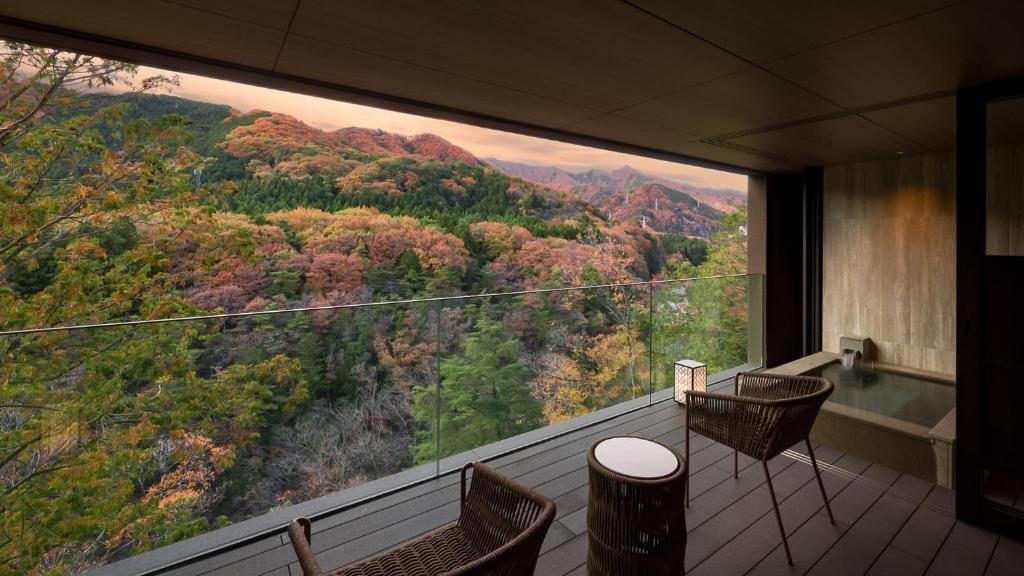
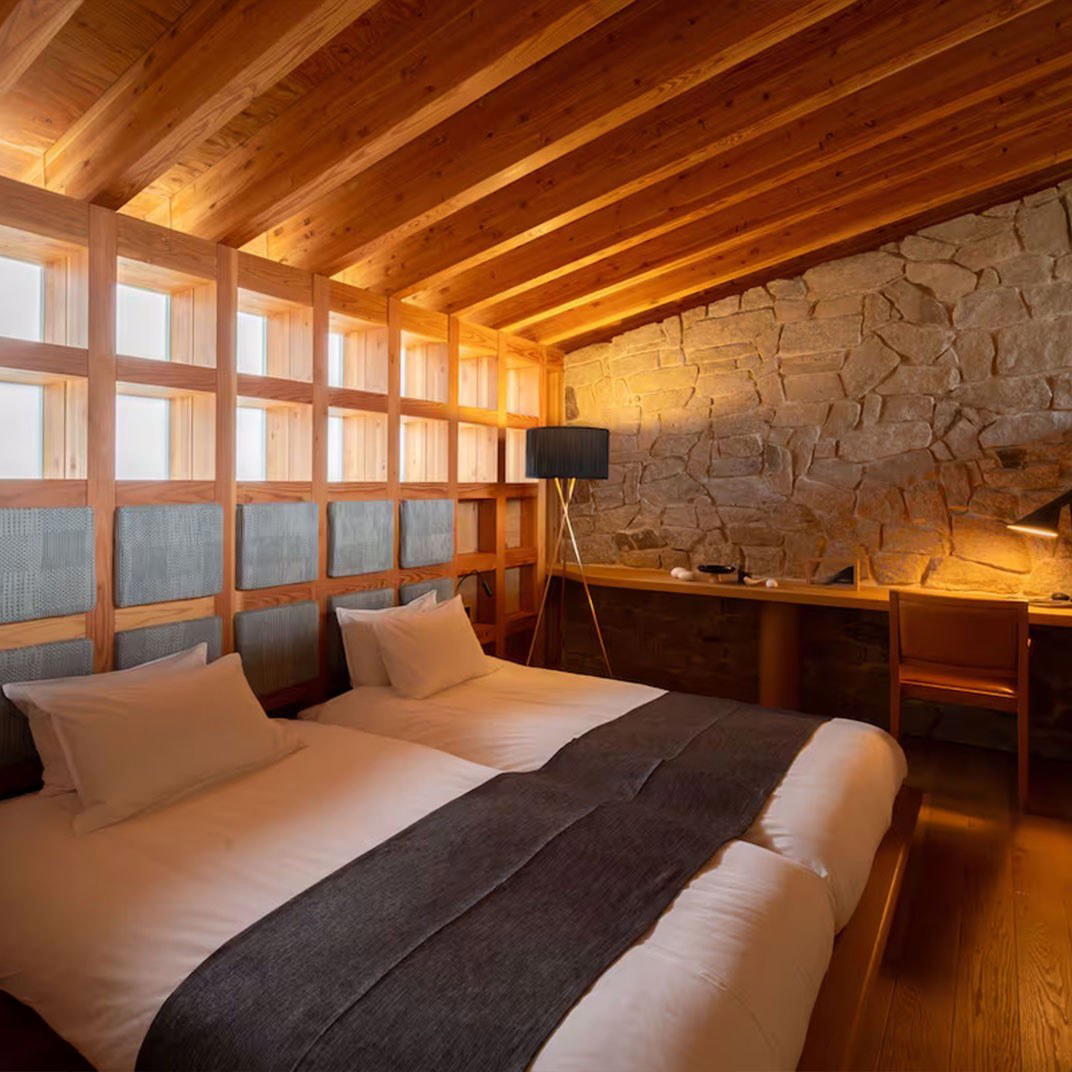
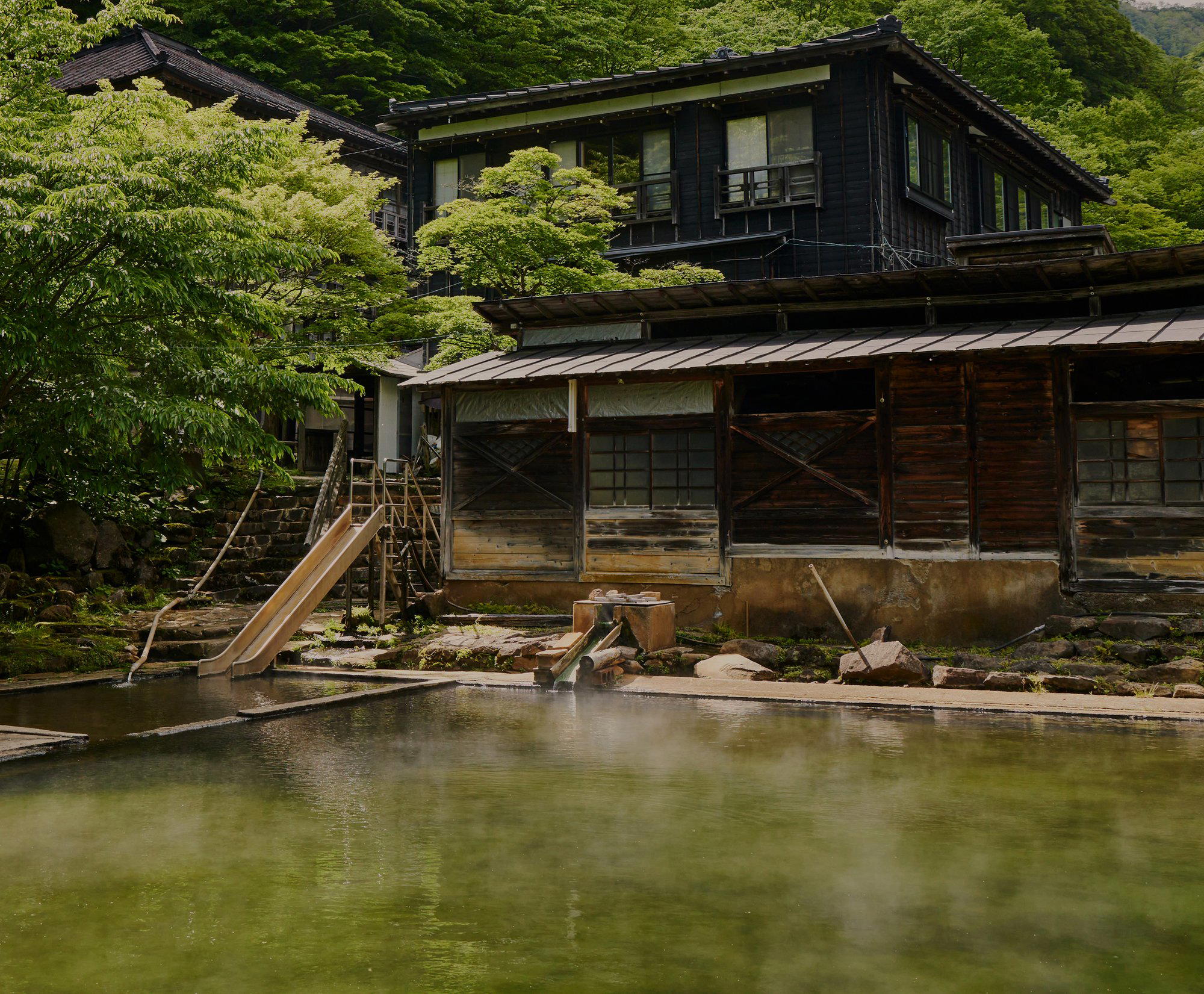
Warm, cozy, and refined, with a tranquil historic setting and garden views that create a slow, luxurious dining experience.