Our verdict
Santate Soba Nagahata is a soba specialist in Nikko, the historic temple town north of Tokyo. Set against one of Japan's most significant Shinto and Buddhist pilgrimage destinations, the restaurant represents Nikko's tradition of craft noodle-making, where buckwheat discipline and mountain-sourced water have shaped local food culture for centuries. A practical stop for visitors exploring the Toshogu shrine complex and surrounding cedar forests.

Pearl is the En Primeur Club membership app, where members save venues, book tables and use the concierge.
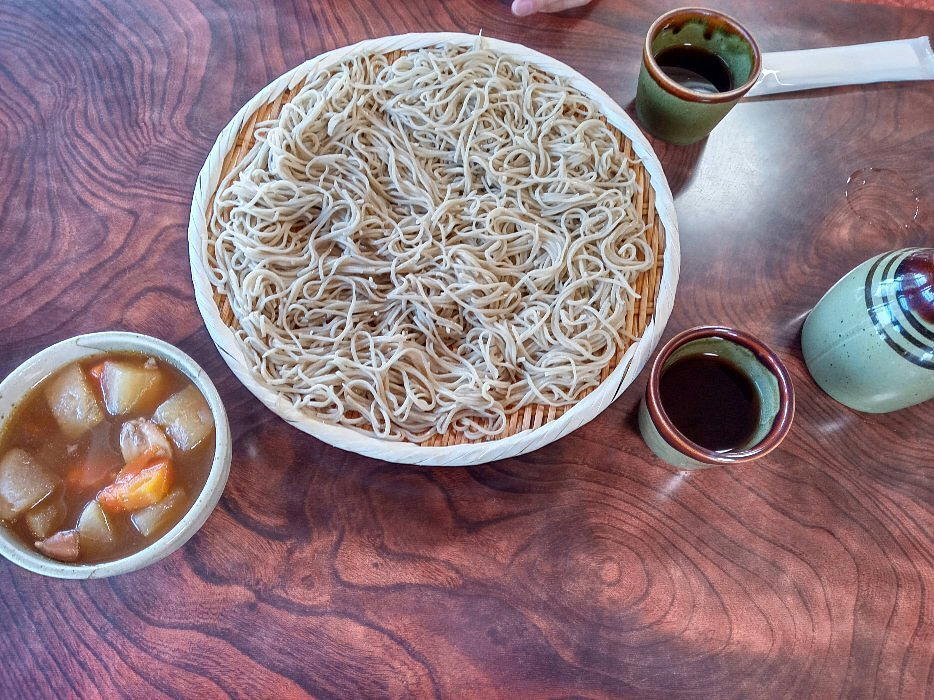
The menu
What to order
- Morisoba
- Zarusoba
- Kakesoba
Soba in the Shadow of the Shrines
Nikko's food culture has always been shaped by its geography before its gastronomy. The town sits at roughly 600 metres elevation in the Nikkō National Park, surrounded by cedar forests, mountain rivers, and one of the most visited Shinto-Buddhist temple complexes in Japan. That setting does something specific to local eating: it pulls restaurants toward a kind of functional sincerity, where the craft of a bowl of soba matters more than the theatre of a tasting menu. Santate Soba Nagahata operates within that tradition, serving buckwheat noodles in a town where the soba house has been a pilgrim's essential for generations.
Soba in the Tochigi Prefecture region, of which Nikko is the most visited node, carries a different register than the metropolitan versions found in Tokyo's Kanda or Yushima districts. The altitude and cold mountain water supply produce buckwheat with a nuttier, more assertive flavour profile, and the local custom of hand-cutting noodles to a slightly thicker gauge gives each bowl a texture that holds the dipping broth differently than the Edo-style thin cuts associated with downtown Tokyo counters. Nikko's soba houses, at their leading, are expressions of these environmental conditions rather than simply places to eat between temple visits.
What Buckwheat Craft Means in This Context
Across Japan, soba occupies a quietly contested space in the hierarchy of traditional cuisines. It sits below kaiseki and omakase sushi in terms of price point and critical attention, yet in certain regional traditions it demands a comparable level of technical rigour. The milling of buckwheat, the ratio of flour to water, the kneading, rolling, and cutting, and the temperature at which broth is served: each of these variables produces meaningfully different results. Restaurants like Harutaka in Tokyo or Gion Sasaki in Kyoto demonstrate how Japanese cuisine at the highest level is built on the same underlying principle of obsessive material specificity. In a soba house, that obsession manifests in the buckwheat itself.
Nikko's pilgrimage economy historically supported a dense concentration of craft food producers, since travellers needed sustenance that was quick to prepare, locally sourced, and restorative after long walks between shrine gates. Soba fitted that function precisely. The noodle could be made fresh daily, required no elaborate supply chain, and was filling without being heavy. What has survived into the contemporary era is a cluster of soba specialists who have refined that functional tradition into something with genuine culinary intent. Santate Soba Nagahata represents one such address within this local pattern.
For a broader orientation to the dining options across the town, the full Nikko restaurants guide maps the range from traditional Japanese formats to Western-influenced properties like Meiji no Yakata, a Western-style restaurant that reflects Nikko's Meiji-era international connections, and Shogetsu Himuro, which specialises in Nikko's other well-known local product: natural ice.
The Cultural Logic of a Regional Soba House
Understanding what a soba house in a pilgrimage town represents requires a brief detour into Japanese food geography. Japan's regional cuisine traditions are not simply local variants of a national template. They are, in most cases, products of specific agricultural conditions, religious food customs, and historical trade patterns. Nikko's Buddhist temple community maintained dietary restrictions that historically influenced the area's food culture, emphasising plant-based preparations and simple, clean flavours. Soba, as a grain-based staple requiring no meat, fitted that monastic tradition naturally and became embedded in the town's culinary identity.
This is quite different from the dynamic operating in Japan's metropolitan restaurant scenes. At the high end, addresses like HAJIME in Osaka or akordu in Nara are engaged in a conversation about technique, innovation, and international influence. A Nikko soba house is making a different argument: that the most coherent form of a cuisine is often its simplest, and that place-specificity is itself a kind of expertise. Whether that argument is convincing depends heavily on execution.
The comparison extends internationally. At restaurants like Le Bernardin in New York City or Atomix in New York City, the premise is mastery at scale, deploying complex systems of technique to achieve precision. The regional Japanese soba house inverts that logic: it uses reduction and constraint to achieve the same goal. Fewer ingredients, simpler preparation, and a sharper dependency on raw material quality.
Placing Santate Soba Nagahata in Nikko's Dining Pattern
Nikko attracts day-trippers from Tokyo in large numbers, with the Tobu Nikko line making the journey from Asakusa in under two hours. That visitor flow creates a particular kind of restaurant economy: places that can absorb high turnover while maintaining quality, and places that rely on slower local repeat custom. The leading soba houses tend to operate in the latter mode, closing once the day's noodles are finished rather than stretching production to meet tourist demand. This practice, common in quality-focused soba establishments across Japan, functions as a self-regulating quality signal.
Compared to the more elaborate dining formats available in Japan's larger cities, including Goh in Fukuoka or the kaiseki tradition represented at various Kyoto addresses, the soba house occupies a deliberately modest register. That modesty is not a limitation. It is the format's defining characteristic, and in Nikko, where the surroundings carry most of the sensory weight, a spare and focused bowl of soba is often the correct choice.
Other regional Japanese specialists across the country, from 一本木 石川製 in Nanao to 夕仙山乃 in Sapporo, each operate within their own local food logic. What connects them is a commitment to regional specificity over generic appeal, a principle that Santate Soba Nagahata shares by virtue of its position within Nikko's culinary tradition.
Planning Your Visit
Nikko is most accessible as a day trip from Tokyo, though overnight stays allow for a more measured experience of the shrines and surrounding national park. The town's restaurants, including soba houses like Santate Soba Nagahata, tend to fill quickly on weekends and during peak foliage season in October and November, when the cedar forests turn and visitor numbers spike significantly. Arriving at or before opening time is the practical strategy for avoiding waits. As is standard for quality-focused soba specialists in Japan, the kitchen may close once the day's buckwheat is exhausted, which typically happens earlier than posted closing hours suggest.
Frequently asked questions
Is Santate Soba Nagahata good for families?
Soba houses in Nikko sit at the accessible end of the dining spectrum: no elaborate dress expectations, no tasting-menu pacing, and a format that works across age groups. Santate Soba Nagahata fits that pattern. The cuisine type is straightforward enough that children familiar with noodles will find it approachable, and Nikko itself is structured around family-friendly shrine visits that make a soba lunch a natural midpoint in the day.
What's the overall feel of Santate Soba Nagahata?
The atmosphere follows the character of Nikko's dining scene broadly: understated, craft-focused, and grounded in regional tradition rather than destination-restaurant theatrics. This is a place oriented around the quality of buckwheat preparation, not décor or tableside performance. Visitors arriving from Tokyo on the Tobu Nikko line will find the register consistent with the town's unhurried, heritage-minded pace.
How does dining at a Nikko soba house differ from a Tokyo soba restaurant?
Nikko's soba culture is rooted in a pilgrimage context rather than an urban lunch economy, which means the pacing, sourcing logic, and surrounding environment differ from what you find at Tokyo's counter-style noodle specialists. Mountain water from the Nikkō National Park area at roughly 600 metres elevation is a material factor in buckwheat noodle texture and flavour, something Tokyo venues cannot replicate geographically. Santate Soba Nagahata, situated in Nikko, operates within that regional framework.
What's the signature dish at Santate Soba Nagahata?
Soba is the defining focus, as it is across Nikko's specialist noodle houses. Nikko's buckwheat tradition draws on mountain-sourced water and regional cultivation practices that differ meaningfully from the drier, more urban soba styles common in Tokyo. The noodle itself is the kitchen's central statement.
Can I walk in to Santate Soba Nagahata?
Walk-in dining is the standard model at Nikko's soba houses. The calculation shifts on weekends and during autumn foliage season, when the town draws concentrated visitor numbers from Tokyo via the Tobu Nikko line in under two hours. Arriving before the midday peak on those days is the practical approach.
What has Santate Soba Nagahata built its reputation on?
Its standing, consistent with comparable soba specialists across the Tochigi region, rests on the integrity of buckwheat preparation and alignment with Nikko's pilgrimage-town food culture. Nikko's soba tradition developed alongside the shrine complex, shaped by mountain water quality and the dietary customs of generations of travellers passing through the same routes. That continuity of context is the credential.
A Pricing-First Comparison
| Venue | Cuisine | Price | Awards | Notes |
|---|---|---|---|---|
| Santate Soba NagahataThis venue (the venue you are viewing) | Traditional Soba Noodles | $10–20 | Not listed | Not listed |
| HAJIME | Avant-Garde Japanese Fine Dining | $300–500 | 3 Michelin Stars · World's 50 Best #83 | French, Innovative |
| Harutaka | Edo-Style Omakase Sushi | $200–300 | 3 Michelin Stars · World's 50 Best #76 | Sushi |
| L'Effervescence | Modern French with Japanese Influences | $200–300 | 3 Michelin Stars · World's 50 Best #69 | French |
| RyuGin | Modern Kaiseki | $500+ | 3 Michelin Stars · World's 50 Best #41 | Kaiseki, Japanese |
| Crony | Modern French with Japanese Influences | $150–200 | 2 Michelin Stars · World's 50 Best #34 | Innovative, French |
Continue exploring
More in Nikko
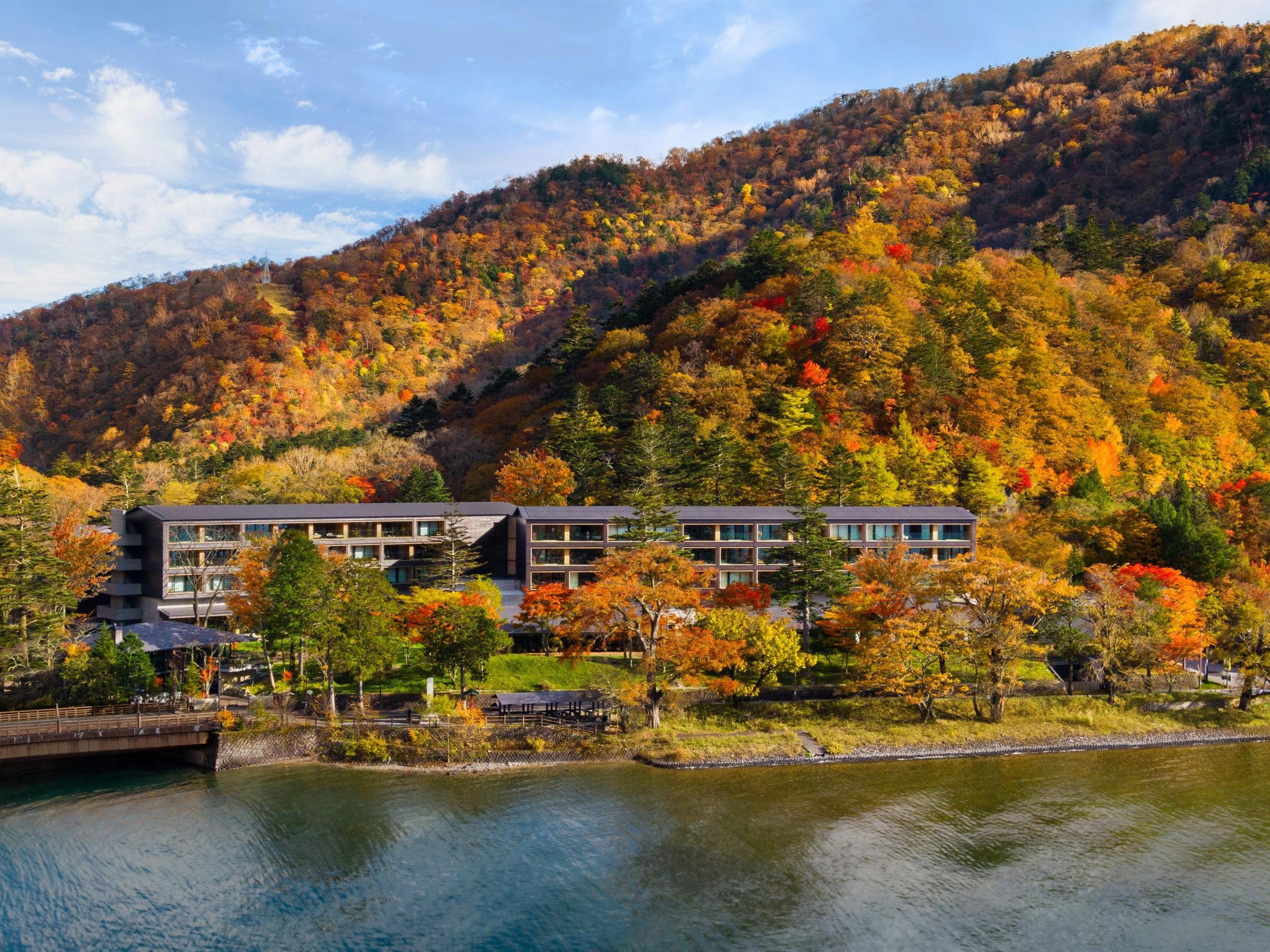
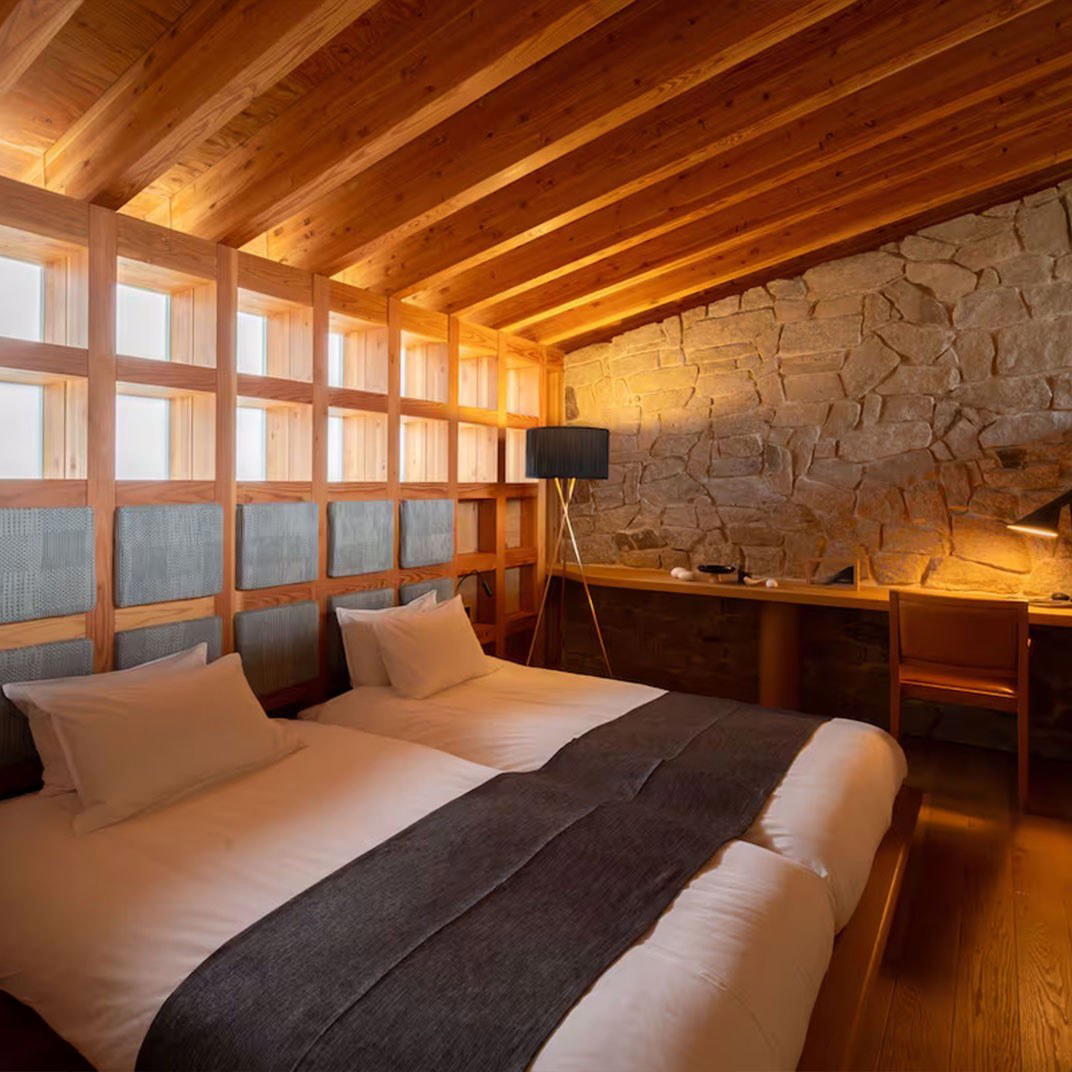
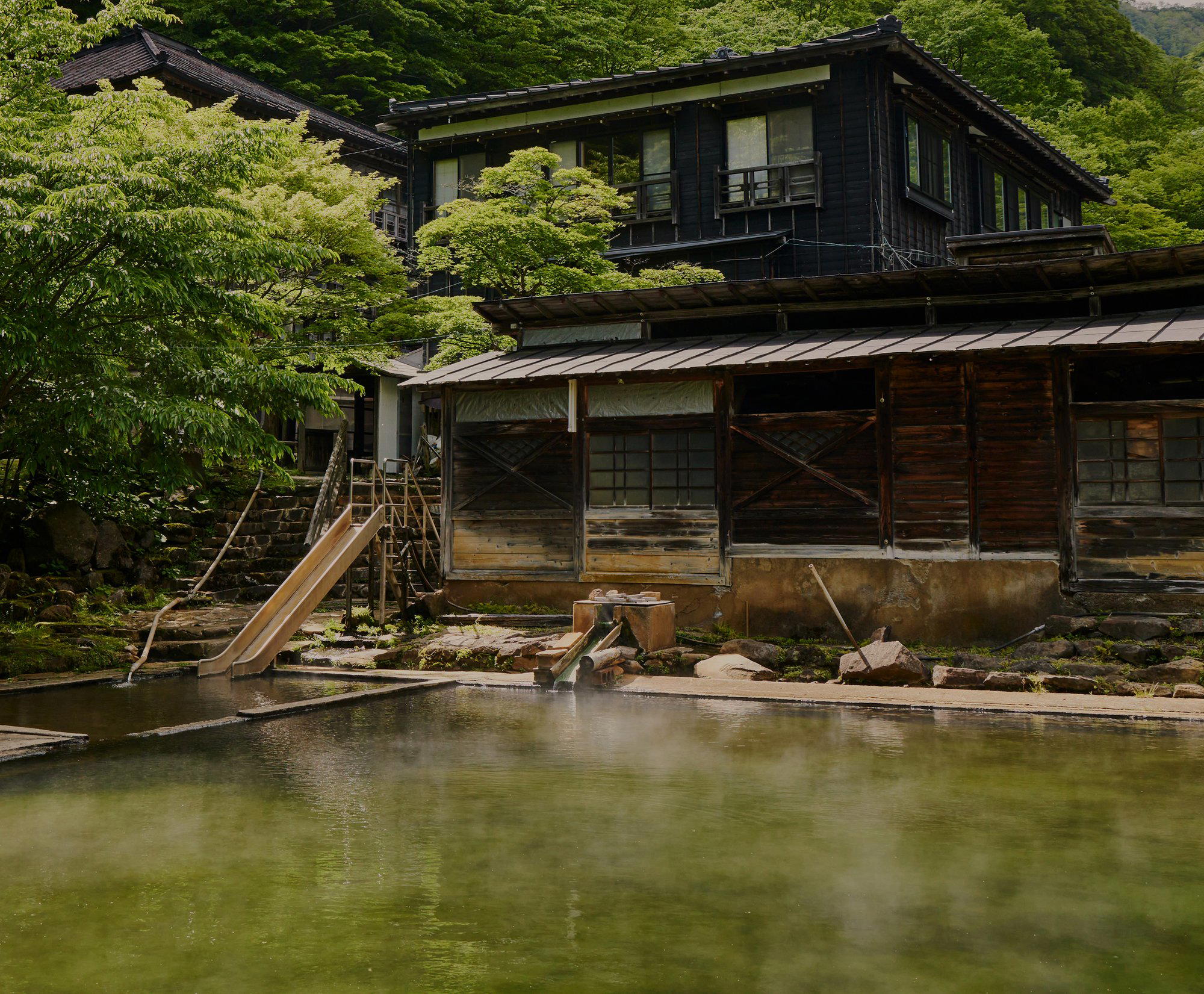
Details
- Classic
- Rustic
- Cozy
- Casual Hangout
- Family
- Local Sourcing
- A La Carte
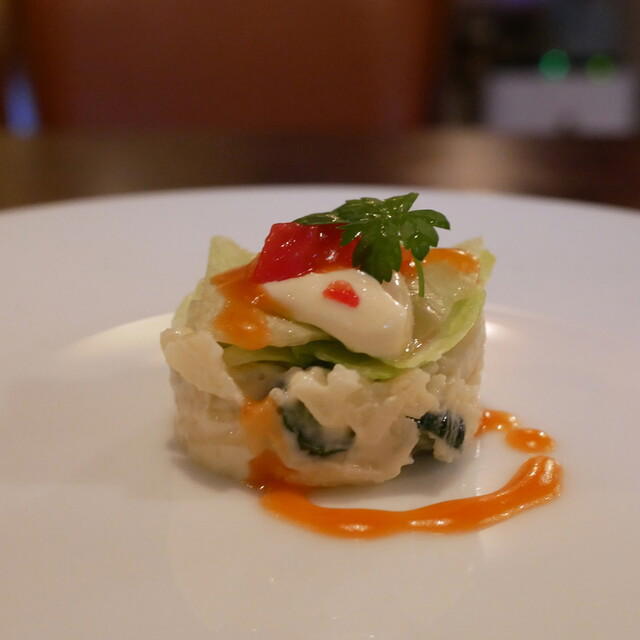
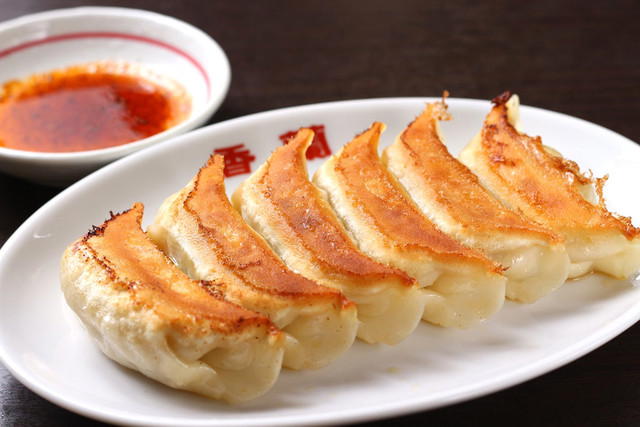
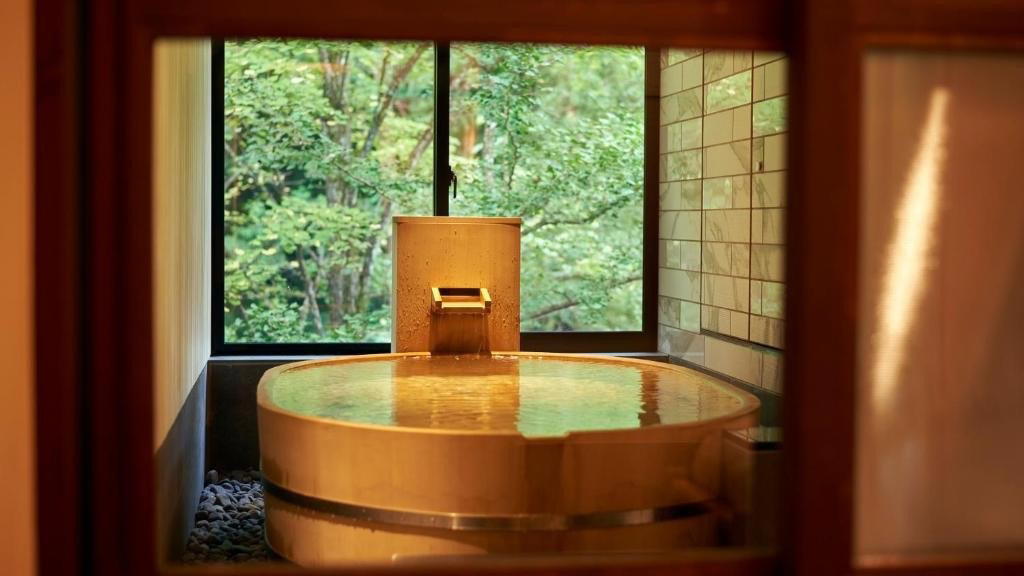
Traditional Japanese with tatami seating reminiscent of grandma's house, exuding a classic and cozy atmosphere.