
Tabelog 100 #40
Our verdict
Shogetsu Himuro occupies a quiet register within Nikko's dining scene, where the rituals of the meal carry as much weight as what arrives on the plate. The name itself, suggesting moonlit frost, points toward an aesthetic of seasonal restraint that aligns with the mountain town's broader character. For travellers moving through Nikko's shrine precincts and cedar forests, it represents a deliberate, unhurried counterpoint to the area's more visited attractions.

Pearl is the En Primeur Club membership app, where members save venues, book tables and use the concierge.
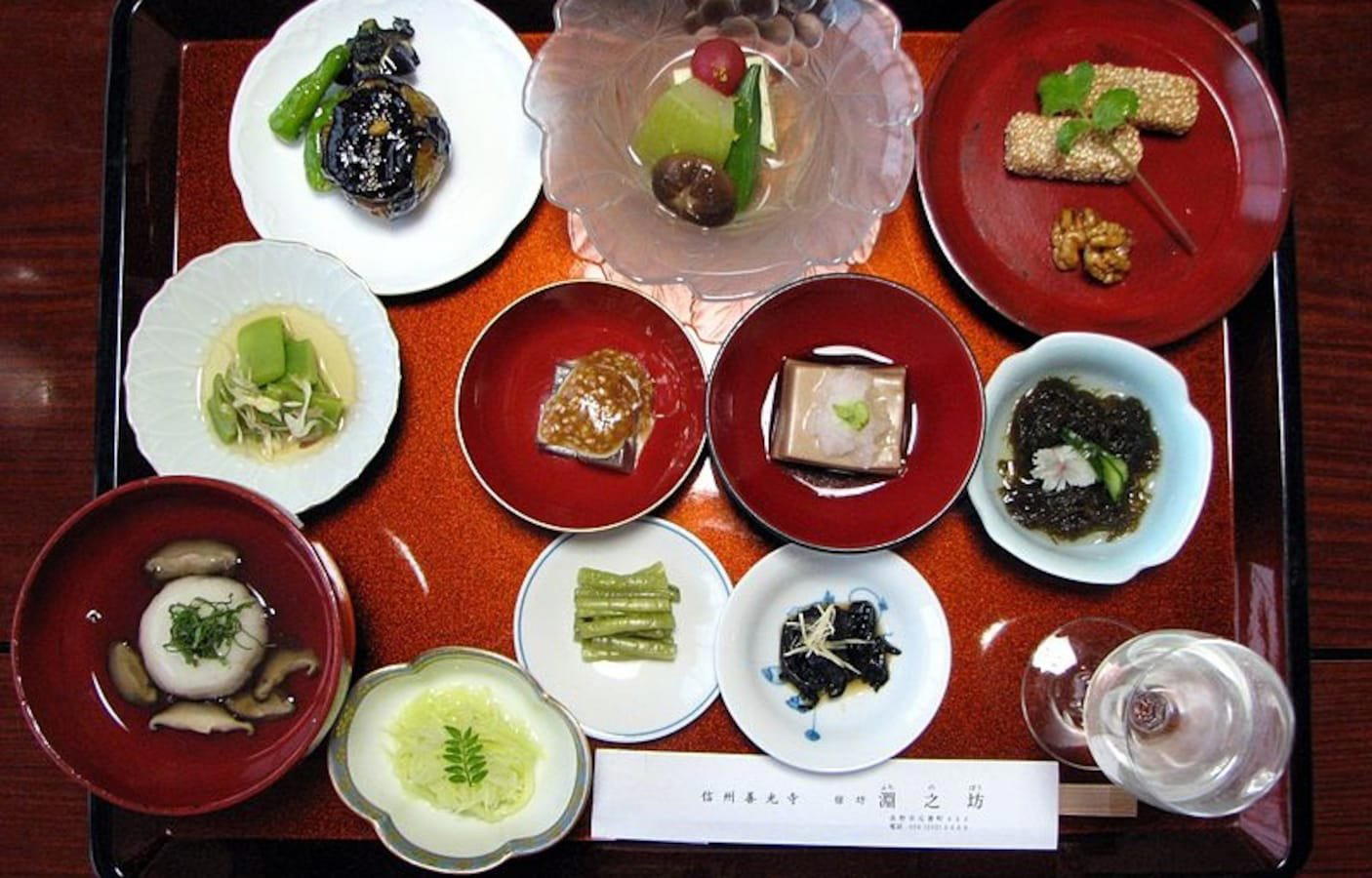
The menu
What to order
- Matcha Azuki Milk
- Ichigo Darake
- Tochi Otome Strawberry
Dining in the Shadow of the Shrines: Nikko's Ritual Table
There is a particular quality to eating well in a town defined by ceremony. Nikko's identity is inseparable from Tosho-gu and the layered rituals of Edo-period religious life, and that atmosphere of deliberate, structured experience has long shaped how the town's serious restaurants operate. Meals here tend to unfold at a pace that mirrors the approach to the shrines themselves: unhurried, sequenced, each stage given its proper weight. Shogetsu Himuro fits inside that tradition, a name that carries the imagery of moonlight and frost, seasonal, restrained, oriented toward atmosphere over spectacle.
Nikko sits roughly two hours north of Tokyo by limited express from Asakusa, and the shift in register when you arrive is immediate. The cedar-lined approach to the shrine complex, the mountain air, the relative quiet after the capital: all of it conditions how a visitor receives a meal. The dining rooms that work leading here understand this. They don't compete with the drama outside. They offer a counterpoint, composed, attentive, rooted in local ingredient logic.
The Architecture of the Meal
Japanese formal dining carries its own set of protocols that reward some advance familiarity. The kaiseki tradition, which shapes how many of Nikko's better restaurants structure their menus, is built around sequence and seasonality. A meal progresses through courses that follow a logic, from lighter, more delicate preparations toward richer, more substantial ones, with each stage reflecting the produce available at that precise moment in the calendar. This is not simply a tasting menu in the Western sense. The sequence is philosophically ordered, and the pacing is part of what you are being asked to receive.
At a table oriented around this tradition, the etiquette follows from the structure. You arrive on time. You do not rush the transition between courses. You engage with what is served as a coherent whole rather than a set of isolated dishes. The most attentive diners notice that the ceramics, lacquerware, and presentation change with the season as deliberately as the ingredients themselves. For context, Japan's kaiseki tradition has produced some of the country's most recognised restaurants: Gion Sasaki in Kyoto operates within this lineage, as does HAJIME in Osaka, which grafts French technique onto a deeply Japanese seasonal logic.
Shogetsu Himuro, as its name implies, positions itself within the aesthetic of seasonal restraint, the frost, the moon, the suggestion of something precise and momentary. That positioning matters in a town like Nikko, where the culinary conversation moves between formal kaiseki, soba traditions, and the Meiji-era Western-influenced dining that found a foothold in the area's old resort infrastructure.
Nikko's Dining Context: A Small Stage with Distinct Registers
Nikko is not a city with a deep bench of fine dining venues. Its scale and remove from the Kanto megalopolis mean that serious restaurants here occupy a particular niche: they serve a mix of domestic weekend travellers, international visitors on the shrine circuit, and a small cohort of regulars who make the journey specifically for the food. This concentration sharpens the stakes for any venue with ambitions. There is less margin for inconsistency when the table of reference is smaller.
The town's dining registers divide fairly cleanly. At one end sits the Western-style Meiji-period heritage dining represented by places like Meiji no Yakata, which draws on the old villa tradition of the area's former foreign community. At another sits the soba craft tradition, where venues like Santate Soba Nagahata represent the buckwheat-focused approach that has deep roots in Tochigi Prefecture's food culture. Between and beyond these sits a smaller group of restaurants that draw on kaiseki principles and the seasonal produce of the Nikko highlands. Shogetsu Himuro operates in this space.
For travellers building a broader picture of serious Japanese dining, the contrast with major city venues is instructive. Harutaka in Tokyo and Goh in Fukuoka both demonstrate what happens when a focused culinary vision meets a large metropolitan audience and the critical infrastructure that comes with it. Regional venues like Shogetsu Himuro operate without that scaffolding, which tends to produce either quiet excellence or quiet invisibility. The name's aesthetic signals suggest the former ambition. Similarly, venues like akordu in Nara show how heritage towns adjacent to larger cities can sustain serious tables for culturally motivated travellers.
Seasonal Timing and the Logic of the Visit
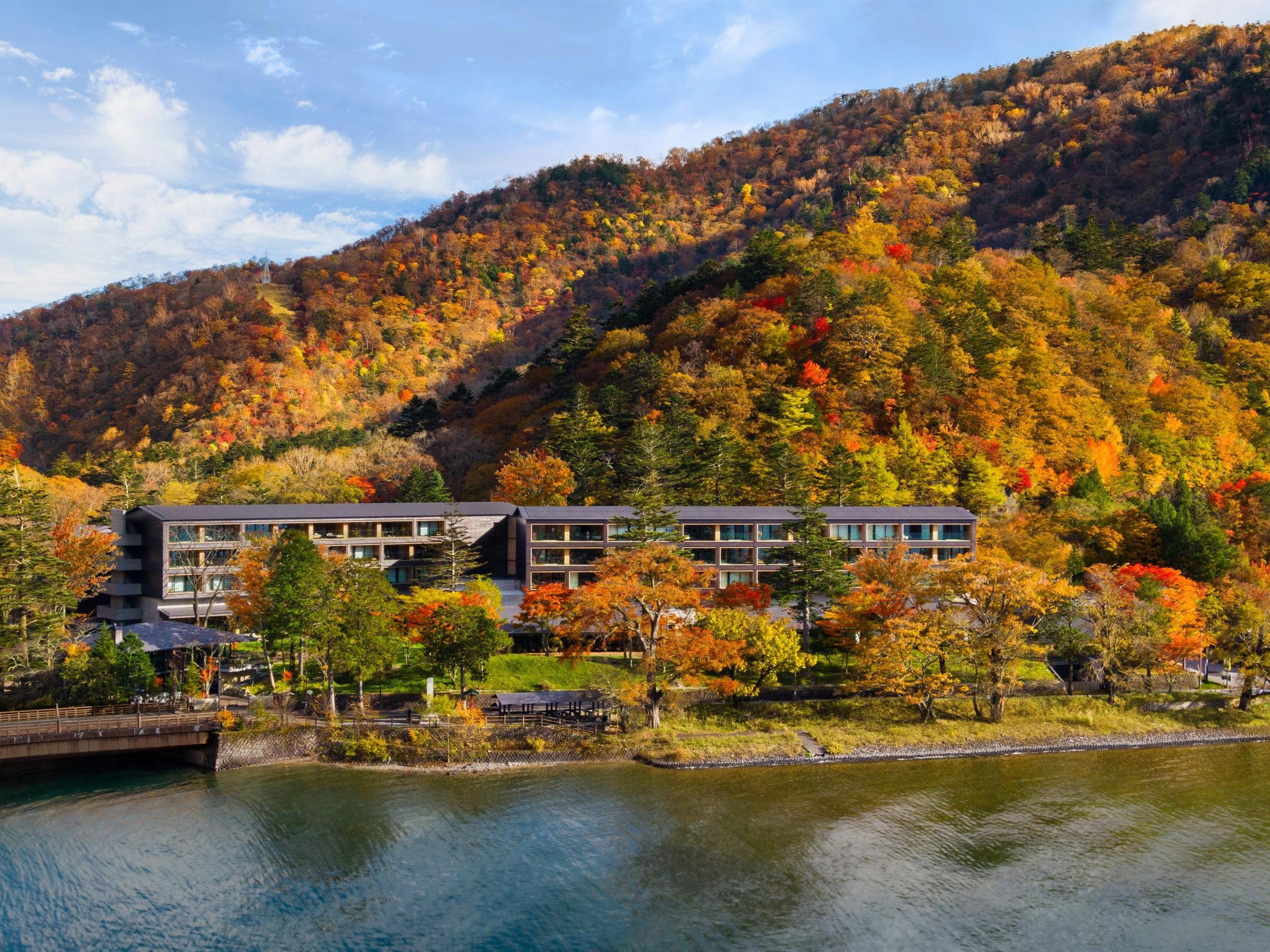
Nikko's seasons are pronounced and they directly affect both the experience of the town and the logic of its kitchens. Spring brings the cherry blossom period, when the shrine approaches fill with visitors and accommodation is under maximum pressure. Autumn, roughly mid-October through mid-November, delivers the foliage season, when the mountain forests around Lake Chuzenji turn and the town operates at its most photogenic and most crowded. Both peak seasons mean that reservations at any serious venue need to be made well in advance. The shoulder periods, particularly early spring before the cherries and late November after the foliage, offer the same ingredient quality with considerably less competition for tables.
Winter in Nikko is cold and often quiet. The highland areas see snow, and the town's character shifts toward something more stripped-back. For a restaurant oriented around seasonal restraint and frost imagery, this may in fact be the most coherent time to visit, when the external environment and the culinary approach align most directly.
For those building an itinerary across Japan's serious dining circuit, the full Nikko restaurants guide covers the range of options across price points and registers. Broader regional context can be found through venues like 一本木 石川製 in Nanao and 湖隣庵 in Takashima, both of which represent the kind of regionally rooted, smaller-city dining that rewards travellers willing to move beyond the obvious metropolitan stops. International comparators that share a commitment to ritual pacing and seasonal precision include Le Bernardin in New York City and Atomix in New York City, where the sequenced tasting format carries a comparable weight of intention.
Planning Your Visit
Specific booking details, hours, and pricing for Shogetsu Himuro are best confirmed directly, as this class of regional Japanese restaurant often does not maintain a prominent online presence and relies on phone reservations or in-person inquiry. Arriving in Nikko via the Tobu Nikko Line from Asakusa (roughly 110 minutes on the Spacia limited express) is the standard approach for Tokyo-based travellers. Accommodation in the town ranges from large resort-style hotels near Chuzenji to smaller ryokan in the shrine district, and staying overnight allows the visit to Shogetsu Himuro to sit within a broader, unhurried itinerary rather than a day-trip rush. Dress codes at this tier of Japanese dining tend toward neat casual at minimum, with formal Japanese venues expecting a step above that, particularly for evening sittings.
Frequently asked questions
Does Shogetsu Himuro offer a tasting menu format suited to first-time visitors to kaiseki dining in Nikko?
Kaiseki-style restaurants in Nikko, including Shogetsu Himuro, typically present a structured multi-course format rather than a freely ordered menu, which actually makes them well-suited to first-time visitors willing to follow the kitchen's seasonal lead. The set course removes guesswork and reflects the town's ceremonial dining culture, rooted in the traditions surrounding Nikko's shrine complex. Confirm the current course format and any available introductory options directly with the venue.
What should I order at Shogetsu Himuro?
Shogetsu Himuro sits within Nikko's kaiseki tradition, where the menu follows the season rather than fixed selections. The kitchen draws on the produce logic of the surrounding Tochigi region, so the most direct approach is to trust the set course rather than ordering à la carte. Confirm current menu structure directly with the venue, as courses at this class of regional Japanese restaurant shift with seasonal availability.
How hard is it to get a table at Shogetsu Himuro?
Nikko's pool of serious restaurants is small relative to the volume of visitors the town attracts, particularly during cherry blossom season in April and the autumn foliage peak in October and November. That imbalance puts pressure on the few formal dining rooms operating here.
What has Shogetsu Himuro built its reputation on?
Shogetsu Himuro occupies a specific register in Nikko's dining scene: formal Japanese dining calibrated to a town whose identity is defined by ceremony and layered ritual. Regional restaurants of this type build standing through consistency across seasons and the quality of their relationship with local ingredients and produce networks, rather than through high-profile urban media coverage. Its reputation rests on serving a particular kind of traveller who arrives in Nikko with intent.
Do they accommodate allergies at Shogetsu Himuro?
Kaiseki menus are structured sequences with ingredients chosen well in advance, which means allergy or dietary requirements need to be communicated at the time of booking rather than on arrival. Contact Shogetsu Himuro directly to discuss specific needs before your reservation is confirmed.
Is Shogetsu Himuro good value for money?
Formal kaiseki dining in a regional Japanese town like Nikko typically prices below comparable venues in Tokyo or Kyoto, reflecting lower operating costs and a local clientele that values restraint over spectacle.
When is the best time to visit Shogetsu Himuro?
Nikko's culinary calendar follows its seasons closely. Autumn, roughly mid-October through November, brings the foliage peak alongside mountain-season ingredients, and spring offers a different but equally purposeful menu logic tied to the cherry blossom period. Both windows are high-demand periods, so booking ahead during these months is particularly important for a venue in Nikko's limited fine dining tier.
Cuisine and Credentials
Comparable venues nearby, for context on price, style, and recognition.
| Venue | Cuisine | Price | Awards | Notes |
|---|---|---|---|---|
| Shogetsu HimuroThis venue (the venue you are viewing) | Traditional Japanese Kakigori (Shaved Ice) | $10–20 | Tabelog 100 #40 | Not listed |
| Tonkatsu Azuma | Japanese Tonkatsu | $10–20 | Tabelog 100 #78 | Hiragasaki |
| Meiji no Yakata (西洋料理 明治の館) | Yoshoku (Japanese-style Western) | $30–50 | Tabelog 100 #86 | 山内 (Yamanoeuchi, near Toshogu Shrine) |
| Uotoku | Traditional Unagi (Eel) | $30–50 | Tabelog 100 #14 | Imaichi |
| Meiji no Yakata | Yoshoku (Japanese-Western Fusion) | Not listed | Not listed | Nikko Fudoson Park |
| The Japanese Restaurant (日本料理 By ザ・リッツ・カールトン日光) | Kaiseki, Sushi & Teppanyaki | Not listed | Not listed | 中宮祠 |
Recognition history
Dated appearances from independent guides and award organizations, with the underlying list record or original source where available.
Tabelog 100 #40 · No. 40
Tabelog · Tabelog 100 - Sweets - EAST - 2023
Continue exploring
More in Nikko
Details
- Cozy
- Rustic
- Casual Hangout
- Family
- Historic Building
- Local Sourcing
- A La Carte
Current opening hours
- Monday
- Closed
- Tuesday
- Closed
- Wednesday
- Closed
- Thursday
- 11 AM–4 PM
- Friday
- 11 AM–4 PM
- Saturday
- 11 AM–4 PM
- Sunday
- 11 AM–4 PM
Hours can change for holidays and private events. Last verified .
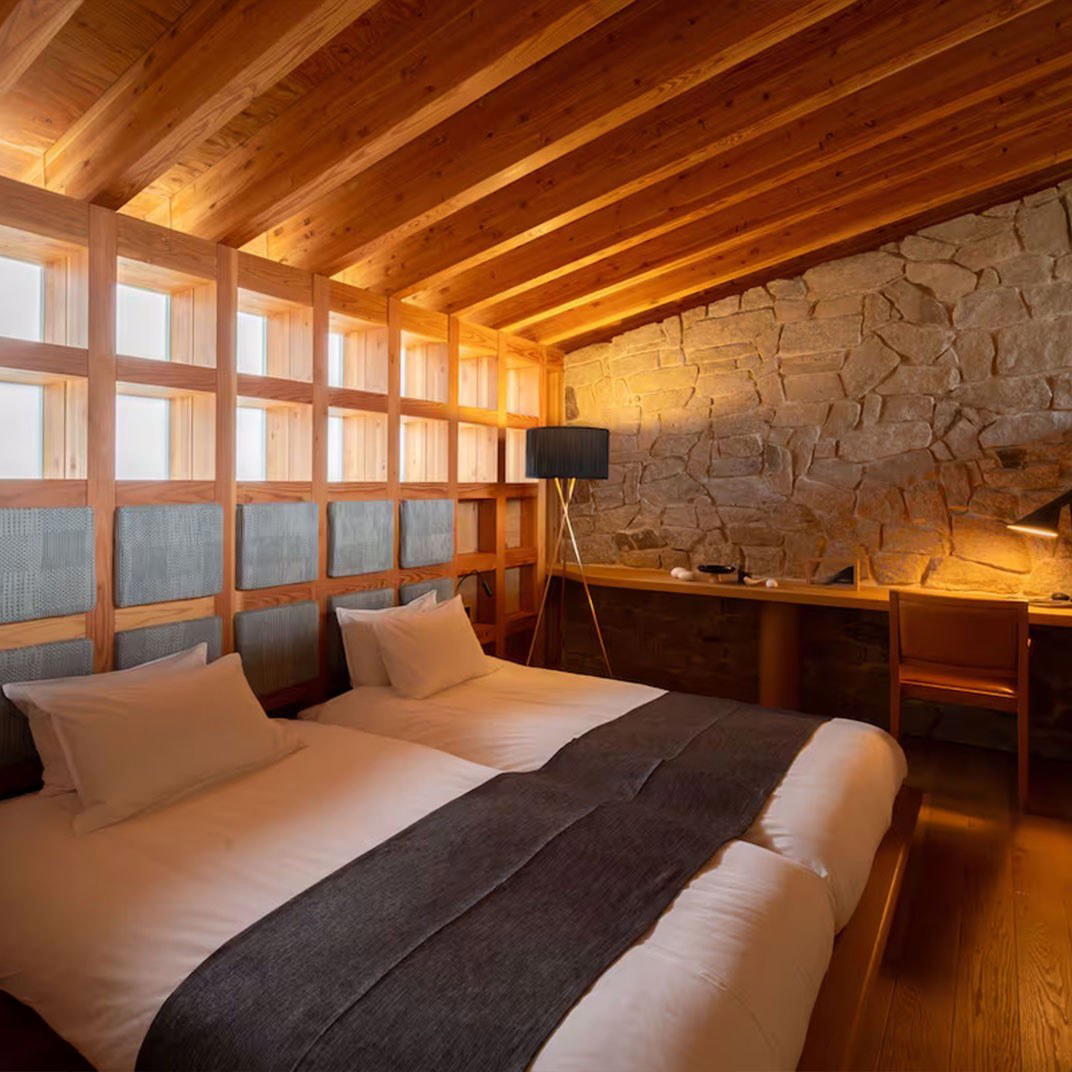
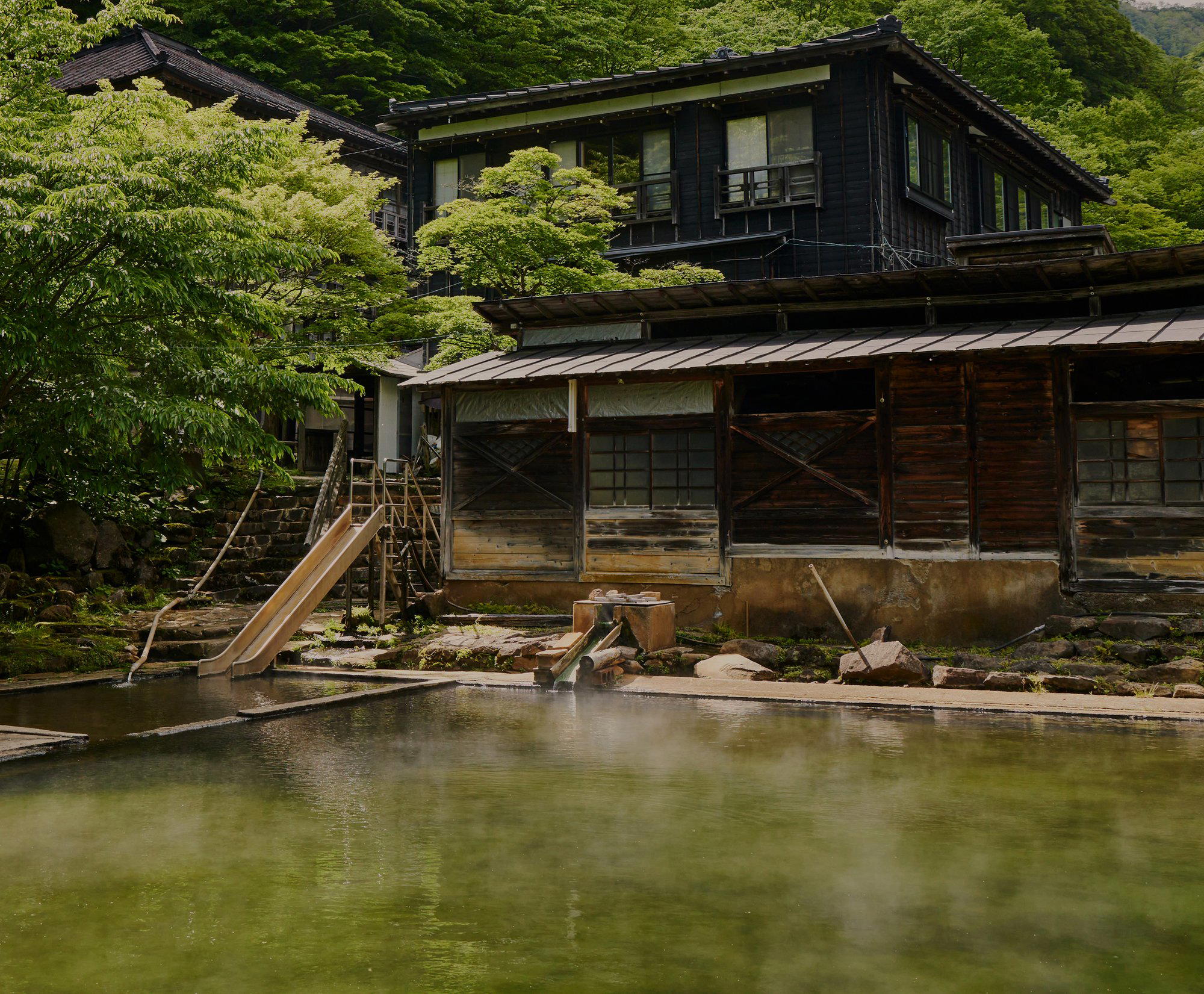
Cozy atmosphere in a historic setting with light, refreshing focus on seasonal shaved ice desserts.