
Tabelog 100 #56
Our verdict
Gourmands Wagyu puts Nikko’s mountain-destination dining into a beef-focused register, away from the city’s temple-side snack routes and classic yōshoku rooms. Its Tabelog 100 Steak / Teppanyaki EAST 2025 selection, small seating footprint, private rooms, parking, and reservation guidance make it a serious planning choice rather than a casual add-on between shrines.

Pearl is the En Primeur Club membership app, where members save venues, book tables and use the concierge.
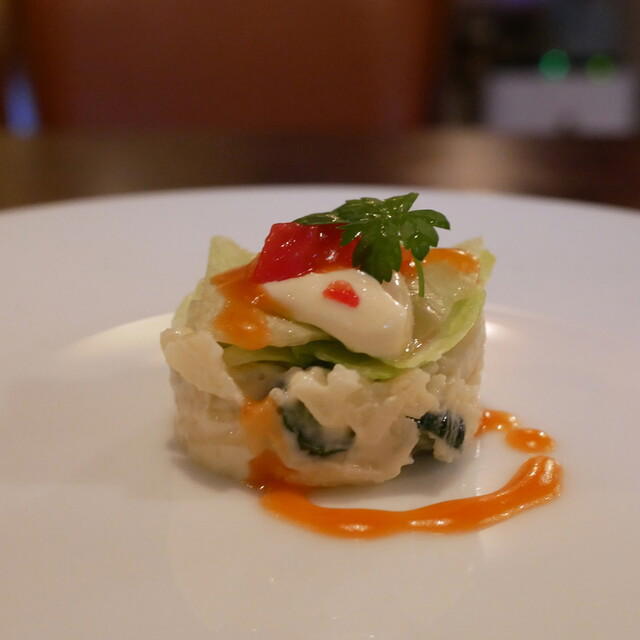
The menu
What to order
- Premium Wagyu steak course
- Maezawa beef steak
- Matsusaka beef steak
Nikko changes rhythm quickly: the shrine approach gives way to wooded roads, small lodgings, and destination restaurants that pull diners off the day-trip circuit. Here, beef has a different weight from the quick yuba bites, sweets, and station snacks many visitors associate with the city. Gourmands Wagyu belongs to this quieter Nikko: a restaurant identified with steak and hamburger steak, with the meal framed as a deliberate stop rather than a quick bite.
Nikko’s food identity is often read through Buddhist temple culture, mountain produce, and travel around Tōshō-gū. Useful, but incomplete. Japanese resort towns also develop a second register: Western-influenced dining rooms, grill houses, and set-piece restaurants for travelers who stay overnight. Beef restaurants fit that register, turning dinner into a destination decision, not fuel between cultural sites.
Wagyu in Nikko belongs to the overnight-traveler economy
Japanese beef culture is not one tradition. Sukiyaki, shabu-shabu, yakiniku, steakhouse service, and hamburger steak each carry different expectations of pacing and occasion. In a temple town, steak can appear to be an imported luxury format, but it reflects Japan’s long habit of adapting Western forms into domestic dining rituals. Hamburger steak sits especially close to yōshoku, the Japanese interpretation of Western cooking that became part of everyday and special-occasion dining rather than remaining foreign.
That matters because Nikko’s restaurant map splits by visitor tempo. Around the station and shrine routes, low-cost, quick-format eating has its place; Fudaraku Honpo Ishiya chou ten and the snack-priced end of the market serve another need. A beef meal sits elsewhere in the trip architecture, closer to longer-form dining rooms such as Main Dining Room and other Nikko institutions where the point is a composed evening, not speed.
The Tabelog 100 Steak / Teppanyaki EAST 2025 selection is a useful external signal in a category where diners often struggle to compare regional rooms with Tokyo counters and hotel grills. Its listed Tabelog score is 3.71, with published categories of steak and hamburger steak. That recognition does not make the restaurant a Tokyo substitute; it places it in eastern Japan’s steak conversation while keeping its identity tied to Nikko’s slower, stay-based dining culture.
A focused format changes how the meal should be used
The format reads as focused rather than incidental. That changes the meal’s social reading. This is not Nikko’s obvious choice for treating dinner as an afterthought. It suits guests who want a clear beef focus and a meal that can carry an anniversary, family dinner, or ryokan-adjacent evening without needing to be part of a hotel restaurant.
There is a practical cultural point, too: Japan’s higher-end steak restaurants often rely on restraint rather than spectacle. The product is central, but the room should remain orderly. Experienced diners will read the category clearly. The meal is not built around performative luxury; it is built around control, consideration, and the expectation that the beef itself should do most of the work.
For families, the signal is nuanced. The price tier makes behavior and timing matter. A family seeking a celebratory beef meal after temples will read this differently from one looking for a casual post-hike stop. Myogetsu Bo, by comparison, occupies a different mood within Nikko; the choice is less about a simple hierarchy than how much structure the evening needs.
How to place it in a Nikko itinerary
The restaurant is in Nikko, and the strongest use case is an overnight Nikko itinerary: temples and walking by day, then a deliberate dinner away from the fastest visitor rhythms. Lunch can work for travelers building the day around a beef-focused meal, but the format reads more naturally as the anchor of a slower day rather than a quick stop between sights.
Planning should be treated as part of the process rather than an afterthought. That matches Nikko’s uneven visitor demand, especially when weekends and holiday periods compress popular dining windows. Travelers building a tight temple-and-hotel schedule should consider the restaurant night before fixing the rest of the evening.
The published budget places dinner at JPY 10,000 - JPY 14,999 and lunch at JPY 8,000 - JPY 9,999. That makes Gourmands Wagyu a more deliberate spend than everyday sightseeing food, but still legible within Nikko’s destination-dining economy. For couples and small groups, the value question is not only the beef; it is whether the meal gives the trip a clear evening anchor.
For broader planning, use Our full Nikko restaurants guide to separate shrine-area daytime eating from dinner-led restaurants, and pair it with Our full Nikko hotels guide if the meal is part of an overnight stay. Nikko’s drinking and after-dinner scene is quieter than its sightseeing reputation, but Our full Nikko bars guide, Our full Nikko wineries guide, and Our full Nikko experiences guide help map the trip around the city’s slower evening pace.
Readers comparing Japanese beef formats beyond Nikko can think of Gourmands Wagyu as one expression of a much broader national conversation: steak, hamburger steak, sukiyaki, grills, counters, and dining rooms all frame beef differently. For Nikko itself, the more useful comparison is local tempo. Some meals serve daytime sightseeing; others, including Gourmands Wagyu, are built to make dinner the center of the evening.
Frequently asked questions
Is Gourmands Wagyu a family-friendly restaurant?
It can suit families planning a more deliberate meal in Nikko, especially when the group is looking for steak or hamburger steak rather than a quick sightseeing snack.
Is Gourmands Wagyu better for a quiet night or a lively one?
It reads more as a quiet dinner spot than a lively room. The venue is best understood as a focused beef restaurant in Nikko.
What price level is Gourmands Wagyu?
Dinner is listed at JPY 10,000 - JPY 14,999, and lunch is listed at JPY 8,000 - JPY 9,999.
What is Gourmands Wagyu known for?
Gourmands Wagyu is known in Nikko for steak and hamburger steak, with a Tabelog 100 Steak / Teppanyaki EAST 2025 listing and a published score of 3.71.
A Pricing-First Comparison
Nearby venues at a similar price tier for orientation.
| Venue | Cuisine | Price | Awards | Notes |
|---|---|---|---|---|
| Gourmands WagyuThis venue (the venue you are viewing) | Wagyu Steakhouse Set Menu | $50–100 | Tabelog 100 #56 | Not listed |
| Meiji no Yakata (西洋料理 明治の館) | Yoshoku (Japanese-style Western) | $30–50 | Tabelog 100 #86 | 山内 (Yamanoeuchi, near Toshogu Shrine), Yoshoku (Japanese-style Western) |
| Santate Soba Nagahata | Traditional Soba Noodles | $10–20 | Not listed | Nagahata, Traditional Soba Noodles |
| The Japanese Restaurant (日本料理 By ザ・リッツ・カールトン日光) | Kaiseki, Sushi & Teppanyaki | Not listed | Not listed | 中宮祠, Kaiseki, Sushi & Teppanyaki |
| Myogetsu Bo | Grill & Steak | $50–100 | Tabelog 100 #66 | Sannai, Grill & Steak |
| Main Dining Room | Classic French with Japanese influences in a historic hotel dining room | $50–100 | Tabelog 100 #95 | Nikko, Classic French with Japanese influences in a historic hotel dining room |
Recognition history
Dated appearances from independent guides and award organizations, with the underlying list record or original source where available.
Tabelog 100 #56 · No. 56
Tabelog · Tabelog 100 - Steak / Teppanyaki - EAST - 2025
Continue exploring
More in Nikko
Restaurants in Nikko
All restaurants in Nikko →
Details
- Elegant
- Cozy
- Intimate
- Classic
- Special Occasion
- Date Night
- Business Dinner
- Group Dining
- Standalone
- Private Dining
- Local Sourcing
- Set Menu
- A La Carte
Current opening hours
- Monday
- 11 AM–2 PM, 5:30–7:30 PM
- Tuesday
- 11 AM–2 PM
- Wednesday
- Closed
- Thursday
- 11 AM–2 PM, 5:30–7:30 PM
- Friday
- 11 AM–2 PM, 5:30–7:30 PM
- Saturday
- 11 AM–2 PM, 5:30–7:30 PM
- Sunday
- 11 AM–2 PM, 5:30–7:30 PM
Hours can change for holidays and private events. Hours as of .
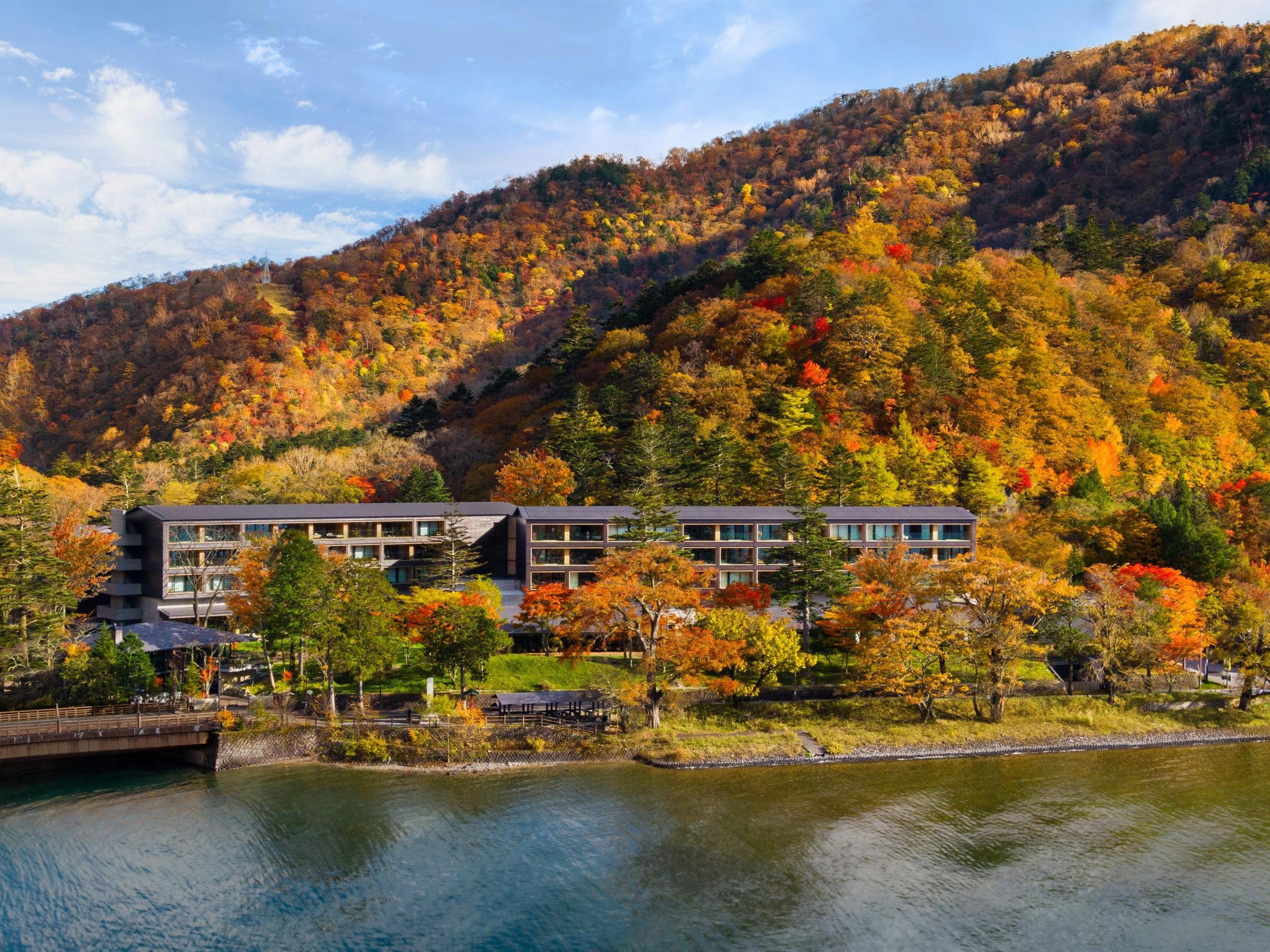
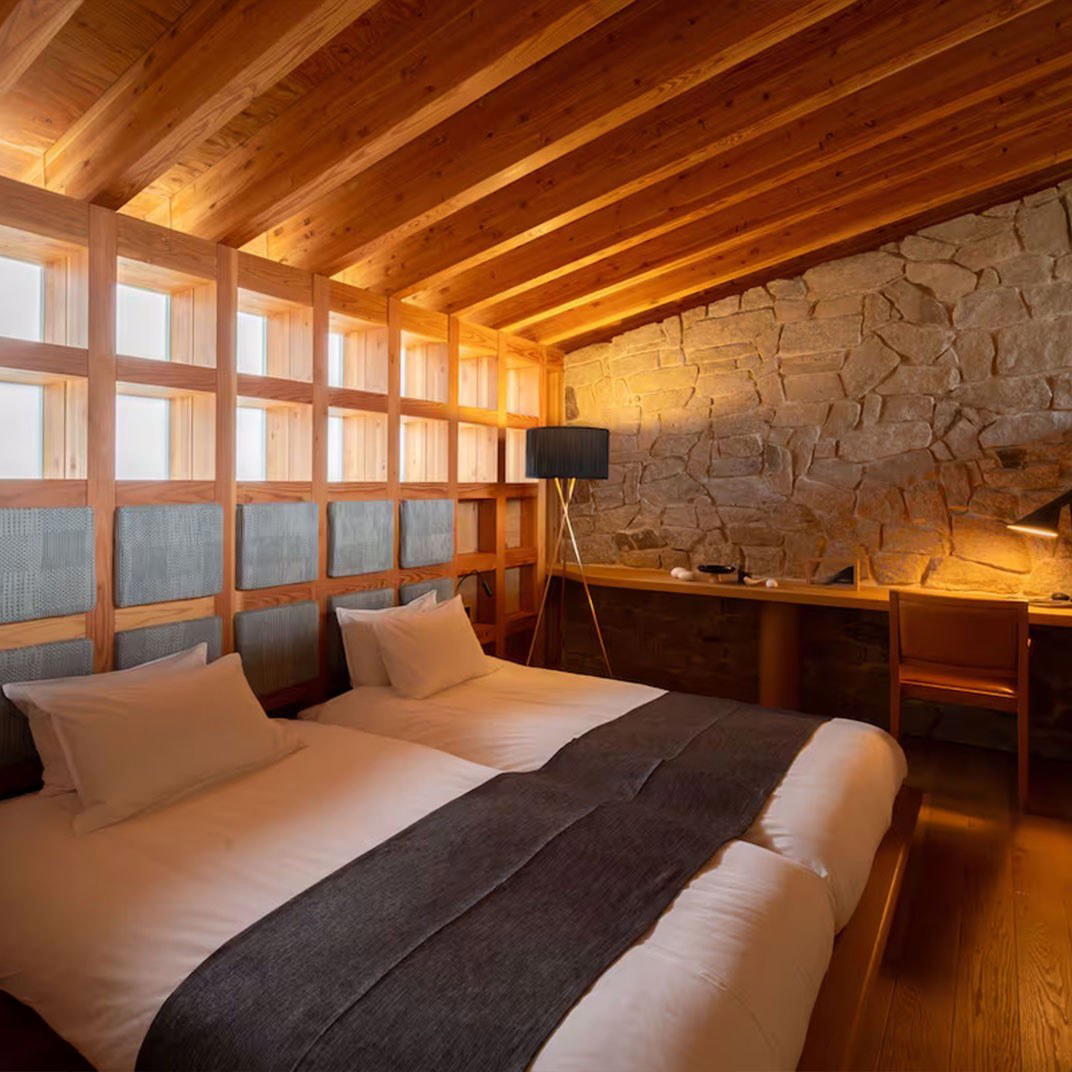
Refined but relaxed Japanese steakhouse atmosphere with a small number of tables, attentive course service, and a focus on savoring premium Wagyu in a calm setting rather than a loud teppanyaki show.