
Tenkyoya Genpei brings Nikko’s soba culture into a rural, ingredient-led register, pairing buckwheat noodles with tempura rather than temple-town spectacle. Its selection for Tabelog 100 Soba EAST 2025 places it among eastern Japan’s serious soba addresses, while the setting in Kiwadashima makes it a meal to plan around rather than a casual pause between shrines.
Pearl is the En Primeur Club membership app — saves, bookings, and concierge access live there. Same editors, same standards.
- Address
- 栃木県日光市木和田島2505-4
- Phone
- +81288264675
- Website
- park2.wakwak.com
 Saves & bookings on Pearl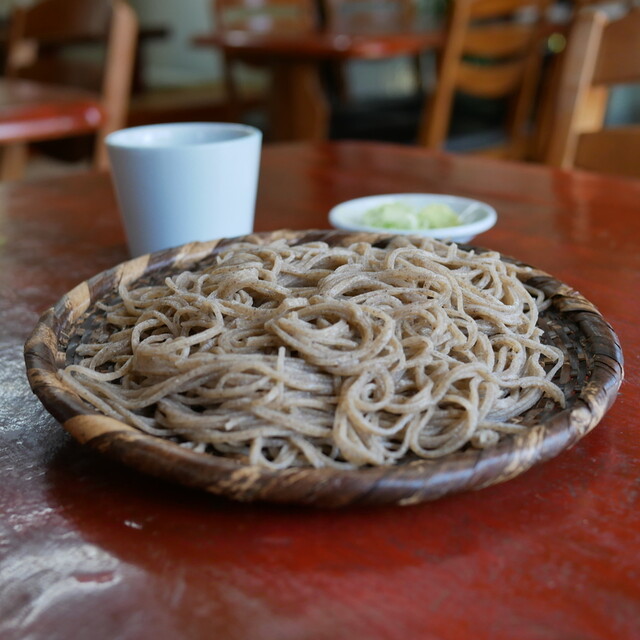
The approach to Nikko’s rural dining rooms changes the expectations before the first bowl arrives. Away from the shrine precinct and the hotel dining circuit, the city’s food culture becomes quieter, more agricultural, and more dependent on the disciplines that make simple cooking persuasive: milling, water, frying oil, temperature, and timing. Tenkyoya Genpei belongs to that register. It is a house-style soba restaurant in Kiwadashima, where buckwheat noodles and tempura carry the argument without theatre.
Nikko is often read through its temples, cedar avenues, and Western-influenced resort history, but the local table is broader than that. The city sits within Tochigi, a prefecture with deep noodle habits and a climate that suits buckwheat cultivation in the wider region. Soba here is not a luxury performance in the Tokyo counter sense. It is a rural craft, judged by restraint: noodle texture, dipping broth balance, tempura lightness, and whether the meal feels anchored to place rather than polished for visitors.
Rural soba in Nikko depends on restraint, not spectacle
The serious soba room has little room for disguise. Buckwheat can turn dull when overhandled, and tempura becomes heavy when a kitchen chases abundance over precision. That is why ingredient sourcing matters in this category. The appeal is not a long menu or a chef’s biography; it is the relationship between local appetite, handmade noodle culture, and the produce-driven side of Japanese lunch cooking.
Tenkyoya Genpei’s recognition in Tabelog 100 Soba EAST 2025 gives the restaurant a clear credential within a crowded eastern Japan category. The same award history also includes selections in 2024 and 2022, which matters because soba ranking culture rewards consistency more than novelty. In a city where many meals are built around tourism flow, repeat recognition for a focused soba-and-tempura format signals a kitchen operating for diners who care about the craft itself.
The comparison inside Nikko is instructive. Uotoku and Tonkatsu Azuma sit in a higher local spend band, while Sakaeya occupies a lighter snack-and-quick-meal lane. Kouraku, outside the immediate metro frame, is closer on price. Tenkyoya Genpei occupies a different editorial category from all of them: a low-cost, craft-specific soba meal whose value depends on execution rather than portion size or setting. For readers mapping a day of eating, it works less as a replacement for Western dining rooms such as Meiji no Yakata, Main Dining Room, or Lakehouse, and more as the local counterweight to that resort-era Nikko narrative.
Why the tempura pairing matters in a buckwheat town
Soba with tempura is a familiar Japanese pairing, but in a rural context it is also a test of sourcing logic. Noodles express grain and water; tempura expresses the market basket and the kitchen’s control of batter and heat. The two together create a compact picture of place when handled plainly. That is the point here: the meal should not need a luxury frame to justify attention.
For visitors who usually build Nikko around shrine access and hotel reservations, this kind of restaurant changes the itinerary. It asks for a daytime food plan and a willingness to leave the most trafficked corridor. That is also what separates serious regional dining from convenient sightseeing meals. A soba lunch in Kiwadashima says more about how locals eat than another polished dining room near the heritage core.
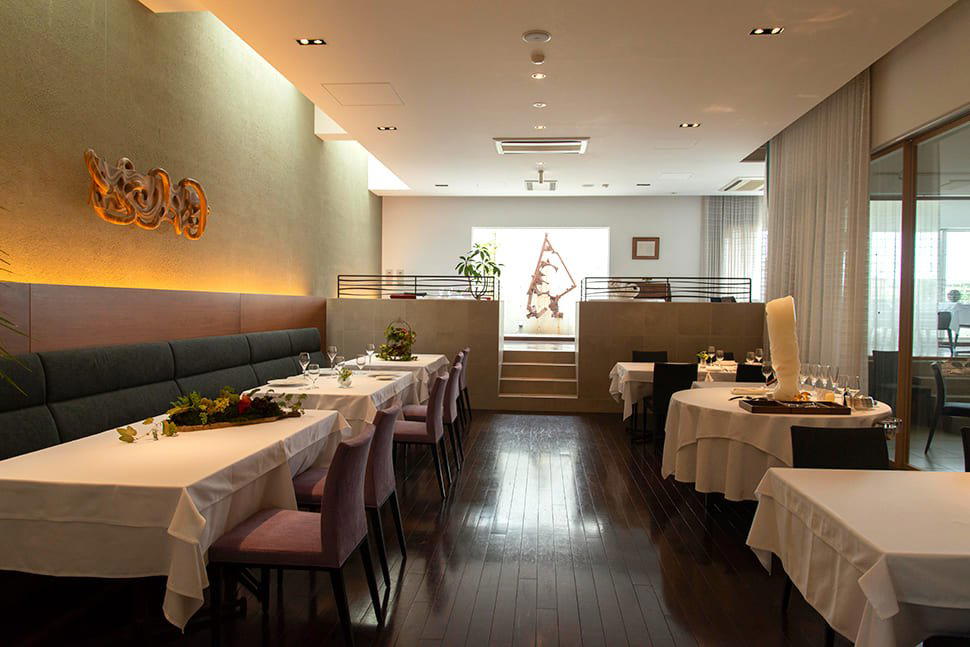
The room’s format supports that reading. Seating is split between tables and raised tatami-style areas, which keeps the experience closer to a family soba house than a chef-led destination counter. Children are welcome, and a kids’ menu is listed, so the restaurant sits within a local social pattern rather than a hushed tasting-menu culture. That does not make it casual in the sense of careless. In Japan, soba houses often reserve their seriousness for the bowl.
Readers building a wider Nikko food day can pair this stop with confectionery or beef-focused addresses depending on appetite. Fudaraku Honpo Ishiya chou ten gives a different view of local snack culture, while Gourmands Wagyu moves the day toward a richer protein-led meal. For the broader city edit, use Our full Nikko restaurants guide, then cross-check sleep, drinking, wine, and cultural planning through Our full Nikko hotels guide, Our full Nikko bars guide, Our full Nikko wineries guide, and Our full Nikko experiences guide.
A practical choice for diners who value craft over ceremony
The strongest case for Tenkyoya Genpei is not luxury. It is specificity. Nikko has enough visitor-facing dining to fill an easy weekend, but soba of this type rewards diners who care about the base materials of Japanese cooking. Buckwheat noodles, tempura, non-smoking dining, tatami seating, and a family-friendly setup make the restaurant accessible, while the Tabelog 100 Soba EAST selection places it in a more serious craft conversation than the modest format suggests.
The trade-off is convenience. Kiwadashima is not the part of Nikko most travelers drift into by accident, and the restaurant is better suited to diners with a car or a deliberate transit plan. That friction is part of the editorial read: meals outside the shrine-and-station pattern often reveal the city’s everyday food intelligence more clearly than the addresses built around foot traffic.
For travelers extending the Japan dining map beyond Nikko, the contrast is useful. Beef-led meals such as -Grilled beef Sukiyaki- KAMAKURA TANUKIAN 鎌倉 たぬき庵 in Kamakura, Tokyo izakaya formats such as. 鮪と炭火焼き うお炭 秋葉原店 in Tokyo, coffee stops like.cafe in Osaka, regional modern dining such as.know in Kumamoto, and casual specialists including (Shoku) Vietnam in Kawasaki, [Curry Senmon Ten] Maruyama Kyoju. in Sapporo, Jōdo Saké Bar in Los Angeles, and Onigiri Time in Pasadena all show how focused formats travel across cities. In Nikko, soba remains the cleaner lens: grain, water, frying, and patience, without the need for ornament.
Side-by-Side Snapshot
Comparable venues by cuisine and price in the same metro.
| Venue | Cuisine | Price | Awards | Notes |
|---|---|---|---|---|
| Tenkyoya GenpeiThis venue — the venue you are viewing | Traditional Soba & Tempura | $ | , | |
| Sakaeya | Traditional Japanese sweets & age yuba manju shop | $ | , | .null |
| Shogetsu Himuro | Traditional Japanese Kakigori (Shaved Ice) | $$ | , | Imaichi |
| Santate Soba Nagahata | Traditional Soba Noodles | $$ | , | Nagahata |
| Meiji no Yakata (西洋料理 明治の館) | Yoshoku (Japanese-style Western) | $$$ | , | 山内 (Yamanoeuchi, near Toshogu Shrine) |
| 三たてそば 長畑庵 | 三たて蕎麦 | $ | , | 長畑 |
Continue exploring
More in Nikko
Restaurants in Nikko
Browse all →
At a Glance
- Cozy
- Classic
- Rustic
- Hidden Gem
- Solo
- Family
- Casual Hangout
- Group Dining
- After Work
- Standalone
- Local Sourcing
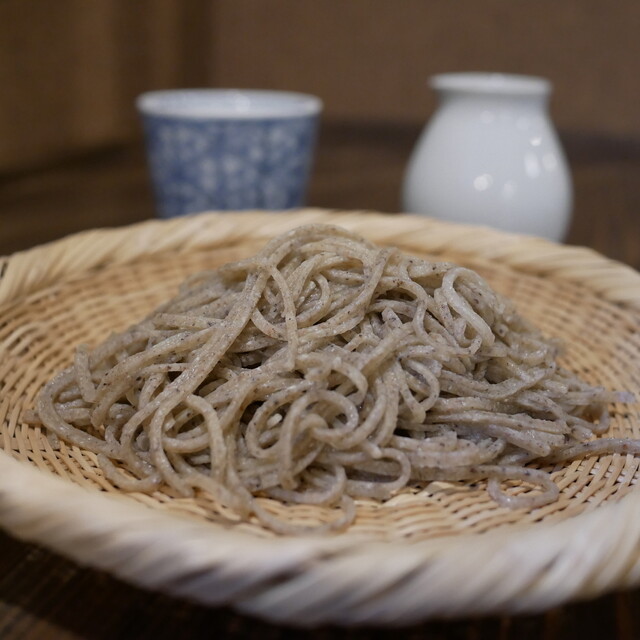
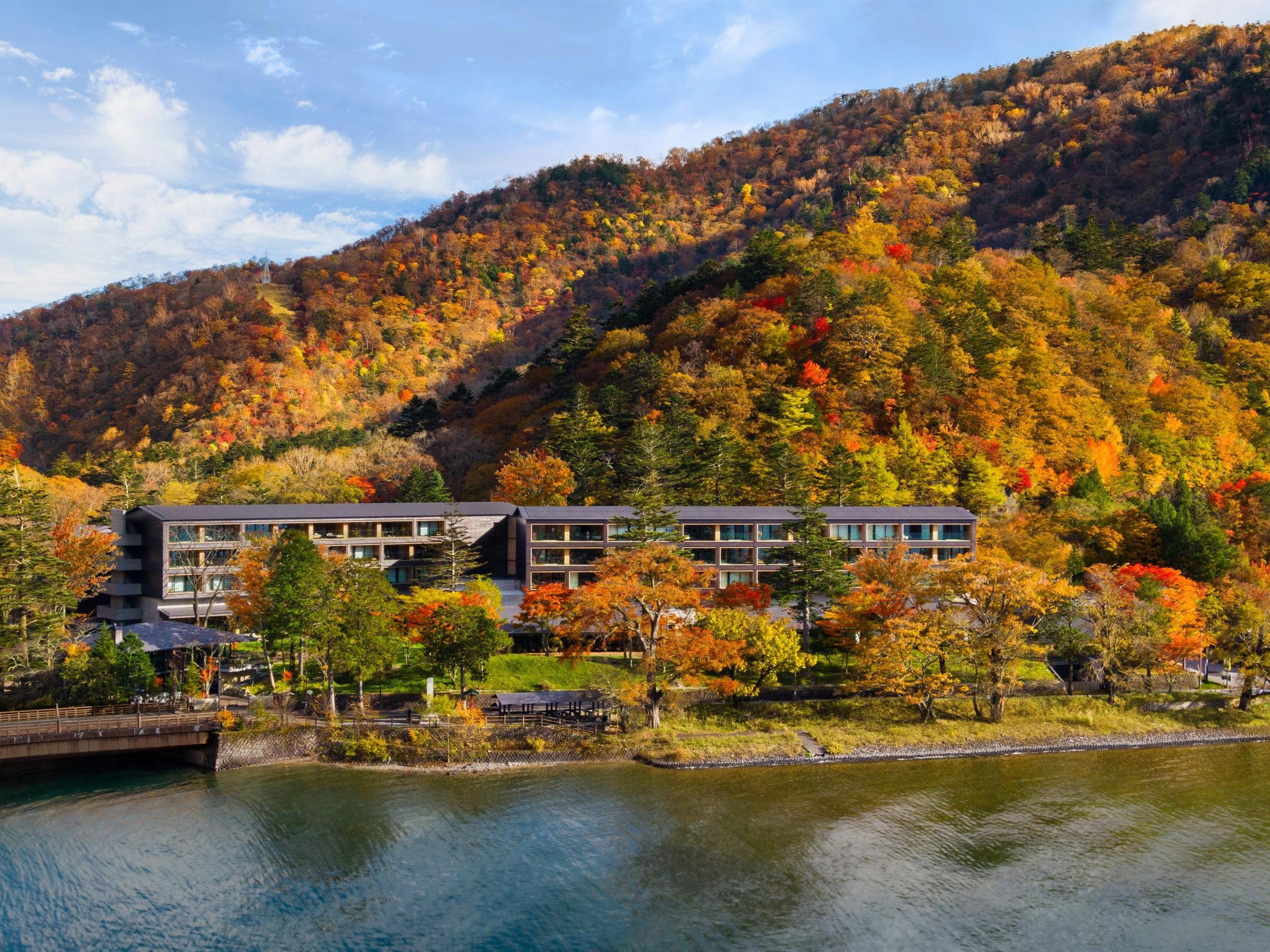
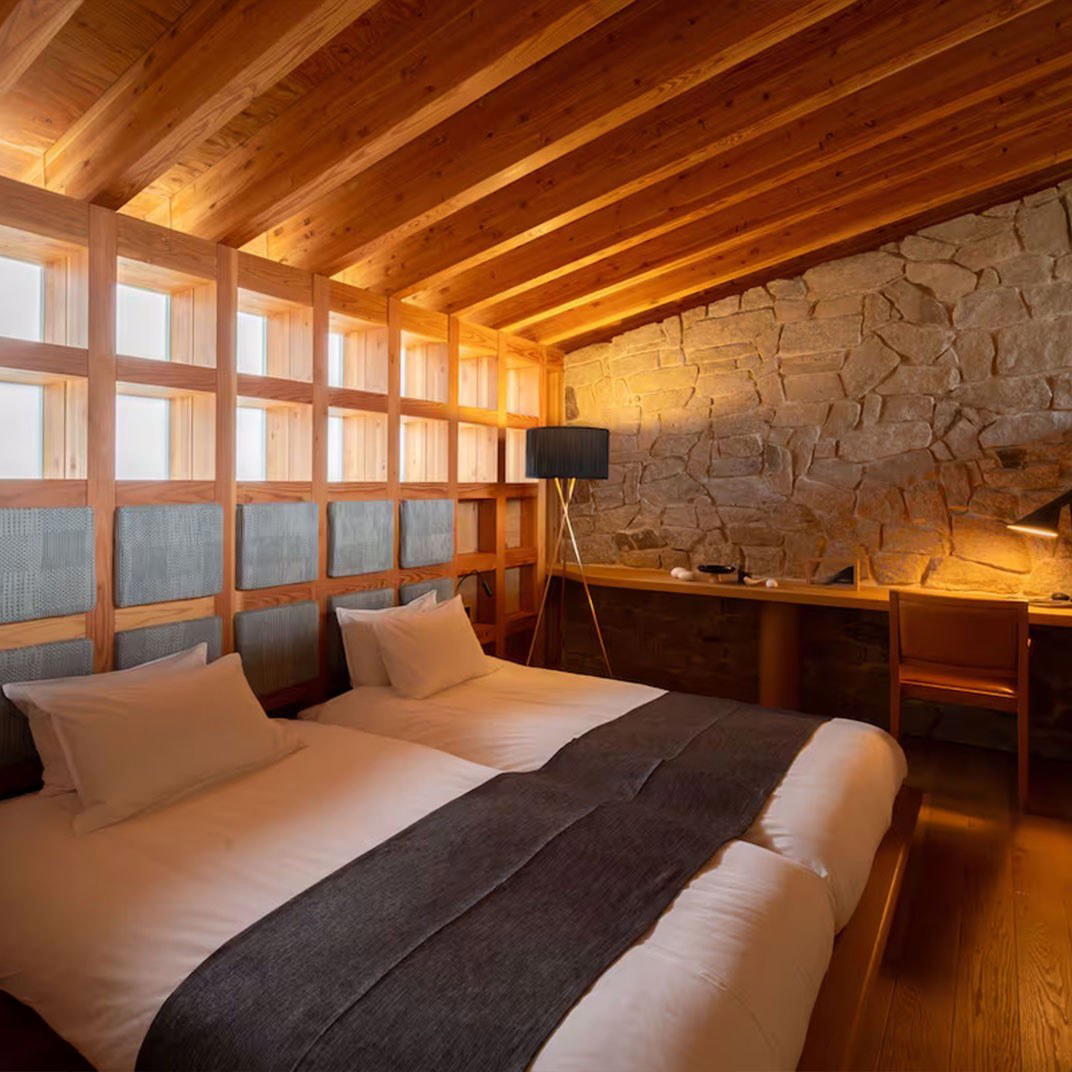
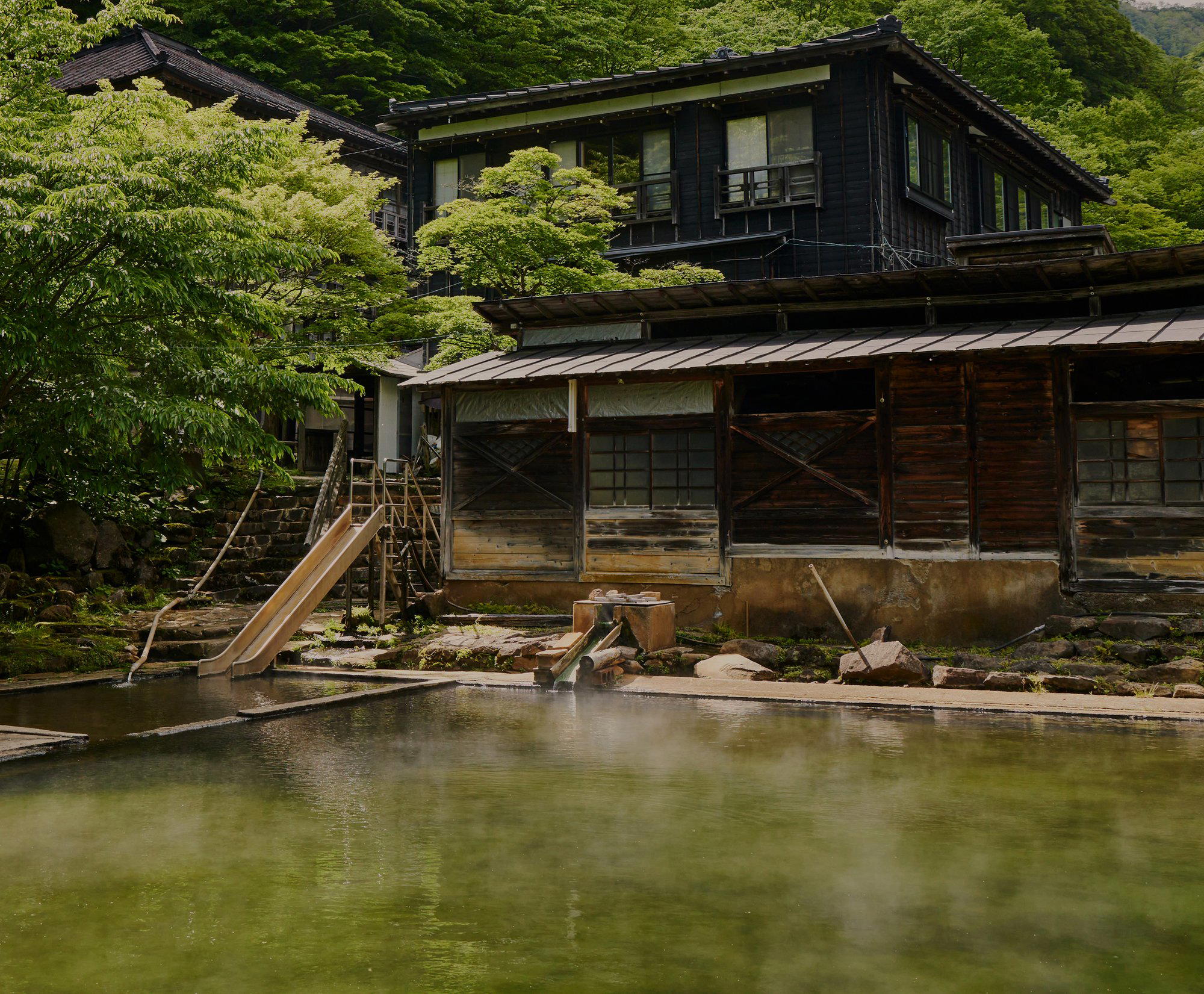
The restaurant occupies a standalone house in the countryside, with simple wooden tables and raised tatami seating that create a relaxed, home-style feel; reviews describe a comfortable, family-friendly atmosphere where guests linger over freshly made soba rather than a hurried meal.