Google: 4.8 · 60 reviews
.png)
A French restaurant occupying the second floor of a Nakagyo Ward building, Luca holds a 2025 Michelin Plate and a Google rating of 4.7 from 49 reviews. Chef Robert Chambers constructs progressive menus where composition, aroma, and texture shift across courses. At the ¥¥¥ price tier, it occupies a considered middle ground in Kyoto's competitive Western-cuisine field.
 Discover on Pearl
French Precision in Kyoto's Nakagyo Quarter
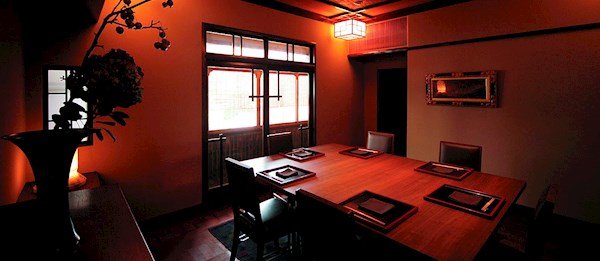
Climbing to the second floor of a low-rise building on Takamiyacho, you arrive at a dining room that announces itself through restraint rather than spectacle. Nakagyo Ward sits at the geographic and commercial centre of Kyoto, flanked by Nishiki Market to the south and the business corridors running toward Karasuma. The neighbourhood draws a mix of locals and well-oriented visitors, which means a restaurant here competes quietly but seriously — against the kaiseki tradition that dominates Kyoto's upper dining tier, and against a growing cluster of European-trained kitchens that have planted themselves in the city over the past decade.
Kyoto's relationship with French cuisine is longer and more layered than it first appears. The city's insistence on seasonal precision, its preference for restraint in presentation, and its deeply embedded culture of craft have made it a natural counterpart to classical French technique. Where Tokyo's French scene tends toward scale and showmanship, Kyoto's equivalent operates with fewer seats, less noise, and a closer alignment to the hospitality values of omotenashi — the idea that service anticipates rather than reacts. Luca, holding a 2025 Michelin Plate, belongs to this quieter current.
The Logic of the Meal
The Michelin Plate designation signals a kitchen cooking at a consistent standard without yet carrying the star weighting of the city's most decorated addresses. In Kyoto, that tier includes a range of Western kitchens operating across French and Italian registers. At the ¥¥¥ price point, Luca sits alongside venues like cenci in the mid-tier Western category, below the ¥¥¥¥ kaiseki houses such as Gion Sasaki and Ifuki that anchor the city's upper bracket, and in productive tension with fellow French tables including Droit and la bûche.
What the awards data and guest reviews (4.7 across 49 ratings) together suggest is a kitchen with a coherent point of view on progression. The amuse-bouche, described in the venue's own recognition material as arranged to evoke sunlight, establishes the compositional logic early: each plate is constructed as a set of elements rather than a single dominant ingredient. Aroma, texture, and taste are treated as variables that modulate as the meal advances , a structuring principle more common in kaiseki than in classical French cooking, and one that makes sense for a kitchen working in Kyoto rather than Lyon.
The name Luca derives from the Latin lux, meaning light, filtered through the name Lucas, meaning bringer of light. The choice is architectural as much as sentimental: it frames the dining experience as something oriented toward warmth and clarity rather than theatrical darkness. In a city where restaurant names frequently carry layers of allusion, this one leans toward the explicit.
Sourcing, Seasonality, and the Kyoto Context
The editorial angle worth examining at any French restaurant in Japan is how the kitchen handles the gap between European culinary grammar and Japanese ingredient seasons. Kyoto's proximity to the Nishiki market network, the farming villages of the Tamba plateau, and the seafood lines running through Osaka Bay means a kitchen working here has access to produce cycles that don't map neatly onto a French seasonal calendar. The kitchens that have earned sustained recognition in this city , including Hiramatsu Kodaiji and La Biographie , tend to treat French technique as a method applied to local sourcing rather than an imported product delivered intact.
Across Japan's French dining scene more broadly, the pressure toward ethical sourcing and reduced waste has intensified over the past several years, shaped partly by the country's existing culture of ingredient respect and partly by the influence of chefs who have trained in Scandinavian or British kitchens where zero-waste frameworks became structural. The commitment to whole-ingredient use and proximity sourcing isn't a marketing position in this context , it's a production logic that also happens to reduce cost and improve consistency. A kitchen like Luca's, operating at ¥¥¥ rather than the higher tier where larger budgets absorb waste more easily, has a practical incentive to follow the same path.
Comparative context helps here. HAJIME in Osaka, operating at a higher price tier with three Michelin stars, has built an explicit environmental philosophy into its structure. akordu in Nara, working with Basque techniques and local Yamato vegetables, treats proximity as a defining constraint. Luca's position in this regional map , a French kitchen in Kyoto at a considered price point, holding Michelin recognition , places it in a peer group where such thinking is increasingly the baseline expectation rather than the differentiator.
Kyoto's Western Kitchen Field
Kyoto now supports a credible French and broader European dining tier that has developed mostly in the last fifteen years. The city's visitor profile , high-end, culturally curious, often returning , creates demand for Western cooking that can hold its own against the kaiseki tradition rather than simply offering an alternative for those who want a break from it. The emergence of venues with Michelin recognition across French, Italian, and contemporary European categories reflects that demand hardening into a sustained market.
For readers building a broader Japan itinerary, the French category connects outward: Sézanne in Tokyo operates at the higher end of the national French tier, while Hotel de Ville Crissier in Crissier offers a Swiss reference point for the classical tradition these kitchens draw from. Within Kyoto, anpeiji rounds out the Western contemporary field. Further afield in Japan, Goh in Fukuoka, 1000 in Yokohama, and 6 in Okinawa represent the range of contemporary fine dining across the country, while Harutaka in Tokyo anchors the Japanese counter format at the other end of the culinary spectrum.
For a full read of where Luca sits within its immediate city context, see our full Kyoto restaurants guide. Broader Kyoto planning resources include our Kyoto hotels guide, our Kyoto bars guide, our Kyoto wineries guide, and our Kyoto experiences guide.
Know Before You Go
- Address: 若葉ビル 2階, Takamiyacho 585, Nakagyo Ward, Kyoto 604-8056
- Cuisine: French
- Price range: ¥¥¥
- Awards: Michelin Plate (2025)
- Guest rating: 4.7 / 5 (49 Google reviews)
- Chef: Robert Chambers
- Floor: Second floor , look for the building entrance on Takamiyacho
- Booking: Contact details not publicly listed; approach via walk-in enquiry or third-party reservation platforms
Reputation First
Comparable venues for orientation, based on our database fields.
| Venue | Awards | Cuisine | Notes |
|---|---|---|---|
| Luca | The restaurant name comes from Lucas, ‘bringer of light’ in Latin, out of the ch… | French | This venue |
| Gion Sasaki | Michelin 3 Star | Kaiseki, Japanese | Kaiseki, Japanese, ¥¥¥¥ |
| cenci | Michelin 1 Star | Italian | Italian, ¥¥¥ |
| Ifuki | Michelin 2 Star | Kaiseki | Kaiseki, ¥¥¥¥ |
| Kyokaiseki Kichisen | Michelin 2 Star | Japanese | Japanese, ¥¥¥¥ |
| Kyo Seika | Michelin 1 Star | Chinese | Chinese, ¥¥¥ |
Continue exploring
More in Kyoto
Restaurants in Kyoto
Browse all →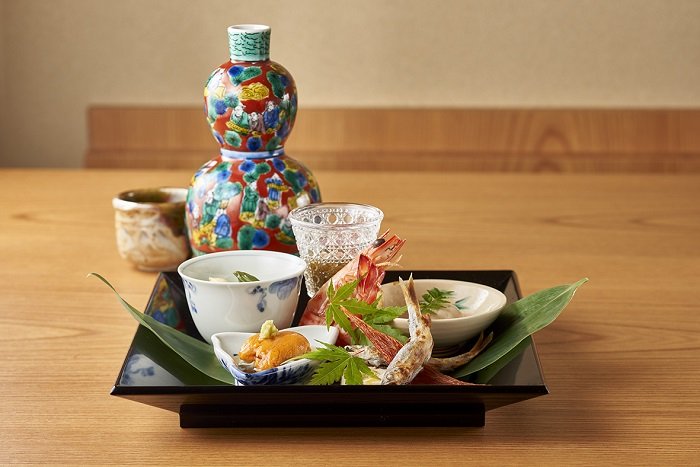
Bars in Kyoto
Browse all →
Hotels in Kyoto
Browse all →
Wineries in Kyoto
Browse all →
At a Glance
- Elegant
- Intimate
- Sophisticated
- Cozy
- Modern
- Date Night
- Special Occasion
- Open Kitchen
- Sake Program
- Local Sourcing
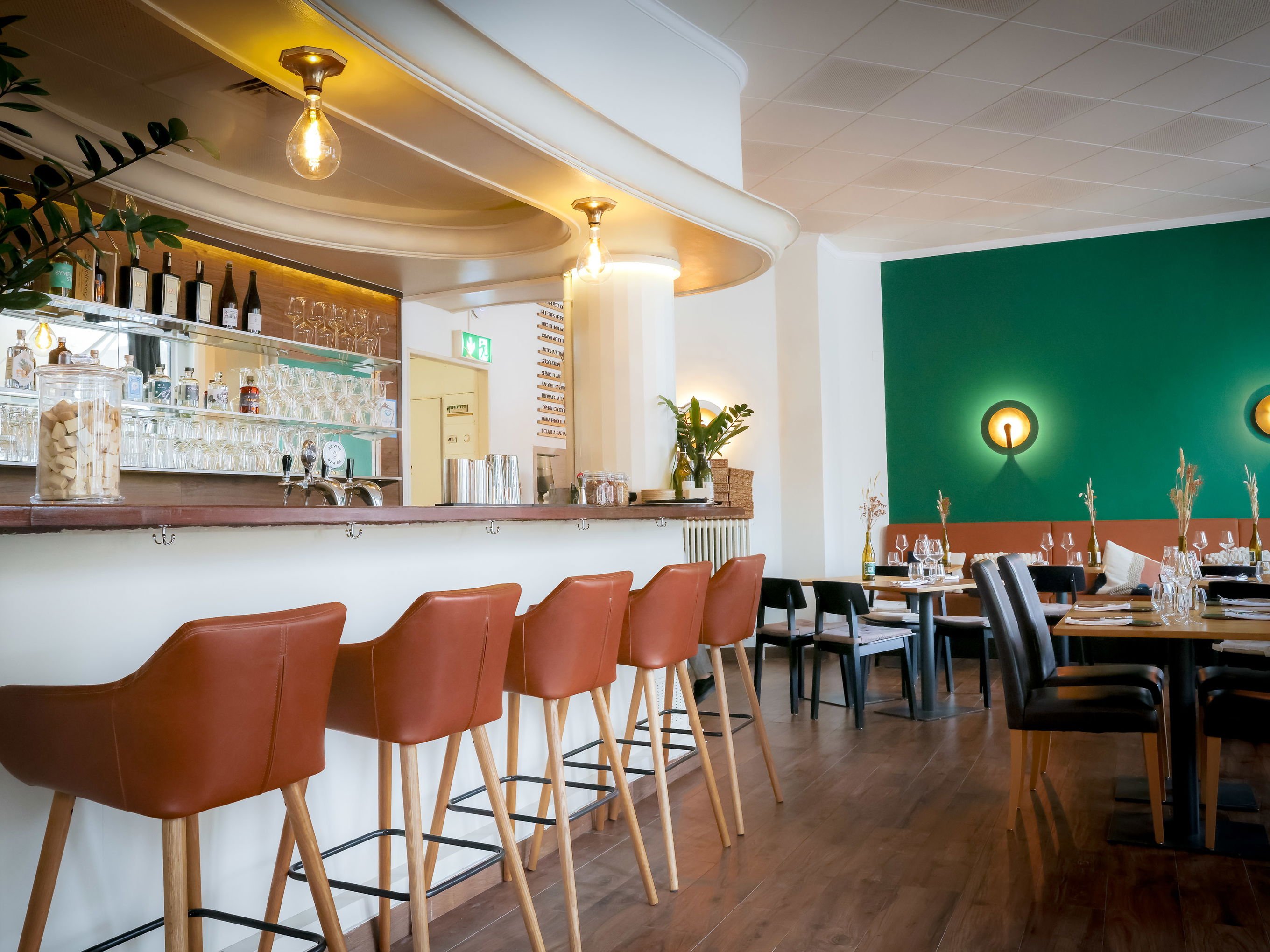
Calm, relaxing atmosphere with stylish high-ceilinged interior in light gray tones, well-spaced tables, and a hidden gem feel.