Located on Qintai Road in Chengdu's Qingyang District, Longsenyuan occupies a stretch of the city long associated with Sichuan cultural heritage. The address places it within reach of the Qin dynasty cultural corridor, and the restaurant draws visitors looking for a structured introduction to the regional canon rather than a single signature dish.
 Discover on Pearl
Pearl is the En Primeur Club membership app — saves, bookings, and concierge access live there. Same editors, same standards.
- Address
- 58 Qintai Rd, 青羊宫商圈 Qingyang District, Chengdu, Sichuan, China, 610032
- Phone
- +862886155158
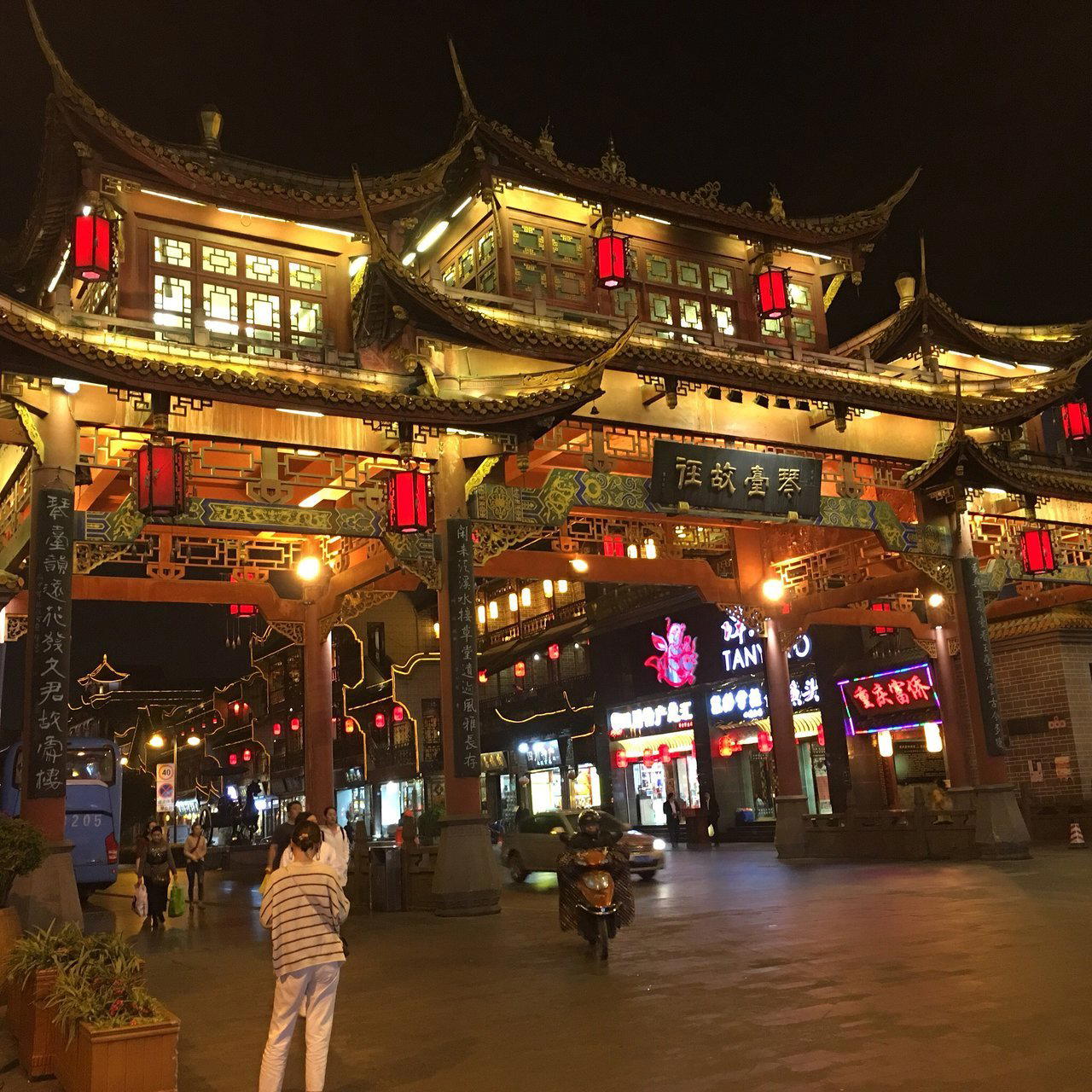
Qintai Road and the Weight of What Comes Before the Meal
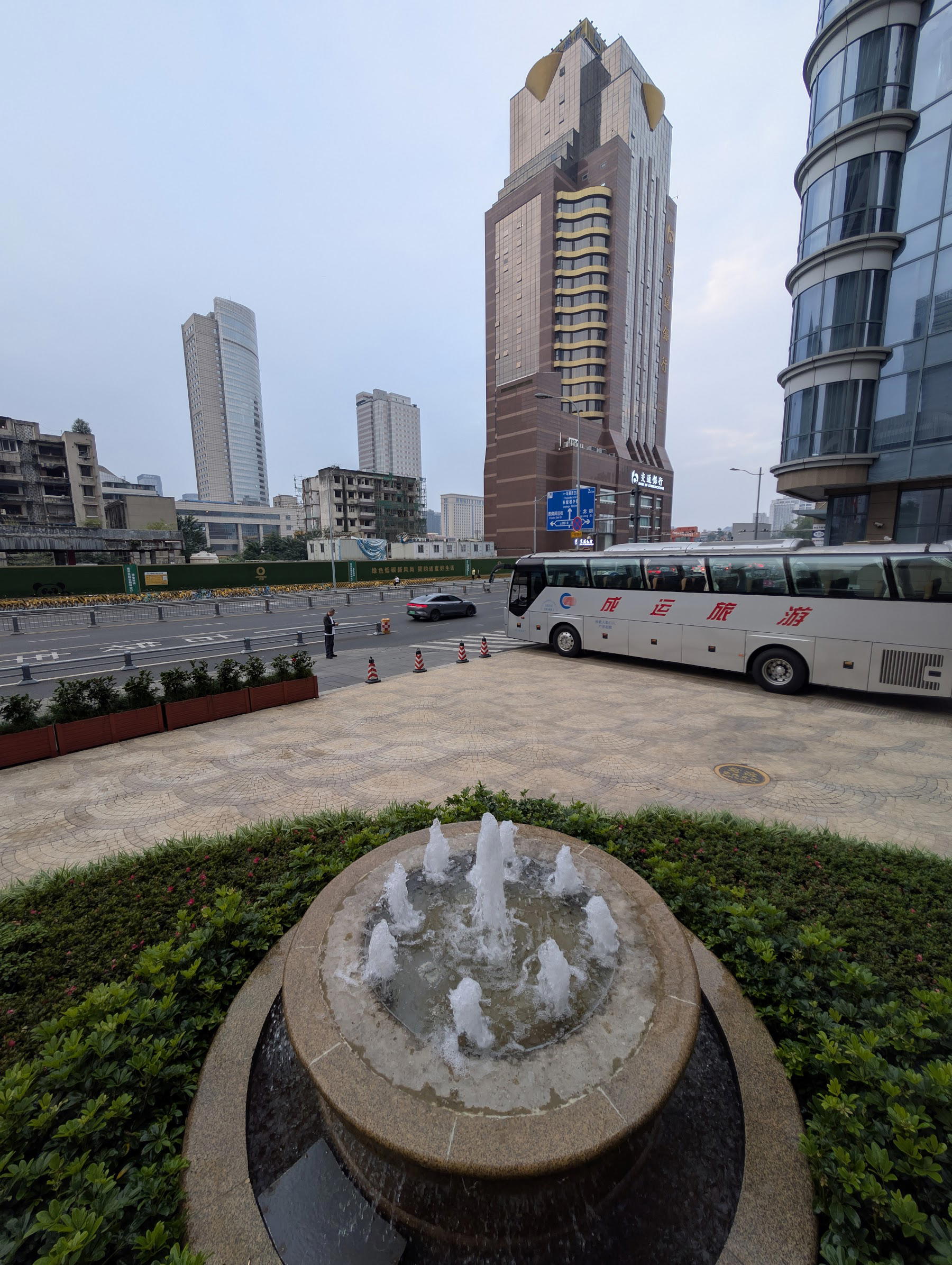
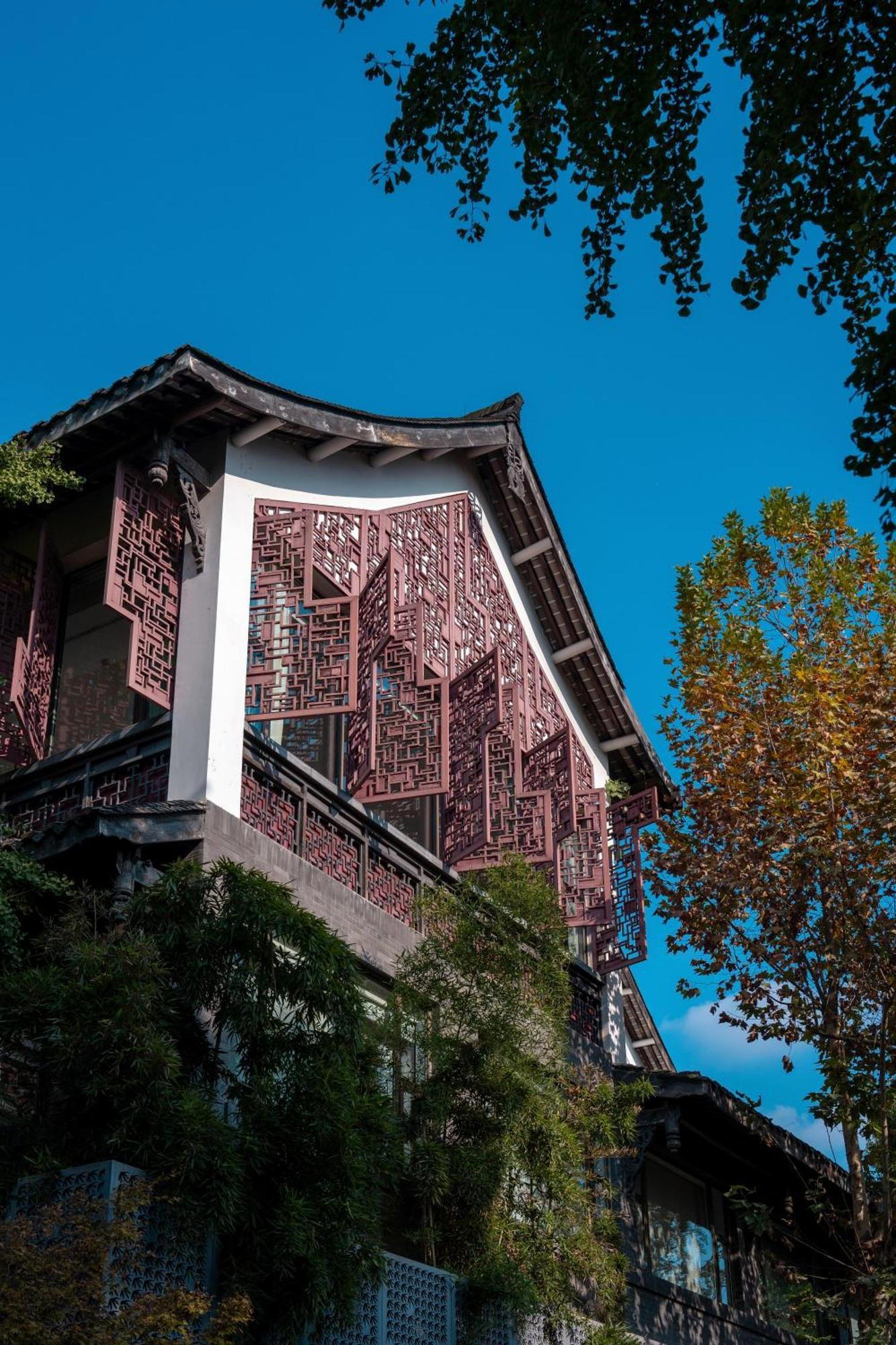
Qintai Road in Chengdu's Qingyang District carries a particular kind of cultural gravity. The street takes its name from Qin Terrace, the mythologised site where the Han dynasty musician Sima Xiangru is said to have played the guqin to court his future wife. Today the road is a pedestrian corridor lined with stone carvings, reproduced classical architecture, and the kind of deliberate heritage framing that Chengdu has invested in heavily over the past two decades. Restaurants along this axis operate within that frame whether they intend to or not. Longsenyuan is an Authentic Chengdu Hotpot restaurant at 58 Qintai Rd in Qingyang District, Chengdu. Arriving here, the visual context does part of the work: you are not walking into a neighbourhood canteen or a chef-driven concept restaurant. You are entering a space where the surrounding city has already declared a position on history, regionalism, and the cultural value of Sichuan cuisine.
That positioning matters because it shapes how the meal itself is likely to be structured. Restaurants in heritage-coded corridors like Qintai Road tend to organise their menus around legibility rather than provocation. The food is meant to communicate a tradition, not challenge it. The address alone tells you what kind of restaurant it intends to be.
Chengdu's Menu Logic: What the Structure of a Sichuan Meal Reveals
Understanding what a restaurant like Longsenyuan is doing requires some familiarity with how serious Sichuan menus are typically built. Unlike the tasting-menu formats that dominate fine dining from Yu Zhi Lan at the upper end of Chengdu's dining tier to international counterparts like Atomix in New York City, traditional Sichuan restaurant menus are structured around the interplay of flavour profiles rather than a linear narrative. The bawei, the eight tastes, organise Sichuan cooking: spicy, numbing, sour, sweet, bitter, salty, fragrant, and fresh. A well-constructed Sichuan menu sequences dishes so that the ma (numbing) and la (spicy) registers don't overwhelm earlier, subtler courses. Cold dishes typically open a meal, allowing the palate to register clean flavours before the heat builds. Braised and stewed preparations anchor the middle of the table. Grain dishes and soups close it.
This architecture is not casual. It reflects centuries of thinking about how flavour accumulates across a sitting. When a Sichuan restaurant abandons this structure in favour of a simplified a-la-carte list designed for fast turnover, it signals something about its intended audience. When it maintains the structure, it signals something else entirely. Longsenyuan's placement in a cultural corridor suggests alignment with the latter intent, though the specifics of its menu, dish names, and sourcing remain unlisted.
For context on how different registers of Sichuan cooking get framed at the upper end of Chengdu's market, Fang Xiang Jing and Fu Rong Huang both represent points on the local spectrum worth comparing. Xin Rong Ji, bringing a Taizhou sensibility to Chengdu, represents a different kind of cross-regional dialogue entirely.
The Qingyang District as a Dining Context
Qingyang is one of Chengdu's older central districts, home to the Qingyang Palace Taoist temple and a concentration of historical sites that pre-date the city's more recent commercial expansion. The dining culture in this part of the city has historically been less trend-driven than Jinjiang or the newer districts to the south. That character tends to attract restaurants interested in positioning around cultural continuity rather than novelty. For visitors who have spent time at the more internationally profiled end of Chengdu's restaurant scene, Qingyang offers a different kind of encounter with the city's food culture, one less mediated by international acclaim and more directly addressed to local appetite and local memory.
Chengdu as a whole received UNESCO Creative City of Gastronomy status in 2010, a designation that reflects the depth and breadth of the city's food culture rather than any single venue or moment. That institutional recognition sits in the background of any serious restaurant operating here. Hokkien Cuisine in Chengdu represents another cross-regional inflection point worth noting, as Fujian cooking traditions find an audience in a city so deeply associated with its own regional identity. Across China's broader fine dining spectrum, the Sichuan approach to structure and flavour complexity is increasingly in dialogue with other regional traditions, from the restrained precision of Ru Yuan in Hangzhou to the Cantonese formalism of Imperial Treasure Fine Chinese Cuisine in Guangzhou.
Where Longsenyuan Sits in the Chengdu Tier
Chengdu's restaurant market stratifies clearly. At the leading, venues like Yu Zhi Lan operate with omakase-adjacent formats, high booking difficulty, and pricing that aligns with Shanghai or Beijing fine dining. Below that sits a substantial mid-tier of serious regional restaurants with structured menus, private dining rooms, and local clientele who eat there regularly rather than occasionally. Below that, the city's extraordinary street food and neighbourhood restaurant culture represents some of the most important Sichuan cooking in the country at prices that bear no relationship to the effort behind the food.
Longsenyuan's address and the context of Qintai Road suggest a position in that mid-tier: serious enough to occupy a heritage-coded address, accessible enough to draw foot traffic from the corridor's visitors, and structured around the kind of Sichuan canon that serves both locals and informed visitors. That is a reasonable and useful position to occupy, and it distinguishes this type of restaurant from both the high-wire fine dining of Yu Zhi Lan and the single-dish intensity of Chen Mapo Tofu on Qinghua Road.
Those interested in how Sichuan cooking registers at higher formality levels beyond Chengdu can look to Chef Tam's Seasons in Macau, where Cantonese-Sichuan crossover is handled at a Michelin-recognised level. 102 House in Shanghai and Dai Yuet Heen in Nanjing offer further points of comparison for how Chinese regional cooking gets framed in different urban contexts.
Planning a Visit
Longsenyuan's address at 58 Qintai Road, Qingyang District places it on one of the district's more walkable cultural stretches, accessible from the Qingyang Palace area. Reservations are recommended. Arriving earlier in lunch or dinner service is the more reliable approach. The Qintai Road corridor itself is worth time on foot regardless, and the surrounding area of Qingyang rewards an afternoon rather than a hurried stop.
Those building a broader China itinerary around serious regional dining may also find useful orientation from Dingshan Jiangyan in Suzhou, Fleurs Et Festin in Xiamen, Jiangnan Wok Rong in Fuzhou, Shang Palace in Yangzhou, and Xin Rong Ji on Xinyuan South Road in Beijing. For a counterpoint from outside the Chinese regional tradition entirely, Le Bernardin in New York City demonstrates how a different culinary culture handles the question of menu architecture and tasting format at the highest formal level.
A Credentials Check
Comparable venues nearby, for context on price, style, and recognition.
| Venue | Cuisine | Price | Awards | Notes |
|---|---|---|---|---|
| LongsenyuanThis venue — the venue you are viewing | Authentic Chengdu Hotpot | $$ | , | |
| Huang Cheng Old Beef Restaurant | Sichuan Muslim Beef | $$ | , | Qingyang District |
| Golden Wheel Auspicious Garden Restaurant | Sichuan Chinese Restaurant | , | Chengdu | |
| Jinjiang Bashu Weiyuan | Chongqing Sichuan Cuisine | $$ | , | Chengdushi |
| Yu’s Family Kitchen | Modern Sichuan Fine Dining | $$$ | 1 recognition | Chengdushi |
| YouYun•LuHuiTianFu | Sichuan Cuisine | $$$ | , | Tianfu 1911 |
At a Glance
- Classic
- Cozy
- Group Dining
- Casual Hangout
- Special Occasion
- Open Kitchen
- Street Scene
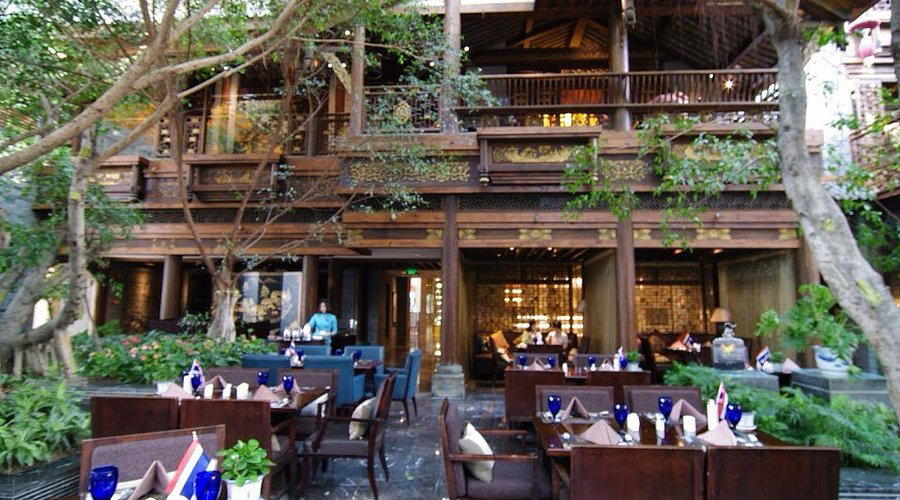
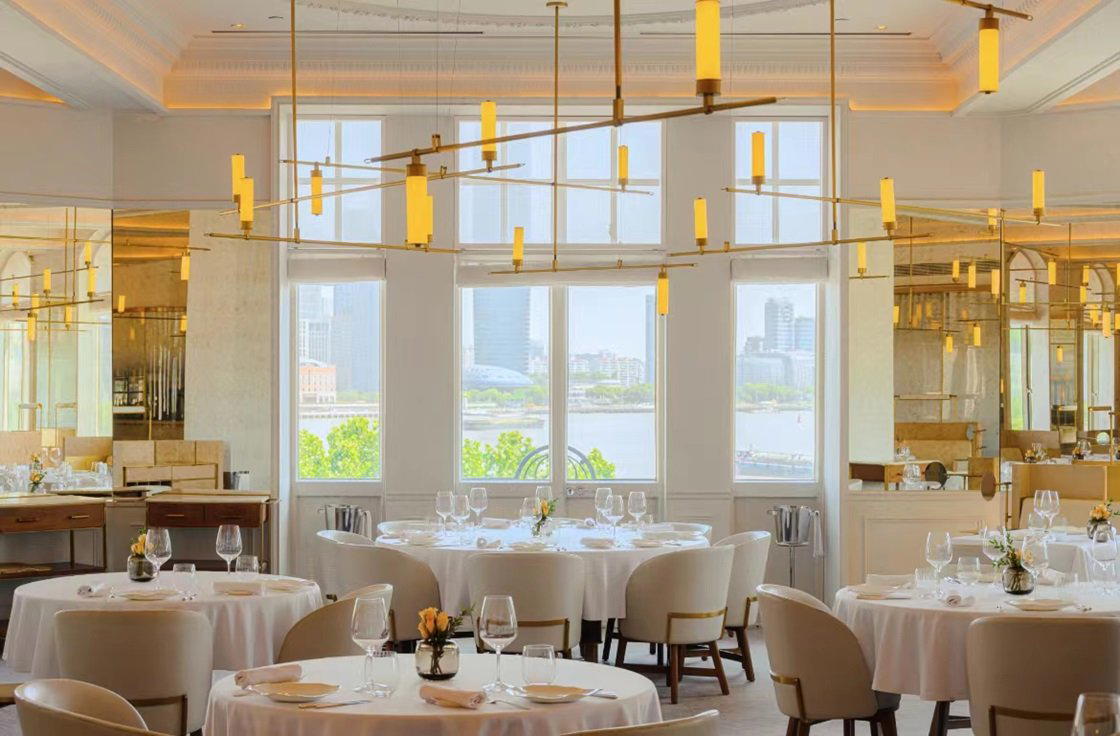
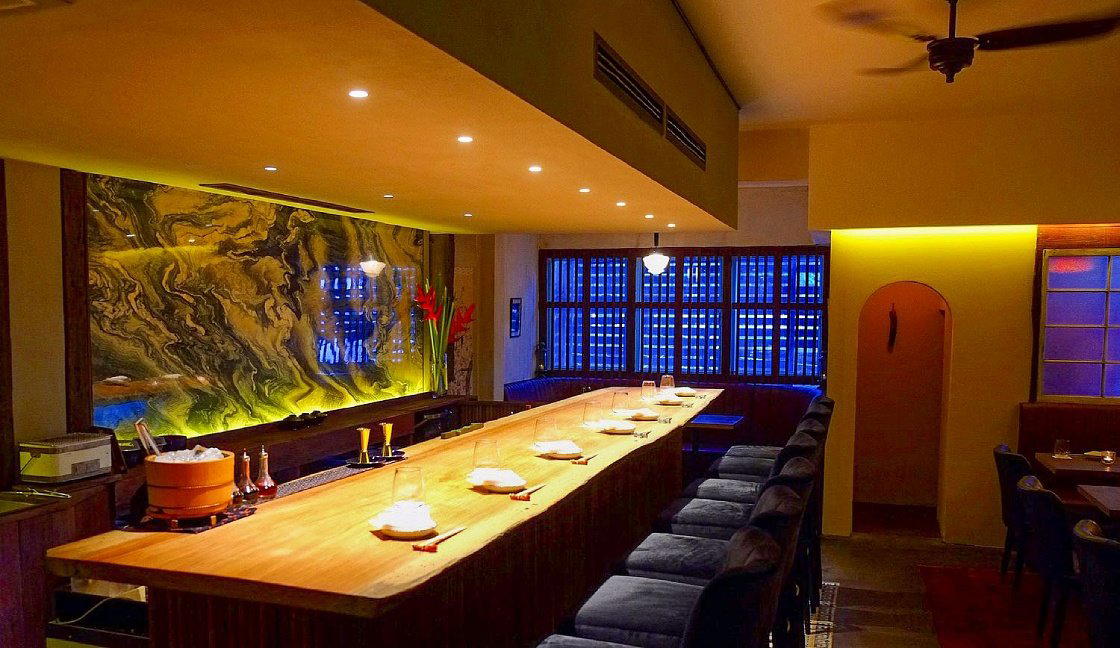
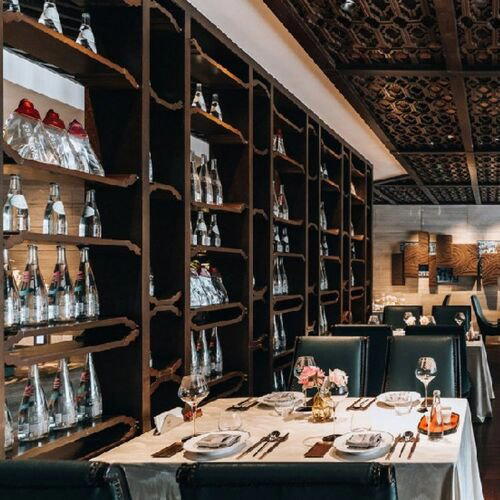
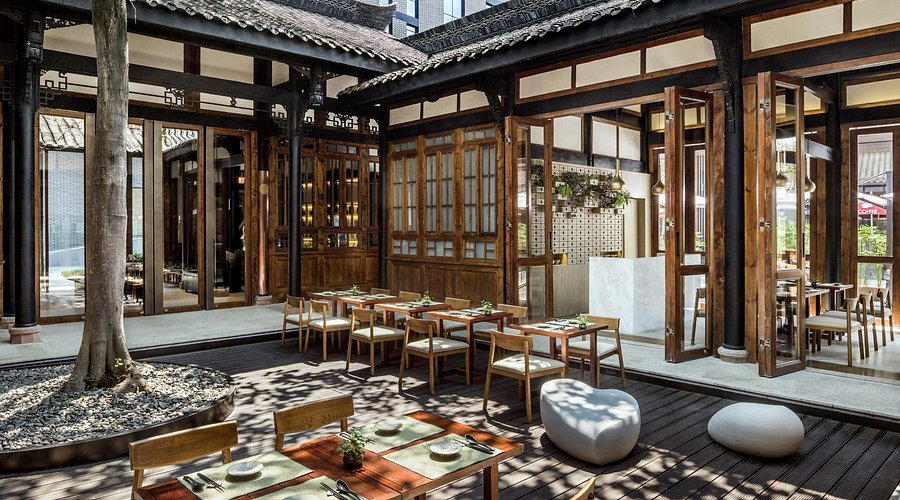
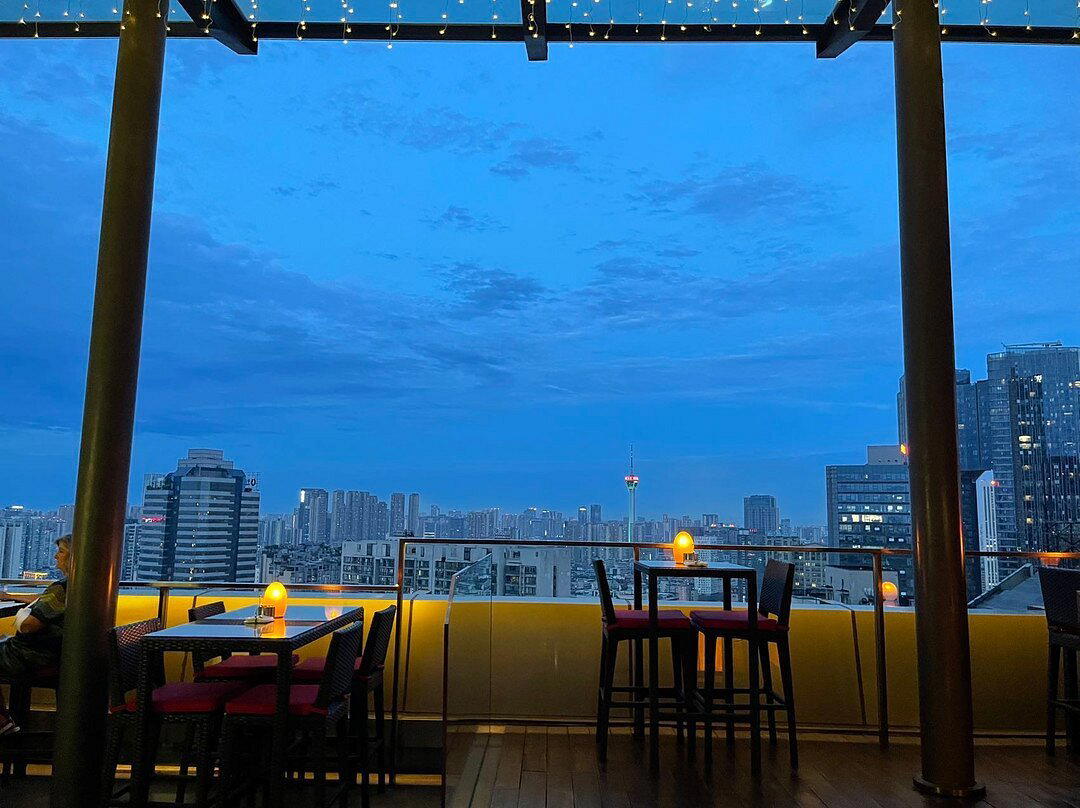
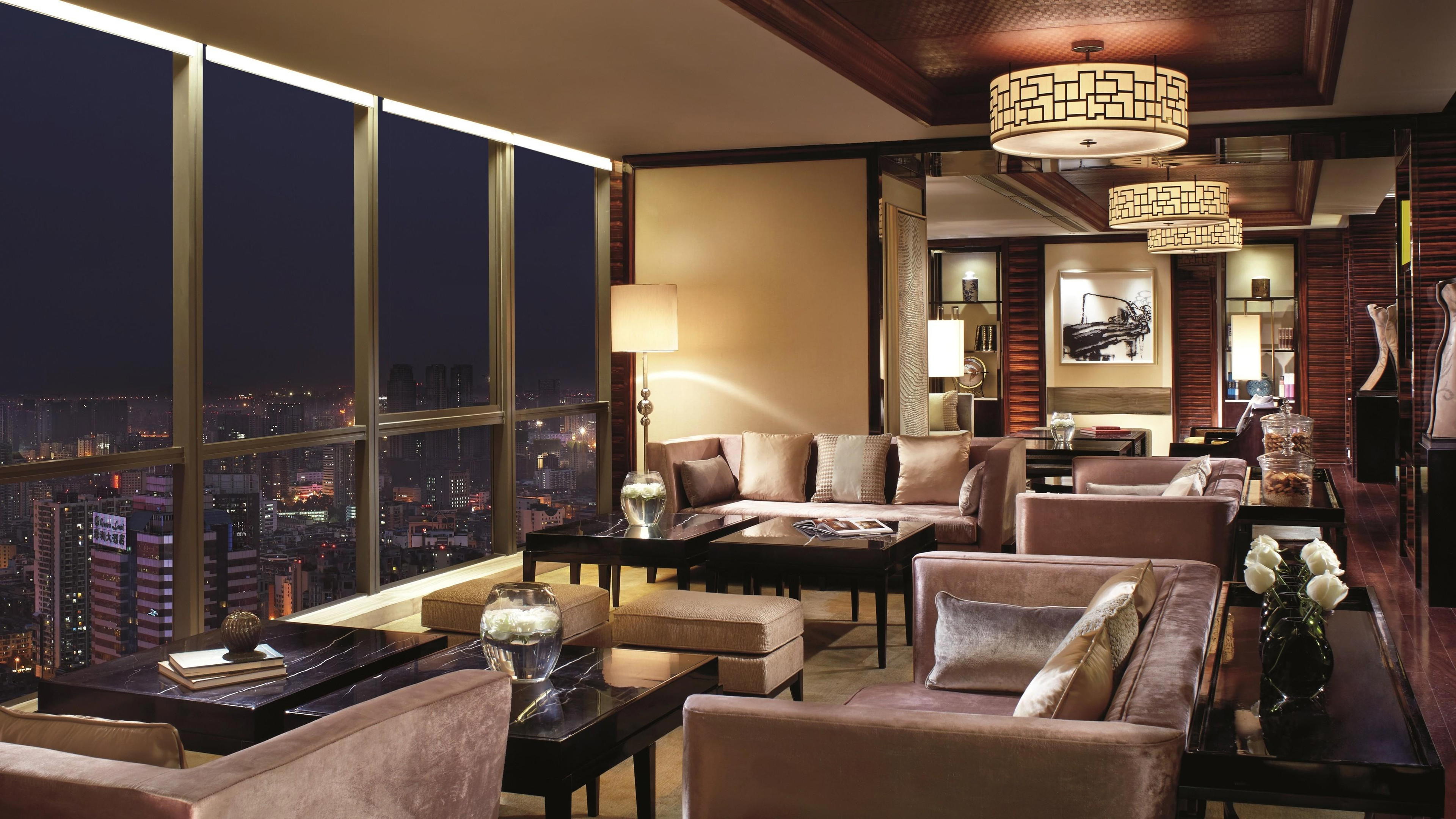
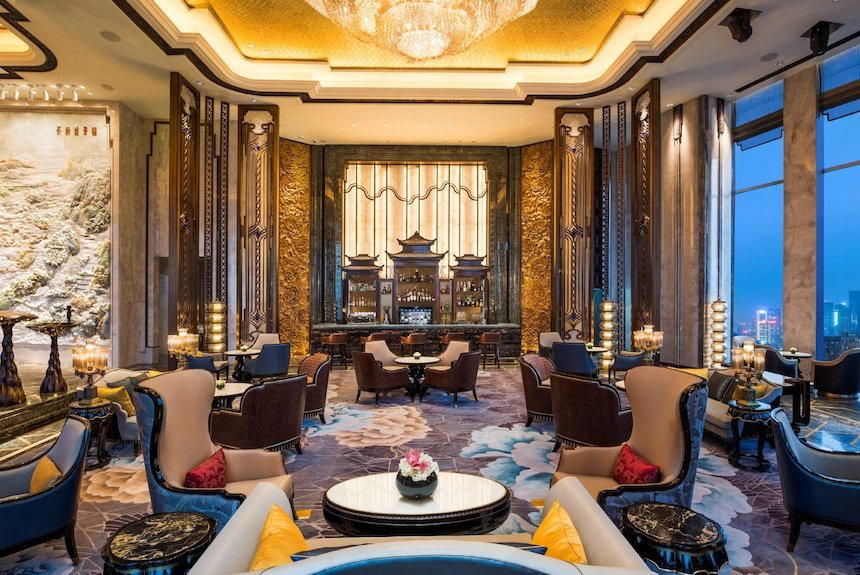
Classic and down-to-earth interior with plain colors, permeated by aromas of spices and herbal medicine from the hotpots.