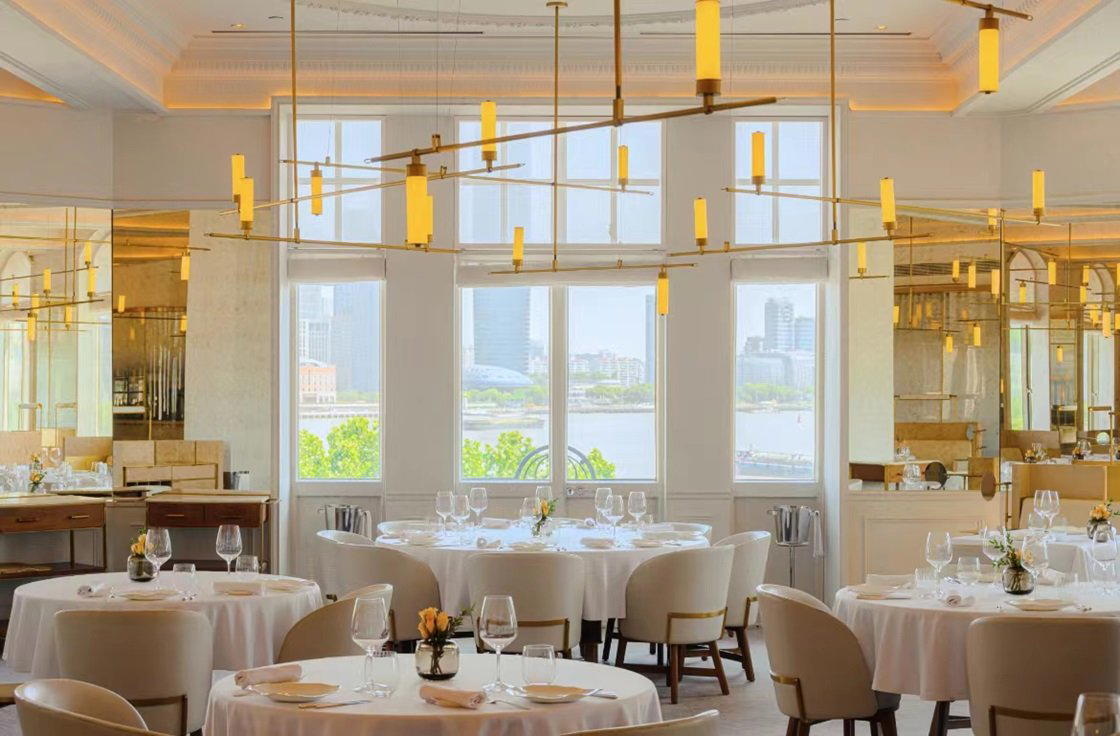
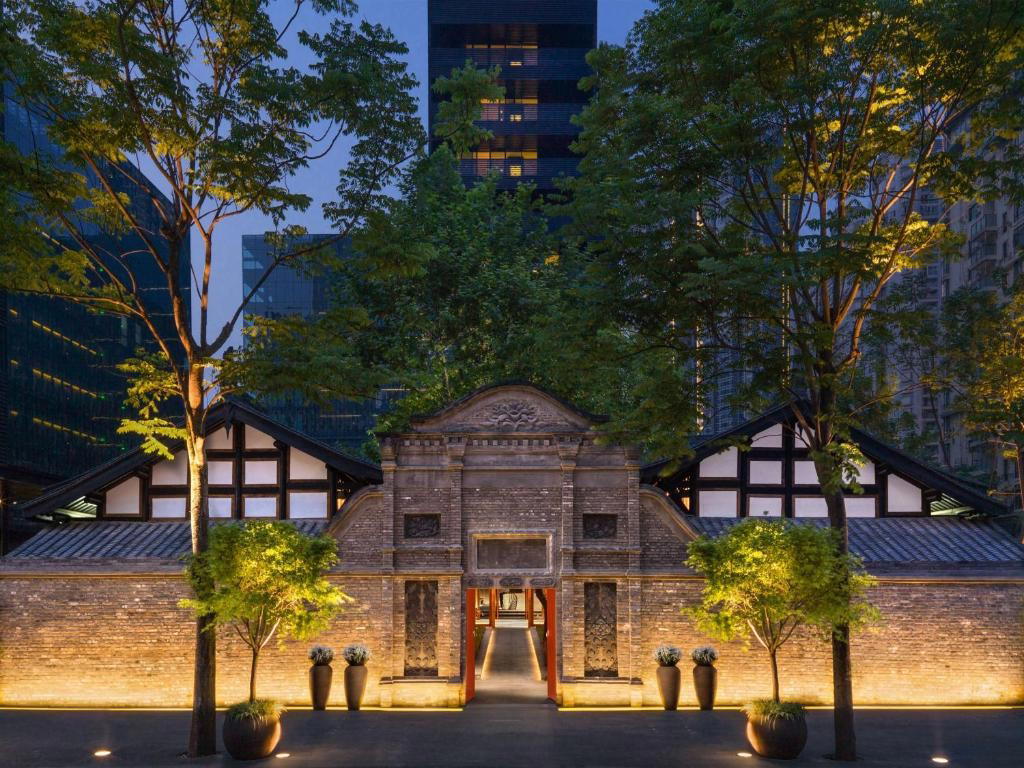
On Junlong Street in Chengdu's Jinjiang District, Bashu Weiyuan occupies a corner of the city where Sichuan cooking traditions run deep and the dining room reflects that seriousness. The restaurant draws on the broader Bashu culinary canon, the regional cooking of Sichuan and Chongqing, and sits within a price tier and neighbourhood context that rewards advance planning over spontaneous visits.
 Discover on Pearl
Pearl is the En Primeur Club membership app — saves, bookings, and concierge access live there. Same editors, same standards.
- Address
- China, Sichuan, Chengdu, Jinjiang District, Junlong St, 64å·é6 é®æ¿ç¼ç
- Phone
- +862884439898
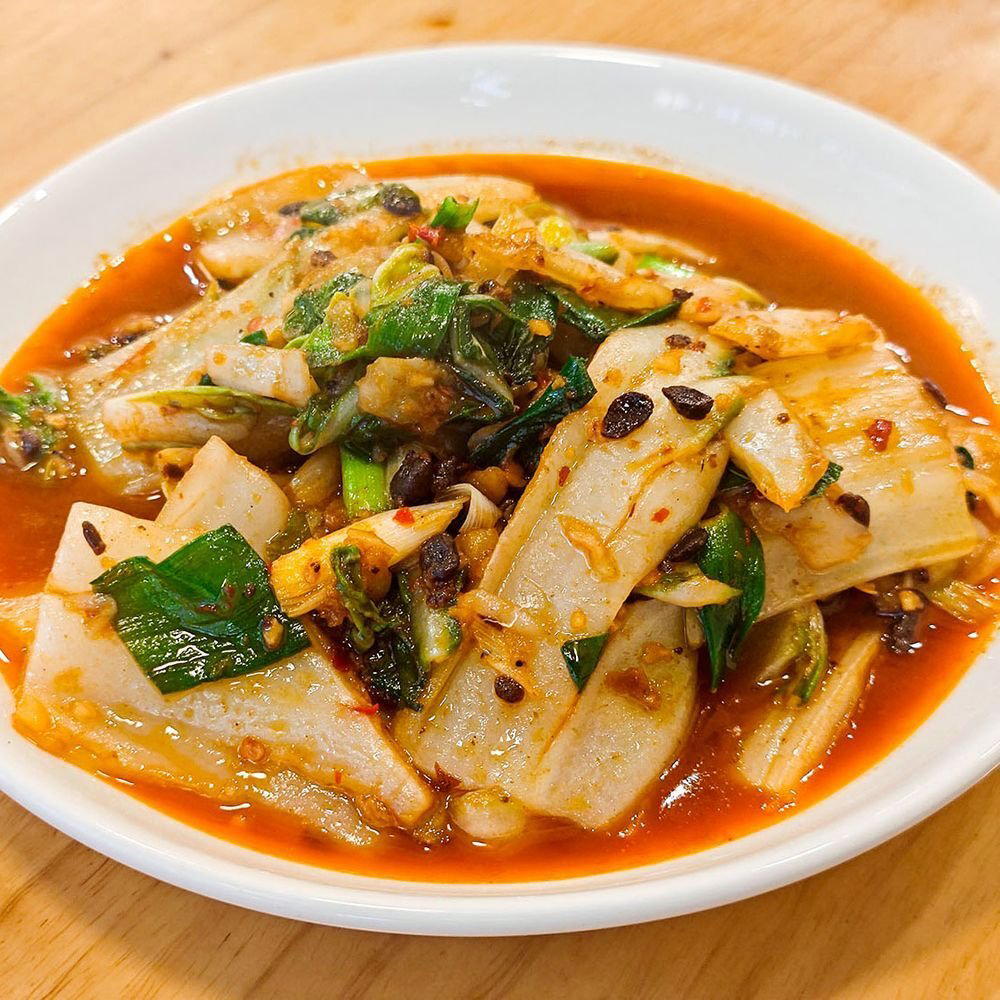
Junlong Street and the Sichuan Table It Sits At
Chengdu's Jinjiang District is one of the city's older commercial and residential corridors, and the dining culture along streets like Junlong has a different character from the newer development zones further west. Here, restaurants tend to draw from the Bashu culinary tradition, the cooking of the Sichuan basin and historic Chongqing region, rather than chasing contemporary trends. Jinjiang Bashu Weiyuan sits within that tradition. The name itself signals intent: Bashu is the classical name for the region encompassing Sichuan and Chongqing, and Weiyuan gestures toward flavour origin, a framing common among restaurants that position themselves as custodians of a regional cooking canon rather than interpreters of it.
That framing matters in Chengdu specifically, because the city's restaurant scene has split into at least two distinct registers over the past decade. One cohort chases high-end modernisation, evidenced by venues like Yu Zhi Lan, which operates at the ¥¥¥¥ tier with a refined tasting format, or Xin Rong Ji, which brings a Taizhou-rooted luxury sensibility to Chengdu's fine dining market. The other cohort stays closer to the vernacular, cooking Sichuan's canonical dishes with technical rigour but without the theatre of a tasting menu format. Bashu Weiyuan reads as belonging to the second register, in a neighbourhood where that positioning is coherent and the local competition is dense.
The Bashu Tradition: What It Actually Means on the Plate
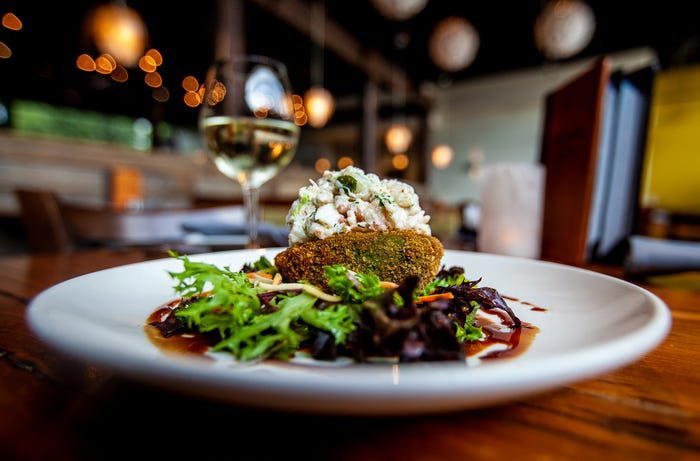
Bashu cuisine is not a single cooking style, it is a geographic and cultural designation that encompasses the full range of Sichuan and Chongqing cooking, from the numbing mala heat of the basin's spice-forward dishes to the subtler, wine-braised preparations found in older restaurant traditions. The defining tension in Bashu cooking is between intensity and balance: the Sichuan peppercorn delivers its characteristic hydroxy-alpha-sanshool tingle, which temporarily anaesthetises the palate, while chilli broad bean paste (doubanjiang) adds fermented depth rather than blunt heat. Together, these produce the mala profile that distinguishes Sichuan cooking from every other Chinese regional cuisine.
Restaurants operating under a Bashu banner in Chengdu are implicitly claiming fluency across that whole tradition, not just hotpot or mapo tofu, but the banquet-format dishes, the cold appetiser spreads, and the longer-cooked preparations that require time and technical knowledge to execute properly. For comparison, Fang Xiang Jing and Fu Rong Huang both operate within Sichuan's regional tradition from Chengdu, each with their own positioning within the city's culinary geography. Hokkien Cuisine in Chengdu demonstrates how the city's market also absorbs non-Sichuan regional traditions, which makes the explicit Bashu identity of a restaurant like Jinjiang Bashu Weiyuan a deliberate statement rather than a default.
Planning a Visit: What the Booking Reality Looks Like
In Chengdu's mid-range to serious dining tier, restaurants on residential-commercial streets like Junlong tend to operate without English-language online booking infrastructure.
This is not unusual across Chinese regional dining. Ru Yuan in Hangzhou and Dai Yuet Heen in Nanjing both represent the kind of serious regional Chinese dining where the booking experience rewards local knowledge. Visitors who have also explored Dingshan·Jiangyan in Suzhou or Jiangnan Wok·Rong in Fuzhou will recognise the pattern: the venue's local reputation is the primary signal, and engaging with it requires working through domestic channels.
How Jinjiang Bashu Weiyuan Sits in Chengdu's Broader Scene
Chengdu has a justifiable claim to being one of China's most food-serious cities, it holds UNESCO Creative City of Gastronomy designation, a recognition grounded in the density and consistency of its culinary culture rather than in a handful of flagship restaurants. That context is important when thinking about where a neighbourhood restaurant like Jinjiang Bashu Weiyuan sits. In a city where even mid-tier dining draws on generations of culinary knowledge, a restaurant identifying explicitly with the Bashu tradition is entering a competitive space with informed local diners as its primary judges.
The comparison set is instructive. At the high end, venues like Imperial Treasure Fine Chinese Cuisine in Guangzhou and Shang Palace in Yangzhou demonstrate what Chinese regional fine dining looks like when it operates at the luxury hotel tier with international service standards. At the opposite end, single-dish specialists like Chen Mapo Tofu on Qinghua Road (¥) and neighbourhood noodle shops set a different baseline entirely. Jinjiang Bashu Weiyuan occupies a middle register that is arguably the most competitive in Chengdu: serious enough to expect repeat local custom, accessible enough that the room will include tables of extended families as easily as two-person dinners.
For visitors using our full Chengdu restaurants guide, Bashu Weiyuan represents the kind of venue that rewards being part of a broader itinerary rather than a single-night destination. Pairing it with the city's higher-end options gives context for how Sichuan cooking operates across registers. Readers who have visited 102 House in Shanghai or Fleurs Et Festin in Xiamen, both operating in the space between serious regional cooking and contemporary refinement, will find the Chengdu equivalent in a slightly different form here, grounded in the intensity of the Bashu spice tradition rather than in delicacy or restraint.
The address at 64 Junlong Street, Jinjiang District, places the restaurant within reach of central Chengdu by taxi or metro.
A Quick Peer Check
Comparable venues nearby, for context on price, style, and recognition.
| Venue | Cuisine | Price | Awards | Notes |
|---|---|---|---|---|
| Jinjiang Bashu WeiyuanThis venue — the venue you are viewing | Chongqing Sichuan Cuisine | $$ | , | |
| Huang Cheng Old Beef Restaurant | Sichuan Muslim Beef | $$ | , | Qingyang District |
| Chen's Mapo Doufu (陈麻婆豆腐) | Authentic Sichuan Mapo Tofu | $ | , | Qingyang |
| Laochengdu Sanyang Noodles | Authentic Sichuan Noodles | $ | , | Chengdushi |
| 十二桥包子店 | Traditional Chinese Steamed Buns | $ | , | central Chengdu |
| Chuan Yang Guan Noodle Shop | Authentic Sichuan Noodles | $ | , | Qingyang District |

At a Glance
- Cozy
- Family
- Casual Hangout
- Standalone
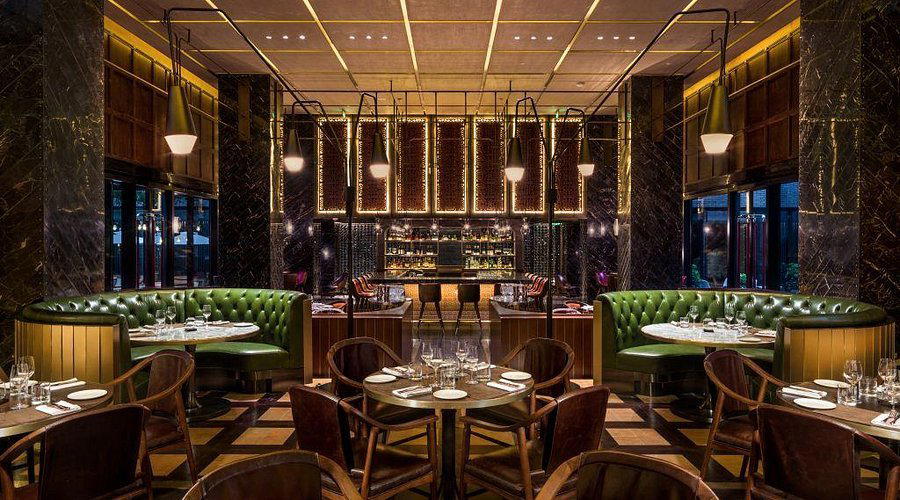
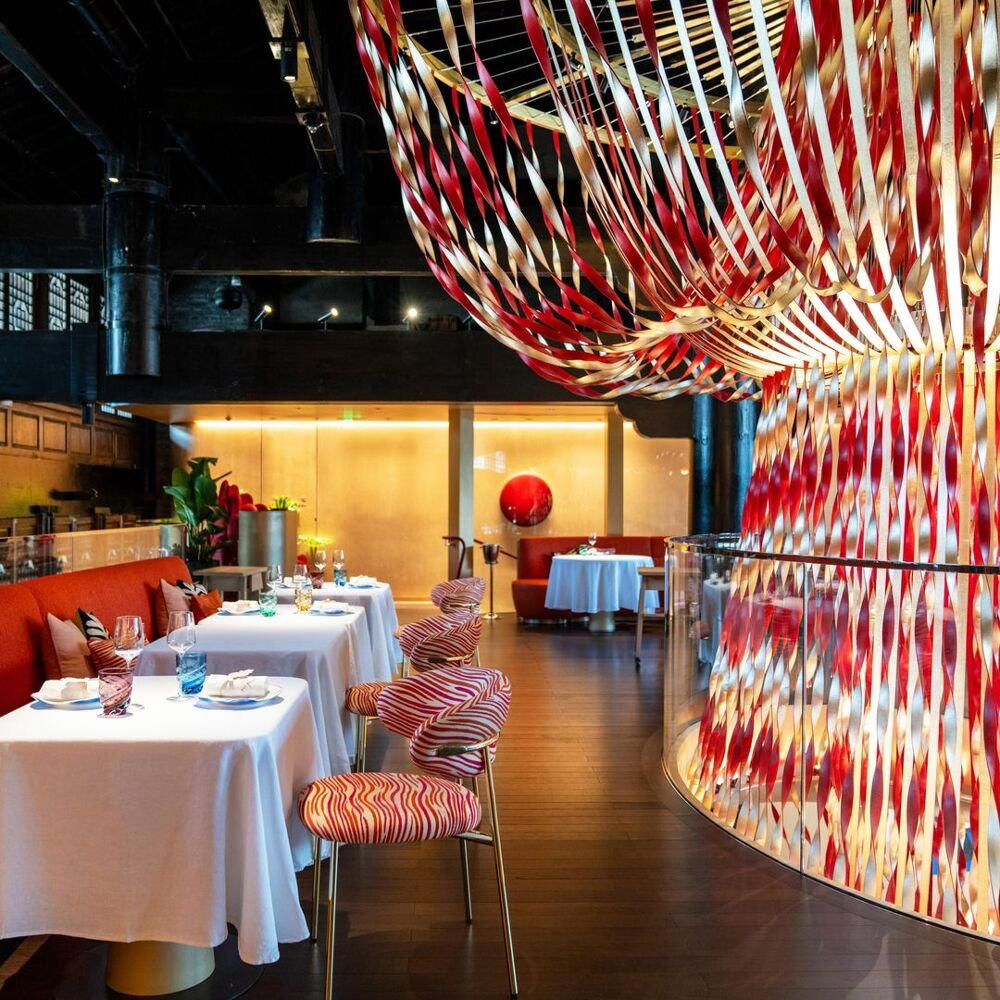
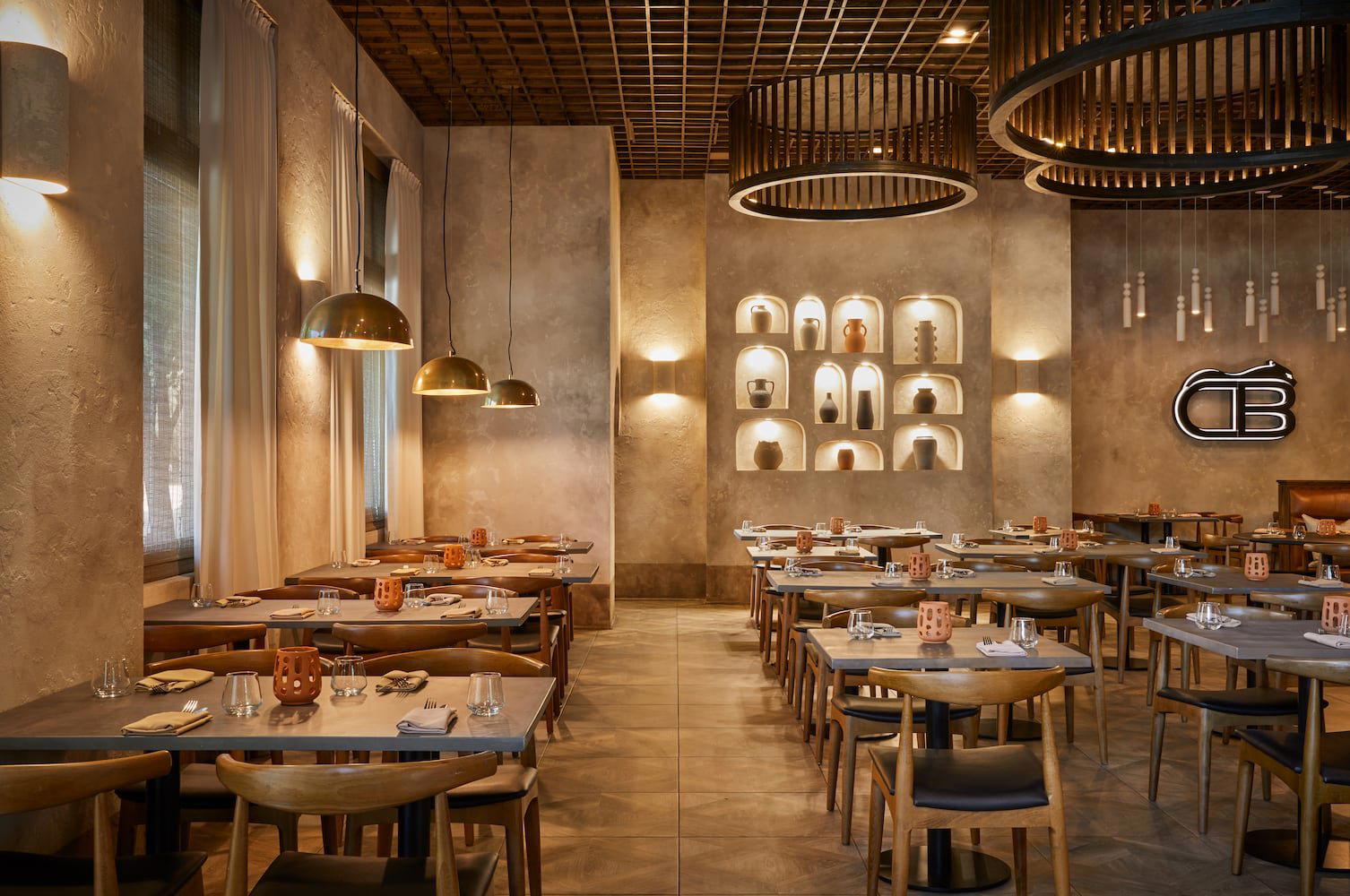
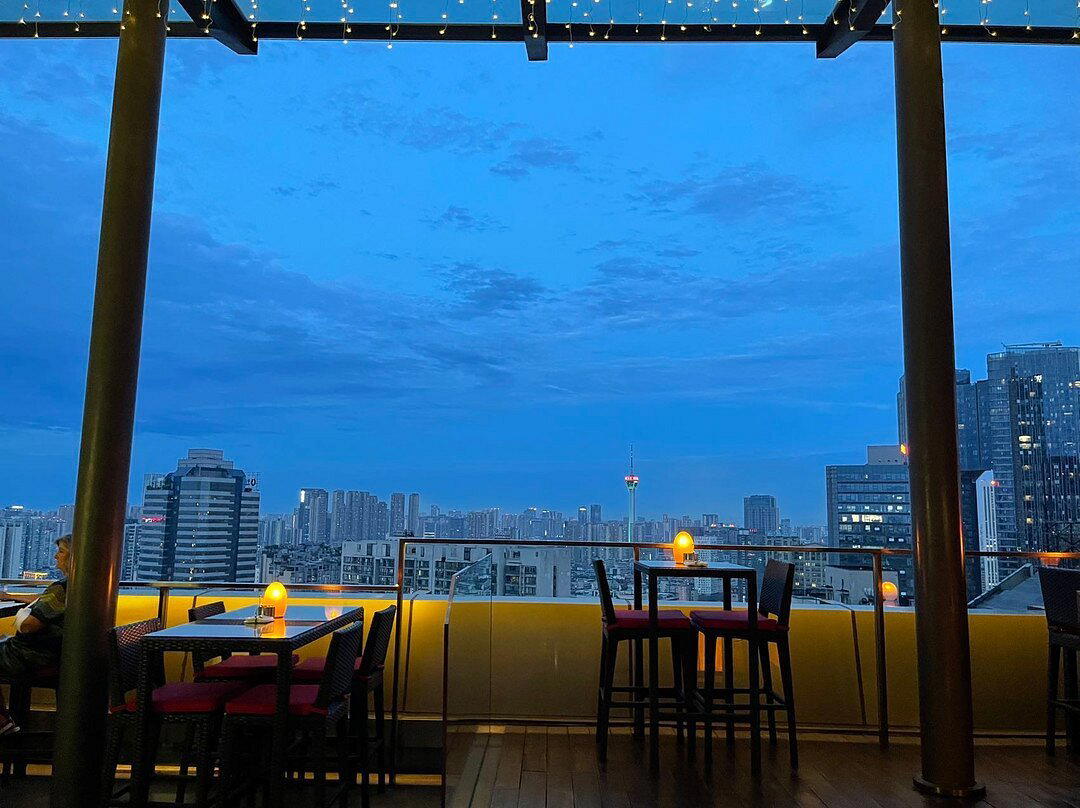
Inviting residential atmosphere celebrating rich regional flavors.